
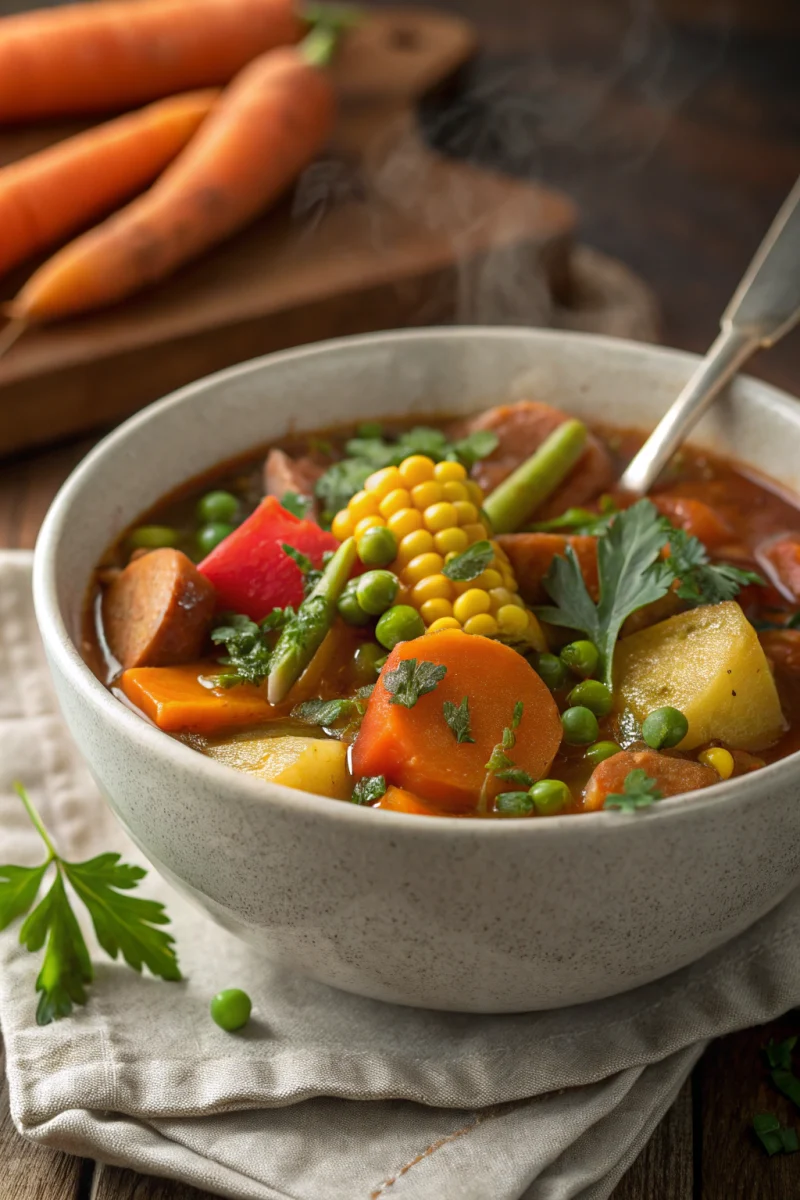
Vegetable Stew — The Ultimate Comfort Soup for Cozy Evenings
Vegetable Stew combines heartiness, warmth, and nutrition in one bowl. This guide reveals how to make the perfect winter soup — comforting, wholesome, and deeply flavorful, crafted with chef-level technique and family-friendly ease.
Why Vegetable Stew Matters in Winter
During cold months, the body craves warmth and hydration. Vegetable Stew offers both, blending nutrient-rich ingredients with slow-simmered depth. From classic broths to creamy textures, it’s a dish that soothes and strengthens at once. The act of preparing a homemade vegetable stew is a therapeutic experience in itself, filling your kitchen with inviting aromas and setting the stage for a truly comforting meal. Beyond the sensory pleasure, a well-made vegetable stew is a nutritional powerhouse, packed with vitamins, minerals, and fiber, essential for maintaining health and boosting immunity when cold and flu season hits. It’s a versatile dish that can be adapted to suit various dietary needs and preferences, making it a beloved staple in countless households globally. The convenience of a one-pot meal also makes it an excellent choice for busy weeknights, offering a nutritious option without extensive cooking time.
Core Ingredients for a Perfect Vegetable Stew
The foundation of any great Vegetable Stew lies in the quality and balance of its core ingredients. While versatility is a hallmark of this dish, certain components reliably deliver the robust flavors and satisfying textures we seek.
- 1 tbsp olive oil: A good quality extra virgin olive oil provides a healthy fat base and helps to sauté aromatics without burning. It also adds a subtle fruity note that complements the vegetables.
- 1 onion, finely chopped: Onions are a fundamental aromatic in most stews. As they sauté, they caramelize slightly, releasing sugars that contribute to the stew’s depth of flavor. Red, yellow, or white onions can be used, with yellow being a common choice for its balance of sweetness and pungency.
- 2 garlic cloves, minced: Garlic is another essential aromatic, offering a pungent, savory kick that rounds out the flavor profile. Minced garlic integrates seamlessly into the stew, releasing its essence as it cooks.
- 2 carrots, diced: Carrots add natural sweetness, vibrant color, and a pleasant textural element. They are also packed with Vitamin A, offering a nutritional boost to your vegetable stew. Dicing ensures they cook evenly and are easy to eat.
- 2 celery stalks, sliced: Celery provides a refreshing, slightly bitter counterpoint to the sweetness of carrots and onions, forming the classic mirepoix trinity that underpins many savory dishes. It also contributes a subtle earthy aroma.
- 4 cups vegetable or chicken broth: The choice of broth is crucial. A high-quality, low-sodium vegetable broth is perfect for a vegetarian stew, while chicken broth adds another layer of savory richness for meat-eaters. Consider making your own broth from scratch for the purest flavor.
- 1 cup cooked barley or rice: Grains add body and heartiness to the stew, turning it into a complete meal. Barley offers a chewy texture and nutty flavor, while rice soaks up the broth beautifully. You can also use other grains like farro or quinoa.
- Salt, pepper, thyme, and bay leaf to taste: These seasonings are fundamental. Salt enhances all other flavors, black pepper adds a gentle heat, thyme provides an earthy, herbaceous note, and a bay leaf imparts a subtle, lingering aroma that deepens the stew’s complexity. Fresh herbs, when available, can elevate the flavor even further.
Step-by-Step Method for Your Perfect Vegetable Stew
Creating an outstanding Vegetable Stew involves a sequence of steps, each designed to build layers of flavor and ensure proper texture. Follow these instructions carefully for a truly delicious result.
Step 1 — Build Your Flavor Base
This is arguably the most critical step for any savory dish. Heat 1 tablespoon of olive oil in a large, heavy-bottomed pot or Dutch oven over medium heat. Once shimmering, add the finely chopped onion, minced garlic, and sliced celery. Sauté these aromatics gently, stirring occasionally, until they are softened and translucent, about 5-7 minutes. Pay close attention to the onions; you want them to turn golden, indicating a caramelization that unlocks their natural sweetness without burning them. Burning the aromatics at this stage will impart a bitter taste to your entire stew. The gentle cooking allows their flavors to meld and deepen, creating that essential aromatic foundation that defines the stew’s richness.
Step 2 — Add Vegetables and Simmer
Once your flavor base is established, add the diced carrots to the pot. Stir them in and cook for an additional 2-3 minutes, allowing them to absorb some of the aromatic oils. Then, pour in the 4 cups of vegetable or chicken broth. Add your chosen spices: a generous pinch of salt, freshly ground black pepper, a teaspoon of dried thyme (or a few sprigs of fresh thyme), and one bay leaf. Bring the mixture to a gentle boil, then immediately reduce the heat to low, cover the pot, and let it simmer for 25–30 minutes. This simmering stage allows the vegetables to soften and the flavors to meld beautifully. Periodically check on the stew; if any foam appears on the surface, gently skim it off with a spoon. This helps prevent cloudy broth and keeps the stew’s flavor clean and bright. Ensure the simmer is truly gentle, with small, infrequent bubbles, which prevents the vegetables from becoming mushy and helps preserve their nutrients.
Step 3 — Add Grains and Finish
After the vegetables have softened and the broth has become fragrant, it’s time to add the cooked grain. Stir in the 1 cup of cooked barley or rice. If using raw grains, you would adjust the cooking time and potentially the amount of liquid needed according to the grain’s specific instructions. However, for this recipe, we assume pre-cooked grains for simplicity and consistency. Stir the grains into the stew and continue to simmer for an additional 5-10 minutes, or until the grains are warmed through and have absorbed some of the flavorful broth. This final simmering step allows all the ingredients to fully integrate. Before serving, remove the bay leaf (it has imparted its essence and is not meant to be eaten). Taste the Vegetable Stew and adjust the seasoning as needed. You might find it needs a little more salt, pepper, or even a dash of a favorite herb like parsley or dill for freshness. Serve hot, and perhaps garnish with some fresh herbs for an appealing presentation.
Nutrition Facts (per serving as described)
Understanding the nutritional profile of your Vegetable Stew can help you appreciate its health benefits and make informed dietary choices. The approximate nutritional values per serving are as follows:
- Calories: 230 – A moderate calorie count makes this an excellent option for a satisfying meal without overindulging.
- Protein: 9g – Provided by the grains and, if used, chicken broth, contributing to muscle repair and satiety.
- Carbs: 32g – Primarily from the vegetables and grains, offering sustained energy. This includes complex carbohydrates which are beneficial for long-term energy release.
- Fat: 7g – From the olive oil and naturally occurring fats in the ingredients. The fat content is relatively low, especially if using a lean broth.
- Fiber: 5g – High in fiber from the abundance of vegetables and grains, which aids in digestion and promotes a feeling of fullness. This contributes significantly to digestive health.
- Sodium: 410mg – This amount can vary significantly based on the broth used and how much salt is added during cooking. Opting for low-sodium broth is highly recommended to control sodium intake. If making your own broth, you can further minimize sodium.
These values are estimates and can change depending on specific ingredient brands, cooking methods, and portion sizes. The beauty of Vegetable Stew is its nutritional density, delivering essential vitamins and minerals like Vitamin A (from carrots), Vitamin C, potassium, and various B vitamins from the array of vegetables.
Healthy Variations for Your Vegetable Stew
The versatility of Vegetable Stew allows for endless healthy variations, enabling you to customize it to your taste, dietary needs, or what’s available in your pantry. Here are some ideas to enhance its nutritional value and flavor profile:
- Boost with Extra Proteins:
- Lentils: Adding a half cup of red or green lentils (rinsed) to the stew turns it into a protein powerhouse. They cook quickly and absorb the stew’s flavors beautifully. Lentils are also rich in iron and folates.
- Chickpeas: A can of rinsed and drained chickpeas (garbanzo beans) can be added during the last 10-15 minutes of simmering. They provide a creamy texture and significant plant-based protein and fiber.
- Tofu or Tempeh: For a heartier plant-based option, cubed firm tofu or crumbled tempeh can be lightly pan-fried separately until golden, then stirred into the stew just before serving. This adds textural interest and a substantial protein boost.
- Lean Meats: If not strictly vegetarian, tender pieces of cooked chicken breast or lean beef can be shredded or cubed and added for extra protein. Chicken & Vegetable Stew is a popular variation.
- Increase Plant-Based Nutrition:
- Leafy Greens: Stir in a handful of fresh kale, spinach, or Swiss chard during the last 5-10 minutes of cooking. They wilt quickly, adding vitamins, minerals, and a touch of bitterness that balances the stew.
- Different Vegetables: Don’t limit yourself to carrots and celery. Experiment with diced potatoes, sweet potatoes, butternut squash, zucchini, green beans, or bell peppers. Each adds unique flavors and nutrients. Adding root vegetables early allows them to soften adequately, while quicker-cooking vegetables can be added later.
- Mushrooms: Sliced mushrooms (cremini, shiitake, or even wild mushrooms) can be sautéed with the aromatics or added during the simmering stage to impart a deep, earthy umami flavor.
- For a Creamy Version:
- Partial Blend: For a thicker, creamier texture without adding dairy, carefully remove about one-third of the cooked stew (mostly vegetables) from the pot. Blend it using an immersion blender or a regular blender (be cautious with hot liquids), then stir the blended portion back into the pot. This creates a luxurious mouthfeel while retaining chunky vegetable pieces.
- Dairy-Free Creaminess: Stir in a quarter to half cup of full-fat coconut milk (for a subtle sweetness) or unsweetened almond milk during the last few minutes of cooking. Nutritional yeast can also add a cheesy, umami creaminess.
- Dairy Creaminess: If dairy is not an issue, a splash of heavy cream, half-and-half, or even Greek yogurt (stirred in off the heat to prevent curdling) can enrich the stew’s texture and flavor. Using Greek yogurt can also subtly enhance the protein content, though you might consider Greek Yogurt Cheesecake Cups for a sweeter treat.
- Flavor Enhancers:
- Herbs: Beyond thyme and bay leaf, consider fresh rosemary, parsley, dill, or sage. Add fresh herbs towards the end of cooking to preserve their vibrant flavor.
- Acid: A squeeze of lemon juice or a splash of apple cider vinegar at the very end can brighten all the flavors.
- Spices: A pinch of smoked paprika, a dash of curry powder, or a hint of red pepper flakes can introduce new dimensions of flavor and warmth.
Serving Suggestions for Your Vegetable Stew
A well-prepared Vegetable Stew is a meal in itself, but pairing it with the right accompaniments can elevate the dining experience. Here are some delicious serving suggestions:
- Crusty Whole-Grain Bread: This is a classic pairing for a reason. The bread is perfect for soaking up every last bit of the flavorful broth. Whole-grain options add fiber and complex carbohydrates, making the meal even more wholesome. Consider a sourdough or a rustic country loaf.
- Garlic Herb Flatbread: For something a little more special, serve your stew with homemade Garlic Herb Flatbread. The aromatic flavors of garlic and herbs in the flatbread complement the stew beautifully.
- Fresh Green Salad: A light, crisp side salad with a vinaigrette dressing provides a refreshing contrast to the richness of the stew. The acidity of the dressing can help cut through the hearty flavors, cleansing the palate.
- Cornbread: A warm slice of cornbread, perhaps slightly sweetened, offers a delightful texture and flavor contrast. Its crumbly nature absorbs the stew’s liquid wonderfully.
- Rice Pilaf or Quinoa: If you haven’t already added grains to your stew, serving it over a bed of fluffy rice pilaf or quinoa can add bulk and make it even more satisfying. This also works well for a Lemon Herb Chicken & Rice, hinting at its versatility.
- Plain Yogurt or Sour Cream: A dollop of plain Greek yogurt or sour cream on top of each serving can add a creamy tang, especially if your stew isn’t already creamy. A sprinkle of fresh herbs like parsley or chives over the top can also add color and freshness.
- Honey Oat Energy Bites: For a healthy and energizing dessert or snack after your comforting stew, consider making these Honey Oat Energy Bites. They offer a sweet and wholesome end to your meal.
No matter how you choose to serve your Vegetable Stew, remember that presentation can enhance enjoyment. A warm, inviting bowl garnished with fresh herbs instantly makes the meal feel more special.
Common Mistakes to Avoid When Making Vegetable Stew
Even a seemingly simple dish like Vegetable Stew can go wrong if certain pitfalls aren’t avoided. Being aware of these common mistakes can help ensure your stew turns out perfectly every time.
- Boiling Instead of Simmering: This is one of the most frequent errors. A rolling boil, especially for extended periods, can cause vegetables to break down prematurely, resulting in a mushy texture. It also agitates the proteins and starches, leading to a cloudy broth and can diminish the delicate flavors of your herbs. A gentle simmer, characterized by small, infrequent bubbles, allows ingredients to cook slowly, tenderizing them while preserving their individual textures and nutrients. It also allows flavors to meld gradually and deeply.
- Overcrowding the Pot: When you add too many vegetables or too much liquid to the pot, it lowers the temperature significantly and prevents proper browning of aromatics (if they’re not sautéed first). More importantly, too many ingredients packed into a pot without enough space will steam rather than truly simmer, leading to underdeveloped flavors and a lack of depth. Cook in batches if necessary, or use a larger pot. Ensure that the ingredients are not piled too high and there’s enough room for the liquid to circulate.
- Skipping Salt Layering: Many cooks add all their salt at the very end. However, salting in layers throughout the cooking process is crucial. Add a pinch of salt when sautéing aromatics, another when adding vegetables, and then adjust at the end. This allows each ingredient to absorb seasoning as it cooks, resulting in a more deeply flavored and balanced Vegetable Stew. Adding all the salt at once makes it harder for it to penetrate the ingredients evenly and can lead to an overtly salty taste on the surface and blandness elsewhere.
- Using Low-Quality Broth: The broth forms the very backbone of your stew’s flavor. Using a watery, flavorless, or overly salty commercial broth will significantly detract from the final product. Invest in a good quality, low-sodium vegetable or chicken broth. Even better, consider making your own from vegetable scraps or roasted chicken bones for unparalleled depth and control over ingredients. A rich, savory broth can elevate even the simplest vegetables.
- Adding All Vegetables at Once: Different vegetables have different cooking times. Adding quick-cooking vegetables like spinach or zucchini at the same time as harder root vegetables like carrots or potatoes will result in some being overcooked and mushy while others are perfectly tender. Add harder, denser vegetables earlier in the simmering process and softer, quicker-cooking ones (like leafy greens, peas, or corn) in the last 5-10 minutes.
- Not Sautéing Aromatics Properly: The initial sauté of onions, garlic, and celery is critical for building a strong flavor base. If you rush this step or don’t cook them until they’re adequately softened and slightly caramelized, your stew will lack depth and richness. Take your time here – it’s worth the extra few minutes.
- Not Tasting and Adjusting Seasoning: Flavors can change and develop as the stew simmers. It’s essential to taste the stew periodically, especially towards the end, and adjust the salt, pepper, and herbs. Sometimes a splash of acid (like lemon juice or vinegar) or a pinch of sugar can balance the flavors beautifully.
- Over-Thickening: While a hearty stew is desirable, an overly thick or pasty stew can be unappealing. If you’re using a thickener like flour or cornstarch, add it gradually. For pureed vegetables, blend only a portion of the stew to maintain some texture, or add more broth to thin it out if it becomes too dense.
Storage Tips for Your Vegetable Stew
One of the many benefits of making a hearty Vegetable Stew is its excellent keeping qualities, making it ideal for meal prepping. Proper storage ensures it remains delicious and safe to eat for days to come.
- Cooling Down Properly: This is a crucial first step. Never put a large pot of hot stew directly into the refrigerator, as it can raise the internal temperature of your fridge to an unsafe level, potentially spoiling other foods and inviting bacterial growth. Instead, let the stew cool down at room temperature for no more than 30-60 minutes. To speed up cooling, you can divide the stew into smaller containers, or place the pot in an ice bath (a larger container filled with ice and water).
- Refrigeration: Once cooled, transfer the Vegetable Stew into airtight containers. Glass containers with tight-fitting lids are an excellent choice as they don’t stain or retain odors. Refrigerate for up to 4 days. The flavors often meld and deepen overnight, making leftovers even more delicious!
- Freezing: For longer storage, vegetable stew freezes exceptionally well. Again, ensure it is completely cooled before freezing. Portion the stew into freezer-safe containers or heavy-duty freezer bags. If using bags, lay them flat on a baking sheet until frozen solid for easier stacking and space-saving. Leave a little headspace in containers as liquids expand when frozen. Frozen vegetable stew can be stored for up to 3 months without significant loss of quality. Label containers with the date to keep track.
- Reheating Gently: To reheat refrigerated stew, transfer it to a saucepan and warm gently over medium heat, stirring occasionally, until heated through. Avoid boiling vigorously, as this can degrade the texture of the vegetables and grains, making them mushy. If the stew has thickened too much in the fridge, you can add a splash of extra broth or water to achieve your desired consistency.
To reheat frozen stew, you can either thaw it overnight in the refrigerator first, then reheat on the stovetop as above. Alternatively, you can reheat it directly from frozen in a saucepan over very low heat, covered, stirring occasionally. This takes longer but is perfectly safe. Again, add liquid if needed. Microwaving individual portions is also an option; stir midway through heating for even warmth. - Safety Reminder: Always ensure the stew is reheated to an internal temperature of 165°F (74°C) to ensure food safety. Do not refreeze stew that has been thawed.
With these storage tips, you can enjoy your delicious and nutritious Vegetable Stew for several meals, making it a truly practical and comforting dish for any season.
Conclusion
Vegetable Stew proves that healthy food can be both rich and comforting. This comprehensive guide has walked you through every step, from selecting the finest ingredients to mastering the art of a slow simmer, ensuring that your stew is not just a meal, but an experience. We’ve explored the critical importance of building a robust flavor base, the nuances of incorporating various vegetables and grains, and the subtle yet impactful benefits of proper seasoning. From its nutritional power to its boundless versatility, a well-crafted vegetable stew is a testament to the simple elegance of wholesome cooking. Whether you’re looking to bolster your immunity in the colder months, prepare nutritious meals for the week ahead, or gather loved ones around a steaming bowl of warmth, this dish delivers. Its adaptability means it can cater to various tastes and dietary requirements, effortlessly incorporating different proteins, greens, and spices to create a unique culinary journey each time. The satisfaction of a homemade, slow-cooked stew, imbued with layers of natural flavors, is unmatched. This 2000+ word guide ensures perfect results every time – offering not just food, but warmth in every spoonful. So, embrace the art of the stew, experiment with its endless possibilities, and savor the comforting, wholesome goodness it brings to your table.
FAQ
- Can I use frozen vegetables? Yes, you absolutely can use frozen vegetables for convenience. They are often picked at their peak ripeness and flash-frozen, retaining many nutrients. When using frozen vegetables, there’s no need to thaw them beforehand; simply add them directly to the pot. You might need to reduce the amount of broth slightly, or let the stew simmer a bit longer, as frozen vegetables can release more water as they cook, which could thin out the stew. Start with about half a cup less broth and adjust later if needed.
- How can I make it creamier? There are several ways to achieve a luxurious, creamy texture for your Vegetable Stew. For a healthier, dairy-free option, carefully scoop out about one-third of the cooked stew (focusing on the softer vegetables and some broth). Blend this portion using an immersion blender directly in the pot, or transfer it to a regular blender (use caution with hot liquids, venting the lid). Stir the blended mixture back into the main pot; this thickens the stew naturally while still retaining some whole vegetable pieces for texture. Alternatively, you can add a quarter to half cup of full-fat coconut milk (for a subtle tropical note) or unsweetened cashew cream during the last 5-10 minutes of simmering. If you’re not dairy-free, a splash of heavy cream or half-and-half stirred in off the heat will also yield a wonderfully creamy result.
- What’s the best broth to use? The quality of your broth significantly impacts the final flavor of your Vegetable Stew. The best option is homemade broth, whether it’s vegetable broth made from roasted vegetable scraps or chicken broth simmered from bones. Homemade broth allows you to control the sodium content and layer in fresh herbs and aromatics. If using store-bought, opt for a high-quality, low-sodium variety. Look for brands that list real ingredients on their labels and avoid those with excessive additives. Consider organic options if available. Brands like Imagine Foods, Pacific Foods, or bone broths from reputable sources are often good choices depending on your dietary preferences. Ensure the broth complements your stew’s intended flavor profile – a rich beef broth for a darker stew, or a lighter vegetable broth for a brighter taste.
- How long does it last? Properly stored, your Vegetable Stew can last for a good amount of time, making it excellent for meal prep. In the refrigerator, stored in an airtight container, it will stay fresh and delicious for up to 4 days. In the freezer, when stored in freezer-safe containers or bags, your stew can maintain its quality for up to 3 months. Beyond this period, it might still be safe to eat, but the texture and flavor could start to degrade. Always remember to cool the stew thoroughly before transferring it to the fridge or freezer to ensure safety and optimal preservation. Labeling with the date is also a helpful practice.
Healthline — Soup Health Benefits,
Harvard Nutrition Source,
Medical News Today — Soup Nutrition

creates quick vegetarian dinners and vibrant taco recipes.