
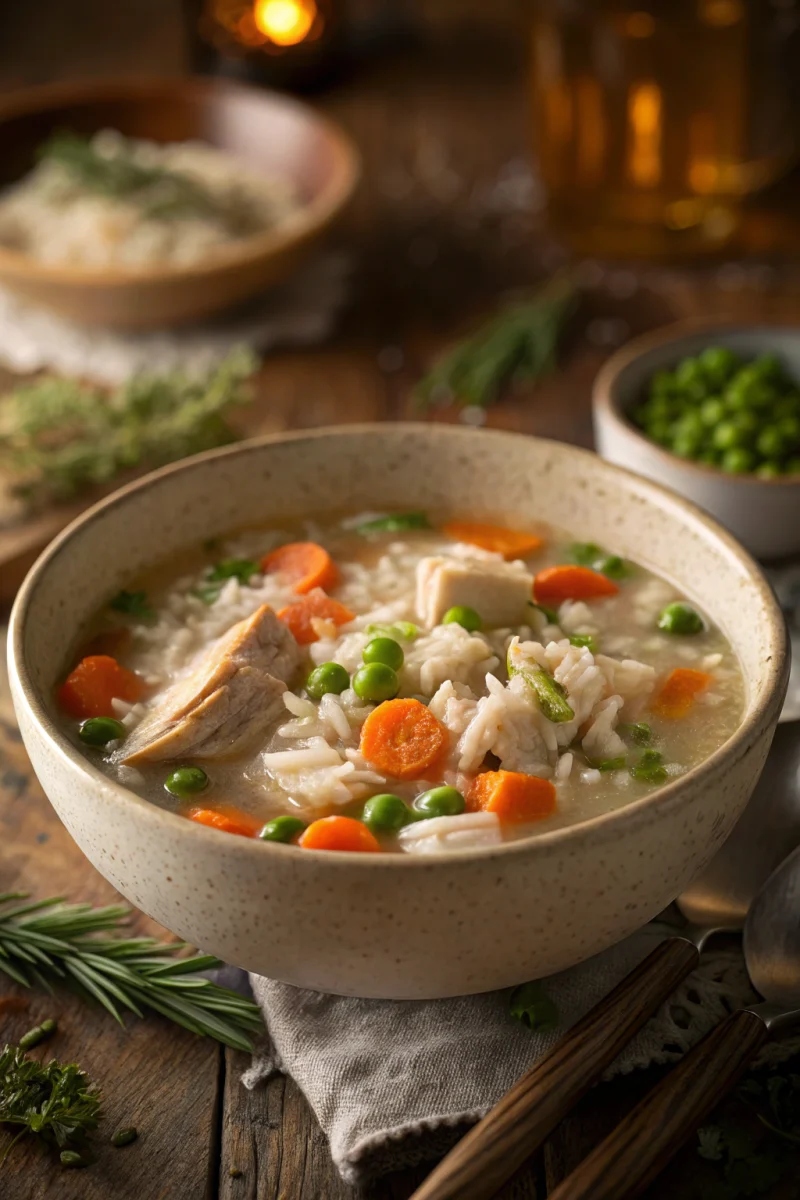
Turkey Soup — The Ultimate Comfort Soup for Cozy Evenings
Turkey Soup combines heartiness, warmth, and nutrition in one bowl. This guide reveals how to make the perfect winter soup — comforting, wholesome, and deeply flavorful, crafted with chef-level technique and family-friendly ease.
Why Turkey Soup Matters in Winter
During cold months, the body craves warmth and hydration. Turkey Soup offers both, blending nutrient-rich ingredients with slow-simmered depth. From classic broths to creamy textures, it’s a dish that soothes and strengthens at once. The act of preparing and consuming a warm bowl of turkey soup can also be deeply psychological, providing a sense of comfort and nostalgia, often associated with home and family. The aromatic steam alone can open up nasal passages, helping with congestion often experienced during winter, making it a natural remedy for seasonal ailments.
Core Ingredients for a Perfect Turkey Soup
Crafting an exceptional Turkey Soup begins with selecting high-quality ingredients. Each component plays a crucial role in developing the soup’s robust flavor profile and nutritional benefits. Don’t underestimate the power of fresh herbs and good quality broth.
- 1 tbsp olive oil: The base for sautéing, olive oil imparts a delicate fruitiness and helps the initial aromatics release their full potential. Extra virgin olive oil is preferred for its health benefits and flavor.
- 1 onion, finely chopped: Onions are foundational for almost any savory dish. When slowly cooked, they caramelize slightly, adding a subtle sweetness and depth to the Turkey Soup.
- 2 garlic cloves, minced: Garlic is essential for its pungent, savory notes. Freshly minced garlic provides a more vibrant flavor than pre-minced varieties.
- 2 carrots, diced: Carrots contribute natural sweetness, vibrant color, and a host of vitamins (especially Vitamin A) to the soup. Dicing them uniformly ensures even cooking.
- 2 celery stalks, sliced: Often paired with onions and carrots in a classic mirepoix, celery adds a subtle peppery note and textural contrast.
- 4 cups vegetable or chicken broth: The liquid base of your Turkey Soup. A good quality, low-sodium broth is crucial. Homemade broth will always yield the best results, offering richer flavor and control over sodium levels.
- 1 cup cooked barley or rice: These grains add heartiness, making the soup a more substantial meal. Barley offers a chewy texture and excellent fiber content, while rice provides a softer, more familiar mouthfeel. You can use brown rice for added nutrients.
- 2 cups cooked turkey, shredded or diced: This is the star of your Turkey Soup. Leftover roasted turkey works perfectly, offering rich, savory notes. Ensure the turkey is tender and free of bones.
- Fresh herbs (e.g., thyme, rosemary, bay leaf): Herbs elevate the soup’s aroma and taste. A bay leaf provides complex, almost woodsy notes, while fresh thyme adds a warm, earthy flavor.
- Salt and freshly ground black pepper to taste: Proper seasoning is vital. Salt enhances all the other flavors, and fresh black pepper adds a gentle kick. Remember to taste and adjust throughout the cooking process.
Step-by-Step Method for the Best Turkey Soup
Creating a delicious Turkey Soup is a straightforward process when you follow these steps. Attention to detail at each stage ensures a flavorful and comforting result.
Step 1 — Build your flavor base
Heat the olive oil in a large pot or Dutch oven over medium heat. Add the finely chopped onion, minced garlic, and sliced celery. Sauté gently, stirring occasionally, until the vegetables soften and become translucent, about 5-7 minutes. The onion should just begin to turn golden. This initial sautéing step is critical as it caramelizes the natural sugars in the vegetables, developing a deep, aromatic foundation that defines the soup’s richness and complexity. Do not rush this step, as it forms the soul of your Turkey Soup.
Step 2 — Add vegetables, broth, and simmer
Once the flavor base is established, add the diced carrots to the pot. Stir for another 2-3 minutes, allowing them to slightly soften and absorb some of the aromatic flavors. Pour in the 4 cups of vegetable or chicken broth. Add your chosen herbs, such as a bay leaf and a few sprigs of fresh thyme. Bring the mixture to a gentle boil, then reduce the heat to low, cover, and let it simmer for 25–30 minutes, or until the carrots are tender. Simmering slowly allows the flavors to meld and deepen without overcooking the vegetables. During this time, you may notice some foam rising to the surface; gently skim it off with a spoon to ensure a clear and clean broth for your Turkey Soup.
Step 3 — Incorporate turkey, grains, and finish
After the vegetables are tender, stir in the 2 cups of cooked turkey and the 1 cup of pre-cooked barley or rice. If using raw rice or barley, add it with the broth in Step 2 and adjust cooking time according to package directions until tender. Allow the soup to simmer for another 5-10 minutes, just long enough for the turkey to heat through and the flavors to fully combine. Taste the Turkey Soup and adjust the seasoning generously with salt and freshly ground black pepper. Remember that grains and turkey can absorb a lot of flavor, so don’t be shy with the seasoning. Continue to taste and adjust until the balance is perfect. Remove the bay leaf and any herb sprigs before serving.
Nutrition Facts (per serving of Turkey Soup)
A typical serving of this homemade Turkey Soup (approximately 1.5 cups) offers a balanced nutritional profile, making it a healthy and satisfying meal. These values are approximate and can vary based on specific ingredients and portion sizes.
- Calories: 230 – A moderate energy content, suitable for a light meal or part of a larger one.
- Protein: 18g – Significant protein, primarily from the turkey, aiding muscle repair and satiety.
- Carbohydrates: 32g – Provides energy from vegetables and grains.
- Fat: 7g – Healthy fats from olive oil and naturally occurring in turkey.
- Fiber: 5g – Excellent source of dietary fiber from vegetables and barley/rice, important for digestive health.
- Sodium: 410mg – Controlled by using low-sodium broth and adjusting salt to taste.
- Vitamins & Minerals: Rich in Vitamin A (from carrots), B vitamins (from turkey and grains), and various minerals like potassium and iron.
This breakdown illustrates why homemade Turkey Soup is not just comforting but also nutritionally dense, supporting overall health and well-being, especially during colder months or recovery from illness.
Healthy Variations of Turkey Soup
The versatility of Turkey Soup makes it easy to adapt to various dietary needs and flavor preferences, while still maintaining its wholesome character.
- Extra Protein Power: To boost the protein content even further, consider adding cooked lentils (red or green) along with your grains. Lentils also contribute a significant amount of fiber. Alternatively, small, firm tofu cubes can be added during the last 10 minutes of simmering for a plant-based protein kick.
- Plant-Based Nutrition Boost: Incorporate more leafy greens like kale or spinach during the last 5 minutes of cooking. Their nutrients will be preserved, and they will wilt beautifully into the soup. Chickpeas, black beans, or cannellini beans are also excellent additions, providing bulk, protein, and fiber.
- Creamy Indulgence (Healthy Style): For a smoother, creamier texture without excessive fat, blend about one-third of the finished soup (before adding turkey and grains, if preferred) and then stir it back into the pot. This creates a natural thickening effect. For added creaminess, a splash of unsweetened almond milk or a small amount of Greek yogurt (stirred in off the heat) can enhance richness. If you like a dairy-free creamy option, a tablespoon or two of cashew cream (soaked cashews blended with water) works wonders.
- Spicy Kick: For those who love a bit of heat, add a pinch of red pepper flakes with the garlic and onions, or swirl in a teaspoon of sriracha or chili garlic sauce right before serving.
- Low-Carb Option: Omit the barley or rice and instead add more non-starchy vegetables like zucchini, green beans, or extra celery to keep the soup satisfying. Cauliflower rice can also be used as a low-carb grain substitute.
- Immune-Boosting Additions: Consider adding ingredients like fresh ginger (grated) or turmeric (ground) during the sautéing stage for their anti-inflammatory and immune-supporting properties.
Each variation allows you to customize your Turkey Soup to your taste, making it a flexible and ever-evolving dish that can cater to any craving or health goal.
Serving Suggestions for your Turkey Soup
A bowl of warm Turkey Soup is a meal in itself, but pairing it with the right accompaniments can elevate the dining experience.
- Crusty Whole-Grain Bread: A thick slice of artisan whole-grain bread, toasted or brushed with olive oil, is perfect for soaking up every last drop of the savory broth.
- Garlic Herb Flatbread: For a more gourmet touch, serve with a freshly baked Garlic Herb Flatbread. The aromatic herbs and crisp texture complement the richness of the soup beautifully.
- Simple Green Salad: A light, crisp green salad with a vinaigrette dressing can provide a refreshing contrast to the warm, hearty soup, adding freshness and additional vitamins.
- Cheese Toasties: A classic grilled cheese sandwich, made with whole-grain bread and sharp cheddar, makes for a delightful and comforting pairing, especially on a chilly evening.
- Honey Oat Energy Bites: For a wholesome and sweet ending, pair your soup with a batch of Honey Oat Energy Bites. They offer a perfect balance of sweetness and nutrition without being too heavy.
- Herbed Croutons: Homemade croutons made from stale bread, tossed with olive oil and your favorite herbs, add a delicious crunch and prevent food waste.
- A dollop of sour cream or Greek yogurt: While not traditional, a small dollop stirred into each bowl just before serving can add a creamy tang, especially if your Turkey Soup is on the lighter side.
These serving suggestions ensure that your Turkey Soup meal is both satisfying and well-rounded, catering to diverse preferences and making every spoonful an experience.
Common Mistakes to Avoid When Making Turkey Soup
Even a seemingly simple dish like Turkey Soup can go awry if certain common pitfalls aren’t avoided. Being aware of these mistakes will help you achieve a consistently delicious result.
- Boiling instead of simmering: Aggressive boiling can break down delicate vegetables, making them mushy, and can cause proteins in the broth to become cloudy. It also extracts impurities too quickly, resulting in a less refined flavor. Always maintain a gentle simmer; small, lazy bubbles are ideal.
- Overcrowding the pot: Adding too many ingredients, especially during the initial sautéing phase, can steam the vegetables instead of browning them. This prevents the development of complex flavors. Work in batches if necessary, or use a larger pot. Ensure there is enough space for ingredients to cook evenly.
- Skipping salt layering: Salt is not just for the end. Adding small pinches of salt at different stages—during the sautéing of aromatics, when adding vegetables, and then a final adjustment—builds depth of flavor. If you only salt at the very end, the soup can taste one-dimensional and often requires excessive salt to compensate. Taste frequently!
- Using low-quality broth: The broth is the backbone of your Turkey Soup. A weak, artificial-tasting, or overly salty commercial broth will compromise the entire dish. Invest in a good quality, low-sodium brand, or even better, make your own chicken or turkey broth from scratch. Homemade broth provides unparalleled depth and goodness.
- Overcooking the turkey: If you’re adding freshly cooked turkey or reheating leftover turkey, remember it just needs to be warmed through, not cooked again. Overcooking turkey can make it dry and stringy, diminishing its texture and flavor in the soup. Add it towards the very end of the cooking process.
- Not tasting and adjusting: This is perhaps the most crucial step often overlooked. Flavors evolve as the soup cooks. What tastes right in the beginning might need adjustment after ingredients have simmered. Always taste before serving and adjust salt, pepper, and herbs as needed. A squeeze of lemon juice or a dash of acid (like white wine vinegar) can also brighten up flat flavors.
- Adding all spices at once: While some spices like bay leaf benefit from long simmering, delicate herbs like parsley or cilantro added too early will lose their freshness. Add sturdier herbs (rosemary, thyme) earlier and delicate, fresh herbs closer to the end, or as a garnish.
- Ignoring the importance of fresh ingredients: While frozen vegetables can be convenient, using fresh, seasonal ingredients will always yield a superior flavor and texture in your Turkey Soup.
By being mindful of these common mistakes, you can significantly enhance your chances of crafting a perfect, flavorful, and comforting bowl of Turkey Soup every time.
Storage Tips for Your Turkey Soup
Proper storage ensures your delicious Turkey Soup remains fresh and safe to enjoy for days, or even months, to come.
- Cool Down Quickly: It is crucial to cool the soup down as quickly as possible before refrigerating or freezing to prevent bacterial growth. Divide large batches into smaller, shallow containers to speed up the cooling process. You can also place the hot pot of soup in an ice bath (sink full of ice water) while stirring occasionally. Do not store hot soup directly in the refrigerator as it can raise the internal temperature of the fridge, potentially spoiling other foods and encouraging bacterial growth in the soup itself. Wait until the soup is at room temperature (under 40°F or 4°C) — typically within 1-2 hours — before transferring it to storage containers.
- Refrigeration: Once cooled, transfer the Turkey Soup into airtight containers. Glass jars or BPA-free plastic containers with tight-fitting lids are ideal. Store in the refrigerator for up to 3-4 days. Labeling with the date prepared can help you keep track of freshness.
- Freezing: Turkey Soup freezes exceptionally well, making it perfect for meal prep.
- Containers: Use freezer-safe airtight containers or heavy-duty freezer bags. If using bags, lay them flat after filling and sealing, which allows for quicker freezing and easier stacking in the freezer.
- Portioning: Consider freezing the soup in individual portions. This makes it convenient to thaw only what you need and reduces waste. Muffins tins are great for freezing individual servings; once frozen, pop out the soup pucks and store them in a freezer bag.
- Shelf Life: Frozen Turkey Soup can be stored for up to 3 months without significant loss of quality. Beyond this, it is still safe to eat, but texture and flavor may degrade slightly.
- Dairy/Cream Consideration: If your Turkey Soup recipe uses cream or dairy, it might separate or become grainy after thawing. It’s often best to add dairy components after thawing and reheating. If dairy is integral, understand that the texture might change.
- Reheating: For best results, thaw frozen soup overnight in the refrigerator. Reheat gently over medium heat on the stovetop, stirring occasionally, until it reaches a gentle simmer. Avoid aggressive boiling, especially if the soup contains delicate noodles or vegetables, as this can make them mushy. If reheating from frozen, you can reheat directly on the stovetop over low heat, stirring frequently, or use the defrost setting on a microwave, followed by heating until piping hot. Always ensure the soup is heated through to a safe internal temperature (165°F or 74°C) before serving.
Following these storage tips will ensure you have delicious, ready-to-eat Turkey Soup whenever you crave a warm, comforting meal, minimizing food waste and maximizing convenience.
Conclusion: The Enduring Appeal of Turkey Soup
Turkey Soup, in its essence, is far more than just a simple meal; it’s a culinary hug, a restorative elixir, and a testament to the power of home cooking. This comprehensive guide has walked you through every step of creating a deeply flavorful, nutritionally robust, and utterly comforting bowl of this winter staple. From building the foundational aromatics to selecting the freshest ingredients and mastering the art of the gentle simmer, we’ve covered the techniques that transform simple components into a remarkable dish.
The beauty of Turkey Soup lies in its versatility and its ability to adapt to so many different palates and dietary needs. Whether you’re enhancing it with extra protein, enriching it with diverse vegetables for a plant-powered boost, or making it lusciously creamy without heavy fats, the core principles remain the same: fresh, quality ingredients, thoughtful preparation, and a touch of culinary love. It’s a dish that gracefully repurposes leftovers, celebrates seasonal produce, and offers a canvas for endless creativity in the kitchen.
Moreover, the health benefits of Turkey Soup are indisputable. Packed with lean protein, essential vitamins and minerals, and ample fiber, it supports immune health, aids digestion, and provides sustained energy. It’s the perfect antidote to chilly evenings, a soothing balm for seasonal sniffles, and a wholesome choice for everyday nourishment. And with our detailed storage tips, you can ensure that the warmth and goodness of your homemade Turkey Soup are always just a reheat away, making meal prep a breeze and ensuring you always have a comforting option on hand.
So, as the days grow shorter and the temperatures drop, embrace the joy of simmering a pot of homemade Turkey Soup. It’s a culinary ritual that brings warmth, flavor, and well-being to your table. Whether for a quiet evening meal, a family gathering, or preparing nourishing portions for the week ahead, this guide empowers you to create an exquisite Turkey Soup every time – warmth in every spoonful, and a legacy of comforting flavors that will surely endure. Your kitchen is now equipped to produce not just a meal, but a memorable experience, deeply rooted in the simple, profound pleasure of a perfectly crafted bowl of soup.
FAQ About Turkey Soup
- Can I use frozen vegetables in my Turkey Soup? Yes, absolutely. Frozen mixed vegetables, such as peas, corn, or green beans, can be added directly to the pot during the last 10-15 minutes of simmering. Since frozen vegetables contain more water, you might want to slightly reduce the amount of broth or allow the soup to simmer uncovered for an extra 5-10 minutes to prevent the finished soup from becoming too watery. Using frozen vegetables is a convenient way to boost nutrient content and color without extra prep time.
- How can I make my Turkey Soup creamier without adding heavy cream? There are several healthy ways to achieve a creamy texture. You can ladle out about 1-2 cups of the soup (primarily vegetables and broth, before adding turkey and grains) and blend it with an immersion blender or in a regular blender until smooth. Stir this creamy mixture back into the pot. The starch from the cooked vegetables will naturally thicken and enrich the soup. Alternatively, a tablespoon or two of Greek yogurt or sour cream can be stirred in off the heat just before serving, adding a tangy creaminess. For a dairy-free option, a splash of unsweetened cashew milk or coconut milk (the lighter kind from a carton, not canned full-fat) can also work.
- What’s the best type of broth to use for Turkey Soup? The quality of your broth significantly impacts the final flavor. Homemade turkey or chicken broth is always the best choice, as it offers the richest flavor and allows you to control the sodium content. If using store-bought, opt for a high-quality, low-sodium organic vegetable or chicken broth. Look for brands that list real ingredients and avoid those with excessive additives or artificial flavors. You can always enhance store-bought broth with aromatics like onion, garlic, and fresh herbs.
- How long does homemade Turkey Soup last? Properly stored, homemade Turkey Soup can be kept in an airtight container in the refrigerator for up to 3-4 days. If you’ve made a larger batch or want to enjoy it even later, it freezes exceptionally well. Frozen Turkey Soup will maintain its quality for up to 3 months in freezer-safe containers or bags. Always ensure the soup is cooled completely before refrigerating or freezing to ensure food safety and maintain optimal texture and flavor.
- Can I add pasta instead of barley or rice to my Turkey Soup? Yes, pasta is a fantastic addition to Turkey Soup. Small shapes like ditalini, elbow macaroni, or small shells work wonderfully. Add the pasta during the last 10-12 minutes of cooking (or according to package directions) to ensure it cooks directly in the broth. Be mindful that pasta absorbs a lot of liquid, so you might need to add a splash more broth or water when reheating if the soup becomes too thick.
- What if I don’t have leftover cooked turkey? No problem! You can easily prepare turkey for your soup. Simply pan-fry or poach boneless, skinless turkey breast or thighs seasoned with salt and pepper. Once cooked through, shred or dice the turkey and add it to the soup as directed. Alternatively, you can buy pre-cooked turkey or even use rotisserie chicken as a substitute in a pinch.
- How can I make this Turkey Soup gluten-free? To ensure your Turkey Soup is gluten-free, make sure to use a gluten-free broth and opt for gluten-free grains or starches. Quinoa is an excellent gluten-free alternative to barley. You can also use gluten-free pasta or simply increase the amount of vegetables for a heartier, grain-free soup.
Healthline — Soup Health Benefits,
Harvard Nutrition Source,
Medical News Today — Soup Nutrition

creates quick vegetarian dinners and vibrant taco recipes.