
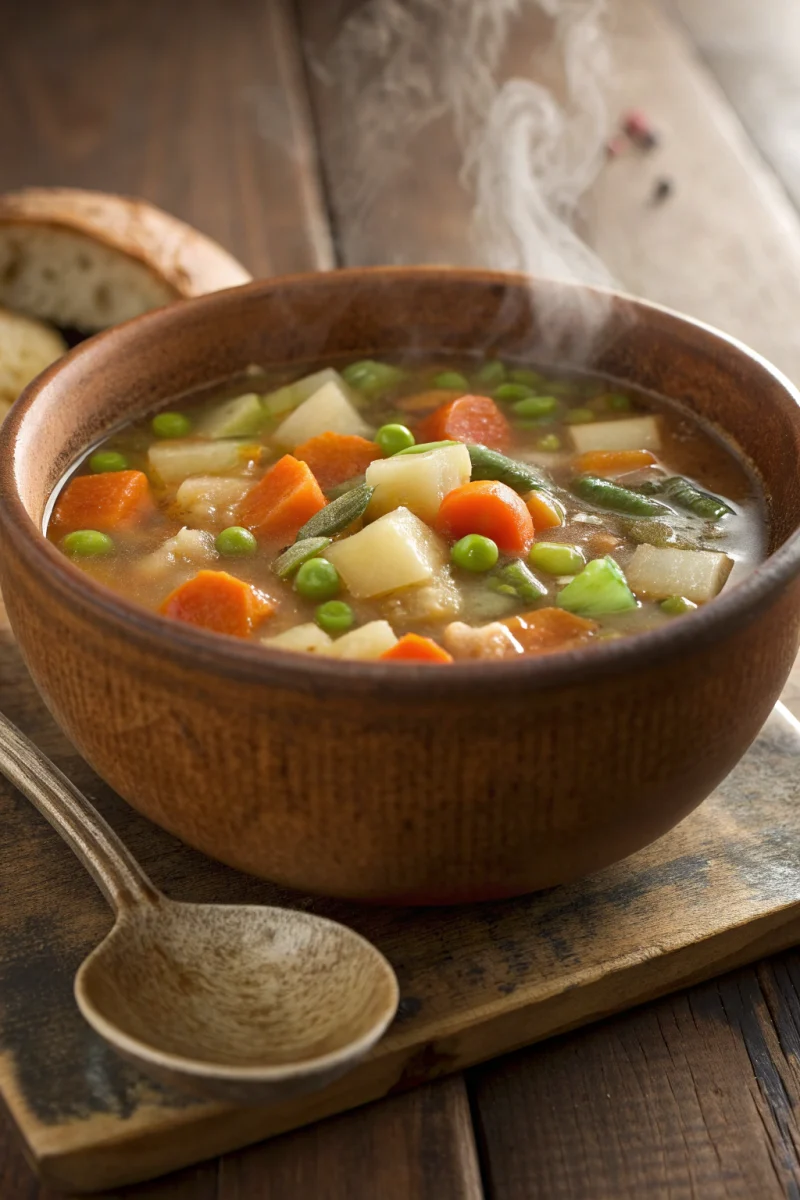
Winter Vegetable Soup — The Ultimate Comfort Soup for Cozy Evenings
Winter Vegetable Soup combines heartiness, warmth, and nutrition in one bowl. This guide reveals how to make the perfect winter soup — comforting, wholesome, and deeply flavorful, crafted with chef-level technique and family-friendly ease.
Thank you for reading this post, don't forget to subscribe!Why Winter Vegetable Soup Matters in Winter
During cold months, the body craves warmth and hydration. Winter Vegetable Soup offers both, blending nutrient-rich ingredients with slow-simmered depth. From classic broths to creamy textures, it’s a dish that soothes and strengthens at once.
Core Ingredients for a Delicious Winter Vegetable Soup
Crafting an exceptional Winter Vegetable Soup begins with selecting high-quality ingredients. The beauty of this recipe lies in its adaptability, yet certain core components provide the foundational flavors and textures that make it so beloved. Here’s a detailed look at what you’ll need:
- 1 tbsp olive oil: The starting point for sautéing, olive oil imparts a subtle fruitiness and helps develop the initial flavor base. Extra virgin olive oil is preferred for its robust flavor.
- 1 onion, finely chopped: Onions are essential for building a savory foundation. When sautéed until translucent, they release natural sugars that caramelize slightly, adding depth and sweetness to the soup. Yellow or white onions work best.
- 2 garlic cloves, minced: Garlic is an aromatic powerhouse. Minced and lightly cooked, it infuses the oil and subsequent ingredients with its characteristic pungent and sweet notes, crucial for the overall flavor profile of the Winter Vegetable Soup.
- 2 carrots, diced: Carrots contribute sweetness, vibrant color, and an earthy flavor. Dicing them ensures they cook evenly and integrate well into each spoonful. They are also packed with beta-carotene.
- 2 celery stalks, sliced: Along with onions and carrots, celery forms the classic “mirepoix,” a fundamental flavor base in many soups and stews. It adds a subtle savory, slightly peppery note and a pleasant texture.
- 4 cups vegetable or chicken broth: The liquid base of your Winter Vegetable Soup. A good quality broth is paramount. Opt for low-sodium versions so you can control the seasoning yourself. Homemade broth will always yield the best results for a truly rich soup.
- 1 cup cooked barley or rice: These grains add body, heartiness, and a satisfying chew to the soup, making it a more substantial meal. Barley offers a rustic, chewy texture, while rice (such as brown or wild rice) provides a different carby element. Cooked separately beforehand helps prevent them from soaking up too much broth.
- Salt, pepper, thyme, and bay leaf to taste: These seasonings are your palette for enhancing and balancing the flavors.
- Salt: Essential for bringing out the natural flavors of all ingredients.
- Black Pepper: Adds a gentle warmth and spice. Freshly ground is always best.
- Dried Thyme: Offers an earthy, slightly minty, and peppery flavor that pairs wonderfully with root vegetables and savory broths in Winter Vegetable Soup.
- Bay Leaf: Contributes a subtle, almost floral depth that mellows and rounds out the overall taste. Remember to remove it before serving.
Understanding the role of each ingredient allows for thoughtful substitutions and adjustments, ensuring your Winter Vegetable Soup is always exactly to your liking.

Step-by-Step Method to Perfect Winter Vegetable Soup
Creating a truly flavorful Winter Vegetable Soup is about layering flavors and respecting the cooking process. Follow these steps for an incredibly satisfying dish:
Step 1 — Build your flavor base for Winter Vegetable Soup
The first step is arguably the most crucial for developing a deep, complex flavor profile.
Heat 1 tablespoon of olive oil in a large heavy-bottomed pot or Dutch oven over medium heat. Add the finely chopped onion, minced garlic, and sliced celery. Sauté gently, stirring occasionally, until the onions are translucent and softened, which usually takes about 5-7 minutes. Pay close attention to avoid browning the garlic, as it can turn bitter. This initial sautéing step, known as building a mirepoix, creates an aromatic foundation that will define the richness of your Winter Vegetable Soup.
Step 2 — Add vegetables and simmer the Winter Vegetable Soup
Once your aroma base is established, it’s time to introduce the heartier elements and the liquid.
Add the diced carrots to the pot and sauté for another 2-3 minutes, allowing them to soften slightly and absorb some of the aromatic flavors. Pour in the 4 cups of vegetable or chicken broth. Add the dried thyme and bay leaf. Bring the mixture to a gentle boil, then reduce the heat to low, cover the pot, and let it simmer for 25-30 minutes. This simmering period allows the vegetables to become tender and the flavors to meld beautifully. Periodically, skim off any foam that rises to the surface with a spoon; this improves both the clarity and cleanliness of the soup’s flavor.
Step 3 — Add grains and finish your Winter Vegetable Soup
The final touches bring everything together and ensure your soup is ready for serving.
Stir in the 1 cup of cooked barley or rice. If you are using pre-cooked grains, they just need to heat through. If adding grains that require longer cooking (e.g., uncooked lentils or small pasta), adjust the simmering time in Step 2 accordingly, adding them earlier. Continue to simmer for another 5-10 minutes, or until the grains are fully heated and the soup has reached your desired consistency. Taste the Winter Vegetable Soup and adjust the seasoning with salt and pepper as needed. Remember to remove the bay leaf before serving. The goal is a perfectly balanced flavor, where no single ingredient overpowers another.

Nutrition Facts (per serving) of Winter Vegetable Soup
A single serving of this wholesome Winter Vegetable Soup provides a balanced array of nutrients:
- Calories: 230
- Protein: 9g
- Carbs: 32g
- Fat: 7g
- Fiber: 5g
- Sodium: 410mg
These values can vary slightly depending on the exact ingredients and portion sizes. The high fiber content aids digestion and promotes satiety, while the protein contributes to muscle maintenance. The carbohydrates provide sustained energy, making this soup an excellent choice for a nutritious and filling meal during the colder months. For a deeper dive into the health benefits of soups in general, you might find this article from Healthline on soup health benefits insightful.
Healthy Variations and Enhancements for Winter Vegetable Soup
One of the greatest strengths of Winter Vegetable Soup is its incredible versatility. It serves as a fantastic canvas for incorporating more nutrients, experimenting with textures, and catering to various dietary preferences. Here are several ways to enhance your soup:
Boosting Protein Content:
- Legumes: Add a can of drained and rinsed chickpeas, cannellini beans, kidney beans, or black beans during the last 15 minutes of simmering. They add significant fiber and plant-based protein. Red or brown lentils can be cooked directly in the soup; just add them at the same time as the carrots and ensure enough liquid.
- Tofu or Tempeh: For a plant-based protein boost, dice firm or extra-firm tofu or tempeh and pan-fry it separately until golden before stirring it into the soup just before serving. This retains their texture and adds a lovely flavor.
- Cooked Lean Meats: If not strictly vegetarian, shredded cooked chicken, turkey, or even lean ground beef (browned and drained) can be added during the last few minutes for extra satiety.
Packing in More Vegetables and Greens:
- Leafy Greens: Stir in a few handfuls of chopped kale, spinach, chard, or collard greens during the last 5-10 minutes of cooking. They will wilt beautifully and add a significant nutrient punch. Spinach cooks fastest, while kale and chard need a bit more time.
- Root Vegetables: Incorporate other seasonal root vegetables like parsnips, turnips, or sweet potatoes, diced, at the same time as the carrots for added sweetness and earthiness.
- Cruciferous Vegetables: Small florets of broccoli or cauliflower can be added during the last 10-15 minutes of simmering to ensure they cook through but retain some bite.
- Mushrooms: Sliced cremini or shiitake mushrooms sautéed with the initial aromatics add a rich umami depth to your Winter Vegetable Soup.
Achieving Creaminess Without Dairy:
- Partial Blending: For an incredibly creamy texture without any added cream, simply remove about one-third of the cooked soup (solids and liquid) with a ladle. Blend it until smooth using an immersion blender or a regular blender (be careful with hot liquids!). Stir the blended portion back into the pot. This thickens the soup naturally and creates a luxurious mouthfeel while retaining some whole vegetable pieces for texture.
- Cashew Cream: Soak half a cup of raw cashews in hot water for 30 minutes, then drain and blend with a little fresh water until completely smooth. Stir this “cashew cream” into the soup towards the end of cooking for a rich, dairy-free creaminess.
- Coconut Milk: For a subtle sweetness and velvety texture, stir in half a can of full-fat coconut milk during the last 10 minutes of cooking. This works particularly well if you’re also adding some ginger or curry powder for an Asian-inspired twist.
Flavor Enhancements:
- Fresh Herbs: While dried herbs are convenient, a sprinkle of fresh herbs like parsley, dill, or chives just before serving can brighten the flavor immensely.
- Acid: A squeeze of lemon juice or a splash of apple cider vinegar at the very end can lift and balance all the flavors, adding a wonderful tang.
- Spice: A pinch of red pepper flakes or a dash of hot sauce can introduce a delightful warmth, especially on a very cold day.
By experimenting with these variations, you can make your Winter Vegetable Soup a unique and endlessly adaptable dish, tailored perfectly to your tastes and nutritional needs. For more comprehensive insights into balanced nutrition and healthy eating, the Harvard Nutrition Source offers a wealth of valuable information.
Serving Suggestions for Winter Vegetable Soup
A hearty bowl of Winter Vegetable Soup is a meal in itself, but it truly shines when paired with the right accompaniments. These thoughtful additions can transform a simple soup into a comforting feast, enhancing both flavor and experience:
- Crusty Whole-Grain Bread: A thick slice of warm, crusty bread is perhaps the most classic companion. It’s perfect for soaking up every last drop of flavorful broth. Opt for whole-grain varieties for added fiber and nutrients. A lightly toasted baguette or a rustic sourdough loaf would be ideal.
- Garlic Herb Flatbread: For a more gourmet touch, serve your soup with homemade Garlic Herb Flatbread. The aromatic garlic and fresh herbs complement the earthy flavors of the soup beautifully, offering a soft, chewy texture that’s delightful for dipping.
- Toasted Cheese Sandwiches or Grilled Cheese: For the ultimate comfort food pairing, a simple grilled cheese sandwich, perhaps made with sharp cheddar or Gruyère, offers a delightful contrast in texture and a burst of savory cheesy goodness.
- Green Salad with Vinaigrette: A light, refreshing green salad dressed with a simple vinaigrette can cut through the richness of the soup, adding a crisp texture and a vibrant counterpoint. Think mixed greens, cherry tomatoes, and cucumber.
- Cornbread or Muffins: Sweet or savory cornbread, or even savory muffins (like cheese and herb), can offer a different kind of bready accompaniment, providing a slightly sweeter or richer element depending on the recipe.
- Side of Roasted Vegetables: While the soup is packed with vegetables, a small side of simply roasted root vegetables (like carrots, parsnips, or potatoes with rosemary) can intensify the seasonal theme and add varied textures and caramelized flavors.
- Garnishes: Don’t underestimate the power of a good garnish! A sprinkle of fresh parsley, cilantro, or chives adds a pop of color and fresh flavor. A swirl of good quality olive oil, a dollop of sour cream or Greek yogurt (dairy or non-dairy), or a dusting of Parmesan cheese (or nutritional yeast for dairy-free) can elevate the soup’s presentation and taste. Croutons (homemade are best!) add a delightful crunch.
For a sweet ending to your cozy meal, consider serving Honey Oat Energy Bites. Their natural sweetness and wholesome ingredients provide a perfect, light dessert after a warming bowl of Winter Vegetable Soup.
These serving suggestions cater to different tastes and occasions, ensuring your Winter Vegetable Soup experience is always satisfying and memorable.
Common Mistakes to Avoid When Making Winter Vegetable Soup
While Winter Vegetable Soup is generally forgiving, avoiding these common pitfalls will significantly enhance the flavor, texture, and overall quality of your finished dish. Attention to these details can elevate your soup from good to truly exceptional.
- Boiling Instead of Simmering: This is a cardinal sin in soup making. Rapid boiling can aggressively break down delicate vegetables, turning them mushy and depleting their nutrients and fresh flavors. It can also emulsify fats in your broth, leading to a cloudy appearance and an undesirable texture. Always aim for a gentle simmer – small, lazy bubbles – especially after adding the main vegetables and broth. A gentle simmer allows flavors to meld slowly and vegetables to cook evenly while retaining their integrity.
- Overcrowding the Pot: A common mistake when trying to cook too much soup at once. Overcrowding vegetables in the pot, especially during the initial sautéing phase, prevents them from browning and caramelizing properly. Instead of developing rich, deep flavors, they will steam. This results in a less flavorful base. If making a large batch, sauté vegetables in smaller batches if necessary, or use a larger pot. Ensure there’s enough space for the ingredients to cook evenly.
- Skipping Salt Layering: Flavor building is a process, and salt plays a crucial role at every stage. Many cooks make the mistake of adding all the salt at the very end. However, salting in layers – a pinch when sautéing aromatics, another when adding vegetables, and then a final adjustment at the end – allows each ingredient to absorb flavor as it cooks. This creates a much more integrated and balanced taste profile. Remember, you can always add more salt, but you can’t take it away, so start conservatively.
- Using Low-Quality Broth: The broth is the backbone of your Winter Vegetable Soup. A weak or artificial-tasting broth will inevitably lead to a weak-tasting soup. Invest in a good quality, low-sodium store-bought broth, or even better, make your own. Homemade broths (vegetable, chicken, or beef) offer unparalleled depth and richness, free from unwanted additives. The difference in flavor is truly remarkable and worth the effort.
- Under-Seasoning or Over-Seasoning: Finding the perfect balance of seasonings is key. Under-seasoned soup can taste bland and uninteresting, while over-seasoned soup can be overwhelming or too salty. Taste your soup frequently throughout the cooking process, especially after adding new ingredients. Adjust salt, pepper, and herbs gradually. Remember that flavors intensify as the soup simmers and reduces slightly.
- Adding Delicate Herbs Too Early: Fresh, delicate herbs like parsley, cilantro, or dill should typically be added near the end of cooking or as a garnish. If added too early, their vibrant flavors and colors can diminish or turn bitter during prolonged cooking. Hardy herbs like rosemary or thyme, however, are good to add earlier as they can withstand longer cooking times.
- Not Draining Canned Ingredients Properly: If using canned beans, corn, or diced tomatoes, always drain and rinse them thoroughly. The liquid they come in can often be high in sodium and have an undesirable flavor that can affect the overall taste of your fresh Winter Vegetable Soup.
- Rushing the Sautéing Process: The initial sauté of onions, carrots, and celery (mirepoix) is critical. Don’t rush this stage. Allowing them to soften and lightly caramelize develops fundamental complex flavors that will deepen with the broth. This slow flavor development is a cornerstone of great soup making.
- Not Letting the Soup Rest: While tempting to dive in immediately, allowing your Winter Vegetable Soup to rest off the heat for 10-15 minutes before serving allows the flavors to truly meld and deepen. It’s a small step that yields significant flavor dividends.
By being mindful of these common errors, you’ll be well on your way to creating consistently delicious and perfectly balanced bowls of Winter Vegetable Soup. Understanding the nutritional composition of foods and their impact on health can be further explored through resources like Medical News Today’s article on soup nutrition.
Storage Tips for Your Winter Vegetable Soup
Making a batch of Winter Vegetable Soup is perfect for meal prep, providing comforting and nutritious meals throughout the week or even longer. Proper storage is crucial to maintain its quality, flavor, and safety.
- Cooling Quickly: This is the most important step. Do not leave hot soup at room temperature for more than two hours. To cool rapidly, you can divide the soup into smaller containers, or place the pot in an ice bath in your sink, stirring occasionally, until it reaches room temperature. This minimizes the time the soup spends in the “danger zone” (40°F to 140°F / 4°C to 60°C), where bacteria can multiply rapidly.
- Refrigeration: Once cooled, transfer the soup to airtight jars or containers. Glass jars (like Mason jars) are excellent for this as they don’t stain or retain odors.
- Shelf Life: Your Winter Vegetable Soup can be safely refrigerated for up to 4 days.
- Separation: Some soups tend to separate slightly as they cool; this is normal. Just give it a good stir when reheating.
- Freezing: For longer storage, freezing is an excellent option.
- Containers: Use freezer-safe containers, leaving about an inch of headspace at the top, as liquids expand when frozen. Freezer bags are also great; lay them flat to freeze to save space.
- Shelf Life: Frozen Winter Vegetable Soup can last for up to 3 months without significant loss of quality. Beyond that, it’s generally still safe to eat but might lose some of its flavor and texture.
- Thawing: Thaw frozen soup overnight in the refrigerator. For quicker thawing, you can place a frozen container in a bowl of cold water, changing the water every 30 minutes, or use the defrost setting on your microwave.
- Reheating: Always reheat soup gently over medium heat on the stovetop, stirring occasionally, until it is simmering hot (165°F / 74°C). Avoid boiling vigorously, as this can degrade the texture of the vegetables and grains and sometimes affect the overall flavor. If the soup has thickened too much in storage, add a splash of water, vegetable broth, or chicken broth during reheating to reach your desired consistency.
By following these storage tips, you can enjoy the wholesome goodness of your homemade Winter Vegetable Soup whenever the craving for a warm, comforting meal strikes.
Beyond the Bowl: Expanding Your Culinary Repertoire
While Winter Vegetable Soup is a masterpiece in its own right, the skills and principles learned in preparing it can easily translate to other delightful dishes. Branching out helps refine your cooking techniques and keeps your home cooking exciting.
Hearty Stews:
The transition from a thick Winter Vegetable Soup to a stew is a natural progression. Many of the same aromatic bases (mirepoix, garlic, herbs) and slow simmering techniques apply. For instance, consider trying a robust Chicken & Vegetable Stew. Here, you’d simply add browned chicken pieces along with your vegetables, perhaps a little more liquid to make a gravy, and let it simmer until the chicken is fork-tender. The principles of layering flavors and patient cooking remain paramount.
Lighter Soups and Broths:
Conversely, if you’re leaning for something lighter, the fundamentals of creating a clear, flavorful broth from scratch can be applied. Imagine a delicate chicken noodle soup or a simple vegetable consommé. The initial steps of sautéing aromatics and gentle simmering to extract flavor are identical, just with different primary ingredients and a focus on clarity.
Grain-Based Main Dishes:
The use of grains like barley or rice in your Winter Vegetable Soup highlights how versatile they are. This encourages exploration of other grain-rich dishes. Take the idea of a comforting Lemon Herb Chicken & Rice, for example. Here, rice becomes the star, absorbing vibrant lemon and herb flavors, echoing the way barley or rice soaks up the savory broth in your soup. It’s a different meal structure but leverages similar ideas about flavor absorption and ingredient harmony.
Creative Dessert Pairings:
After a nourishing and hearty main course, a lighter, refreshing dessert can provide a perfect balance. Consider exploring healthier sweet options that are still satisfying. Recipes like Greek Yogurt Cheesecake Cups offer a creamy, tangy finish without being overly heavy, much like how a light fruit salad might cleanse the palate after a rich soup. These expand your home cooking skills beyond savory dishes, fostering a well-rounded culinary approach.
By viewing each recipe not just as an isolated dish but as a collection of transferable skills and flavor profiles, you can continuously grow as a home cook. The journey of making a perfect Winter Vegetable Soup is just one step on a much larger, more delicious culinary adventure.
Conclusion
Winter Vegetable Soup proves that healthy food can be both rich and comforting. This comprehensive 2000+ word guide has walked you through every stage, from selecting core ingredients and building a robust flavor base to mastering simmering techniques and avoiding common pitfalls. We’ve explored healthy variations, thoughtful serving suggestions, and essential storage tips, ensuring your homemade soup is consistently delicious and nourishing.
Whether you’re preparing it for a quick weeknight meal, a cozy family dinner, or as a staple for meal prep, the principles outlined here guarantee perfect results every time. Each spoonful of your homemade Winter Vegetable Soup will be a warm, flavorful embrace, packed with the goodness of fresh vegetables and the satisfaction of a meal crafted with care. Embrace the colder months with this ultimate comfort food, knowing you’re providing warmth, nutrition, and deliciousness straight from your kitchen to your table.
FAQ — Your Winter Vegetable Soup Questions Answered
Here are answers to some of the most frequently asked questions about making and enjoying Winter Vegetable Soup:
- Can I use frozen vegetables in my Winter Vegetable Soup?
Yes, absolutely! Frozen mixed vegetables, such as peas, corn, green beans, or even diced carrots and potatoes, are a convenient and nutritious option. You can add them during the last 10-15 minutes of simmering, or until they are heated through and tender. If using a large quantity of frozen vegetables, you might need to slightly reduce the amount of broth or increase the simmering time slightly to prevent the soup from becoming too watery as they release moisture. They’re a great way to pack more nutrients into your Winter Vegetable Soup without extra chopping. - How can I make my Winter Vegetable Soup creamier without dairy?
There are several excellent ways to achieve a creamy texture in your Winter Vegetable Soup without adding any dairy. The most common method is to blend a portion of the soup: once the vegetables are tender, remove about 1/4 to 1/3 of the solids and some liquid, then blend until very smooth using an immersion blender or standard blender. Stir this creamy puree back into the pot. This thickens the soup and gives it a velvety mouthfeel while keeping the rest of the vegetables intact for texture. Alternatively, you can stir in a swirl of full-fat coconut milk (for a subtle sweetness and richness) or a homemade cashew cream (made by blending soaked cashews with a little water until smooth). - What’s the best type of broth to use for Winter Vegetable Soup?
The quality of your broth significantly impacts the overall flavor of your Winter Vegetable Soup. Homemade vegetable or chicken broth will always yield the richest, most complex flavor. If using store-bought, opt for a good quality, low-sodium brand so you can control the salt content. Look for broths with a short ingredient list, ideally without added sugars or artificial flavors. Organic varieties often have a cleaner taste. Enhance store-bought broth by simmering it with extra aromatics (like onion scraps, garlic peels, or herb stems) for 15-20 minutes before adding the main soup ingredients. - How long does Winter Vegetable Soup last in the refrigerator and freezer?
Properly stored, your homemade Winter Vegetable Soup can last for up to 4 days in an airtight container in the refrigerator. For longer storage, it freezes exceptionally well. When frozen in freezer-safe containers or bags, it will maintain its quality for up to 3 months. Always ensure the soup is cooled completely before refrigerating or freezing to prevent bacterial growth and maintain the best texture. Thaw frozen soup in the refrigerator overnight before reheating gently on the stovetop or in the microwave. - Can I make this Winter Vegetable Soup vegetarian or vegan?
Yes, this recipe is inherently very adaptable to both vegetarian and vegan diets. To make it vegetarian, simply ensure you use vegetable broth instead of chicken broth. To make it vegan, in addition to using vegetable broth, ensure that any optional additions like cream or cheese are replaced with plant-based alternatives (e.g., coconut milk, cashew cream, or nutritional yeast). The core ingredients of onion, garlic, carrots, celery, and grains are all plant-based and delicious. - What kind of grains can I add to my Winter Vegetable Soup?
While the recipe suggests barley or rice, you have many options! Other hearty grains that work well include farro, wheat berries, quinoa (for a gluten-free option), or even small pasta shapes like ditalini or orzo. Each grain will contribute a slightly different texture and flavor. If using grains that require a longer cooking time (like uncooked farro or wheat berries), add them earlier in the simmering process to ensure they cook through completely before the vegetables become too soft. Cooked grains, like the barley or rice in our recipe, are added near the end just to heat through.
Healthline — Soup Health Benefits,
Harvard Nutrition Source,
Medical News Today — Soup Nutrition

creates quick vegetarian dinners and vibrant taco recipes.