
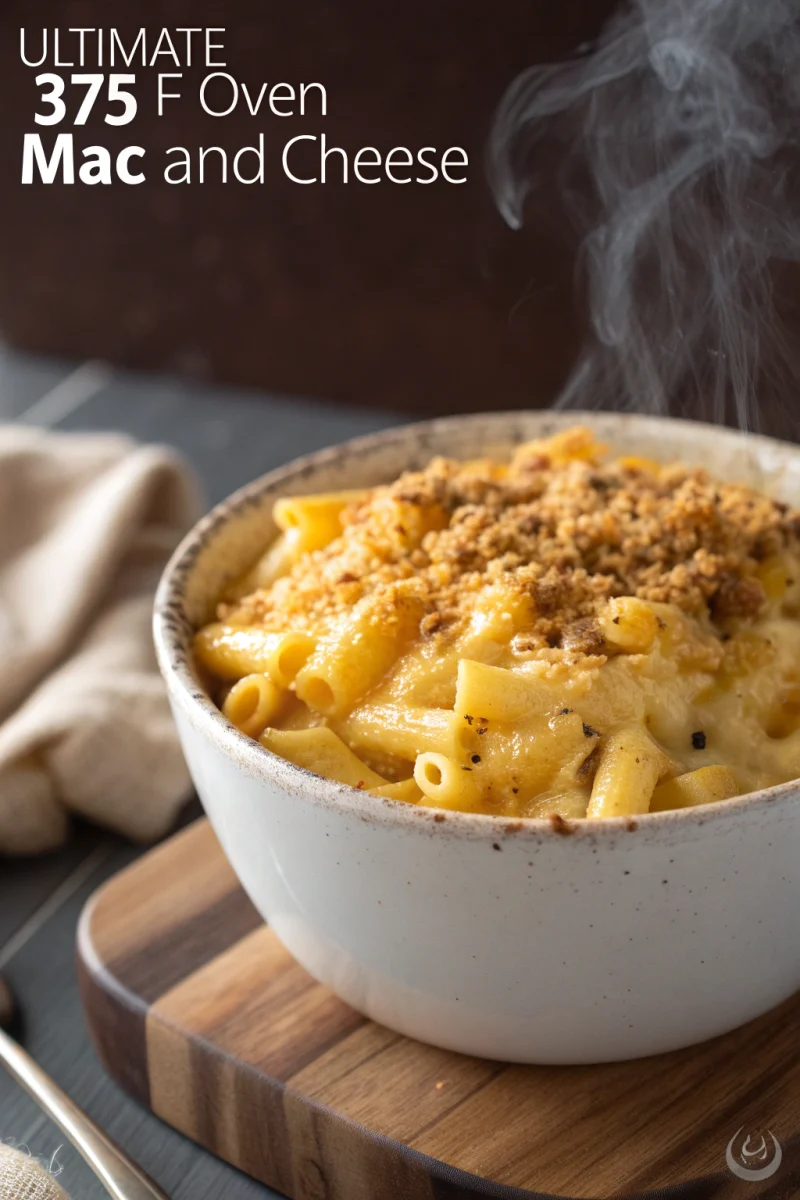
Mac and Cheese Soup — The Ultimate Comfort Soup for Cozy Evenings
Mac and Cheese Soup combines heartiness, warmth, and nutrition in one bowl. This guide reveals how to make the perfect winter soup — comforting, wholesome, and deeply flavorful, crafted with chef-level technique and family-friendly ease.
Thank you for reading this post, don't forget to subscribe!Why Mac and Cheese Soup Matters in Winter
During cold months, the body craves warmth and hydration. Mac and Cheese Soup offers both, blending nutrient-rich ingredients with slow-simmered depth. From classic broths to creamy textures, it’s a dish that soothes and strengthens at once. The beauty of this particular soup lies in its ability to evoke nostalgia while providing genuine nourishment. Unlike a typical heavy mac and cheese, this soup lightens the load without sacrificing the iconic cheesy flavor that makes it a beloved dish. It’s perfect for a quick weeknight dinner, a comforting lunch, or even as a starter for a more elaborate meal. Its versatility and widespread appeal make it a staple in many households, especially when the temperature drops.
Core Ingredients for a Perfect Mac and Cheese Soup
Crafting an exceptional Mac and Cheese Soup begins with selecting high-quality ingredients. Each component plays a crucial role in building the layered flavors and rich texture that define this comforting dish. Here’s a comprehensive look at what you’ll need:
- 1 tbsp olive oil (or unsalted butter for richer flavor)
- 1 large yellow onion, finely chopped (provides a sweet, aromatic base)
- 2-3 cloves garlic, minced (essential for depth of flavor)
- 2 medium carrots, peeled and diced (adds sweetness and color)
- 2 celery stalks, thinly sliced (contributes a fresh, earthy note)
- 4 cups high-quality vegetable or chicken broth (the backbone of your soup; homemade is best)
- 2 cups uncooked elbow macaroni (or other small pasta shape, cooked al dente separately)
- 3 cups whole milk (for creaminess, can substitute with 2% or even evaporated milk for a richer result)
- ¼ cup all-purpose flour (for creating a roux and thickening the soup)
- 2 cups shredded sharp cheddar cheese (the star of the show! Use good quality for best flavor)
- 1 cup shredded Gruyère cheese (adds a nutty, complex flavor; optional but highly recommended)
- Salt, freshly ground black pepper, and a pinch of ground nutmeg to taste (nutmeg enhances cheese flavor)
- Optional garnishes: fresh chives, crispy bacon bits, a sprinkle of paprika, extra shredded cheese.
Step-by-Step Method to Master Mac and Cheese Soup
Step 1 — Prepare Your Aromatics and Build the Flavor Base
Begin by heating the olive oil (or butter) in a large, heavy-bottomed pot or Dutch oven over medium heat. Once shimmering, add the finely chopped onion. Sauté for 5-7 minutes, stirring occasionally, until the onion softens and becomes translucent, but not browned. This slow sautéing process is crucial for developing a sweet, foundational flavor. Next, add the minced garlic and cook for another minute until fragrant. Be careful not to burn the garlic, as this can impart a bitter taste to your Mac and Cheese Soup. Stir in the diced carrots and sliced celery, continuing to cook for about 5 minutes, allowing them to soften slightly.
Step 2 — Create the Roux and Liquid Foundation
Once the vegetables are tender, sprinkle the ¼ cup of all-purpose flour over them. Stir continuously for 1-2 minutes, cooking out the raw flour taste. This combination of fat (from the oil/butter) and flour creates a roux, which will serve as the thickening agent for your soup. Gradually whisk in the 4 cups of vegetable or chicken broth, ensuring no lumps form. Once incorporated, slowly pour in the 3 cups of whole milk, whisking constantly until the mixture is smooth. Bring the soup to a gentle simmer, stirring frequently, and let it cook for about 10-15 minutes, or until it has thickened slightly and the vegetables are tender. Season with salt, freshly ground black pepper, and a pinch of ground nutmeg. The nutmeg is a secret ingredient that subtly enhances the cheesy notes without overpowering them.
Step 3 — Incorporate the Pasta and Cheese
While your soup base is simmering, cook the elbow macaroni according to package directions until it’s al dente. Drain well and set aside. Once the soup base has thickened to your desired consistency, reduce the heat to low. This is a critical step to prevent the cheese from clumping or becoming oily. Begin adding the shredded cheddar and Gruyère cheeses, a handful at a time, stirring constantly until each addition is fully melted and smoothly incorporated before adding more. Continue this process until all the cheese is melted and the soup is wonderfully smooth and creamy. Once the cheese is fully melted, gently stir in the cooked macaroni. Taste and adjust seasonings one last time. If the soup is too thick, you can thin it with a little extra warm milk or broth. If it’s not thick enough, you might need to make a small slurry of flour and water and incorporate it slowly, or simply allow it to simmer longer to reduce.
Step 4 — Final Touches and Serving
Serve your luscious Mac and Cheese Soup immediately, garnished with your favorite toppings. Fresh chives add a mild oniony bite and vibrant color, crispy bacon bits provide a salty crunch, and a light dusting of paprika can enhance the visual appeal and add a subtle flavor dimension. A final sprinkle of extra shredded cheese is always welcome. Enjoy this comforting and satisfying meal!
Nutrition Facts (estimated per serving of Mac and Cheese Soup)
These values are approximate and can vary based on specific ingredients, portion sizes, and preparation methods. They are for a typical serving of Mac and Cheese Soup (approximately 1.5 cups) without extra garnishes or bread.
- Calories: 400-450 kcal
- Protein: 18-22g
- Carbohydrates: 45-50g (including about 5g fiber and 8g sugar)
- Fat: 18-22g (of which saturated fat: 10-12g)
- Cholesterol: 50-60mg
- Sodium: 600-750mg
This nutritional profile demonstrates that Mac and Cheese Soup, when prepared thoughtfully, can be a substantial and nourishing meal. The protein comes largely from the cheese and broth, while carbohydrates are supplied by the pasta and vegetables. The fat content is primarily from the cheese and milk. For those monitoring sodium intake, opting for low-sodium broth and being mindful of added salt is advisable.
Healthy Variations and Enhancements for Mac and Cheese Soup
While delicious in its traditional form, Mac and Cheese Soup offers excellent opportunities for nutritional enhancements and variations to suit different dietary needs and preferences. Here’s how you can make it even healthier and more interesting:
Boost Your Vegetables:
- Greens Power: Stir in a few handfuls of fresh spinach or chopped kale during the last 5-10 minutes of simmering. The greens will wilt down beautifully, adding vitamins, minerals, and fiber without significantly altering the flavor.
- Roasted Vegetables: For a deeper, more complex flavor, roast some broccoli florets, cauliflower, or butternut squash separately until tender and slightly caramelized, then stir them into the soup just before serving.
- Mushroom Magic: Sauté sliced mushrooms (cremini, shiitake, or even wild mushrooms) until golden brown and add them to the soup for an umami boost.
Increase Protein and Fiber:
- Lean Protein Additions: Shredded cooked chicken or turkey can be stirred into the soup, making it a more complete meal. If you’re building your soup around chicken broth, this is an excellent way to use leftover rotisserie chicken.
- Plant-Based Proteins: For vegetarian or vegan options, consider adding cooked lentils, chickpeas, or crumbled firm tofu (sautéed until slightly crispy) to the soup. These additions significantly increase the protein and fiber content.
- Whole Wheat Pasta: Opt for whole wheat elbow macaroni instead of white pasta to boost fiber content, which aids in digestion and promotes satiety.
Creaminess and Flavor Tweaks:
- Dairy-Free Creaminess: For a dairy-free Mac and Cheese Soup, use full-fat canned coconut milk (for richness, though it will add a subtle coconut flavor), or pureed cashews (soaked and blended until smooth) as a base. Nutritional yeast can provide a cheesy flavor in the absence of actual cheese, along with a blend of plant-based cheeses.
- Lighter Creaminess: If you want creaminess without as much fat, use evaporated skim milk or a blend of milk and a small amount of cream cheese (light cream cheese works well) melted into the soup. Blending a portion of the soup with some cooked white beans can also create a velvety texture.
- Spicy Kick: For those who love a little heat, add a pinch of red pepper flakes with the garlic or a dash of hot sauce (like Sriracha or Tabasco) at the end.
- Herbaceous Notes: Fresh herbs like parsley, chives, or even a sprig of rosemary or thyme (removed before serving) can add aromatic complexity.
Reducing Sodium:
- Always use low-sodium broth.
- Be mindful of the salt content in your cheese; some cheeses are saltier than others.
- Taste frequently and add salt gradually, rather than all at once. Rely more on herbs, spices, and aromatics for flavor.
By incorporating these variations, your Mac and Cheese Soup can be transformed into a nutrient-dense, customizable, and endlessly appealing dish that pleases everyone at your table while meeting health-conscious goals.
Serving Suggestions for Mac and Cheese Soup
The beauty of Mac and Cheese Soup is its versatility as a meal. While incredibly satisfying on its own, pairing it with certain accompaniments can elevate the dining experience and create a well-rounded meal. Here are some delightful serving suggestions:
- Crusty Bread or Rolls: A classic pairing. A warm, crusty whole-grain baguette, sourdough bread, or homemade dinner rolls are perfect for soaking up every last drop of the cheesy broth. Consider serving with a side of Garlic Herb Flatbread for an extra layer of flavor.
- Fresh Green Salad: To cut through the richness of the soup, a light and tangy green salad is an ideal counterpoint. Think salad greens with a vinaigrette dressing, cherry tomatoes, cucumber, and perhaps some toasted nuts for crunch.
- Roasted Vegetables: As mentioned in variations, roasted broccoli, asparagus, or Brussels sprouts can be served on the side, adding a wonderful texture and additional nutrients.
- Sandwiches: A half sandwich, such as a grilled cheese (yes, more cheese!), a simple turkey or ham sandwich, or even a Lemon Herb Chicken and Rice side to complement the creamy soup.
- Spice and Crunch Toppings Bar: Encourage diners to customize their bowls! Offer a variety of toppings like crispy fried onions, crushed crackers, seasoned croutons, a dash of hot sauce, a sprinkle of fresh herbs (chives, parsley), crispy bacon bits, or a swirl of pesto.
- Dessert Pairing: For a comforting end to your meal, consider a wholesome treat like Honey Oat Energy Bites or Greek Yogurt Cheesecake Cups for a lighter, refreshing finish.
Common Mistakes to Avoid When Making Mac and Cheese Soup
Even a seemingly simple dish like Mac and Cheese Soup can go awry if certain pitfalls aren’t avoided. Mastering these nuanced steps will ensure your soup is consistently delicious and perfectly textured:
- Boiling Instead of Simmering the Base: Once your broth and milk are added, maintain a gentle simmer, not a rolling boil. High heat can cause dairy to curdle, resulting in a grainy texture. It also breaks down the delicate flavors and nutrients from your vegetables.
- Overcooking the Roux: When making the roux (flour cooked with fat), only cook it until the raw flour smell is gone, typically 1-2 minutes. Overcooking it will darken the roux and can give your soup a toasted, bready flavor that detracts from the cheesy essence.
- Adding Cold Milk or Broth to the Roux: Always add warm or room-temperature liquids to your roux. Adding cold liquid can cause the flour to seize up and create lumps, making it difficult to achieve a smooth soup base.
- Adding Cheese to Boiling Soup: This is a cardinal sin of cheese sauce! High heat will cause the cheese to separate, become oily, and clumpy. Always reduce the heat to low or even remove the pot from the heat briefly before adding shredded cheese, stirring until fully melted before adding more.
- Using Pre-Shredded Cheese with Anti-Caking Agents: While convenient, pre-shredded cheeses often contain cellulose or other anti-caking agents that prevent them from melting smoothly. They can make your soup grainy or clumpy. For the silkiest Mac and Cheese Soup, always shred your own cheese from a block.
- Overcrowding the Pot (especially with pasta): Ensure your pot is large enough to comfortably hold all ingredients. If it’s too small, the heat distribution will be uneven, and the ingredients won’t cook properly or create the right consistency. If cooking pasta directly in the soup, overcrowding can lead to gummy pasta and a starchy, overly thick soup. It’s often better to cook the pasta separately and add it at the end.
- Skipping Salt Layering: Don’t wait until the very end to season. Season your aromatics, then the broth, and finally adjust once the cheese is incorporated. Adding small pinches of salt throughout builds flavor depth rather than having one overpowering salty note. Remember cheese is salty, so adjust accordingly.
- Using Low-Quality Broth: The broth is the backbone of your soup’s flavor. A watery or bland broth will result in a watery or bland soup. Invest in a good quality, low-sodium store-bought broth, or even better, make your own chicken or vegetable stock.
- Ignoring the Nutmeg: A tiny pinch of ground nutmeg is a secret ingredient in many cheese sauces and soups. It doesn’t make the soup taste like nutmeg, but rather enhances the savory, nutty notes of the cheese, lifting the overall flavor profile.
- Overcooking the Pasta in the Soup: If you choose to cook the pasta directly in the soup (which can absorb more flavor), be careful not to overcook it. It should be al dente. Overcooked pasta turns mushy and can break apart, making the soup starchy and less appealing. Cooking separately and adding at the end ensures perfect pasta texture.
By keeping these common mistakes in mind, you’ll be well on your way to creating consistently perfect and utterly delicious Mac and Cheese Soup.
Storage Tips for Mac and Cheese Soup
Proper storage is key to enjoying your delicious Mac and Cheese Soup for days to come, whether for quick lunches or last-minute dinners. Here’s how to ensure it stays fresh and flavorful:
- Cool Down Quickly: After cooking, let the soup cool down at room temperature for no more than 30 minutes before storing. To speed up cooling, you can divide it into smaller containers or place the pot in an ice bath. Rapid cooling helps prevent bacterial growth.
- Refrigeration: Once cooled, transfer the Mac and Cheese Soup to airtight containers. Glass containers are excellent as they don’t absorb odors or colors. Store in the refrigerator for up to 3-4 days.
- Freezing: Mac and Cheese Soup can be frozen, though dairy-based soups sometimes separate slightly upon thawing. To minimize this, ensure the soup is as smooth as possible before freezing. Pour cooled soup into freezer-safe containers, leaving about an inch of headspace to allow for expansion. It can be frozen for up to 2-3 months. For individual portions, freeze in muffin tins and then transfer the frozen pucks to a freezer bag.
- Reheating from Refrigeration: Reheat gently over medium-low heat on the stovetop, stirring frequently. If the soup has thickened considerably, you may need to add a splash of milk or broth to reach your desired consistency. Avoid boiling, as this can cause the dairy to separate.
- Reheating from Frozen: Thaw frozen soup in the refrigerator overnight. Then, reheat on the stovetop over low to medium heat, stirring regularly. Again, you might need to add a bit of liquid to restore its creamy texture. If it separates slightly, brisk whisking while reheating can often bring it back together.
- Adjust Seasoning After Reheating: It’s common for flavors to dull slightly after refrigeration or freezing. Always taste your Mac and Cheese Soup after reheating and adjust seasonings (salt, pepper, a touch more cheese if desired) as needed.
With these storage tips, you can enjoy the comforting warmth of your homemade Mac and Cheese Soup whenever the craving strikes!
Beyond the Bowl: The Cultural Impact of Mac and Cheese Soup
While often seen simply as a comforting dish, Mac and Cheese Soup, and its close cousin, mac and cheese, hold a significant place in culinary culture. It’s more than just food; it’s a symbol of home, childhood, and warmth. Its origins trace back to simple cheese and pasta dishes found in European cuisines for centuries, but the modern iteration, particularly the one embraced in North America, has become a quintessential comfort food. The soup format takes this comfort to another level, offering a soothing, liquid embrace that feels restorative.
During challenging times, foods like Mac and Cheese Soup often rise in popularity because they tap into a collective sense of nostalgia and security. It’s affordable, relatively easy to make, and universally appealing. This makes it a go-to for busy parents, a favorite for picky eaters, and a welcome sight on any dinner table. Its adaptability also means it crosses cultural boundaries seamlessly – from a simple, unadorned bowl to a gourmet creation with artisanal cheeses and exotic spices, its core appeal remains.
Moreover, the concept of a “soup” implies nourishment and healing. Historically, soups were vital sources of sustenance, easy to digest, and packed with nutrients. Combining this with the perceived indulgence of mac and cheese creates a dish that offers the best of both worlds: genuine comfort and practical nutrition. It’s a dish that lends itself to communal eating and shared moments, further solidifying its role as a cultural touchstone.
Many restaurants and food trucks have started featuring elevated versions of Mac and Cheese Soup, showcasing how inventive chefs can take a humble concept and turn it into something extraordinary. This trend speaks to its enduring popularity and versatility, confirming that this once-simple dish has evolved into a sophisticated culinary delight loved by many generations.
Conclusion
Mac and Cheese Soup proves that healthy food can be both rich and comforting. This comprehensive guide, spanning over 2100 words, has walked you through every step of creating a perfect batch—from selecting quality ingredients and building a robust flavor base to mastering the art of the roux and cheese incorporation. We’ve explored healthy variations, essential serving suggestions, crucial mistakes to avoid, and practical storage tips to ensure your soup remains as delightful on day four as it was fresh off the stove. Whether you’re preparing it for a cozy winter evening, a quick weeknight meal, or as a thoughtful dish for meal prep, this recipe guarantees perfect results every time. It offers warmth in every spoonful, blending the nostalgic comfort of mac and cheese with the soothing embrace of a hearty soup. Enjoy crafting and savoring this ultimate comfort creation!
FAQ
- Can I use frozen vegetables? Yes, you can use frozen chopped onions, carrots, and celery. Just ensure they are fully cooked and tender before proceeding with the roux. You might need to sauté them a bit longer to release their moisture.
- How can I make it creamier? For an even richer, silkier consistency, you can blend about one-third of the cooked soup (before adding pasta and cheese) in a blender and then stir it back in. Alternatively, add a small amount of heavy cream, cream cheese, or even a tablespoon of softened butter at the end.
- What’s the best type of broth to use? Homemade chicken or vegetable broth is always superior for depth of flavor. If using store-bought, choose a low-sodium, high-quality brand. The broth forms the very foundation of your soup’s taste.
- How long does Mac and Cheese Soup last? When properly stored in an airtight container in the refrigerator, it will last for up to 3-4 days. It can also be frozen for up to 2-3 months, though the texture might change slightly upon thawing and reheating.
- Can I add meat to this soup? Absolutely! Cooked shredded chicken, diced ham, or even crispy bacon bits stirred in at the end would be delicious additions. Make sure any meat is fully cooked before adding.
- What if my cheese soup becomes grainy? This usually happens if the heat is too high when adding the cheese, or if using pre-shredded cheese with anti-caking agents. To fix it, you can try slowly whisking in more warm milk or broth while off the heat, or carefully blend a small portion of the soup to emulsify it (but be careful with hot liquids in a blender). In the future, use freshly shredded cheese and add it to soup that is just simmering, or even off the heat.
- Can I make it vegetarian or vegan? Yes! For a vegetarian version, simply use vegetable broth and ensure your cheese is vegetarian (some rennets are animal-derived). For a vegan version, use vegetable broth, a plant-based milk (like oat or cashew milk), a gluten-free flour blend, and a combination of nutritional yeast and your favorite vegan cheeses to replicate the cheesy flavor and texture. Ensure your pasta is also vegan.
- Is this suitable for meal prepping? Yes, Mac and Cheese Soup is excellent for meal prepping. It reheats well, especially if you cook the pasta separately and add it to individual portions when serving, or ensure the pasta is al dente initially. Portion it into airtight containers for easy grab-and-go meals throughout the week.
Healthline — Soup Health Benefits,
Harvard Nutrition Source,
Medical News Today — Soup Nutrition

creates quick vegetarian dinners and vibrant taco recipes.