
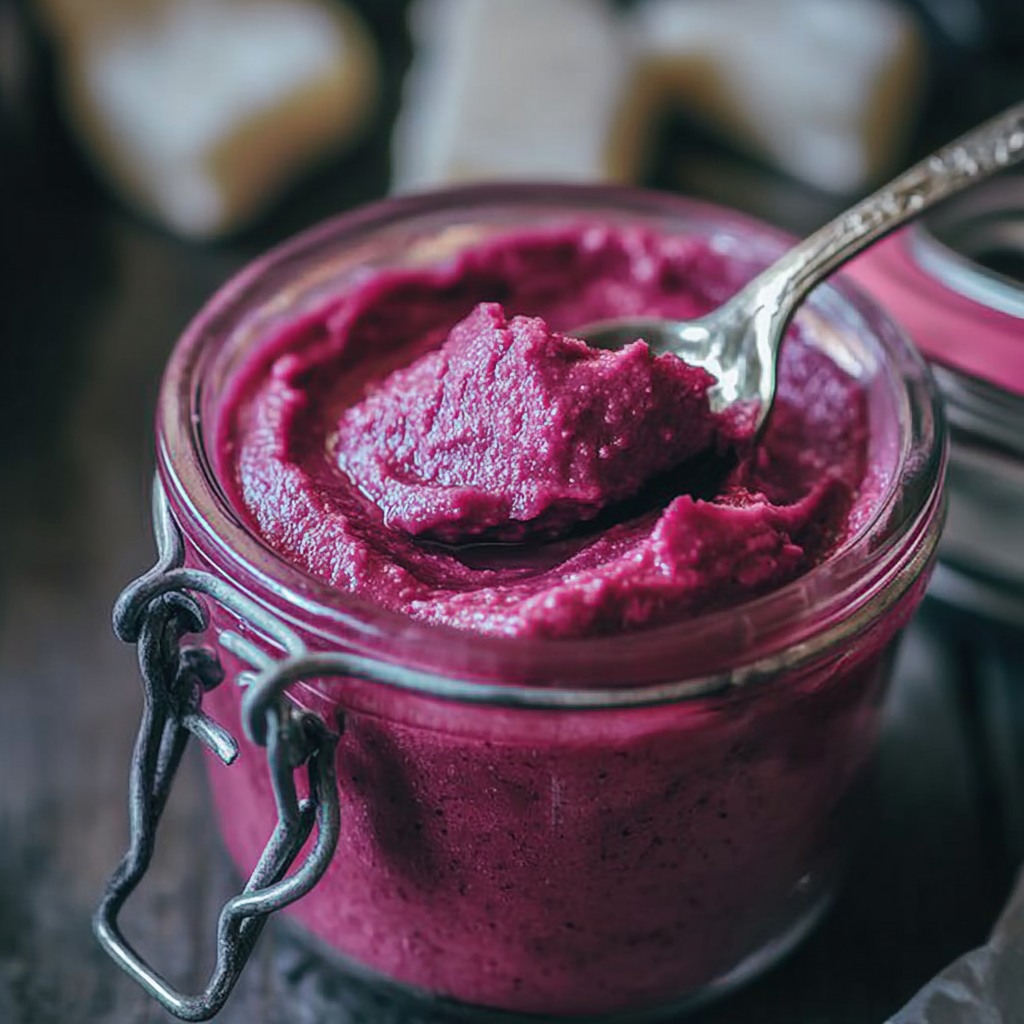
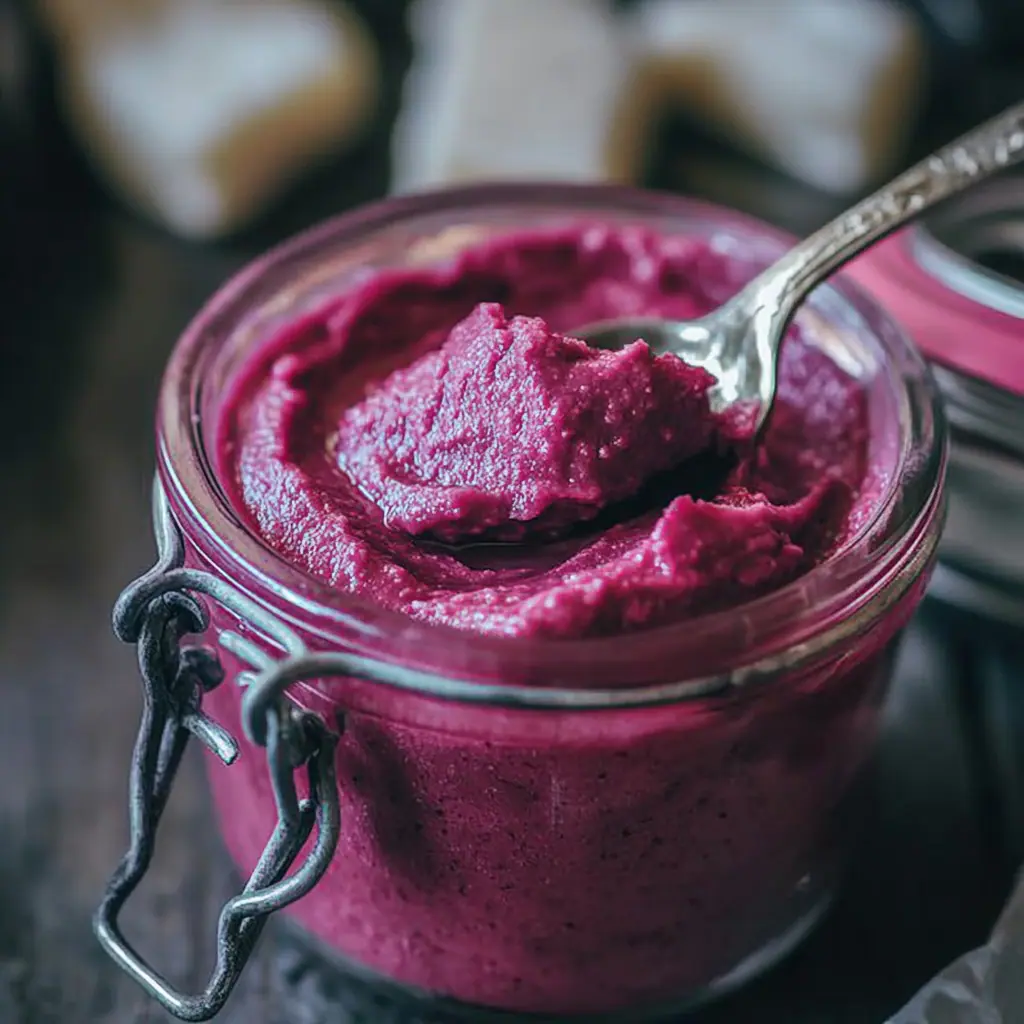
If you are looking for a show-stopping appetizer that takes just 10 minutes to prepare, look no further than this rose beet and goat cheese spread. With its stunning magenta color and a flavor profile that balances earthy sweetness with tangy creaminess, this spread is guaranteed to become a staple on your entertaining menu. Whether you are hosting a dinner party, building a charcuterie board, or simply looking for a healthy afternoon snack, this beetroot and goat cheese dip delivers on every front.
The beauty of this recipe lies in its simplicity. Just three ingredients come together in a blender to create something far more sophisticated than the sum of its parts. No cooking required. No special skills needed. Just a blender, a handful of ingredients, and about 10 minutes of your time.
Why You Will Love This Beet and Goat Cheese Spread
- Visually stunning: The deep rose-pink color is absolutely eye-catching. The moment you set it on the table, guests will be reaching for it. It photographs beautifully and adds a burst of color to any appetizer spread.
- Nutritionally powerful: Beetroot is rich in nitrates, antioxidants, and essential vitamins. Paired with protein-rich goat cheese, this spread offers genuine nutritional value alongside its great taste.
- Incredibly quick: Three ingredients, one blender, ten minutes. The kind of recipe you can whip up last-minute without any stress.
- Crowd-pleasing flavor: The combination of sweet beetroot and tangy goat cheese is a classic pairing. Lemon juice brightens everything up and balances the richness of the cheese.
- Versatile: Works as a dip, a sandwich spread, a pasta sauce, or a flatbread base. One recipe, endless possibilities.
Ingredients: What You Need and Why
250 g Cooked Beetroot
The star of the show. Beetroot is a root vegetable with a naturally sweet, earthy flavor and a gorgeous deep red-purple color. You have three options for this recipe:
- Pre-cooked vacuum-packed beetroot: The most convenient option. Already peeled and cooked. Drain well before use — this is the most important step.
- Home-roasted beetroot: For a more intense flavor. Wrap whole beets in foil and roast at 200C for 45 to 60 minutes. Roasting caramelizes the natural sugars.
- Steamed or boiled beetroot: Boil peeled beets for 30 to 40 minutes until fork-tender.
Regardless of which form you use, drain the beetroot thoroughly before blending. Excess moisture will make your spread runny. Pat the beets dry with paper towels if necessary.
Nutritional highlight: A 250 g serving of beetroot provides significant amounts of folate, manganese, potassium, iron, and vitamin C. It also contains betalains, the pigments responsible for its vibrant color, studied for their antioxidant and anti-inflammatory properties.
120 g Fresh Goat Cheese
Fresh goat cheese is the creamy, tangy element that transforms this spread from a simple beet puree into something truly special. Look for a soft, fresh variety rather than aged goat cheese — it will blend more smoothly and integrate more evenly with the beetroot. The tanginess counterbalances the vegetable’s earthy sweetness and creates a more complex, layered flavor profile.
Goat cheese is also easier to digest than many cow’s milk cheeses, as it contains less lactose and smaller fat globules. Many people who are normally sensitive to dairy tolerate goat cheese very well.
Substitutions: Plain cream cheese works well for a milder result. Ricotta is another option for a lighter texture. Greek yogurt works for a lower-fat version, though it produces a thinner consistency.
1 Tablespoon Lemon Juice (15 ml)
Fresh lemon juice brightens the overall flavor, adding acidity that prevents the spread from tasting flat. It also helps preserve the vibrant color of the beetroot. Use freshly squeezed lemon juice whenever possible — bottled versions have a more muted flavor.
The Health Benefits of Beetroot
Heart Health and Blood Pressure
Beetroot is exceptionally rich in dietary nitrates, which the body converts to nitric oxide — a molecule that helps relax and dilate blood vessels. This reduces blood pressure and improves circulation. Multiple clinical studies have shown that regular beetroot consumption leads to meaningful reductions in both systolic and diastolic blood pressure. Many doctors and nutritionists now recommend beetroot as part of a heart-healthy diet.
Athletic Performance Enhancement
The nitric oxide from beetroot’s nitrates also improves oxygen delivery to working muscles, which can translate into improved endurance performance. This is why beetroot juice has become popular among both elite and recreational athletes looking for a natural, food-based performance advantage.
Anti-Inflammatory and Antioxidant Properties
Betalains — the pigments responsible for beetroot’s vivid color — have been studied for their significant anti-inflammatory effects. Chronic inflammation is associated with heart disease, type 2 diabetes, and certain cancers. The vibrant rose color of this spread is not just visually appealing — it is a sign of genuine nutritional potency.
Digestive Health and Essential Nutrients
Beetroot is a solid source of dietary fiber, supporting healthy digestion and feeding the beneficial bacteria in your gut microbiome. It also provides meaningful amounts of folate, manganese, potassium, iron, and vitamin C — making it a genuinely nutrient-dense food that earns its place in a well-rounded diet.
Why Goat Cheese Is the Perfect Partner
- Easier to digest: Lower lactose content and smaller fat globules make it gentler on the digestive system.
- Rich in calcium: Approximately 100 mg per 30 g serving, essential for bone health.
- Good source of protein: Contributes to satiety and muscle maintenance.
- Healthy fats: Contains medium-chain fatty acids that support energy metabolism.
- Vitamins and minerals: Provides riboflavin (B2), phosphorus, and vitamin A.
Notes
Detailed Step-by-Step Instructions
Step 1: Prepare the Beetroot Properly
If using pre-cooked vacuum-packed beetroot, drain it thoroughly in a colander for at least 5 minutes. Pat dry with paper towels to remove as much surface moisture as possible — this is the single most important step for achieving a thick, creamy spread. Cut the beetroot into roughly 2 to 3 cm cubes. Smaller pieces are easier on the blender motor and blend more evenly.
Pro tip: Wear kitchen gloves when handling beetroot. The pigment stains everything it touches. If you get beet juice on your hands, rub them with a little salt and lemon juice before washing with soap to help lift the stain.
Step 2: Combine All Ingredients
Transfer the beetroot pieces to the bowl of your blender or food processor. Add the crumbled fresh goat cheese on top — breaking it into smaller pieces first helps it blend more evenly. If your goat cheese is cold from the refrigerator, let it sit at room temperature for 10 to 15 minutes first. Cold cheese tends to clump during blending. Pour the lemon juice over the ingredients. This is also the moment to add optional seasonings: a pinch of fine salt, freshly ground black pepper, or a roasted garlic clove for savory depth.
Step 3: Blend to Smooth Perfection
Blend the mixture on high speed for 1 to 2 minutes. Stop midway through and scrape down the sides of the bowl with a spatula to ensure everything is incorporated. Blend again until completely smooth and uniformly rose-pink. The finished spread should be thick and creamy — if too thick, add a teaspoon of olive oil or extra lemon juice. If too thin, add more goat cheese and blend again.
Step 4: Chill for Best Results
Transfer the spread to your serving bowl, jar, or ramekin. Cover with plastic wrap pressed directly onto the surface to prevent a skin from forming. Refrigerate for at least 30 minutes. This allows the flavors to meld and develop fully, and firms the spread to the ideal serving consistency — thick enough to scoop but creamy enough to spread effortlessly.
Step 5: Final Touches and Serving
Remove the spread from the refrigerator 5 to 10 minutes before serving. Stir, taste for seasoning, and adjust with flaky salt or extra lemon. Optional garnishes: a drizzle of olive oil, extra crumbled goat cheese, fresh dill or mint, or a dusting of smoked paprika for color and warmth.
Creative Variations to Try
Roasted Garlic Version
Add 2 to 3 roasted garlic cloves to the blender along with the other ingredients. Roasting mellows the sharpness of raw garlic and adds a sweet, complex savory depth that pairs beautifully with both the beetroot and the goat cheese. To roast garlic: wrap a whole head in foil with a drizzle of oil and bake at 200 degrees C for 40 minutes. Squeeze the cloves out and use as many as you like.
Fresh Herb Version
Add a small handful of fresh dill, mint, basil, or tarragon to the blender for a herbal twist. Dill is particularly harmonious with both beet and goat cheese, adding a subtle anise note. Mint creates a refreshing, summery version that is especially good served with raw vegetables.
Warm Spice Version
Add a pinch of ground cumin, coriander, smoked paprika, or za’atar for a warmly spiced spread with Middle Eastern or North African inspiration. These spices complement the earthy sweetness of the beetroot perfectly. Start with a small amount and taste as you go.
Walnut Crunch Version
Stir 2 to 3 tablespoons of finely chopped toasted walnuts into the finished spread for added texture and a nutty, slightly bitter note that balances the sweetness of the beet. Toast walnuts in a dry pan for 3 to 4 minutes until golden and fragrant. Scatter some over the top as a garnish alongside fresh thyme leaves.
Vegan Version
Replace the goat cheese with a good-quality vegan cream cheese or cashew-based cheese. The color will be just as stunning. Add extra lemon juice, a pinch of salt, and optionally a teaspoon of apple cider vinegar to compensate for the tang the goat cheese would normally provide.
Serving Suggestions
- Classic crudites: Carrots, celery, cucumber, radishes, bell peppers, and fennel sticks. The crisp freshness of raw vegetables is the perfect complement to this creamy spread.
- Toasted bread: Sliced baguette, sourdough, or dark rye, lightly toasted. For extra flavor, rub warm toast with a cut garlic clove before spreading.
- Crackers and crispbreads: Whole grain crackers or rye crispbreads, practical and elegant, especially for gluten-conscious guests.
- Charcuterie board: The natural centerpiece for a grazing board. Pair with prosciutto, smoked salmon, olives, cornichons, fig jam, and a selection of cheeses.
- Sandwich spread: Use in place of mayo in sandwiches. Pairs especially well with roasted vegetables, arugula, smoked turkey, or grilled chicken.
- Quick pasta sauce: Thin with 2 to 3 tablespoons of pasta cooking water and toss with freshly cooked pasta. Finish with lemon zest and black pepper.
- Flatbread base: Spread on warm flatbread, top with sliced fresh figs, caramelized onions, and crumbled feta for an impressive appetizer.
- Deviled eggs: Pipe into halved hard-boiled eggs and garnish with fresh chives for a striking party appetizer.
Storage and Make-Ahead Tips
Refrigerator storage: Store in an airtight container for up to 4 days. The color may deepen slightly due to oxidation, but the flavor remains excellent. Press plastic wrap directly onto the surface to minimize oxidation.
Freezing: Can be frozen for up to 2 months in a freezer-safe container. Thaw overnight in the refrigerator. Stir well after thawing and taste for seasoning before serving.
Make-ahead for entertaining: Prepare up to 2 days in advance. The flavors actually improve after resting for a day as the beet, goat cheese, and lemon juice have time to fully meld. Perfect for reducing day-of cooking stress while still serving something impressive.
Frequently Asked Questions
Can I use raw beetroot instead of cooked?
Raw beetroot is much harder and will not blend to a smooth consistency. You will need to cook it first — whether by boiling, steaming, roasting, or microwaving. Raw beet also has a slightly more bitter, astringent flavor that cooking mellows considerably.
Why is my spread too runny?
Almost always caused by excess moisture in the beetroot. Drain thoroughly in a colander for at least 5 minutes, then pat dry with paper towels before blending. If the spread is already made and too thin, add more goat cheese and blend again to thicken it up.
Can I make this in a food processor?
Yes, though the result may not be as perfectly smooth as with a high-powered blender. Process for longer than you think necessary, scraping down the sides frequently. A small food processor or mini chopper is actually ideal for this quantity.
Is this recipe suitable for children?
Absolutely. The flavor is mild and approachable, and the vibrant pink color is genuinely fun for children. A great way to incorporate vegetable nutrition into a snack kids actually enjoy. You can dial back the lemon slightly for younger palates.
Can I make a vegan version?
Yes. Replace the goat cheese with a good-quality vegan cream cheese or cashew-based cheese. The color will be just as stunning. Add extra lemon juice and a pinch of salt to compensate for the tang the goat cheese would normally provide.
Final Thoughts
The rose beet and goat cheese spread proves that great food does not have to be complicated. With just three ingredients, one blender, and 10 minutes of active preparation, you can create an appetizer that is as beautiful as it is delicious. The vibrant color draws people in, the creamy texture keeps them dipping, and the balance of sweet, tangy, and earthy flavors makes them come back for more.
This spread is healthy, versatile, make-ahead friendly, and endlessly customizable. Whether you serve it at a dinner party, pack it for a picnic, or enjoy it as an everyday healthy snack, this beet goat cheese spread delivers every time. Give it a try, explore the variations, and enjoy discovering your favorite way to serve it.
If you make this recipe, we would love to hear how it turned out. Leave a comment below and let us know which variation you tried. And if you are looking for more easy, colorful appetizers, browse more recipes from the HomeCookLegacy kitchen below.
