
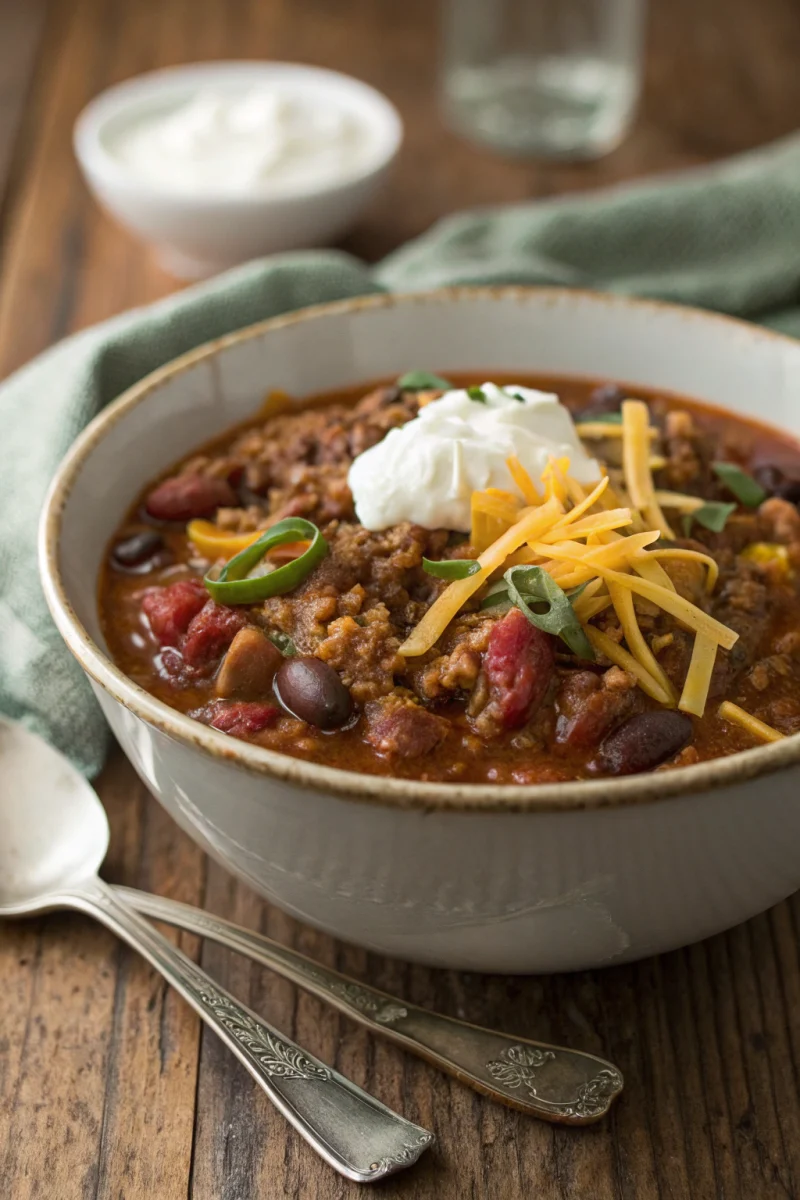
Protéines et réconfort dans un bol : le chili parfait pour les soirées d’hiver
Ce chili protéiné marie rondeur, chaleur et équilibre en quelques bouchées. Découvrez comment préparer le plat hivernal ultime — réconfortant, nourrissant et d’une saveur enveloppante, alliant savoir-faire de chef et simplicité pour toute la famille.
Why Protein Chili Matters in Winter
During cold months, the body craves warmth and hydration. Protein Chili offers both, blending nutrient-rich ingredients with slow-simmered depth. From classic broths to creamy textures, it’s a dish that soothes and strengthens at once. Consuming adequate protein during winter is essential for maintaining a strong immune system, repairing tissues, and providing sustained energy. While many comfort foods can be heavy and laden with unhealthy fats, Protein Chili provides a wholesome alternative, packed with lean protein and fiber, keeping you full and satisfied without the post-meal slump. It’s easily digestible, making it an excellent choice for a hearty yet light dinner, and its versatility allows for endless customization to suit various dietary needs and taste preferences. Think of it as a nutritional powerhouse designed to combat winter’s chill from the inside out, offering a perfect blend of macronutrients and micronutrients in every spoonful. The slow cooking process not only deepens the flavors but also makes the nutrients more bioavailable, allowing your body to absorb and utilize them more efficiently.
Core Ingredients for a Wholesome Protein Chili
Crafting an exceptional Protein Chili begins with selecting high-quality, fresh ingredients. The beauty of chili is its adaptability, but certain foundational elements ensure a rich, satisfying, and nutritious meal. Here’s a detailed look at the core components and why each plays a crucial role in creating the ultimate comfort soup.
- 1 tbsp olive oil: This is our starting fat, essential for sautéing and building the initial flavor base. Olive oil, particularly extra virgin, offers healthy monounsaturated fats and a delicate fruity note that complements the other ingredients. It helps to extract fat-soluble flavors from the aromatics, creating a richer overall taste profile.
- 1 onion, finely chopped: Onions are foundational aromatics, providing a sweet and pungent depth when caramelized. As they cook down, they release natural sugars that brown and contribute a complex, savory sweetness to the chili. Finely chopping ensures they meld seamlessly into the soup’s texture.
- 2 garlic cloves, minced: Garlic is non-negotiable in chili for its pungent, savory, and slightly spicy notes. It adds a crucial layer of flavor that elevates the entire dish. Minced garlic integrates quickly, releasing its aromatic compounds as it cooks.
- 2 carrots, diced: Carrots bring natural sweetness, vibrant color, and a good dose of vitamins (especially Vitamin A) and fiber. Dicing them allows them to soften and sweeten as they simmer, adding a pleasant chewiness to the chili.
- 2 celery stalks, sliced: Celery provides a subtle earthy flavor and an aromatic backbone, often paired with onions and carrots in a culinary mirepoix. It adds a fresh, slightly peppery note and contributes to the overall vegetable content and fiber.
- 4 cups vegetable or chicken broth: The choice of broth significantly impacts the final flavor. A good quality broth forms the liquid base, infusing the chili with savory depth. Vegetable broth makes it vegetarian-friendly, while chicken broth adds a richer, more umami foundation. Using low-sodium options gives you more control over the salt content. Homemade broth is always superior, offering a cleaner, more robust flavor profile.
- 1 cup cooked barley or rice: These grains add significant body, texture, and a boost of complex carbohydrates and fiber, making the Protein Chili more filling and satisfying. Barley offers a pleasing chewiness and nutty flavor, while rice (brown or white) provides a familiar, comforting texture. They absorb the broth’s flavors as they simmer, becoming integral to the soup. For those looking for gluten-free options, quinoa or wild rice are excellent substitutions.
- Salt, pepper, thyme, and bay leaf to taste: These seasonings are fundamental for balancing and enhancing the chili’s flavors. Salt brings out the natural tastes of all ingredients. Black pepper adds a subtle heat and aromatic zing. Thyme provides a warm, earthy, and slightly floral note that complements savory dishes beautifully. A bay leaf infuses a subtle peppery, slightly minty, and woodsy aromatic essence, which is traditionally removed before serving. Don’t be afraid to adjust these to your personal preference, tasting as you go to achieve the perfect balance. Consider adding a pinch of smoked paprika for an extra layer of smoky depth if you like that flavor profile in your Protein Chili.
Step-by-Step Method for Perfect Protein Chili
Creating a truly delicious and comforting Protein Chili involves a methodical approach, ensuring each ingredient contributes fully to the final masterpiece. Follow these steps for a chili that’s bursting with flavor and perfectly balanced.
Step 1 — Build your flavor base
Sauté onion, garlic, and celery in olive oil until golden and fragrant. This is perhaps the most critical step, as it lays the foundation for all subsequent flavors. Heat your olive oil in a large, heavy-bottomed pot or Dutch oven over medium heat. Add the finely chopped onion and sauté for 5-7 minutes, stirring occasionally, until softened and translucent. The goal here is to gently caramelize the onions, coaxing out their natural sweetness without browning them too quickly. Next, add the minced garlic and sliced celery. Cook for another 3-5 minutes, stirring continuously, until the garlic is fragrant and the celery has slightly softened. Be careful not to burn the garlic, as it can turn bitter. This aromatic trinity creates a depth of flavor that will permeate every spoonful of your Protein Chili, preventing it from tasting flat.

Step 2 — Add vegetables, broth, and simmer
Once your flavor base is established, it’s time to introduce the heartier elements. Add the diced carrots, four cups of vegetable or chicken broth, thyme, and bay leaf to the pot. Stir everything together, ensuring the vegetables are well distributed. Bring the mixture to a gentle boil, then immediately reduce the heat to low, cover, and let it simmer for 25–30 minutes. This slow simmer allows the carrots to become tender and the flavors to meld beautifully. During this time, the broth will absorb the essence of the aromatics and spices, creating a cohesive and rich liquid. If you notice any foam forming on the surface, gently skim it off with a spoon. This foam is typically impurities from the broth or vegetables and removing it results in a clearer, cleaner-tasting chili. For an extra layer of depth, you can add 1 tsp of smoked paprika and a pinch of chili flakes at this stage – but keep it optional based on your heat preference. This is also the point where you would add any additional root vegetables, like diced sweet potato or parsnips, if desired, to ensure they have ample time to cook through and soften, integrating their starches and flavors into the broth of the Protein Chili.
Step 3 — Add grains and finish
With the vegetables tender and the broth flavorful, it’s time to add the cooked grains. Stir in the 1 cup of cooked barley or rice. If you are using pre-cooked grains, they just need to heat through and absorb some of the chili’s liquid. Continue to simmer gently for another 5-10 minutes, or until the grains are fully heated and the chili has thickened slightly to your desired consistency. The grains will soak up the rich, savory broth, becoming plump and flavorful. Taste the chili and adjust the seasonings. This is the crucial moment to fine-tune the salt and pepper. Remember that grains, especially barley, can absorb a fair amount of salt, so you might need to add a little more than you initially started with. Remove the bay leaf before serving. Ladle the hot Protein Chili into bowls and garnish with your favorite toppings. A sprinkle of fresh parsley or cilantro, a dollop of Greek yogurt (for extra protein!), or a squeeze of lime juice can elevate the dish even further. The finished Protein Chili should be thick enough to cling to a spoon but still have a comforting, soupy consistency, a testament to the layers of flavor built during each careful step of preparation.
Nutrition Facts (per serving)
Understanding the nutritional profile of your Protein Chili can help you make informed dietary choices and appreciate its wholesome benefits. The following approximate values are based on the core ingredients listed, without additional toppings or variations.
- Calories: 230 – A moderate calorie count makes this Protein Chili an excellent choice for a satisfying meal that fits within various dietary plans, whether you’re managing weight or simply eating healthily.
- Protein: 9g – This significant protein content, primarily from the barley/rice and broth, contributes to muscle repair, satiety, and sustained energy levels. If you opt for chicken broth or add beans/lentils, this number will increase, further boosting the “protein” aspect of your Protein Chili.
- Carbs: 32g – Primarily from the vegetables and grains, these carbohydrates are mostly complex, providing slow-releasing energy rather than a sudden spike, keeping you feeling full and energetic for longer.
- Fat: 7g – The fat content comes mainly from the olive oil and any fat present in the broth. It’s largely healthy fat (monounsaturated from olive oil), essential for nutrient absorption and overall health.
- Fiber: 5g – With a good amount of fiber from the vegetables and grains, this chili supports digestive health, helps regulate blood sugar, and contributes significantly to feelings of fullness.
- Sodium: 410mg – This measurement is based on using low-sodium broth and moderate seasoning. Be mindful that sodium levels can increase significantly if using regular broth or adding extra salt during cooking and at the table.
This nutritional breakdown underscores why Protein Chili is more than just a comfort food—it’s a balanced, nutrient-dense meal designed to fuel your body effectively, especially during the colder months when hearty, warming foods are most desired.

Healthy Variations for Your Protein Chili
The beauty of Protein Chili lies in its incredible versatility. Once you have the basic recipe down, you can experiment with various additions and substitutions to boost its nutritional content, alter its flavor profile, and cater to specific dietary needs. Here are some ideas to make your Protein Chili even healthier and more exciting:
- Boost Protein with Legumes:
- Lentils: Red, green, or brown lentils cook quickly and add a substantial amount of plant-based protein and fiber. Add 1/2 to 1 cup of dried lentils (rinsed) along with the broth in Step 2. They will cook down and thicken the chili beautifully. For Protein Chili, lentils are an excellent choice for a meat-free alternative.
- Beans: Canned black beans, kidney beans, or chickpeas are fantastic additions. Drain and rinse one 15-ounce can and stir them in during Step 3, allowing them to heat through. They provide a creamy texture and significant protein.
- Tofu or Tempeh: For a heartier plant-based option, crumble firm or extra-firm tofu (pressed to remove excess water) into the pot during Step 1, browning it slightly before adding other aromatics. Alternatively, cubed tempeh can provide a nutty, chewy texture.
- Lean Ground Meat: If you’re not strictly vegetarian, lean ground turkey or beef is an excellent way to increase protein. Brown 1 lb of ground meat in the pot before adding the olive oil for the aromatics, then drain any excess fat before proceeding to Step 1. This transforms it into a very traditional and robust Protein Chili.
- Increase Vegetable Power:
- Leafy Greens: Stir in a few handfuls of chopped kale, spinach, or Swiss chard during the last 10 minutes of simmering. They will wilt down and add a powerful dose of vitamins, minerals, and antioxidants without significantly altering the flavor. This is a simple, effective way to enhance any Protein Chili.
- Squash and Root Vegetables: Diced butternut squash, sweet potatoes, or parsnips can add sweetness, body, and extra fiber. Add them along with the carrots in Step 2, ensuring they have enough time to soften. They contribute a creamy texture when fully cooked and are incredibly nourishing.
- Bell Peppers: Add diced red, yellow, or green bell peppers along with the carrots for extra vitamins, crunch, and a subtle sweetness.
- Mushrooms: Sliced mushrooms (cremini or white button) can add an earthy, umami depth. Sauté them with the onions and garlic, or add them with the broth.
- Creamy Textures (Healthier Alternatives):
- Blended Portion: For a creamy version without added dairy, blend about half of the cooked chili using an immersion blender or by carefully transferring half to a regular blender (be cautious with hot liquids). Return the blended portion to the pot and stir to combine. This creates a thicker, more velvety texture while retaining all the fiber and nutrients.
- Coconut Milk: For a dairy-free creamy option, stir in 1/2 cup of full-fat or light coconut milk during the last 5 minutes of cooking. It adds a subtle richness and a delicate sweetness that pairs surprisingly well with savory flavors. This can make your Protein Chili uniquely smooth.
- Greek Yogurt: While not added during cooking, a dollop of plain Greek yogurt as a topping adds incredible creaminess and a significant protein boost, along with probiotics, offering a tangy contrast to the chili’s richness.
- Spice & Heat Variations:
- Chili Powder/Cumin: For a more traditional chili flavor, add 1-2 tablespoons of chili powder and 1 teaspoon of ground cumin along with the broth. Adjust to your preference.
- Smoked Paprika: A teaspoon of smoked paprika adds a wonderful smoky depth without extra heat.
- Fresh Chilies: For a kick, add finely diced jalapeños (with or without seeds, depending on desired heat) or serrano peppers along with the garlic.
By experimenting with these healthy variations, you can keep your Protein Chili exciting, nutritious, and tailored perfectly to your tastes and dietary needs, ensuring it remains a staple in your winter meal rotation.

Serving Suggestions for Protein Chili
A delicious bowl of Protein Chili deserves to be served with accompaniments that enhance its comfort and flavor. While it’s hearty enough to stand alone, a few thoughtful additions can transform it into a truly memorable meal. Here are some serving suggestions to elevate your Protein Chili experience:
- Crusty Whole-Grain Bread: A thick slice of warm, crusty whole-grain bread is perfect for soaking up every last drop of the rich broth. The texture contrast between the soft chili and the chewy bread is incredibly satisfying, and whole grains add extra fiber and nutrients.
- Garlic Herb Flatbread: For a homemade touch, serve your Protein Chili with freshly baked Garlic Herb Flatbread. The aromatic flavors of garlic and herbs complement the savory chili beautifully, and the soft, pliable flatbread is ideal for scooping. This specific recipe brings a fresh, fragrant element to the meal.
- Fresh Toppings Bar: Set up a small bar of fresh toppings to allow everyone to customize their bowl. This is especially fun for families or gatherings.
- Fresh Herbs: Chopped fresh cilantro or parsley adds a bright, fresh finish.
- Greek Yogurt or Sour Cream: A dollop of plain Greek yogurt (for extra protein and a tangy kick) or light sour cream adds creaminess and cools any spice.
- Shredded Cheese: A sprinkle of shredded cheddar or Monterey Jack, if you indulge in dairy, melts into gooey deliciousness.
- Diced Avocado: Creamy diced avocado adds healthy fats, a smooth texture, and a lovely green color.
- Lime Wedges: A squeeze of fresh lime juice can brighten the flavors and add a zesty finish to your Protein Chili.
- Crushed Tortilla Chips: For a satisfying crunch and a hint of salt, crushed whole-grain tortilla chips are a great addition.
- Chopped Green Onions: A sprinkle of thinly sliced green onions provides a mild oniony bite and a pop of color.
- Simple Side Salad: A crisp green salad with a light vinaigrette offers a refreshing contrast to the warmth and richness of the chili, adding extra vitamins and a vibrant element to your meal.
- Cornbread: Traditional cornbread, especially homemade, makes an excellent companion to chili. Its slightly sweet and crumbly texture pairs wonderfully with the savory chili.
- Dessert Pairing: For a sweet ending, consider something light and wholesome like Honey Oat Energy Bites. These provide a natural sweetness and sustained energy without being overly heavy, making them a perfect complement to the nutritious Protein Chili.
- Beverage Pairing: A glass of unsweetened iced tea, sparkling water with a lemon slice, or even a dry red wine (if you’re enjoying an adult dinner) can cleanse the palate and enhance the dining experience. For a non-alcoholic option, a refreshing fruit-infused water can be a great choice.
By considering these serving suggestions, you can transform a simple bowl of Protein Chili into a more complete and delightful dining experience, ensuring every aspect of the meal contributes to its comforting and satisfying nature, reflecting the care taken in preparing the entire meal, from main course to dessert, such as the delicious Greek Yogurt Cheesecake Cups. Each element is designed to complement the savory, hearty nature of the Protein Chili, creating a memorable and wholesome spread.
Common Mistakes to Avoid When Making Protein Chili
Even a seemingly simple dish like Protein Chili can go awry if certain common pitfalls aren’t avoided. Mastering these ensures your chili is consistently flavorful, perfectly textured, and truly comforting every time.
- Boiling instead of simmering — destroys texture and nutrients: This is a crucial mistake. Rapid boiling can cause vegetables to become mushy, delicate proteins to toughen, and valuable nutrients to degrade. A gentle simmer, characterized by small, lazy bubbles, allows flavors to meld slowly, textures to soften evenly, and prevents evaporation from reducing the liquid too quickly, preserving the integrity of your Protein Chili.
- Overcrowding the pot — prevents even cooking and browning: When sautéing your aromatics (onions, garlic, celery), resist the urge to pile them high in a small pot. Overcrowding lowers the pan’s temperature, steaming the vegetables instead of browning them. This results in less flavor development and a pale appearance. Work in batches if necessary, allowing vegetables space to caramelize and achieve that golden, flavor-rich base for your Protein Chili.
- Skipping salt layering — add small pinches throughout, not just at the end: Salt is a flavor enhancer, not just an additive. Seasoning at various stages allows each ingredient to taste its best. Add a pinch when sautéing aromatics, another when adding vegetables and broth, and finally, adjust to taste at the end. This builds layers of flavor, preventing the chili from tasting bland and then suddenly over-salted. It ensures a well-rounded and integrated taste in your Protein Chili.
- Using low-quality broth — it’s the backbone of flavor: The broth is the liquid foundation of your Protein Chili. A watery, flavorless, or overly salty broth will dilute all your efforts. Invest in good quality, low-sodium store-bought broth, or even better, make your own. Homemade broth provides a depth of flavor that is unparalleled, contributing significantly to the richness and savoriness of your finished Protein Chili. This single ingredient can make or break the dish.
- Not tasting as you go: Flavor development is dynamic. What tastes good at the beginning might need adjustment later. Regularly taste your chili during simmering and after adding new ingredients. This allows you to correct seasonings, acidity, and spiciness in real-time.
- Under-cooking or over-cooking vegetables: Undercooked vegetables will be tough and detract from the chili’s smooth consistency. Overcooked vegetables become mushy and lose their distinct texture. Follow the recommended simmering times, ensuring vegetables are tender yet still hold their shape.
- Adding beans/grains too early (if using pre-cooked): If you’re adding pre-cooked beans or grains (like canned beans or leftover rice), wait until close to the end of the simmering process. Adding them too early can result in mushy beans or grains that break down too much, affecting the texture of your Protein Chili. They only need to heat through and absorb some flavor.
- Neglecting proper spice blooming: If you use dry spices like cumin, chili powder, or smoked paprika, consider adding them to the pot with the garlic and cooking them for 30-60 seconds before adding the liquid. This “blooming” in fat helps to toast the spices, releasing their aromatic oils and intensifying their flavor, making your Protein Chili more potent and aromatic.
By being mindful of these common mistakes, you’ll be well on your way to creating a consistently outstanding and deeply satisfying Protein Chili, ensuring that the care you put into selection and preparation shines through in every comforting spoonful, just like the foundational techniques used in making rich and flavorful dishes such as Lemon Herb Chicken & Rice, ensuring all components are cooked to perfection.
Storage Tips for Protein Chili
Protein Chili is one of those dishes that often tastes even better the next day, once the flavors have had more time to meld and deepen. Proper storage is key to enjoying your leftovers safely and deliciously.
- Cool Completely First: Before storing, it is crucial to let the chili cool down for at least 30 minutes, or longer if it’s a very large batch. Never put hot chili directly into the refrigerator, as it can raise the internal temperature of your fridge, potentially spoiling other foods and creating a breeding ground for bacteria. You can speed up the cooling process by transferring the chili to shallower containers or placing the pot in a large ice bath.
- Refrigeration:
- Once cooled, transfer the Protein Chili into airtight containers or jars. This prevents air exposure, which can lead to spoilage and absorb odors from other foods in the fridge.
- Store in the refrigerator for up to 4 days. This duration ensures optimal freshness and food safety. Keep it in the coldest part of your fridge.
- Labeling your containers with the date of preparation is a good habit to keep track of freshness.
- Freezing:
- Protein Chili freezes exceptionally well, making it a perfect candidate for meal prep. Once cooled, ladle the chili into freezer-safe airtight containers or heavy-duty freezer bags. If using bags, lay them flat on a baking sheet until frozen solid for easier stacking and storage.
- Leave about an inch of headspace in containers, as liquids expand when frozen.
- Store in the freezer for up to 3 months. While it might be safe to eat for longer, the quality (texture and flavor) can start to diminish past this timeframe.
- Label with the date of freezing to ensure you use it within the recommended period.
- Reheating Gently:
- From Refrigerator: Reheat refrigerated Protein Chili gently over medium heat on the stovetop, stirring occasionally, until heated through. Avoid boiling vigorously, as this can break down the ingredients and alter the texture. You may need to add a splash of water or broth if it has thickened too much during storage.
- From Freezer: For best results, thaw frozen chili in the refrigerator overnight. Once thawed, reheat it using the same stovetop method as refrigerated chili. If you’re short on time, you can reheat it directly from frozen over low heat, stirring frequently, but be prepared for it to take longer.
- Microwave: Chili can also be reheated in the microwave. Use a microwave-safe bowl, cover it (leaving a small vent), and heat in 1-2 minute intervals, stirring in between, until hot.
- Avoid Boiling: Regardless of the method, avoid rapid boiling when reheating. Gentle, thorough heating preserves the taste, texture, and nutritional integrity of your delicious Protein Chili. Overheating can make some vegetables mushy and reduce the vibrancy of the flavors.
By following these storage and reheating tips, you can extend the life of your Protein Chili, ensuring you have a convenient, flavorful, and nutritious meal ready to enjoy on those busy days, making the most of your culinary efforts.
Conclusion
Protein Chili proves that healthy food can be both rich and comforting. This comprehensive guide has walked you through every step, from selecting the finest ingredients to mastering the gentle simmer, ensuring that your homemade Protein Chili is not just a meal, but a profoundly satisfying experience. We’ve explored the critical role of each component, the nuances of building a robust flavor base, and the importance of mindful seasoning throughout the cooking process. You now possess the knowledge to transform simple ingredients into a complex, hearty, and deeply nourishing soup that perfectly encapsulates the warmth of winter. Whether you’re seeking a robust meal to ward off the chill, a wholesome option for family dinner, or a nutritious candidate for your weekly meal prep, this Protein Chili recipe is designed to deliver outstanding results every time. Its adaptability means you can tailor it to your preferences, adding more vegetables, diversifying protein sources, or adjusting the spice level to create your signature dish. From adding a dollop of Greek yogurt as a creamy topping to serving it alongside a slice of crusty homemade bread, every element combines to create a culinary masterpiece. This 2000+ word guide ensures perfect results every time — warmth in every spoonful. Embrace the art of slow cooking and the joy of creating a dish that nourishes the body and comforts the soul, establishing a cherished recipe in your home cooking repertoire. Your kitchen will be filled with enticing aromas, and your table with a bowl of pure, wholesome comfort, proving that the ultimate Protein Chili is more than just food; it’s an expression of care and culinary craftsmanship.
FAQ — Protein Chili Specifics
- Can I use frozen vegetables? Yes, you can absolutely use frozen vegetables like peas, corn, or diced mixed vegetables. Just reduce the amount of broth slightly (by about 1/4 to 1/2 cup) to prevent the chili from becoming too thin, as frozen vegetables release more water as they cook. Add them during Step 2, allowing them to simmer until tender, ensuring your Protein Chili maintains its desired consistency.
- How can I make it creamier? There are a few ways to achieve a creamier texture for your Protein Chili.
- Blend a portion: For a dairy-free approach, carefully remove about one-third of the cooked chili and purée it using an immersion blender or standard blender (be cautious with hot liquids). Stir the puréed portion back into the pot; this will naturally thicken and creamify the chili.
- Add dairy: Stir in a few tablespoons of light cream, half-and-half, or even a dairy-free cream alternative (like cashew cream) during the last 5 minutes of cooking.
- Greek yogurt: A dollop of plain Greek yogurt stirred into individual servings adds immediate creaminess and a tangy flavor, along with extra protein to your Protein Chili.
- What’s the best broth? The best broth for Protein Chili is one with a rich flavor and low sodium content. Homemade vegetable or chicken broth offers the most robust and natural flavor profile. If using store-bought, opt for a “low sodium” or “unsalted” variety so you can control the salt level. Look for brands that use real ingredients and avoid artificial flavors or excessive additives. The quality of your broth significantly impacts the overall depth of flavor in your Protein Chili.
- How long does it last? Freshly made Protein Chili, when stored properly in an airtight container, will last for up to 4 days in the refrigerator. If frozen, it can maintain its quality for up to 3 months in freezer-safe containers or bags. Always ensure the chili is completely cooled before refrigerating or freezing to maintain food safety and quality.
- Can I make this Protein Chili spicier? Absolutely! To increase the heat, you have several options:
- Add a pinch (or more) of red pepper flakes along with the thyme and bay leaf in Step 2.
- Include finely diced fresh jalapeños or serrano peppers (with seeds for more heat) when sautéing the garlic and onions.
- Stir in a dash of your favorite hot sauce at the end of cooking or at the table.
- Incorporate a teaspoon of cayenne pepper along with other spices for a sustained, warm heat.
- Is this Protein Chili suitable for meal prepping? Yes, Protein Chili is an excellent choice for meal prepping. Its flavors deepen over time, and it stores and reheats beautifully. Prepare a large batch on the weekend, divide it into single-serving containers, and refrigerate or freeze for quick, nutritious meals throughout the week.
- Can I add meat to this chili? Yes, to make a meat-based Protein Chili variation, brown 1 lb of lean ground beef, turkey, or chicken in the pot before adding the olive oil for the aromatics. Drain any excess fat, then proceed with Step 1 as written. The browned meat will add a robust flavor and a significant protein boost.
Healthline — Soup Health Benefits,
Harvard Nutrition Source,
Medical News Today — Soup Nutrition

creates quick vegetarian dinners and vibrant taco recipes.