
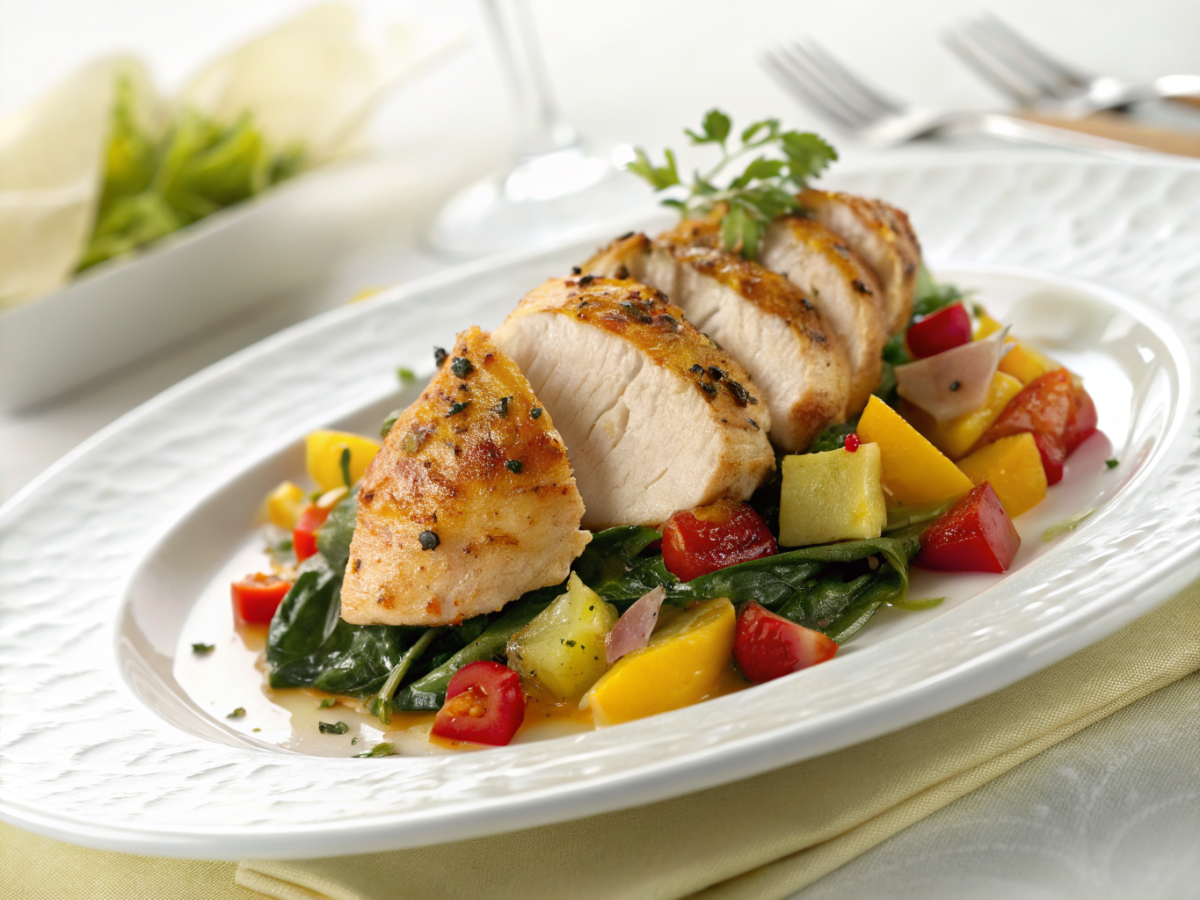
Simple Anti Inflammatory Chicken
Ingredients
Method
- In a large bowl, combine olive oil, turmeric, ginger, garlic, cumin, black pepper, sea salt, and lemon juice. Mix well to create a marinade.
- Add the chicken pieces to the bowl and toss to coat evenly with the marinade. Let sit for 10 minutes at room temperature or up to 2 hours in the refrigerator for deeper flavor.
- Heat a large skillet over medium-high heat. Add a drizzle of olive oil if needed.
- Add the marinated chicken pieces to the hot skillet in a single layer. Cook for 5-6 minutes without stirring to develop a golden crust.
- Flip the chicken pieces and cook for another 5-7 minutes until the chicken is cooked through and reaches an internal temperature of 165 degrees Fahrenheit.
- Remove from heat and let the chicken rest for 3-4 minutes. Garnish with fresh herbs if desired and serve warm with your favorite vegetables or grains.
Nutrition
Notes
Tried this recipe?
Let us know how it was!Anti Inflammatory Chicken: 5 Simple Tips for Perfect Results
Creating the perfect anti-inflammatory chicken starts with understanding how to maximize both flavor and health benefits. The key lies in using fresh ingredients rich in natural anti-inflammatory compounds while maintaining proper cooking techniques. These five tips will transform your chicken from ordinary to extraordinary while keeping inflammation at bay.
First, always marinate your chicken for at least 30 minutes to allow the anti-inflammatory spices to penetrate deeply into the meat. This not only enhances flavor but also increases the bioavailability of beneficial compounds like curcumin from turmeric. The longer marination time creates tender, flavorful chicken that practically melts in your mouth.
Second, use high-quality extra virgin olive oil as your cooking fat instead of inflammatory vegetable oils. Olive oil contains oleocanthal, a natural compound with anti-inflammatory properties similar to ibuprofen. Choose cold-pressed varieties for maximum health benefits and superior taste.
Third, don’t skimp on fresh ginger and garlic—these aromatic powerhouses contain gingerol and allicin respectively, both potent anti-inflammatory agents. Crushing or mincing these ingredients activates their beneficial compounds. Fresh is always better than powdered for maximum therapeutic effect.
Fourth, cook your chicken at moderate temperatures to preserve the integrity of anti-inflammatory compounds. High heat can destroy delicate nutrients and create inflammatory compounds through excessive browning. Aim for gentle sautéing or baking at 375°F for optimal results.
Fifth, pair your chicken with anti-inflammatory sides like leafy greens, quinoa, or roasted vegetables. This creates a complete anti-inflammatory meal that supports your body’s natural healing processes. The synergy between different anti-inflammatory foods amplifies their individual benefits for comprehensive wellness support.
Why You’ll Love This Anti Inflammatory Chicken
This recipe stands out because it proves that healthy eating doesn’t mean sacrificing flavor or spending hours in the kitchen. The combination of warming spices creates a complex flavor profile that rivals any restaurant dish. You’ll appreciate how the natural sweetness of paprika balances the earthiness of turmeric and the zing of fresh ginger.
The versatility of this dish makes it perfect for meal prep enthusiasts and busy families alike. You can serve it over cauliflower rice for a low-carb option, slice it for salads, or pair it with roasted vegetables for a complete dinner. Leftovers taste even better the next day as the flavors continue to develop and meld together.
From a health perspective, this recipe addresses inflammation at its root cause through nutrition. Chronic inflammation contributes to numerous health conditions, from arthritis to heart disease. By incorporating anti-inflammatory ingredients regularly, you’re taking proactive steps toward better health with every delicious bite.
The simplicity of preparation means you don’t need culinary school training to achieve restaurant-quality results. With just one pan and about 30 minutes of active cooking time, you’ll have a nutritious meal ready. This makes it ideal for weeknight dinners when time is limited but nutrition cannot be compromised.
Budget-conscious cooks will love that this recipe uses affordable, accessible ingredients available at any grocery store. You don’t need exotic superfoods or expensive supplements when whole foods like chicken, turmeric, and garlic provide powerful anti-inflammatory benefits. This proves that eating for health can be both economical and delicious.
Core Ingredients for Anti Inflammatory Chicken
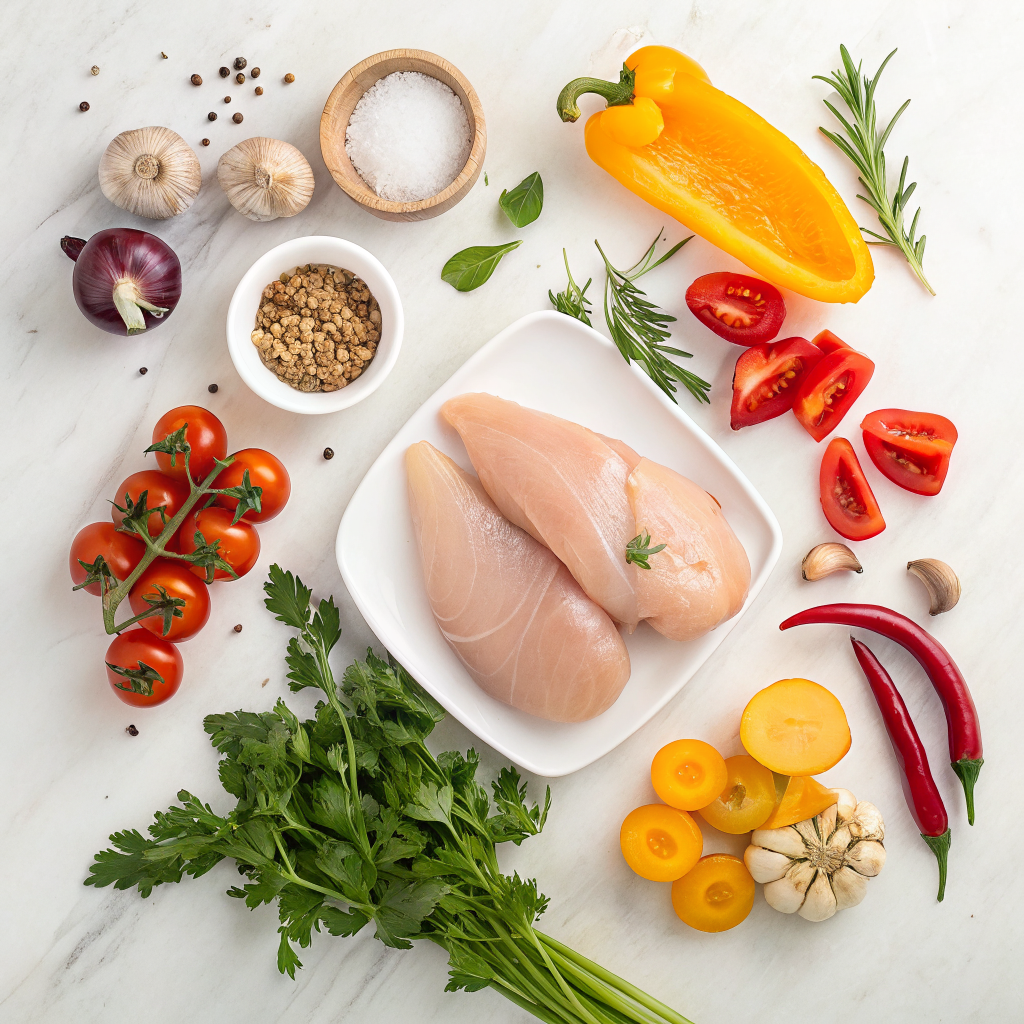
The foundation of this recipe starts with high-quality chicken breasts or thighs, preferably organic and free-range. Chicken provides lean protein essential for tissue repair and immune function. Thighs offer more flavor and stay moist during cooking, while breasts provide a leaner option for those watching fat intake.
Turmeric serves as the star anti-inflammatory ingredient, containing curcumin which has been extensively studied for its health benefits. Use about 2 teaspoons of ground turmeric or 1 tablespoon of fresh grated turmeric root. The vibrant golden color indicates the presence of beneficial compounds that fight inflammation at the cellular level.
Fresh ginger root brings both flavor and powerful anti-inflammatory properties through its active compound gingerol. You’ll need about 1 tablespoon of freshly grated ginger for maximum potency. Fresh ginger has a bright, spicy flavor that complements the earthiness of turmeric perfectly while adding its own therapeutic benefits.
Garlic cloves provide allicin, a sulfur compound with remarkable anti-inflammatory and immune-boosting properties. Use 4-5 cloves of fresh garlic, minced or pressed for optimal release of beneficial compounds. Garlic also adds depth and savory notes that make this dish irresistibly aromatic.
Extra virgin olive oil serves as the cooking medium and contributes its own anti-inflammatory oleocanthal. You’ll need about 3 tablespoons for marinating and cooking. Choose a high-quality, cold-pressed variety for the best flavor and maximum health benefits in every serving.
Black pepper might seem like a minor ingredient, but it’s crucial for enhancing curcumin absorption by up to 2000%. Just 1/4 teaspoon of freshly ground black pepper makes the turmeric significantly more bioavailable. This synergistic relationship between spices demonstrates the wisdom of traditional cooking methods.
Additional anti-inflammatory spices include paprika for sweetness, cumin for earthiness, and a pinch of cayenne for heat. Fresh lemon juice adds brightness while providing vitamin C, which supports immune function. Sea salt enhances all the flavors while providing essential minerals often lacking in processed table salt.
For the marinade, you’ll also need coconut aminos or low-sodium tamari as a gluten-free alternative to soy sauce. These add umami depth without inflammatory additives. Fresh herbs like cilantro or parsley make excellent garnishes, adding both visual appeal and additional antioxidants to the finished dish.
How to Make Anti Inflammatory Chicken: Step-by-Step
Begin by preparing your marinade in a large bowl, combining olive oil, turmeric, grated ginger, minced garlic, black pepper, and other spices. Whisk these ingredients together until you create a smooth, golden paste with an intoxicating aroma. This forms the flavor foundation that will transform ordinary chicken into an anti-inflammatory powerhouse.
Pat your chicken pieces completely dry with paper towels, as moisture prevents proper browning and flavor development. Add the chicken to the marinade, ensuring every piece is thoroughly coated with the spice mixture. Use your hands to massage the marinade into the meat, which helps tenderize the chicken while ensuring even distribution of anti-inflammatory compounds.
Cover the bowl with plastic wrap or transfer everything to a resealable bag, then refrigerate for at least 30 minutes. For maximum flavor and health benefits, marinate for 2-4 hours or even overnight. The longer marination allows the anti-inflammatory compounds to penetrate deeply into the meat while the acid from lemon juice tenderizes the protein.
When ready to cook, remove the chicken from the refrigerator and let it sit at room temperature for 15 minutes. This ensures even cooking throughout the meat. Preheat your oven to 375°F or heat a large skillet over medium heat with a tablespoon of olive oil.
For stovetop cooking, place the marinated chicken in the preheated skillet, being careful not to overcrowd the pan. Cook for 6-7 minutes on the first side without moving the pieces, allowing a golden crust to develop. Flip the chicken and cook for another 6-7 minutes until the internal temperature reaches 165°F when measured with a meat thermometer.
If using the oven method, arrange the marinated chicken in a single layer on a parchment-lined baking sheet. Roast for 25-30 minutes, flipping halfway through, until the chicken is golden brown and cooked through. The oven method requires less attention and produces consistently moist results, making it ideal for meal prep batches.
Once cooked, let the chicken rest for 5 minutes before slicing or serving. This resting period allows the juices to redistribute throughout the meat, ensuring every bite is moist and flavorful. Garnish with fresh herbs, a squeeze of lemon juice, and perhaps a sprinkle of additional turmeric for visual appeal.
For added flavor depth, deglaze the pan with a splash of chicken broth or white wine after removing the chicken. Scrape up the flavorful browned bits and reduce the liquid by half to create a simple pan sauce. This captures all the anti-inflammatory compounds left in the pan while adding restaurant-quality finishing touches.
Nutrition & Health Benefits
Each serving of this anti-inflammatory chicken provides approximately 35-40 grams of high-quality protein, essential for muscle maintenance, immune function, and cellular repair. Protein also promotes satiety, helping you feel full longer and supporting healthy weight management. The lean nature of chicken makes it an excellent choice for those monitoring their fat intake while still getting complete protein.
Turmeric’s active compound curcumin has been studied extensively for its ability to modulate inflammatory pathways at the molecular level. Research suggests it may help reduce symptoms of arthritis, improve heart health, and support brain function. The combination with black pepper in this recipe maximizes curcumin absorption, ensuring you receive the full therapeutic benefits.
Ginger contains gingerol, a bioactive substance with powerful anti-inflammatory and antioxidant effects. Studies have shown ginger can help reduce muscle pain, lower blood sugar levels, and improve digestive health. The fresh ginger in this recipe provides these benefits while adding a pleasant warming sensation and complex flavor profile.
Garlic’s allicin compound has been linked to reduced inflammation, improved cardiovascular health, and enhanced immune function. Regular garlic consumption may help lower blood pressure and cholesterol levels. The multiple cloves used in this recipe ensure you’re getting a therapeutic dose with every serving.
Extra virgin olive oil contributes heart-healthy monounsaturated fats and oleocanthal, which functions similarly to anti-inflammatory medications without the side effects. The Mediterranean diet’s success in promoting longevity and reducing chronic disease is partly attributed to generous olive oil consumption. This recipe harnesses those benefits in a delicious, practical way.
The overall nutrient profile includes B vitamins from chicken, vitamin C from lemon juice, and various minerals from sea salt and spices. Each serving contains approximately 250-300 calories, making it suitable for various dietary approaches. The low carbohydrate content makes it compatible with keto, paleo, and low-carb diets while still providing substantial nutrition.
For those interested in learning more about high protein recipes, this dish exemplifies how to combine protein with anti-inflammatory ingredients for optimal health. The synergistic effect of multiple anti-inflammatory compounds creates benefits greater than any single ingredient could provide alone.
Variations & Substitutions
For a dairy-free creamy version, add full-fat coconut milk during the last 5 minutes of cooking to create a golden turmeric sauce. The coconut milk’s medium-chain triglycerides provide additional anti-inflammatory benefits while creating a luxurious texture. This variation works particularly well when serving over cauliflower rice or quinoa to soak up the flavorful sauce.
Swap chicken for wild-caught salmon or other fatty fish to increase omega-3 fatty acids, which are potent anti-inflammatory nutrients. Reduce cooking time to 12-15 minutes for fish, as it cooks more quickly than chicken. The combination of turmeric and omega-3s creates a synergistic anti-inflammatory effect that’s particularly beneficial for joint health.
For a vegetarian adaptation, substitute firm tofu or tempeh pressed and cubed in place of chicken. Marinate for at least 1 hour to allow the flavors to penetrate the plant-based protein. This variation provides all the anti-inflammatory spice benefits while accommodating various dietary preferences and restrictions.
Create an anti-inflammatory chicken curry by adding diced tomatoes, coconut milk, and additional curry spices like coriander and fenugreek. Simmer everything together for 20 minutes to develop a rich, complex sauce. Serve over brown rice or with naan bread for a complete meal that feeds a crowd.
For those following a low-sodium diet, replace the salt with additional herbs like rosemary, thyme, or oregano. These herbs provide their own anti-inflammatory compounds while adding complex flavors. You won’t miss the salt when the dish is bursting with aromatic herbs and spices.
Try a Mediterranean twist by adding sun-dried tomatoes, kalamata olives, and artichoke hearts during the last few minutes of cooking. These ingredients contribute additional antioxidants and healthy fats while creating a flavor profile reminiscent of Greek cuisine. Finish with crumbled feta cheese if dairy is tolerated.
For meal prep variety, prepare a double batch and season half with different spice blends after cooking. One batch can remain traditional while the other gets a Mexican twist with cumin, chili powder, and lime. This strategy prevents meal prep boredom while maximizing kitchen efficiency.
Serving Suggestions
Pair this anti-inflammatory chicken with a vibrant rainbow salad featuring dark leafy greens, shredded purple cabbage, grated carrots, and sliced bell peppers. Dress the salad with a simple olive oil and lemon vinaigrette to maintain the anti-inflammatory theme. The colorful vegetables provide additional antioxidants and fiber for comprehensive nutritional support.
Serve over cauliflower rice seasoned with turmeric and fresh herbs for a low-carb, grain-free option that doubles down on anti-inflammatory benefits. The cauliflower rice absorbs the flavorful juices from the chicken while adding cruciferous vegetables known for their cancer-fighting compounds. This combination creates a satisfying meal under 400 calories.
Create a Mediterranean-inspired plate by serving alongside roasted vegetables like zucchini, eggplant, and bell peppers drizzled with olive oil. Add a side of hummus or baba ganoush for plant-based protein and additional fiber. This combination provides a complete nutritional profile while keeping inflammation in check through whole food choices.
For a heartier meal, serve with quinoa or brown rice pilaf cooked with bone broth for additional anti-inflammatory benefits. These whole grains provide sustained energy and fiber while complementing the protein-rich chicken. Top the grain with toasted nuts and dried cranberries for textural contrast and added nutrients.
Slice the chicken and use it as a protein topper for grain bowls featuring your favorite anti-inflammatory ingredients. Include components like roasted sweet potatoes, sautéed kale, avocado slices, and a tahini dressing. These bowls are perfect for meal prep and can be customized based on seasonal vegetable availability.
For a lighter option, serve the chicken alongside a refreshing cucumber and tomato salad dressed with olive oil and fresh mint. The cooling vegetables balance the warming spices in the chicken while providing hydration and additional vitamins. This combination works particularly well during warmer months when lighter meals are preferred.
Explore more ideas in our collection of dinner recipes that complement this anti-inflammatory approach to eating. The key is combining multiple anti-inflammatory foods in each meal to maximize the cumulative health benefits.
Common Mistakes to Avoid
One of the most frequent errors is using old, oxidized spices that have lost their potency and anti-inflammatory properties. Turmeric and other spices should be replaced every 6-12 months for maximum flavor and health benefits. Store spices in airtight containers away from heat and light to preserve their therapeutic compounds.
Overcooking chicken is another common pitfall that results in dry, tough meat that’s unappetizing despite the flavorful marinade. Always use a meat thermometer to ensure you reach 165°F internal temperature without exceeding it. Remember that chicken continues cooking slightly during the resting period, so remove it from heat at 160°F for perfect results.
Skipping the marination time significantly reduces both flavor development and the absorption of anti-inflammatory compounds into the meat. While 30 minutes is the minimum, longer marination produces superior results. Plan ahead and marinate overnight when possible for the most tender, flavorful chicken.
Using low-quality oils or inflammatory fats like vegetable oil, canola oil, or margarine completely undermines the anti-inflammatory purpose of this recipe. These oils contain omega-6 fatty acids that promote inflammation when consumed in excess. Stick with extra virgin olive oil, avocado oil, or coconut oil for cooking.
Forgetting to add black pepper is a critical mistake that drastically reduces curcumin absorption from turmeric. Without piperine from black pepper, your body absorbs only a small fraction of turmeric’s beneficial compounds. This simple addition multiplies the health benefits by up to 2000%, making it essential rather than optional.
Crowding the pan when cooking prevents proper browning and can cause the chicken to steam rather than sear. Cook in batches if necessary to ensure each piece has adequate space for air circulation. Proper browning develops complex flavors through the Maillard reaction while creating an appealing golden crust.
Using powdered ginger and garlic instead of fresh significantly diminishes both flavor and anti-inflammatory potency. Fresh ingredients contain volatile compounds and enzymes that are lost during processing and storage. The small extra effort of grating fresh ginger and mincing fresh garlic pays enormous dividends in taste and health benefits.
Storage & Meal Prep Tips
Store cooked anti-inflammatory chicken in airtight glass containers in the refrigerator for up to 4 days. Glass containers prevent chemical leaching that can occur with plastic, especially when storing acidic or oily foods. Label containers with the date to track freshness and ensure food safety.
For optimal meal prep, cook a double or triple batch on Sunday to have ready-to-eat protein throughout the week. Slice some chicken for salads, leave some whole for quick dinners, and dice some for grain bowls. This variety prevents meal fatigue while maintaining the convenience of prepared protein.
Freeze cooked chicken in individual portions for up to 3 months, separating pieces with parchment paper to prevent sticking. Flash-freeze on a baking sheet before transferring to freezer bags to maintain individual pieces. This method allows you to remove only what you need without thawing the entire batch.
When reheating, add a splash of chicken broth or water to prevent drying out, and cover the container to trap steam. Microwave on 50% power in 30-second intervals, stirring between each interval for even heating. Alternatively, reheat in a covered skillet over low heat for the best texture preservation.
Marinate raw chicken in freezer-safe bags and freeze for up to 3 months for ultimate convenience. When ready to cook, thaw overnight in the refrigerator and proceed with the cooking instructions. The chicken marinates as it thaws, resulting in deeply flavored meat with minimal active prep time.
Store leftover marinade separately if you didn’t use it all, keeping it refrigerated for up to 5 days. Use it as a salad dressing, vegetable marinade, or flavor booster for soups and stews. This reduces waste while extending the anti-inflammatory benefits throughout your weekly meals.
For those interested in efficient meal planning, check out our quick easy meals section for more time-saving strategies that don’t compromise nutrition. Proper storage and meal prep transform healthy eating from a daily challenge into a sustainable lifestyle.
Final Thoughts on Anti Inflammatory Chicken
This Anti Inflammatory Chicken recipe represents the perfect intersection of delicious food and functional nutrition, proving that medicine can indeed be found in your kitchen. By incorporating powerful anti-inflammatory ingredients like turmeric, ginger, and garlic into a simple, approachable dish, you’re taking meaningful steps toward better health with every meal. The beauty lies in its simplicity—no complicated techniques or hard-to-find ingredients, just whole foods prepared with intention.
The versatility of this recipe makes it a valuable addition to any cooking repertoire, whether you’re managing chronic inflammation, supporting athletic recovery, or simply pursuing optimal health. It adapts beautifully to various dietary preferences and restrictions while maintaining its anti-inflammatory properties. The minimal time investment yields maximum nutritional returns, making it practical for busy lifestyles without sacrificing health goals.
Remember that consistent consumption of anti-inflammatory foods creates cumulative benefits over time rather than immediate dramatic changes. This recipe should become part of a broader anti-inflammatory lifestyle that includes plenty of vegetables, healthy fats, and whole foods. Combined with adequate sleep, stress management, and regular movement, this dietary approach supports your body’s natural healing processes.
The affordability and accessibility of ingredients mean that anti-inflammatory eating doesn’t require a premium grocery budget or specialty health food stores. These common ingredients deliver extraordinary health benefits when combined thoughtfully. This democratizes wellness, making it available to anyone willing to invest a small amount of time in their kitchen.
As you incorporate this Anti Inflammatory Chicken into your regular meal rotation, pay attention to how your body responds over weeks and months. Many people report reduced joint pain, improved digestion, better energy levels, and enhanced overall well-being. These subjective improvements often motivate continued healthy eating better than any nutritional lecture ever could.
Frequently Asked Questions
Can I use chicken thighs instead of breasts for this recipe?
Absolutely! Chicken thighs work beautifully in this Anti Inflammatory Chicken recipe and actually remain more moist during cooking due to their higher fat content. The anti-inflammatory spices penetrate thighs just as effectively as breasts, and many people prefer the richer flavor. Adjust cooking time to 8-10 minutes per side for bone-in thighs, or follow the same timing as breasts for boneless, skinless thighs.
How much turmeric should I use for maximum anti-inflammatory benefits?
This recipe uses 2 teaspoons of ground turmeric, which provides approximately 200-400mg of curcumin depending on the quality of your spice. This amount offers substantial anti-inflammatory benefits when consumed regularly as part of your diet. Remember to always include black pepper to enhance absorption, and consider using fresh turmeric root when available for even more potent effects in your Anti Inflammatory Chicken.
Is this recipe suitable for meal prep and freezing?
Yes, this recipe is excellent for meal prep and freezes beautifully for up to 3 months without losing its anti-inflammatory properties or flavor. Cook a large batch, portion it into individual servings, and freeze for convenient healthy meals throughout the month. You can also freeze the raw marinated chicken, which allows the spices to penetrate even more deeply as it thaws, resulting in incredibly flavorful meat.
What other proteins can I substitute while maintaining anti-inflammatory benefits?
The anti-inflammatory marinade works wonderfully with salmon, turkey, tofu, tempeh, or even shrimp, allowing you to vary your protein sources while maintaining the health benefits. Fatty fish like salmon add omega-3 fatty acids for additional anti-inflammatory effects. Adjust cooking times based on your chosen protein—fish cooks faster than chicken, while tofu benefits from longer marination to absorb the flavors fully.
