
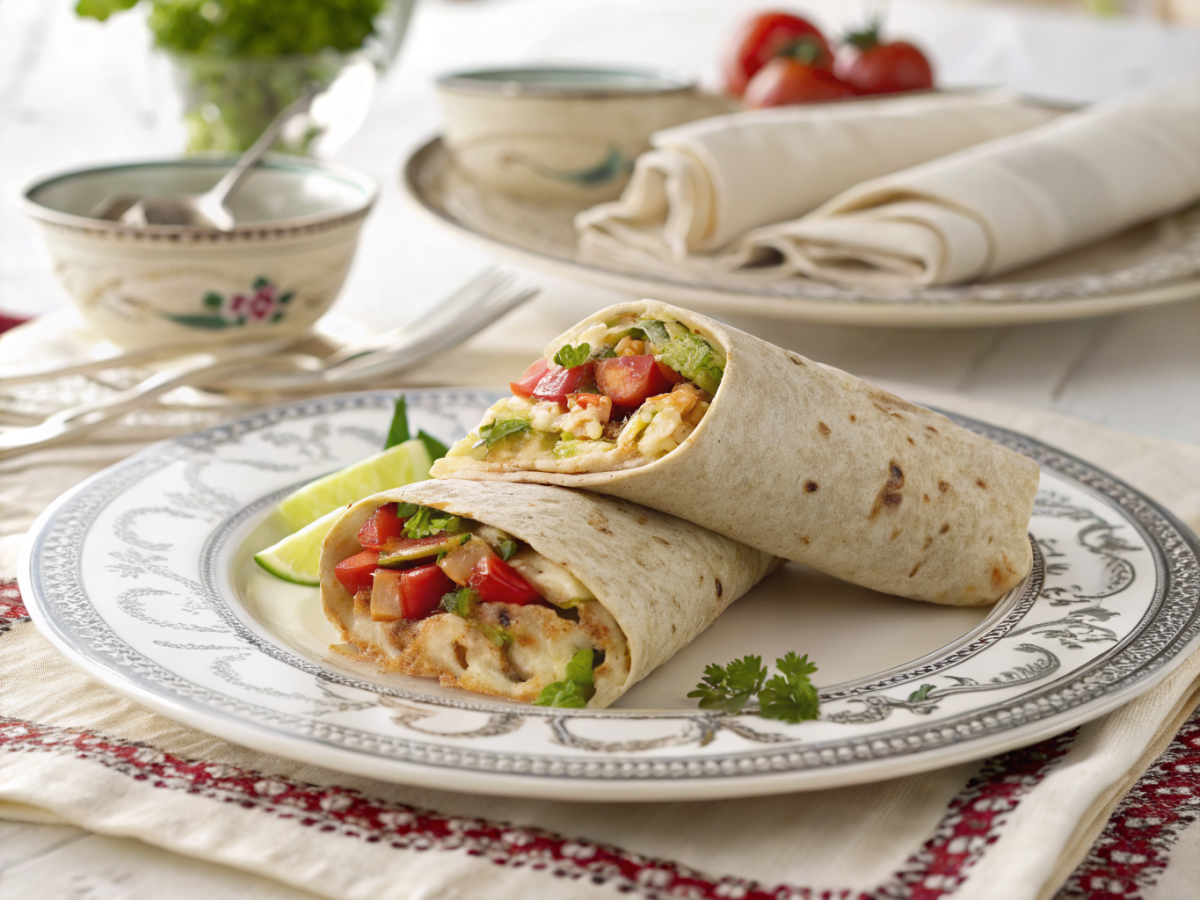
Delicious Tortilla Wrap Hack Guide
Ingredients
Method
- Lay a large flour tortilla flat on a cutting board. Make a single cut from the center of the tortilla straight down to the bottom edge, creating a slit halfway through the tortilla.
- Visualize the tortilla divided into four quarters. In the bottom left quarter, place the shredded cheese. In the bottom right quarter, add the cooked chicken. In the top right quarter, place the lettuce and tomatoes. In the top left quarter, spread the sour cream and salsa.
- Sprinkle garlic powder evenly over all the fillings for extra flavor.
- Starting from the bottom left quarter with cheese, fold it up over the top left quarter. Then fold that section to the right over the top right quarter. Finally, fold down over the bottom right quarter to create a compact triangular pocket.
- Heat olive oil in a large skillet over medium heat. Place the folded wrap seam-side down in the skillet. Cook for 2-3 minutes until golden brown and crispy.
- Carefully flip the wrap using a spatula and cook the other side for another 2-3 minutes until golden and the cheese is melted.
- Remove from heat, let cool for 1 minute, then slice in half diagonally if desired. Serve immediately while warm and crispy.
Nutrition
Notes
Tried this recipe?
Let us know how it was!Tortilla Wrap Hack: 5 Easy Tips for Perfect Results
Mastering the tortilla wrap hack begins with understanding the basic folding technique that makes everything possible. The method involves making a single cut from the center to the edge of your tortilla, creating four quadrants that you can fill with different ingredients. This simple cut transforms an ordinary wrap into a multi-layered masterpiece that’s as visually appealing as it is delicious.
The beauty of this technique lies in its versatility and speed. You can prepare these wraps in under ten minutes, making them ideal for busy mornings, quick lunches, or even late-night snacks. The folding method ensures that all ingredients stay securely inside, eliminating the messy spillage that often comes with traditional wraps.
Professional chefs and home cooks alike have embraced this method for its practicality and presentation. The four-section design allows you to balance flavors, textures, and temperatures in ways that weren’t possible with conventional wrapping techniques. Each fold reveals a new combination of ingredients, creating an exciting eating experience from start to finish.
Temperature control is crucial when working with tortillas for this hack. Room temperature tortillas are more pliable and less likely to crack during the folding process. If your tortillas are refrigerated, warm them slightly in the microwave for 10-15 seconds or in a dry skillet for a few seconds on each side.
The key to success is maintaining the right balance of wet and dry ingredients. Too much moisture will make your wrap soggy and difficult to handle, while too little will result in a dry, unappetizing meal. Aim for a combination that includes creamy elements, crunchy vegetables, proteins, and flavor enhancers in each quadrant.
Why You’ll Love This Tortilla Wrap Hack
This revolutionary method saves precious time during hectic weekdays while delivering restaurant-quality results. Unlike traditional sandwich preparation that requires multiple steps and dishes, this technique uses a single tortilla as your canvas. The streamlined process means less cleanup and more time enjoying your delicious creation.
Customization reaches new heights with this four-quadrant system. You can cater to different dietary preferences, accommodate food allergies, or simply experiment with flavor combinations that excite your palate. Each section can feature completely different ingredients, or you can create a harmonious blend that works together seamlessly.
The visual appeal of these wraps makes them perfect for social media sharing and impressing guests. The cross-section reveals beautiful layers of colorful ingredients that photograph exceptionally well. Kids especially love the interactive nature of choosing what goes in each section, making this an excellent way to encourage picky eaters to try new foods.
Budget-conscious cooks appreciate how this method maximizes ingredient usage and minimizes waste. You can use small amounts of various leftovers, transforming them into a cohesive meal that feels intentional rather than improvised. This approach helps stretch your grocery budget while maintaining variety in your diet.
The portability factor cannot be overstated when considering meal prep options. These wraps hold together remarkably well when wrapped in foil or parchment paper, making them ideal for lunch boxes, picnics, or road trips. The secure folding technique prevents ingredients from shifting or leaking during transport.
Core Ingredients for Tortilla Wrap Hack
Selecting the right tortilla forms the foundation of your wrap success. Large flour tortillas, typically 10-12 inches in diameter, work best for this technique as they provide adequate space for four generous sections. Whole wheat, spinach, tomato, or traditional white flour varieties all work beautifully, so choose based on your nutritional preferences and flavor goals.

Protein options should be pre-cooked and ready to assemble for maximum efficiency. Grilled chicken breast, seasoned ground beef, turkey slices, crispy bacon, or plant-based alternatives like seasoned tofu all make excellent choices. Keep portions moderate in each section, approximately 2-3 ounces of protein per wrap, to maintain the proper balance and foldability.
Fresh vegetables add crucial crunch, color, and nutritional value to your creation. Crisp lettuce, juicy tomatoes, crunchy bell peppers, red onions, cucumbers, and shredded carrots are popular choices. Slice vegetables thinly to ensure they layer nicely and don’t create bulky spots that make folding difficult.
Cheese provides both flavor and helps bind ingredients together when melted. Shredded cheddar, monterey jack, mozzarella, pepper jack, or crumbled feta all work wonderfully. If you’re planning to heat your wrap after assembly, the cheese will melt and create an even more cohesive structure that holds together beautifully.
Spreads and sauces are essential for moisture and flavor enhancement. Hummus, guacamole, sour cream, ranch dressing, chipotle mayo, pesto, or cream cheese serve as excellent base layers. Apply these to the tortilla first, before adding other ingredients, to create a moisture barrier that prevents sogginess while adding rich flavor.
Additional flavor enhancers can elevate your wrap from good to extraordinary. Pickled jalapeños, olives, sun-dried tomatoes, roasted red peppers, caramelized onions, or fresh herbs like cilantro and basil add complexity. These ingredients pack powerful flavor in small quantities, so use them strategically in sections where they’ll complement other components. For more inspiration on quick meal solutions, explore these quick and easy meal ideas that fit perfectly into busy lifestyles.
How to Make Tortilla Wrap Hack: Step-by-Step
Begin by laying your tortilla flat on a clean cutting board or work surface. Imagine a line running from the center point to the bottom edge of the tortilla, creating your guide for the crucial cut. Using a sharp knife or kitchen scissors, make a single straight cut along this imaginary line, slicing from the exact center to the edge.
This cut divides your tortilla into four distinct quadrants that you’ll fill clockwise, starting from the bottom left section. Think of your tortilla as a clock face, with the cut running from the center to six o’clock. Each quadrant represents approximately one-quarter of the total tortilla surface area.
Start filling the bottom left quadrant (between 6 and 9 o’clock) with your first ingredient combination. This might be your spread or sauce layer, which should be applied thinly but evenly across the entire section. Avoid overloading any single quadrant, as this will make folding impossible and create an unbalanced wrap.
Move to the top left quadrant (between 9 and 12 o’clock) and add your second layer of ingredients. This section often works well for proteins, which should be distributed evenly without piling too high. Remember that you’ll be folding this section onto the previous one, so maintain a relatively flat profile.
The top right quadrant (between 12 and 3 o’clock) receives your third ingredient combination. Cheese, vegetables, or additional spreads work excellently here, creating flavor variety as you progress through the wrap. Continue maintaining even distribution and moderate portions to ensure successful folding.
Complete your ingredient assembly by filling the bottom right quadrant (between 3 and 6 o’clock). This final section often benefits from crunchy elements like lettuce or fresh vegetables that provide textural contrast. Once all four sections are filled, you’re ready to execute the signature folding technique.
The folding sequence follows a simple pattern that creates the distinctive layered structure. Starting with the bottom left quadrant (where you began filling), fold it upward over the top left quadrant. This creates your first fold and begins the stacking process that makes this technique so effective.
Continue the folding motion by taking the now-doubled section and folding it to the right, over the top right quadrant. You’re essentially following a clockwise rotation pattern that systematically stacks each section on top of the previous ones. The motion should be smooth and deliberate, pressing gently to help ingredients adhere.
Complete the wrap by folding the triple-layered section downward over the bottom right quadrant. You should now have a neat, triangular or wedge-shaped package with all four sections stacked together. Press down gently but firmly to help everything settle into place and maintain its shape.
For the best texture and flavor, toast your assembled wrap in a dry skillet or panini press. Heat over medium heat for 2-3 minutes per side, or until golden brown and crispy with melted cheese inside. This step is optional but highly recommended, as it transforms the wrap from good to exceptional.
If you prefer a softer wrap, you can skip the toasting step and enjoy it immediately. Alternatively, wrap it tightly in foil or parchment paper for transport or later consumption. The folding technique keeps everything secure even without toasting, though the crispy exterior does add structural integrity.
Nutrition & Health Benefits
The nutritional profile of your wrap depends entirely on your ingredient choices, making this an incredibly flexible option for various dietary needs. A basic wrap with lean protein, vegetables, and whole wheat tortilla typically contains 350-450 calories, with a balanced distribution of macronutrients. This makes it suitable for weight management when portions are controlled appropriately.
Protein content can easily reach 25-35 grams per wrap when you include chicken, turkey, beef, or plant-based alternatives. This high protein level promotes satiety, helping you feel fuller longer and reducing the likelihood of snacking between meals. Adequate protein also supports muscle maintenance and recovery, especially important for active individuals.
Fiber content increases significantly when you choose whole grain tortillas and load up on vegetables. A well-constructed wrap can provide 6-10 grams of dietary fiber, contributing to digestive health and blood sugar regulation. The combination of fiber and protein creates a low-glycemic meal that provides sustained energy without dramatic blood sugar spikes.
Vegetables contribute essential vitamins, minerals, and antioxidants that support overall health and immune function. Tomatoes provide lycopene, leafy greens offer folate and iron, bell peppers deliver vitamin C, and onions contain beneficial sulfur compounds. The variety possible in four quadrants allows you to maximize nutritional diversity in a single meal.
Healthy fats from avocado, cheese, or nut-based spreads support nutrient absorption and provide essential fatty acids. These fats help your body absorb fat-soluble vitamins A, D, E, and K from the vegetables in your wrap. Moderate amounts of healthy fats also contribute to satiety and make meals more satisfying.
Sodium levels require attention, especially if using processed meats, cheeses, or condiments. Opt for low-sodium alternatives when possible, and balance salty ingredients with fresh vegetables and herbs. Most homemade versions contain significantly less sodium than restaurant or fast-food equivalents, giving you better control over this important dietary factor. For additional nutritious meal options, check out these high protein recipes that complement a balanced diet.
Variations & Substitutions
The breakfast variation transforms this technique into a morning powerhouse with scrambled eggs, breakfast sausage or bacon, shredded hash browns, and cheese. Add salsa or hot sauce for a Southwestern twist, or keep it simple with just eggs and cheese for a protein-packed start to your day. This version reheats beautifully, making it perfect for meal prep.
Mediterranean-inspired wraps feature hummus, grilled chicken, cucumber, tomatoes, red onion, feta cheese, and tzatziki sauce. The fresh, bright flavors transport you to coastal Greece while providing excellent nutrition. Kalamata olives and roasted red peppers make excellent additions that enhance the authentic Mediterranean experience.
Italian-style variations might include marinara sauce, mozzarella, pepperoni or salami, roasted vegetables, and fresh basil. Toast this version until the cheese melts completely for a pizza-like experience that’s far more portable. Pesto can replace marinara for a different flavor profile that’s equally delicious.
Asian fusion wraps work surprisingly well with this technique, using teriyaki chicken, shredded cabbage, carrots, cucumber, and sriracha mayo. Add crispy wonton strips or chow mein noodles for extra crunch. The combination of sweet, spicy, and savory flavors creates an exciting departure from traditional wrap ingredients.
Vegetarian and vegan versions thrive with this method, as the four sections allow for maximum vegetable variety. Black beans, roasted sweet potato, corn, peppers, avocado, and cashew cream create a satisfying plant-based meal. Tempeh or seasoned tofu can replace traditional proteins while maintaining excellent texture and flavor.
Low-carb adaptations use large lettuce leaves, coconut wraps, or specialized low-carb tortillas as the base. These alternatives significantly reduce carbohydrate content while maintaining the structural integrity needed for the folding technique. Fill with high-protein, high-fat ingredients to create a keto-friendly meal that keeps you in ketosis.
Dessert versions prove that this hack isn’t just for savory applications. Spread Nutella, peanut butter, or cream cheese in different sections, then add sliced bananas, strawberries, chocolate chips, and granola. Toast lightly to warm the spread and create a sweet treat that rivals any bakery offering, similar to creative ideas found in fruit-based dessert recipes.
Serving Suggestions
Pair your wrap with crispy sweet potato fries or regular french fries for a satisfying meal combination. The contrast between the soft, layered wrap and crunchy fries creates textural variety that enhances the dining experience. Season fries with paprika, garlic powder, or truffle salt to elevate them beyond basic side dish status.
Fresh salads complement wraps beautifully, adding additional vegetables and creating a more complete meal. A simple mixed green salad with vinaigrette balances the richness of cheese and spreads in your wrap. Caesar salad, Greek salad, or coleslaw all pair wonderfully depending on your wrap’s flavor profile.
Soup and wrap combinations create the ultimate comfort meal, especially during cooler months. Tomato soup, chicken noodle, or butternut squash soup all work excellently alongside these wraps. The warm soup provides contrast to the room-temperature or toasted wrap, creating a satisfying temperature variation.
Cut your wrap into smaller portions for appetizer-style serving at parties or gatherings. The cross-section reveals the beautiful layering, making these pieces visually impressive on a platter. Secure each piece with a toothpick to maintain structure and make them easy for guests to grab.
Pickle spears, olives, or vegetable sticks make excellent quick sides that require no preparation. These acidic, crunchy elements cut through rich wrap ingredients and cleanse the palate between bites. They also add minimal calories while increasing the perceived portion size of your meal.
Chips and salsa or guacamole provide a Tex-Mex accompaniment that works especially well with Southwestern-flavored wraps. The combination creates a casual, satisfying meal perfect for lunch or dinner. Choose baked chips for a lighter option that still delivers satisfying crunch.
Common Mistakes to Avoid
Overfilling quadrants is the most frequent error that leads to folding failures and messy results. Each section should contain moderate amounts of ingredients, leaving some visible tortilla around the edges. When in doubt, use less than you think you need—you can always make another wrap if you’re still hungry.
Using cold tortillas straight from the refrigerator causes cracking and tearing during the folding process. Always bring tortillas to room temperature or warm them slightly before attempting this technique. The pliability of warm tortillas is essential for achieving clean folds without structural damage.
Cutting from the wrong point creates uneven quadrants that don’t fold properly. The cut must start from the exact center of the tortilla and extend straight to the edge. Use a ruler or eyeball the center point carefully before making your cut to ensure symmetry.
Adding too many wet ingredients creates a soggy mess that falls apart during eating. Balance moist elements like sauces and tomatoes with drier ingredients like lettuce and cheese. If using particularly wet ingredients, pat them dry with paper towels before adding them to your wrap.
Folding in the wrong direction or sequence disrupts the layering system that makes this hack work. Always start with the bottom left quadrant and fold clockwise, maintaining consistent direction throughout the process. Reversing direction or starting from a different quadrant results in awkward folding and poor structural integrity.
Skipping the toasting step when it would significantly improve your wrap is a missed opportunity. While toasting isn’t mandatory, it transforms texture and helps ingredients meld together beautifully. Even 2-3 minutes in a skillet makes a dramatic difference in the final product quality.
Using stale or expired tortillas guarantees disappointing results regardless of your technique. Fresh tortillas are more pliable, taste better, and hold together more reliably. Check expiration dates and store tortillas properly in sealed bags to maintain freshness between uses.
Storage & Meal Prep Tips
Prepare multiple wraps during weekly meal prep sessions for grab-and-go convenience throughout the week. Assemble wraps completely but skip the toasting step, then wrap each individually in foil or parchment paper. Store in the refrigerator for up to three days, toasting just before eating for best results.
Keep wet and dry ingredients separate when prepping components in advance. Store spreads, sauces, and cut vegetables in individual containers, then assemble wraps fresh each day. This approach prevents sogginess while still saving significant time during busy mornings or lunch preparation.
Freeze assembled wraps for longer storage, though texture may be slightly compromised upon thawing. Wrap tightly in plastic wrap, then place in freezer bags with air removed. Frozen wraps keep for up to one month and can be thawed overnight in the refrigerator or microwaved directly from frozen.
Label meal-prepped wraps with contents and date to track freshness and accommodate different dietary preferences. This system works especially well for families where different members prefer different ingredient combinations. Color-coded labels or markers make identification even easier during rushed mornings.
Store leftover wrap halves properly by wrapping tightly in plastic wrap or placing in airtight containers. Consume within 24 hours for best quality, as cut wraps deteriorate faster than whole ones. The exposed interior is more susceptible to drying out and absorbing refrigerator odors.
Pre-cook and portion proteins at the beginning of the week for efficient wrap assembly. Grilled chicken, seasoned ground beef, or baked tofu can be prepared in bulk and stored in portioned containers. This strategy dramatically reduces daily cooking time while ensuring you always have wrap-ready proteins available. Consider exploring dinner recipe ideas for additional protein preparation methods that work well for meal prep.
Final Thoughts on Tortilla Wrap Hack
The Tortilla Wrap Hack represents more than just a trendy folding technique—it’s a practical solution for modern eating challenges. This method addresses time constraints, nutritional needs, and variety cravings all in one simple approach. Once you master the basic technique, endless possibilities open up for creativity and customization.
This versatile method adapts to virtually any cuisine, dietary restriction, or flavor preference you can imagine. From breakfast to dessert, low-carb to vegan, the four-quadrant system accommodates all approaches to eating. The technique itself remains constant while the ingredients change infinitely, making it a valuable skill that never becomes boring or repetitive.
Social media popularity has made this technique widely recognized, but its practical benefits extend far beyond viral trends. The efficiency, portability, and visual appeal make it genuinely useful for everyday cooking rather than just an internet novelty. Incorporating this method into your regular meal rotation can simplify food preparation while maintaining quality and enjoyment.
Budget-friendly and waste-reducing aspects make this approach particularly valuable in today’s economic climate. Using small amounts of various ingredients means leftovers find new purpose rather than languishing in the refrigerator. This efficiency translates to real savings over time while encouraging more diverse eating patterns.
Teaching this technique to children and teens empowers them to prepare their own meals with minimal supervision. The straightforward process builds confidence in the kitchen while allowing creative expression through ingredient selection. These early cooking experiences often develop into lifelong skills and healthy eating habits.
Frequently Asked Questions
Can I make the Tortilla Wrap Hack ahead of time for meal prep?
Yes, you can absolutely prepare wraps in advance for convenient meal prep throughout the week. Assemble your wraps completely with all ingredients, then wrap each one tightly in foil or parchment paper before refrigerating. They’ll stay fresh for up to three days when stored properly. For best results, skip the toasting step during initial preparation and toast just before eating to maintain optimal texture and crispiness.
What size tortilla works best for this technique?
Large flour tortillas measuring 10-12 inches in diameter work best for the Tortilla Wrap Hack as they provide adequate space for four generous sections. Smaller tortillas don’t offer enough surface area to properly layer ingredients, while larger ones become unwieldy and difficult to fold. Burrito-size tortillas are ideal, whether you choose whole wheat, spinach, tomato, or traditional white flour varieties based on your preferences.
How do I prevent my wrap from getting soggy?
Preventing sogginess requires balancing wet and dry ingredients strategically across the four quadrants. Apply spreads and sauces in thin, even layers rather than thick globs that saturate the tortilla. Pat moisture-rich ingredients like tomatoes or pickles dry with paper towels before adding them. Include drier elements like lettuce, cheese, and cooked proteins to absorb excess moisture. Finally, avoid assembling too far in advance—wraps taste best within a few hours of preparation.
Can I use this method for hot or grilled wraps?
Absolutely! Toasting your assembled wrap in a skillet or panini press actually enhances the Tortilla Wrap Hack significantly. Heat over medium heat for 2-3 minutes per side until golden brown and crispy with melted cheese inside. The toasting process helps seal the layers together, creating better structural integrity and improving overall texture. Just ensure your tortilla is at room temperature before filling to prevent cracking, then toast the completed wrap for best results.

creates quick vegetarian dinners and vibrant taco recipes.
