Garlic Confit Recipe: 5 Easy Tips for the Best Results

Best garlic confit you'll ever have

Best Garlic Confit You'll Ever Have

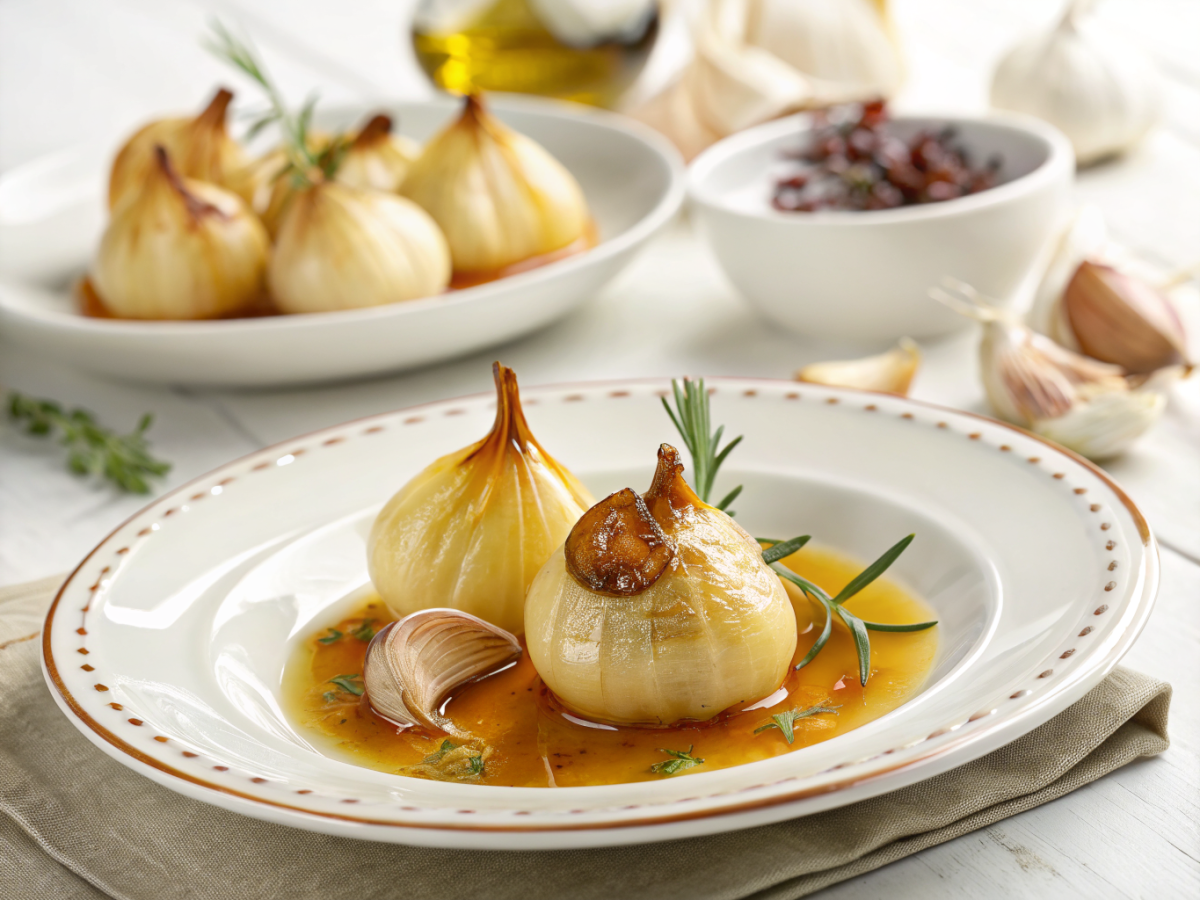
Silky smooth garlic cloves slowly cooked in olive oil until tender and sweet, perfect for spreading or adding to any dish.
Prep Time 10 minutes
Cook Time 45 minutes
Total Time 55 minutes
Servings: 8 servings
Course: Quick & Easy Meals
Cuisine: American
Calories: 245

Ingredients
  

  • 3 heads garlic peeled and separated into cloves
  • 2 cups extra virgin olive oil enough to cover garlic
  • 3 sprigs fresh thyme
  • 2 sprigs fresh rosemary
  • 1 teaspoon black peppercorns whole
  • 2 bay leaves
  • 1 teaspoon sea salt
  • 1 teaspoon red pepper flakes optional

Method
 

  1. Peel all garlic cloves and place them in a small saucepan or oven-safe dish. Make sure the cloves are in a single layer or slightly overlapping.
  2. Add thyme sprigs, rosemary sprigs, bay leaves, black peppercorns, and red pepper flakes if using. Pour olive oil over the garlic until all cloves are completely submerged by at least half an inch.
  3. Place the saucepan over the lowest heat setting on your stovetop. Cook gently for 40-45 minutes, ensuring the oil never reaches a simmer or boil. The garlic should be soft and golden but not browned.
  4. Test the garlic by piercing a clove with a fork. It should be completely tender and easily mashed. If not soft enough, continue cooking for another 5-10 minutes.
  5. Remove from heat and let the garlic confit cool to room temperature in the oil. This allows the flavors to meld together beautifully.
  6. Transfer the garlic cloves and infused oil to a clean glass jar with a tight-fitting lid. Make sure all garlic remains submerged in the oil.
  7. Store in the refrigerator for up to 2 weeks. Use the garlic cloves spread on bread, mashed into dishes, or add the flavored oil to pasta, salads, and roasted vegetables.

Nutrition

Calories: 245kcalCarbohydrates: 4gProtein: 1gFat: 27gSodium: 148mg

Notes

Always keep the garlic completely submerged in oil during storage to prevent bacterial growth. Never let the oil bubble or simmer during cooking as this will fry the garlic instead of creating the soft, sweet confit texture. The infused oil is just as valuable as the garlic itself and can be used for cooking or as a finishing oil for maximum flavor.

Tried this recipe?

Let us know how it was!
nnThis Garlic Confit recipe transforms ordinary garlic cloves into luxuriously soft, sweet, and spreadable perfection that will elevate any dish you create. The slow cooking process in olive oil mellows the sharp bite of raw garlic, creating a rich and complex flavor profile that’s absolutely irresistible. Whether you’re a seasoned home cook or just starting your culinary journey, this simple technique will become your new favorite kitchen staple.Thank you for reading this post, don't forget to subscribe!

Garlic Confit: 5 Easy Tips for Perfect Results

Creating the perfect garlic confit requires attention to a few key details that separate good results from truly exceptional ones. The temperature must remain low and steady throughout the cooking process to prevent burning or frying the garlic cloves. Patience is your greatest ally here, as rushing the process will compromise both texture and flavor.

First, always use fresh garlic cloves with no green sprouts or brown spots for the best flavor and texture. Second, maintain a consistent low temperature between 200-250°F to ensure the garlic cooks gently without browning. Third, use high-quality olive oil or another neutral oil that can withstand low-heat cooking for extended periods.

Fourth, peel your garlic cloves completely and remove any papery skin that might create bitterness in the final product. Fifth, store your finished confit properly in sterilized jars with the garlic completely submerged in oil to prevent spoilage. These fundamental principles will guarantee success every single time you make this recipe.

The beauty of this cooking method lies in its simplicity and versatility across countless culinary applications. You can use the softened cloves as a spread, mash them into sauces, or incorporate them into your favorite quick and easy meal preparations for instant flavor enhancement. The infused oil becomes equally valuable as a finishing drizzle or cooking medium packed with aromatic garlic essence.

Why You’ll Love This Garlic Confit

The transformation that occurs during the confit process is nothing short of magical for anyone who appreciates deep, complex flavors. Raw garlic’s pungent sharpness completely disappears, replaced by a sweet, nutty, and almost buttery character that melts on your tongue. This mellowing effect makes it perfect for those who love garlic flavor but find raw preparations too intense or harsh.

The hands-off cooking method makes this recipe incredibly forgiving and perfect for multitasking in the kitchen. Once you’ve peeled the cloves and set them in oil, the oven or stovetop does all the work while you attend to other preparations. There’s no constant stirring, monitoring, or complicated techniques required for professional-quality results.

This preparation method extends the shelf life of garlic significantly when stored properly in the refrigerator. You’ll have ready-to-use flavor bombs available for weeks, eliminating the need to peel and chop fresh garlic for every single meal. The convenience factor alone makes this recipe worth incorporating into your regular meal prep routine.

The infused oil becomes a dual-purpose ingredient that deserves recognition as a standalone culinary treasure. Use it to dress salads, drizzle over roasted vegetables, or as a base for vinaigrettes with incredible depth. Nothing goes to waste with this recipe, making it both economical and environmentally conscious for the modern home cook.

The versatility of confit garlic spans virtually every cuisine and cooking style imaginable from Italian to Asian fusion. Spread it on crusty bread, swirl it into mashed potatoes, blend it into hummus, or toss it with pasta for instant gourmet appeal. Your creativity becomes the only limit to how you incorporate this ingredient into your cooking repertoire.

Core Ingredients for Garlic Confit

The ingredient list for this recipe is remarkably simple, requiring only two essential components that you likely already have in your pantry. Quality matters significantly here, so invest in the best versions you can find for superior results. The simplicity of the recipe means each ingredient’s character shines through in the final product.

Garlic confit ingredients

Main Ingredients

  • Garlic cloves: 2-3 whole heads (about 20-30 cloves), peeled and with any green sprouts removed for the sweetest flavor
  • Olive oil: 1 to 1.5 cups of extra virgin or light olive oil, enough to completely submerge all garlic cloves
  • Fresh herbs (optional): 2-3 sprigs of thyme, rosemary, or bay leaves for additional aromatic complexity
  • Black peppercorns (optional): 1 teaspoon of whole peppercorns for subtle heat and depth
  • Red pepper flakes (optional): 1/4 teaspoon for those who enjoy a gentle spicy kick
  • Sea salt: A pinch to enhance all the flavors, though this is completely optional

Choose garlic heads that feel firm and heavy with tight, unbroken skin for the freshest cloves possible. Avoid any heads with soft spots, mold, or excessive sprouting, as these indicate age and will produce bitter flavors. The size of your cloves doesn’t matter much, though uniform sizing helps ensure even cooking throughout the batch.

For the oil selection, extra virgin olive oil provides the most flavor but can become slightly bitter with extended heating. A light olive oil or neutral oil like avocado or grapeseed works beautifully if you prefer a cleaner taste. The oil quality directly impacts the final flavor, so avoid bargain-bin options that might contain off-flavors or rancidity.

Fresh herbs add wonderful aromatic notes but remain entirely optional depending on your intended use for the finished product. Woody herbs like thyme, rosemary, and oregano withstand the long cooking time better than delicate herbs like basil or parsley. Consider your planned applications when deciding which aromatics to include in your preparation.

How to Make Garlic Confit: Step-by-Step

The process of making confit garlic is straightforward and forgiving, making it accessible for cooks of all skill levels. Proper preparation and patience are the keys to achieving that perfect soft, spreadable texture with deep flavor. Follow these detailed instructions for foolproof results every single time you make this recipe.

Preparation Steps

Begin by preheating your oven to 250°F or preparing a small saucepan if you prefer the stovetop method. Peel all your garlic cloves completely, removing every bit of papery skin and any green sprouts from the centers. The peeling process is the most time-consuming part, but it’s essential for the smoothest texture and best flavor.

Select an oven-safe dish or small saucepan that will hold your garlic cloves snugly without too much extra space. Place the peeled cloves in your chosen vessel along with any optional herbs or spices you’ve decided to include. The garlic should fit comfortably in a single or double layer for the most even cooking results.

Pour your chosen oil over the garlic cloves until they’re completely submerged with at least a quarter-inch of oil above them. The cloves will float initially, which is perfectly normal and nothing to worry about during cooking. Give everything a gentle stir to release any trapped air bubbles and ensure even oil distribution.

Cooking Process

For the oven method, place your uncovered dish in the preheated oven and cook for 45 minutes to 1 hour. Check periodically to ensure the oil is barely simmering with just a few lazy bubbles breaking the surface. If the oil is bubbling vigorously, reduce your oven temperature by 25 degrees to prevent frying the garlic.

For the stovetop method, place your saucepan over the lowest possible heat setting and monitor carefully for the first 10 minutes. You want to see only occasional small bubbles rising through the oil, not a rapid simmer or boil. Adjust the heat as needed to maintain this gentle cooking environment throughout the process.

The garlic is done when the cloves are completely soft and can be easily pierced with a fork or crushed with gentle pressure. They should be a light golden color, never brown or crispy, which would indicate too high a temperature. The cooking time typically ranges from 45 minutes to 75 minutes depending on clove size and your specific heat source.

Remove the dish from heat and allow the garlic to cool completely in the oil before transferring to storage containers. The cooling period allows the flavors to meld further and the cloves to firm up slightly for easier handling. Resist the temptation to taste immediately, as the oil retains heat for quite a while and can burn your mouth.

Many home cooks appreciate having dinner recipe options that can be prepared in advance, and this confit certainly fits that category perfectly. The make-ahead nature means you can prepare a large batch during meal prep sessions and enjoy the benefits all week long. This approach to cooking saves time and reduces stress during busy weekday evenings when you need quick flavor solutions.

Nutrition & Health Benefits

Garlic has been celebrated for its health-promoting properties for thousands of years across numerous cultures worldwide. The confit preparation method preserves many of these beneficial compounds while making them more bioavailable for absorption. Understanding the nutritional profile helps you appreciate this recipe beyond its incredible taste and culinary versatility.

Raw garlic contains allicin, a sulfur compound with powerful antimicrobial and antioxidant properties that support immune function. While the confit process reduces allicin content somewhat, many other beneficial compounds remain intact and concentrated. The oil infusion also creates a medium that helps your body absorb fat-soluble vitamins and antioxidants more efficiently.

Each serving of confit garlic (approximately 3-4 cloves) provides minimal calories while delivering vitamin C, vitamin B6, and manganese. The selenium content supports thyroid function and acts as a powerful antioxidant throughout the body. These micronutrients work synergistically to support overall health, cardiovascular function, and cellular repair processes.

The olive oil component contributes heart-healthy monounsaturated fats and additional antioxidants like polyphenols and vitamin E. These compounds have been extensively studied for their anti-inflammatory properties and cardiovascular benefits. When consumed as part of a balanced diet, olive oil supports healthy cholesterol levels and reduces oxidative stress.

Regular garlic consumption has been associated with improved blood pressure regulation and enhanced circulation throughout the body. The gentle cooking process makes garlic easier to digest for those with sensitive stomachs who struggle with raw preparations. For comprehensive nutritional information about various cooking methods, resources like Serious Eats provide detailed culinary science explanations that help home cooks understand their ingredients better.

Nutritional Information (per 2 tablespoons serving): Approximately 120 calories, 14g fat, 2g carbohydrates, 0g protein. Rich in vitamin C, vitamin B6, manganese, and selenium. Contains beneficial sulfur compounds and antioxidants that support immune function and cardiovascular health.

Variations & Substitutions

The basic confit technique adapts beautifully to accommodate different flavor profiles, dietary needs, and ingredient availability. Experimenting with variations keeps this recipe exciting and allows you to customize it for specific dishes or preferences. Don’t be afraid to try new combinations and discover your personal favorite version.

Oil Variations

While olive oil remains the traditional choice, avocado oil offers a higher smoke point and neutral flavor profile. Grapeseed oil provides a light, clean taste that won’t compete with the garlic or your final dish applications. Coconut oil creates an interesting tropical note that works surprisingly well in Asian-inspired preparations and curries.

Infused oils like chili oil or herb-infused varieties add another layer of complexity to your finished product. A blend of oils can provide both flavor and functionality, such as mixing olive oil with a small amount of sesame oil. Consider your intended use when selecting oils to ensure complementary flavor combinations in your final dishes.

Flavor Additions

Fresh rosemary sprigs add a pine-like, aromatic quality that pairs beautifully with roasted meats and hearty vegetables. Thyme contributes an earthy, slightly floral note that complements both rustic and refined preparations. Bay leaves provide subtle complexity and a hint of eucalyptus that deepens the overall flavor profile.

Whole black peppercorns introduce gentle heat and aromatic complexity without overwhelming the sweet garlic character. Red pepper flakes or whole dried chilies create a spicy version perfect for those who enjoy heat in their cooking. Citrus zest from lemon or orange adds brightness and cuts through the richness of the oil beautifully.

Star anise and cinnamon sticks create an Asian-inspired version that works wonderfully in stir-fries and noodle dishes. Fennel seeds contribute a subtle licorice note that pairs exceptionally well with seafood and tomato-based preparations. The possibilities are truly endless when you start exploring different aromatic combinations.

Garlic Alternatives

Shallots can be prepared using the exact same confit method, yielding sweet, jammy results with a milder onion flavor. The cooking time remains similar, though shallots may soften slightly faster depending on their size. This variation works beautifully in French-inspired dishes and elegant sauces.

Combining garlic with shallots creates a more complex allium profile that adds depth to any application. Cherry tomatoes can be added during the last 20 minutes of cooking for a burst of sweet-tart flavor. These additions transform the basic recipe into something entirely new while maintaining the fundamental technique.

For those exploring various cooking methods, air fryer recipe collections offer alternative approaches to creating deeply flavored ingredients with less oil. While air frying won’t replicate true confit, it demonstrates how modern appliances expand our cooking possibilities. Understanding multiple techniques makes you a more versatile and confident home cook.

Serving Suggestions

The incredible versatility of confit garlic means it enhances virtually any savory dish you can imagine. Its sweet, mellow flavor and creamy texture make it suitable for everything from simple snacks to elegant dinner party centerpieces. Keep a jar in your refrigerator and you’ll find yourself reaching for it constantly to elevate everyday meals.

Appetizers and Snacks

Spread the soft cloves directly onto toasted baguette slices or crackers for an instant elegant appetizer. Top with flaky sea salt, fresh herbs, or a drizzle of honey for contrasting flavors and textures. This simple preparation impresses guests while requiring minimal effort or advanced cooking skills.

Blend confit garlic into cream cheese or goat cheese for a luxurious spread that transforms ordinary bagels or crudités. Mix it into hummus or white bean dip for added depth and complexity that guests will rave about. These applications showcase the ingredient’s ability to enhance other flavors rather than dominating them.

Incorporate whole or mashed cloves into cheese boards alongside aged cheddar, brie, or blue cheese for sophisticated pairings. The sweet garlic complements strong cheeses beautifully while providing textural contrast to creamy varieties. This presentation elevates your entertaining game with minimal additional expense or preparation time.

Main Dishes

Toss whole cloves with pasta, olive oil, fresh parmesan, and crushed red pepper for a simple yet deeply satisfying meal. Mash the garlic into mashed potatoes or cauliflower mash for incredible flavor without the harshness of raw garlic. Spread it under the skin of chicken before roasting for moisture and flavor that permeates the entire bird.

Stir confit garlic into risotto during the final minutes of cooking for luxurious creaminess and aromatic depth. Add it to pizza before baking, or spread it on the crust as a flavorful base instead of traditional tomato sauce. These applications demonstrate how this simple preparation can transform familiar dishes into something extraordinary.

Blend the soft cloves into salad dressings, marinades, or compound butters for layers of flavor in every bite. Mix it into ground meat for burgers, meatballs, or meatloaf that stay moist and flavorful throughout cooking. The possibilities expand exponentially once you start thinking creatively about incorporating this ingredient into your regular rotation.

For those seeking inspiration beyond traditional preparations, exploring diverse recipe collections can spark new ideas for ingredient applications. Cross-cultural cooking techniques often reveal unexpected but delicious combinations that expand your culinary horizons. Remaining open to inspiration from various sources makes you a more creative and adventurous cook.

Side Dishes and Vegetables

Toss roasted vegetables with confit garlic and the infused oil for a side dish that steals the show. Stir it into sautéed greens like spinach, kale, or Swiss chard for added richness and complexity. Spread it on corn on the cob instead of plain butter for a gourmet twist on a summer classic.

Mix mashed confit garlic into grain salads, quinoa bowls, or rice pilafs for instant flavor enhancement. Drizzle the infused oil over roasted potatoes, Brussels sprouts, or cauliflower before serving for glossy, flavorful results. These simple additions transform ordinary sides into memorable components that complement any main course beautifully.

Common Mistakes to Avoid

Understanding potential pitfalls helps you achieve perfect results every time you make this deceptively simple recipe. Many home cooks make the same errors that compromise texture, flavor, or food safety. Learning from these common mistakes saves you time, ingredients, and disappointment in the kitchen.

Temperature Control Issues

Cooking at too high a temperature is the most frequent mistake that results in fried rather than confit garlic. The cloves should never brown or crisp, as this indicates excessive heat that creates bitter flavors and unpleasant textures. Always err on the side of lower temperature and longer cooking time for the best results.

Insufficient oil coverage allows garlic cloves to oxidize and develop off-flavors during cooking and storage. Every clove must remain completely submerged throughout the entire process for food safety and quality. Add more oil if needed rather than risking exposed garlic that could spoil or develop unpleasant characteristics.

Preparation Errors

Leaving papery skins on the cloves creates bitter flavors and unpleasant texture in the finished product. Take the time to peel each clove completely and remove any green sprouts from the centers. This attention to detail during prep work pays dividends in the final flavor and appearance of your confit.

Using old or sprouted garlic produces harsh, bitter flavors that no amount of cooking can completely eliminate. Always start with fresh, firm garlic heads for the sweetest, most pleasant results. The quality of your raw ingredients directly determines the quality of your finished product.

Storage Mistakes

Storing confit garlic at room temperature creates dangerous conditions for botulism bacteria to develop and multiply. Always refrigerate your finished confit in clean, airtight containers with the garlic completely submerged in oil. Proper storage practices ensure both food safety and optimal flavor retention for weeks of enjoyment.

Using dirty containers or utensils introduces bacteria that can spoil your confit prematurely or cause foodborne illness. Sterilize all storage vessels and use clean utensils every time you remove garlic from the jar. These simple precautions protect your health and maximize the shelf life of your carefully prepared ingredient.

Keeping confit garlic for longer than three weeks in the refrigerator increases food safety risks unnecessarily. While the oil preserves the garlic, it doesn’t eliminate all bacterial concerns, especially regarding botulism. When in doubt, throw it out rather than risking illness from questionable stored foods.

Storage & Meal Prep Tips

Proper storage techniques maximize the shelf life and maintain the quality of your confit garlic for extended periods. Understanding best practices for meal prep integration helps you leverage this ingredient for maximum convenience throughout the week. These strategies transform a simple recipe into a powerful tool for efficient home cooking.

Refrigerator Storage

Transfer cooled confit garlic to clean, sterilized glass jars with tight-fitting lids for optimal storage conditions. Ensure all cloves remain completely submerged in oil, adding more if necessary to maintain proper coverage. Label containers with the preparation date so you can track freshness and use the oldest batches first.

Store jars in the coldest part of your refrigerator, typically the back of the bottom shelf, for consistent temperature. Properly stored confit garlic maintains peak quality for two to three weeks when handled with clean utensils. Always use a clean spoon to remove garlic, never your fingers, to prevent introducing bacteria into the container.

Freezer Storage

For longer storage, freeze confit garlic in ice cube trays with a small amount of the infused oil. Once frozen solid, pop the cubes into freezer bags labeled with the date and contents for easy identification. This method provides pre-portioned servings that can be added directly to hot dishes without thawing.

Frozen confit garlic maintains quality for up to three months when stored in airtight containers or bags. The texture may soften slightly after freezing, but the flavor remains excellent for cooked applications. Avoid refreezing previously thawed confit to maintain the best quality and food safety standards.

Meal Prep Integration

Prepare a large batch during your weekly meal prep session to have ready-to-use flavor available all week. Use the confit garlic and infused oil in multiple dishes throughout the week for cohesive flavor profiles. This approach saves prep time during busy weeknights when you need quick, flavorful meal solutions.

Portion the confit into small containers for grab-and-go lunch additions or quick dinner flavor boosts. Keep a jar at the front of your refrigerator where you’ll see it and remember to use it regularly. Visibility encourages usage and prevents the disappointment of discovering forgotten ingredients that have passed their prime.

The infused oil deserves equal attention in your meal prep strategy as a versatile cooking and finishing oil. Use it for sautéing vegetables, making salad dressings, or drizzling over finished dishes for extra flavor. Nothing goes to waste when you maximize both components of this simple but powerful preparation.

Combining this ingredient with other homemade breads and baked goods creates restaurant-quality appetizers and snacks at home. The pairing of fresh bread with sweet, spreadable garlic never fails to impress family and guests alike. These combinations showcase how simple preparations can create memorable eating experiences without complicated techniques or expensive ingredients.

Final Thoughts on Garlic Confit

This Garlic Confit recipe represents one of those rare culinary techniques that delivers maximum impact with minimal effort or expertise. The transformation of sharp, pungent garlic into sweet, spreadable luxury happens almost effortlessly with just time and gentle heat. Every home cook should master this simple preparation for the convenience, flavor, and versatility it brings to everyday cooking.