
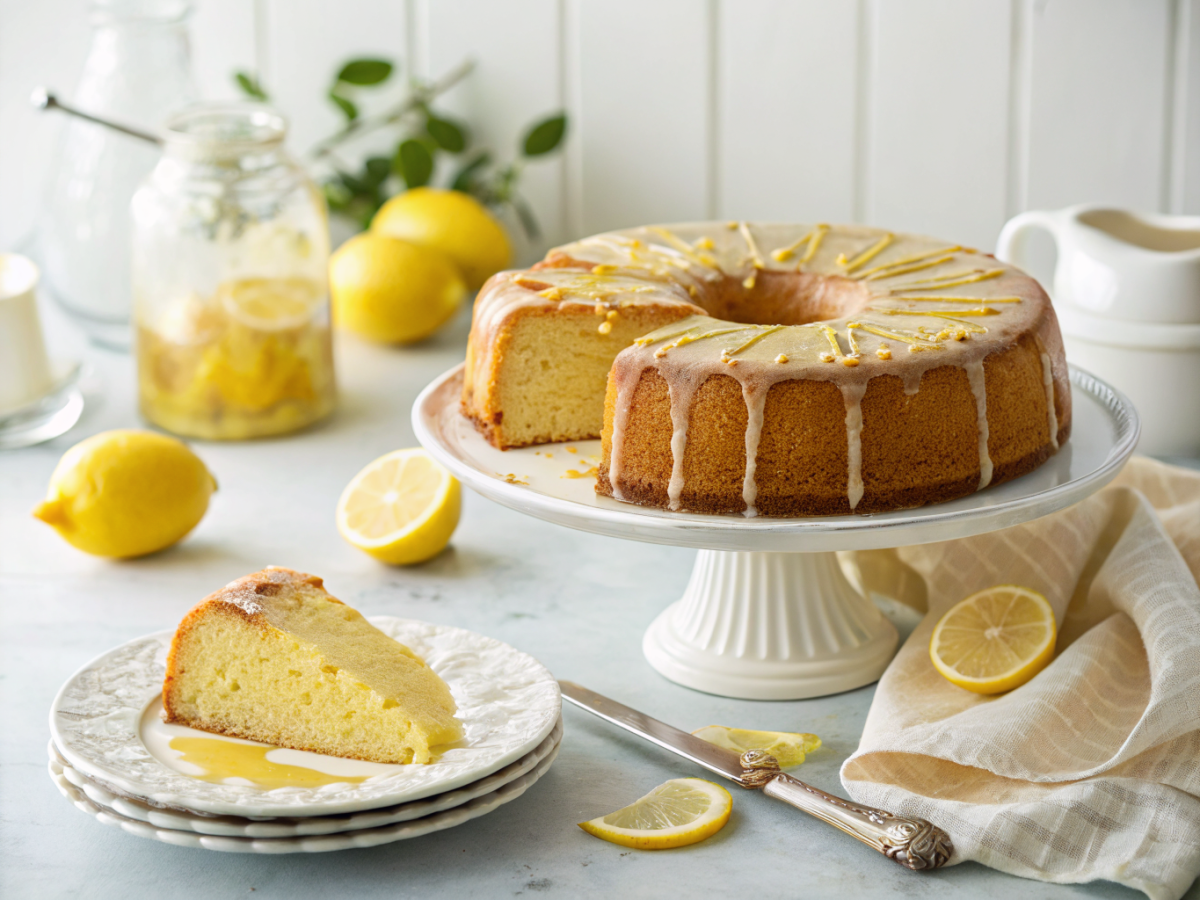
Glazed Lemon Olive Oil Cake
Ingredients
Method
- Preheat oven to 350 degrees Fahrenheit. Grease a 9-inch round cake pan with olive oil and line the bottom with parchment paper.
- In a medium bowl, whisk together flour, baking powder, and salt. Set aside.
- In a large bowl, whisk together eggs and sugar until light and fluffy, about 2 minutes. Slowly drizzle in the olive oil while whisking continuously. Add milk, lemon zest, and lemon juice, mixing until well combined.
- Gently fold the dry ingredients into the wet ingredients using a spatula until just combined. Do not overmix. Pour batter into the prepared pan.
- Bake for 40-45 minutes, or until a toothpick inserted in the center comes out clean and the top is golden brown. Let cool in the pan for 10 minutes, then turn out onto a wire rack to cool completely.
- In a small bowl, whisk together powdered sugar, lemon juice, and lemon zest until smooth. Adjust consistency by adding more lemon juice if too thick or more powdered sugar if too thin.
- Once the cake is completely cooled, drizzle the glaze over the top, allowing it to drip down the sides. Let the glaze set for 15 minutes before slicing and serving.
Nutrition
Notes
Tried this recipe?
Let us know how it was!Glazed Lemon Olive Oil Cake: 5 Easy Tips for Perfect Results
Creating the perfect cake requires attention to detail and understanding a few key techniques. The first tip is to use high-quality extra virgin olive oil with a mild, fruity flavor rather than a peppery or bitter variety, as this will complement rather than overpower the delicate lemon notes. Second, always use fresh lemon juice and zest for the brightest, most authentic citrus flavor that bottled juice simply cannot replicate.
Third, ensure all your ingredients are at room temperature before mixing, as this allows for better emulsification and a smoother batter that bakes more evenly. Fourth, don’t overmix the batter once you add the flour; gentle folding preserves the cake’s tender texture and prevents it from becoming tough or dense. Finally, let the cake cool completely before applying the glaze to prevent it from becoming too thin and running off the sides.
These five fundamental techniques will transform your baking results from good to exceptional. The difference between a mediocre cake and an outstanding one often comes down to these small but crucial details. Master these tips, and you’ll find yourself making this cake again and again for impressed family and friends.
Why You’ll Love This Glazed Lemon Olive Oil Cake
This cake stands out from traditional butter-based desserts with its unique texture and flavor profile that’s simultaneously light yet incredibly moist. The olive oil creates a tender crumb that stays fresh for days, unlike butter cakes that can dry out quickly. The natural fruitiness of the oil enhances the lemon flavor rather than masking it, creating a harmonious balance that’s neither too sweet nor too tart.
Another compelling reason to love this recipe is its versatility and forgiving nature, making it ideal for bakers of all skill levels. The simple mixing method doesn’t require creaming butter or folding in whipped egg whites, eliminating common baking pitfalls. You can easily adapt this healthy desserts recipe to suit dietary preferences or seasonal ingredient availability.
The visual appeal of this cake cannot be overstated, with its golden crumb and glossy glaze creating an Instagram-worthy presentation. It looks sophisticated enough for special occasions yet comes together quickly enough for weeknight indulgence. The bright lemon flavor makes it particularly refreshing after heavy meals, cleansing the palate while satisfying sweet cravings.
From a health perspective, olive oil provides heart-healthy monounsaturated fats and antioxidants that butter simply doesn’t offer. While this is still a dessert to be enjoyed in moderation, you can feel slightly better about the nutritional profile. The cake also happens to be naturally dairy-free, making it suitable for those with lactose intolerance or dairy sensitivities.
Core Ingredients for Glazed Lemon Olive Oil Cake
The foundation of this exceptional cake begins with selecting the right ingredients, each playing a crucial role in the final result. For the cake itself, you’ll need 1¾ cups all-purpose flour, 1½ cups granulated sugar, and ½ teaspoon of both baking powder and baking soda for proper rise and texture. Three large eggs provide structure and richness, while 1 cup of extra virgin olive oil delivers that signature moisture and subtle fruity flavor.
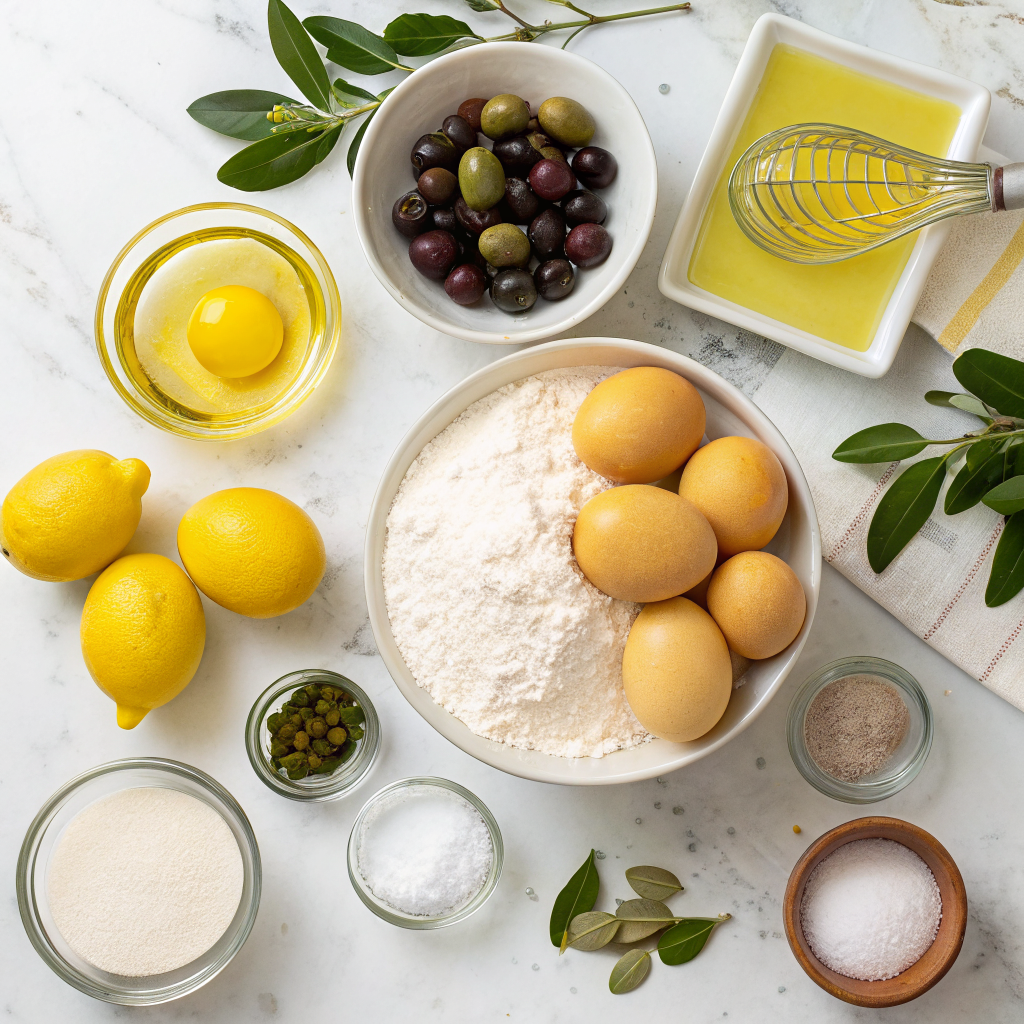
The lemon component requires ¾ cup of fresh lemon juice (approximately 4-5 lemons) and the zest of 3 lemons for maximum citrus impact. You’ll also need ½ cup of whole milk or buttermilk, which adds tanginess and helps create a tender crumb. A pinch of salt, about ½ teaspoon, enhances all the other flavors and balances the sweetness perfectly.
For the glaze, simplicity is key with just 1½ cups of powdered sugar and 3-4 tablespoons of fresh lemon juice. Some bakers like to add a tablespoon of lemon zest to the glaze for extra visual appeal and intensified flavor. A tiny pinch of salt in the glaze helps cut through the sweetness and makes the lemon flavor pop even more.
Quality matters significantly with these ingredients, particularly the olive oil and lemons. Choose a mild, fruity extra virgin olive oil rather than an intensely flavored or bitter variety that might compete with the lemon. Fresh, organic lemons with thin skins typically yield more juice and have more aromatic oils in their zest compared to thick-skinned varieties.
How to Make Glazed Lemon Olive Oil Cake: Step-by-Step
Begin by preheating your oven to 350°F (175°C) and preparing a 9-inch round cake pan or a 9×5-inch loaf pan by greasing it thoroughly with olive oil or butter and dusting with flour. You can also line the bottom with parchment paper for foolproof removal. This preparation step is crucial for ensuring your beautiful cake doesn’t stick to the pan after baking.
In a large mixing bowl, whisk together the flour, baking powder, baking soda, and salt until evenly combined. This dry mixture ensures that the leavening agents are distributed uniformly throughout the batter. Set this bowl aside while you prepare the wet ingredients, as keeping them separate until the right moment prevents overmixing.
In another large bowl, whisk the eggs and granulated sugar together vigorously for about 2-3 minutes until the mixture becomes pale and slightly thickened. This step incorporates air into the batter, contributing to a lighter texture. Gradually pour in the olive oil while whisking continuously to create a smooth emulsion.
Add the lemon zest, lemon juice, and milk to the wet ingredients, whisking until everything is thoroughly combined and uniform in color. The mixture may look slightly curdled due to the acidity of the lemon juice, but this is completely normal and won’t affect the final result. The acidity actually helps tenderize the gluten in the flour for a more delicate crumb.
Pour the wet ingredients into the bowl with the dry ingredients and gently fold together using a rubber spatula or wooden spoon. Mix just until no dry streaks of flour remain visible, being careful not to overmix, which can lead to a tough, dense cake. A few small lumps are perfectly acceptable and will dissolve during baking.
Transfer the batter to your prepared pan, smoothing the top with a spatula to ensure even baking. Tap the pan gently on the counter a few times to release any large air bubbles trapped in the batter. Place the pan in the center of your preheated oven and bake for 45-55 minutes for a round cake or 55-65 minutes for a loaf pan.
The cake is done when a toothpick inserted into the center comes out with just a few moist crumbs attached, not wet batter. The top should be golden brown and spring back lightly when touched. If the top is browning too quickly but the center isn’t done, tent the cake loosely with aluminum foil for the remaining baking time.
Remove the cake from the oven and let it cool in the pan for about 15 minutes before turning it out onto a wire rack. This brief resting period allows the structure to set while preventing the cake from becoming soggy from trapped steam. Let the cake cool completely on the wire rack before glazing, which typically takes about 1-2 hours.
While the cake cools, prepare the glaze by whisking together the powdered sugar and lemon juice in a medium bowl until smooth and pourable. The consistency should be thick enough to coat the back of a spoon but thin enough to drip slowly. Adjust by adding more lemon juice to thin or more powdered sugar to thicken as needed.
Once the cake is completely cool, place it on a serving plate or cake stand with parchment paper strips tucked under the edges to catch drips. Pour the glaze over the top of the cake, allowing it to cascade naturally down the sides. Use an offset spatula or the back of a spoon to guide the glaze if needed, creating an even coating.
Let the glaze set for at least 30 minutes before slicing and serving, though it will continue to firm up over the next few hours. The glaze will transform from shiny and wet to a beautiful matte finish with a slight sheen. Remove the parchment paper strips carefully to reveal a perfectly clean presentation.
Nutrition & Health Benefits
This cake offers some nutritional advantages over traditional butter-based desserts, though it should still be enjoyed as an occasional treat. Each slice (based on 12 servings) contains approximately 320 calories, with the majority coming from the olive oil and sugar. The olive oil contributes heart-healthy monounsaturated fats, which have been shown to support cardiovascular health when consumed as part of a balanced diet.
Olive oil is rich in antioxidants, particularly vitamin E and polyphenols, which help combat oxidative stress in the body. These compounds have anti-inflammatory properties that may contribute to overall wellness. Unlike saturated fats found in butter, the fats in olive oil may help improve cholesterol levels when used in moderation.
Lemons provide an excellent source of vitamin C, with the juice and zest in this recipe contributing a significant portion of the daily recommended intake. Vitamin C supports immune function, collagen production, and acts as a powerful antioxidant. The citrus flavonoids in lemon zest may also offer additional health-protective benefits.
The eggs in this recipe contribute high-quality protein, essential amino acids, and important nutrients like choline, which supports brain health. They also provide vitamin D, vitamin B12, and selenium. While this cake does contain sugar and should be consumed mindfully, the overall ingredient profile is more wholesome than many conventional dessert recipes.
For those interested in exploring more nutritious dessert options, consider reducing the sugar slightly or using alternative sweeteners in the glaze. The naturally dairy-free nature of this cake makes it suitable for those avoiding lactose, and it can easily be made with gluten-free flour blends for those with celiac disease or gluten sensitivity.
Variations & Substitutions
This versatile recipe welcomes numerous adaptations to suit different tastes, dietary needs, and ingredient availability. For a Meyer lemon version, substitute Meyer lemons for regular lemons to achieve a sweeter, more floral flavor profile with less acidity. You can also experiment with other citrus fruits like blood oranges, regular oranges, or even a combination of lemon and lime for unique flavor twists.
To make this cake gluten-free, replace the all-purpose flour with a high-quality gluten-free flour blend that includes xanthan gum. Bob’s Red Mill 1-to-1 Baking Flour or King Arthur Measure for Measure Flour work exceptionally well with minimal adjustments needed. The texture may be slightly denser, but the flavor remains outstanding.
For a vegan version, replace the eggs with flax eggs (3 tablespoons ground flaxseed mixed with 9 tablespoons water, left to gel for 10 minutes) or use a commercial egg replacer. Substitute the milk with any plant-based milk such as almond, oat, or soy. The texture will differ slightly, but the cake will still be delicious and moist.
Consider adding fresh or dried herbs like rosemary, thyme, or lavender for a sophisticated, aromatic twist that pairs beautifully with lemon. Use about 1-2 tablespoons of finely chopped fresh herbs or 1-2 teaspoons of dried herbs, being careful not to overpower the delicate citrus flavor. These herbal variations work particularly well for afternoon tea or brunch gatherings.
You can reduce the sugar in the cake itself by up to ¼ cup without significantly affecting the texture, though the cake will be less sweet and the glaze will provide most of the sweetness. For a less sweet glaze, try a simple lemon syrup instead by heating equal parts lemon juice and sugar until dissolved, then brushing it over the warm cake.
Add texture and flavor complexity with mix-ins like poppy seeds (2-3 tablespoons), finely chopped pistachios, or shredded coconut folded into the batter. Fresh blueberries or raspberries can be gently folded in for a fruity variation, though they may sink to the bottom slightly. These additions complement the lemon flavor while adding visual interest.
Serving Suggestions
This elegant cake shines as a standalone dessert but can be elevated with thoughtful accompaniments and presentation. Serve slices with a dollop of softly whipped cream or Greek yogurt to add richness and balance the cake’s sweetness. The tanginess of yogurt particularly complements the lemon flavor while adding protein and probiotics.
For a more indulgent presentation, serve with a scoop of vanilla bean ice cream or lemon sorbet alongside each slice. The temperature contrast between the cool ice cream and room-temperature cake creates a delightful sensory experience. A drizzle of honey or a sprinkle of fresh berries adds color and additional flavor dimensions.
This cake is perfect for afternoon tea or coffee service, paired with your favorite hot beverage. The citrus notes pair beautifully with Earl Grey tea, chamomile, or a light roast coffee. Consider serving it as part of a breads and baked goods spread for brunch alongside scones, muffins, and fresh fruit.
For special occasions, dress up individual slices with candied lemon slices, edible flowers, or a dusting of powdered sugar for an Instagram-worthy presentation. Fresh mint leaves provide a pop of color and a refreshing aromatic contrast. These simple garnishes transform the cake from everyday dessert to celebration-worthy centerpiece.
The cake works wonderfully as a base for more elaborate desserts like trifles or layered parfaits. Cube the cake and layer it with lemon curd, whipped cream, and fresh berries in individual glasses for an elegant dinner party dessert. This presentation allows you to stretch the recipe to serve more guests while creating a visually stunning dish.
Common Mistakes to Avoid
One of the most frequent errors when making this cake is using low-quality or strongly flavored olive oil that imparts a bitter or peppery taste. Always choose a mild, fruity extra virgin olive oil specifically labeled for baking or with tasting notes of butter, grass, or fruit. Avoid oils labeled “robust” or those with intense peppery finishes that will compete with the delicate lemon flavor.
Overmixing the batter after adding the flour is another common pitfall that results in a tough, dense cake with tunnels and an unpleasant texture. Once you add the dry ingredients to the wet, mix only until the flour is just incorporated and no dry streaks remain. A few small lumps are perfectly fine and will bake out.
Applying the glaze to a warm cake causes it to become too thin and soak into the cake rather than creating a beautiful coating on top. Always allow the cake to cool completely to room temperature before glazing. If you’re short on time, you can place the cake in the refrigerator for 30 minutes to speed up the cooling process.
Using bottled lemon juice instead of fresh is a mistake that significantly diminishes the bright, vibrant flavor this cake is known for. Bottled juice often has a flat, slightly metallic taste that can’t compare to the aromatic oils and fresh acidity of real lemons. The investment in fresh lemons makes an enormous difference in the final result.
Skipping the step of bringing ingredients to room temperature can result in a batter that doesn’t emulsify properly, leading to an uneven texture. Cold eggs and milk don’t blend as smoothly with the oil and can create a separated batter. Plan ahead and remove eggs and milk from the refrigerator about 30-60 minutes before baking.
Overbaking is perhaps the most devastating mistake, turning a potentially moist cake into a dry disappointment. Start checking for doneness about 5 minutes before the minimum recommended baking time. Remember that the cake will continue cooking slightly from residual heat even after you remove it from the oven, so slightly underdone is better than overdone.
Storage & Meal Prep Tips
Proper storage ensures this cake maintains its exceptional moisture and flavor for several days after baking. Once the glaze has fully set, cover the cake loosely with plastic wrap or store it in an airtight container at room temperature for up to 3 days. The olive oil in the recipe acts as a natural preservative, keeping the cake moist longer than butter-based cakes.
For longer storage, refrigerate the cake in an airtight container for up to one week, though bring it to room temperature before serving for the best texture and flavor. Cold cake can taste muted and feel slightly firm, but 30-60 minutes at room temperature will restore its tender crumb and bright flavor. The glaze may sweat slightly when transitioning from cold to room temperature, but this is normal.
This cake freezes beautifully for up to three months, making it perfect for advance preparation for special occasions or simply having homemade cake on hand. Wrap individual slices or the whole cake tightly in plastic wrap, then again in aluminum foil to prevent freezer burn. Label with the date and thaw overnight in the refrigerator or at room temperature for a few hours.
If you plan to freeze the cake, consider doing so before glazing for the best results upon thawing. Prepare and freeze the unglazed cake, then make fresh glaze when you’re ready to serve. This approach ensures the glaze looks and tastes as fresh as possible rather than potentially becoming soggy during the freezing and thawing process.
For meal prep purposes, you can prepare the dry ingredients and wet ingredients separately up to 24 hours in advance and store them in covered bowls. Keep the wet ingredients refrigerated and bring them to room temperature before combining with the dry ingredients and baking. This strategy saves time on busy days while ensuring fresh-baked results.
The batter itself doesn’t store well and should be baked immediately after mixing for optimal rise and texture. However, you can prepare all your ingredients, measure them out, and have everything ready to quickly combine and bake when needed. This mise en place approach makes the actual baking process much faster and more enjoyable.
Final Thoughts on Glazed Lemon Olive Oil Cake
This Glazed Lemon Olive Oil Cake represents the perfect intersection of simplicity and sophistication, delivering impressive results without requiring advanced baking skills or specialized equipment. The combination of bright citrus and fruity olive oil creates a flavor profile that’s both familiar and delightfully unique. Whether you’re baking for a special celebration or simply treating yourself to something homemade and delicious, this cake never disappoints.
The versatility of this recipe makes it a valuable addition to any home baker’s repertoire, easily adapting to dietary restrictions, seasonal ingredients, and personal preferences. From casual family dinners to elegant dinner parties, this cake fits seamlessly into any occasion. The fact that it actually improves in flavor over the first day or two makes it ideal for advance preparation, reducing stress when entertaining.
Beyond its delicious taste and beautiful presentation, this cake offers a slightly healthier alternative to traditional butter-based desserts without sacrificing moisture or flavor. The heart-healthy fats from olive oil and the vitamin C from fresh lemons provide some nutritional benefits, though this is certainly still a treat to be enjoyed mindfully. The naturally dairy-free nature expands its appeal to those with dietary restrictions.
As you master this recipe, you’ll find yourself returning to it again and again, perhaps experimenting with the variations and making it your own signature dessert. The confidence you’ll gain from successfully creating such an impressive cake will inspire you to tackle other baking projects. Don’t be surprised when friends and family start requesting this cake for their special occasions—it’s truly that good and that memorable.
Frequently Asked Questions
Can I use regular vegetable oil instead of olive oil in this cake?
While you can technically substitute vegetable oil, it will significantly change the character of the cake and eliminate the subtle fruity notes that make this recipe special. The olive oil contributes a unique flavor complexity and richness that neutral oils cannot replicate. If you must substitute, consider using a light-tasting oil like avocado oil, though the result still won’t be quite the same as the traditional version.
Why is my Glazed Lemon Olive Oil Cake dense instead of light and fluffy?
A dense cake typically results from overmixing the batter after adding the flour, which develops too much gluten and creates a tough texture. Other causes include using expired baking powder or baking soda, not bringing ingredients to room temperature, or overbaking. Ensure you’re measuring flour correctly by spooning it into the measuring cup and leveling it off rather than scooping, which can pack too much flour into the cup.
How do I know when the cake is perfectly baked?
The cake is done when a toothpick inserted into the center comes out with just a few moist crumbs attached but no wet batter. The top should be golden brown and spring back lightly when gently pressed. The edges may just be starting to pull away from the sides of the pan. Start checking about 5 minutes before the minimum recommended baking time, as oven temperatures can vary and overbaking is one of the most common mistakes.
Can I make this cake ahead of time for a party?
Absolutely! This cake actually tastes better the day after baking as the flavors meld and develop, making it perfect for advance preparation. You can bake the cake up to 2 days ahead, store it covered at room temperature, and glaze it the day of serving for the freshest appearance. Alternatively, freeze the unglazed cake up to 3 months in advance, thaw it completely, and apply fresh glaze before your event for convenient make-ahead entertaining.

creates quick vegetarian dinners and vibrant taco recipes.