Keto Pizza Crust With Cottage Cheese Recipe: 5 Easy Tips for the Best Results

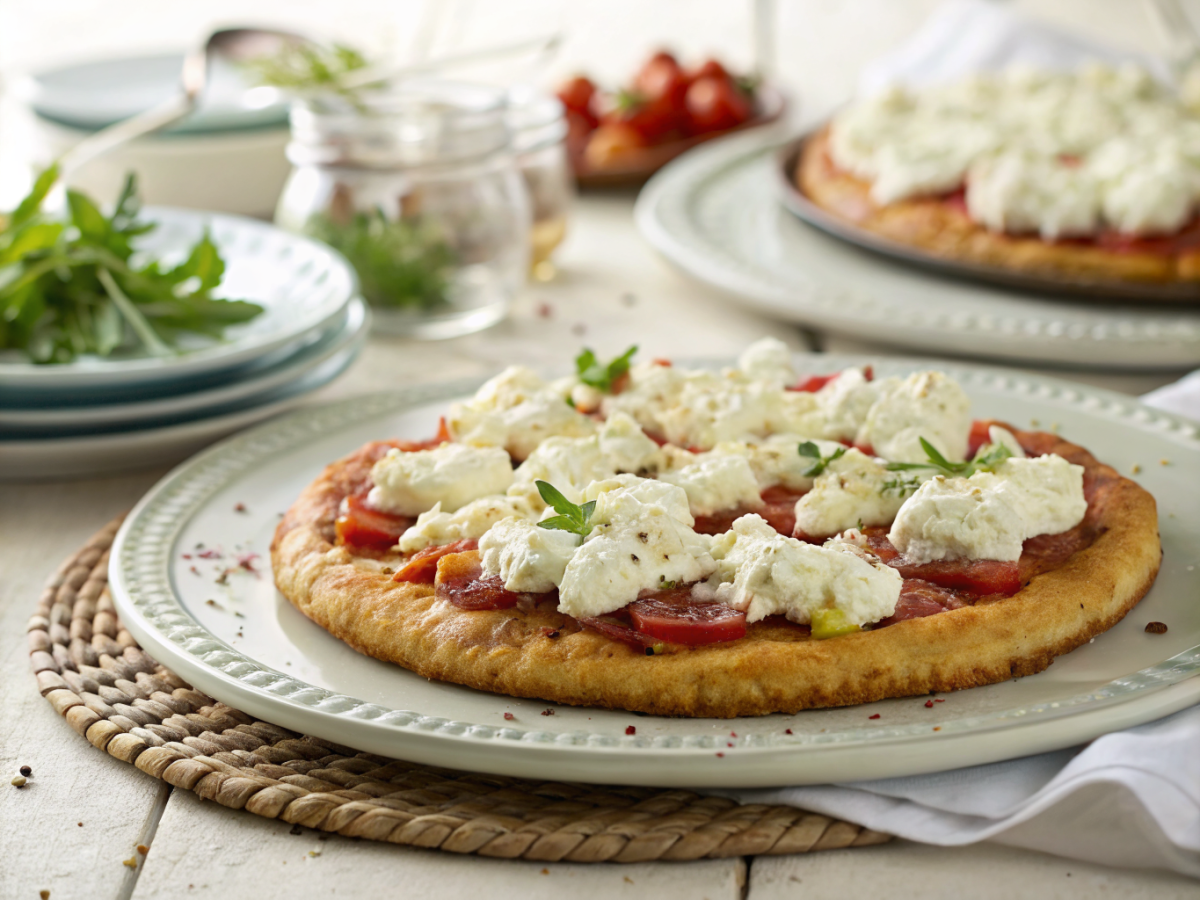
Keto pizza crust with cottage cheese everyone will ask you to make again

Keto Pizza Crust With Cottage Cheese Everyone Will Ask You To Make Again

A delicious low-carb pizza crust made with cottage cheese that's crispy on the outside and tender on the inside.
Prep Time 10 minutes
Cook Time 20 minutes
Total Time 30 minutes
Servings: 4 servings
Course: Breads & Baked Goods
Cuisine: American
Calories: 285

Ingredients
  

  • 1 cup cottage cheese full-fat, drained well
  • 2 cups shredded mozzarella cheese
  • 2 large eggs beaten
  • 1 cup almond flour
  • 2 tablespoons cream cheese softened
  • 1 teaspoon Italian seasoning
  • 1/2 teaspoon garlic powder
  • 1/4 teaspoon salt
  • 1/4 teaspoon baking powder

Method
 

  1. Preheat your oven to 425 degrees Fahrenheit. Line a baking sheet or pizza pan with parchment paper and set aside.
  2. Place the cottage cheese in a fine mesh strainer or cheesecloth and press out as much liquid as possible. This step is crucial for a crispy crust.
  3. In a microwave-safe bowl, combine the mozzarella cheese and cream cheese. Microwave for 60-90 seconds until melted, then stir until smooth. Let cool slightly, then mix in the beaten eggs and drained cottage cheese.
  4. Add the almond flour, Italian seasoning, garlic powder, salt, and baking powder to the cheese mixture. Stir until a dough forms and everything is well combined.
  5. Transfer the dough to the prepared baking sheet. Using your hands or a spatula, spread and shape the dough into a round or rectangular pizza crust about 1/4 inch thick.
  6. Bake the crust for 12-15 minutes until it's golden brown and firm to the touch. Remove from the oven.
  7. Add your favorite keto-friendly pizza toppings and return to the oven for an additional 5-8 minutes until the cheese is melted and bubbly. Let cool for 2-3 minutes before slicing and serving.

Nutrition

Calories: 285kcalCarbohydrates: 7gProtein: 18gFat: 21gSodium: 420mgFiber: 3g

Notes

Make sure to drain the cottage cheese thoroughly to prevent a soggy crust. For extra crispiness, brush the edges with olive oil before baking. This crust can be made ahead and frozen for up to 3 months - just thaw and add toppings when ready to use.

Tried this recipe?

Let us know how it was!
nnThis Keto Pizza Crust With Cottage Cheese is perfect when you want something easy but still packed with flavor, especially if you love a low-carb pizza that doesn’t compromise on taste or texture. The cottage cheese creates a surprisingly sturdy base that holds toppings beautifully while keeping carbs minimal. You’ll be amazed at how this simple ingredient transforms into a delicious, crispy crust everyone will request again and again.

Keto Pizza Crust With Cottage Cheese: 5 Easy Tips for Perfect Results

Creating the perfect keto pizza crust starts with understanding how cottage cheese works as a binding agent in low-carb baking. The high protein content and moisture level make it ideal for creating structure without traditional flour. These five essential tips will ensure your crust turns out crispy, flavorful, and sturdy enough to hold all your favorite toppings.

First, always drain your cottage cheese thoroughly to remove excess liquid that could make your crust soggy. Press it between paper towels or use a fine-mesh strainer for at least 10 minutes. This simple step makes an enormous difference in achieving that coveted crispy texture.

Second, blend the cottage cheese until completely smooth before mixing with other ingredients. Lumpy cottage cheese creates an uneven texture in your finished crust. A food processor or immersion blender works perfectly for this task, creating a creamy base that incorporates seamlessly with eggs and cheese.

Third, pre-bake your crust before adding toppings to ensure it’s fully set and crispy. This prevents the dreaded soggy middle that plagues many keto pizza attempts. A properly pre-baked crust should be golden brown around the edges and firm to the touch in the center.

Fourth, use parchment paper on your baking sheet to prevent sticking and ensure easy removal. This also helps with achieving an evenly browned bottom crust. Never skip this step, as it makes the entire process much smoother and your cleanup significantly easier.

Fifth, let your crust cool for 2-3 minutes after the final bake before slicing. This allows the structure to set completely, making it easier to cut clean slices. Patience here pays off with pizza slices that hold together beautifully rather than falling apart on your plate.

Why You’ll Love This Keto Pizza Crust With Cottage Cheese

This recipe revolutionizes keto pizza night by delivering a crust that actually tastes and feels like real pizza. Unlike many alternative crusts that crumble or taste like cardboard, this version offers genuine satisfaction. The cottage cheese provides protein, moisture, and a neutral flavor that lets your toppings shine while keeping the carb count impressively low.

The simplicity of this recipe makes it accessible even for beginners in the keto lifestyle. You only need a handful of ingredients that are likely already in your refrigerator. There’s no complicated technique or special equipment required, just basic mixing and baking that anyone can master on their first attempt.

Budget-friendly ingredients make this recipe a winner for regular meal rotation. Cottage cheese costs significantly less than specialty keto flours or pre-made low-carb crusts. You can feed your entire family a satisfying pizza dinner without breaking the bank or spending hours in the kitchen.

The versatility of this crust means you can customize it endlessly to suit your preferences. Add Italian herbs directly to the dough, incorporate garlic powder for extra flavor, or experiment with different cheese combinations. This base recipe adapts beautifully to whatever flavor profile you’re craving on any given pizza night.

Meal prep enthusiasts will appreciate how well this crust freezes for future use. Make multiple batches on the weekend and store them for quick weeknight dinners. Having pre-made crusts ready to top and bake saves tremendous time while ensuring you always have a keto-friendly option available when pizza cravings strike.

Core Ingredients for Keto Pizza Crust With Cottage Cheese

The ingredient list for this recipe is refreshingly short and straightforward. Each component plays a specific role in creating the perfect texture and flavor. Understanding what each ingredient contributes helps you make informed substitutions if needed while maintaining excellent results.

Keto pizza crust with cottage cheese ingredients

Cottage Cheese

Full-fat cottage cheese forms the foundation of this crust, providing moisture, protein, and binding properties. Use 1 cup of cottage cheese, well-drained to remove excess liquid. The protein content helps create structure while keeping the crust tender rather than tough or rubbery.

Choose a high-quality cottage cheese with minimal additives for the best flavor and texture. Small curd or large curd both work equally well once blended smooth. Avoid low-fat or fat-free versions as they contain more moisture and less flavor, resulting in a less satisfying crust.

Eggs

Two large eggs act as the primary binding agent that holds everything together. They provide structure and help the crust achieve that desirable golden-brown color when baked. Room temperature eggs incorporate more easily into the cottage cheese mixture, creating a smoother batter.

The eggs also contribute additional protein, making this crust remarkably filling and satisfying. This high protein content helps keep you full longer, preventing the blood sugar crashes associated with traditional high-carb pizza crusts.

Mozzarella Cheese

Shredded mozzarella cheese adds that classic pizza flavor and helps bind the crust together. Use 1½ cups of freshly shredded mozzarella rather than pre-shredded for better melting and texture. Pre-shredded cheese contains anti-caking agents that can affect how well the crust holds together.

Part-skim or whole milk mozzarella both work well in this recipe. The cheese creates those delicious browned spots on the crust edges that provide extra flavor and visual appeal.

Almond Flour

Almond flour provides structure and helps absorb excess moisture from the cottage cheese. Use ¾ cup of finely ground almond flour for the best texture. Blanched almond flour creates a lighter-colored crust, while almond meal with skins produces a more rustic appearance and nuttier flavor.

This ingredient keeps the carb count low while adding healthy fats and additional protein. It also contributes to that satisfying bread-like texture that makes this crust so convincing as a pizza base.

Seasonings

Italian seasoning, garlic powder, and salt enhance the flavor profile of your crust. Use 1 teaspoon of Italian seasoning, ½ teaspoon of garlic powder, and ½ teaspoon of salt. These simple additions transform the crust from bland to delicious without overwhelming your toppings.

Feel free to adjust seasonings to your personal preference or add extras like onion powder or red pepper flakes. The beauty of making your own crust is complete control over the flavor profile.

How to Make Keto Pizza Crust With Cottage Cheese: Step-by-Step

Follow these detailed instructions for foolproof results every single time. Taking your time with each step ensures a crust that’s crispy, flavorful, and sturdy enough to support all your favorite toppings. The entire process takes about 30 minutes from start to finish, including baking time.

Step 1: Prepare Your Ingredients

Preheat your oven to 400°F (200°C) and line a large baking sheet with parchment paper. Drain your cottage cheese thoroughly by pressing it between layers of paper towels or using a fine-mesh strainer. This crucial step removes excess moisture that would otherwise create a soggy crust.

Gather all remaining ingredients and have them measured and ready to go. This mise en place approach makes the mixing process smooth and efficient. Bring eggs to room temperature if possible for easier blending with the cottage cheese.

Step 2: Blend the Cottage Cheese

Place the drained cottage cheese in a food processor or blender and process until completely smooth and creamy. This should take about 30-45 seconds of blending. Scrape down the sides as needed to ensure no lumps remain in the mixture.

A smooth cottage cheese base is essential for achieving an even texture throughout your crust. Any remaining lumps will create inconsistencies in the final product. If you don’t have a food processor, an immersion blender works perfectly for this task.

Step 3: Mix the Wet Ingredients

Add the eggs to the blended cottage cheese and pulse until fully incorporated. The mixture should be smooth and uniform in color. This creates your wet ingredient base that will bind all the dry ingredients together.

Transfer this mixture to a large mixing bowl if you were using a small food processor. Having room to work makes the next steps much easier and prevents spills.

Step 4: Combine Dry Ingredients

In a separate bowl, whisk together the almond flour, Italian seasoning, garlic powder, and salt. This ensures even distribution of seasonings throughout your crust. Breaking up any clumps in the almond flour at this stage prevents them from appearing in your finished crust.

Add the shredded mozzarella cheese to the dry ingredients and toss to coat. This helps prevent the cheese from clumping when you add the wet ingredients.

Step 5: Form the Dough

Pour the cottage cheese mixture into the bowl with the dry ingredients and cheese. Stir with a sturdy spoon or spatula until everything is fully combined and no dry pockets remain. The dough will be thick and slightly sticky, which is exactly what you want.

Don’t overmix the dough, as this can make the crust tough. Stop stirring as soon as everything is evenly incorporated and no streaks of cottage cheese or dry flour remain visible.

Step 6: Shape the Crust

Transfer the dough to your prepared baking sheet and use your hands or a spatula to spread it into your desired shape. For a traditional pizza, aim for a 10-12 inch circle about ¼ inch thick. For easier portion control, you can make smaller individual pizzas or even pizza bites.

Keep the edges slightly thicker than the center to create a crust-like border. Wet your hands or spatula slightly if the dough sticks too much during shaping. The parchment paper should prevent most sticking issues.

Step 7: Pre-Bake the Crust

Bake the shaped crust for 15-18 minutes until it’s golden brown around the edges and firm in the center. The surface should look dry rather than wet or shiny. This pre-baking step is crucial for preventing sogginess when you add toppings.

Don’t skip this step even if you’re tempted to save time. A properly pre-baked crust makes all the difference between pizza that holds together beautifully and pizza that falls apart on your plate.

Step 8: Add Toppings and Final Bake

Remove the crust from the oven and add your favorite low-carb pizza sauce, cheese, and toppings. Return to the oven for an additional 8-10 minutes until the cheese is melted and bubbly. The edges of the crust should be deeply golden brown and crispy.

Watch carefully during this final bake to prevent burning. Every oven is slightly different, so adjust timing as needed. Let the finished pizza rest for 2-3 minutes before slicing to allow the structure to set completely.

Nutrition & Health Benefits

This keto-friendly pizza crust delivers impressive nutritional benefits while keeping carbs remarkably low. Each serving contains approximately 4-5 net carbs, making it perfect for maintaining ketosis. The high protein content from cottage cheese and eggs helps keep you satisfied for hours after eating.

Cottage cheese provides an excellent source of casein protein, which digests slowly and provides sustained energy. This makes the crust more filling than traditional pizza bases. You’ll find yourself satisfied with fewer slices, naturally controlling portion sizes without feeling deprived.

The calcium content in cottage cheese and mozzarella supports bone health and various metabolic functions. One serving of this pizza crust provides approximately 15-20% of your daily calcium needs. This makes it a nutritious choice beyond just being low-carb, contributing to your overall health goals.

Almond flour adds healthy monounsaturated fats, vitamin E, and magnesium to the nutritional profile. These nutrients support heart health, skin health, and energy production. Unlike refined wheat flour, almond flour won’t spike blood sugar levels, making this crust suitable for diabetics and anyone monitoring glucose levels.

The complete macronutrient breakdown per serving includes approximately 250-280 calories, 18-20g protein, 18-20g fat, and 7-8g total carbohydrates. Subtracting 2-3g of fiber gives you those 4-5g net carbs. This balanced macro profile fits perfectly into ketogenic, low-carb, and even some moderate-carb eating plans.

For those interested in learning more about high protein recipes, this crust exemplifies how to create satisfying meals that support muscle maintenance and satiety. The protein content makes this pizza crust particularly valuable for active individuals following a keto lifestyle.

Variations & Substitutions

This versatile base recipe adapts beautifully to accommodate different dietary needs and flavor preferences. Experimenting with variations keeps pizza night exciting while maintaining the low-carb benefits. Here are some tested modifications that work exceptionally well with this cottage cheese crust formula.

Dairy-Free Options

While cottage cheese is essential to this specific recipe, you can create a dairy-free alternative using cashew-based cottage cheese substitutes. These products have become increasingly available in health food stores. The texture won’t be identical, but you can still achieve a satisfying low-carb crust by adjusting the moisture content.

Replace the mozzarella with dairy-free cheese alternatives that melt well. Brands using coconut oil or cashew bases typically perform best in baking applications. You may need to add an extra egg to compensate for different binding properties in dairy-free cheeses.

Flavor Variations

Create a herb-crusted version by doubling the Italian seasoning and adding fresh chopped basil or oregano to the dough. This creates an aromatic crust that pairs beautifully with simple toppings. The fresh herbs add vibrant flavor without additional carbs or calories.

For a cheesy garlic crust, increase the garlic powder to 1 tablespoon and add 2 tablespoons of grated Parmesan cheese to the dough. This creates an intensely flavored base perfect for white pizza or light vegetable toppings. The Parmesan adds depth and that irresistible umami quality.

Make a spicy crust by incorporating ½ teaspoon of red pepper flakes and ½ teaspoon of smoked paprika into the dry ingredients. This adds warmth and complexity that complements spicy toppings like pepperoni or jalapeños. The heat level remains mild enough for most palates while adding noticeable character.

Texture Modifications

For an extra crispy crust, reduce the cottage cheese to ¾ cup and increase the almond flour to 1 cup. This creates a drier dough that crisps up beautifully in the oven. The trade-off is slightly less protein content, but the texture becomes remarkably similar to thin-crust traditional pizza.

Create a thicker, bread-like crust by adding 2 tablespoons of coconut flour to the original recipe. Coconut flour absorbs tremendous amounts of moisture, creating a fluffier texture. This variation works wonderfully for deep-dish style pizzas or when you want a more substantial base.

Cheese Substitutions

Swap half the mozzarella for sharp cheddar to create a more flavorful crust with a slight tang. This works particularly well for barbecue chicken pizza or other non-traditional topping combinations. The stronger cheese flavor can stand up to bold toppings without getting lost.

Use all Parmesan cheese instead of mozzarella for an ultra-crispy, intensely flavored crust. This creates a cracker-like texture that’s perfect for lighter toppings or serving as an appetizer. The Parmesan crust browns more quickly, so reduce baking time by 2-3 minutes.

Serving Suggestions

This versatile keto pizza crust pairs beautifully with countless topping combinations and serving styles. The neutral flavor profile allows your toppings to shine while providing a sturdy, satisfying base. Here are some creative ways to serve and enjoy your cottage cheese crust pizza.

Classic Pizza Toppings

Top your crust with sugar-free marinara sauce, extra mozzarella, and your choice of pepperoni, Italian sausage, or vegetables. Keep toppings relatively light to prevent overwhelming the crust. A classic margherita with fresh basil, tomatoes, and mozzarella showcases the crust’s quality beautifully.

Create a meat lover’s version with pepperoni, sausage, bacon, and ham for a protein-packed meal. The high protein content of the crust combined with meat toppings creates an incredibly satisfying dinner. This combination keeps you full for hours while maintaining ketosis.

Gourmet Combinations

Try a white pizza with ricotta, spinach, and artichoke hearts for an elegant variation. Drizzle with garlic-infused olive oil before baking for extra richness. This lighter topping combination allows the subtle flavors of the cottage cheese crust to complement rather than compete.

Make a breakfast pizza by topping the pre-baked crust with scrambled eggs, bacon, and cheddar cheese. Return to the oven just until the cheese melts. This creative use transforms your pizza crust into a complete breakfast that’s both satisfying and keto-friendly.

Side Dishes

Serve your pizza alongside a crisp Caesar salad for a complete Italian-inspired meal. The freshness of the salad balances the richness of the pizza perfectly. Add grilled chicken to the salad for extra protein if you’re particularly hungry.

Pair with roasted vegetables like zucchini, bell peppers, and mushrooms for additional nutrients and fiber. These low-carb sides complement the pizza without adding significant carbs to your meal. The variety of textures makes the meal more interesting and satisfying.

For more ideas on complete meals, explore these dinner recipes that pair wonderfully with keto pizza. Building a repertoire of complementary dishes makes meal planning easier and more enjoyable.

Portion Control

Cut the pizza into 8 slices for reasonable portions that fit easily into daily macros. Two slices typically provide a satisfying meal when paired with a side salad. This portion size keeps carbs under 10g while providing substantial protein and healthy fats.

Make mini personal pizzas by dividing the dough into 4 portions and shaping into small circles. This approach works wonderfully for meal prep or when family members want different toppings. Individual pizzas also make portion control effortless and reduce the temptation to overeat.

Common Mistakes to Avoid

Understanding potential pitfalls helps you achieve perfect results every time you make this crust. Many issues have simple solutions once you know what to watch for. Learning from these common mistakes saves frustration and wasted ingredients.

Not Draining the Cottage Cheese

The most frequent mistake is skipping or rushing the cottage cheese draining process. Excess moisture creates a soggy, weak crust that won’t crisp properly. Always take the full 10 minutes to drain thoroughly, pressing firmly with paper towels to remove as much liquid as possible.

If your crust turns out soggy despite draining, your cottage cheese may have been particularly wet. Next time, drain for 15 minutes or even overnight in the refrigerator. The drier your cottage cheese, the crispier your crust will be.

Skipping the Pre-Bake

Adding toppings to an unbaked crust guarantees disappointment with a soggy, undercooked center. The pre-bake step sets the structure and removes moisture before toppings add their own liquid. Never skip this crucial step, even when you’re short on time.

If you’re in a hurry, you can pre-bake crusts in advance and store them for quick assembly later. This actually saves time overall while ensuring consistently excellent results. Pre-baked crusts keep for several days refrigerated or months frozen.

Overmixing the Dough

Stirring the dough excessively after combining wet and dry ingredients develops too much structure, creating a tough, chewy crust. Mix only until ingredients are just combined and no dry pockets remain. The dough should look slightly rough rather than perfectly smooth.

Use a folding motion rather than vigorous stirring when combining ingredients. This gentler approach incorporates everything without overworking the mixture. Your crust will be tender rather than tough.

Making the Crust Too Thick

Spreading the dough thicker than ¼ inch prevents proper cooking and creates a dense, heavy texture. Thinner crusts crisp up beautifully and provide better structure for toppings. Use a measuring tape if needed to ensure consistent thickness across the entire crust.

If you prefer a thicker crust, increase the pre-baking time by 3-5 minutes to ensure the center cooks through completely. Watch for golden brown color and a dry surface as indicators of doneness.

Using Pre-Shredded Cheese

Pre-shredded cheese contains anti-caking agents that prevent proper melting and binding in the crust. These additives create a grainy texture and prevent the cheese from forming that cohesive structure you want. Always shred your own cheese from a block for best results.

The extra minute required to shred cheese makes a noticeable difference in the final product. Fresh-shredded cheese melts smoothly and creates better texture throughout the crust.

Storage & Meal Prep Tips

Proper storage techniques keep your pizza crust fresh and delicious for future meals. This recipe is exceptionally meal-prep friendly, making it perfect for busy weeknights. Planning ahead means you can enjoy homemade keto pizza anytime with minimal effort.

Refrigerator Storage

Store pre-baked crusts wrapped tightly in plastic wrap or in an airtight container for up to 4 days in the refrigerator. Let the crust cool completely before wrapping to prevent condensation that creates sogginess. Layer parchment paper between multiple crusts to prevent sticking.

Finished pizza with toppings keeps for 3-4 days refrigerated in an airtight container. Reheat in a 350°F oven for 8-10 minutes to restore crispiness. Avoid microwaving if possible, as it makes the crust chewy rather than crispy.

Freezer Storage

Leave a Comment

Recipe Rating