
Chinese Stir Fry Vegetables Recipe: 5 Easy Tips for the Best Results

Chinese stir fry vegetables everyone will ask you to make again

Chinese Stir Fry Vegetables Everyone Will Ask You To Make Again
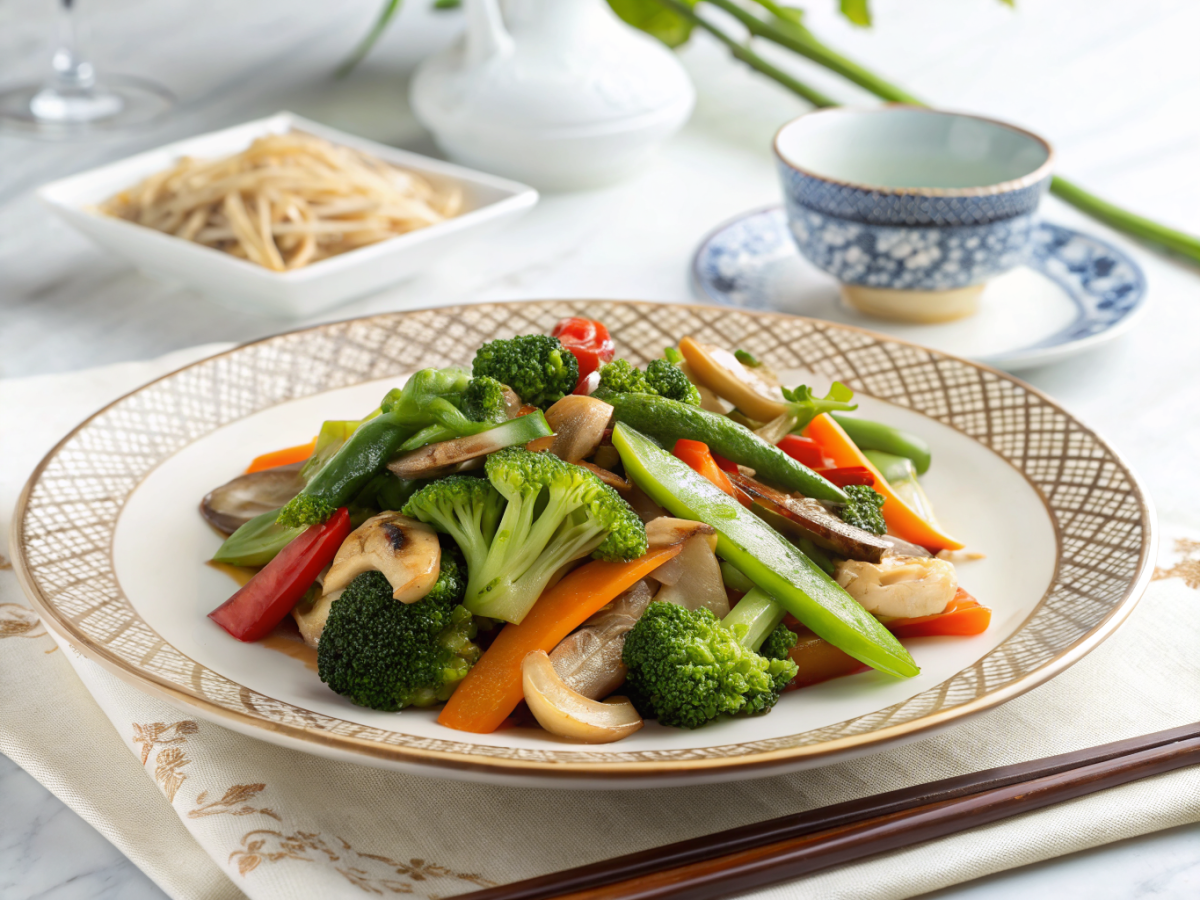
A vibrant and flavorful Chinese stir fry with crisp vegetables in a savory sauce that's quick and easy to make.
Prep Time 15 minutes
Cook Time 10 minutes
Total Time 25 minutes
Servings: 4 servings
Course: Dinner Recipes
Cuisine: Chinese
Calories: 145

Ingredients
  

  • 2 cups broccoli florets cut into bite-sized pieces
  • 1 medium red bell pepper sliced
  • 1 cup snap peas trimmed
  • 1 cup carrots julienned
  • 8 oz baby corn drained if canned
  • 3 tablespoons soy sauce
  • 2 tablespoons vegetable oil for stir frying
  • 3 cloves garlic minced
  • 1 tablespoon fresh ginger minced
  • 2 tablespoons oyster sauce
  • 1 tablespoon cornstarch mixed with 2 tablespoons water
  • 1 teaspoon sesame oil
  • 2 tablespoons green onions sliced for garnish

Method
 

  1. Wash and cut all vegetables into uniform bite-sized pieces. Keep them separate and ready near your cooking area for quick stir frying.
  2. In a small bowl, combine soy sauce, oyster sauce, and cornstarch mixture. Stir well and set aside.
  3. Heat a large wok or skillet over high heat until very hot. Add vegetable oil and swirl to coat the pan.
  4. Add minced garlic and ginger to the hot oil. Stir fry for 30 seconds until fragrant, being careful not to burn.
  5. Add carrots and broccoli first, stir frying for 2 minutes. Then add bell pepper, snap peas, and baby corn. Continue stir frying for 3-4 minutes until vegetables are crisp-tender.
  6. Pour the sauce mixture over the vegetables and toss everything together. Cook for 1-2 minutes until the sauce thickens and coats all the vegetables evenly.
  7. Drizzle with sesame oil and toss once more. Transfer to a serving plate and garnish with sliced green onions. Serve immediately with steamed rice.

Nutrition

Calories: 145kcalCarbohydrates: 18gProtein: 5gFat: 7gSodium: 680mgFiber: 4g

Notes

Keep the heat high throughout cooking to achieve that authentic restaurant-style char and crisp texture. Don't overcrowd the wok - cook in batches if needed to maintain high heat. You can substitute any vegetables you prefer, but try to choose ones with similar cooking times for best results.

Tried this recipe?

Let us know how it was!
nnThis Chinese Stir Fry Vegetables recipe brings restaurant-quality flavor right to your home kitchen with minimal effort and maximum taste. The combination of crisp, colorful vegetables coated in a savory sauce creates a dish that’s both nutritious and incredibly satisfying. Whether you’re looking for a quick weeknight dinner or an impressive side dish, this recipe delivers every single time.

Chinese Stir Fry Vegetables: 5 Easy Tips for Perfect Results

Mastering the art of stir-frying vegetables doesn’t require years of culinary training or special equipment. The secret lies in understanding a few fundamental techniques that transform ordinary vegetables into an extraordinary dish. High heat, proper preparation, and the right sauce are the cornerstones of success.

The first tip is to ensure your wok or pan is smoking hot before adding any ingredients. This high temperature creates that characteristic wok hei, or “breath of the wok,” that gives stir-fried dishes their distinctive flavor. A properly heated cooking surface also prevents vegetables from steaming instead of frying.

Second, cut all your vegetables to uniform sizes to ensure even cooking. This means taking the time to slice carrots, bell peppers, and broccoli into similar-sized pieces. Consistent sizing prevents some vegetables from burning while others remain undercooked.

Third, never overcrowd your pan or wok. Cooking in batches might take a few extra minutes, but it makes all the difference between crispy, vibrant vegetables and soggy, steamed ones. Overcrowding lowers the pan temperature and releases too much moisture.

Fourth, prepare your sauce in advance and have all ingredients ready before you start cooking. Stir-frying happens quickly, and you won’t have time to measure or chop once you begin. This mise en place approach is essential for smooth execution.

Fifth, add vegetables in order of cooking time, starting with the hardest and ending with the most delicate. Root vegetables like carrots go in first, followed by broccoli, then peppers, and finally quick-cooking greens. This layered approach ensures everything finishes at the same time with the perfect texture.

Why You’ll Love This Chinese Stir Fry Vegetables

This recipe checks every box for what makes a truly great dish worth repeating. It’s incredibly versatile, allowing you to use whatever vegetables you have on hand without compromising flavor. The cooking time is remarkably short, making it perfect for busy weeknights when you need dinner on the table fast.

The nutritional profile is outstanding, packed with vitamins, minerals, and fiber from a rainbow of vegetables. Unlike many takeout versions loaded with excessive oil and sodium, this homemade version lets you control exactly what goes into your food. You’ll feel good about serving this to your family knowing it’s genuinely nourishing.

The flavor profile hits all the right notes with its perfect balance of savory, sweet, and umami elements. The sauce clings beautifully to each vegetable piece without being heavy or greasy. Fresh ginger and garlic provide aromatic depth that makes your kitchen smell absolutely amazing.

Budget-friendly ingredients make this recipe accessible to everyone without sacrificing quality or taste. Vegetables are generally inexpensive, especially when bought in season or from local markets. You can feed a family of four for a fraction of what takeout would cost.

The visual appeal of this dish cannot be overstated. Bright green broccoli, vibrant orange carrots, red bell peppers, and white mushrooms create a stunning presentation. This colorful array makes the dish as appealing to the eyes as it is to the palate, encouraging even picky eaters to try it.

Core Ingredients for Chinese Stir Fry Vegetables

Chinese stir fry vegetables ingredients

The beauty of this recipe lies in its simplicity and the quality of fresh ingredients. Each vegetable brings its own unique texture and flavor to create a harmonious whole. While you can substitute based on availability, these core ingredients provide the best results.

Vegetables

  • 2 cups broccoli florets, cut into bite-sized pieces
  • 1 large red bell pepper, sliced into strips
  • 1 large yellow bell pepper, sliced into strips
  • 2 medium carrots, sliced diagonally
  • 8 ounces mushrooms, sliced (shiitake or button)
  • 1 cup snap peas or snow peas, trimmed
  • 4 baby bok choy, quartered lengthwise
  • 1 cup water chestnuts, drained and sliced
  • 3 green onions, cut into 2-inch pieces

Aromatics

  • 4 cloves garlic, minced
  • 2 tablespoons fresh ginger, minced
  • 1 teaspoon sesame seeds for garnish

Sauce Ingredients

  • 3 tablespoons soy sauce (or tamari for gluten-free)
  • 2 tablespoons oyster sauce
  • 1 tablespoon hoisin sauce
  • 1 tablespoon rice vinegar
  • 1 tablespoon cornstarch
  • 1/2 cup vegetable broth
  • 1 teaspoon sugar
  • 1/2 teaspoon white pepper
  • 1 teaspoon sesame oil

Cooking Oil

  • 3 tablespoons vegetable oil or peanut oil for stir-frying

The variety of vegetables ensures you get different textures in every bite. Crunchy water chestnuts contrast beautifully with tender bok choy and crisp bell peppers. The mushrooms add an earthy, meaty quality that makes this dish satisfying even without protein.

Fresh aromatics are non-negotiable for authentic flavor. Garlic and ginger form the flavor foundation that distinguishes Chinese cooking from other cuisines. Don’t skimp on these ingredients or substitute dried versions, as fresh provides incomparably better results.

How to Make Chinese Stir Fry Vegetables: Step-by-Step

Following these detailed steps ensures perfect results every time you make this dish. Preparation is key, so gather and prep all ingredients before you turn on the heat. Once cooking begins, everything happens quickly, so you’ll need everything within arm’s reach.

Step 1: Prepare Your Ingredients

Wash and thoroughly dry all vegetables, as excess water will cause splattering and prevent proper browning. Cut each vegetable according to the ingredient list, keeping pieces uniform in size. Arrange them in separate bowls or on a large plate in the order you’ll add them to the wok.

Mince the garlic and ginger finely, keeping them together in a small bowl. These aromatics will go into the hot oil first to release their fragrant oils. Have your green onions sliced and set aside separately, as they’ll be added near the end.

Step 2: Make the Sauce

In a medium bowl, whisk together soy sauce, oyster sauce, hoisin sauce, and rice vinegar until smooth. Add the cornstarch and whisk vigorously to eliminate any lumps, as cornstarch helps thicken the sauce. Pour in the vegetable broth, then add sugar, white pepper, and sesame oil, whisking until completely combined.

Set the sauce bowl near your cooking station with a spoon for stirring. The cornstarch will settle to the bottom, so you’ll need to stir it again just before adding it to the wok. This ensures even distribution and proper thickening.

Step 3: Heat Your Wok

Place your wok or large skillet over high heat and let it heat for 2-3 minutes until it’s very hot. You’ll know it’s ready when a drop of water evaporates instantly upon contact. Add 2 tablespoons of vegetable oil and swirl it around to coat the sides of the wok.

The oil should shimmer and move easily but not smoke excessively. If it starts smoking heavily, remove the wok from heat briefly to lower the temperature slightly. Proper heat management prevents burning while ensuring that characteristic stir-fry texture.

Step 4: Cook the Aromatics

Add the minced garlic and ginger to the hot oil, stirring constantly for about 15-20 seconds. The aromatics should become fragrant but not brown or burned. This quick cooking releases their essential oils into the cooking oil, flavoring everything that follows.

Work quickly during this step, as garlic can burn in seconds at high heat. Keep your spatula moving constantly and have your first batch of vegetables ready to add immediately. The vegetables will stop the aromatics from cooking further.

Step 5: Stir-Fry the Vegetables

Add the carrots and broccoli first, as they take the longest to cook. Stir-fry for 2-3 minutes, keeping the vegetables moving constantly with a tossing motion. The goal is to sear the outside while maintaining a crisp-tender interior.

Next, add the bell peppers, mushrooms, and snap peas. Continue stir-frying for another 2-3 minutes, maintaining high heat throughout. The vegetables should develop some charred spots while retaining their vibrant colors.

Add the bok choy, water chestnuts, and green onions last. These cook quickly and need only 1-2 minutes to heat through. The bok choy should wilt slightly but still have some crunch in the stems.

Step 6: Add the Sauce

Give your sauce mixture a final stir to redistribute the cornstarch. Pour it over the vegetables in a circular motion to distribute it evenly. Toss everything together quickly to coat all the vegetables in the sauce.

The sauce will begin to thicken within 30-60 seconds as the cornstarch activates from the heat. Continue tossing until the sauce has thickened to a glossy consistency that clings to the vegetables. If the sauce seems too thick, add a tablespoon of water or broth to loosen it.

Step 7: Final Touches

Remove the wok from heat immediately once the sauce has thickened. Overcooking at this stage will make the vegetables mushy and dull in color. Taste and adjust seasoning if needed, adding a splash more soy sauce for saltiness or a pinch of sugar for sweetness.

Transfer the stir-fry to a serving platter immediately to stop the cooking process. Sprinkle with sesame seeds and additional sliced green onions if desired. Serve immediately while the vegetables are at their peak texture and temperature.

Nutrition & Health Benefits

This vegetable stir-fry is a nutritional powerhouse that supports overall health and wellness. Each serving provides a substantial amount of dietary fiber, which aids digestion and helps maintain stable blood sugar levels. The variety of vegetables ensures you’re getting a broad spectrum of vitamins and minerals in one dish.

Broccoli is rich in vitamin C, vitamin K, and contains compounds that may support immune function. The cruciferous vegetable also provides folate and potassium, essential nutrients for heart health. Its high fiber content promotes digestive health and helps you feel satisfied longer.

Bell peppers contribute significant amounts of vitamin A and additional vitamin C, supporting eye health and immune function. The different colored peppers contain various antioxidants, with red peppers having the highest concentration. These antioxidants help protect cells from damage caused by free radicals.

Carrots provide beta-carotene, which the body converts to vitamin A for vision and skin health. They also contain biotin, vitamin K1, and potassium. The slight cooking process actually makes some of these nutrients more bioavailable than raw carrots.

Mushrooms offer B vitamins, selenium, and copper, all important for energy metabolism and immune function. They’re one of the few plant sources of vitamin D when exposed to sunlight during growing. Their umami flavor adds depth without adding significant calories or fat.

Ginger and garlic provide anti-inflammatory compounds that may support cardiovascular health and immune function. These aromatics have been used medicinally for centuries in traditional Chinese medicine. Modern research continues to validate many of their traditional health benefits.

One serving of this stir-fry contains approximately 150-180 calories, making it a light yet satisfying option. The dish is naturally low in saturated fat and contains no cholesterol. When served over brown rice or quinoa, it becomes a complete, balanced meal.

The sodium content can be controlled by using low-sodium soy sauce and adjusting the amount of salt-based sauces. For those watching their sodium intake, tamari or coconut aminos provide excellent alternatives. You can easily reduce sodium by 30-40% without significantly impacting flavor.

Variations & Substitutions

This recipe is incredibly adaptable to different dietary needs, preferences, and what’s available in your kitchen. The basic technique remains the same while you swap ingredients to create new flavor profiles. Don’t be afraid to experiment and make this recipe your own.

Protein Additions

Transform this side dish into a complete meal by adding your choice of protein. Sliced chicken breast, beef, pork, shrimp, or tofu work beautifully in this stir-fry. Cook the protein first, remove it from the wok, then proceed with the vegetables, adding the protein back at the end.

For a high-protein meal option, firm tofu provides an excellent plant-based choice. Press the tofu to remove excess moisture, cut into cubes, and pan-fry until golden before setting aside. The crispy tofu cubes add wonderful texture contrast to the tender vegetables.

Vegetable Substitutions

Use whatever vegetables are fresh, in season, or already in your refrigerator. Zucchini, asparagus, green beans, cauliflower, or baby corn all work wonderfully. Just remember to add harder vegetables first and delicate ones toward the end.

Frozen vegetables can work in a pinch, though fresh provides superior texture and flavor. If using frozen, thaw and pat them completely dry before cooking to prevent excess moisture. Reduce cooking time slightly as frozen vegetables are already partially cooked.

Sauce Variations

Create a spicy version by adding 1-2 teaspoons of chili garlic sauce or sriracha to the sauce mixture. Red pepper flakes or fresh sliced chili peppers also add heat without changing the sauce consistency. Adjust the spice level gradually to suit your preference.

For a sweeter profile, increase the hoisin sauce and add a tablespoon of honey or maple syrup. This creates a more Americanized Chinese restaurant flavor that many people enjoy. The sweetness balances nicely with the salty and savory elements.

Make it Thai-inspired by substituting fish sauce for oyster sauce and adding lime juice and fresh basil. A tablespoon of peanut butter whisked into the sauce creates a Thai peanut flavor profile. Finish with crushed peanuts and cilantro instead of sesame seeds.

Dietary Modifications

For a gluten-free version, use tamari instead of regular soy sauce and check that your oyster sauce is gluten-free. Many brands now offer gluten-free oyster sauce made from mushrooms. Coconut aminos provide another excellent gluten-free alternative with a slightly sweeter taste.

Make it vegan by replacing oyster sauce with mushroom-based vegetarian oyster sauce, readily available at Asian markets. Alternatively, use additional hoisin sauce or a mixture of soy sauce and a touch of sugar. The umami flavor from mushrooms helps replace the depth that oyster sauce provides.

For a low-carb or keto-friendly version, skip the cornstarch and use xanthan gum as a thickener instead. Use only 1/4 teaspoon of xanthan gum, as it’s much more powerful than cornstarch. Omit the sugar or use a sugar-free sweetener alternative.

Serving Suggestions

This versatile stir-fry pairs beautifully with numerous accompaniments to create a complete, satisfying meal. The key is balancing the vegetables with a complementary base that soaks up the delicious sauce. Consider your audience and occasion when deciding how to serve this dish.

Traditional Pairings

Serve over steamed white or brown rice for a classic presentation that never disappoints. The rice absorbs the flavorful sauce while providing a neutral backdrop that lets the vegetables shine. Jasmine rice adds a subtle floral aroma that complements the dish beautifully.

Fried rice makes an excellent base for a more indulgent meal with additional flavor and texture. The combination creates a complete Chinese takeout experience at home. Make the fried rice first and keep it warm while you prepare the vegetables.

Noodles offer another traditional option that’s particularly satisfying and filling. Lo mein, chow mein, rice noodles, or even soba noodles work wonderfully. Toss the cooked noodles directly with the vegetables and sauce for a one-dish meal.

Lighter Options

Cauliflower rice provides a low-carb alternative that’s surprisingly delicious and absorbs the sauce well. This option keeps the meal light while still providing substance and satisfaction. Season the cauliflower rice with a bit of sesame oil for extra flavor.

Serve alongside a simple cucumber salad dressed with rice vinegar for a refreshing contrast. The cool, crisp cucumbers balance the warm, savory stir-fry perfectly. Add some sliced red onion and fresh cilantro to the cucumber salad for extra flavor.

Complete Meal Ideas

Create a complete dinner spread by adding egg drop soup or hot and sour soup as a starter. Spring rolls or dumplings make excellent appetizers that round out the meal. This approach works wonderfully when entertaining guests or for special family dinners.

Pair with simple steamed edamame sprinkled with sea salt for added protein and a fun appetizer. The mild edamame provides a nice contrast to the flavorful stir-fry. This combination creates a restaurant-quality meal at home.

Common Mistakes to Avoid

Understanding what can go wrong helps you achieve perfect results every single time. Many home cooks make the same preventable errors that compromise the final dish. Learning from these common mistakes will elevate your stir-fry game significantly.

Using Insufficient Heat

The most common mistake is cooking over medium or low heat instead of high heat. Stir-frying requires intense heat to quickly sear vegetables while maintaining their crunch. Low heat causes vegetables to steam and release water, resulting in a soggy, flavorless dish.

Your pan or wok must be smoking hot before you add any ingredients. If you’re nervous about the high heat, practice with just oil first to build confidence. Once you experience the difference high heat makes, you’ll never go back.

Overcrowding the Pan

Adding too many vegetables at once drops the pan temperature and creates steam instead of searing. The vegetables end up braising in their own juices rather than developing that characteristic char. If necessary, cook in two batches to maintain proper heat.

A good rule is that vegetables should be in a single layer with space between pieces. Overlapping and piling vegetables prevents proper browning and creates uneven cooking. Patience with batch cooking pays off with superior texture and flavor.

Not Preparing Ingredients in Advance

Starting to chop vegetables while the wok heats leads to burnt aromatics and uneven cooking. Stir-frying happens in minutes, so everything must be ready before you begin. Set up your workspace like a cooking show with all ingredients prepped and organized.

This mise en place approach isn’t just for professional chefs—it’s essential for successful home cooking too. Take the extra 10 minutes to prepare everything beforehand, and the actual cooking becomes stress-free. You’ll enjoy the process much more when you’re not frantically chopping while food burns.

Overcooking the Vegetables

Vegetables continue cooking from residual heat even after you remove them from the stove. Many cooks make the mistake of cooking until vegetables are completely soft, resulting in mushy texture. Remove vegetables from heat when they’re still slightly crisp, as they’ll finish cooking off the heat.

The ideal texture is crisp-tender, meaning vegetables have softened slightly but still have a satisfying crunch. Broccoli should be bright green, not olive-colored, and carrots should have some resistance when bitten. This texture makes the dish more enjoyable and preserves more nutrients.

Adding Sauce Too Early

Pouring the sauce over vegetables before they’re properly seared prevents browning and creates steamed vegetables. The sauce should go in only after vegetables have developed some color and char. This timing ensures maximum flavor development and proper texture.

The sauce needs only 30-60 seconds to thicken and coat the vegetables. Adding it too early also causes excessive reduction, making the sauce too thick and salty. Wait until the very end for the best results.

Storage & Meal Prep Tips

Proper storage ensures you can enjoy this delicious stir-fry for several days after making it. While stir-fries are best enjoyed fresh, with the right techniques, leftovers can still be quite good. These tips help maintain quality and food safety.

Storing Leftovers

Allow the stir-fry to cool to room temperature before storing, but don’t leave it out for more than two hours. Transfer to an airtight container and refrigerate promptly to prevent bacterial growth. Properly stored, the stir-fry will keep for 3-4 days in the refrigerator.

Store the stir-fry separate from rice or noodles if possible, as this prevents the base from becoming soggy. Keep them in separate containers and combine when reheating for better texture. This extra step makes a noticeable difference in leftover quality.

Reheating Instructions

The best method for reheating is in a hot wok or skillet over high heat. Add a tablespoon of water or broth to create steam and prevent drying out. Stir constantly for 2-3 minutes until heated through, which helps restore some of the original texture.

Microwave reheating works in a pinch but won’t maintain the crisp texture. Use 50% power and heat in 1-minute intervals, stirring between each. Cover the container with a damp paper towel to prevent drying out.

Meal Prep Strategies

Prep all your vegetables on the weekend and store them in separate containers in the refrigerator. This makes weeknight cooking incredibly quick—just grab, stir-fry, and eat. Prepped vegetables stay fresh for 3-4 days when stored properly.

Leave a Comment

Recipe Rating