
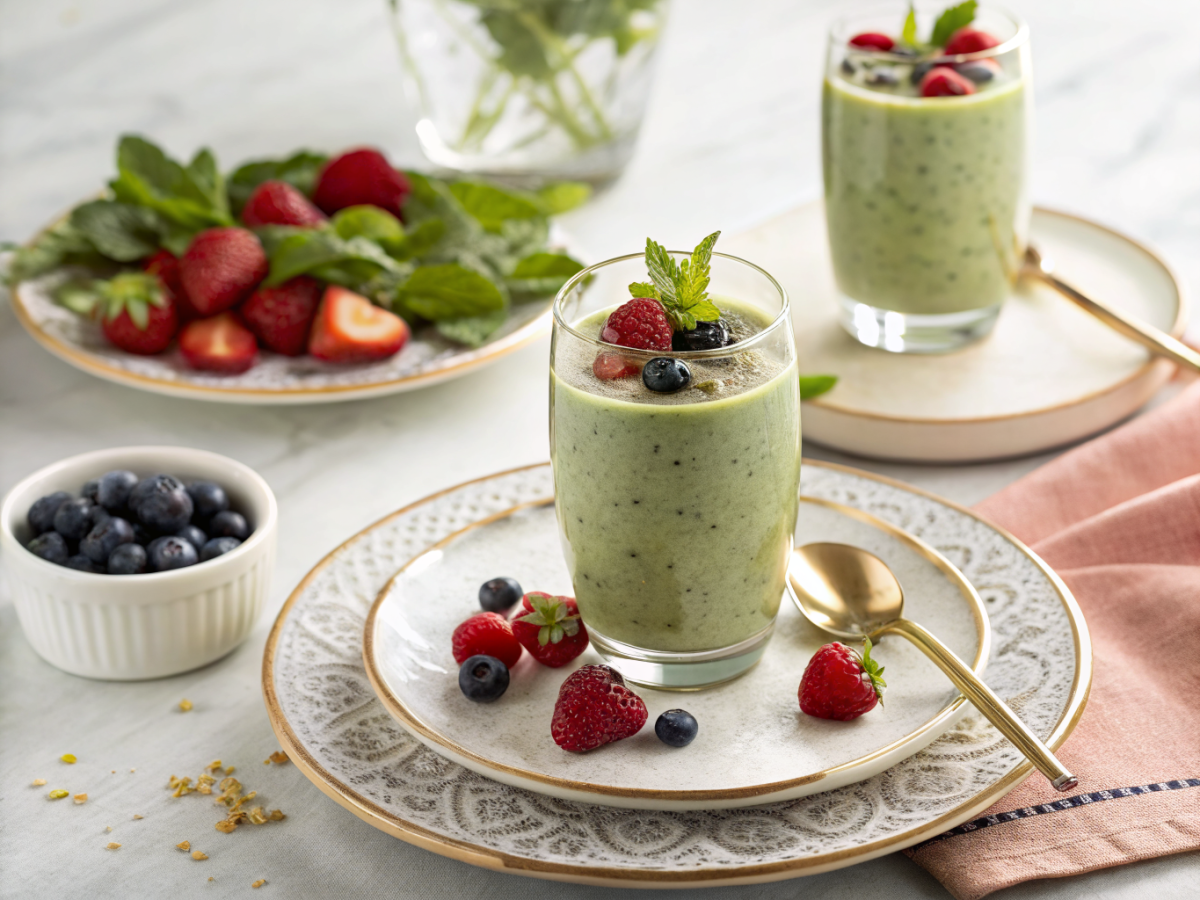
Gut Health Smoothie That Everyone Will Save
Ingredients
Method
- Gather all ingredients and ensure the banana and mango are frozen for a thick, creamy texture.
- Pour the kefir or Greek yogurt and coconut water into your blender first to help the blades move smoothly.
- Add the spinach, frozen banana, mango chunks, grated ginger, and ground flaxseed to the blender.
- Blend on high speed for 45-60 seconds until completely smooth and creamy, scraping down sides if needed.
- If the smoothie is too thick, add more coconut water or almond milk, one tablespoon at a time, and blend again.
- Taste and add honey if you prefer a sweeter smoothie, then blend briefly to combine.
- Pour into glasses, sprinkle with chia seeds if desired, and enjoy immediately for maximum probiotic benefits.
Nutrition
Notes
Tried this recipe?
Let us know how it was!Gut Health Smoothie: 5 Easy Tips in 10 Minutes
Creating the perfect gut-healthy smoothie doesn’t require exotic ingredients or complicated techniques. The key is combining probiotic-rich foods with prebiotic fibers that feed the beneficial bacteria in your digestive system. This smoothie takes just ten minutes to prepare and can become your daily ritual for better digestion.
Start with a high-quality probiotic base like kefir or Greek yogurt, which contains live cultures that colonize your gut. Add fiber-rich fruits like bananas and berries that provide the fuel these beneficial bacteria need to thrive. Finally, incorporate anti-inflammatory ingredients like ginger and turmeric to reduce gut inflammation and support overall digestive wellness.
The beauty of this recipe lies in its simplicity and effectiveness. You don’t need to spend hours researching supplements or expensive superfoods. Everything you need is likely already available at your local grocery store, making gut health accessible and affordable for everyone.
Why You’ll Love This Gut Health Smoothie
This smoothie stands out because it addresses multiple aspects of digestive health simultaneously. Unlike single-ingredient solutions, this comprehensive blend works synergistically to improve your gut microbiome, reduce inflammation, and enhance nutrient absorption. You’ll notice improvements in digestion, energy levels, and even mood within just a few days of regular consumption.
The taste is another major advantage that keeps people coming back. Many gut-health remedies taste medicinal or unpleasant, but this smoothie is naturally sweet and creamy. The combination of tropical fruits, creamy yogurt, and subtle spices creates a flavor profile that feels more like a treat than a health tonic.
It’s also incredibly versatile and fits seamlessly into any lifestyle. Busy professionals can prep ingredients the night before for a quick breakfast. Athletes appreciate the protein and recovery benefits. Parents love that even picky eaters enjoy drinking it, making family gut health easier to maintain.
The convenience factor cannot be overstated. One blender, five minutes of prep, and you have a complete meal or snack that supports your digestive system. No cooking required, minimal cleanup, and maximum nutritional benefit make this an ideal choice for anyone looking to improve their health without adding complexity to their routine.
Core Ingredients for Gut Health Smoothie
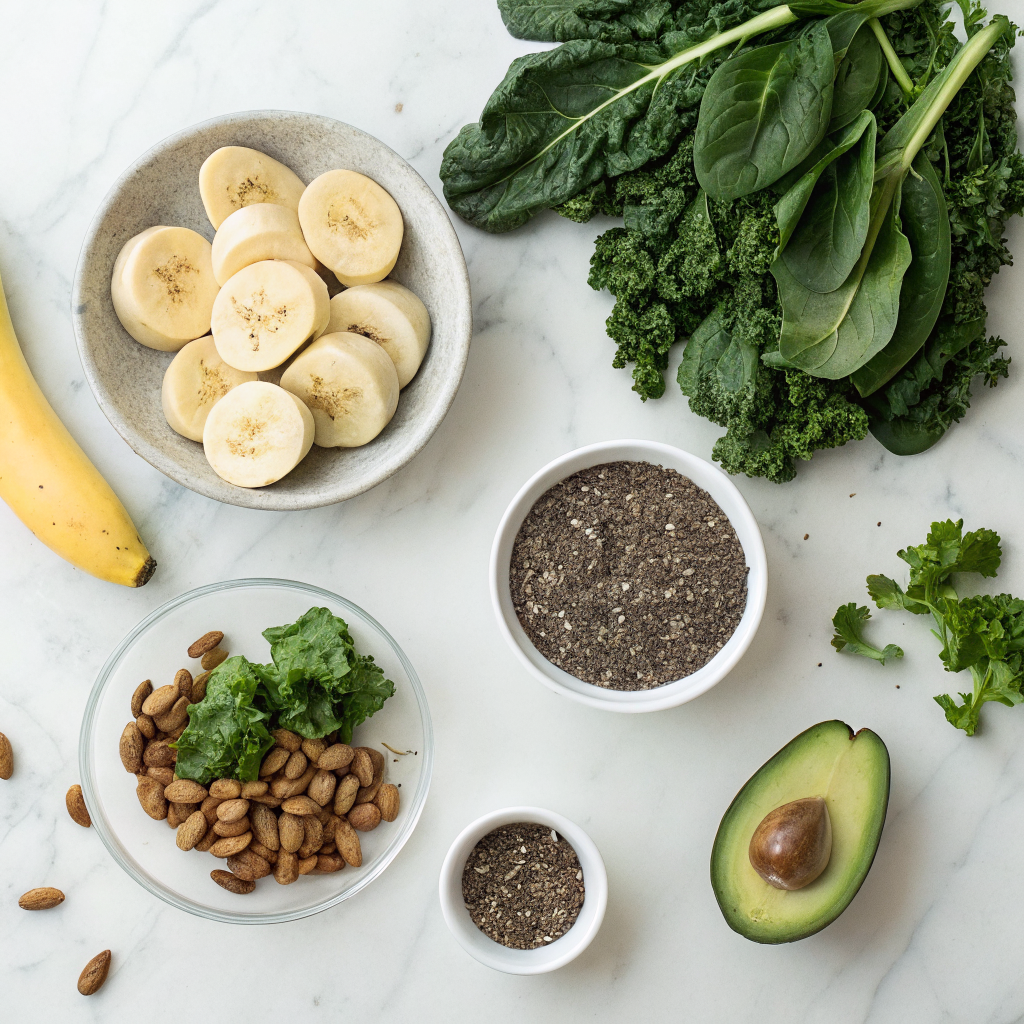
The foundation of this smoothie is probiotic-rich yogurt or kefir, which provides billions of beneficial bacteria strains. Choose plain, unsweetened varieties to avoid added sugars that can actually harm gut bacteria. Greek yogurt offers extra protein, while kefir provides a wider variety of probiotic strains and is easier to digest for those with lactose sensitivity.
Banana serves as both a prebiotic fiber source and natural sweetener. The resistant starch in slightly green bananas feeds beneficial gut bacteria, while ripe bananas provide quick energy and creamy texture. Bananas also contain pectin, a soluble fiber that helps regulate bowel movements and reduces inflammation in the digestive tract.
Frozen mixed berries deliver powerful antioxidants called polyphenols that promote the growth of beneficial bacteria. Blueberries, strawberries, and raspberries contain compounds that reduce gut inflammation and protect the intestinal lining. The fiber in berries also slows sugar absorption, preventing blood sugar spikes that can disrupt gut bacteria balance.
Fresh ginger is a potent anti-inflammatory ingredient that soothes digestive discomfort and stimulates digestive enzyme production. It helps reduce bloating, gas, and nausea while supporting the movement of food through your digestive system. Just a small piece goes a long way in both flavor and therapeutic benefits.
Ground flaxseed provides omega-3 fatty acids and additional fiber that supports gut lining health. These tiny seeds contain both soluble and insoluble fiber, promoting regular bowel movements and feeding beneficial bacteria. They also help reduce inflammation throughout the digestive tract and improve nutrient absorption.
Spinach or kale adds vitamins, minerals, and chlorophyll without affecting the taste significantly. These leafy greens contain compounds that support the mucus layer protecting your gut lining. They’re also rich in magnesium, which helps relax digestive muscles and prevent cramping.
Honey or maple syrup (optional) can be added for extra sweetness if needed. Raw honey contains prebiotics and enzymes that support digestion, though it should be used sparingly. Most people find the natural fruit sweetness sufficient, especially as their taste buds adapt to less sugar over time.
Liquid base options include unsweetened almond milk, coconut water, or filtered water. Coconut water provides electrolytes and natural sweetness, while almond milk adds creaminess and vitamin E. Choose whatever works best for your dietary preferences and desired consistency.
How to Make Gut Health Smoothie: Step-by-Step
Step 1: Prepare Your Ingredients. Gather all ingredients and measure them out before starting. If using fresh ginger, peel a one-inch piece and chop it roughly. Measure one cup of plain yogurt or kefir, one ripe banana, one cup of frozen mixed berries, one tablespoon of ground flaxseed, and one handful of spinach.
Step 2: Layer Ingredients Properly. Add liquid to your blender first to prevent the blades from struggling with thick ingredients. Pour in one cup of your chosen liquid base, followed by the yogurt or kefir. This creates a smooth blending environment and prevents air pockets that can leave chunks unblended.
Step 3: Add Soft Ingredients. Break the banana into chunks and add it to the blender along with the spinach or kale. These softer ingredients blend easily and help create a smooth texture. The banana’s natural pectin acts as a thickener, giving your smoothie a satisfying, milkshake-like consistency.
Step 4: Add Frozen and Hard Ingredients. Top with frozen berries, the chopped ginger, and ground flaxseed. Adding frozen ingredients last helps them blend more effectively as they’re pushed down into the liquid by the blender’s vortex. This layering technique ensures everything blends evenly without overworking your blender motor.
Step 5: Blend on Low, Then High. Start blending on low speed for 10-15 seconds to break down the larger pieces. Then increase to high speed and blend for 30-45 seconds until completely smooth. Stop and scrape down the sides if needed, then blend for another 10 seconds to ensure no chunks remain.
Step 6: Check Consistency and Adjust. Your smoothie should be thick but pourable, similar to a milkshake consistency. If it’s too thick, add liquid one tablespoon at a time and pulse to incorporate. If it’s too thin, add more frozen fruit or a few ice cubes and blend again briefly.
Step 7: Taste and Customize. Sample your smoothie and adjust sweetness if needed. If you prefer it sweeter, add a teaspoon of honey or a couple of pitted dates and blend again. Remember that as your gut health improves, you may find you need less sweetness as your taste preferences naturally shift.
Step 8: Serve Immediately. Pour into a glass and enjoy right away for maximum probiotic benefit and best texture. The live cultures in yogurt and kefir are most potent when fresh. If you must wait, store in the refrigerator for up to four hours, but give it a good stir before drinking as separation is natural.
Nutrition & Health Benefits
This smoothie provides approximately 250-300 calories per serving, making it an ideal breakfast or substantial snack. It contains 15-20 grams of protein from the yogurt or kefir, which supports muscle maintenance and keeps you feeling full for hours. The protein also helps stabilize blood sugar levels, preventing the energy crashes associated with high-sugar smoothies.
The probiotic content is perhaps the most significant benefit, delivering billions of beneficial bacteria to your digestive system. These microorganisms help break down food more efficiently, produce vitamins like B12 and K2, and strengthen your immune system. Regular consumption can reduce symptoms of irritable bowel syndrome, inflammatory bowel disease, and general digestive discomfort.
Fiber content ranges from 8-12 grams per serving, contributing significantly to the recommended daily intake of 25-35 grams. This combination of soluble and insoluble fiber promotes regular bowel movements, feeds beneficial gut bacteria, and helps eliminate toxins from your system. The fiber also slows digestion, providing sustained energy rather than quick spikes and crashes.
Anti-inflammatory compounds from ginger, berries, and leafy greens work together to reduce gut inflammation that contributes to leaky gut syndrome. Chronic inflammation in the digestive tract can lead to nutrient malabsorption, food sensitivities, and systemic health issues. The antioxidants in this smoothie help repair the gut lining and protect against oxidative stress.
Omega-3 fatty acids from flaxseed support the integrity of cell membranes throughout your digestive tract. These healthy fats reduce inflammation, improve nutrient absorption, and support the production of compounds that regulate gut motility. They also contribute to better brain health, as the gut-brain connection means improved digestion often leads to better mood and cognitive function.
The vitamin and mineral profile is impressive, with significant amounts of vitamin C, vitamin K, folate, potassium, and magnesium. These micronutrients support every aspect of digestive function, from enzyme production to muscle contractions that move food through your system. Many people notice improved energy levels as their bodies absorb nutrients more efficiently with better gut health.
Variations & Substitutions
Dairy-Free Version: Replace yogurt or kefir with coconut yogurt, cashew yogurt, or a high-quality dairy-free probiotic supplement mixed with coconut cream. These alternatives provide probiotics without dairy, though you may need to supplement with additional protein powder to match the protein content. Choose unsweetened varieties to keep sugar content low and gut-friendly.
Low-Sugar Option: Use half a banana instead of a whole one and increase the spinach or add cucumber for volume without sweetness. Replace berries with lower-sugar options like raspberries or blackberries, which still provide antioxidants but with less natural sugar. This version is ideal for those managing blood sugar issues or following a low-carb approach to gut healing.
Protein-Boosted Version: Add a scoop of collagen peptides or unflavored protein powder to increase protein content to 30+ grams per serving. Collagen specifically supports gut lining repair and can reduce symptoms of leaky gut syndrome. This variation works well as a post-workout recovery drink that also supports digestive health.
Tropical Twist: Substitute pineapple and mango for berries to create a tropical flavor profile while maintaining gut benefits. Pineapple contains bromelain, an enzyme that aids protein digestion and reduces inflammation. Mango provides additional prebiotic fiber and vitamin A, which supports the mucus membranes lining your digestive tract.
Green Goddess Version: Double the greens by using both spinach and kale, and add half an avocado for healthy fats and creaminess. This version is lower in sugar but higher in fiber and nutrients. The avocado provides additional anti-inflammatory compounds and makes the smoothie incredibly satisfying and filling.
Spice-Enhanced Option: Add a pinch of turmeric and black pepper for additional anti-inflammatory benefits. Turmeric contains curcumin, a powerful compound that reduces gut inflammation and supports liver detoxification. Black pepper increases curcumin absorption by up to 2000%, making this combination particularly effective for gut healing.
For those following specific dietary patterns, this smoothie adapts easily to detox-focused meal plans while maintaining its gut-health benefits. You can also explore nutritious dessert alternatives that complement a gut-healthy lifestyle.
Serving Suggestions
This smoothie works beautifully as a complete breakfast when paired with a small handful of nuts or a slice of whole-grain toast. The combination provides sustained energy throughout the morning while supporting digestive health from the moment you wake up. Many people find that starting their day with probiotics sets the tone for better food choices and digestion all day long.
As a post-workout recovery drink, this smoothie delivers protein for muscle repair and carbohydrates to replenish glycogen stores. The anti-inflammatory ingredients help reduce exercise-induced inflammation and support faster recovery. Drink it within 30 minutes after exercise for optimal nutrient absorption and muscle recovery benefits.
For an afternoon snack, this smoothie provides a satisfying alternative to sugary treats or caffeine. The natural sugars from fruit provide a gentle energy boost without the crash, while the protein and fiber keep you full until dinner. It’s particularly helpful for preventing the 3 PM energy slump that leads to poor food choices.
Consider making it part of your evening routine as a light dinner replacement, especially if you’re dealing with digestive issues that worsen at night. Consuming probiotics before bed allows them to work overnight when your digestive system is resting and more receptive to colonization. Many people notice improved sleep quality as their gut health improves, thanks to the gut-brain connection.
Serve it in a bowl with toppings like granola, coconut flakes, chia seeds, and fresh fruit to create a smoothie bowl. This presentation makes it feel more substantial and meal-like, perfect for leisurely weekend breakfasts. The additional toppings provide extra fiber, texture, and nutrients while making the experience more satisfying and Instagram-worthy.
For children, pour the smoothie into popsicle molds for a gut-healthy frozen treat that they’ll actually enjoy. This is an excellent way to introduce probiotics and vegetables to picky eaters without resistance. The frozen version is perfect for teething toddlers or as an after-school snack that parents can feel good about serving.
Common Mistakes to Avoid
Using Too Much Fruit: While fruit provides natural sweetness and fiber, excessive amounts can lead to sugar overload that actually feeds harmful bacteria. Stick to the recommended one banana and one cup of berries to maintain balance. If you need more volume, add more greens, cucumber, or liquid rather than additional fruit.
Choosing Sweetened Yogurt: Flavored yogurts often contain as much sugar as candy, which counteracts the gut-health benefits you’re trying to achieve. Always choose plain, unsweetened yogurt or kefir and add your own natural sweetness through fruit. Check labels carefully, as some “plain” yogurts still contain added sugars disguised under different names.
Blending Too Long: Over-blending can heat up your smoothie and potentially damage some of the beneficial probiotics and enzymes. Blend just until smooth, which should take no more than 60 seconds total. If you notice your smoothie feels warm, you’ve blended too long and should reduce blending time next time.
Not Rotating Ingredients: Using the exact same ingredients every single day can lead to food sensitivities and reduced gut bacteria diversity. Rotate between different types of berries, greens, and probiotic sources to expose your gut to a wider variety of beneficial compounds. Diversity is key to a healthy microbiome.
Adding Too Much Ginger: While ginger is beneficial, too much can be overwhelming and may cause heartburn in sensitive individuals. Start with a small piece (about half an inch) and gradually increase as your tolerance builds. You can always add more, but you can’t remove it once it’s blended in.
Drinking Too Quickly: Gulping down your smoothie prevents proper digestion and can lead to bloating and gas. Sip slowly, allowing your saliva to begin breaking down the nutrients before they reach your stomach. Taking 10-15 minutes to finish your smoothie maximizes nutrient absorption and digestive comfort.
Skipping the Healthy Fats: Fat-soluble vitamins in your smoothie need fat to be absorbed properly. If you’re using a fat-free liquid base, make sure to include flaxseed, avocado, or a small amount of nut butter. Healthy fats also improve satiety and help stabilize blood sugar levels.
Storage & Meal Prep Tips
Fresh is always best for maximum probiotic benefit, but you can prep ingredients in advance to save time. Create smoothie packs by portioning all ingredients except yogurt and liquid into freezer bags or containers. When ready to blend, simply dump the frozen pack into your blender with fresh yogurt and liquid for a quick smoothie in under two minutes.
If you must make the smoothie ahead of time, store it in an airtight glass jar in the refrigerator for up to 24 hours. Fill the container to the top to minimize air exposure, which can degrade nutrients and probiotics. Give it a good shake before drinking, as separation is natural and doesn’t indicate spoilage.
Freezing the complete blended smoothie is possible but will reduce the probiotic content significantly. The live cultures don’t survive freezing well, though the other nutrients remain intact. If you choose to freeze smoothies, consider adding a fresh probiotic supplement when you’re ready to drink it to restore the gut-health benefits.
Ground flaxseed should be stored in the refrigerator or freezer to prevent the oils from going rancid. Buy whole flaxseeds and grind them in small batches using a coffee grinder, or purchase pre-ground and use within a few weeks. Rancid flaxseed has a bitter, unpleasant taste and loses its nutritional benefits.
Keep frozen fruit on hand at all times to make smoothie preparation effortless. Buying frozen is often more economical than fresh and ensures you always have ingredients available. Frozen fruit is picked at peak ripeness and flash-frozen, often making it more nutritious than fresh fruit that’s been sitting in storage or transport for days.
Yogurt and kefir should be stored properly and used before the expiration date for maximum probiotic benefit. The live culture count decreases over time, so fresher is better. If you notice separation or a thin layer of liquid on top, simply stir it back in—this is whey and is completely normal and nutritious.
Batch-prep your greens by washing and portioning spinach or kale into individual servings. Store them in the refrigerator for up to three days or freeze them in portions for longer storage. Frozen greens work perfectly in smoothies and actually blend more smoothly than fresh, making them an excellent option for meal prep.
Final Thoughts on Gut Health Smoothie
Incorporating this Gut Health Smoothie into your daily routine is one of the simplest and most effective ways to support your digestive system. The combination of probiotics, prebiotics, fiber, and anti-inflammatory ingredients addresses gut health from multiple angles simultaneously. Within just a few days of regular consumption, most people notice improvements in digestion, energy levels, and overall well-being.
The beauty of this recipe lies in its flexibility and accessibility. You don’t need expensive supplements or hard-to-find ingredients to make a real difference in your gut health. Everything you need is available at any grocery store, and the preparation is so simple that it easily becomes a sustainable habit rather than a temporary health kick.
Remember that gut health is a journey, not a destination. Consistency matters more than perfection, so aim to enjoy this smoothie most days rather than stressing about having it every single day. As your gut microbiome improves, you’ll likely find that your cravings change, your digestion becomes more regular, and your overall health improves in ways you might not have expected.
The gut-brain connection means that improving your digestive health often leads to better mood, reduced anxiety, and improved mental clarity. Many people report feeling more emotionally balanced and mentally sharp after just a few weeks of prioritizing gut health. This smoothie is a delicious way to invest in both your physical and mental well-being with minimal effort.
Don’t be discouraged if you don’t see immediate dramatic results. Healing and rebalancing your gut microbiome takes time, especially if you’ve dealt with digestive issues for years. Most people notice subtle improvements within a week and more significant changes after 3-4 weeks of consistent consumption. Patience and persistence are key to long-term gut health success.
If you’re looking for more ways to support your health through nutrition, consider exploring protein-rich meal options that complement your gut-health journey. Building a complete nutritious diet around gut-friendly principles creates synergistic benefits that amplify your results.
Frequently Asked Questions
How often should I drink a Gut Health Smoothie?
For optimal results, aim to drink this smoothie 5-6 times per week, ideally at the same time each day to establish a routine. Daily consumption provides consistent probiotic support and helps maintain a balanced gut microbiome. However, even 3-4 times per week can provide noticeable benefits, so do what works best for your schedule and lifestyle.
Can I drink this smoothie if I’m lactose intolerant?
Yes, you can easily adapt this recipe for lactose intolerance by using kefir, which contains enzymes that break down most of the lactose, or by substituting dairy-free yogurt alternatives. Coconut yogurt and cashew yogurt with live cultures provide similar probiotic benefits without dairy. You can also use a high-quality probiotic supplement mixed with coconut cream as your base.
Will this smoothie help with bloating and gas?
This Gut Health Smoothie is specifically designed to reduce bloating and gas over time by rebalancing your gut bacteria and reducing inflammation. The ginger provides immediate soothing effects, while the probiotics and prebiotics work gradually to address the root causes of digestive discomfort. Most people notice reduced bloating within 1-2 weeks of regular consumption, though individual results vary.
What’s the best time of day to drink this smoothie?
Morning is ideal for most people, as consuming probiotics on an empty stomach allows them to pass through to your intestines more effectively. However, any time that fits your schedule works well—consistency matters more than timing. Some people prefer it as an afternoon snack or even a light evening meal. Experiment to find what works best for your body and routine.
For more culinary inspiration, visit AllRecipes.

passionate about high-protein, easy meal-prep recipes for busy lifestyles.