
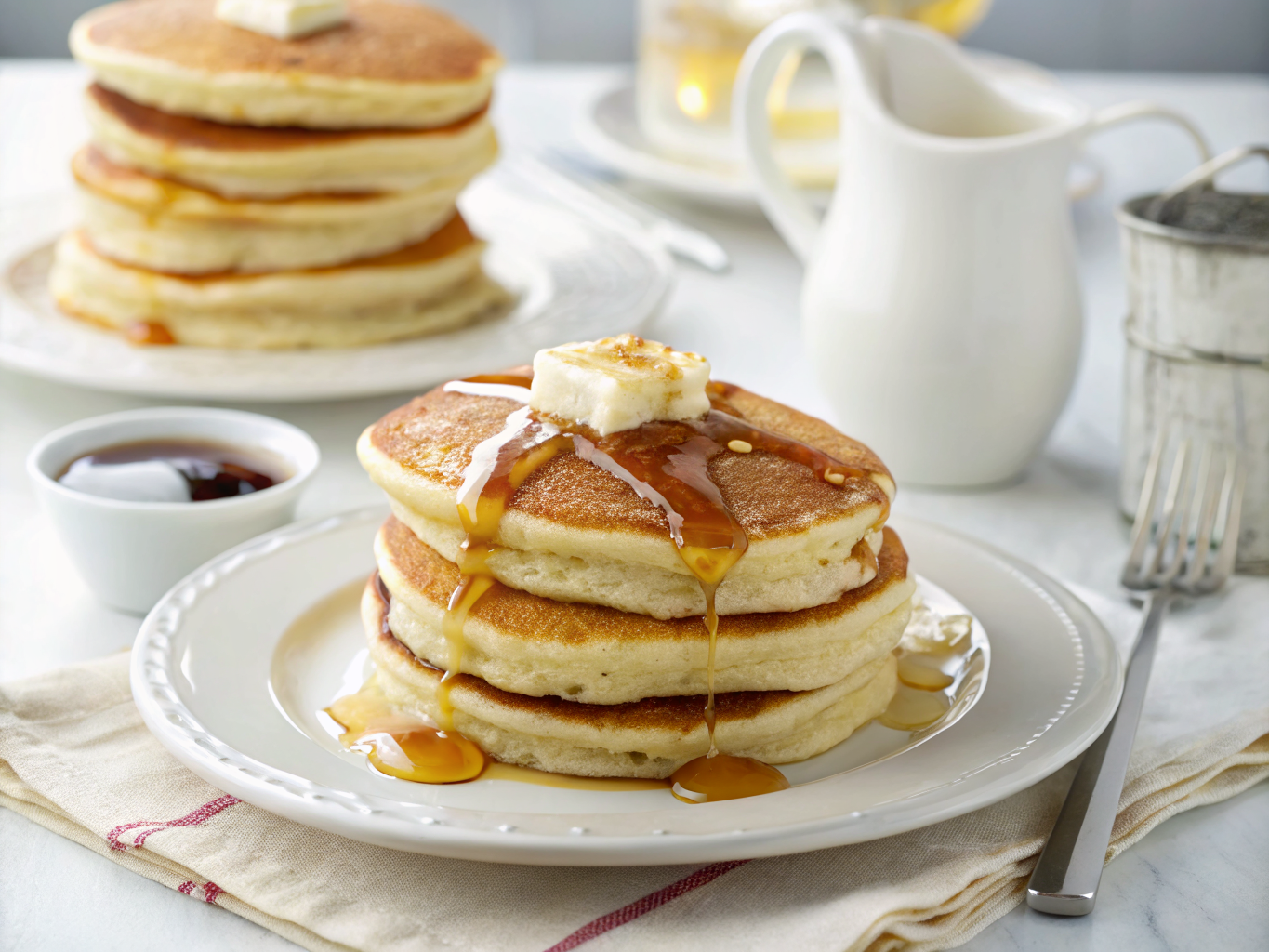
Fluffy Buttermilk Pancakes
Ingredients
Method
- In a large bowl, whisk together the flour, sugar, baking powder, baking soda, and salt.
- In a separate medium bowl, whisk together the buttermilk, melted butter, egg, and vanilla extract.
- Pour the wet ingredients into the dry ingredients. Stir just until combined; the batter should be lumpy. Do not overmix.
- Heat a lightly oiled griddle or large non-stick skillet over medium heat. Pour about 1/4 cup of batter per pancake onto the griddle.
- Cook for 2-3 minutes per side, or until golden brown and cooked through. Serve immediately with your favorite toppings.
Nutrition
Notes
Tried this recipe?
Let us know how it was!There’s nothing quite like waking up to the aroma of freshly made pancakes. But not just any pancakes – we’re talking about the kind that are impossibly light, tender, and melt-in-your-mouth delicious: Fluffy Buttermilk Pancakes. This isn’t just a recipe; it’s an exploration into the science and art of creating the perfect breakfast staple, ensuring every bite is a little cloud of buttery goodness. Prepare to transform your morning routine with these incredibly simple yet profoundly satisfying delights.
Thank you for reading this post, don't forget to subscribe!The Enduring Allure of Fluffy Buttermilk Pancakes
For generations, pancakes have held a special place at the breakfast table, symbolizing comfort, warmth, and the promise of a delightful start to the day. From sleepy weekend mornings to celebratory brunches, their versatility and universally loved appeal make them a timeless classic. While many variations exist, the Fluffy Buttermilk Pancake stands out for its unique tangy flavor and remarkable light texture, achieved through the magical interaction of simple ingredients.
The secret to their signature fluffiness lies in the buttermilk, which reacts with baking soda to create tiny air pockets, resulting in a tender, airy crumb. This chemical reaction is what elevates a good pancake to a truly extraordinary one. Understanding this fundamental principle is key to consistently achieving perfect results, no matter your level of culinary experience.
Why Buttermilk is Your Best Friend for Fluffy Pancakes
Buttermilk isn’t just for baking; it’s the star ingredient that sets these pancakes apart. Its acidity interacts with baking soda, producing carbon dioxide gas, which creates those lovely bubbles in the batter. These bubbles expand during cooking, giving your pancakes their signature light and airy texture. Without buttermilk, achieving that profound fluffiness would be a much harder task.
Beyond its leavening power, buttermilk also contributes a subtle tanginess that beautifully complements the sweetness of the syrup and other toppings. This nuanced flavor profile adds an extra layer of complexity, making these pancakes more sophisticated than their plain counterparts. If you’ve never used buttermilk in your baking before, prepare to be amazed by the difference it makes.
Core Ingredients: The Building Blocks of Perfection
Creating spectacular Fluffy Buttermilk Pancakes starts with selecting the right ingredients. Each component plays a crucial role in the final texture and taste. Don’t underestimate the impact of fresh, high-quality ingredients – they truly make a difference in the finished product.
For this recipe, you’ll need a handful of pantry staples. These include all-purpose flour, baking powder, baking soda, salt, granulated sugar, large eggs, melted unsalted butter, and of course, essential buttermilk. Gathering all your ingredients before you begin (mise en place) will make the cooking process smooth and enjoyable.
Selecting fresh eggs and good quality butter will significantly enhance the flavor. While all-purpose flour is standard, you can also experiment with a blend of whole wheat and all-purpose for a slightly heartier, nuttier flavor, though this may slightly alter the intended fluffiness. Ensure your baking powder and baking soda are fresh for optimal leavening power.
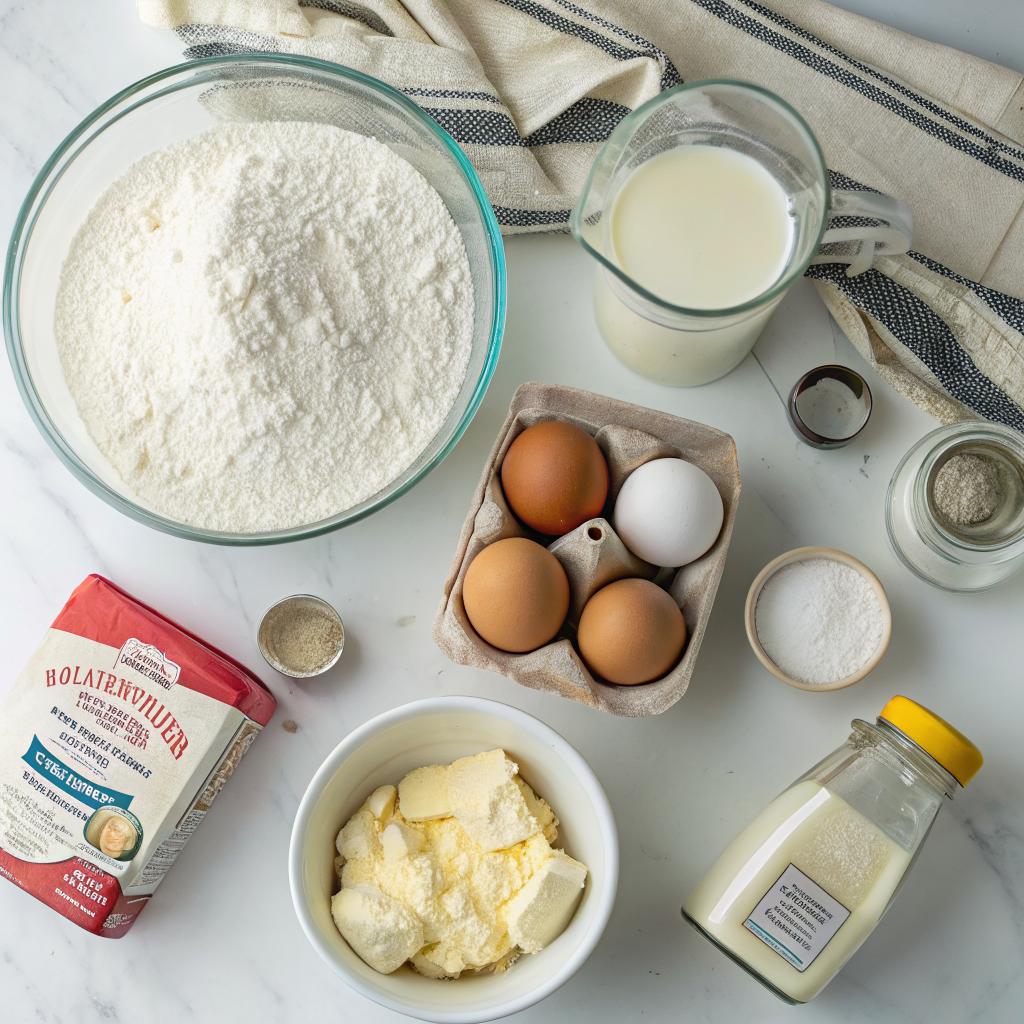
Detailed List of Ingredients:
- All-Purpose Flour: 1 ½ cups (180g) – The foundation of our pancakes, providing structure.
- Granulated Sugar: 2 tablespoons (25g) – Adds a touch of sweetness and aids in browning.
- Baking Powder: 1 tablespoon – This acts as a leavening agent, creating initial lift.
- Baking Soda: 1 teaspoon – Reacts with buttermilk for superior fluffiness.
- Salt: ½ teaspoon – Balances flavors and enhances sweetness.
- Large Eggs: 2, lightly beaten – Binds the ingredients and adds richness.
- Buttermilk: 1 ¼ cups (300ml) – The star ingredient for tang and lift.
- Unsalted Butter: 4 tablespoons (56g), melted – Adds richness and moisture. Plus more for greasing.
- Vanilla Extract: 1 teaspoon (optional but recommended) – Enhances overall flavor.
The Art of Mixing: Achieving the Perfect Batter Consistency
Mixing pancake batter isn’t just about combining ingredients; it’s about understanding how to create the ideal consistency for fluffy results. Overmixing is the enemy of light pancakes, developing the gluten in the flour too much and leading to a tough, chewy texture. The goal is to mix just until the wet and dry ingredients are incorporated, leaving a few lumps behind.
Start by whisking together all your dry ingredients in a large bowl. This ensures even distribution of baking powder, baking soda, and salt. In a separate bowl, combine the wet ingredients, including the buttermilk, eggs, melted butter, and vanilla extract if using. This two-bowl method is a cornerstone of good baking practices.
When combining the wet and dry mixtures, pour the wet into the dry and stir gently with a whisk or spoon. Stop as soon as most of the flour streaks disappear; a few small lumps are perfectly fine and even desirable. These lumps actually contain pockets of dry flour that will absorb moisture as the batter rests, contributing to a tender crumb. This technique is often referred to as “minimal mixing.”
Step-by-Step Instructions for Your Best Pancakes Yet
Follow these detailed steps to create the most incredible Fluffy Buttermilk Pancakes you’ve ever tasted. Precision and attention to detail will elevate your pancake game significantly.
Preparation:
- Gather Ingredients: Ensure all ingredients are at room temperature, especially the eggs and buttermilk. This helps them incorporate more smoothly into the batter.
- Melt Butter: Gently melt the unsalted butter and set aside to cool slightly. You don’t want to add hot butter to your eggs, as it could scramble them.
- Prepare Griddle/Pan: Heat a griddle or large non-stick frying pan over medium-low heat. You want it hot enough to cook evenly but not so hot that the outside burns before the inside cooks.
Mixing the Batter:
- Combine Dry Ingredients: In a large bowl, whisk together the all-purpose flour, granulated sugar, baking powder, baking soda, and salt until well combined. This ensures even distribution of leavening agents.
- Combine Wet Ingredients: In a separate medium bowl, whisk together the buttermilk, lightly beaten eggs, cooled melted butter, and vanilla extract (if using).
- Combine Wet and Dry: Pour the wet ingredients into the dry ingredients. Using a whisk or rubber spatula, mix gently until just combined. Do not overmix! A few lumps are perfectly normal and desirable for fluffy pancakes.
- Rest the Batter: Let the batter rest for 5-10 minutes. This allows the gluten to relax and the baking powder/soda to start working, leading to a more tender texture. This resting period is a crucial, often overlooked, step.
Cooking the Pancakes:
- Grease Griddle: Lightly brush the preheated griddle or pan with a little melted butter or oil. Excess butter can lead to greasy pancakes.
- Portion Batter: Pour ¼ cup (or a large spoon) of batter per pancake onto the hot griddle. Give each pancake enough space to spread slightly without touching.
- Cook First Side: Cook for 2-3 minutes, or until bubbles begin to form on the surface and the edges look set. The bubbles are a visual cue that the leavening agents are actively working and the pancake is cooking through.
- Flip Pancakes: Carefully flip each pancake with a spatula. Cook for another 1-2 minutes on the second side, or until golden brown and cooked through.
- Serve Immediately: Transfer cooked pancakes to a plate and serve warm. For serving multiple batches, you can keep them warm in a low oven (around 200°F/90°C) on a wire rack. Don’t stack them directly on top of each other right away, as this can make them steamy and less fluffy.
Tips and Tricks for Pancake Perfection
Every seasoned pancake maker has their secrets, and here are a few to help you achieve consistent greatness. These small adjustments can make a big difference in your final product.
- Don’t Overmix: This cannot be stressed enough. Lumpy batter makes fluffy pancakes, smooth batter makes tough pancakes. A slightly lumpy batter is a sign of success.
- Rest the Batter: A quick 5-10 minute rest allows the flour to fully hydrate and the leavening agents to begin their work, resulting in a lighter crumb. This step also allows the gluten to relax.
- Correct Griddle Temperature: Medium-low heat is usually best. If your griddle is too hot, the pancakes will burn on the outside before cooking through. If it’s too cool, they’ll be pale and won’t rise well. A good test is to flick a drop of water onto the surface; it should sizzle and evaporate within a second or two.
- Use Fresh Leavening Agents: Baking powder and baking soda lose potency over time. Check their expiration dates to ensure maximum leavening power. Stale leavening agents will result in flat pancakes.
- Buttermilk Substitute: If you don’t have buttermilk, you can make your own! Add 1 tablespoon of white vinegar or lemon juice to a measuring cup, then fill the rest with regular milk until it reaches 1 ¼ cups. Let it sit for 5 minutes until it curdles. While this works, true buttermilk still yields slightly better results. For health benefits of fermented foods like buttermilk, consider resources like Medical News Today on Fermented Foods.
- Don’t Press Pancakes: Resist the urge to press down on the pancakes with your spatula while they cook. This deflates them and makes them dense. Let them rise naturally.
- Keep Warm: If making a large batch, keep cooked pancakes warm in a single layer on a cooling rack set over a baking sheet in a low oven (around 200°F/90°C). This prevents them from becoming soggy.
Flavor Variations and Topping Ideas
While classic Fluffy Buttermilk Pancakes are divine on their own, they also serve as a perfect canvas for endless customization. Get creative with your flavor additions and toppings to truly make them your own.
Flavorful Add-Ins to the Batter:
- Blueberry Bliss: Gently fold in fresh or frozen blueberries (do not thaw frozen blueberries) into the batter just before cooking.
- Chocolate Chip Heaven: Add chocolate chips (mini or regular) to the batter for a sweet indulgence.
- Lemon Zest Brightness: Grate in the zest of one lemon for a subtle, refreshing citrus note.
- Spiced Delights: Incorporate ½ teaspoon of ground cinnamon or nutmeg for a warm, comforting flavor.
- Banana Nut: Fold in mashed ripe banana and chopped walnuts or pecans for a heartier, comforting pancake.
Decadent Topping Ideas:
- Classic Maple Syrup & Butter: The undisputed champion. Use real maple syrup for the best flavor.
- Fresh Berries & Whipped Cream: A colorful and refreshing combination.
- Fruit Compote: Homemade or store-bought berry, peach, or apple compote.
- Nutella or Chocolate Sauce: For a truly indulgent treat.
- Powdered Sugar: A simple, elegant finish.
- Chopped Nuts: Pecans, walnuts, or almonds for added crunch.
- Fried Eggs & Bacon: For a savory-sweet breakfast platter. Discover more healthy breakfast ideas on Healthline.
- Peanut Butter Drizzle: Warm up a little peanut butter for an easy, protein-rich drizzle.
Serving Suggestions: Beyond the Breakfast Plate
While undoubtedly a breakfast champion, Fluffy Buttermilk Pancakes can also be a delightful addition to other meals or occasions. Think outside the breakfast box!
Consider serving them as a light dessert with ice cream and fruit. They also make an unexpected and delicious brunch centerpiece, especially when paired with savory elements like crispy bacon or sausage. For more culinary inspiration, explore other recipes at Home Cook Legacy Recipes.
You can even make mini pancakes as a fun finger food for kids’ parties. The versatility of this simple dish is truly remarkable, allowing for creative applications throughout the day. A stack of these pancakes, even cold, can be a delightful snack. Learn more about healthy eating habits and incorporating treats into your diet from sources like Harvard Health Publishing.
Storage and Reheating
Fluffy Buttermilk Pancakes are best enjoyed fresh, but they can be stored and reheated for quick meals later. Proper storage ensures they retain their deliciousness.
Storage: Allow leftover pancakes to cool completely before storing. Place them in an airtight container or a freezer-safe bag, separated by parchment paper to prevent sticking. They will keep in the refrigerator for up to 3 days or in the freezer for up to 2 months. For more tips on food preservation, visit Home Cook Legacy’s Food Preservation Guide.
Reheating:
- Microwave: Reheat individual pancakes for 30-60 seconds until warm. This is the quickest method but can sometimes make them a little chewier.
- Toaster or Toaster Oven: For a crispier exterior, toast frozen or refrigerated pancakes until heated through and lightly golden. This method tends to maintain their fluffiness better.
- Oven: Place pancakes in a single layer on a baking sheet. Heat at 350°F (175°C) for 5-10 minutes, or until warm. This is great for reheating larger batches and helps them stay soft inside.
Common Pancake Pitfalls and How to Avoid Them
Even seasoned cooks can sometimes encounter issues with pancakes. Understanding common problems can help you troubleshoot and achieve perfect results every time.
- Flat Pancakes: Often due to inactive leavening agents (old baking powder/soda) or overmixing the batter. Ensure your leavening is fresh and mix gently.
- Gummy Pancakes: Usually a result of overmixing, which develops too much gluten. Stick to minimal mixing.
- Burnt Outside, Raw Inside: Your griddle temperature is too high. Reduce the heat and cook more slowly.
- Pale Pancakes: Griddle temperature is too low. Increase the heat slightly. Also, check if your sugar content is correct, as sugar aids in browning.
- Pancakes Sticking: Not enough grease on the griddle, or the griddle isn’t hot enough. Make sure to lightly grease between batches.
Chef’s Note
The beauty of Fluffy Buttermilk Pancakes lies in their simplicity and the magic of a few key ingredients. Don’t be afraid to experiment with flavor additions, but always respect the core principles of gentle mixing and correct griddle temperature. Practice makes perfect, and every batch contributes to your culinary mastery!
Embracing the Joy of Homemade Fluffy Buttermilk Pancakes
Embarking on the journey of making Fluffy Buttermilk Pancakes from scratch is more than just following a recipe; it’s an act of culinary creation that brings warmth and delight to any home. The process, from whisking the dry ingredients to watching those satisfying bubbles appear on the griddle, is an inherently rewarding experience. There’s a distinct satisfaction in transforming basic pantry staples into a stack of golden, ethereal wonders that are vastly superior to any store-bought mix.
Beyond the delicious outcome, the act of making pancakes can be a wonderfully mindful activity. The gentle rhythm of stirring, the careful measurement of ingredients, and the quiet observation of the batter as it cooks—these moments can provide a welcome respite from the rush of daily life. It’s an opportunity to engage all your senses: the inviting aroma of vanilla and butter, the visual delight of browning edges, and finally, the exquisite taste and tender texture. This engagement makes the experience truly special.
Furthermore, sharing a batch of homemade Fluffy Buttermilk Pancakes with loved ones creates cherished memories. Imagine the smiles across the breakfast table, the enthusiastic requests for more, and the compliments on their exceptional lightness. These are the moments that truly make cooking worthwhile, turning a simple meal into an occasion. It’s a wonderful way to show affection, providing nourishment not just for the body, but for the soul too.
So, next time you’re contemplating breakfast, consider taking a few extra minutes to whip up a batch of these extraordinary pancakes. You’ll find that the small amount of effort yields an immense return in flavor, satisfaction, and joy. It’s a culinary skill that once mastered, will bring endless delight and become a staple in your home cooking repertoire. Embrace the process, savor the results, and enjoy the pure, unadulterated pleasure of truly fluffy, utterly delicious buttermilk pancakes.
Frequently Asked Questions About Fluffy Buttermilk Pancakes
Q1: Can I make the batter ahead of time?
A1: While fresh batter yields the fluffiest results, you can prepare the dry ingredients and wet ingredients separately the night before. Combine them just before cooking. If you must mix the full batter ahead, store it in an airtight container in the refrigerator for no more than 12-24 hours. The pancakes may be slightly less fluffy due to the leavening agents being less active, but they will still be delicious.
Q2: My pancakes are always flat. What am I doing wrong?
A2: Flat pancakes are usually caused by two main issues: inactive leavening agents (baking powder or baking soda) or overmixing the batter. Ensure your leavening agents are fresh (check expiration dates) and remember to mix the batter only until the wet and dry ingredients are just combined, leaving a few lumps. Also, make sure your griddle isn’t too cool; proper heat is crucial for lift. Testing the freshness of baking soda by adding a bit to vinegar and looking for fizz is a good practice.
Q3: What’s the best way to get uniformly sized pancakes?
A3: For uniformly sized pancakes, use a measuring cup (like a ¼ cup) or an ice cream scoop to portion out your batter onto the griddle. This helps ensure each pancake is roughly the same size and cooks evenly. A consistent pour also helps with presentation.
Q4: How do I know when to flip the pancakes?
A4: Look for these key signs: bubbles forming on the surface of the pancake, especially around the edges, and the edges themselves appearing set and slightly dry. The center should still be a bit wet. When these conditions are met, it’s time to flip. Flipping too early can lead to a messy situation and undercooked pancakes, while flipping too late can result in burnt ones.
Q5: Can I use whole wheat flour instead of all-purpose?
A5: You can experiment with whole wheat flour, but it will result in a denser pancake due to its higher protein and fiber content. For a balance, try substituting up to half of the all-purpose flour with whole wheat flour. You might also need to add a tiny bit more buttermilk to maintain proper batter consistency, as whole wheat flour absorbs more liquid. Be aware that the texture will be a bit heartier than traditional fluffy buttermilk pancakes.
Q6: What if I don’t have buttermilk?
A6: You can easily make a buttermilk substitute at home. Add 1 tablespoon of white vinegar or lemon juice to a liquid measuring cup, then fill the rest with regular milk (dairy or non-dairy) until you reach 1 ¼ cups. Let it sit for 5-10 minutes until it curdles and thickens slightly. While this works well in a pinch, genuine buttermilk often provides a slightly better tang and contributes to a more tender crumb. The acidity of the substitute is still sufficient to react with the baking soda.
