
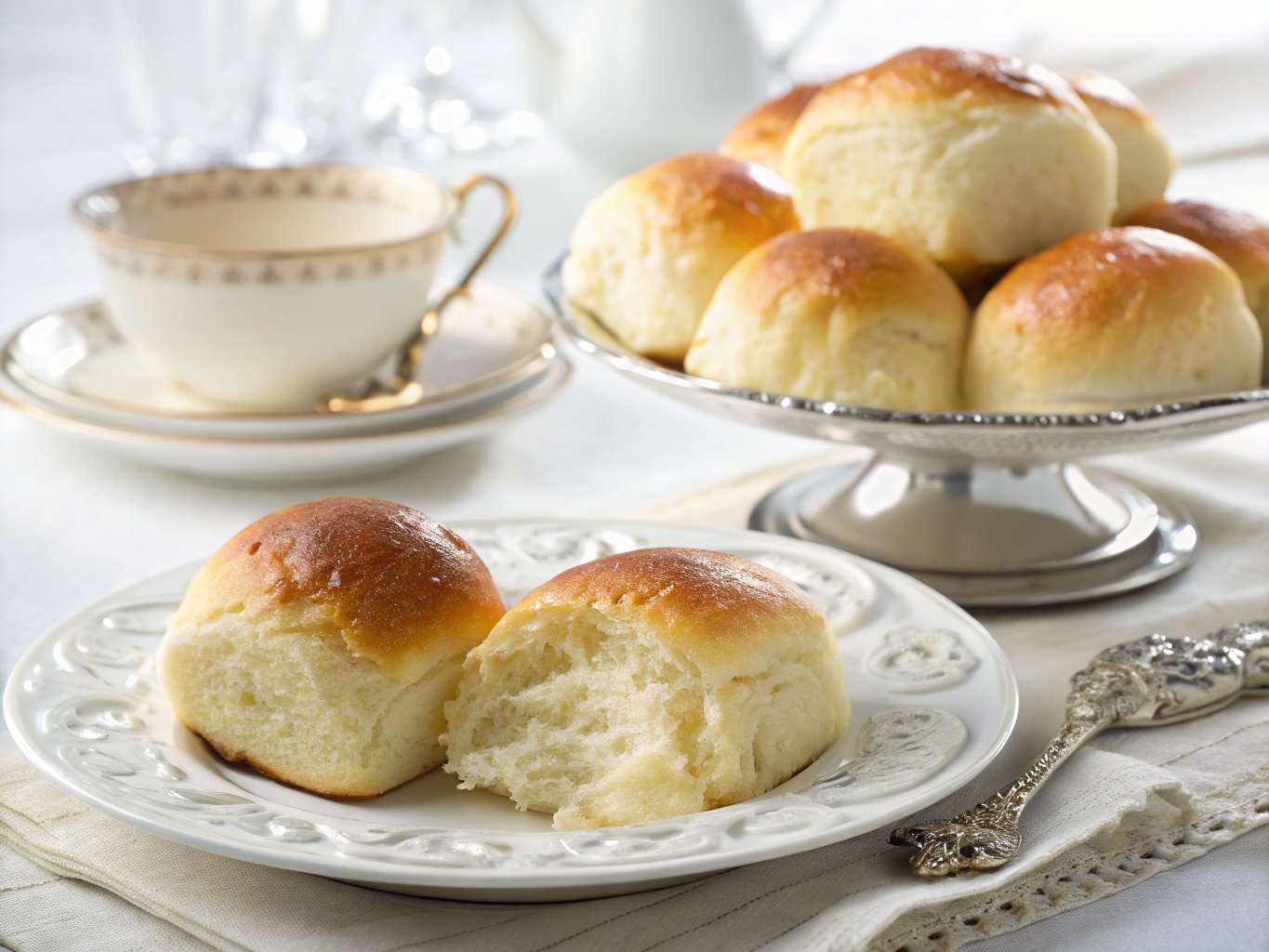
Soft Dinner Rolls
Ingredients
Method
- In a large bowl, combine warm milk, yeast, and 1 tablespoon of sugar. Stir gently and let sit for 5-10 minutes until foamy.
- Add the remaining sugar, egg, melted butter, flour, and salt to the yeast mixture. Mix until a shaggy dough forms, then knead on a lightly floured surface for 5-7 minutes until smooth and elastic.
- Place the dough in a lightly oiled bowl, cover with plastic wrap, and let rise in a warm place for 60-90 minutes, or until doubled in size.
- Gently punch down the dough and divide it into 12 equal pieces. Shape each piece into a smooth ball and arrange them in a greased 9x13 inch baking dish.
- Cover the baking dish and let the rolls rise again for 30-45 minutes, or until puffy.
- Preheat oven to 375°F (190°C). Bake for 15-20 minutes, or until golden brown. Brush with melted butter immediately after removing from the oven.
Nutrition
Notes
Tried this recipe?
Let us know how it was!There’s nothing quite like the aroma of freshly baked bread filling your kitchen. And when it comes to comfort food, few things can beat a basket of warm, fluffy, Soft Dinner Rolls. These golden, pillow-soft delights are a staple for any meal, from a simple weeknight dinner to a festive holiday feast. They’re incredibly versatile, perfect for soaking up gravies, accompanying a hearty stew, or simply enjoyed with a pat of butter.
Thank you for reading this post, don't forget to subscribe!This comprehensive guide will walk you through everything you need to know to master the art of making the best Soft Dinner Rolls recipe. We’ll delve into the science behind their irresistible texture, explore common pitfalls, and equip you with expert tips to ensure consistent success. Get ready to impress your family and friends with these homemade beauties!
Why Homemade Soft Dinner Rolls Trump Store-Bought
While store-bought dinner rolls offer convenience, they often fall short in flavor and texture. Homemade Soft Dinner Rolls, on the other hand, boast an unparalleled freshness and a melt-in-your-mouth quality that simply can’t be replicated. You control the ingredients, ensuring no artificial preservatives or unnecessary additives.
The process of baking bread from scratch is also incredibly rewarding. There’s a certain magic in watching dough transform from a simple mixture of ingredients into golden-brown perfection. Plus, the compliments you’ll receive will be well worth the effort!
The Science Behind Softness: Key Ingredients & Their Roles
Achieving that signature soft and airy texture in dinner rolls isn’t by chance; it’s a result of understanding the role each ingredient plays. Let’s break down the core components of our Soft Dinner Rolls recipe.
Flour: The Foundation
All-Purpose Flour: This is the workhorse of our recipe. With a moderate protein content, it provides enough gluten for structure without making the rolls tough. The gluten develops as you knead, creating a network that traps gas produced by the yeast, leading to that characteristic airy texture.
Yeast: The Leavening Agent
Active Dry Yeast: This microscopic fungus is responsible for the rise in your rolls. It feeds on sugars in the dough, producing carbon dioxide gas which inflates the gluten network. Proper yeast activation is crucial for a good rise.
Dairy: For Tenderness and Flavor
Milk: Warm milk not only activates the yeast but also contributes to the roll’s tenderness and rich flavor. The fats and sugars in milk help create a softer crumb. Using whole milk yields the best results, but 2% milk can also work.
Sweeteners: Fuel and Browning
Granulated Sugar: Sugar acts as food for the yeast, accelerating its activity. It also contributes to the beautiful golden-brown crust through the Maillard reaction during baking. A touch of sweetness also balances the savory notes.
Fats: For Moisture and Tenderness
Unsalted Butter: Melted butter is essential for a rich flavor and incredibly tender crumb. It coats the gluten strands, preventing them from forming too strong a network, thus ensuring a soft bite. It also adds a wonderful richness.
Salt: The Flavor Enhancer
Salt: While a small amount, salt is vital. It enhances the flavor of the entire roll and also regulates yeast activity, preventing it from over-proofing too quickly. Don’t skip or drastically reduce the salt!
Eggs: For Structure and Richness
Large Egg: Eggs add richness, structure, and a beautiful golden hue to the rolls. The proteins in the egg contribute to the overall strength of the dough. They also help keep the rolls moist longer.
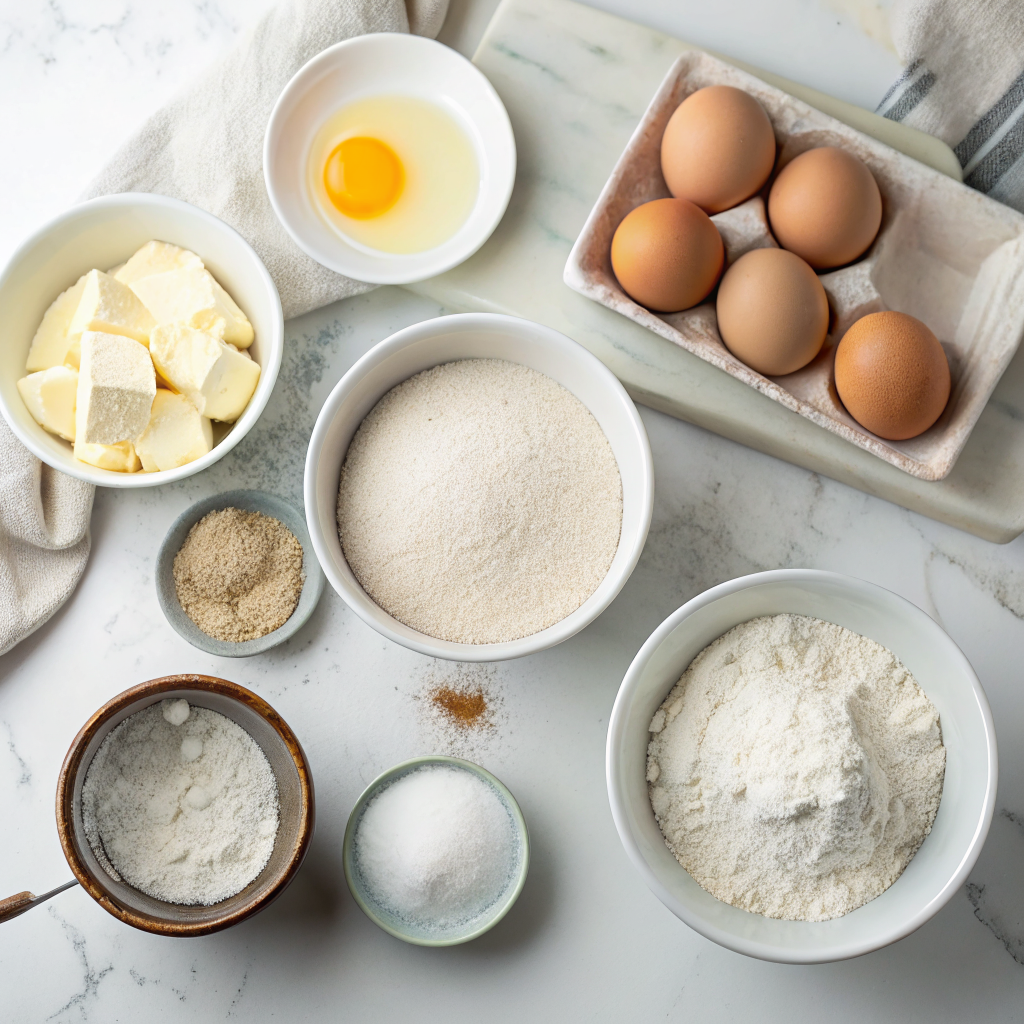
Core Ingredients for Your Soft Dinner Rolls Recipe
Before we dive into the step-by-step process, let’s gather our essential ingredients. Using fresh, high-quality ingredients will always yield the best results for your Soft Dinner Rolls recipe.
- 1 cup (240ml) warm milk (105-115°F / 40-46°C)
- 2 ¼ teaspoons (1 packet) active dry yeast
- ¼ cup (50g) granulated sugar, plus a pinch for yeast
- 1 large egg, at room temperature
- ¼ cup (56g) unsalted butter, melted and cooled slightly
- 1 teaspoon salt
- 3 ½ cups (420g) all-purpose flour, plus more for dusting
- 2 tablespoons unsalted butter, melted (for brushing)
Step-by-Step Guide to Baking Perfect Soft Dinner Rolls
Follow these instructions carefully, and you’ll be enjoying warm, pillowy Soft Dinner Rolls in no time. Precision is key in baking, especially with yeast dough.
Step 1: Activate the Yeast
In a large mixing bowl, combine the warm milk, a pinch of granulated sugar, and the active dry yeast. Stir gently and let it sit for 5-10 minutes until foamy. This bubbling indicates your yeast is alive and ready to work.
Step 2: Combine Wet Ingredients
Once the yeast is activated, whisk in the remaining ¼ cup of granulated sugar, the room-temperature egg, and the slightly cooled melted butter. Mix until well combined. The mixture should be a pale yellow and relatively smooth.
Step 3: Gradually Add Dry Ingredients
Add the salt and about half of the all-purpose flour to the wet mixture. Mix with a wooden spoon or a stand mixer with a dough hook on low speed until just combined. Gradually add the remaining flour, ½ cup at a time, until a shaggy dough forms. You may not need all the flour, or you might need a tiny bit more, depending on your environment.
Step 4: Knead the Dough
Turn the dough out onto a lightly floured surface. Knead by hand for 8-10 minutes, or with a stand mixer for 6-8 minutes, until the dough is smooth, elastic, and no longer sticky. It should spring back when lightly poked. This step is crucial for gluten development, which gives the rolls their structure and chew.
Step 5: First Rise (Bulk Fermentation)
Lightly grease a clean bowl with oil. Place the dough in the bowl, turning it once to coat. Cover the bowl with plastic wrap or a clean kitchen towel and let it rise in a warm, draft-free place for 1 to 1 ½ hours, or until doubled in size. A warm oven (turned off, but preheated slightly and then cooled) can be a good spot.
Step 6: Shape the Rolls
Gently punch down the risen dough to release the air. Turn it out onto a lightly floured surface. Divide the dough into 12-16 equal pieces, depending on your desired roll size. Shape each piece into a smooth ball by pulling the edges inwards and pinching them at the bottom. For extra smooth tops, roll them briefly between your palm and the counter in a circular motion.
Step 7: Second Rise (Proofing)
Arrange the shaped rolls in a lightly greased 9×13 inch baking dish, leaving a little space between them. Cover the dish with plastic wrap or a clean kitchen towel and let the rolls rise again in a warm, draft-free place for 30-45 minutes, or until puffy and almost doubled in size. This final rise is crucial for light, airy rolls.
Step 8: Preheat Oven & Bake
While the rolls are proofing for the second time, preheat your oven to 375°F (190°C). Once the rolls have risen, bake for 18-22 minutes, or until golden brown on top. The internal temperature should reach about 200°F (93°C) for fully cooked rolls.
Step 9: Butter & Serve
As soon as you remove the hot rolls from the oven, brush them generously with the remaining 2 tablespoons of melted butter. This adds flavor, creates a beautiful sheen, and helps keep the crust soft. Serve warm and enjoy your homemade Soft Dinner Rolls!
Expert Tips for Unbelievably Soft & Fluffy Rolls
Even with a great Soft Dinner Rolls recipe, little adjustments can elevate your results from good to extraordinary. These expert tips will help you achieve consistently perfect rolls.
- Don’t Skimp on Kneading: Proper kneading develops gluten, which is essential for the elastic texture that traps air and creates a soft crumb. Resist the urge to under-knead.
- Warm Environment for Rising: Yeast loves warmth. A warm, draft-free spot is ideal for rising. If your kitchen is cool, try placing the dough in a slightly warmed (then turned off) oven, or near a warm window.
- Don’t Over-Flour: Adding too much flour can result in dry, dense rolls. Only add enough flour during kneading to make the dough manageable and not overly sticky. The dough should still be soft and slightly tacky.
- Use Good Quality Ingredients: Fresh yeast, quality flour, and good butter make a difference. Expired yeast will lead to flat, unrisen rolls.
- The Milk Temperature Matters: Too hot milk will kill the yeast; too cold milk will inhibit its activity. Aim for 105-115°F (40-46°C).
- Brush with Butter: The melted butter bath after baking isn’t just for flavor; it keeps the crust soft and shiny. It also adds a beautiful golden finish.
- Evenly Shaped Rolls: Try to make your rolls roughly the same size for even baking. Uneven rolls will lead to some being overcooked while others are still doughy.
- Give Them Space: While most dinner rolls are baked “touching” to encourage soft sides, don’t overcrowd your pan too much during the second rise. They still need a little room to expand.
- Test for Doneness: Besides visible browning, tap the bottom of a roll; it should sound hollow. The internal temperature should be around 200°F (93°C). A food thermometer is a baker’s best friend.
- Patience is a Virtue: Don’t rush the rising times. The full development of yeast and gluten takes time, and rushing can lead to dense or bland rolls.
Variations & Add-ins for Your Soft Dinner Rolls
Once you’ve mastered the basic Soft Dinner Rolls recipe, feel free to experiment! Here are some ideas to customize your rolls:
- Garlic Herb Rolls: Mix in 1-2 teaspoons of dried herbs (such as parsley, oregano, or rosemary) and 1 teaspoon of garlic powder with the dry ingredients. Brush with garlic butter after baking.
- Cheesy Rolls: Fold in ½ cup of shredded cheddar or Parmesan cheese during the last minute of kneading.
- Sweet Rolls: Increase the sugar to ½ cup and add 1 teaspoon of vanilla extract. Brush with a simple glaze (powdered sugar and milk) instead of butter after baking.
- Whole Wheat Blend: For a slightly healthier roll, substitute ½ cup of the all-purpose flour with whole wheat flour. You might need a tiny bit more liquid.
- Everything Bagel Rolls: Brush the tops of the rolls with an egg wash before baking and sprinkle generously with everything bagel seasoning.
Serving Suggestions for Your Homemade Rolls
These Soft Dinner Rolls are incredibly versatile and pair beautifully with a wide array of dishes. Here are some of our favorite ways to enjoy them:
- Alongside a hearty soup or chili.
- As a side for roasted chicken, pot roast, or holiday turkey.
- To soak up delicious gravies and sauces.
- Split and filled with leftover pulled pork or chicken salad for mini sandwiches.
- With a generous smear of homemade jam or honey for breakfast.
- Simply warm with a pat of butter or a drizzle of olive oil.
Storage & Reheating
Leftover Soft Dinner Rolls, if there are any, can be stored properly to maintain their freshness.
At Room Temperature: Store cooled rolls in an airtight container or a Ziploc bag at room temperature for up to 2-3 days. They will lose a bit of their initial softness but will still be delicious.
Freezing: For longer storage, allow the rolls to cool completely. Place them in a freezer-safe bag, removing as much air as possible. Freeze for up to 2-3 months. Thaw at room temperature or reheat directly from frozen.
Reheating: To bring them back to life, wrap rolls loosely in foil and reheat in a 300°F (150°C) oven for 10-15 minutes, or until warmed through. You can also microwave them for 10-20 seconds for a quick warm-up, but be careful not to overcook, as this can make them tough. For a crispy exterior and soft interior, try slicing them and toasting them lightly.
The Joy of Baking Bread
Baking bread, especially something as comforting as Soft Dinner Rolls, is more than just following a recipe. It’s a therapeutic process, a connection to culinary traditions, and a wonderful way to bring warmth and deliciousness into your home. The aroma alone is enough to lift spirits.
Don’t be intimidated if you’re new to yeast baking. This Soft Dinner Rolls recipe is designed to be approachable and forgiving. With each batch, you’ll gain confidence and intuition. Soon, you’ll be effortlessly creating these delightful rolls, tailored to your own preferences.
We encourage you to embrace the process, make notes, and enjoy the journey of becoming a confident home baker. Share your creations with loved ones, and savor the moments around a table filled with your homemade baked goods. There’s a rich history to baking bread, as explored by resources like Home Cook Legacy, which shows how deeply rooted this practice is.
So, preheat your oven, gather your ingredients, and get ready to experience the pure joy of baking and sharing your very own Soft Dinner Rolls. Your kitchen (and your taste buds) will thank you!
Frequently Asked Questions About Soft Dinner Rolls
Q: My dough isn’t rising. What went wrong?
A: The most common culprit is inactive yeast. Ensure your milk was within the 105-115°F range. If it was too hot, it kills the yeast. If too cold, the yeast won’t activate. Also, your yeast might be old or expired. Always check the expiration date and ensure it foams effectively in the milk.
Q: Why are my rolls dense instead of fluffy?
A: Density can result from several factors. Undernourished yeast (not enough sugar or too cold an environment), under-kneading (insufficient gluten development), or over-flouring the dough can all lead to dense rolls. Also, punching down too aggressively after the first rise can compromise the delicate structure.
Q: Can I make the dough ahead of time?
A: Yes! After the first rise, you can punch down the dough, cover it tightly with plastic wrap, and refrigerate it for up to 24 hours. When ready to bake, remove it from the fridge, let it sit at room temperature for about 30-60 minutes, then proceed with shaping, second rise, and baking instructions.
Q: What’s the difference between active dry yeast and instant yeast?
A: Active dry yeast typically needs to be activated in warm liquid (like in our recipe), while instant yeast can be mixed directly with dry ingredients. For this Soft Dinner Rolls recipe, active dry yeast is specified, but you can often substitute instant yeast by reducing the amount slightly and skipping the activation step. One easy conversion is to use ¾ of the specified active dry yeast amount for instant yeast.
Q: Why are my rolls dry?
A: Dry rolls are usually caused by over-baking. Keep an eye on them towards the end of the baking time and remove them as soon as they are golden brown and cooked through. Too much flour during mixing or kneading can also contribute to a drier texture.
Q: Can I use whole wheat flour for this Soft Dinner Rolls recipe?
A: You can, but substituting all the all-purpose flour with whole wheat flour will result in a denser roll. Whole wheat flour has more bran, which cuts through gluten strands. For a softer texture, start by replacing no more than 1/2 to 1 cup of the all-purpose flour. You might also need a little extra liquid, as whole wheat flour absorbs more moisture.
Q: How do I get perfectly golden-brown tops?
A: The sugar in the recipe helps with browning. If your rolls are browning too quickly, you can loosely tent them with aluminum foil during the last part of baking. Brushing with melted butter immediately after baking also contributes to a beautiful sheen and helps keep the crust soft.
Q: My rolls didn’t rise enough during the second proofing. What then?
A: This indicates issues similar to the first rise – perhaps the environment was too cool, or the yeast was weak. Don’t bake them until they are noticeably puffy; otherwise, they will be dense. Give them more time in a warm spot, if possible.
