
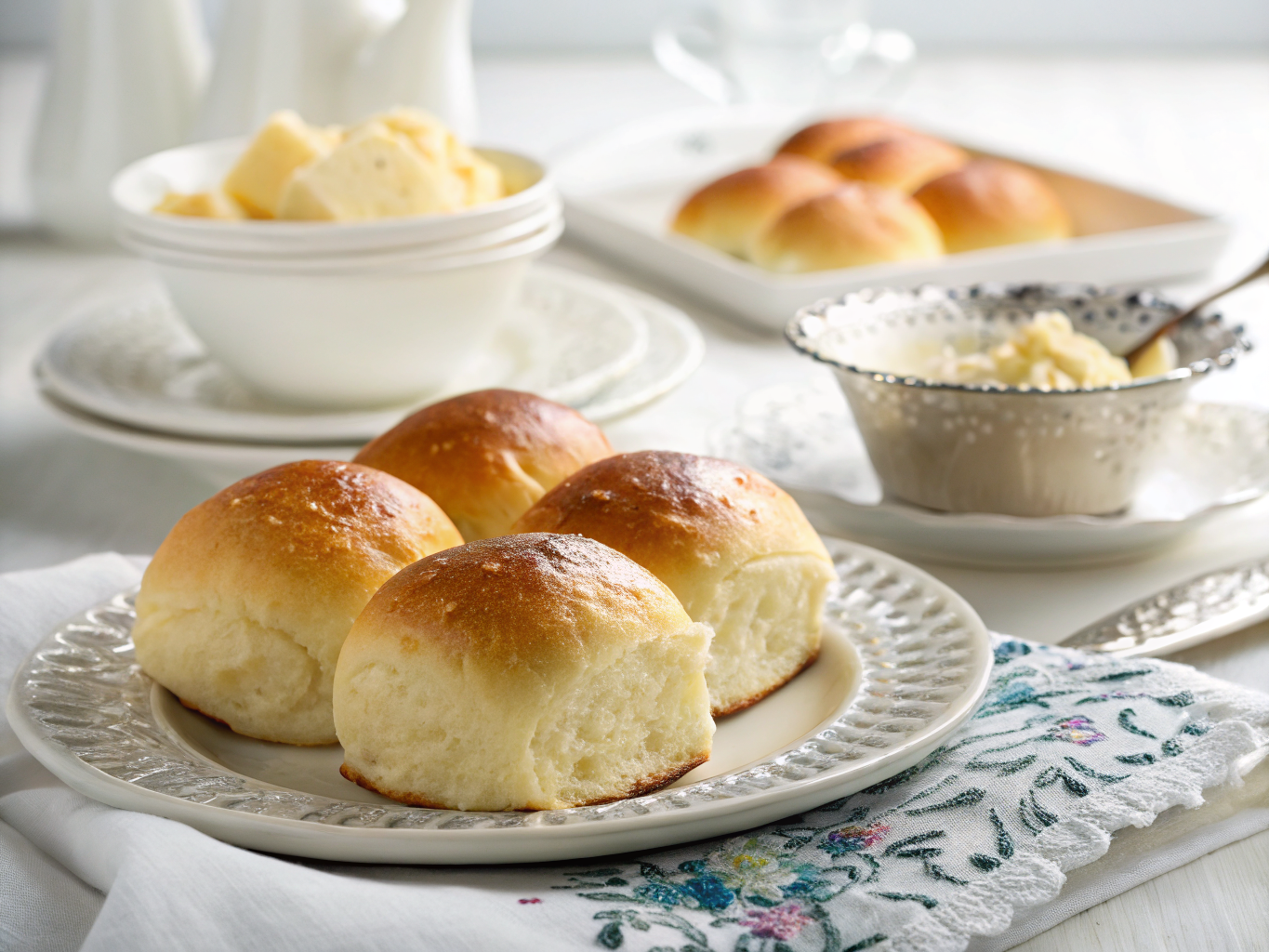
Soft Dinner Rolls
Ingredients
Method
- In a large bowl, combine warm milk, yeast, and sugar. Stir gently and let stand for 5-10 minutes until foamy.
- Add the egg and melted butter to the yeast mixture. Gradually add flour and salt, mixing until a soft dough forms.
- Turn dough onto a lightly floured surface and knead for 8-10 minutes until smooth and elastic. Place in a greased bowl, cover with a damp towel, and let rise in a warm place for 1 hour or until doubled in size.
- Punch down dough and divide into 12 equal pieces. Shape each piece into a smooth ball and place in a greased 9x13-inch baking pan, spacing evenly.
- Cover rolls with a towel and let rise for 30-45 minutes until puffy and touching each other.
- Preheat oven to 375°F. Bake rolls for 16-18 minutes until golden brown on top.
- Remove from oven and immediately brush tops with melted butter. Serve warm.
Nutrition
Notes
Tried this recipe?
Let us know how it was!There’s something magical about pulling apart a warm, pillowy soft dinner roll at the table. These homemade soft dinner rolls are cloud-like in texture, golden on the outside, and tender on the inside, making them the perfect addition to any meal. Whether you’re planning a holiday feast or simply want to elevate your weeknight dinner, this soft dinner rolls recipe will become your go-to bread basket staple.
Thank you for reading this post, don't forget to subscribe!The aroma of freshly baked rolls wafting through your kitchen is an experience that store-bought bread simply cannot match. With just a handful of basic ingredients and a little patience, you can create bakery-quality rolls that will have your family and guests reaching for seconds. This foolproof recipe delivers consistent results every time, with rolls that stay soft for days.
Why This Soft Dinner Rolls Recipe Works Every Time
This soft dinner rolls recipe has been tested and perfected to ensure success even for novice bakers. The secret lies in the precise ratio of ingredients and the careful attention to dough hydration, which creates that signature pillowy texture. Unlike many bread recipes that can be temperamental, this method is forgiving and produces consistently excellent results.
The combination of whole milk, butter, and eggs creates an enriched dough that yields incredibly tender rolls with a subtle sweetness. These ingredients work together to create a soft crumb structure that stays moist for days. The addition of a small amount of sugar feeds the yeast while contributing to the beautiful golden-brown crust that makes these rolls so visually appealing.
What sets this recipe apart is the technique of two rises, which develops flavor complexity while creating optimal texture. The first rise allows the gluten to develop properly, giving the rolls structure without toughness. The second rise after shaping ensures each roll becomes light and airy, with that perfect pull-apart quality that everyone loves.
Core Ingredients for the Perfect Soft Dinner Rolls
The foundation of any great soft dinner rolls recipe starts with high-quality ingredients that work in harmony. All-purpose flour provides the right protein content for structure without making the rolls too dense or chewy. Active dry yeast or instant yeast serves as the leavening agent, creating those beautiful air pockets that make the rolls so tender.
Whole milk adds richness and helps create a soft, tender crumb that you won’t get with water alone. The proteins and fats in milk contribute to both flavor and texture, making these rolls taste almost buttery. Unsalted butter adds moisture and richness while helping to create a tender texture that melts in your mouth.
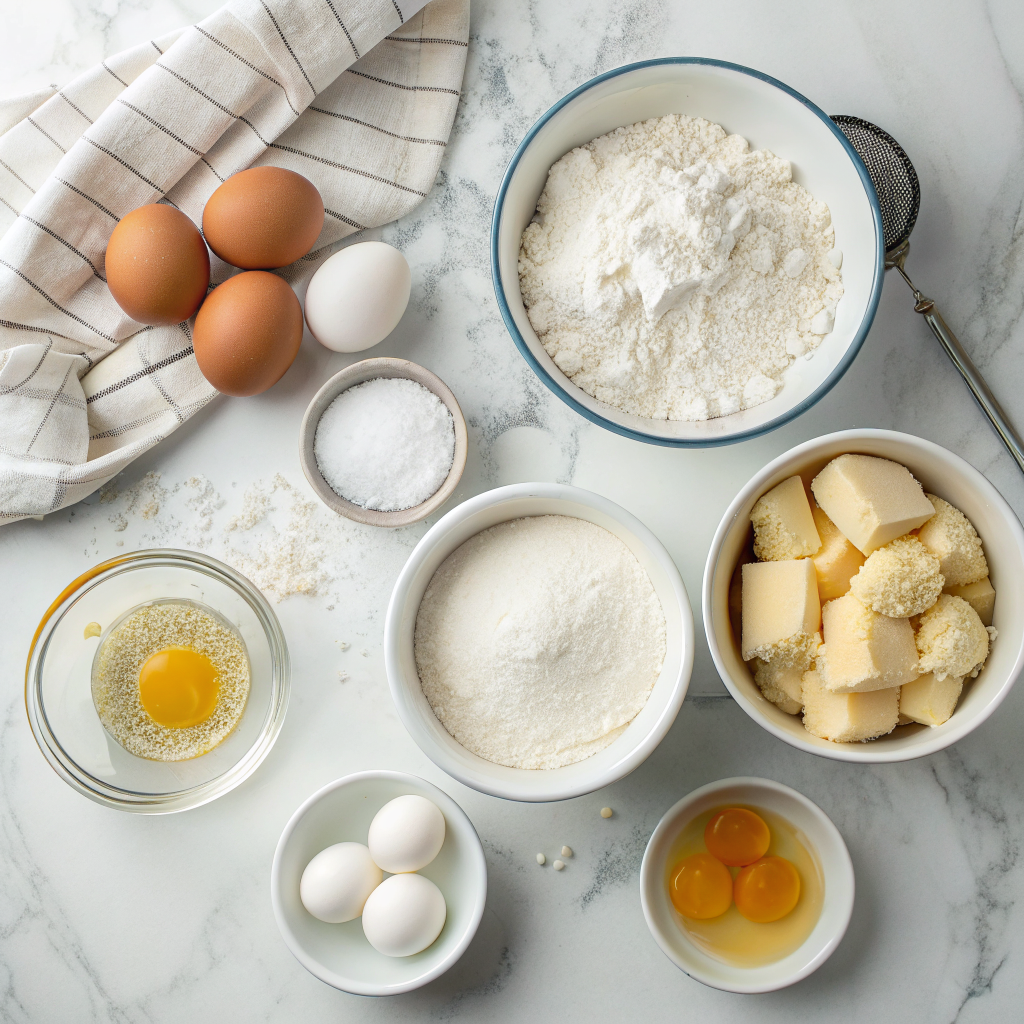
Eggs serve multiple purposes in this recipe, adding structure, color, and richness to the final product. Sugar provides food for the yeast and contributes to browning, while salt enhances all the flavors and controls yeast activity. According to research from Healthline, understanding ingredient functions helps bakers make informed decisions about their recipes.
Ingredient List and Measurements
- 4 cups all-purpose flour, plus extra for dusting
- 2¼ teaspoons active dry yeast (one standard packet)
- 1 cup whole milk, warmed to 110°F
- ¼ cup granulated sugar
- ⅓ cup unsalted butter, melted and slightly cooled
- 2 large eggs, room temperature
- 1 teaspoon salt
- 2 tablespoons melted butter for brushing
Step-by-Step Instructions for Making Soft Dinner Rolls
Creating perfect soft dinner rolls requires attention to detail but isn’t complicated when you follow the proper steps. The process begins with activating the yeast, which ensures your rolls will rise properly and develop optimal flavor. Take your time with each step, and you’ll be rewarded with professional-quality results.
Activating the Yeast
Begin by warming the milk to approximately 110°F, which is the ideal temperature for yeast activation without killing the organisms. Pour the warm milk into a large mixing bowl and sprinkle the yeast over the surface along with one tablespoon of the sugar. Let this mixture sit for 5-10 minutes until it becomes foamy and bubbly, which indicates the yeast is active and ready to work.
Mixing the Dough
Once your yeast is activated, add the remaining sugar, melted butter, eggs, and salt to the bowl. Whisk these ingredients together until well combined and the mixture appears uniform. Gradually add the flour one cup at a time, stirring with a wooden spoon or spatula until a shaggy dough forms that pulls away from the sides of the bowl.
Turn the dough out onto a lightly floured surface and begin kneading with your hands. Knead for 8-10 minutes until the dough becomes smooth, elastic, and slightly tacky but not sticky. If the dough feels too sticky, add flour one tablespoon at a time, but be careful not to add too much as this can make your rolls dense.
First Rise
Place the kneaded dough in a large greased bowl, turning it once to coat all sides with oil. Cover the bowl with a clean kitchen towel or plastic wrap and place it in a warm, draft-free location. Allow the dough to rise for 60-90 minutes or until it has doubled in size, which is crucial for developing flavor and texture.
Shaping the Rolls
After the first rise, punch down the dough to release the built-up gases and turn it out onto a lightly floured surface. Divide the dough into 16 equal pieces using a bench scraper or sharp knife for uniform rolls that bake evenly. To shape each roll, cup your hand over a piece of dough and roll it in a circular motion against the work surface, creating surface tension that helps the rolls maintain their shape during baking.
Arrange the shaped rolls in a greased 9×13-inch baking pan, spacing them about an inch apart so they have room to expand. For perfectly square pull-apart rolls, arrange them in four rows of four. Alternatively, you can use two 9-inch round pans for a different presentation.
Second Rise and Baking
Cover the shaped rolls loosely with a towel and let them rise for another 30-45 minutes until puffy and touching each other. While the rolls are rising, preheat your oven to 375°F so it’s ready when the rolls finish their second rise. This second rise is what gives the rolls their incredibly light and airy texture.
Once the rolls have completed their second rise, brush the tops gently with melted butter for a beautiful golden finish. Bake in the preheated oven for 18-22 minutes until the tops are golden brown and the internal temperature reaches 190°F. Remove from the oven and immediately brush with additional melted butter for extra softness and flavor.
Nutritional Information and Health Considerations
Understanding the nutritional profile of your soft dinner rolls recipe helps you incorporate them mindfully into a balanced diet. Each roll contains approximately 180-200 calories, making them a reasonable addition to most meals when enjoyed in moderation. The enriched dough provides carbohydrates for energy along with small amounts of protein and fat.
These rolls contain essential B vitamins from the flour and eggs, which support metabolism and energy production. The butter and milk provide vitamin A and calcium, contributing to bone health and immune function. According to Harvard School of Public Health, understanding carbohydrate sources helps maintain a balanced approach to nutrition.
While these rolls are a treat rather than a health food, they can be part of a balanced diet when paired with nutrient-dense foods. Consider serving them alongside vegetable-rich soups, lean proteins, and salads to create a well-rounded meal. For those looking to boost nutrition, you can substitute up to one cup of the all-purpose flour with whole wheat flour, though this will slightly change the texture.
Creative Variations on the Classic Recipe
Once you’ve mastered the basic soft dinner rolls recipe, experimenting with variations keeps things interesting and allows you to customize the rolls for different occasions. These modifications maintain the signature soft texture while adding new flavors and visual appeal. Small changes can transform these rolls from everyday bread to special occasion showstoppers.
Herb and Garlic Rolls
Incorporate two tablespoons of finely chopped fresh herbs like rosemary, thyme, or parsley into the dough during the mixing stage. Add two cloves of minced garlic to the melted butter used for brushing the rolls before and after baking. This variation pairs beautifully with Italian dishes and roasted meats, adding aromatic complexity that elevates any meal.
Sweet Honey Rolls
Replace the granulated sugar with honey for a more complex sweetness and slightly denser texture. Brush the finished rolls with a mixture of melted butter and honey for a glossy, sweet finish. These slightly sweeter rolls work wonderfully for breakfast service or alongside ham at holiday dinners.
Cheese-Stuffed Rolls
Create a surprise center by flattening each piece of dough, placing a small cube of cheddar or mozzarella in the center, and sealing the dough around it. Shape as directed and bake until golden, revealing a melted cheese center when pulled apart. This variation is especially popular with children and makes the rolls a more substantial addition to soups and salads.
Whole Wheat Dinner Rolls
Substitute up to half of the all-purpose flour with whole wheat flour for added fiber and nutrients. You may need to add an extra tablespoon or two of milk as whole wheat flour absorbs more liquid. These rolls have a nuttier flavor and denser texture while still maintaining a soft, tender crumb.
Perfect Serving Suggestions and Pairings
The versatility of this soft dinner rolls recipe makes them suitable for countless serving scenarios throughout the year. These rolls shine at holiday gatherings, where they can be served warm in a bread basket lined with a cloth napkin. The pull-apart nature makes them perfect for communal dining, encouraging conversation and sharing at the table.
Pair these rolls with hearty soups and stews for a comforting meal that’s perfect for cool weather. The soft texture makes them ideal for soaking up flavorful broths and gravies without falling apart. They also work beautifully alongside roasted chicken dinners or any meal where you’d traditionally serve bread.
Transform leftover rolls into slider buns for appetizers or casual gatherings by slicing them horizontally. They’re the perfect size for mini sandwiches filled with deli meats, cheese, and spreads. For breakfast, slice them and toast them lightly, then serve with butter and jam for a simple yet satisfying morning treat.
These rolls are essential for holiday tables, complementing traditional dishes like turkey, ham, and all the classic sides. Their neutral flavor profile means they won’t compete with other dishes while still adding that homemade touch that makes celebrations special. Consider making a double batch for large gatherings, as these rolls tend to disappear quickly.
Common Mistakes to Avoid When Making Dinner Rolls
Even experienced bakers can encounter issues when making bread, but understanding common pitfalls helps ensure success with your soft dinner rolls recipe. Temperature control is crucial throughout the process, from activating yeast to baking the final product. Using milk that’s too hot will kill the yeast, while milk that’s too cool won’t activate it properly, resulting in rolls that won’t rise.
Over-kneading or under-kneading both cause problems, though they manifest differently in the final product. Under-kneaded dough lacks structure and produces rolls that are dense and flat, while over-kneaded dough becomes tough and produces rolls with a chewy texture. The dough should feel smooth and elastic when properly kneaded, bouncing back when pressed with a finger.
Adding too much flour is perhaps the most common mistake that leads to dry, dense rolls instead of soft, pillowy ones. The dough should be slightly tacky to the touch but not sticky enough to leave residue on your hands. Remember that it’s easier to add more flour than to remove it, so add gradually and stop when the texture is right.
Rushing the rise times compromises both flavor and texture, resulting in rolls that are dense and lack the characteristic lightness. Yeast needs time to work its magic, producing the gases that create air pockets and developing the complex flavors that make homemade bread special. If your kitchen is cool, the rises may take longer than specified, and that’s perfectly fine.
Overbaking dries out the rolls and creates a thick, hard crust that’s far from the soft exterior you’re aiming for. Check the rolls a few minutes before the minimum baking time, looking for a golden brown color rather than deep brown. An instant-read thermometer is helpful, with the internal temperature reaching 190°F when properly baked.
Storage Tips and Reheating Methods
Proper storage ensures your soft dinner rolls maintain their texture and flavor for several days after baking. Once the rolls have cooled completely to room temperature, store them in an airtight container or resealable plastic bag. They’ll stay soft at room temperature for 2-3 days, making them perfect for meal prep or baking ahead for gatherings.
For longer storage, freeze the rolls in a freezer-safe bag with as much air removed as possible. They’ll maintain quality for up to three months in the freezer, providing you with homemade bread whenever you need it. To freeze, you can wrap them individually in plastic wrap first, then place all wrapped rolls in a larger freezer bag for extra protection against freezer burn.
Reheating frozen rolls is simple and restores much of their fresh-baked texture and warmth. Thaw frozen rolls at room temperature for about an hour, or thaw them overnight in the refrigerator for morning use. Once thawed, wrap the rolls in aluminum foil and warm them in a 300°F oven for 10-12 minutes until heated through.
For refreshing rolls that have been stored at room temperature, the microwave offers a quick solution though the oven provides better results. Wrap a roll in a damp paper towel and microwave for 10-15 seconds to restore softness. Alternatively, wrap the rolls in foil and warm them in a 300°F oven for 5-7 minutes for results closer to fresh-baked.
Expert Tips and Additional Resources
Mastering this soft dinner rolls recipe opens the door to exploring other bread-baking techniques and recipes. Consider investing in a kitchen scale for more precise measurements, as weight measurements are more accurate than volume measurements in baking. A digital instant-read thermometer helps you monitor temperatures for both yeast activation and determining doneness.
Creating the ideal rising environment can be challenging in cool kitchens, but several methods work well. Turn your oven on for just one minute, turn it off, and place the covered dough inside for a consistently warm, draft-free environment. Alternatively, place the covered bowl near a warm appliance or in a sunny window, though be careful not to let the dough get too warm.
