
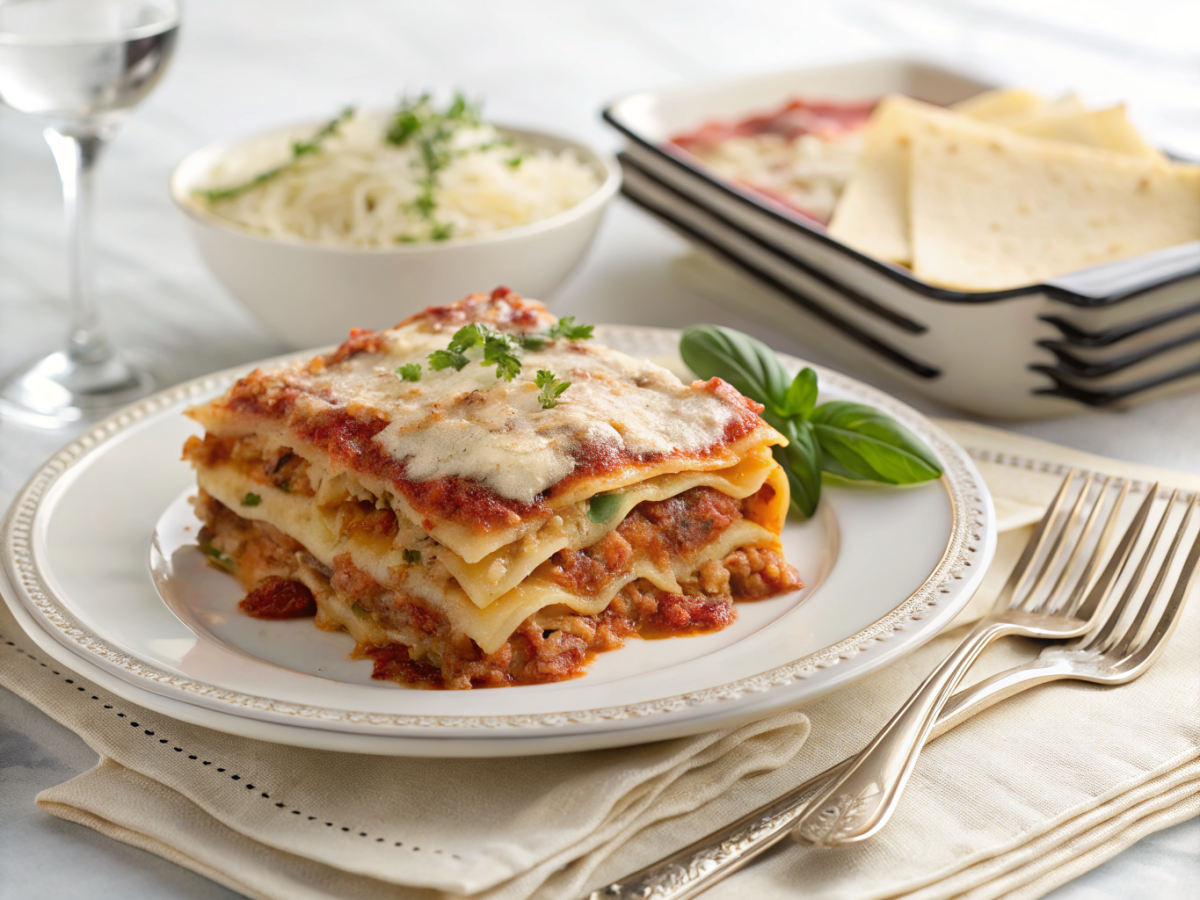
Easy Dumpling Lasagna
Ingredients
Method
- Preheat oven to 375 degrees F. Spray a 9x13 inch baking dish with cooking spray and set aside.
- In a large skillet over medium-high heat, brown the ground beef until fully cooked, about 6-8 minutes. Drain excess fat. Stir in marinara sauce and Italian seasoning. Simmer for 5 minutes.
- In a medium bowl, combine ricotta cheese, 1 cup mozzarella cheese, Parmesan cheese, beaten egg, and garlic powder. Mix until well combined.
- Spread one-third of the meat sauce on the bottom of prepared baking dish. Arrange half of the thawed dumplings in a single layer over the sauce. Spread half of the cheese mixture over dumplings. Repeat layers once more.
- Spread remaining meat sauce over the top layer. Sprinkle with remaining 1 cup mozzarella cheese. Cover with aluminum foil.
- Bake covered for 30 minutes. Remove foil and bake for an additional 15 minutes until cheese is melted and bubbly.
- Let the dumpling lasagna rest for 10 minutes before slicing. This allows the layers to set and makes serving easier. Garnish with fresh basil if desired.
Nutrition
Notes
Tried this recipe?
Let us know how it was!Dumpling Lasagna: 5 Easy Tips for Perfect Results
Creating the perfect dumpling lasagna starts with understanding a few key techniques that will elevate your dish from good to extraordinary. The first tip is to ensure your dumpling dough is neither too wet nor too dry, as this affects how well it layers and bakes. Second, don’t skip the resting time for your dough, as this allows the gluten to relax and makes rolling much easier.
Third, layer your ingredients evenly to ensure every bite has the perfect balance of flavors and textures. Fourth, use a combination of cheeses for depth of flavor—mozzarella for stretch, ricotta for creaminess, and parmesan for that sharp, salty kick. Fifth, let your lasagna rest for at least 10 minutes after baking so the layers set properly and you get clean, beautiful slices.
Temperature control is crucial when working with dumpling-based layers. If your oven runs too hot, the dumplings may dry out before the cheese melts properly. A moderate temperature around 375°F allows everything to cook evenly while developing that golden, bubbly top everyone loves.
Why You’ll Love This Dumpling Lasagna
This recipe transforms dinner time into something special without requiring advanced cooking skills or hours in the kitchen. The dumpling layers provide a tender, pillowy texture that’s distinctly different from traditional pasta sheets. It’s comfort food that feels both familiar and excitingly new at the same time.
The versatility of this dish means you can adapt it to whatever ingredients you have on hand or dietary preferences you need to accommodate. From vegetarian versions packed with roasted vegetables to hearty meat-filled options, the basic framework supports endless creativity. Plus, it’s an excellent make-ahead meal that actually tastes better the next day as the flavors meld together.
Budget-conscious cooks will appreciate how this recipe stretches ingredients to feed a crowd without breaking the bank. The dumpling base is made from simple pantry staples, and you can use whatever sauce and fillings fit your budget. It’s the kind of recipe that makes you look like a culinary genius while being surprisingly forgiving to prepare.
Families with picky eaters often find this dish to be a winner because the familiar flavors are presented in an approachable way. Kids who might turn their noses up at traditional lasagna often enjoy the softer texture of the dumpling layers. The interactive nature of layering also makes it a fun recipe to prepare together with children who want to help in the kitchen.
Core Ingredients for Dumpling Lasagna
The dumpling dough forms the foundation of this recipe and requires just flour, eggs, milk, and a pinch of salt. All-purpose flour works perfectly, though you can experiment with bread flour for a chewier texture. The ratio of wet to dry ingredients is crucial for achieving dumplings that hold their shape while remaining tender after baking.
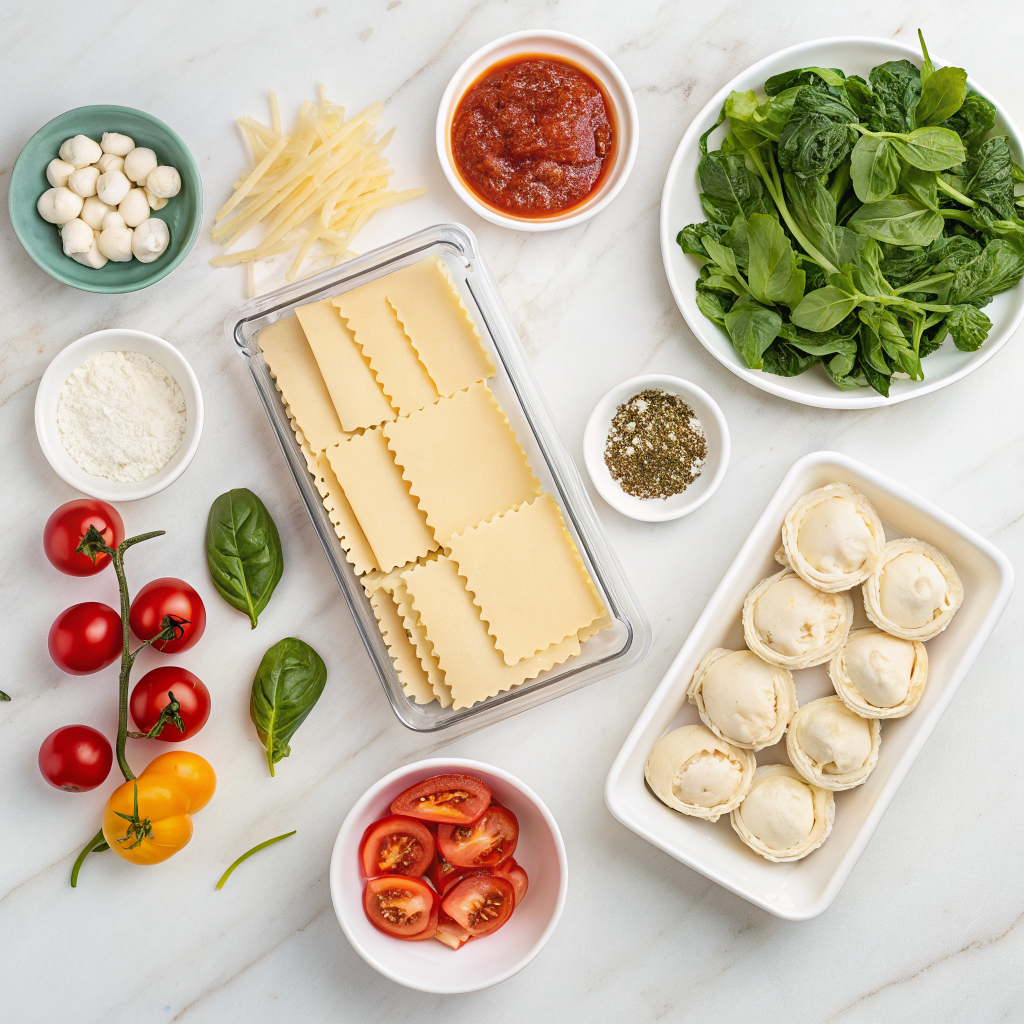
For the filling, you’ll need ground beef or Italian sausage, though ground turkey or plant-based alternatives work beautifully too. Onions and garlic provide the aromatic base that gives depth to your sauce. Fresh herbs like basil and oregano bring brightness, while dried Italian seasoning offers convenience without sacrificing flavor.
The cheese mixture is where magic happens—ricotta provides creaminess, mozzarella gives you that coveted cheese pull, and parmesan adds nutty, salty notes. An egg mixed into the ricotta helps bind everything together and creates a more cohesive layer. Don’t skimp on quality cheese here, as it truly makes a difference in the final result.
Your sauce can be as simple as a good-quality jarred marinara or a homemade tomato sauce simmered with San Marzano tomatoes. A splash of red wine adds complexity, though it’s entirely optional. Tomato paste intensifies the tomato flavor and helps thicken the sauce to the perfect consistency for layering.
Essential Ingredients List
- 3 cups all-purpose flour
- 3 large eggs
- 1 cup whole milk
- 1 teaspoon salt
- 1 pound ground beef or Italian sausage
- 1 medium onion, diced
- 4 cloves garlic, minced
- 24 ounces marinara sauce
- 15 ounces ricotta cheese
- 3 cups shredded mozzarella cheese
- 1 cup grated parmesan cheese
- 1 egg (for cheese mixture)
- 2 tablespoons fresh basil, chopped
- 1 tablespoon Italian seasoning
- Salt and pepper to taste
How to Make Dumpling Lasagna: Step-by-Step
Begin by preparing your dumpling dough, which is simpler than traditional pasta dough and doesn’t require kneading. In a large mixing bowl, whisk together the flour and salt. Create a well in the center and add the eggs and milk, then gradually incorporate the flour from the edges until a shaggy dough forms.
Mix until just combined—overmixing will result in tough dumplings. The dough should be slightly sticky but hold together when pressed. Cover the bowl with plastic wrap and let it rest at room temperature for 20 minutes while you prepare the other components.
For the meat sauce, heat a large skillet over medium-high heat and brown your ground meat, breaking it into small crumbles. Once browned, drain excess fat and add the diced onion, cooking until softened and translucent. Add minced garlic and cook for another minute until fragrant, being careful not to burn it.
Stir in your marinara sauce and Italian seasoning, then reduce heat to low and let it simmer while you prepare the cheese mixture. This dinner recipe benefits from allowing flavors to meld for at least 10 minutes. Season with salt and pepper to taste, remembering that the cheeses will add saltiness too.
In a separate bowl, combine ricotta cheese, one egg, half of the parmesan, chopped basil, and a pinch of salt and pepper. Mix thoroughly until smooth and creamy. This mixture should be spreadable but not runny—if it seems too thick, add a tablespoon of milk to loosen it.
Now comes the assembly, which is where this dish truly comes together. Preheat your oven to 375°F and grease a 9×13-inch baking dish. Spread a thin layer of meat sauce on the bottom to prevent sticking and add moisture to the bottom dumpling layer.
For the dumpling layers, drop spoonfuls of the dumpling dough to create the first layer, spacing them slightly apart as they’ll expand during baking. You don’t need to roll out the dough—the rustic, dropped approach is part of this dish’s charm. Gently spread or press the dough to create a relatively even layer with minimal gaps.
Spread half of the ricotta mixture over the dumpling layer, followed by a third of the remaining meat sauce and a generous sprinkle of mozzarella. Repeat this layering process: dumplings, ricotta mixture, meat sauce, and mozzarella. For the final layer, add remaining dumplings, top with the last of the meat sauce, and finish with remaining mozzarella and parmesan.
Cover the baking dish tightly with aluminum foil, making sure it doesn’t touch the cheese. Bake covered for 35 minutes, then remove the foil and bake for an additional 15-20 minutes until the cheese is golden and bubbly. The dumplings should be cooked through and tender when pierced with a knife.
Allow the lasagna to rest for 10-15 minutes before cutting. This resting period is essential for the layers to set and makes serving much neater. The internal temperature should reach 165°F for food safety, and you’ll notice the sauce thickens as it cools slightly.
Nutrition & Health Benefits
This hearty dish provides a balanced combination of protein, carbohydrates, and fats that make it a complete meal. A typical serving contains approximately 450-550 calories, depending on the specific ingredients and portion size. The protein from meat and cheese supports muscle maintenance and keeps you feeling satisfied for hours.
The calcium content from the three types of cheese contributes to bone health, with one serving providing about 30% of your daily calcium needs. Mozzarella and ricotta are relatively good sources of protein compared to other cheese varieties. The eggs in both the dumpling dough and cheese mixture add additional protein and essential vitamins like B12 and vitamin D.
Tomatoes in the marinara sauce are rich in lycopene, an antioxidant that has been linked to heart health and reduced inflammation. Cooking tomatoes actually increases the bioavailability of lycopene, making tomato sauce a more potent source than fresh tomatoes. Garlic and onions provide additional antioxidants and compounds that support immune function.
To make this dish lighter, you can use ground turkey or chicken instead of beef, which reduces saturated fat content. Part-skim ricotta and mozzarella are excellent substitutions that maintain the creamy texture while cutting calories. Adding layers of spinach, zucchini, or mushrooms increases the fiber and micronutrient content without significantly impacting the flavor profile.
For those monitoring sodium intake, making your own sauce from fresh tomatoes allows you to control salt levels. Using fresh herbs instead of dried Italian seasoning can also reduce sodium while adding vibrant flavor. Those following high-protein recipes can increase the meat content or add a layer of cooked lentils for plant-based protein.
Variations & Substitutions
The beauty of this recipe lies in its adaptability to different tastes and dietary needs. For a vegetarian version, replace the meat with a combination of sautéed mushrooms, bell peppers, zucchini, and eggplant. The vegetables should be cooked until most of their moisture has evaporated to prevent a watery lasagna.
A white sauce variation swaps the red sauce for a creamy béchamel or alfredo sauce, creating an entirely different flavor profile. This works particularly well with chicken, spinach, and artichoke hearts for a sophisticated twist. Add a pinch of nutmeg to your white sauce for traditional Italian flavoring that complements the cheese beautifully.
For those avoiding gluten, substitute the all-purpose flour with a gluten-free flour blend designed for baking. You may need to adjust the liquid slightly as gluten-free flours absorb moisture differently. Rice flour or a combination of almond and tapioca flour can work, though the texture will be slightly different from traditional dumplings.
Dairy-free versions are possible using cashew-based ricotta and dairy-free mozzarella shreds. Nutritional yeast adds a cheesy flavor to the cashew mixture, and a tablespoon of lemon juice provides the slight tang you’d get from dairy ricotta. The dumpling dough can use plant-based milk without any other modifications needed.
Seafood lovers can create a luxurious version with layers of cooked shrimp, crab, or lobster mixed with a white wine cream sauce. This elegant variation is perfect for special occasions and pairs wonderfully with a crisp white wine. Add fresh dill or tarragon to the cheese mixture for an herbaceous note that complements seafood.
Spice enthusiasts can incorporate red pepper flakes, diced jalapeños, or Italian hot sausage for a kick of heat. A spicy arrabbiata sauce instead of regular marinara takes the heat level up another notch. Balance the spice with a dollop of ricotta on each serving to provide cooling creaminess.
Serving Suggestions
This substantial main course pairs beautifully with a crisp green salad dressed in a light vinaigrette to cut through the richness. Arugula with lemon dressing provides peppery notes that complement the savory lasagna perfectly. A Caesar salad is another classic pairing that never disappoints, with its creamy dressing and crunchy croutons providing textural contrast.
Garlic bread is a traditional accompaniment that’s perfect for soaking up any extra sauce on the plate. For a lighter option, serve with roasted vegetables like asparagus, green beans, or broccoli tossed in olive oil and garlic. The vegetables add color to the plate and provide a nutritional boost to the meal.
Wine pairing depends on your sauce choice—red sauce versions shine with a medium-bodied red wine like Chianti, Sangiovese, or Merlot. White sauce variations pair better with Pinot Grigio or Chardonnay. For non-alcoholic options, sparkling water with lemon or a homemade Italian soda complements the meal nicely.
Presentation matters when serving guests, so consider garnishing each slice with fresh basil leaves and an extra sprinkle of parmesan. A drizzle of high-quality olive oil and a crack of black pepper adds restaurant-quality finishing touches. Serve directly from the baking dish for family-style dining, or plate individual portions for a more formal presentation.
This dish works wonderfully for potlucks and gatherings because it travels well and can be served at various temperatures. It’s equally delicious hot from the oven, at room temperature, or even cold the next day. For buffet-style serving, cut into smaller squares to make it easier for guests to serve themselves.
Common Mistakes to Avoid
One of the most frequent errors is making the dumpling dough too thick, which results in dense, heavy layers that don’t cook through properly. The dough should be dropped in spoonfuls and gently spread to create layers about half an inch thick. Thicker layers need longer cooking times and may remain gummy in the center even when the top is done.
Another common pitfall is using sauce that’s too thin, which creates a watery, soupy lasagna that doesn’t hold its shape when cut. If your sauce seems thin, simmer it uncovered for 10-15 minutes to reduce and thicken before assembling. Adding a tablespoon of tomato paste can also quickly thicken a runny sauce.
Skipping the resting time after baking is a mistake that leads to messy, sliding layers that fall apart when served. The resting period allows the cheese to set and the sauce to thicken as it cools slightly. Patience during this step is rewarded with clean, beautiful slices that hold together perfectly on the plate.
Overcrowding the layers with too much filling can cause the lasagna to bubble over and make a mess in your oven. Leave about half an inch of space at the top of your baking dish to allow for expansion during cooking. Place a baking sheet on the rack below to catch any drips and save yourself cleanup time.
Not seasoning each component individually is a mistake that results in bland lasagna despite using quality ingredients. Season your meat sauce, cheese mixture, and even the dumpling dough with appropriate amounts of salt and pepper. Layers of properly seasoned components create depth of flavor that can’t be achieved by just salting at the table.
Using pre-shredded cheese might seem convenient, but it often contains anti-caking agents that prevent it from melting smoothly. Shredding your own cheese takes just minutes and results in a creamier, more cohesive texture. The extra effort is minimal but the improvement in quality is significant.
Storage & Meal Prep Tips
Properly stored, leftover lasagna keeps in the refrigerator for up to four days in an airtight container. Allow it to cool completely before covering to prevent condensation that can make the dumplings soggy. Individual portions can be wrapped separately for easy grab-and-go lunches throughout the week.
Freezing is an excellent option for this dish, either before or after baking. To freeze unbaked, assemble completely, wrap tightly in plastic wrap followed by aluminum foil, and freeze for up to three months. Bake from frozen, adding an extra 20-30 minutes to the covered baking time, or thaw overnight in the refrigerator before baking as directed.
For freezing baked lasagna, cool completely, cut into portions, and wrap individual slices in plastic wrap and foil. This allows you to reheat only what you need without thawing the entire dish. Frozen cooked portions can go directly from freezer to microwave for a quick meal in minutes.
Reheating in the oven produces the best results, maintaining the texture of the dumplings and ensuring even heating throughout. Cover with foil and bake at 350°F for 20-25 minutes, removing the foil for the last five minutes to re-crisp the top. Add a splash of water or extra sauce before reheating if the lasagna seems dry.
Microwave reheating works for individual portions, though the texture won’t be quite as good as oven reheating. Place a portion on a microwave-safe plate, cover with a damp paper towel to prevent drying, and heat in 90-second intervals until hot throughout. Let it stand for a minute before eating as it will be very hot in the center.
Meal prep enthusiasts can prepare components in advance to streamline assembly. The meat sauce can be made up to three days ahead and refrigerated, or frozen for up to three months. The cheese mixture keeps for two days refrigerated. Mix the dumpling dough fresh on assembly day for the best texture and easiest handling.
Final Thoughts on Dumpling Lasagna
This innovative take on classic comfort food proves that traditional recipes can be reimagined in exciting ways without losing their soul. The Dumpling Lasagna offers all the satisfaction of conventional lasagna while introducing a delightful textural element that makes it memorable. It’s the kind of recipe that becomes a family favorite, requested for birthdays and holidays because it feels special yet approachable.
The versatility of this dish means it will never become boring in your dinner rotation. With endless variations for different dietary needs, seasonal ingredients, and flavor preferences, you could make this monthly and never repeat the same combination. It’s equally appropriate for casual weeknight dinners and impressive enough to serve to guests who will ask for the recipe.
Whether you’re an experienced home cook or just beginning your culinary journey, this Dumpling Lasagna offers a rewarding cooking experience with delicious results. The forgiving nature of the recipe means small variations won’t ruin the dish, and you’ll gain confidence with each attempt. Don’t be intimidated by the layering process—it’s more intuitive than it appears and becomes second nature after your first try.
For those seeking quick easy meals that don’t sacrifice flavor or satisfaction, this recipe delivers on all fronts. The active preparation time is reasonable, and much of the cooking happens hands-off in the oven. Make it on a relaxed weekend and enjoy leftovers throughout the busy week ahead, or prepare it in advance for stress-free entertaining.
Frequently Asked Questions
Can I make Dumpling Lasagna ahead of time?
Absolutely! This Dumpling Lasagna is an excellent make-ahead dish that can be assembled up to 24 hours before baking. Cover tightly with plastic wrap and refrigerate, then remove from the fridge 30 minutes before baking to take the chill off. You may need to add 5-10 minutes to the covered baking time if it’s still cold from the refrigerator.
Why is my dumpling lasagna watery?
Excess moisture usually comes from sauce that’s too thin or vegetables that weren’t properly drained. Always simmer your sauce until it’s thick enough to coat a spoon, and if using vegetables, sauté them until their moisture evaporates. Letting your Dumpling Lasagna rest for 15 minutes after baking also allows the sauce to thicken and be absorbed by the dumplings.
Can I use store-bought dumplings instead of making dough?
While homemade dumpling dough gives the best results, you can use store-bought dumpling wrappers or even gnocchi as a shortcut. Layer the wrappers slightly overlapping to create a solid layer, or use pre-cooked gnocchi for an even faster assembly. The texture will differ from the traditional recipe, but it’s still delicious and saves considerable time.
How do I know when the lasagna is fully cooked?
Your lasagna is done when the internal temperature reaches 165°F, the cheese is golden and bubbly, and a knife inserted into the center goes through the dumpling layers easily. The dumplings should be tender, not gummy or raw-tasting in the center. If the top is browning too quickly but the center isn’t done, tent with foil and continue baking until the dumplings are cooked through.
