
Quinoa With Roasted Vegetables Everyone Will Ask You To Make Again
Ingredients
Method
- Preheat your oven to 425 degrees Fahrenheit. Line a large baking sheet with parchment paper or lightly grease it.
- In a large bowl, combine the bell pepper, zucchini, red onion, and cherry tomatoes. Drizzle with 2 tablespoons of olive oil and season with garlic powder, oregano, half of the salt, and black pepper. Toss until vegetables are evenly coated.
- Spread the vegetables in a single layer on the prepared baking sheet. Roast for 25-30 minutes, stirring halfway through, until vegetables are tender and lightly caramelized at the edges.
- While vegetables are roasting, rinse quinoa under cold water. In a medium saucepan, combine quinoa, vegetable broth, remaining salt, and 1 tablespoon olive oil. Bring to a boil, then reduce heat to low, cover, and simmer for 15 minutes until liquid is absorbed.
- Remove quinoa from heat and let it sit covered for 5 minutes. Fluff with a fork to separate the grains.
- Transfer the cooked quinoa to a large serving bowl. Add the roasted vegetables and gently toss to combine. Garnish with fresh chopped parsley and serve warm.
Nutrition
Notes
Tried this recipe?
Let us know how it was!Quinoa With Roasted Vegetables: 5 Easy Tips for Perfect Results
Making the perfect quinoa and vegetable combination requires attention to a few key details that transform ordinary ingredients into an extraordinary meal. The first tip is to rinse your quinoa thoroughly before cooking to remove the natural coating called saponin, which can make it taste bitter or soapy. This simple step takes just a minute but makes a world of difference in the final flavor.
The second essential tip is to cut all your vegetables into uniform sizes, approximately one-inch pieces, to ensure even roasting. When vegetables are similar in size, they cook at the same rate, preventing some from burning while others remain undercooked. This attention to detail creates that perfect caramelized exterior with a tender interior.
Third, don’t overcrowd your baking sheet when roasting vegetables. Spread them in a single layer with space between each piece to allow proper air circulation. Crowded vegetables steam rather than roast, resulting in soggy rather than crispy edges.
Fourth, cook your quinoa in vegetable broth instead of water for an extra layer of flavor that permeates every grain. This simple substitution adds depth without any additional effort. The broth infuses the quinoa with savory notes that complement the roasted vegetables beautifully.
Finally, let your roasted vegetables rest for a few minutes before tossing them with the quinoa. This allows excess moisture to evaporate and helps maintain the crispy texture you worked hard to achieve. These five tips guarantee success every single time you make this dish.
Why You’ll Love This Quinoa With Roasted Vegetables
This recipe checks every box for modern home cooking: it’s healthy, versatile, budget-friendly, and absolutely delicious. The combination of protein-rich quinoa with fiber-packed vegetables creates a complete meal that keeps you satisfied for hours. Unlike many vegetarian dishes that leave you hungry shortly after eating, this one provides lasting energy and nutrition.
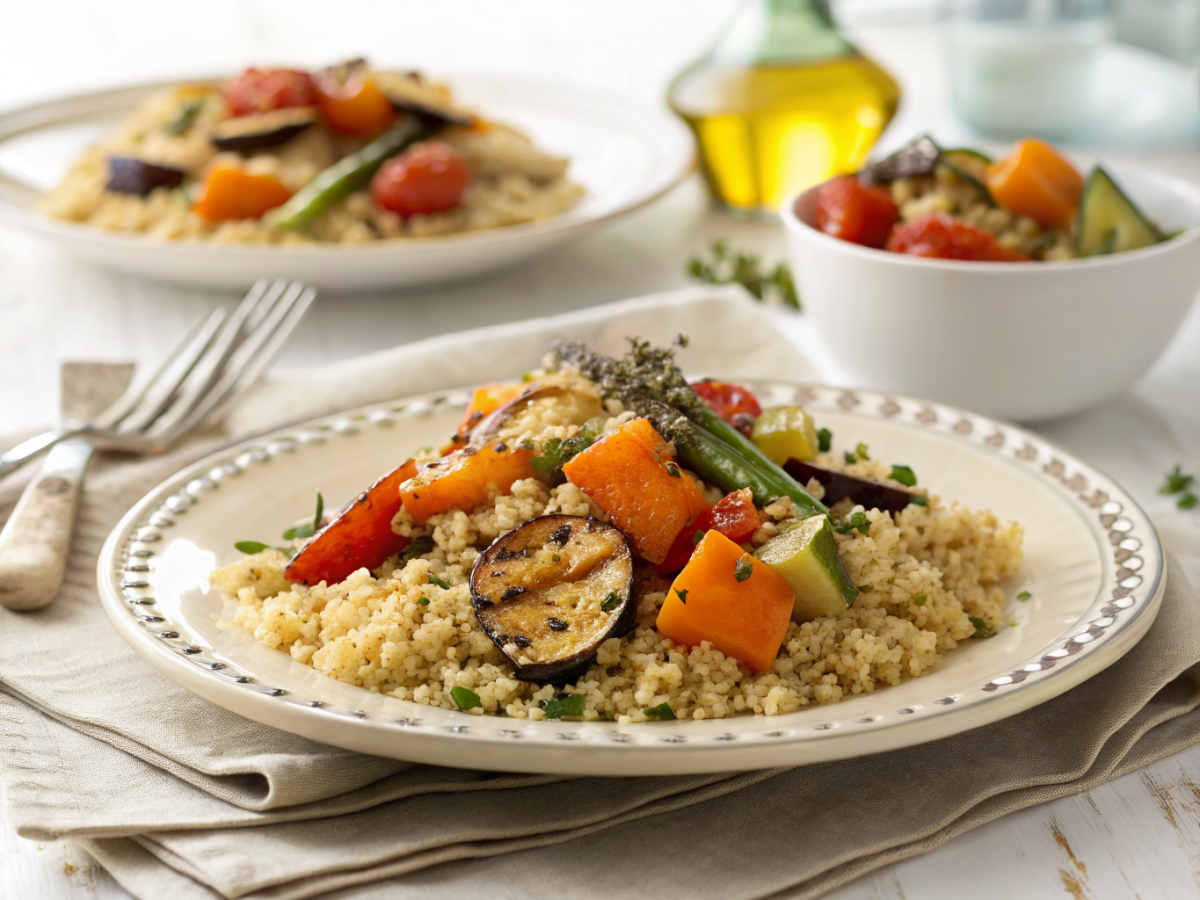
The visual appeal of this dish cannot be overstated. The golden-brown edges of roasted vegetables contrasted against fluffy white quinoa and vibrant greens create a stunning presentation that looks like it came from a professional kitchen. Your dinner guests will be impressed before they even take their first bite.
Meal prep enthusiasts will appreciate how well this recipe stores and reheats throughout the week. You can make a large batch on Sunday and enjoy it for lunch or dinner over the next four to five days. The flavors actually develop and improve as the ingredients meld together in the refrigerator.
This dish is naturally gluten-free, making it perfect for those with celiac disease or gluten sensitivity. It’s also easily adaptable to vegan diets and can accommodate various dietary restrictions without sacrificing flavor or satisfaction. If you’re searching for more options, check out these delicious dinner recipes that cater to different dietary needs.
The recipe is incredibly forgiving and welcomes improvisation based on what’s in your refrigerator or what’s in season at your local market. You can swap vegetables, adjust seasonings, and add different herbs without following a strict formula. This flexibility makes it a go-to recipe you’ll return to again and again.
Core Ingredients for Quinoa With Roasted Vegetables
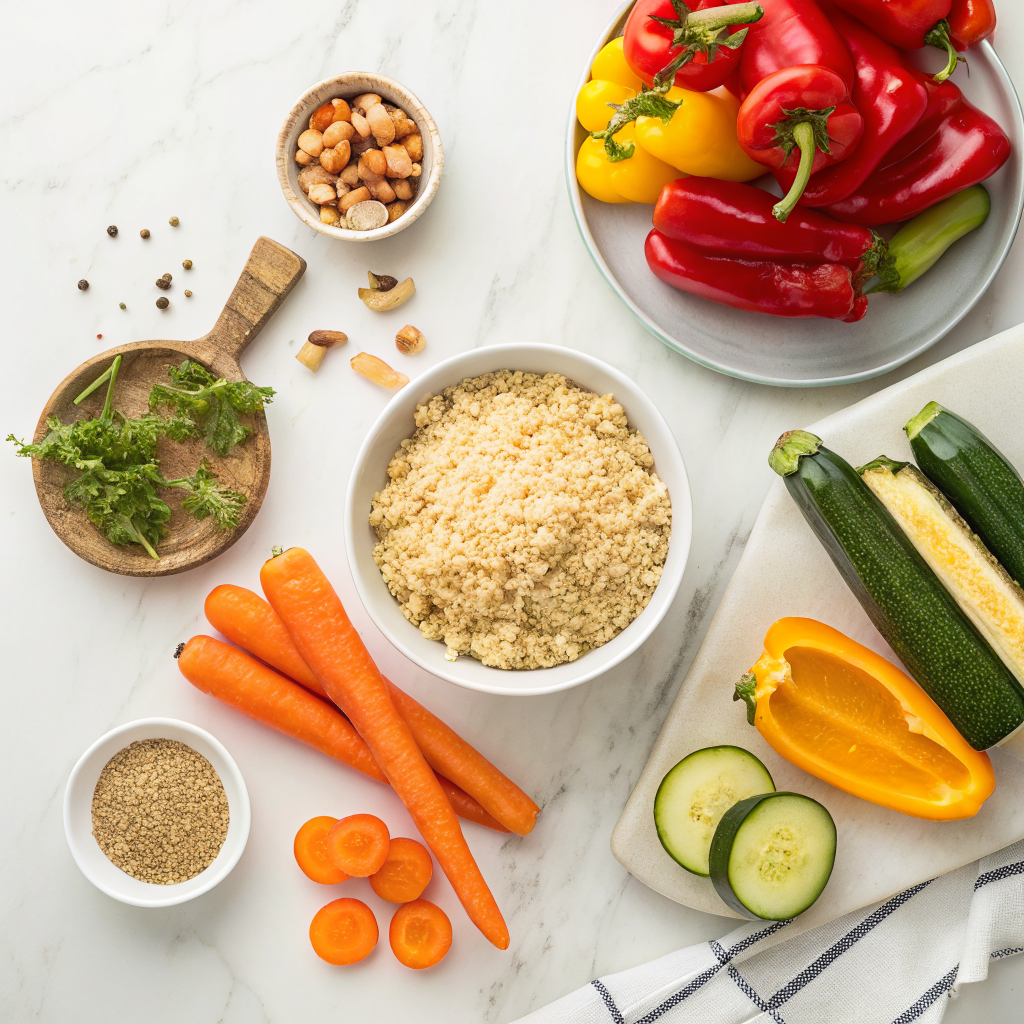
The foundation of this recipe starts with high-quality quinoa, which comes in several varieties including white, red, black, and tri-color. White quinoa has the mildest flavor and fluffiest texture, while red and black varieties offer a slightly nuttier taste and firmer texture. For this recipe, any variety works beautifully, though tri-color quinoa adds visual interest.
For the roasted vegetables, you’ll need a colorful assortment that provides different textures and flavors. Bell peppers in various colors bring sweetness and crunch, while zucchini adds a tender, mild element. Red onions contribute a slight sharpness that mellows during roasting, and cherry tomatoes burst with tangy juice.
Root vegetables like carrots and sweet potatoes add earthy sweetness and hearty substance to the dish. Broccoli or cauliflower florets provide cruciferous nutrition and develop delicious crispy edges when properly roasted. The combination of these vegetables creates a balanced flavor profile that appeals to virtually everyone.
Extra virgin olive oil is essential for roasting, as it helps vegetables caramelize while adding healthy fats and rich flavor. Don’t skimp on the oil—vegetables need adequate fat to develop those coveted golden-brown edges. Quality oil makes a noticeable difference in the final result.
Seasonings include kosher salt, freshly ground black pepper, garlic powder, and dried herbs like thyme or oregano. Fresh garlic cloves can be roasted alongside the vegetables for an even more robust flavor. A squeeze of fresh lemon juice at the end brightens all the flavors and adds a restaurant-quality finish.
Optional additions include crumbled feta cheese, toasted pine nuts, fresh herbs like parsley or cilantro, and a drizzle of balsamic glaze. These finishing touches elevate the dish from simple to spectacular. For more inspiration on creating balanced meals, explore these high-protein recipe ideas that complement this dish perfectly.
Complete Ingredient List
- 1 cup uncooked quinoa, rinsed thoroughly
- 2 cups vegetable broth or water
- 2 bell peppers (mixed colors), cut into 1-inch pieces
- 2 medium zucchini, cut into half-moons
- 1 red onion, cut into wedges
- 1 cup cherry tomatoes, halved
- 2 cups broccoli florets
- 2 medium carrots, sliced diagonally
- 4 tablespoons extra virgin olive oil, divided
- 4 cloves garlic, minced
- 1 teaspoon dried thyme
- 1 teaspoon dried oregano
- 1 teaspoon kosher salt, plus more to taste
- 1/2 teaspoon black pepper
- 2 tablespoons fresh lemon juice
- 1/4 cup fresh parsley, chopped
- Optional: 1/2 cup crumbled feta cheese
- Optional: 1/4 cup toasted pine nuts
How to Make Quinoa With Roasted Vegetables: Step-by-Step
Begin by preheating your oven to 425°F (220°C), which is the ideal temperature for achieving caramelized, crispy-edged vegetables. Line two large baking sheets with parchment paper to prevent sticking and make cleanup easier. Having two sheets ensures vegetables aren’t crowded, which is crucial for proper roasting.
While the oven heats, rinse the quinoa in a fine-mesh strainer under cold running water for at least 30 seconds. This removes the bitter saponin coating that naturally protects the seeds. After rinsing, shake off excess water and set aside.
In a medium saucepan, combine the rinsed quinoa with vegetable broth and a pinch of salt. Bring to a boil over high heat, then reduce to low, cover with a tight-fitting lid, and simmer for 15 minutes. After 15 minutes, remove from heat and let stand covered for 5 minutes to allow the quinoa to absorb any remaining liquid.
While the quinoa cooks, prepare your vegetables by cutting them into uniform one-inch pieces. Place all vegetables except the cherry tomatoes in a large mixing bowl. The tomatoes will be added halfway through roasting to prevent them from becoming too soft.
Drizzle the vegetables with three tablespoons of olive oil and add the minced garlic, dried thyme, oregano, salt, and pepper. Toss everything together with your hands or a large spoon until every piece is evenly coated with oil and seasonings. This ensures consistent flavor throughout.
Spread the seasoned vegetables across your two prepared baking sheets in a single layer, making sure pieces don’t touch. Roast for 15 minutes, then remove from the oven, add the cherry tomatoes, and stir everything gently. Return to the oven for another 10-15 minutes until vegetables are tender and edges are golden brown.
Once the quinoa has rested, fluff it with a fork to separate the grains and create a light, fluffy texture. Transfer the quinoa to a large serving bowl and drizzle with the remaining tablespoon of olive oil. This adds richness and prevents the grains from clumping together.
When the vegetables are perfectly roasted, remove them from the oven and let them cool for 2-3 minutes. Add the roasted vegetables to the bowl with the quinoa and toss gently to combine. Drizzle with fresh lemon juice and sprinkle with chopped parsley for brightness and color.
Taste and adjust seasonings as needed, adding more salt, pepper, or lemon juice to suit your preferences. If using feta cheese and pine nuts, sprinkle them over the top just before serving. Serve warm or at room temperature for the best flavor and texture.
Nutrition & Health Benefits
Quinoa is often called a superfood, and for good reason—it’s one of the few plant-based complete proteins, containing all nine essential amino acids your body needs. A single cup of cooked quinoa provides approximately 8 grams of protein and 5 grams of fiber. This combination helps regulate blood sugar levels and keeps you feeling full longer.
The variety of roasted vegetables in this dish provides an impressive array of vitamins, minerals, and antioxidants. Bell peppers are exceptionally high in vitamin C, with one pepper containing more than 100% of your daily requirement. Broccoli delivers vitamin K, folate, and powerful cancer-fighting compounds called sulforaphanes.
Carrots provide beta-carotene, which your body converts to vitamin A for eye health and immune function. The roasting process actually increases the bioavailability of certain nutrients, making them easier for your body to absorb. This means you get more nutritional value from roasted carrots than raw ones.
Olive oil contributes heart-healthy monounsaturated fats that help reduce inflammation and support cardiovascular health. These healthy fats also aid in the absorption of fat-soluble vitamins A, D, E, and K found in the vegetables. Don’t fear the fat in this recipe—it’s essential for optimal nutrition.
This dish is naturally low in sodium when you control the amount of salt added, making it suitable for those monitoring their blood pressure. It’s also cholesterol-free and contains minimal saturated fat. For more information about balanced nutrition, visit this comprehensive guide to healthy eating from nutrition experts.
Each serving contains approximately 320-380 calories, depending on portion size and optional additions. The macronutrient breakdown is well-balanced with complex carbohydrates, plant-based protein, and healthy fats. This makes it an ideal meal for weight management, athletic performance, or simply maintaining overall health.
Variations & Substitutions
One of the most appealing aspects of this recipe is its incredible versatility. You can easily swap vegetables based on seasonal availability or personal preferences. In autumn, try butternut squash, Brussels sprouts, and beets for a warming, earthy variation.
During summer months, eggplant, yellow squash, and asparagus create a lighter version that celebrates the season’s bounty. Green beans, snap peas, and corn also work beautifully when roasted until slightly charred. The key is maintaining the variety of colors and textures for visual and nutritional balance.
For added protein, consider mixing in chickpeas or white beans during the last 10 minutes of roasting. They’ll develop a crispy exterior while remaining creamy inside. Alternatively, serve the dish topped with grilled chicken, salmon, or tofu for those wanting more substantial protein.
Grain substitutions work wonderfully if you want to change things up. Try using farro, bulgur wheat, or brown rice instead of quinoa for different textures and flavors. Cauliflower rice makes an excellent low-carb alternative that still absorbs the delicious flavors of the roasted vegetables.
Seasoning variations can completely transform the dish’s flavor profile. Try a Mediterranean version with oregano, basil, and sun-dried tomatoes. An Asian-inspired variation might include ginger, sesame oil, and a splash of soy sauce. Mexican flavors work beautifully with cumin, chili powder, and fresh cilantro.
For those following specific diets, this recipe adapts easily. Make it vegan by omitting the feta cheese or using a plant-based alternative. For a nut-free version, skip the pine nuts and use toasted pumpkin seeds instead. The recipe is already gluten-free and can be made oil-free by roasting vegetables in vegetable broth.
Serving Suggestions
This versatile dish shines as a standalone vegetarian main course, but it also works beautifully as a side dish for grilled meats or fish. Serve it alongside roasted chicken, grilled salmon, or lamb chops for a complete and balanced meal. The quinoa and vegetables complement rich proteins without overwhelming them.
For a stunning presentation, serve the dish in individual bowls and top each portion with a dollop of Greek yogurt or tahini sauce. A sprinkle of pomegranate seeds adds jewel-like pops of color and bursts of sweet-tart flavor. Microgreens or fresh herbs scattered on top provide an elegant finishing touch.
This recipe works wonderfully for meal prep bowls throughout the week. Divide it into portioned containers and add different toppings each day to keep things interesting. Monday might feature avocado and hot sauce, while Wednesday could include hummus and cucumber.
Consider serving it as part of a Mediterranean mezze spread alongside hummus, baba ganoush, olives, and warm pita bread. The quinoa and vegetables provide substance while the dips and accompaniments add variety. This approach works perfectly for casual entertaining or family-style dinners.
For brunch, top the quinoa and vegetables with a poached or fried egg for a nutritious and satisfying meal. The runny yolk creates a luxurious sauce that coats the grains and vegetables beautifully. Add some crumbled bacon or sausage for those who eat meat.
The dish also makes an excellent filling for stuffed bell peppers or portobello mushrooms. Simply hollow out your vegetable of choice, fill with the quinoa mixture, top with cheese if desired, and bake until heated through. This creates an impressive presentation that’s perfect for dinner parties.
Common Mistakes to Avoid
The most common mistake when making this dish is not rinsing the quinoa before cooking. The natural saponin coating creates an unpleasant bitter or soapy taste that can ruin an otherwise perfect dish. Always rinse quinoa thoroughly under cold water for at least 30 seconds before cooking.
Another frequent error is overcrowding the baking sheet when roasting vegetables. When vegetables are too close together, they steam rather than roast, resulting in soggy, pale vegetables instead of caramelized, crispy ones. Use two baking sheets if necessary to give vegetables adequate space.
Using insufficient oil is a mistake that prevents proper caramelization and can lead to vegetables sticking to the pan. Vegetables need enough oil to coat each piece lightly—don’t be afraid to use the full amount called for in the recipe. The oil is essential for both flavor and texture.
Cutting vegetables into uneven sizes causes inconsistent cooking, with smaller pieces burning while larger ones remain undercooked. Take the extra few minutes to cut vegetables into uniform one-inch pieces. This attention to detail ensures everything finishes cooking at the same time.
Adding delicate ingredients like tomatoes or fresh herbs at the beginning of roasting causes them to become mushy or burnt. Cherry tomatoes should be added halfway through roasting, while fresh herbs should be stirred in after cooking. Timing these additions properly preserves their texture and flavor.
Not seasoning adequately at each step is another common pitfall. Season the vegetables before roasting and taste the final dish before serving, adjusting salt, pepper, and lemon juice as needed. Proper seasoning transforms good food into great food.
Storage & Meal Prep Tips
This dish stores exceptionally well, making it ideal for meal prep and batch cooking. Once cooled completely to room temperature, transfer the quinoa and vegetables to an airtight container and refrigerate for up to five days. The flavors actually meld and improve over the first day or two of storage.
For optimal texture when reheating, add a tablespoon or two of water or vegetable broth to the container before microwaving. This prevents the quinoa from drying out and helps restore its fluffy texture. Heat in 30-second intervals, stirring between each, until warmed through.
You can also reheat portions in a skillet over medium heat with a splash of olive oil. This method actually re-crisps some of the vegetables and adds a fresh-cooked quality to leftovers. Stir frequently to prevent sticking and ensure even heating throughout.
For longer storage, this dish freezes surprisingly well for up to three months. Portion it into freezer-safe containers, leaving a bit of space at the top for expansion. Label with the date and contents for easy identification later.
When freezing, slightly undercook the vegetables so they don’t become mushy when reheated. Thaw frozen portions in the refrigerator overnight before reheating. You may need to add fresh herbs and a squeeze of lemon juice after reheating to brighten the flavors.
For maximum efficiency, cook the quinoa and roast the vegetables separately, then store them in different containers. This allows you to mix and match throughout the week, using the components in different ways. The roasted vegetables can top salads, fill wraps, or accompany different grains.
If you’re meal prepping for the week, consider keeping some ingredients separate until serving. Store the feta cheese, nuts, and fresh herbs separately and add them to individual portions just before eating. This preserves their texture and freshness throughout the week.
Final Thoughts on Quinoa With Roasted Vegetables
This Quinoa With Roasted Vegetables recipe represents everything that’s wonderful about modern home cooking: it’s healthy, delicious, beautiful, and remarkably simple to prepare. The combination of fluffy, protein-rich quinoa with caramelized, tender-crisp vegetables creates a dish that satisfies on every level. Whether you’re cooking for yourself, your family, or entertaining guests, this recipe delivers impressive results every single time.
The versatility of this dish means you’ll never get bored with it. Change up the vegetables based on what’s in season, adjust the seasonings to match your mood, and customize the toppings to suit your preferences. It’s a foundational recipe that welcomes creativity and improvisation while still delivering consistent, delicious results.
From a nutritional standpoint, this dish checks all the boxes for balanced, wholesome eating. It provides complete protein, complex carbohydrates, healthy fats, fiber, and an impressive array of vitamins and minerals. You can feel good about serving this meal to your loved ones, knowing they’re getting genuine nourishment.
The meal prep potential makes this recipe particularly valuable for busy individuals and families. Spend an hour on the weekend preparing a large batch, and you’ll have nutritious, ready-to-eat meals throughout the week. This kind of planning reduces stress, saves money, and helps you maintain healthy eating habits even during hectic times.
Don’t be surprised when this becomes one of your most-requested recipes. The combination of flavors, textures, and colors appeals to virtually everyone, from picky eaters to adventurous food lovers. Keep this recipe in your regular rotation, and you’ll always have a reliable, crowd-pleasing dish ready to go.
Frequently Asked Questions
Can I make Quinoa With Roasted Vegetables ahead of time?
Absolutely! This dish is perfect for making ahead and actually tastes even better the next day as the flavors meld together. Cook the quinoa and roast the vegetables up to three days in advance, then store them separately in airtight containers in the refrigerator. Combine and reheat when ready to serve, adding fresh herbs and a squeeze of lemon juice to brighten the flavors. This makes it an excellent option for meal prep or entertaining.
What’s the best way to prevent quinoa from becoming mushy?
The key to perfectly fluffy quinoa is using the correct water-to-quinoa ratio and not overcooking it. Use a 2:1 ratio of liquid to quinoa, bring it to a boil, then reduce to the lowest simmer and cover tightly. Cook for exactly 15 minutes, then remove from heat and let it stand covered for 5 minutes. Never stir quinoa while it’s cooking, and always fluff it with a fork after it’s done resting. Following these steps ensures light, separate grains every time.
Can I use frozen vegetables instead of fresh?
While fresh vegetables provide the best texture and caramelization, frozen vegetables can work in a pinch. The key is to thaw and thoroughly dry frozen vegetables before roasting to remove excess moisture. Spread them on paper towels and pat dry completely, as any remaining water will cause steaming instead of roasting. You may need to increase the roasting time by 5-10 minutes. Fresh vegetables are recommended for optimal results, but frozen can be a convenient alternative.
How can I add more protein to this dish?
There are many ways to boost the protein content beyond what quinoa already provides. Add chickpeas or white beans to the vegetables during the last 10 minutes of roasting for crispy, protein-rich additions. Top individual servings with grilled chicken, salmon, shrimp, or tofu. Crumbled feta, goat cheese, or a dollop of Greek yogurt also add protein along with creamy richness. For a plant-based boost, sprinkle with hemp seeds, pumpkin seeds, or toasted nuts. These additions make the dish even more substantial and satisfying. For more protein-focused ideas, check out these quick and easy meal options that complement this recipe beautifully.
