
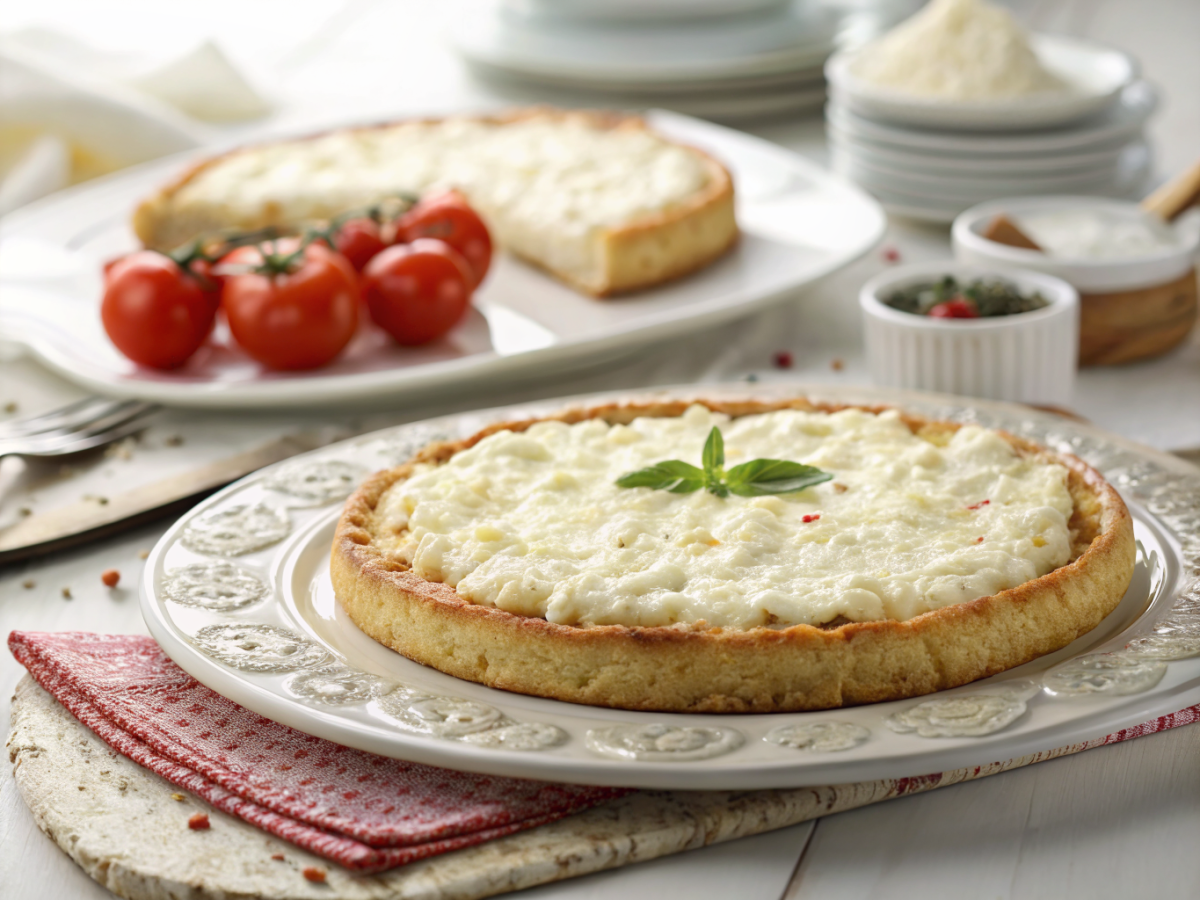
Cottage Cheese Pizza Crust No Flour Everyone Will Ask You To Make Again
Ingredients
Method
- Preheat oven to 375 degrees Fahrenheit. Line a large baking sheet or pizza pan with parchment paper and lightly spray with cooking spray.
- In a food processor or blender, combine cottage cheese, eggs, 1 cup mozzarella cheese, Parmesan cheese, garlic powder, Italian seasoning, salt, and pepper. Blend until smooth and well combined.
- Pour the mixture onto the prepared baking sheet and spread into a circle about 10-12 inches in diameter, keeping the edges slightly thicker than the center.
- Bake for 20-25 minutes until the crust is golden brown and set in the center. The edges should be crispy and slightly darker.
- Remove from oven and add your favorite pizza sauce, remaining mozzarella cheese, and desired toppings.
- Return to oven and bake for an additional 8-10 minutes until cheese is melted and bubbly.
- Let cool for 3-5 minutes before slicing. Cut into 8 slices and serve immediately.
Nutrition
Notes
Tried this recipe?
Let us know how it was!Cottage Cheese Pizza Crust No Flour: 5 Easy Tips for Perfect Results
Creating the perfect flourless pizza crust starts with understanding the unique properties of cottage cheese as your base ingredient. The key to success lies in removing excess moisture, which ensures a crispy rather than soggy final product. These five essential tips will transform your pizza-making experience and guarantee consistently delicious results every single time.
First, always drain your cottage cheese thoroughly using a fine-mesh strainer or cheesecloth for at least 15 minutes before mixing. This crucial step removes the liquid that would otherwise prevent your crust from crisping up properly. Press gently to extract moisture without completely drying out the cheese, maintaining just enough creaminess to bind the ingredients together.
Second, use full-fat cottage cheese rather than low-fat varieties for the best texture and flavor. The higher fat content contributes to a more cohesive dough that holds together beautifully during baking. Full-fat cottage cheese also provides better browning and creates those desirable crispy edges that make this crust so irresistible.
Third, preheat your baking surface whether you’re using a pizza stone, baking sheet, or parchment paper. A hot surface from the start helps set the bottom of the crust immediately, creating that satisfying crunch. Consider baking at a higher temperature (around 425°F) to achieve restaurant-quality results in your home kitchen.
Fourth, don’t overload your crust with toppings during the first bake. Par-bake the crust alone for 10-12 minutes until it’s set and lightly golden before adding sauce and toppings. This prevents the moisture from toppings from seeping into the crust and compromising its structural integrity.
Fifth, let your finished pizza rest for 2-3 minutes after removing it from the oven before slicing. This brief resting period allows the crust to firm up slightly and makes cutting clean slices much easier. Patience during this final step ensures your beautiful creation doesn’t fall apart when served.
Why You’ll Love This Cottage Cheese Pizza Crust No Flour
This flourless pizza crust offers an impressive nutritional profile that traditional dough simply cannot match. With approximately 20 grams of protein per serving, you’re getting a substantial protein boost that keeps you satisfied longer. The absence of refined flour means fewer empty carbohydrates and a lower glycemic impact, making this an excellent choice for blood sugar management.
The versatility of this recipe makes it perfect for various dietary preferences and restrictions. It’s naturally gluten-free, making it safe for those with celiac disease or gluten sensitivity. The recipe also fits beautifully into low-carb, keto, and high-protein meal plans without requiring expensive specialty ingredients or complicated techniques.
Texture-wise, this crust surprises even the most skeptical pizza lovers with its satisfying crunch and pleasant chewiness. Unlike some alternative crusts that taste like cardboard or fall apart when picked up, this version actually holds toppings well. The cottage cheese base creates a slightly tangy flavor that complements both classic and creative pizza toppings beautifully.
The simplicity and speed of preparation make this recipe ideal for busy weeknights when you crave homemade pizza. From start to finish, you can have a complete pizza on the table in under 30 minutes. This time-saving aspect makes healthy eating more accessible and removes the temptation to order less nutritious takeout options.
Budget-conscious cooks will appreciate that cottage cheese costs significantly less than specialty flour alternatives like almond or coconut flour. A single container of cottage cheese can make multiple pizza crusts, stretching your grocery dollars further. The minimal ingredient list means you’re not investing in expensive items that sit unused in your pantry for months.
Core Ingredients for Cottage Cheese Pizza Crust No Flour
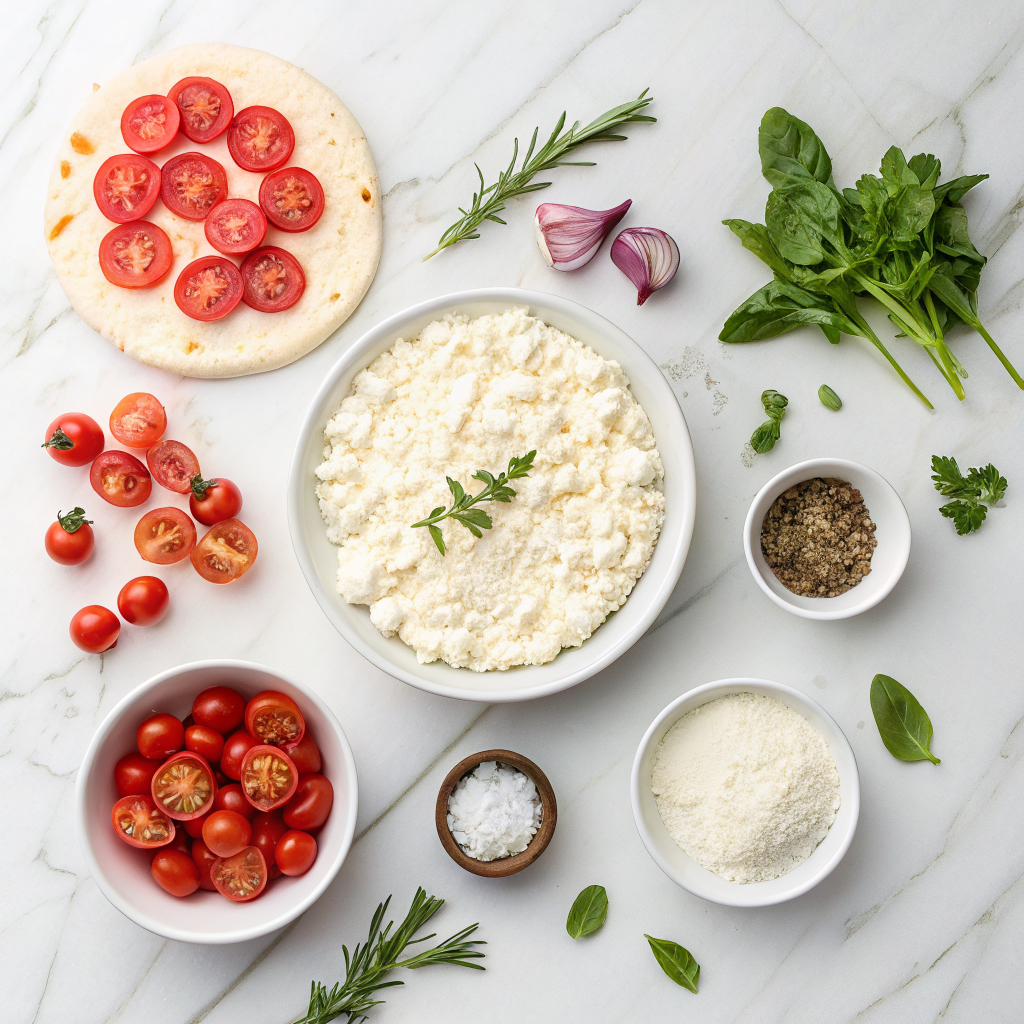
The foundation of this recipe requires just five simple ingredients that work together to create a cohesive, delicious crust. Each component plays a specific role in achieving the perfect texture and flavor balance. Understanding these ingredients helps you make informed substitutions when necessary while maintaining excellent results.
Cottage Cheese (2 cups, well-drained)
The star ingredient provides protein, moisture, and binding properties that replace traditional flour and yeast. Choose full-fat cottage cheese for the richest flavor and best texture, though low-fat versions can work with slight adjustments. Drain thoroughly in a fine-mesh strainer for 15-20 minutes, pressing gently to remove excess liquid without completely drying it out.
Eggs (2 large)
Eggs act as the primary binding agent, holding all ingredients together while adding structure and protein. They contribute to the crust’s ability to crisp up during baking and provide richness. Room temperature eggs incorporate more smoothly into the cottage cheese mixture, creating a more uniform batter.
Parmesan Cheese (1/2 cup, finely grated)
Grated Parmesan adds savory depth, umami flavor, and helps with browning and crisping. The aged cheese contains less moisture than fresh varieties, which is crucial for achieving the right texture. Freshly grated Parmesan melts and incorporates better than pre-shredded versions that contain anti-caking agents.
Italian Seasoning (1 tablespoon)
A blend of dried herbs like basil, oregano, and thyme infuses the crust with classic pizza flavor. This seasoning ensures every bite tastes authentically Italian even before you add toppings. Feel free to adjust the amount based on your preference for herby flavor or create your own custom blend.
Garlic Powder (1 teaspoon)
Garlic powder provides aromatic depth without adding moisture that fresh garlic would introduce. It distributes evenly throughout the mixture, ensuring consistent flavor in every bite. This pantry staple enhances the savory character of the crust and complements virtually any topping combination you choose.
Salt and Pepper (to taste)
Proper seasoning elevates all the other flavors and prevents the crust from tasting bland. Start with 1/2 teaspoon of salt and 1/4 teaspoon of black pepper, adjusting to your preference. Remember that Parmesan cheese already contains salt, so taste your mixture before adding too much additional sodium.
How to Make Cottage Cheese Pizza Crust No Flour: Step-by-Step
Following these detailed instructions ensures your crust turns out perfectly crispy and delicious every time. Each step builds upon the previous one to create the ideal texture and flavor. Take your time with preparation, especially the draining process, as this significantly impacts your final results.
Step 1: Prepare and Drain the Cottage Cheese
Place 2 cups of cottage cheese in a fine-mesh strainer set over a bowl. Let it drain for 15-20 minutes, pressing gently with a spoon to remove excess liquid. You should extract about 1/4 to 1/3 cup of whey, leaving the cottage cheese noticeably thicker and drier than when you started.
Step 2: Preheat Your Oven
Set your oven to 425°F and position a rack in the center. If using a pizza stone, place it in the oven during preheating for maximum crispiness. Line a baking sheet with parchment paper if not using a stone, ensuring the paper is trimmed to fit without hanging over edges.
Step 3: Mix the Crust Ingredients
In a large mixing bowl, combine the drained cottage cheese, 2 eggs, 1/2 cup grated Parmesan, 1 tablespoon Italian seasoning, 1 teaspoon garlic powder, salt, and pepper. Mix thoroughly with a fork or whisk until well combined and relatively smooth. The mixture will be wetter than traditional pizza dough but should hold together when spread.
Step 4: Shape the Crust
Pour the mixture onto your prepared baking surface and spread it into a circle about 10-12 inches in diameter. Use a spatula or the back of a spoon to create an even layer approximately 1/4 inch thick. Build up the edges slightly to create a rim that will contain your toppings and prevent overflow.
Step 5: Par-Bake the Crust
Bake the crust alone for 10-12 minutes until it’s set and the edges begin to turn golden brown. The surface should look dry and firm to the touch rather than wet and jiggly. This crucial par-baking step creates the foundation that will support your toppings without becoming soggy.
Step 6: Add Toppings and Final Bake
Remove the par-baked crust from the oven and add your favorite pizza sauce, cheese, and toppings. Return to the oven for an additional 8-10 minutes until the cheese melts and toppings are heated through. Watch carefully during the final minutes to prevent over-browning, as the edges can darken quickly.
Step 7: Rest and Serve
Let the finished pizza rest for 2-3 minutes before slicing to allow the crust to firm up. Use a pizza cutter or sharp knife to cut into 6-8 slices, depending on your preferred portion size. Serve immediately while hot for the best texture and flavor experience.
Nutrition & Health Benefits
This flourless pizza crust delivers impressive nutritional advantages compared to traditional wheat-based versions. Each serving provides approximately 15-20 grams of high-quality protein from the cottage cheese and eggs, supporting muscle maintenance and satiety. The protein content in cottage cheese makes this an excellent choice for active individuals and those watching their macronutrient intake.
The absence of refined flour significantly reduces the carbohydrate content, typically containing only 5-8 grams of net carbs per serving. This makes the crust suitable for low-carb and ketogenic diets that restrict carbohydrate intake. The lower glycemic impact helps maintain stable blood sugar levels, preventing the energy crashes often associated with traditional pizza consumption.
Cottage cheese contributes essential nutrients including calcium, phosphorus, and B vitamins that support bone health and energy metabolism. A single serving provides approximately 15-20% of your daily calcium needs, crucial for maintaining strong bones and teeth. The selenium and riboflavin in cottage cheese act as antioxidants, protecting cells from oxidative damage.
The healthy fats from full-fat cottage cheese and Parmesan support hormone production and nutrient absorption. These fats help your body absorb fat-soluble vitamins like A, D, E, and K from your pizza toppings. Including adequate healthy fats in your meals also promotes feelings of fullness and satisfaction, reducing the likelihood of overeating.
For those managing their weight, this crust offers a lower-calorie alternative to traditional dough while providing more nutritional density. Each slice contains approximately 120-150 calories depending on topping choices, compared to 200-300 calories for conventional pizza. The high protein content also increases the thermic effect of food, meaning your body burns more calories during digestion.
Variations & Substitutions
This versatile base recipe accommodates numerous modifications to suit different tastes and dietary requirements. Experimenting with variations keeps your pizza nights exciting and prevents flavor fatigue. Consider these creative adaptations to customize the crust to your specific preferences and nutritional goals.
Cheese Variations
Replace Parmesan with aged Asiago, Pecorino Romano, or Grana Padano for different flavor profiles. These hard, aged cheeses provide similar binding properties while offering unique taste experiences. You can also mix in 1/4 cup of shredded mozzarella directly into the crust mixture for extra stretchiness and mild flavor.
Herb and Spice Modifications
Create a Mediterranean version by adding 1 tablespoon of dried oregano and 1 teaspoon of crushed red pepper flakes. For a more aromatic crust, incorporate fresh herbs like chopped basil or rosemary into the mixture. Try adding 1 teaspoon of onion powder or smoked paprika for deeper, more complex flavor dimensions.
Protein Boost Options
Mix in 2 tablespoons of unflavored protein powder to increase the protein content even further. Add 1/4 cup of hemp hearts or ground flax seeds for omega-3 fatty acids and additional fiber. These additions create an even more nutritious base while maintaining the crust’s structural integrity, making it perfect for high-protein meal plans.
Dairy-Free Adaptations
While cottage cheese is the star ingredient, you can experiment with firm, well-drained ricotta as a substitute. For a completely dairy-free version, try using firm tofu that’s been pressed and crumbled, though the flavor will differ significantly. Nutritional yeast can replace Parmesan cheese, providing a cheesy flavor while keeping the recipe vegan-friendly.
Texture Modifications
For a crispier crust, add 2 tablespoons of psyllium husk powder or ground chia seeds to absorb extra moisture. If you prefer a softer, more bread-like texture, increase the egg count to 3 and reduce baking time slightly. Adding 1/4 cup of almond flour creates a more traditional pizza texture while maintaining the low-carb profile.
Serving Suggestions
This protein-rich crust pairs beautifully with both classic and creative topping combinations. The mild, slightly tangy flavor of the cottage cheese base complements virtually any pizza style you can imagine. Consider these serving ideas to maximize your enjoyment and create memorable meals for family and friends.
Classic Italian Toppings
Top with traditional marinara sauce, fresh mozzarella, basil leaves, and a drizzle of extra virgin olive oil for a Margherita-style pizza. Add sliced pepperoni, Italian sausage, mushrooms, and bell peppers for a hearty meat-lovers or supreme version. The robust crust holds up beautifully to generous toppings without becoming soggy or falling apart.
Mediterranean-Inspired Combinations
Create a Greek-style pizza with tzatziki sauce, feta cheese, kalamata olives, cherry tomatoes, and fresh spinach. Try a white pizza with garlic-infused olive oil, ricotta dollops, caramelized onions, and arugula added after baking. These lighter, vegetable-forward options showcase the crust’s versatility and complement its protein content perfectly.
Breakfast Pizza Options
Transform this crust into a breakfast pizza by topping with scrambled eggs, crumbled bacon, shredded cheddar, and fresh chives. Add sautéed vegetables like bell peppers, onions, and spinach for a complete morning meal. This high-protein breakfast option keeps you satisfied throughout the morning and provides sustained energy.
Low-Carb Dinner Pairings
Serve alongside a crisp Caesar salad or mixed green salad with vinaigrette for a complete, balanced meal. Pair with roasted vegetables like zucchini, eggplant, and cherry tomatoes for additional fiber and nutrients. These combinations create satisfying dinner recipes that align with various healthy eating approaches.
Party and Entertainment Ideas
Cut into small squares for appetizer-sized portions perfect for gatherings and game-day celebrations. Set up a pizza bar with various toppings and let guests customize their own individual pizzas. The unique crust becomes a conversation starter and introduces friends to a healthier pizza alternative they’ll want to recreate at home.
Common Mistakes to Avoid
Understanding potential pitfalls helps you achieve perfect results every time you make this flourless crust. Many first-time makers encounter similar challenges that are easily prevented with proper technique. Learn from these common errors to ensure your pizza-making experience is smooth and successful from the start.
Insufficient Draining
The most frequent mistake is not draining the cottage cheese thoroughly enough before mixing. Excess liquid creates a soggy crust that never achieves the desired crispiness, no matter how long you bake it. Always allow at least 15 minutes for draining and press gently to remove as much whey as possible without completely drying the cheese.
Spreading the Mixture Too Thin
Making the crust too thin results in a brittle, cracker-like texture that breaks apart when topped. Aim for a consistent 1/4-inch thickness throughout, which provides enough structure to support toppings while still crisping nicely. Thicker edges help contain sauce and toppings, preventing them from sliding off during baking and serving.
Skipping the Par-Bake
Adding toppings before the crust has set is a recipe for disaster, resulting in a wet, undercooked base. Always par-bake the naked crust until it’s firm and lightly golden before adding any sauce or toppings. This crucial step creates a moisture barrier that keeps the crust crispy even under wet ingredients like tomato sauce.
Overloading with Toppings
While this crust is surprisingly sturdy, piling on too many heavy toppings can overwhelm it. Choose 3-4 toppings maximum and distribute them evenly rather than concentrating them in one area. Remember that less is often more when it comes to pizza, allowing each flavor to shine without compromising structural integrity.
Not Preheating Properly
Starting with a cold oven or baking surface prevents the bottom of the crust from setting quickly enough. Always preheat your oven to the full 425°F and allow at least 15 minutes for a pizza stone to heat thoroughly. This initial blast of heat creates the foundation for a crispy bottom that rivals traditional pizza.
Cutting Too Soon
Slicing into the pizza immediately after removing it from the oven causes toppings to slide and the crust to tear. Allow 2-3 minutes of resting time for the cheese to set slightly and the crust to firm up. This patience results in cleaner slices that hold together beautifully when picked up and eaten.
Storage & Meal Prep Tips
Proper storage techniques extend the life of your cottage cheese pizza and make meal planning more convenient. This crust actually stores quite well, maintaining decent texture when reheated correctly. Follow these guidelines to enjoy your pizza beyond the initial baking day and streamline your weekly meal preparation.
Refrigerator Storage
Store leftover pizza in an airtight container or wrapped tightly in plastic wrap for up to 3 days in the refrigerator. Place parchment paper between slices to prevent them from sticking together and making reheating easier. The crust will soften slightly during storage but can be re-crisped effectively using proper reheating methods.
Freezer Storage
Freeze fully cooked pizza slices individually wrapped in plastic wrap, then placed together in a freezer-safe bag for up to 2 months. Par-baked crusts without toppings can also be frozen, allowing you to add fresh toppings later for a quick meal. Thaw frozen pizza overnight in the refrigerator before reheating for the best texture and even warming.
Reheating Methods
Reheat refrigerated pizza in a preheated oven at 375°F for 8-10 minutes until the crust crisps up and cheese melts. For faster results, use an air fryer at 350°F for 3-5 minutes, which restores crispiness beautifully. Avoid microwaving if possible, as it makes the crust rubbery and soft rather than crispy and appealing, though you can explore other air fryer techniques for optimal results.
Meal Prep Strategies
Make multiple par-baked crusts on Sunday and store them in the refrigerator for quick weeknight dinners. Keep the unbaked mixture refrigerated for up to 24 hours, allowing you to bake fresh crust whenever desired. This approach provides the convenience of fast food with the nutrition and quality of homemade meals.
Make-Ahead Tips
Prepare and drain the cottage cheese the night before, storing it covered in the refrigerator until ready to mix. Pre-measure and combine dry seasonings in a small container for even faster assembly. Having prep work done in advance makes throwing together a healthy pizza dinner possible even on the busiest evenings.
Final Thoughts on Cottage Cheese Pizza Crust No Flour
This innovative Cottage Cheese Pizza Crust No Flour proves that healthy eating doesn’t require sacrificing flavor or satisfaction. The combination of high protein, low carbs, and genuinely delicious taste makes this recipe a permanent addition to your meal rotation. Whether you’re managing dietary restrictions or simply seeking nutritious alternatives, this crust delivers on every level.
The simplicity of this recipe removes barriers that often prevent home cooks from attempting healthier versions of favorite foods. With just five basic ingredients and straightforward techniques, anyone can create restaurant-quality pizza at home. The minimal time investment and impressive results make this an ideal choice for busy individuals and families seeking better nutrition without complicated cooking processes.
Beyond the practical benefits, this crust opens up creative possibilities for customization and experimentation in your kitchen. Each time you make it, you can try different seasonings, toppings, and serving styles to keep meals interesting. The versatility ensures you’ll never get bored, and the nutritional profile supports your health goals without feeling restrictive or punishing, especially when incorporated into breads and baked goods meal planning.
Give this Cottage Cheese Pizza Crust No Flour a try and discover how satisfying healthy eating can truly be. You’ll likely find yourself making it repeatedly, sharing the recipe with friends, and enjoying the compliments that follow. This is the kind of recipe that changes perspectives on alternative ingredients and proves that nutritious food can be absolutely delicious.
Frequently Asked Questions
Can I make Cottage Cheese Pizza Crust No Flour ahead of time?

creates quick vegetarian dinners and vibrant taco recipes.