
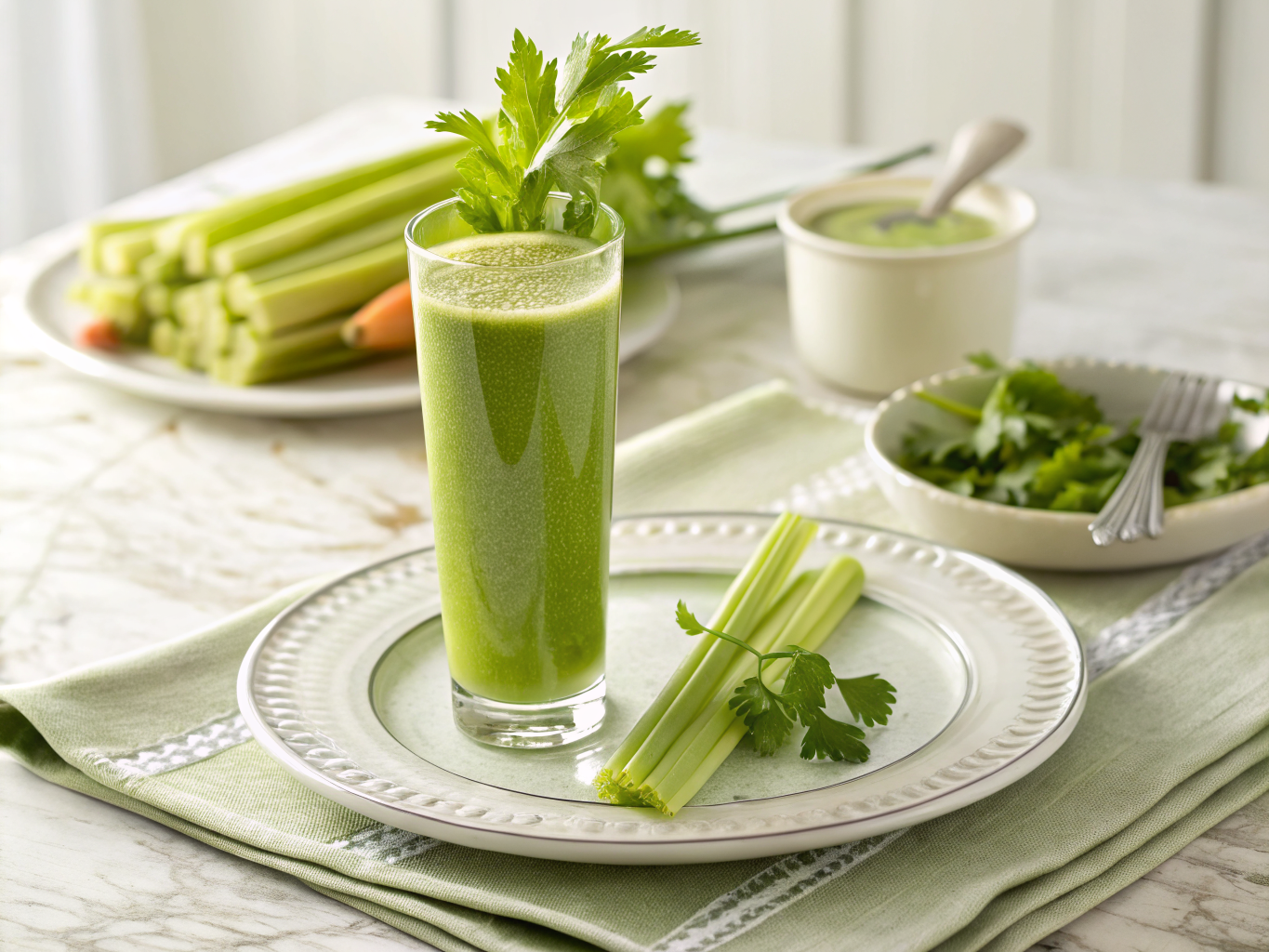
Celery Juice
Ingredients
Method
- Thoroughly wash the celery stalks. Trim the ends and cut the stalks into 1-inch pieces. If using ginger, peel and chop it.
- Place the chopped celery (and ginger, if using) into a high-speed blender. Add 1/2 cup of water. Blend on high until completely smooth, adding more water a tablespoon at a time if needed to help the blades move.
- Place a nut milk bag, fine-mesh sieve lined with cheesecloth, or a clean kitchen towel over a large bowl. Pour the blended celery mixture into the bag/sieve.
- Gather the edges of the bag/cloth and squeeze firmly to extract all the liquid into the bowl. Discard the pulp, or save it for another use (e.g., composting, adding to soups).
- Stir in the fresh lemon juice, if using. Pour the celery juice into a glass and serve immediately. For best results, drink on an empty stomach.
Nutrition
Notes
Tried this recipe?
Let us know how it was!In the vibrant world of wellness trends, very few concoctions have garnered as much attention and enthusiastic endorsement as celery juice. From celebrities to health gurus, its praises are sung far and wide, promising a panacea for various ailments and a boost to overall vitality. But what exactly is it about this humble green drink that has captivated so many? Why is everyone suddenly obsessed with the crisp, earthy liquid extracted from a vegetable often relegated to side dishes?
Thank you for reading this post, don't forget to subscribe!This comprehensive guide delves deep into the phenomenon of celery juice, exploring its alleged benefits, debunking myths, and providing you with everything you need to know to incorporate it into your routine. Prepare to uncover the secrets behind its soaring popularity and discover if this verdant elixir truly lives up to the hype. We’ll empower you with a simple, effective celery juice recipe, ensuring you can harness its potential right from your kitchen.
The Rise of a Green Giant: A Brief History of Celery Juice
While celery has been a dietary staple for centuries, its transformation into a standalone juice phenomenon is relatively recent, largely fueled by the advocacy of medical medium Anthony William. He champions celery juice as a powerful healing tool, attributing myriad health benefits to its unique composition. His highly influential books and social media presence have propelled celery juice from a niche health drink to a mainstream wellness staple, inspiring millions worldwide to embrace its potent properties.
The concept of juicing vegetables for health isn’t new, but the singular focus on celery is what sets this trend apart. Supporters believe that by isolating celery’s internal components, you unlock a concentrated dose of its beneficial compounds, making them more readily available for absorption by the body. This concentrated delivery, they argue, is key to its purported therapeutic effects.
Celery Juice vs. Whole Celery: Understanding the Difference
A common question arises: why juice celery when you can simply eat it? While whole celery is undeniably healthy, packed with fiber, vitamins, and minerals, juicing offers a distinct advantage for those seeking specific health outcomes. When you juice celery, you remove the insoluble fiber, leaving behind a liquid rich in soluble fiber, electrolytes, enzymes, and other bioactive compounds.
This removal of insoluble fiber is crucial because it allows for easier and quicker absorption of celery’s nutrients into the bloodstream, purportedly making its powerful healing properties more accessible to the body. For individuals with sensitive digestive systems or those looking for a rapid infusion of nutrients, juicing can be a more efficient approach. However, it’s important to remember that both forms contribute to a healthy diet, each offering unique benefits.
The Powerhouse Profile: What Makes Celery So Special?
At its core, celery (Apium graveolens) is a nutrient-dense vegetable brimming with beneficial compounds. It’s an excellent source of vitamin K, vitamin A, vitamin C, folate, and potassium. Beyond these well-known vitamins and minerals, celery contains a wealth of phytonutrients, including flavonoids (like apigenin and luteolin) and coumarins.
These phytonutrients are believed to be responsible for many of celery’s purported health benefits, acting as antioxidants and anti-inflammatory agents within the body. Its high water content also contributes to hydration, making it an ideal ingredient for a refreshing and health-boosting beverage. The delicate balance of these components is what makes celery, and by extension, celery juice, such an intriguing subject for health enthusiasts.
10 Astounding Benefits of Celery Juice: Diving Deep
The claims surrounding celery juice are vast and varied. While more scientific research is continuously emerging, anecdotal evidence and preliminary studies suggest several potential benefits. Here, we explore the most commonly touted advantages:
- Potent Anti-inflammatory Properties: Celery contains powerful anti-inflammatory compounds, notably apigenin and luteolin. These compounds may help reduce inflammation throughout the body, potentially alleviating symptoms associated with conditions like arthritis, irritable bowel syndrome (IBS), and other inflammatory disorders. Regular consumption could contribute to a reduction in chronic inflammation, a known precursor to many chronic diseases.
- Supports Digestive Health: Celery juice is celebrated for its ability to soothe and repair the digestive tract. It acts as a natural diuretic and a gentle laxative, promoting regular bowel movements and preventing constipation. Furthermore, it contains enzymes that may help break down food more effectively, improving nutrient absorption and reducing bloating. Some proponents suggest it can also help restore hydrochloric acid levels in the stomach, crucial for proper digestion.
- Hydration and Electrolyte Balance: With over 95% water content, celery juice is an excellent way to replenish fluids and support optimal hydration. It also contains naturally occurring electrolytes like sodium and potassium, which are essential for nerve function, muscle contractions, and maintaining fluid balance in the body, particularly after exercise or during illness.
- Antioxidant Powerhouse: Rich in antioxidants, celery juice helps combat oxidative stress caused by free radicals in the body. Oxidative stress is linked to premature aging and various chronic diseases. The flavonoids and vitamin C in celery act as powerful scavengers, protecting cells from damage and supporting overall cellular health.
- Liver Support and Detoxification: Proponents suggest that celery juice aids in liver detoxification by increasing bile production, which helps the body eliminate toxins more efficiently. It’s believed to support the liver’s natural cleansing processes, potentially improving liver function and overall detoxification pathways.
- Boosts Immune Function: The vitamin C and other antioxidants in celery juice play a vital role in supporting a healthy immune system. Regular intake may help fortify your body’s defenses against infections and illnesses, keeping you feeling strong and healthy throughout the year.
- May Aid in Reducing Blood Pressure: Celery contains phthalides, which are compounds believed to help relax the muscles around arteries, thereby potentially lowering blood pressure. While not a cure, incorporating celery juice into a heart-healthy diet may contribute to better cardiovascular health. For more insights on lowering blood pressure, consider reading articles like this one from Healthline on celery’s effects.
- Promotes Skin Health: The high water content, antioxidants, and vitamins in celery juice contribute to healthy, radiant skin. Hydration is key for skin elasticity and appearance, while antioxidants protect against environmental damage. Some users report a reduction in acne and a more even skin tone with regular consumption.
- Supports Kidney Function: As a natural diuretic, celery juice may help flush out toxins and waste products from the kidneys, promoting healthy kidney function. This can be beneficial for preventing kidney stones and supporting overall urinary tract health.
- Alkalizing Effects: Celery is an alkaline-forming food, meaning it can help balance the pH levels in your body. An alkaline diet is believed to reduce inflammation and support overall well-being. Regular consumption of celery juice can contribute to a more balanced internal environment.
Celery Juice Recipe: Your Simple Guide to Wellness
Making celery juice at home is incredibly straightforward, requiring just one core ingredient and a juicer, or a blender with a fine-mesh strainer if you don’t have a juicer. This easy celery juice recipe will get you started on your wellness journey.
Core Ingredients:
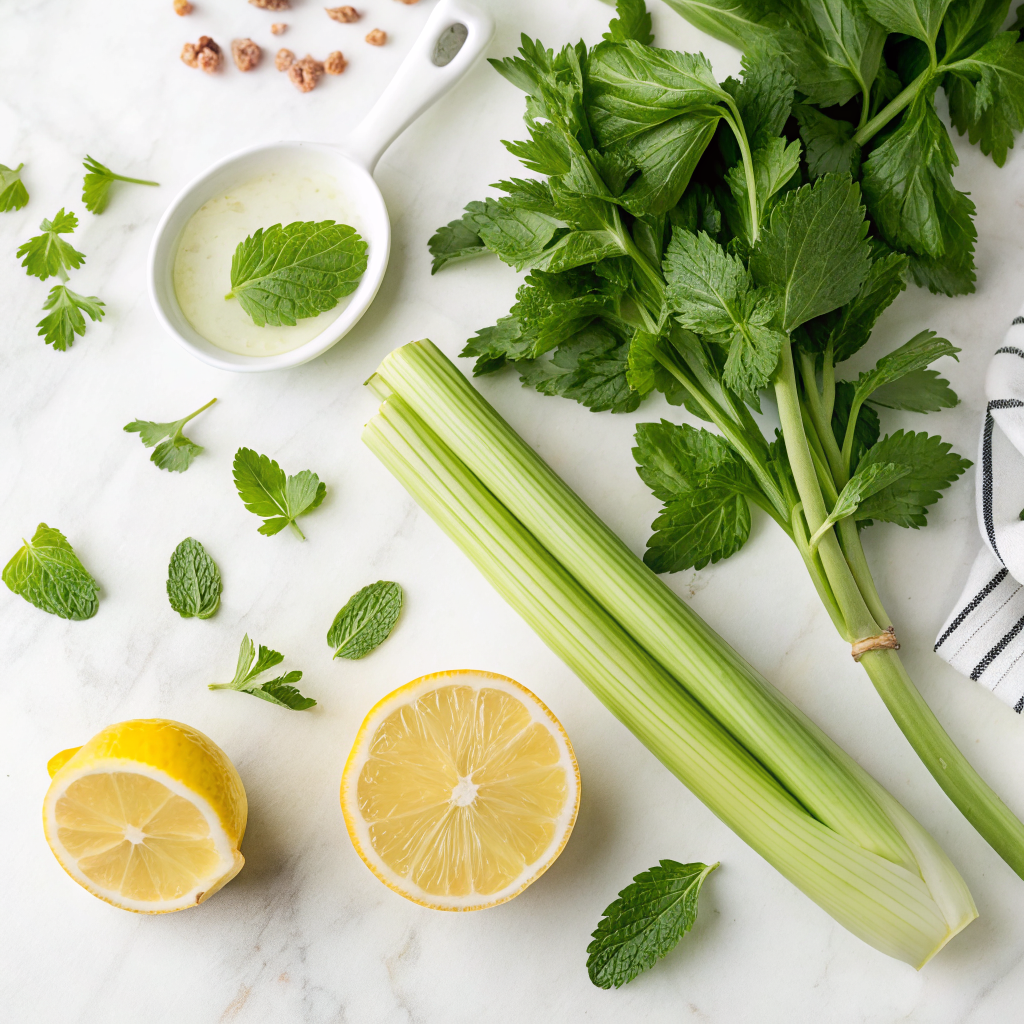
- 1 large bunch of organic celery (about 9-12 stalks)
Equipment:
- Juicer (recommended for best results) OR
- High-speed blender and a fine-mesh strainer or nut milk bag
Instructions:
- Prepare the Celery: Rinse the celery thoroughly under cold running water. It’s crucial to wash off any dirt or pesticide residues, especially if not organic. You don’t need to chop it into very small pieces, just enough to fit comfortably into your juicer’s chute or blender.
- Juicing Method (Using a Juicer): Feed the celery stalks through your juicer. The juicer will separate the juice from the pulp. Collect the fresh celery juice in a clean glass.
- Blending Method (Using a Blender): If you don’t have a juicer, chop the celery into 1-inch pieces. Place them in your high-speed blender with about 1/4 to 1/2 cup of filtered water (just enough to help it blend). Blend on high until completely smooth.
- Strain the Pulp (Blender Method Only): Pour the blended celery mixture through a fine-mesh strainer or a nut milk bag suspended over a bowl. Use the back of a spoon or your hands (if using a nut milk bag) to press out as much liquid as possible, discarding the pulp.
- Serve Immediately: For maximum nutrient benefit, drink your celery juice immediately on an empty stomach, ideally 15-30 minutes before consuming anything else. This allows for optimal absorption.
Optional Additions & Variations:
While purists advocate for plain celery juice, some find the taste too strong. If you’re new to it, you can slightly alter the flavor profile. However, remember that adding other ingredients might dilute some of the specific benefits attributed to pure celery juice.
- Lemon: A squeeze of fresh lemon juice can brighten the flavor and add an extra boost of vitamin C.
- Ginger: A small piece of fresh ginger can add a spicy kick and offers additional anti-inflammatory benefits.
- Cucumber: A few slices of cucumber can mellow the taste and increase hydration without significantly altering the specific benefits.
When and How to Drink Celery Juice for Optimal Results
For those following the medical medium protocol, the recommendation is to drink 16 ounces (about 470ml) of pure celery juice daily, first thing in the morning on an empty stomach. This timing is believed to allow the nutrients to be absorbed most efficiently without interference from other foods.
After consuming the juice, it’s generally advised to wait at least 15-30 minutes before eating breakfast. Consistency is often stressed as key to experiencing the full range of benefits. Starting with a smaller amount (e.g., 8 ounces) and gradually increasing to 16 ounces can be a good approach for beginners to allow their digestive system to adjust.
Potential Side Effects and Considerations
While generally safe for most people, some individuals may experience mild side effects when first introducing celery juice into their diet. These can include increased bowel movements, gas, or bloating, especially as the digestive system adjusts. People with existing medical conditions or those taking medications should always consult their healthcare provider before making significant dietary changes.
For instance, celery contains compounds called psoralens, which can increase sun sensitivity in some individuals, potentially leading to a rash or sunburn if exposed to strong sunlight after consuming large amounts of celery. This is rare but worth being aware of. Additionally, individuals with allergies to birch pollen or mugwort may also be allergic to celery due to cross-reactivity. For further information on potential interactions, consult reliable sources such as Medical News Today.
Pregnant or breastfeeding women, and those with kidney issues, should exercise particular caution and seek professional medical advice before starting a celery juice regimen. As with any potent food, moderation and awareness of your body’s response are always recommended.
The Science Behind the Hype: What Research Says
It’s important to approach the claims surrounding celery juice with a balanced perspective. While anecdotal evidence is compelling and many individuals report significant improvements in their health, robust, large-scale scientific studies specifically on celery juice and its long-term effects on human health are still emerging. Much of the current understanding is extrapolated from studies on whole celery or its isolated compounds.
Research on the anti-inflammatory and antioxidant properties of celery’s individual components (like apigenin) is promising, but more direct research on the impact of daily celery juice consumption is needed to definitively confirm all the purported benefits. Organizations like Harvard Medical School often provide unbiased information on nutritional trends, and staying informed from such reputable sources is wise. Until then, while it can be a healthy addition to a balanced diet, it should not replace conventional medical treatments for serious conditions.
Remember that the human body is complex, and individual responses to dietary interventions can vary widely. What works wonders for one person might not have the same effect on another. It’s always best to listen to your own body and consult with healthcare professionals when in doubt.
Integrating Celery Juice into a Holistic Lifestyle
Beyond the simple act of drinking juice, incorporating celery juice can be a gateway to a more holistic approach to health. It often inspires individuals to pay more attention to their diet, increase their intake of whole foods, and generally adopt healthier habits. This green elixir can serve as a mindful daily ritual, setting a positive tone for your day.
Consider pairing your celery juice routine with other wellness practices like mindful eating, regular exercise, adequate sleep, and stress management techniques for comprehensive well-being. Drinking celery juice is not a magic bullet, but rather one component of a broader, health-conscious lifestyle. For more recipes that support a holistic lifestyle, check out resources on homecooklegacy.com.
The Final Verdict: Should You Try Celery Juice?
Ultimately, the decision to incorporate celery juice into your diet is a personal one. Given its nutrient profile, low calorie count, and high water content, it’s generally a healthy choice for most individuals. If you’re curious about its potential benefits, trying it for a few weeks to see how your body responds can be a worthwhile experiment.
Listen to your body, observe any changes, and remember that real health comes from a balanced and varied diet, not from any single food or drink. Celery juice can be a refreshing and potentially beneficial addition to your wellness arsenal, but it should be viewed as a complement, not a replacement, for a nourishing lifestyle.
Embrace the vibrant green goodness and embark on your own celery juice journey. You might just discover a new favorite way to boost your health and vitality!
Frequently Asked Questions About Celery Juice
Q: How much celery juice should I drink daily?
A: Most proponents recommend drinking 16 ounces (about 470ml) of pure celery juice daily, first thing in the morning on an empty stomach. Beginners might start with 8 ounces and gradually increase.
Q: Can I add anything to my celery juice for flavor?
A: While purists advocate for plain celery juice, you can add a squeeze of lemon, a small piece of ginger, or some cucumber if the taste is too strong. However, this might slightly dilute the specific benefits attributed to pure celery juice.
Q: What is the best time to drink celery juice?
A: The most common recommendation is to drink it on an empty stomach, 15-30 minutes before eating breakfast, to allow for optimal nutrient absorption.
Q: Do I need a special juicer to make celery juice?
A: A masticating juicer (slow juicer) is often recommended for maximum nutrient extraction and minimal oxidation. However, a centrifugal juicer or even a high-speed blender with a fine-mesh strainer/nut milk bag will also work perfectly fine.
Q: Is celery juice good for weight loss?
A: Celery juice is low in calories and can contribute to feelings of fullness due to its high water content, which might indirectly support weight loss as part of a calorie-controlled diet. However, it is not a magic bullet for weight loss and should be combined with a balanced diet and regular exercise.
Q: Can I store celery juice? How long does it last?
A: It’s best to drink celery juice immediately after making it to preserve its nutrients. If you must store it, keep it in an airtight glass container in the refrigerator for no more than 24 hours. The longer it sits, the more nutrients it loses.
Q: Is there a difference in benefits between organic and conventional celery juice?
A: Organic celery is preferred to avoid pesticide residues. If using conventional celery, wash it very thoroughly. The core nutritional benefits remain similar, but reducing pesticide intake is always advisable for overall health.
Q: Can children drink celery juice?
A: While generally safe, it’s always best to consult with a pediatrician before introducing celery juice, or any significant dietary change, to children, especially in large quantities.

passionate about high-protein, easy meal-prep recipes for busy lifestyles.