
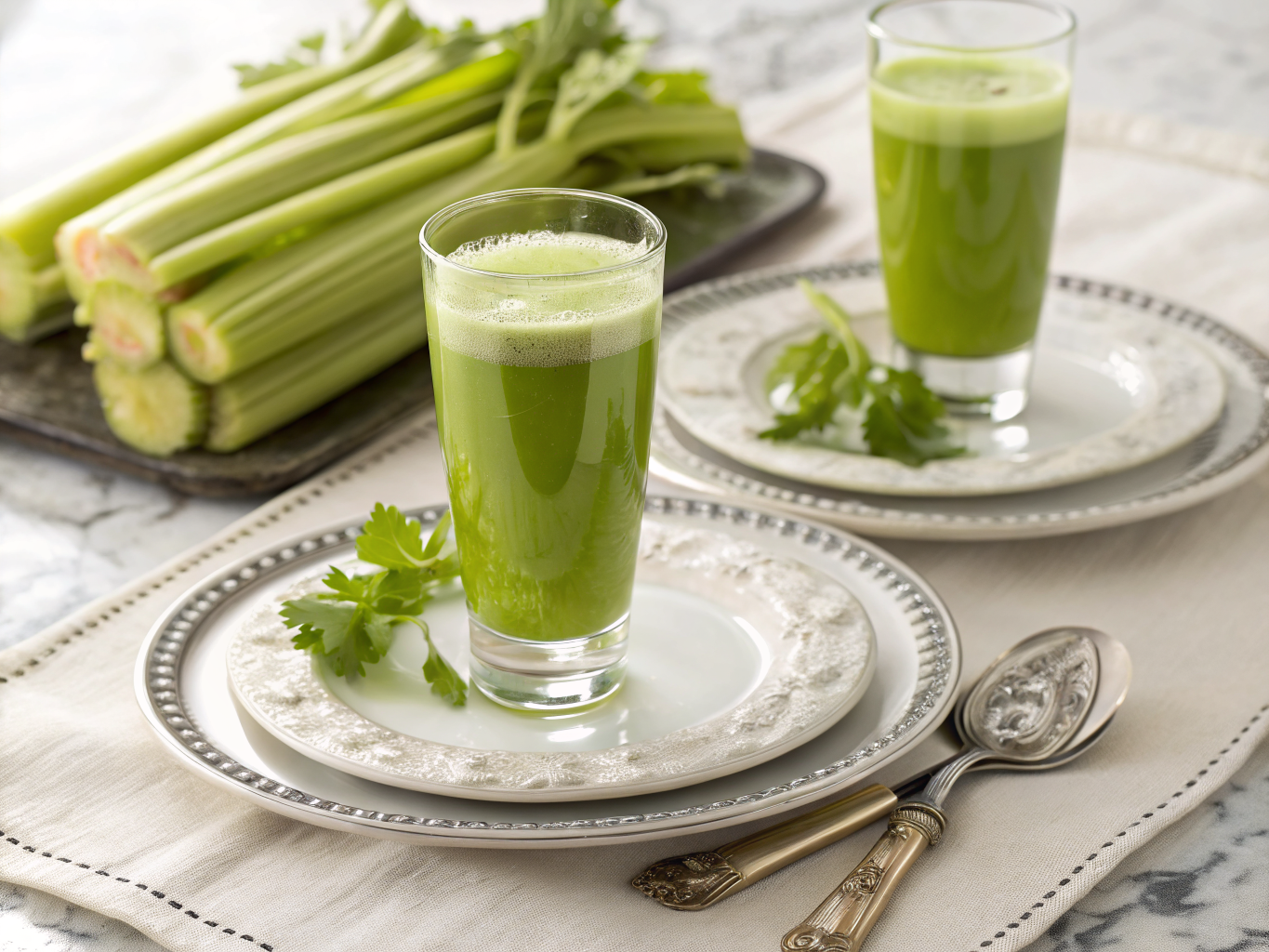
Celery Juice
Ingredients
Method
- Rinse the celery stalks thoroughly under cold water to remove any dirt or debris. Pat dry with a clean towel.
- Cut off the base and leafy tops of the celery bunch. Chop the stalks into 2-3 inch pieces for easier processing.
- If using a juicer, feed the celery pieces through the juicer. If using a blender, add celery pieces and 1/2 cup water to the blender and blend on high speed for 60-90 seconds until completely smooth.
- If you used a blender, strain the mixture through a fine-mesh strainer, nut milk bag, or cheesecloth into a bowl or pitcher. Press down to extract all the juice.
- If desired, stir in fresh lemon juice or add cucumber during the juicing process for additional flavor.
- Pour the celery juice into glasses and drink immediately for maximum nutritional benefits. Best consumed on an empty stomach in the morning.
Nutrition
Notes
Tried this recipe?
Let us know how it was!There’s something incredibly powerful about starting your day with a glass of pure, cold-pressed celery juice. This simple celery juice recipe has become a morning ritual for health enthusiasts worldwide, and for good reason. The vibrant green elixir floods your body with essential nutrients, hydration, and natural compounds that support digestive wellness and overall vitality.
Thank you for reading this post, don't forget to subscribe!Making celery juice at home is surprisingly simple and far more economical than purchasing pre-bottled versions. With just fresh celery stalks and a juicer or blender, you can create this potent morning detox drink in under 10 minutes. The result is a crisp, refreshing beverage that awakens your senses and nourishes your body from the inside out.
Whether you’re seeking improved digestion, clearer skin, or simply a healthy way to hydrate, this celery juice recipe delivers remarkable benefits. Let’s dive into everything you need to know about preparing, enjoying, and maximizing the potential of this incredible green juice.
Why This Celery Juice Recipe Works
The beauty of this celery juice recipe lies in its simplicity and purity. Unlike complicated juice blends that mask the natural flavors with fruits and sweeteners, pure celery juice allows your body to absorb the full spectrum of beneficial compounds without interference. This straightforward approach has been championed by wellness advocates who emphasize the importance of consuming celery juice on an empty stomach for maximum absorption.
Celery contains unique plant compounds called phthalides, which may help relax arterial walls and promote healthy blood flow. According to research published by Healthline, celery is also rich in antioxidants, vitamins, and minerals that support various bodily functions. The high water content makes it exceptionally hydrating, while the natural sodium cluster salts help restore mineral balance.
What makes this recipe particularly effective is the cold-pressing or high-speed blending method that preserves the living enzymes and nutrients. Heat pasteurization, common in store-bought juices, can destroy many of these delicate compounds. By making your own fresh celery juice at home, you ensure maximum nutritional potency with every sip.
Core Ingredients You’ll Need
The ingredient list for this celery juice recipe couldn’t be more straightforward. You’ll need one pound of fresh organic celery, which typically equals one medium-to-large bunch. Organic celery is strongly recommended because conventional celery often ranks high on pesticide residue lists, and you’ll be consuming a concentrated form of whatever was on those stalks.
Quality matters significantly when selecting your celery. Look for bunches with crisp, firm stalks that snap cleanly when bent. The leaves should be vibrant green without yellowing or wilting. Avoid celery that feels rubbery or has brown spots, as these are signs of age and diminished nutritional value.
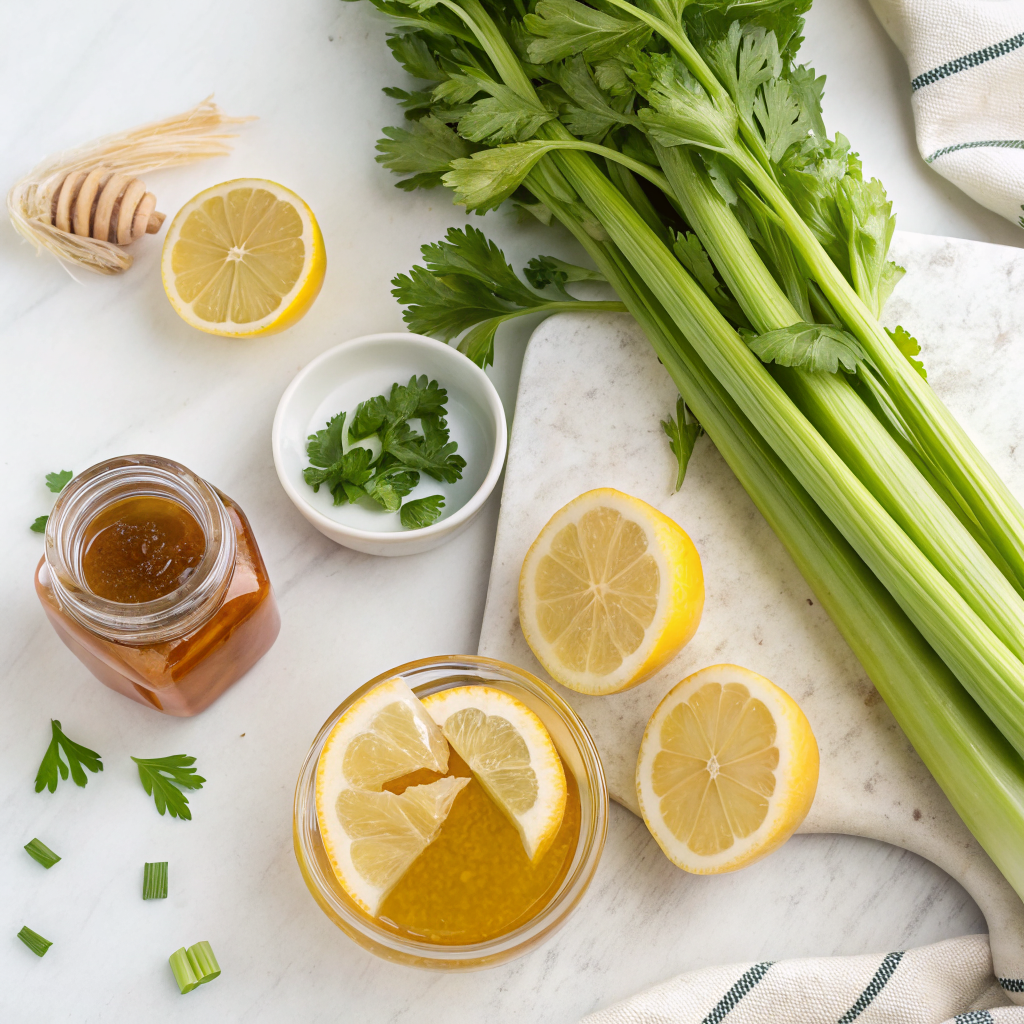
Water is the only other ingredient you might need if using a blender rather than a juicer. A small amount helps the blending process, though you’ll strain it out afterward. Some people add a squeeze of lemon for enhanced flavor and vitamin C, but purists prefer celery alone for the most authentic detoxifying experience.
Step-by-Step Preparation Instructions
Creating your own celery juice recipe begins with proper preparation of the celery. Start by thoroughly washing each stalk under cool running water to remove any dirt or residue. Even organic celery needs a good rinse since it grows close to the ground and can harbor soil particles between the stalks.
Separate the stalks from the bunch and inspect each one individually. You can leave the leaves on, as they contain beneficial nutrients and add a slightly more robust flavor. Trim off the very bottom of the bunch where the stalks connect, as this part can be tough and woody.
Cut the celery stalks into smaller pieces, approximately 2-3 inches in length. This size works well for both juicers and blenders, ensuring efficient processing and maximum juice extraction. If you notice any brown or damaged sections on individual stalks, simply cut those portions away and discard them.
Using a Juicer Method
If you have a juicer, the process becomes remarkably straightforward. Feed the celery pieces through your juicer according to the manufacturer’s instructions. Most juicers work best when you alternate between feeding stalks slowly and steadily rather than cramming multiple pieces in at once.
As the juice flows into your collection container, you’ll notice the vibrant green color and fresh, earthy aroma. The juicer will separate the pulp automatically, leaving you with smooth, fiber-free juice. One pound of celery typically yields about 16 ounces of pure juice, though this can vary based on the celery’s water content and your juicer’s efficiency.
Immediately rinse your juicer components after use to prevent the pulp from drying and becoming difficult to clean. The leftover celery pulp can be composted, added to vegetable broth, or incorporated into recipes like veggie burgers for added fiber.
Using a Blender Method
Don’t have a juicer? No problem—you can still make an excellent celery juice recipe using a high-speed blender. Add your chopped celery pieces to the blender along with approximately 1/4 cup of filtered water. The water helps the blades move freely and ensures thorough blending.
Blend on high speed for 60-90 seconds until the celery is completely liquefied with no large chunks remaining. The mixture will be thick and frothy, quite different from the smooth juice produced by a juicer. This is perfectly normal and will be resolved in the next step.
Place a nut milk bag, fine mesh strainer, or several layers of cheesecloth over a large bowl or pitcher. Pour the blended celery mixture into the strainer and use clean hands or a spoon to press and squeeze out all the liquid. This manual straining process extracts the juice while removing the fibrous pulp, giving you a smooth finished product similar to juiced celery.
Nutritional Benefits and Health Impact
The nutritional profile of this celery juice recipe is impressive despite its simple composition. A 16-ounce serving contains approximately 85 calories, making it a light yet nourishing addition to your morning routine. The juice provides significant amounts of vitamin K, vitamin C, potassium, and folate, all essential for various bodily functions.
According to the Harvard School of Public Health, celery contains beneficial plant compounds including flavonoids and phenolic acids that demonstrate antioxidant properties. These antioxidants help combat oxidative stress in the body, potentially reducing inflammation and supporting cellular health.
The natural sodium found in celery isn’t the same as table salt. These sodium cluster salts work to support electrolyte balance and may help improve hydration at the cellular level. Many people report increased energy levels and mental clarity after consistently drinking celery juice for several weeks.
Important Note: While celery juice offers many potential benefits, it should complement—not replace—a balanced diet rich in whole foods. Always consult with a healthcare provider before making significant dietary changes, especially if you have existing health conditions.
The high water content of celery juice makes it exceptionally hydrating, with approximately 95% of its composition being water. This hydration supports kidney function, helps regulate body temperature, and promotes healthy digestion. The juice also contains small amounts of fiber in the form of soluble compounds that can support gut health even after straining.
Creative Variations to Try
While traditional celery juice purists insist on drinking it plain, there are several variations you can experiment with once you’re accustomed to the base celery juice recipe. Adding half a cucumber creates a milder, more refreshing flavor profile while increasing the juice yield and maintaining the detoxifying properties.
A small handful of fresh parsley or cilantro adds an herbal dimension and introduces additional cleansing compounds. These herbs complement celery’s natural flavor without overwhelming it. Start with just a small amount—about 1/4 cup—and adjust according to your taste preferences.
For those who find pure celery juice too intense initially, adding half a green apple can make the transition easier. The apple provides natural sweetness that balances celery’s earthy, slightly salty taste. However, work toward reducing the apple over time to experience the full benefits of pure celery juice. You might also enjoy other morning beverages like our energizing green smoothie for variety in your healthy routine.
Lemon-Enhanced Variation
Adding the juice of half a lemon to your celery juice creates a bright, tangy variation that many find more palatable. Lemon juice not only enhances the flavor but also contributes additional vitamin C and may support liver function. This combination is particularly refreshing during warmer months when you crave something light and invigorating.
The citric acid in lemon can also help preserve the juice slightly longer by preventing oxidation. However, fresh consumption remains ideal for maximum nutritional benefit. This lemon-celery combination pairs wonderfully with a healthy breakfast, perhaps alongside our nutrient-rich avocado toast.
Ginger-Spiced Version
For those who enjoy a bit of spice, adding a small knob of fresh ginger (about 1/2 inch) to your celery juice recipe creates a warming, invigorating beverage. Ginger contains gingerol, a bioactive compound with powerful anti-inflammatory and antioxidant properties. This variation is especially popular during cold seasons or when you need an extra immune system boost.
The spicy kick from ginger complements celery’s mild flavor beautifully and may help with digestion and nausea. Start with a small amount of ginger and increase gradually, as it can quickly overpower the subtle celery taste.
Best Serving Suggestions and Timing
The optimal time to drink your celery juice recipe is first thing in the morning on an empty stomach. This timing allows your body to absorb the nutrients without competition from other foods. Wait at least 15-30 minutes after drinking celery juice before consuming breakfast to maximize the benefits.
Serve your celery juice immediately after preparation in a clear glass to appreciate its vibrant color. The juice should be consumed at room temperature or slightly chilled—not ice cold, which can shock your digestive system first thing in the morning. If you prefer it cooler, store it in the refrigerator for 10-15 minutes rather than adding ice, which dilutes the nutrients.
Start with a smaller serving size if you’re new to celery juice. Begin with 8 ounces and gradually work up to 16 ounces over the course of a week or two. This allows your body to adjust to the detoxifying effects and helps prevent digestive discomfort that some people experience initially.
Common Mistakes to Avoid
One of the most frequent mistakes people make with their celery juice recipe is adding too many other ingredients. While variations can be enjoyable, overwhelming the celery with multiple fruits and vegetables defeats the purpose of this specific detox practice. The power of celery juice lies in its purity and the specific compounds it contains when consumed alone.
Another common error is making large batches and storing them for extended periods. While convenient, this approach significantly diminishes the nutritional value. Celery juice begins oxidizing immediately after extraction, and the beneficial enzymes start degrading. For optimal results, consume your juice within 15 minutes of preparation, or within 24 hours if absolutely necessary.
Many beginners also make the mistake of not drinking enough water throughout the day after consuming celery juice. The detoxifying effects can be dehydrating if you’re not supporting your body with adequate water intake. Aim to drink at least 8 glasses of water spread throughout the day when you’re regularly consuming celery juice.
Pro Tip: Don’t skip washing your celery thoroughly, even if it’s organic. Proper cleaning removes potential contaminants and ensures the purest, safest juice possible.
Drinking celery juice too quickly is another mistake that can lead to digestive upset. Sip it slowly over 5-10 minutes rather than gulping it down. This gives your digestive system time to recognize and process the incoming nutrients, improving absorption and reducing the likelihood of bloating or discomfort.
Proper Storage and Shelf Life
Freshness is paramount when it comes to this celery juice recipe. Ideally, you should prepare and consume your celery juice immediately to capture maximum nutritional benefits. However, if you must store it, place the juice in an airtight glass container filled to the very top to minimize air exposure, which causes oxidation.
Store your celery juice in the coldest part of your refrigerator, typically at the back of the bottom shelf. Under these conditions, the juice will maintain reasonable quality for up to 24 hours, though some nutrient degradation is inevitable. Beyond this timeframe, the juice may develop off flavors and lose significant nutritional value.
You’ll notice that stored celery juice may separate, with the liquid settling at the bottom and a foamy layer forming on top. This is natural and simply requires a gentle shake or stir before drinking. However, if the juice develops a brown color, sour smell, or unusual taste, discard it immediately as these are signs of spoilage.
Freezing Considerations
While freezing is not recommended for optimal nutrition, you can freeze celery juice in ice cube trays if you’ve made too much. These cubes can be added to smoothies or thawed for drinking, though expect some nutrient loss. Frozen celery juice maintains acceptable quality for up to one month but will never match the potency of freshly made juice.
When thawing frozen celery juice, do so gradually in the refrigerator rather than using the microwave, which can further degrade nutrients. Remember that freezing changes the texture slightly, and you may notice more separation upon thawing that requires thorough mixing.
Expert Resources and Scientific Backing
The popularity of this celery juice recipe has prompted increased scientific interest in celery’s health properties. Research published on Medical News Today highlights celery’s potential anti-inflammatory properties and its role in supporting cardiovascular health through natural compounds like phthalides.
Nutritionists emphasize that while celery juice can be a beneficial addition to a healthy lifestyle, it shouldn’t be viewed as a cure-all or replacement for medical treatment. The juice works best as part of a comprehensive approach to wellness that includes a balanced diet, regular exercise, adequate sleep, and stress management.
Many integrative health practitioners recommend celery juice as part of a morning routine that supports the body’s natural detoxification processes. The liver and kidneys naturally filter toxins, and the nutrients in celery juice may support these organs in performing their functions more efficiently. However, more large-scale human studies are needed to confirm many of the anecdotal benefits reported by celery juice enthusiasts.
Equipment Recommendations

passionate about high-protein, easy meal-prep recipes for busy lifestyles.