
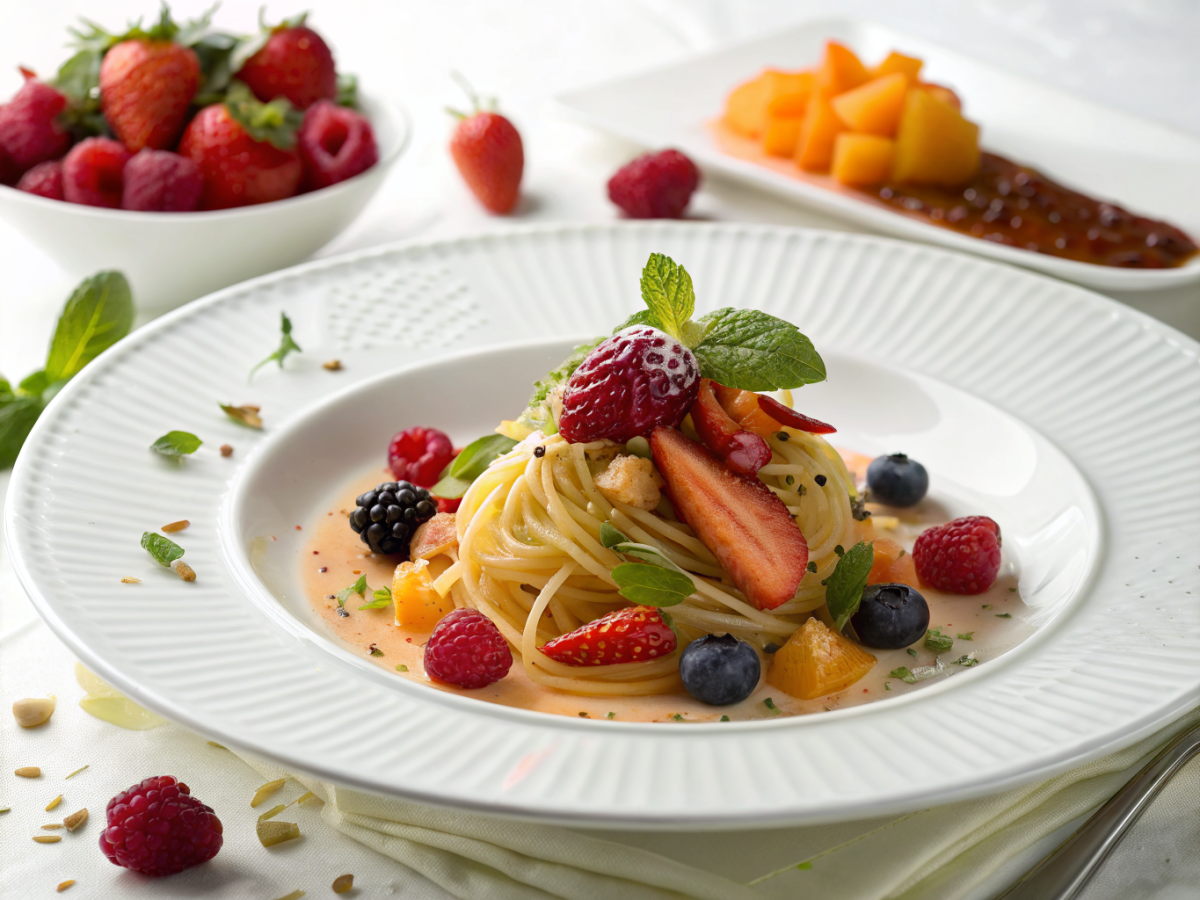
Ultimate Hwachae Recipe
Ingredients
Method
- Cut the watermelon into bite-sized cubes and hull and halve the strawberries. Place all the fruit in a large serving bowl.
- In a separate bowl, combine the cold milk and condensed milk. Whisk together until the condensed milk is fully dissolved and the mixture is smooth.
- Pour the chilled sprite or lemon-lime soda into the milk mixture and gently stir to combine. Be careful not to stir too vigorously to preserve the carbonation.
- Pour the milk and soda mixture over the prepared fruit in the serving bowl. Add ice cubes to keep everything cold and refreshing.
- If desired, add blueberries for extra color and drizzle honey over the top for additional sweetness. Gently stir to distribute the ingredients.
- Let the hwachae sit in the refrigerator for 5-10 minutes to allow the flavors to meld together. Serve immediately in individual bowls or glasses with a spoon.
Nutrition
Notes
Tried this recipe?
Let us know how it was!Hwachae: 5 Easy Tips in 25 Minutes
Creating the perfect hwachae doesn’t require professional skills or exotic ingredients. The key lies in selecting ripe, seasonal fruits and balancing the sweetness of your liquid base with the natural flavors of the fruit. With just five simple techniques, you can master this stunning Korean beverage that looks as impressive as it tastes.
First, always use chilled ingredients to maintain the refreshing temperature throughout preparation. Second, cut your fruits into uniform, bite-sized pieces for the best visual appeal and eating experience. Third, prepare your sweet base at least an hour ahead to allow flavors to meld and chill properly.
Fourth, consider the color contrast when selecting your fruits—mixing red strawberries, golden pineapple, and green kiwi creates a visually stunning presentation. Fifth, add your carbonated element just before serving to preserve the fizz and keep your drink lively. These straightforward tips ensure success every single time you prepare this delightful beverage.
Why You’ll Love This Hwachae
This Korean fruit punch stands out among refreshing drinks and detox beverages because of its incredible versatility and natural sweetness. Unlike sugary sodas or artificial juice drinks, hwachae celebrates the pure flavors of fresh fruit while providing hydration and nutrients. The combination of textures—from crisp fruit pieces to smooth liquid—creates a multi-sensory experience that delights with every sip.
The visual appeal cannot be overstated; this beverage looks like edible art in a glass or bowl. The floating fruit pieces, vibrant colors, and sparkling liquid make it Instagram-worthy and perfect for impressing guests at any gathering. Children and adults alike are drawn to its playful presentation and naturally sweet taste without artificial additives.
Additionally, hwachae is incredibly adaptable to dietary preferences and seasonal availability. You can make it vegan, adjust the sweetness level, incorporate superfoods, or use whatever fruits are at their peak ripeness. This flexibility means you’ll never tire of making and enjoying this traditional Korean refreshment throughout the year.
The preparation process is remarkably forgiving and quick, requiring no cooking skills beyond basic knife work. Even kitchen beginners can produce restaurant-quality results in under thirty minutes. The make-ahead nature of many components also makes it ideal for stress-free entertaining when you want to focus on your guests rather than last-minute preparations.
Core Ingredients for Hwachae
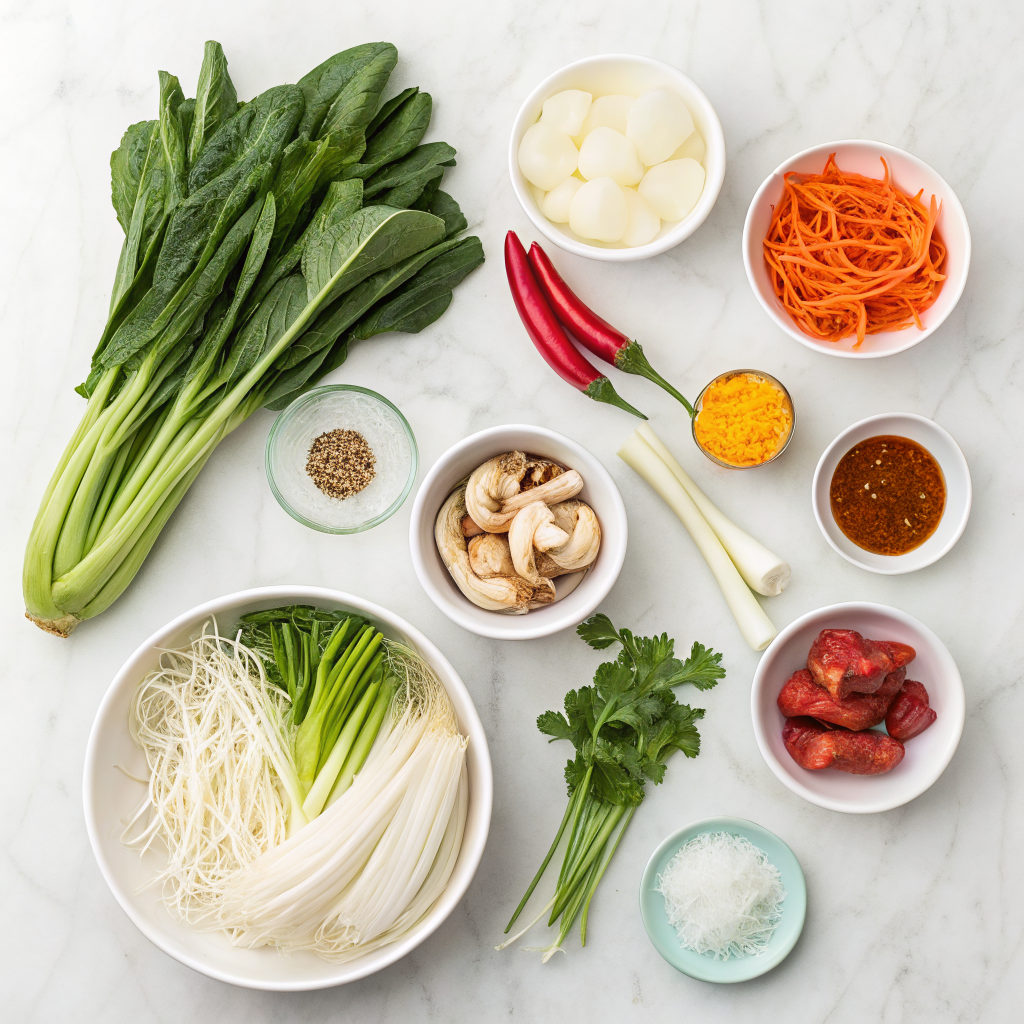
The foundation of authentic hwachae begins with selecting the right combination of fresh fruits and liquid base. Traditional versions often feature watermelon, strawberries, and Korean melon, but modern interpretations welcome any seasonal fruits you prefer. The key is choosing ripe, sweet fruits with firm textures that won’t break down too quickly when submerged in liquid.
Fresh Fruits
Watermelon serves as the classic base fruit, providing both flesh for eating and juice for the liquid component. Choose a seedless variety or remove seeds carefully for the best eating experience. Aim for about three cups of cubed watermelon for a standard recipe serving four to six people.
Strawberries add beautiful color and a beloved flavor that appeals to all ages. Select firm, red berries without soft spots, and hull them before slicing into halves or quarters. One to two cups of prepared strawberries provides the perfect balance without overwhelming other flavors.
Additional fruits to consider include pineapple chunks, kiwi slices, blueberries, raspberries, grapes, peaches, or Korean pear. Mix at least three different fruits for visual interest and flavor complexity. Always wash fruits thoroughly and cut them into similar-sized pieces for uniform presentation and easy eating.
Liquid Base Components
The liquid foundation typically combines water, sweetener, and a fizzy element. Start with two cups of cold water as your base, which can be plain filtered water or coconut water for added flavor and electrolytes. The water should be ice-cold from the refrigerator before you begin mixing.
For sweetness, traditional recipes use honey, sugar syrup, or omija concentrate, which adds a unique sweet-tart flavor. You’ll need approximately one-quarter to one-half cup of sweetener depending on the natural sweetness of your fruits and personal preference. Natural sweeteners provide better nutritional value compared to refined sugar options.
Sprite, 7-Up, or sparkling water provides the signature fizz that makes hwachae so refreshing. Use one to two cups of your chosen carbonated beverage, adding it just before serving to maintain maximum bubbles. For an alcohol-free option, plain sparkling water works beautifully, while adults might enjoy adding a splash of soju or champagne.
Optional Enhancements
Fresh mint leaves add an aromatic dimension that complements the fruit flavors beautifully. Tear or roughly chop six to eight mint leaves and add them to the liquid base. The mint infuses subtle freshness without overpowering the delicate fruit notes.
Pine nuts are a traditional Korean addition that provides unexpected crunch and nutty flavor. Toast one to two tablespoons lightly before sprinkling on top just before serving. This authentic touch elevates your hwachae from simple fruit punch to a truly special beverage with cultural significance.
Ice cubes or crushed ice keep everything perfectly chilled, though some prefer to freeze fruit juice into decorative ice cubes that won’t dilute the flavor as they melt. Consider freezing small pieces of fruit inside ice cubes for an extra-impressive presentation that guests will remember.
How to Make Hwachae: Step-by-Step
Begin by thoroughly washing all your selected fruits under cold running water. Pat them dry with clean kitchen towels or paper towels to remove excess moisture. This initial cleaning step ensures your beverage is safe and free from any dirt or pesticide residues that might affect the taste.
Next, prepare your fruits by removing any inedible parts like stems, seeds, or tough skins. Cut watermelon into bite-sized cubes, approximately one-inch pieces that are easy to eat with a spoon. Slice strawberries into halves or quarters depending on their size, ensuring all pieces are roughly uniform for visual consistency.
Continue preparing any additional fruits you’ve chosen, cutting them into similarly sized pieces. Place all prepared fruit into a large glass bowl or pitcher—glass showcases the beautiful colors better than opaque containers. Refrigerate the fruit while you prepare the liquid base to keep everything cold.
In a separate container, combine your cold water with your chosen sweetener. Stir vigorously until the sweetener completely dissolves into the water, creating a clear, sweet base. Taste and adjust sweetness at this stage, remembering that the fruit will add natural sugars as it sits in the liquid.
If using mint leaves, add them to the sweetened water and let the mixture steep in the refrigerator for fifteen to thirty minutes. This infusion time allows the mint flavor to permeate the liquid without becoming overwhelming. For stronger mint flavor, gently bruise the leaves before adding them to release more essential oils.
Pour the chilled, sweetened liquid over your prepared fruit in the glass container. Gently stir to ensure all fruit pieces are submerged and the liquid is evenly distributed. At this point, you can refrigerate the mixture for up to two hours to allow flavors to meld together beautifully.
Just before serving, add your carbonated component—whether sprite, sparkling water, or another fizzy beverage. Pour slowly down the side of the container to preserve as many bubbles as possible. Stir very gently just once or twice to incorporate without releasing too much carbonation.
Taste your creation and make any final adjustments to sweetness or fizz level. If desired, add ice cubes or crushed ice to individual serving glasses rather than the main container. This prevents dilution of the main batch while keeping individual servings perfectly chilled.
Garnish with fresh mint sprigs, a sprinkle of toasted pine nuts, or additional fruit pieces on the rim of glasses for an elegant presentation. Serve immediately with long spoons so guests can enjoy both the liquid and the fruit pieces. Healthy dessert options like this provide guilt-free indulgence that everyone appreciates.
Nutrition & Health Benefits
Hwachae offers impressive nutritional benefits thanks to its foundation of fresh, whole fruits packed with vitamins, minerals, and antioxidants. Watermelon provides lycopene, a powerful antioxidant linked to heart health and reduced inflammation. It’s also over ninety percent water, making it incredibly hydrating—perfect for hot weather or post-exercise refreshment.
Strawberries deliver exceptional amounts of vitamin C, with just one cup providing more than the daily recommended intake. This essential nutrient supports immune function, skin health, and iron absorption. Strawberries also contain folate, manganese, and beneficial plant compounds that may help regulate blood sugar levels.
The natural fruit sugars in hwachae provide quick energy without the crash associated with refined sugar drinks. When you use honey as a sweetener, you gain additional antimicrobial and anti-inflammatory properties. Natural ingredients always provide superior nutrition compared to processed alternatives.
This beverage is naturally low in calories when made without excessive added sugars, typically containing only eighty to one hundred twenty calories per serving. The high water and fiber content from fruit pieces helps promote feelings of fullness, making it a satisfying snack that won’t derail healthy eating goals.
For those watching their sugar intake, hwachae can be adapted by reducing or eliminating added sweeteners and relying solely on fruit’s natural sugars. Using sparkling water instead of sugary sodas further reduces the calorie and sugar content. This flexibility makes it suitable for various dietary approaches including low-sugar, diabetic-friendly, and weight management plans.
The hydration benefits cannot be overstated, especially during summer months or after physical activity. The combination of water-rich fruits and liquid base replenishes fluids more effectively than plain water alone. The natural electrolytes present in fruits and coconut water (if used) support proper hydration at the cellular level.
Variations & Substitutions
The beauty of hwachae lies in its adaptability to personal preferences and ingredient availability. For a tropical version, substitute mango chunks, papaya, and lychee for traditional Korean fruits. Add coconut water as the liquid base and garnish with toasted coconut flakes for a vacation-inspired twist that transports you to paradise with every sip.
Create a berry-focused variation using only strawberries, blueberries, raspberries, and blackberries for an antioxidant powerhouse. This version pairs beautifully with a lemon-infused simple syrup and sparkling rosé for an elegant adult beverage. The deep jewel tones create a visually stunning presentation perfect for special occasions.
For fall and winter months when summer fruits aren’t at their peak, try a citrus version with orange segments, grapefruit pieces, and pomegranate arils. Use ginger-infused honey syrup for warmth and depth of flavor. This seasonal adaptation proves that hwachae isn’t just a summer drink but a year-round refreshment.
Those avoiding added sugars can rely entirely on naturally sweet fruits like ripe peaches, grapes, and pineapple. Blend some of the watermelon to create a naturally sweet juice base without any additional sweeteners. This whole-food approach maximizes nutritional benefits while maintaining delicious flavor.
For a probiotic boost, replace half the liquid with kombucha or water kefir. These fermented beverages add beneficial bacteria for gut health while contributing unique tangy notes that complement the fruit sweetness. Choose fruit-flavored varieties that harmonize with your chosen fruits for the best flavor combination.
Create a kid-friendly version using fun-shaped fruit pieces cut with cookie cutters, adding gummy bears or fruit jellies for extra appeal. Use colorful striped straws and serve in clear plastic cups so children can see all the exciting components. This playful approach makes healthy eating fun and encourages fruit consumption.
Serving Suggestions
Present hwachae in a large glass punch bowl at parties, allowing guests to serve themselves and admire the beautiful fruit display. Provide a ladle and clear cups so everyone can see the colorful contents. Place the bowl on a bed of ice to maintain the perfect serving temperature throughout your event without frequent trips to the refrigerator.
For intimate gatherings or family meals, serve individual portions in stemless wine glasses, mason jars, or traditional Korean bowls. Layer the fruit artfully in clear glasses before adding the liquid for a restaurant-quality presentation. This approach also allows you to customize each serving to individual preferences regarding fruit selection or sweetness level.
Pair hwachae with Korean barbecue, spicy dishes, or rich foods where its refreshing nature provides perfect contrast. The cool, sweet beverage cleanses the palate between bites of savory or spicy foods. It’s traditionally served alongside main meals in Korea rather than as a standalone dessert, though it works beautifully in either role.
For brunch gatherings, serve hwachae in champagne flutes with a splash of prosecco for an elegant mimosa alternative. The fruit pieces add visual interest and substance that traditional mimosas lack. This sophisticated presentation impresses guests while offering something unique and memorable beyond standard brunch beverages.
Consider hwachae as a healthy dessert option after hearty dinner recipes, providing sweetness and satisfaction without the heaviness of traditional desserts. The light, refreshing nature leaves guests feeling refreshed rather than overly full. Serve with small spoons and encourage guests to eat the fruit pieces for a complete dessert experience.
Pack individual servings in mason jars with tight-fitting lids for portable refreshment at picnics, beach outings, or outdoor concerts. Keep them in a cooler until ready to serve, adding the carbonated component just before opening. This make-ahead approach means you can enjoy homemade refreshment anywhere without complicated preparation on-site.
Common Mistakes to Avoid
One frequent error is adding carbonated beverages too early, which results in flat, lifeless hwachae by serving time. Always add fizzy components at the last possible moment before serving to preserve the delightful bubbles and effervescence. If preparing for a party, keep the carbonated beverage separate and add it just as guests arrive.
Using underripe or overripe fruit significantly impacts the final result. Underripe fruit lacks sweetness and flavor, while overripe fruit breaks down too quickly and creates mushy texture. Select fruit at peak ripeness—firm enough to hold shape but sweet and flavorful. When gently pressed, ripe fruit should yield slightly without being soft or mushy.
Cutting fruit pieces too large makes hwachae difficult to eat and less visually appealing. Aim for bite-sized pieces that fit easily on a spoon and look proportional in the glass. Uniform sizing also ensures even flavor distribution and prevents larger pieces from sinking while smaller ones float awkwardly.
Over-sweetening is a common pitfall, especially when using naturally sweet fruits combined with sugary sodas. Start with less sweetener than you think necessary, remembering that fruit releases natural sugars as it sits in the liquid. Proper seasoning and flavoring techniques apply to beverages just as much as savory dishes.
Failing to chill ingredients adequately before assembly results in lukewarm hwachae that lacks refreshment factor. All components—fruit, liquid base, and serving glasses—should be cold before combining. This attention to temperature ensures your beverage stays refreshingly cold throughout the serving period without becoming diluted by excessive ice.
Using tap water with strong mineral flavors or chlorine taste can negatively impact the delicate fruit flavors. Always use filtered or bottled water for the best results. The water quality matters more than you might expect since it comprises a significant portion of the final beverage.
Storage & Meal Prep Tips
Prepared fruit can be cut and stored separately in airtight containers in the refrigerator up to twenty-four hours before assembly. Keep different fruits in separate containers to prevent flavor transfer and texture degradation. Pat fruits dry before storing to remove excess moisture that could make them soggy or promote bacterial growth.
The sweetened liquid base can be prepared up to three days in advance and stored in a covered pitcher or jar in the refrigerator. This make-ahead step saves time on the day of serving and allows mint or other flavorings to infuse more deeply. Shake or stir well before using since some separation may occur during storage.
Once assembled without carbonation, hwachae keeps well in the refrigerator for up to twenty-four hours. The fruit will continue releasing juices, creating a more flavorful liquid base over time. However, texture begins to degrade after this point as fruit pieces soften and lose their appealing firmness.
Leftover hwachae can be strained, with the fruit eaten separately as a snack and the liquid frozen into ice pops or used as a smoothie base. This zero-waste approach ensures nothing goes unused. The fruit-infused liquid makes delicious popsicles that children especially enjoy as a healthy frozen treat.
For longer storage of the liquid component, freeze it in ice cube trays, then transfer cubes to freezer bags. These fruit-flavored ice cubes can be added to water, sparkling water, or future batches of hwachae without diluting the flavor. They’re also perfect for adding to quick and easy meal preparations that need a flavor boost.
Avoid freezing assembled hwachae as the fruit texture becomes unpleasantly mushy upon thawing. The carbonation also cannot be preserved through freezing. If you need to prepare far in advance, freeze only the fruit pieces separately on a baking sheet, then transfer to freezer bags once solid.
Final Thoughts on Hwachae
This traditional Korean beverage deserves a place in your regular rotation of refreshing drinks, offering both visual appeal and delicious flavor in one stunning package. The versatility means you’ll never tire of experimenting with new fruit combinations, seasonal variations, and creative presentations. Whether you’re seeking a healthier alternative to sugary drinks or an impressive party beverage, hwachae delivers on all fronts.
The cultural significance of hwachae adds depth to your culinary repertoire, connecting you to centuries of Korean tradition with every batch you prepare. Sharing this beverage with friends and family creates memorable experiences centered around fresh, wholesome ingredients. The simplicity of preparation belies the impressive results, making you look like a skilled chef with minimal effort.
As you become comfortable with the basic recipe, don’t hesitate to experiment with unconventional fruits, herbs, or flavor combinations. The forgiving nature of hwachae means that even unexpected variations usually turn out delicious. Trust your taste preferences and embrace the creative freedom this recipe provides for personal expression through food and drink.
Frequently Asked Questions
Can I make hwachae without carbonated beverages?
Absolutely! While traditional hwachae often includes a fizzy element, you can create a delicious version using only still water, fruit juice, or coconut water. The carbonation adds a fun textural element but isn’t essential to the core concept. Simply increase the amount of your liquid base to compensate for the missing carbonated component, and you’ll still enjoy a refreshing, flavorful beverage.
How long does hwachae stay fresh in the refrigerator?
Hwachae tastes best when consumed within twenty-four hours of preparation, while the fruit pieces maintain optimal texture and the flavors remain bright. After this time, fruits begin to break down and become mushy, though the beverage remains safe to drink for up to three days if properly refrigerated. For best results, add carbonation just before serving each time rather than storing it with fizzy components already mixed in.
What fruits work best for hwachae?
The best fruits for hwachae are those with firm textures that hold their shape when submerged in liquid—watermelon, strawberries, pineapple, grapes, and Korean pear are traditional favorites. Avoid overly soft fruits like bananas or ripe mango that quickly become mushy. Choose fruits at peak ripeness for maximum flavor, and consider color contrast when selecting your combination for the most visually appealing presentation.
Is hwachae suitable for children and pregnant women?
Yes, hwachae is perfectly safe and healthy for children and pregnant women when made with thoroughly washed fruits and clean preparation methods. It provides excellent hydration and nutrition through fresh fruits without artificial additives or excessive caffeine. Simply adjust sweetness levels to taste preferences and ensure all ingredients are fresh and properly stored. The natural fruit sugars provide energy without the concerns associated with artificial sweeteners or high-caffeine beverages.

passionate about high-protein, easy meal-prep recipes for busy lifestyles.