Mediterranean Bowl Recipe: 5 Easy Tips for the Best Results

Delicious mediterranean bowl guide

Delicious Mediterranean Bowl

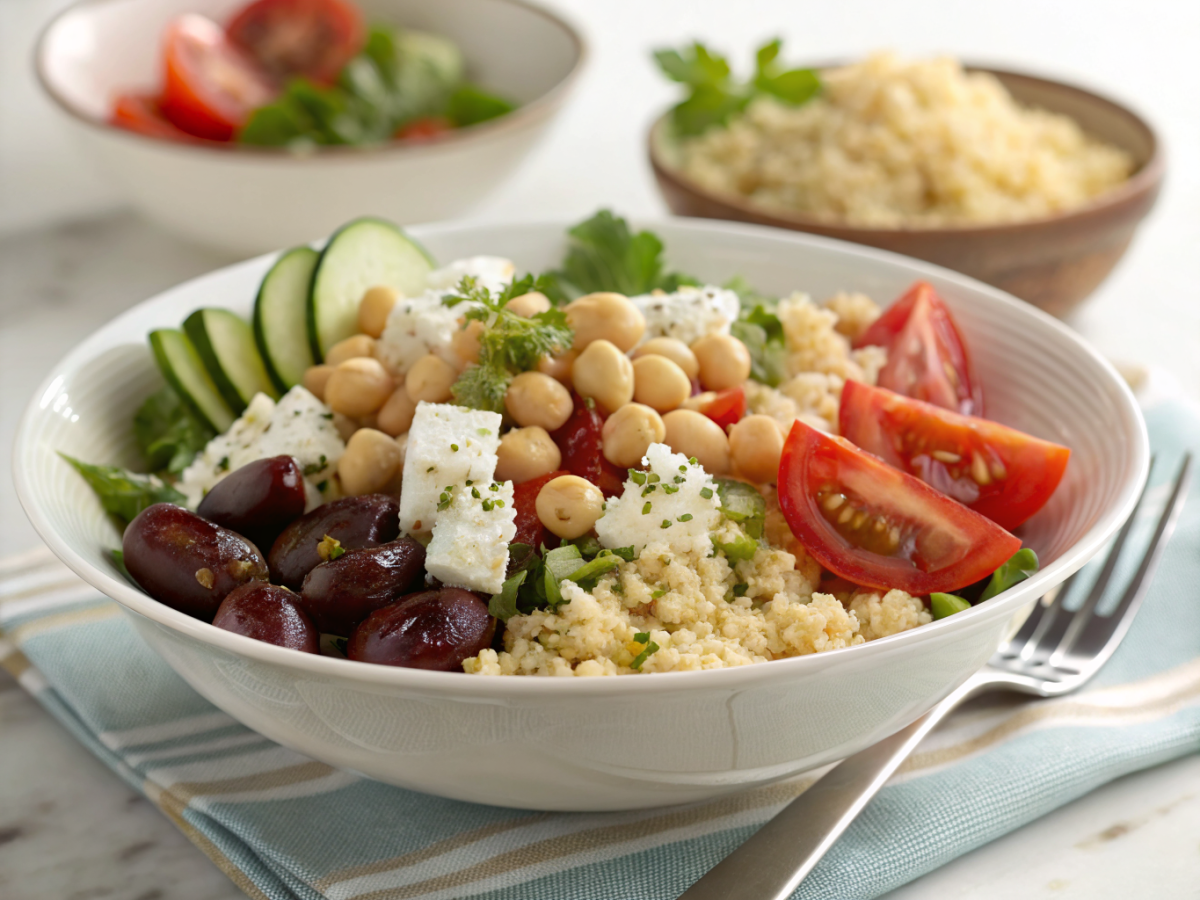
A vibrant high-protein Mediterranean bowl packed with fresh vegetables, grilled chicken, quinoa, and creamy hummus.
Prep Time 15 minutes
Cook Time 25 minutes
Total Time 40 minutes
Servings: 4 servings
Course: High Protein Recipes
Cuisine: American
Calories: 485

Ingredients
  

  • 1.5 lbs chicken breast boneless, skinless
  • 1 cup quinoa uncooked
  • 2 cups cherry tomatoes halved
  • 1 large cucumber diced
  • 1 cup hummus store-bought or homemade
  • 1/2 cup kalamata olives pitted and sliced
  • 1/2 cup feta cheese crumbled
  • 3 tablespoons olive oil divided
  • 2 teaspoons dried oregano

Method
 

  1. Rinse quinoa under cold water. In a medium pot, combine quinoa with 2 cups of water and bring to a boil. Reduce heat to low, cover, and simmer for 15 minutes until water is absorbed. Fluff with a fork and set aside.
  2. Season chicken breasts with salt, pepper, and dried oregano. Heat 2 tablespoons olive oil in a large skillet over medium-high heat. Cook chicken for 6-7 minutes per side until golden brown and internal temperature reaches 165 degrees Fahrenheit. Let rest for 5 minutes, then slice into strips.
  3. While chicken cooks, dice the cucumber, halve the cherry tomatoes, and slice the kalamata olives. Set aside in separate bowls.
  4. Divide cooked quinoa evenly among four bowls as the base. Arrange sliced chicken, cherry tomatoes, cucumber, and olives in sections on top of the quinoa.
  5. Add a generous dollop of hummus to each bowl and sprinkle crumbled feta cheese over the top.
  6. Drizzle remaining olive oil over each bowl and garnish with extra oregano if desired. Serve immediately while chicken is warm.

Nutrition

Calories: 485kcalCarbohydrates: 38gProtein: 42gFat: 18gSodium: 620mgFiber: 7g

Notes

For meal prep, store components separately and assemble just before eating to keep vegetables crisp. You can substitute grilled shrimp or chickpeas for the chicken to vary the protein. Add a squeeze of fresh lemon juice before serving for extra brightness and flavor.

Tried this recipe?

Let us know how it was!
\n\nThis Mediterranean Bowl is a vibrant, nutrient-packed meal that brings together the best flavors of the Mediterranean diet in one delicious dish. Fresh vegetables, protein-rich ingredients, and healthy fats combine to create a satisfying meal that’s ready in just 25 minutes. Whether you’re meal prepping for the week or looking for a quick weeknight dinner, this bowl checks all the boxes for taste, nutrition, and convenience.

Mediterranean Bowl: 5 Easy Tips for Perfect Results

Creating the perfect Mediterranean-inspired bowl starts with understanding the balance of flavors and textures. The key is layering ingredients that complement each other while providing a complete nutritional profile. Each component should shine individually while contributing to the harmonious whole.

First, always start with a quality grain base like quinoa, farro, or brown rice that’s been properly seasoned. Second, ensure your vegetables are cut uniformly for even roasting and visual appeal. Third, don’t skip the acid component—lemon juice or vinegar brightens every bite and balances rich ingredients.

Fourth, invest in good quality olive oil for drizzling, as it’s central to Mediterranean cuisine and adds depth of flavor. Fifth, prepare your protein with Mediterranean spices like oregano, cumin, and garlic for authentic taste. These five tips will transform your bowl from good to restaurant-quality every single time.

Why You’ll Love This Mediterranean Bowl

This recipe delivers everything you want in a modern meal: convenience, nutrition, and incredible flavor all in one bowl. It’s endlessly customizable to suit your preferences, dietary needs, or whatever ingredients you have on hand. The combination of textures—from crispy roasted vegetables to creamy hummus—makes every bite interesting and satisfying.

The Mediterranean diet is consistently ranked as one of the healthiest eating patterns in the world, and this bowl captures its essence perfectly. You’ll get heart-healthy fats from olive oil and nuts, lean protein, complex carbohydrates, and an abundance of vegetables. Plus, it’s naturally adaptable for various dietary preferences including vegetarian, vegan, and gluten-free options.

Meal prep enthusiasts will appreciate how well these bowls store and transport throughout the week. The ingredients hold up beautifully for 4-5 days when stored properly, making lunch planning effortless. You can batch-cook all components on Sunday and assemble fresh bowls in minutes each day, saving time without sacrificing quality or taste.

The visual appeal of these bowls makes them Instagram-worthy and perfect for entertaining guests. Arranging colorful ingredients in sections creates an impressive presentation that looks like it came from a trendy café. Your family and friends will be amazed at how professional and delicious your homemade creation looks and tastes.

Core Ingredients for Mediterranean Bowl

Mediterranean bowl ingredients

The foundation of your bowl starts with a grain base that provides sustained energy and fiber. Quinoa is an excellent choice because it’s a complete protein containing all nine essential amino acids. Alternatively, farro offers a nutty flavor and chewy texture, while brown rice provides a familiar, comforting base that absorbs the flavors of your toppings beautifully.

For protein, grilled chicken breast seasoned with Mediterranean spices is traditional and satisfying. Chickpeas work wonderfully for vegetarian versions, providing 15 grams of protein per cup along with fiber and iron. Falafel, grilled shrimp, or lamb are other authentic options that pair perfectly with the accompanying vegetables and sauces.

Fresh vegetables are essential and should include a variety of colors for maximum nutritional benefit. Cherry tomatoes, cucumbers, red onions, and bell peppers provide crunch and freshness. Roasted vegetables like zucchini, eggplant, and red peppers add depth and a slightly sweet, caramelized flavor that contrasts beautifully with the raw components.

Healthy fats come from multiple sources in this bowl, starting with extra virgin olive oil for dressing and cooking. Kalamata olives add briny saltiness and beneficial monounsaturated fats. Crumbled feta cheese provides creaminess and tang, while a dollop of hummus adds protein, fiber, and satisfying richness to every bite.

Fresh herbs and aromatics elevate the entire dish from simple to spectacular. Parsley, mint, and dill bring brightness and authentic Mediterranean flavor. Garlic, whether raw or roasted, adds pungency and depth. A squeeze of fresh lemon juice at the end ties all the flavors together and makes the entire bowl taste vibrant and alive.

Don’t forget the finishing touches that add texture and visual interest to your creation. Toasted pine nuts or sliced almonds provide crunch and healthy omega-3 fatty acids. A sprinkle of za’atar or sumac adds complexity and authentic Middle Eastern flavor. These small additions make a significant impact on the overall eating experience and nutritional profile.

How to Make Mediterranean Bowl: Step-by-Step

Begin by preparing your grain base according to package instructions, adding a pinch of salt and a drizzle of olive oil to the cooking water. While the grains cook, you can prepare all other components simultaneously to save time. If using quinoa, rinse it thoroughly before cooking to remove the bitter saponin coating that can affect the taste.

Preheat your oven to 425°F for roasting vegetables, which brings out their natural sweetness through caramelization. Cut zucchini, bell peppers, and red onions into uniform pieces, toss with olive oil, salt, pepper, and dried oregano. Spread them in a single layer on a baking sheet and roast for 20-25 minutes, stirring halfway through for even browning.

While vegetables roast, prepare your protein of choice using Mediterranean seasonings for authentic flavor. For chicken, combine olive oil, minced garlic, lemon juice, oregano, cumin, paprika, salt, and pepper in a bowl. Coat the chicken thoroughly and grill or pan-sear over medium-high heat for 6-7 minutes per side until the internal temperature reaches 165°F.

Prepare your fresh vegetable components by dicing cucumbers, halving cherry tomatoes, and thinly slicing red onions. Chop fresh herbs like parsley, mint, and dill, keeping them separate until assembly time. Make a quick lemon-herb dressing by whisking together olive oil, lemon juice, minced garlic, dried oregano, salt, and pepper in a small bowl or jar.

Once all components are ready, it’s time to assemble your beautiful bowl with intention and artistry. Start with a generous base of your cooked grain, fluffed with a fork to keep it light. Arrange your roasted vegetables, protein, and fresh vegetables in separate sections around the bowl for an appealing, restaurant-style presentation that showcases each ingredient.

Add your creamy and briny elements strategically for balance in every bite you take. Place a generous scoop of hummus on one side, scatter Kalamata olives throughout, and crumble feta cheese over the top. Drizzle your lemon-herb dressing over everything, then finish with toasted nuts, fresh herbs, and a final squeeze of lemon juice for brightness.

For those following high protein recipes, consider doubling the chicken or chickpeas to boost the protein content even further. This makes the bowl even more satisfying and perfect for post-workout meals. The combination of complete proteins from quinoa and animal or plant-based sources creates an optimal amino acid profile for muscle recovery and sustained energy.

Nutrition & Health Benefits

This bowl is a nutritional powerhouse that delivers a complete spectrum of macronutrients and micronutrients in perfect balance. A typical serving provides approximately 450-550 calories, 25-30 grams of protein, 50-60 grams of complex carbohydrates, and 15-20 grams of healthy fats. This macronutrient distribution supports stable blood sugar levels, sustained energy, and satiety that lasts for hours.

The Mediterranean diet pattern has been extensively studied and linked to numerous health benefits including reduced cardiovascular disease risk. The combination of olive oil, nuts, fish, and vegetables provides anti-inflammatory omega-3 fatty acids and polyphenols. These compounds help reduce oxidative stress and inflammation, which are underlying factors in many chronic diseases.

Fiber content in this bowl typically ranges from 10-15 grams per serving, supporting digestive health and promoting beneficial gut bacteria. The variety of vegetables provides both soluble and insoluble fiber, each with distinct health benefits. Soluble fiber from chickpeas and vegetables helps lower cholesterol, while insoluble fiber from whole grains promotes regular digestion and prevents constipation.

Micronutrient density is exceptional, with significant amounts of vitamins A, C, K, and several B vitamins present. The colorful vegetables provide antioxidants like lycopene from tomatoes, beta-carotene from peppers, and anthocyanins from red onions. These phytonutrients protect cells from damage and support immune function, skin health, and vision.

Mineral content is equally impressive, with substantial amounts of iron, calcium, magnesium, potassium, and zinc. Chickpeas and quinoa provide plant-based iron, which is enhanced by the vitamin C from tomatoes and lemon juice. Feta cheese and tahini in hummus contribute calcium for bone health, while nuts provide magnesium for muscle and nerve function.

For those interested in learning more about the nutritional benefits of Mediterranean ingredients, this resource on vegetable preparation techniques offers valuable insights. The healthy fats in this bowl also aid in the absorption of fat-soluble vitamins A, D, E, and K. This makes the nutrients more bioavailable and ensures your body can actually use the vitamins and minerals you’re consuming.

Variations & Substitutions

The beauty of this recipe lies in its flexibility and adaptability to various dietary preferences and restrictions. For a vegan version, simply omit the feta cheese and double up on hummus or add tahini drizzle. Nutritional yeast sprinkled on top provides a cheesy flavor while adding B vitamins, making it a smart substitution that doesn’t sacrifice taste.

Protein variations can completely change the character of your bowl while maintaining its Mediterranean essence. Grilled salmon or tuna brings omega-3 fatty acids and a rich, satisfying flavor that pairs beautifully with lemon and herbs. Lamb meatballs seasoned with cumin and coriander offer a more indulgent option, while tempeh or tofu marinated in Mediterranean spices work wonderfully for plant-based eaters.

Grain alternatives allow you to customize the bowl to your texture preferences and nutritional goals. Cauliflower rice creates a low-carb version perfect for those watching their carbohydrate intake or following keto-friendly eating patterns. Bulgur wheat cooks quickly and has a pleasant, nutty flavor, while pearl couscous adds a fun, pasta-like texture that children often enjoy.

Vegetable combinations can shift with the seasons, allowing you to take advantage of what’s fresh and affordable. In summer, add grilled corn, fresh tomatoes, and zucchini for bright, sweet flavors. Winter calls for roasted butternut squash, Brussels sprouts, and kale, which stand up well to roasting and add heartiness to your bowl.

Sauce and dressing variations can dramatically alter the flavor profile while staying true to Mediterranean principles. A yogurt-based tzatziki sauce adds cooling creaminess and probiotics for gut health. Tahini sauce thinned with lemon juice creates a nutty, rich drizzle, while a simple red wine vinaigrette brings acidity and depth without added creaminess.

For those who enjoy experimenting with different cuisines, check out these dinner recipes for more meal inspiration. You can also add pickled vegetables like turnips or red cabbage for a tangy crunch that cuts through rich ingredients. Preserved lemons, a North African staple, bring intense citrus flavor and a unique fermented quality that elevates the entire dish.

Serving Suggestions

This bowl shines as a complete meal on its own, but thoughtful accompaniments can enhance the experience. Warm pita bread or naan on the side is perfect for scooping up every last bit of hummus and dressing. You might also enjoy grilled cheese options that complement Mediterranean flavors beautifully and add extra protein to your meal.

For a lighter accompaniment, serve with a simple side salad dressed with lemon and olive oil. A fattoush salad with crispy pita chips adds textural contrast and additional vegetables. Alternatively, a small portion of tabbouleh provides fresh herbs and bulgur wheat that complement the main bowl without overwhelming it.

Beverage pairings should be refreshing and light to complement the bright flavors of the bowl. Sparkling water with lemon and mint cleanses the palate between bites and aids digestion. For those who enjoy wine, a crisp white wine like Sauvignon Blanc or a light rosé pairs beautifully with the Mediterranean flavors without overpowering the dish.

When entertaining, create a Mediterranean bowl bar where guests can customize their own creations. Set out all the components in separate bowls with serving spoons, allowing everyone to build according to their preferences. This interactive approach works wonderfully for casual gatherings, making meal service easy while ensuring everyone gets exactly what they want.

For a complete Mediterranean feast, serve the bowl alongside other small plates or mezze. Stuffed grape leaves, marinated olives, roasted red pepper dip, and baba ganoush create a spread that transports you to the Mediterranean coast. This approach works especially well for special occasions or when you want to impress guests with minimal effort.

Common Mistakes to Avoid

One of the most frequent errors is overcooking the grain base, which results in mushy, unappetizing texture. Always follow package directions carefully and check for doneness a few minutes before the recommended time. Once cooked, spread the grains on a baking sheet to cool quickly and prevent them from continuing to cook in residual heat.

Under-seasoning is another common pitfall that results in bland, disappointing bowls despite quality ingredients. Each component should be seasoned individually rather than relying solely on the final dressing. Salt your cooking water for grains, season vegetables before roasting, and marinate proteins adequately for flavors to penetrate and develop fully.

Crowding vegetables on the roasting pan prevents proper caramelization and leads to steaming instead of roasting. Always use a large baking sheet or multiple pans to ensure vegetables are in a single layer with space between pieces. This allows hot air to circulate freely, creating the crispy, browned edges that make roasted vegetables irresistible.

Skipping the acid component is a mistake that leaves the bowl tasting flat and one-dimensional. Lemon juice, red wine vinegar, or even a splash of pomegranate molasses brightens all the other flavors. Add acid at the end of cooking or just before serving to preserve its bright, fresh quality and maximize its flavor-enhancing effect.

Using low-quality olive oil defeats the purpose of this Mediterranean-inspired dish where olive oil is a star ingredient. Extra virgin olive oil has a distinct flavor profile that cheap alternatives simply cannot replicate. Invest in a good bottle for finishing and drizzling, reserving regular olive oil for cooking where the subtle flavors will be less noticeable.

Assembling bowls too far in advance can lead to soggy grains and wilted vegetables that lack appeal. While meal prep is encouraged, store components separately and assemble just before eating when possible. If you must assemble ahead, keep wet ingredients like dressing and tomatoes separate until serving time to maintain optimal texture and freshness.

Storage & Meal Prep Tips

Proper storage techniques ensure your meal prep efforts yield delicious results throughout the week. Store each component separately in airtight containers to maintain optimal texture and prevent flavors from bleeding together. Grains, roasted vegetables, and proteins can be refrigerated for 4-5 days, while fresh vegetables and herbs should be stored separately and added just before eating.

Cooked grains store beautifully and can be portioned into individual containers for grab-and-go convenience. Add a small ice cube to the container before reheating to add moisture and prevent drying out. Alternatively, sprinkle a few drops of water over the grains before microwaving, which creates steam that revives their texture perfectly.

Roasted vegetables maintain their quality for up to five days when stored properly in the refrigerator. Allow them to cool completely before transferring to containers to prevent condensation, which can make them soggy. Reheat in a skillet or toaster oven rather than the microwave to restore some of their original crispiness and caramelized edges.

Proteins should be stored separately and sliced just before serving to maintain moisture and prevent drying. Chicken, in particular, benefits from being stored in its cooking juices or a light coating of olive oil. If using chickpeas, store them drained but not rinsed, as the liquid helps preserve their texture and prevents them from drying out.

Fresh components like cucumbers, tomatoes, and herbs should be prepped but stored separately from other ingredients. Keep herbs wrapped in slightly damp paper towels inside plastic bags to maintain freshness. Cherry tomatoes should be stored at room temperature if possible, as refrigeration can affect their flavor and texture negatively.

Dressings and sauces store well in small jars or containers and can be made in larger batches. Shake or whisk before using, as olive oil-based dressings naturally separate during storage. For optimal flavor, allow refrigerated dressings to come to room temperature before serving, as cold temperatures can dull flavors and make olive oil solidify slightly.

For freezer-friendly meal prep, grains and proteins freeze exceptionally well for up to three months when properly packaged. Portion them into individual servings, removing as much air as possible to prevent freezer burn. Thaw overnight in the refrigerator and reheat thoroughly before assembling your bowl with fresh vegetables and toppings.

Final Thoughts on Mediterranean Bowl

This Mediterranean Bowl represents everything wonderful about modern healthy eating—convenience, nutrition, and incredible flavor combined in one satisfying dish. The recipe’s flexibility means you’ll never get bored, as endless variations keep meals interesting and exciting. Whether you’re cooking for one or meal prepping for a busy family, this bowl adapts beautifully to your needs and schedule.

The investment of time in preparing these bowls pays dividends throughout the week in saved time and improved nutrition. You’ll feel energized by the balanced macronutrients and satisfied by the delicious flavors that rival any restaurant. Making this recipe part of your regular rotation is a simple step toward better health without sacrificing taste or spending hours in the kitchen.

Don’t be intimidated by the number of components—each element is simple to prepare, and the process becomes quicker with practice. Start with the basic recipe and gradually experiment with different proteins, vegetables, and flavor combinations. Soon you’ll be creating your own signature version that perfectly suits your taste preferences and nutritional goals.

If you’re looking for more ways to incorporate healthy, quick meals into your routine, explore these quick easy meals for additional inspiration. The skills you develop making these bowls—proper seasoning, efficient prep, and thoughtful assembly—will serve you well across all your cooking endeavors. You’re not just making dinner; you’re building a foundation for lifelong healthy eating habits that taste absolutely delicious.

Frequently Asked Questions

Can I make a Mediterranean Bowl ahead of time for meal prep?

Absolutely! Mediterranean Bowl components store beautifully when kept separate in airtight containers for 4-5 days. Cook your grains, roast vegetables, and prepare protein in advance, then assemble fresh bowls daily. Keep dressings, fresh vegetables, and herbs separate until serving time to maintain optimal texture and prevent sogginess. This approach gives you restaurant-quality meals in minutes throughout your busy week.

What’s the best protein to use in a Mediterranean Bowl?

The best protein depends on your dietary preferences, but grilled chicken, chickpeas, and falafel are traditional favorites. Chicken provides lean protein with authentic Mediterranean flavor when seasoned with oregano and lemon. Chickpeas offer plant-based protein with fiber, making them perfect for vegetarians. Grilled salmon, shrimp, or lamb are excellent alternatives that pair beautifully with the vegetables and herbs in your bowl.

How can I make my Mediterranean Bowl more filling?

Increase the grain portion or add a second protein source to make your bowl more substantial and satisfying. Quinoa is particularly filling because it’s a complete protein, or try adding both chickpeas and grilled chicken. Including more healthy fats like extra hummus, avocado, or additional nuts also increases satiety. For additional meal ideas, check out this collection of satisfying recipes that complement Mediterranean flavors beautifully.

Is a Mediterranean Bowl suitable for weight loss?

Yes, Mediterranean Bowl recipes are excellent for weight loss because they’re nutrient-dense, high in fiber, and naturally portion-controlled. The combination of protein, complex carbohydrates, and healthy fats keeps you satisfied longer, reducing snacking and overeating. The Mediterranean diet pattern has been extensively studied and shown to support healthy weight management. Control portions of higher-calorie ingredients like olive oil, nuts, and cheese while loading up on vegetables for a lighter version.

Leave a Comment

Recipe Rating