
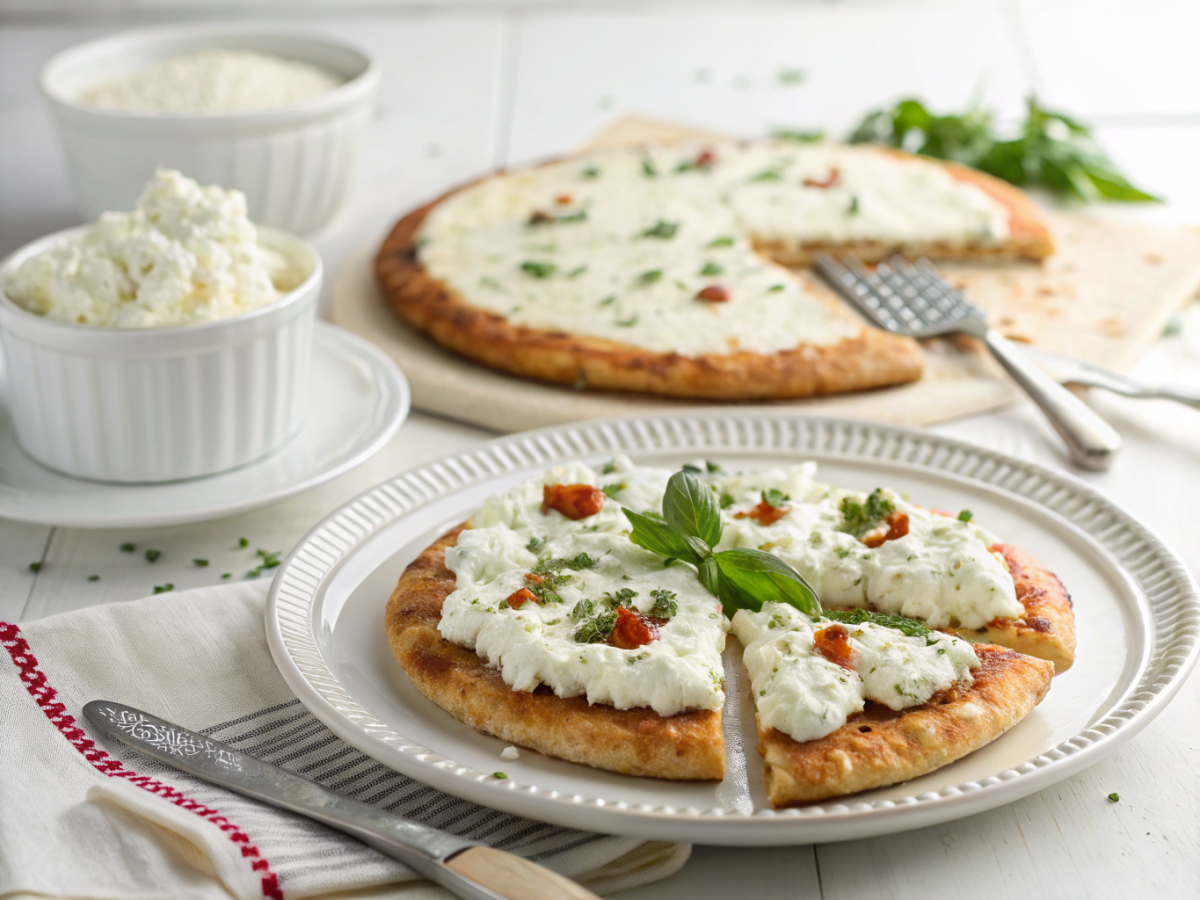
3-Ingredient Cottage Cheese Pizza Crust (No Flour) Everyone Will Ask You To Make Again
Ingredients
Method
- Preheat your oven to 375 degrees Fahrenheit. Line a large baking sheet with parchment paper and set aside.
- Add cottage cheese, eggs, and Parmesan cheese to a food processor or blender. Add garlic powder, Italian seasoning, salt, and pepper if using. Blend until completely smooth with no lumps remaining.
- Pour the mixture onto the prepared baking sheet. Use a spatula to spread it into a circle or rectangle about 1/4 inch thick, creating your desired pizza crust shape.
- Bake for 20-25 minutes until the crust is golden brown and set in the center. The edges should be slightly crispy.
- Remove from oven and add your favorite pizza sauce, cheese, and toppings.
- Return to the oven and bake for an additional 5-8 minutes until the cheese is melted and bubbly.
- Let cool for 2-3 minutes, slice, and serve immediately while hot.
Nutrition
Notes
Tried this recipe?
Let us know how it was!3-Ingredient Cottage Cheese Pizza Crust (No Flour): Easy Guide in 25 Minutes
Creating this revolutionary pizza crust requires minimal effort and delivers maximum results in just 25 minutes from start to finish. The beauty of this recipe lies in its simplicity—no complicated techniques, no specialized equipment, and no lengthy preparation time. You’ll be amazed at how three humble ingredients transform into a golden, crispy crust that rivals traditional pizza bases.
The cottage cheese provides moisture and protein while creating a tender interior, while the eggs act as a binding agent to hold everything together seamlessly. Parmesan cheese adds a savory depth of flavor and helps achieve that coveted crispy exterior. This combination creates a sturdy base that won’t get soggy under your favorite toppings.
Whether you’re following a gluten-free diet, reducing carbohydrates, or simply looking for a creative way to incorporate more protein into your meals, this crust delivers on all fronts. The texture is surprisingly similar to traditional pizza crust, with a slight tanginess from the cottage cheese that complements both classic and adventurous topping combinations. Best of all, you can prepare multiple crusts at once and freeze them for quick weeknight dinners.
Why You’ll Love This 3-Ingredient Cottage Cheese Pizza Crust (No Flour)
This innovative pizza crust solves multiple dietary challenges while delivering exceptional taste and texture that will impress even the pickiest eaters. The high protein content keeps you fuller longer, making it an ideal choice for those managing their weight or building muscle. Unlike cauliflower crusts that can be watery or almond flour crusts that crumble easily, this cottage cheese version holds together beautifully.
The nutritional profile is outstanding, with each serving providing approximately 15 grams of protein and minimal carbohydrates compared to traditional wheat-based crusts. This makes it perfect for anyone following high-protein recipes or low-carb eating plans. The absence of flour means it’s naturally gluten-free, opening up pizza night to those with celiac disease or gluten sensitivities.
Texture-wise, you’ll appreciate the slightly crispy edges and tender center that provides the perfect foundation for your favorite toppings. The mild tanginess from the cottage cheese adds complexity without overwhelming other flavors. Plus, the simplicity of the ingredient list means you likely have everything you need in your refrigerator right now.
Budget-conscious cooks will love how affordable this recipe is compared to specialty gluten-free pizza crusts from the store. A single container of cottage cheese can make multiple pizza crusts, and the other ingredients are pantry staples. The versatility is another major advantage—use it for breakfast pizzas, flatbreads, personal-sized pizzas, or even as a base for creative appetizers.
Core Ingredients for 3-Ingredient Cottage Cheese Pizza Crust (No Flour)
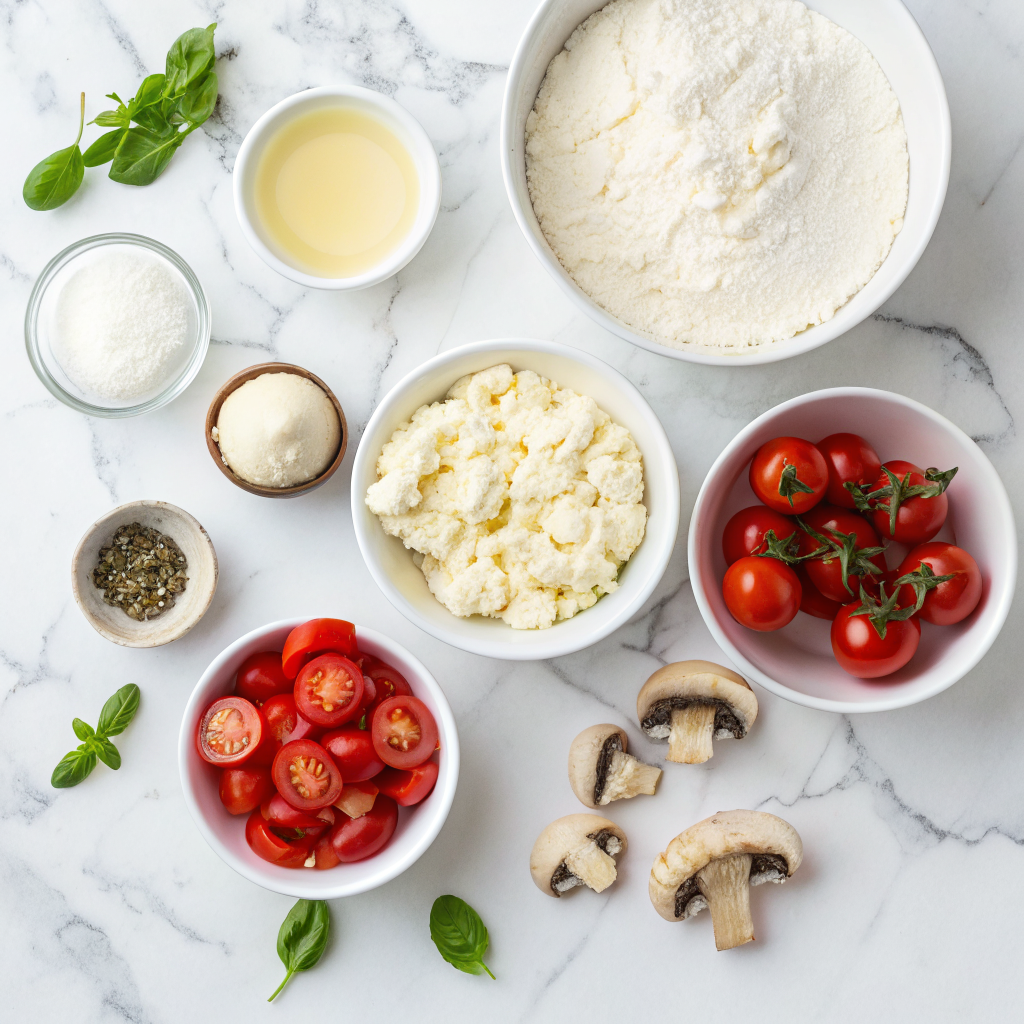
The star ingredient is cottage cheese, which provides the bulk of the crust’s structure and moisture while delivering an impressive protein boost. Use full-fat cottage cheese for the best texture and flavor, as low-fat versions can result in a slightly drier crust. The curds break down during mixing, creating a smooth base that binds beautifully with the other ingredients.
Eggs serve as the crucial binding agent that holds the crust together and helps it set during baking. They also contribute additional protein and create a slightly fluffy texture when beaten properly. Large eggs work best for this recipe, and they should be at room temperature for optimal mixing and even distribution throughout the batter.
Grated Parmesan cheese adds savory umami flavor and helps create that golden, crispy exterior everyone loves on pizza crust. Use freshly grated Parmesan rather than the pre-grated variety for superior flavor and better melting properties. The Parmesan also contributes to the structural integrity of the crust, helping it hold its shape when topped with sauce and toppings.
Ingredient Quantities
- 2 cups cottage cheese (full-fat recommended)
- 2 large eggs (room temperature)
- 1 cup grated Parmesan cheese (freshly grated preferred)
- Optional: 1/2 teaspoon garlic powder for extra flavor
- Optional: 1/2 teaspoon Italian seasoning for herbal notes
- Optional: 1/4 teaspoon salt (adjust based on cheese saltiness)
How to Make 3-Ingredient Cottage Cheese Pizza Crust (No Flour): Step-by-Step
Begin by preheating your oven to 400°F (200°C) and lining a large baking sheet with parchment paper or a silicone baking mat. Proper preparation prevents sticking and ensures even browning. If you prefer a crispier crust, consider preheating a pizza stone in the oven.
In a large mixing bowl, combine the cottage cheese and eggs, blending them together until relatively smooth. You can use a whisk, fork, or even an immersion blender for a completely smooth consistency. Some small curds remaining is perfectly fine and won’t affect the final texture.
Add the grated Parmesan cheese to the cottage cheese mixture and stir until everything is evenly distributed. The mixture will be quite wet and spreadable, similar to a thick batter rather than traditional pizza dough. This is exactly the consistency you want for this recipe.
Forming and Baking the Crust
Pour the mixture onto your prepared baking sheet and use a spatula to spread it into a circle or rectangle about 1/4 to 1/3 inch thick. Try to maintain even thickness throughout to ensure uniform baking. Leave a slightly thicker edge if you prefer a crust-like border on your finished pizza.
Bake the crust for 15-18 minutes until it’s golden brown around the edges and set in the center. The surface should look dry and feel firm to the touch. Don’t worry if it seems slightly soft in the very center—it will firm up as it cools slightly.
Remove the crust from the oven and add your desired toppings immediately while it’s still hot. Return the topped pizza to the oven for an additional 5-7 minutes to melt the cheese and warm the toppings. This two-stage baking process ensures the crust stays crispy while the toppings cook perfectly.
Pro Tips for Perfect Results
For an extra-crispy crust, broil the plain crust for 1-2 minutes before adding toppings, watching carefully to prevent burning. Blot any excess moisture from the baked crust with paper towels before adding sauce. This simple step prevents sogginess and maintains that desirable crispy texture.
If you’re making multiple pizzas, you can prepare the batter in advance and store it in the refrigerator for up to 24 hours. Give it a good stir before spreading on the baking sheet. You can also experiment with the thickness—thinner crusts will be crispier, while thicker ones offer a more substantial, bread-like texture.
Nutrition & Health Benefits
This cottage cheese pizza crust is a nutritional powerhouse that outperforms traditional flour-based crusts in several key areas. Each serving provides approximately 15-18 grams of protein, depending on the cottage cheese brand and serving size. This high protein content supports muscle maintenance, promotes satiety, and helps stabilize blood sugar levels throughout the day.
The carbohydrate content is remarkably low at just 3-5 grams per serving, making this an excellent choice for those following ketogenic or low-carb diets. By comparison, a similar serving of traditional pizza crust contains 25-30 grams of carbohydrates. This dramatic reduction allows you to enjoy pizza while maintaining your dietary goals and avoiding blood sugar spikes.
Cottage cheese is rich in calcium, providing about 15% of your daily requirement per serving of this crust. Calcium supports bone health, muscle function, and nerve transmission. The eggs contribute essential vitamins including B12, riboflavin, and selenium, while also providing healthy fats that aid in nutrient absorption.
The absence of refined flour means you’re avoiding empty calories and potential inflammatory responses that some people experience with wheat products. This crust is naturally gluten-free, making it safe for those with celiac disease or non-celiac gluten sensitivity. The combination of complete proteins from both cottage cheese and eggs provides all nine essential amino acids your body needs.
Caloric Breakdown
- Calories per serving: 180-220 (depending on portion size)
- Protein: 15-18g
- Fat: 12-15g
- Carbohydrates: 3-5g
- Fiber: 0g
- Calcium: 15% daily value
- Vitamin B12: 20% daily value
Variations & Substitutions
While the basic three-ingredient version is delicious, you can customize this crust to suit your taste preferences and dietary needs. For a more traditional pizza flavor, add Italian seasoning, garlic powder, or dried basil directly to the batter. These herbs complement the tanginess of the cottage cheese and enhance the overall flavor profile without adding carbohydrates.
If you prefer a different cheese flavor, substitute half the Parmesan with Romano, Asiago, or aged cheddar. Each cheese brings its own unique taste while maintaining the structural integrity of the crust. For a milder flavor, use mozzarella instead of Parmesan, though this may result in a slightly less crispy texture.
Those seeking extra fiber can add 2 tablespoons of ground flaxseed or chia seeds to the batter. This addition provides omega-3 fatty acids and additional nutrients while maintaining the low-carb profile. The seeds also add a subtle nutty flavor that pairs well with various toppings.
Dietary Modifications
For a dairy-free version, substitute the cottage cheese with blended silken tofu mixed with nutritional yeast for a cheesy flavor. Replace the Parmesan with dairy-free cheese alternatives, though the texture may differ slightly. This adaptation works well for those with lactose intolerance or following a vegan lifestyle.
To make this crust even more nutrient-dense, blend in a handful of fresh spinach or other leafy greens before baking. The mild flavor of the greens disappears into the crust while boosting the vitamin and mineral content. You can also add finely chopped sun-dried tomatoes or olives for Mediterranean-inspired flavor variations.
For those who enjoy a bit of heat, incorporate red pepper flakes, cayenne pepper, or diced jalapeños into the batter. These spicy additions create a flavorful base that pairs exceptionally well with bold toppings. Consider adding everything bagel seasoning for a unique twist that works particularly well for breakfast pizzas.
Serving Suggestions
This versatile crust pairs beautifully with classic pizza toppings like marinara sauce, mozzarella cheese, pepperoni, and fresh basil. The mild tanginess of the cottage cheese base complements tomato-based sauces particularly well. For a quick easy meal, keep your toppings simple and let the unique crust shine through.
Consider using this crust for breakfast pizzas topped with scrambled eggs, bacon, avocado, and salsa for a protein-packed start to your day. The sturdy texture holds up well under hearty breakfast toppings. You can also create a white pizza with ricotta, garlic, spinach, and artichoke hearts for an elegant lunch option.
For a lighter option, top the crust with pesto, grilled chicken, cherry tomatoes, and arugula added after baking for a fresh, restaurant-quality meal. The crust also works wonderfully as a flatbread for Mediterranean-style toppings like hummus, cucumber, feta, and olives. These combinations showcase the crust’s versatility beyond traditional pizza applications.
Creative Topping Combinations
- BBQ chicken with red onions, cilantro, and smoked gouda
- Margherita with fresh mozzarella, tomato slices, and basil
- Buffalo chicken with ranch drizzle and celery
- Veggie supreme with bell peppers, mushrooms, and olives
- Breakfast pizza with eggs, sausage, and cheddar
- Hawaiian with ham, pineapple, and jalapeños
- Greek-style with feta, spinach, kalamata olives, and tzatziki drizzle
Serve your cottage cheese crust pizza alongside a crisp green salad with vinaigrette to round out the meal. The fresh vegetables provide fiber and additional nutrients while complementing the rich, protein-heavy pizza. Consider pairing with roasted vegetables or a cup of soup for a satisfying, balanced dinner that covers all nutritional bases.
Common Mistakes to Avoid
One of the most frequent errors is making the crust too thick, which results in a soggy center that doesn’t cook through properly. Aim for a consistent 1/4 to 1/3 inch thickness across the entire crust. Use a measuring tool or visual guide if you’re unsure about the thickness to ensure even baking and optimal texture.
Another common mistake is not baking the crust long enough before adding toppings, leading to a wet, undercooked base that falls apart when sliced. The crust should be golden brown and firm to the touch before you add any sauce or toppings. Be patient during this initial baking phase—it’s crucial for structural integrity.
Using low-fat cottage cheese instead of full-fat can result in a drier, less flavorful crust that doesn’t hold together as well. The fat content in full-fat cottage cheese contributes to moisture, flavor, and binding properties. While low-fat versions can work in a pinch, the results won’t be quite as impressive.
Troubleshooting Tips
If your crust turns out too soft or wet, you may have added toppings that released too much moisture during baking. Pre-cook watery vegetables like mushrooms, zucchini, or tomatoes before adding them as toppings. Pat any wet ingredients dry with paper towels to remove excess moisture before placing them on the crust.
When the crust browns too quickly on the edges but remains pale in the center, lower your oven temperature by 25°F and bake for a slightly longer time. Oven temperatures can vary significantly, so adjust based on your specific appliance. Consider rotating the baking sheet halfway through cooking for more even browning.
If you’re having trouble spreading the batter evenly, try wetting your spatula or using the back of a spoon dipped in water. This prevents sticking and allows for smoother spreading. You can also place a piece of parchment paper over the batter and use your hands to press it into an even layer.
Storage & Meal Prep Tips
Baked cottage cheese pizza crusts store exceptionally well, making them perfect for meal prep and busy weeknight dinners. Once cooled completely, wrap individual crusts tightly in plastic wrap or aluminum foil and store in the refrigerator for up to 4 days. Reheat in a 350°F oven for 5-7 minutes to restore crispiness before adding fresh toppings.
For longer storage, freeze unbaked or baked crusts for up to 3 months with excellent results. If freezing unbaked batter, portion it into individual servings in freezer-safe containers or bags. Thaw overnight in the refrigerator before spreading and baking. Alternatively, freeze fully baked crusts between sheets of parchment paper in a freezer bag.
When ready to use frozen baked crusts, there’s no need to thaw—simply top the frozen crust and bake at 375°F for 12-15 minutes until heated through and toppings are cooked. This method maintains the crust’s texture better than thawing and reheating. You can also prepare a double or triple batch on meal prep day to have ready-to-top crusts available all week.
Make-Ahead Strategies
Prepare the unbaked batter up to 24 hours in advance and store it covered in the refrigerator until ready to bake. Give it a good stir before spreading on the baking sheet. This makes weeknight pizza preparation even faster—simply spread, bake, and top for dinner in under 30 minutes total.
Consider baking plain crusts on Sunday and storing them for quick weeknight meals throughout the week. Pair with pre-prepped toppings stored in containers for an assembly-line dinner that the whole family can customize. This approach works especially well for those exploring breads and baked goods for meal planning purposes.
Leftover pizza with toppings can be stored in airtight containers in the refrigerator for up to 3 days. Reheat individual slices in an air fryer or toaster oven for best results, as microwaving can make the crust soggy. The air fryer method at 350°F for 3-4 minutes restores the crispy texture beautifully.
Final Thoughts on 3-Ingredient Cottage Cheese Pizza Crust (No Flour)
This 3-Ingredient Cottage Cheese Pizza Crust (No Flour) represents a perfect intersection of nutrition, convenience, and delicious flavor that makes healthy eating sustainable and enjoyable. The simplicity of the recipe removes barriers to cooking at home while delivering professional-quality results that will impress family and friends. Whether you’re managing dietary restrictions or simply seeking variety in your meal rotation, this crust offers endless possibilities.
The versatility of this recipe cannot be overstated—it works equally well for casual weeknight dinners, meal prep sessions, entertaining guests, or introducing children to healthier pizza options. The high protein content makes it particularly valuable for athletes, busy professionals, and anyone looking to increase their protein intake without relying on supplements. Plus, the ability to customize flavors and toppings means you’ll never get bored.
By mastering this simple technique, you’re adding a valuable tool to your cooking repertoire that supports various dietary approaches including gluten-free, low-carb, keto, and high-protein eating plans. The cost-effectiveness compared to specialty store-bought alternatives makes this an economical choice for regular meal planning. Most importantly, the taste and texture are so satisfying that you won’t feel like you’re compromising on flavor for health benefits.
Give this 3-Ingredient Cottage Cheese Pizza Crust (No Flour) a try for your next pizza night, and you’ll understand why everyone who tastes it asks for the recipe. The combination of simplicity, nutrition, and delicious results makes this a recipe you’ll return to again and again. Don’t be surprised when this becomes your go-to pizza crust, replacing traditional dough entirely in your kitchen.
Frequently Asked Questions
Can I use low-fat cottage cheese instead of full-fat?
While you can use low-fat cottage cheese, the results won’t be quite as rich and flavorful as when using full-fat. The 3-Ingredient Cottage Cheese Pizza Crust (No Flour) made with low-fat cottage cheese may be slightly drier and less cohesive. The fat content in full-fat cottage cheese contributes to moisture, binding, and overall texture, so we recommend sticking with full-fat for optimal results.
Why is my crust soggy in the middle?
A soggy center typically results from either spreading the batter too thick or not baking the initial crust long enough before adding toppings. Ensure your 3-Ingredient Cottage Cheese Pizza Crust (No Flour) is spread to an even 1/4 to 1/3 inch thickness and bake until golden brown and firm before adding any sauce or toppings. Also, avoid overloading with wet toppings, and consider pre-cooking vegetables that release moisture.
Can I make this crust ahead of time?
Absolutely! This crust is excellent for meal prep and can be made several days in advance. Bake the plain crust, allow it to cool completely, then wrap tightly and refrigerate for up to 4 days or freeze for up to 3 months. When ready to use, simply add your toppings and bake until heated through. The make-ahead convenience is one of the best features of this recipe.
Is this crust suitable for a keto diet?
Yes, this crust is perfectly suited for ketogenic diets with only 3-5 grams of carbohydrates per serving compared to 25-30 grams in traditional pizza crust. The high protein and moderate fat content align well with keto macronutrient ratios. Just be mindful of your topping choices—opt for low-carb vegetables, meats, and cheeses while avoiding sugary sauces to keep your pizza fully keto-compliant.
For more culinary inspiration, visit AllRecipes.

creates quick vegetarian dinners and vibrant taco recipes.