
—
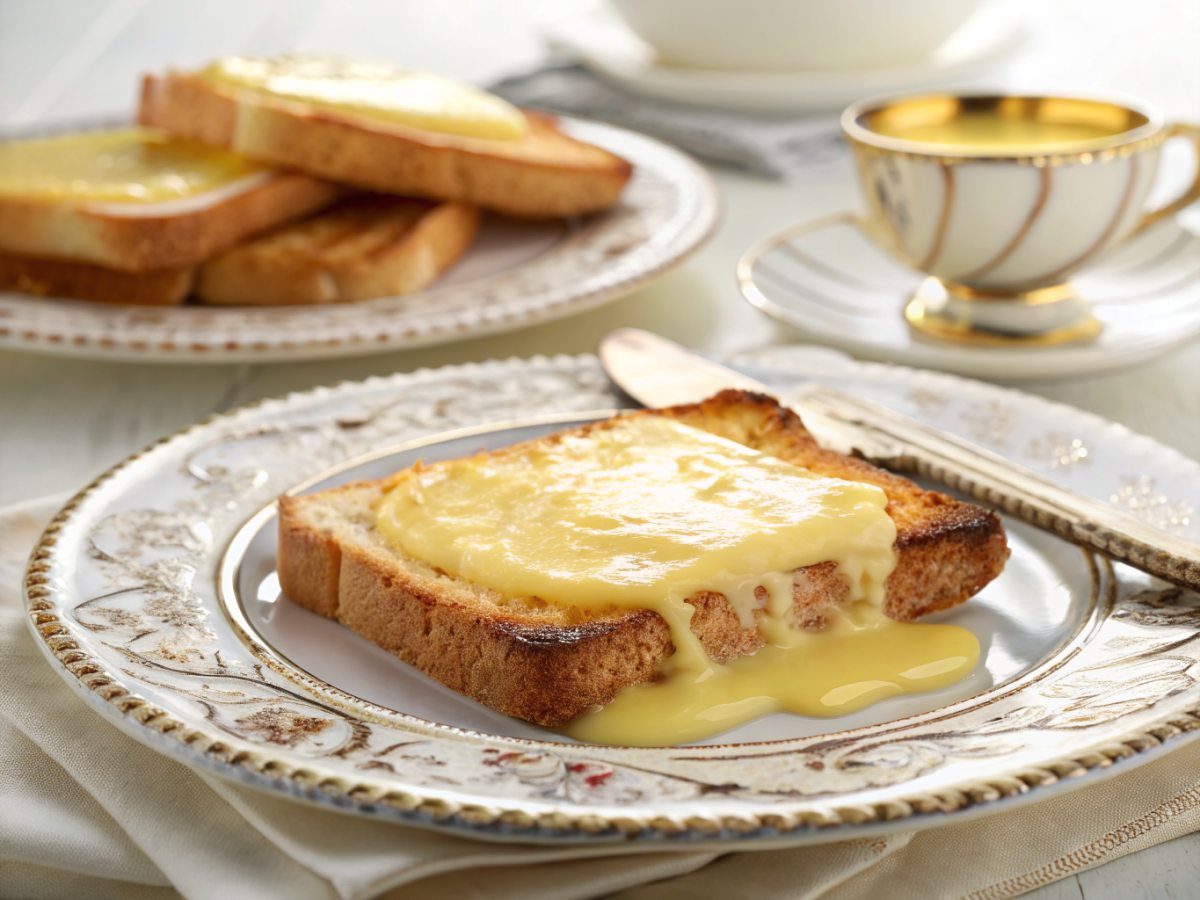
My Grandma’s Custard Toast: The Cozy Breakfast That Always Steals the Show
Oh, this custard toast? It’s the kind of recipe that makes mornings feel like a warm hug. I first had it at my grandma’s kitchen table when I was maybe eight years old—she’d make it on lazy Saturday mornings when the house smelled like coffee and cinnamon. The first bite was a revelation: crispy edges giving way to this soft, eggy center that tasted like dessert for breakfast. I begged her for the recipe, and she finally scribbled it on a stained index card that I still keep in my recipe box. (The card, by the way, has a coffee ring on it, which I consider a badge of honor.)
Now? I make this for my own family when I want to feel like I’ve got my act together—even if my kitchen is a disaster and I’m still in pajamas. It’s that easy, that comforting, and that *good*. And trust me, once you try it, you’ll understand why I’m obsessed.
—
Why You’ll Fall in Love with Custard Toast
This isn’t just toast. It’s a little bit of magic. Imagine the best French toast you’ve ever had, but with an even creamier, custard-like center and a caramelized crust that shatters just slightly when you cut into it. The smell alone—vanilla and cinnamon mingling with buttery bread—will have everyone in the house hovering by the stove, asking, “Is it ready yet?”
It’s the perfect balance of simple and special. You probably have everything you need in your pantry right now, but it feels like a treat you’d order at a fancy brunch spot. And the best part? It takes about 15 minutes from start to finish. Yes, really.
—
The Secret to Perfect Custard Toast: 5 Tips I Swear By
I’ve made this recipe *a lot*—like, so many times I’ve lost count. And along the way, I’ve picked up a few tricks that take it from “good” to “can I have seconds (and thirds)?” Here’s what I’ve learned:
1. Day-Old Bread is Your Best Friend
Fresh bread is great for sandwiches, but for custard toast? You want something with a little more structure. Day-old bread (or even slightly stale) soaks up the custard like a dream without turning to mush. If all you’ve got is fresh bread, no worries—just pop it in the oven at 300°F for about 10 minutes to dry it out a bit. Problem solved.
2. Don’t Rush the Soak
I get it—you’re hungry, and that custard mixture looks *so* good. But resist the urge to dip and dash. Let each slice soak for a solid 20-30 seconds per side. You want the bread to drink up that custardy goodness, but not so much that it falls apart when you try to flip it. Think of it like a spa day for your bread: it needs time to absorb all the good stuff.
3. Medium Heat is Non-Negotiable
This is where I messed up the first few times. I cranked the heat to high, thinking it would cook faster, and ended up with toast that was burnt on the outside and raw in the middle. *Not cute.* Medium heat is your sweet spot—it gives the custard time to set while the outside gets golden and crispy. If you’re using a non-stick pan, you can go a little lower; cast iron might need a smidge more heat. Just keep an eye on it.
4. Butter is the Flavor MVP
Don’t even think about skimping on the butter. It’s not just for greasing the pan—it’s what gives the toast that rich, caramelized crust. I like to use unsalted butter so I can control the saltiness, but if all you’ve got is salted, just reduce the pinch of salt in the custard mixture. And here’s a pro tip: let the butter foam just slightly before adding the bread. That’s when you know it’s hot enough to get that perfect sear.
5. Let It Rest (Yes, Really)
I know, I know—it’s *right there*, and it smells like heaven. But if you cut into it too soon, the custard will ooze out, and you’ll lose that luscious, creamy center. Let it sit for just a minute or two after cooking. It’ll hold its shape better, and the flavors will have a chance to settle. Trust me, it’s worth the wait.
—
Let’s Make Custard Toast!
Alright, enough chit-chat—let’s get to the good part. Here’s how to make the custard toast of your dreams.
Grandma’s Famous Custard Toast
Golden, crispy toast soaked in a rich custard mixture and pan-fried to perfection. It’s like French toast’s creamier, dreamier cousin—and it’s ready in 15 minutes!
- 4 slices thick-cut bread (day-old works best—I like brioche or challah, but any sturdy bread will do)
- 2 large eggs
- 1/2 cup whole milk (or half-and-half if you’re feeling fancy)
- 2 tablespoons granulated sugar
- 1 teaspoon vanilla extract (the good stuff—none of that imitation nonsense)
- 1/4 teaspoon ground cinnamon
- 1 tiny pinch of salt
- 2 tablespoons unsalted butter (for frying)
- 1 tablespoon powdered sugar (for dusting—because presentation matters!)
Here’s How We Do It:
-
Make the custard. In a shallow bowl (I use a pie dish), whisk together the eggs, milk, sugar, vanilla, cinnamon, and salt until it’s smooth and frothy. You want it to look like a pale yellow pool of deliciousness. Let it sit for about 2 minutes—this gives the sugar time to dissolve and the flavors a chance to meld. (If you’re using half-and-half, you’ll notice it’s a little thicker, which is *amazing*.)
-
Soak the bread. Dip each slice of bread into the custard, letting it soak for 20-30 seconds per side. You’ll see the bread start to plump up a little—that’s a good sign! Don’t let it sit too long, or it’ll start to fall apart. If your bread is extra thick, you might need to press it down gently to make sure the custard gets all the way through.
-
Heat the pan. Melt the butter in a large skillet or griddle over medium heat. You’ll know it’s ready when it starts to foam slightly and smells nutty. That’s your cue to add the bread!
-
Cook to golden perfection. Place the soaked bread slices in the pan and cook for 3-4 minutes on the first side. You want a deep golden-brown crust—don’t peek too soon! When it’s ready, the edges will look crispy, and the custard will have set around them. Flip carefully (a thin spatula is your friend here) and cook for another 2-3 minutes on the second side.
-
Serve it up! Transfer the toast to plates and let it rest for just a minute. Dust with powdered sugar—this isn’t just for looks, it adds a little sweetness that ties everything together. Then, go wild with toppings. I’m partial to fresh berries and a drizzle of maple syrup, but my kids love it with whipped cream and a sprinkle of chocolate chips. (No judgment here.)
Notes from My Kitchen to Yours:
- Bread matters: Thick-cut is key here. If your bread is too thin, it’ll turn soggy. Brioche, challah, or even a good sourdough all work beautifully. And if your bread is fresh, remember to dry it out a bit in the oven first.
- Don’t oversoak: It’s tempting to let the bread soak longer for extra custardy goodness, but resist! Too much time in the custard = bread that falls apart in the pan. Nobody wants that.
- Heat control: If your toast is browning too quickly, lower the heat. You want the custard to cook through without burning the outside. Patience is key!
- Make it richer: Swap the milk for half-and-half or even heavy cream if you’re feeling indulgent. It’s a game-changer.
- Batch cooking: If you’re feeding a crowd, keep the cooked toast warm in a 200°F oven while you finish the rest. It’ll stay crispy and delicious.
Nutrition (per serving):
- Calories: 280
- Fat: 12g
- Carbohydrates: 34g
- Protein: 8g
For more culinary inspiration, visit AllRecipes.
You might also like: Cloud Toast 2.0: High-Protein Breakfast in 15 Minutes

HomeCook Legacy Kitchen is the editorial name of homecooklegacy.com. Recipes on this site are drafted with the help of AI tools and published by the HomeCook Legacy team. Please check ingredients, cooking times and food-safety guidance for your own situation.