
[INST]
Thank you for reading this post, don't forget to subscribe!Meatloaf with Glaze: A Homestyle Classic Elevated & Flavor-Packed
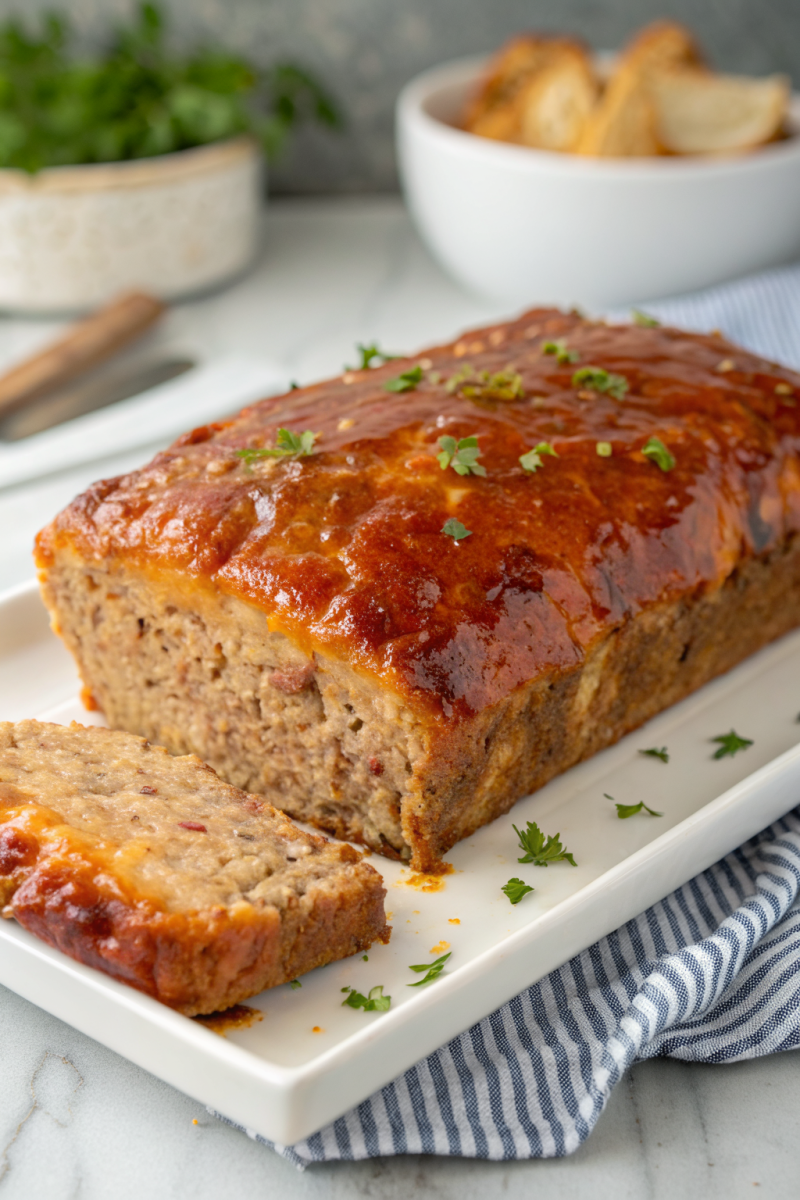
Meatloaf with Glaze is a culinary cornerstone, known for its comforting presence on dinner tables across generations. But what if this beloved dish could be more than just a memory? This comprehensive guide dives deep into crafting a truly exceptional meatloaf, one that transcends the ordinary, featuring a stunning, flavorful glaze that elevates it to Instagram-worthy status. We’ll explore chef-level techniques to ensure a perfectly moist interior, a rich umami flavor profile, and that irresistible, beautiful presentation, making it a perfect wholesome and deeply satisfying meal for any occasion.
Why Meatloaf with Glaze Deserves a Spot on Your Table
In a world of fleeting food trends, the enduring appeal of Meatloaf with Glaze is undeniable. It’s hearty, nourishing, and evokes a sense of home and comfort. For many, it’s a taste of childhood, an anchor in busy lives that brings families together around the dinner table. More than just nostalgia, a well-made meatloaf offers a balanced meal, packed with protein and often incorporating vegetables. The glaze isn’t just for show; it adds a crucial layer of flavor, a sweet and tangy counterpoint that cuts through the richness of the meat, transforming a simple dish into something truly special. This dish is perfect for meal prepping, feeding a crowd, or enjoying a cozy night in, proving that wholesome food can also be incredibly delicious and impressive.
Understanding the Anatomy of a Perfect Meatloaf with Glaze
To craft an outstanding Meatloaf with Glaze, it’s essential to understand its key components and how they interact. Each element plays a vital role in achieving the desired texture, flavor, and appearance.
The Meat Blend: Foundation of Flavor and Texture
The type and ratio of ground meat you choose significantly impact the final product. While a single type of meat can work, a blend often yields the best results in terms of flavor and moisture.
- Ground Beef (80/20 or 85/15): This is the classic choice and provides excellent flavor and moisture due to its fat content. Aim for a blend that’s not too lean, as some fat is crucial for a tender, juicy meatloaf.
- Ground Pork: Adds richness, moisture, and a slightly different savory dimension. Often combined with beef for a deeper flavor profile.
- Ground Veal or Lamb: Can be incorporated for a more gourmet twist, offering unique, subtle flavors. Veal adds tenderness, while lamb brings a distinct savory note.
- Ground Turkey or Chicken: For a lighter option, these can be used, but generally require more fat (like added olive oil or bacon) and moisture-rich ingredients (like sautéed onions) to prevent dryness.
For a truly rich and flavorful meatloaf, a combination of 1.5 lbs ground beef (85/15) and 0.5 lbs ground pork is highly recommended. This blend ensures excellent moisture and a robust, savory taste that’s a hallmark of a great Meatloaf with Glaze.
Aromatics and Vegetables: The Heart of the Flavor
These ingredients are sautéed and mixed into the meat, infusing it with depth and complexity.
- Onions: Finely diced and sautéed until softened and lightly caramelized, they add sweetness and a foundational savory flavor.
- Garlic: Minced and added during the last minute of sautéing the onions, it provides a pungent, aromatic kick.
- Celery: Adds a subtle, earthy, and fresh note, contributing to the overall aromatic profile.
- Carrots: Finely grated or diced, they add natural sweetness, moisture, and a hint of color.
- Bell Peppers: Red or green bell peppers, finely diced, can add a fresh, slightly peppery flavor and moisture.
- Fresh Herbs: Parsley, thyme, oregano, or rosemary, finely chopped, elevate the flavor with a fragrant, herbaceous essence.
Binders: The Key to Structure and Moisture
Binders are crucial for holding the meatloaf together and preventing it from becoming crumbly or dry.
- Breadcrumbs: Panko breadcrumbs are excellent as they absorb moisture, keeping the meatloaf juicy, and provide a light, airy texture. Stale regular breadcrumbs also work well.
- Eggs: Act as a binding agent, helping to emulsify the mixture and provide structure as it bakes.
- Milk or Cream: Adds moisture and richness, helping to hydrate the breadcrumbs and keep the meatloaf tender.
Seasonings: The Spice of Life
Proper seasoning is paramount to a well-balanced flavor profile.
- Salt and Freshly Ground Black Pepper: Non-negotiables for enhancing all other flavors.
- Worcestershire Sauce: Adds a deep, umami richness and a touch of tangy complexity.
- Ketchup or Tomato Paste: Provides acidity, sweetness, and a foundational tomato flavor that pairs perfectly with beef.
- Mustard (Dijon or Yellow): A small amount adds a sharp, piquant note that brightens the overall flavor.
- Smoked Paprika or Onion/Garlic Powder: Can be used for additional depth and aroma.
The Glaze: The Crown Jewel of Meatloaf with Glaze
The glaze is what truly sets a great Meatloaf with Glaze apart. It provides a beautiful, caramelized finish and a burst of complementary flavor.
- Ketchup Base: The most common and beloved base, offering sweetness and tang.
- Brown Sugar or Maple Syrup: Essential for sweetness and promoting caramelization.
- Vinegar (Apple Cider or White): Adds a crucial tangy element to balance the sweetness.
- Worcestershire Sauce: Deepens the savory notes.
- Mustard (Dijon or Dry Mustard): Provides a hint of sharpness.
- Smoked Paprika or Chili Powder: For a subtle smoky or spicy kick, if desired.
A classic glaze often involves a simple mix of ketchup, brown sugar, and apple cider vinegar, sometimes with a dash of Worcestershire or Dijon. The key is to achieve a balance of sweet, tangy, and savory that complements the rich meatloaf without overpowering it.
Ingredients for the Ultimate Meatloaf with Glaze
This recipe is designed for maximum flavor, moisture, and a gorgeous presentation – perfect for an Instagram-worthy food shot!
For the Meatloaf:
- 2 tbsp olive oil
- 1 large yellow onion, finely diced
- 3 cloves garlic, minced
- 1 large carrot, finely grated or very finely diced
- 1 stalk celery, very finely diced
- 2 lbs ground meat (preferably 1.5 lbs 85/15 ground beef, 0.5 lb ground pork)
- 1 cup Panko breadcrumbs (or regular breadcrumbs)
- 1/2 cup whole milk (or half-and-half for extra richness)
- 2 large eggs, lightly beaten
- 1/4 cup ketchup (or tomato paste for deeper flavor)
- 2 tbsp Worcestershire sauce
- 1 tbsp Dijon mustard
- 1 tsp dried thyme
- 1/2 tsp smoked paprika
- 1.5 tsp coarse salt (or to taste)
- 1/2 tsp freshly ground black pepper (or to taste)
- 1/4 cup fresh parsley, chopped (optional, for freshness)
For the Glaze:
- 1/2 cup ketchup
- 1/4 cup packed light brown sugar
- 2 tbsp apple cider vinegar
- 1 tbsp Worcestershire sauce
- 1 tsp Dijon mustard
Step-by-Step Method: Crafting Your Masterpiece Meatloaf with Glaze
Step 1 — Prepare the Aromatics and Vegetables
Heat 2 tbsp olive oil in a large skillet over medium heat. Add the finely diced onion, grated carrot, and finely diced celery. Sauté for 8-10 minutes, stirring occasionally, until the vegetables are softened and translucent (not browned). Add the minced garlic and cook for another minute until fragrant. This step is crucial for building a deep flavor base and ensuring the vegetables are tender within the meatloaf, rather than crunchy. Transfer the sautéed vegetables to a very large mixing bowl and allow them to cool for about 10 minutes. This prevents the raw meat from cooking when combined.

Step 2 — Combine the Wet Binders and Seasonings
To the bowl with the cooled vegetables, add the Panko breadcrumbs, milk, beaten eggs, 1/4 cup ketchup, Worcestershire sauce, Dijon mustard, dried thyme, smoked paprika, salt, and black pepper. Mix these ingredients together thoroughly with a spoon or whisk until well combined and the breadcrumbs have absorbed the liquid. This ensures even distribution of flavors and helps the breadcrumbs hydrate properly before mixing with the meat.
Step 3 — Gently Mix in the Ground Meat
Add the ground beef and ground pork to the bowl with the vegetable and binder mixture. Using your hands, gently mix all the ingredients until just combined. The key here is to avoid overmixing, as this can lead to a tough, dense meatloaf. Mix just until no streaks of raw meat remain. If using, fold in the fresh chopped parsley at this stage. Gentle handling keeps the Meatloaf with Glaze tender and moist.
Step 4 — Form the Meatloaf Loaf
Lightly grease a standard loaf pan (9×5 inches) or a baking sheet. If using a loaf pan, gently press the meat mixture evenly into the pan. If using a baking sheet, shape the mixture into a free-form loaf, about 9 inches long and 4-5 inches wide, on a lined baking sheet. Creating a free-form loaf allows for more surface area for the glaze to caramelize, contributing to that desired Instagram-worthy presentation. For best results and easy cleanup, line the baking sheet or loaf pan with parchment paper.

Step 5 — Prepare and Apply the Glaze
In a small bowl, whisk together all the glaze ingredients: 1/2 cup ketchup, 1/4 cup packed light brown sugar, 2 tbsp apple cider vinegar, 1 tbsp Worcestershire sauce, and 1 tsp Dijon mustard until smooth. Spread about half of this glaze evenly over the top and down the sides of the formed meatloaf. The initial layer provides a rich base of flavor and begins the caramelization process during the first part of baking.

Step 6 — Bake the Meatloaf
Preheat your oven to 350°F (175°C). Bake the meatloaf for 45 minutes with the initial glaze. After 45 minutes, remove the meatloaf from the oven and spread the remaining half of the glaze over the top. Return it to the oven and continue baking for another 15-25 minutes, or until the internal temperature reaches 160°F (71°C) when measured with an instant-read thermometer inserted into the thickest part of the meatloaf. The second application of glaze creates a beautiful, thick, caramelized crust that is both visually appealing and incredibly flavorful.
Step 7 — Rest and Serve
Once baked, remove the Meatloaf with Glaze from the oven. This is a critical step for a moist meatloaf. Tent it loosely with foil and let it rest for at least 10-15 minutes before slicing. Resting allows the juices to redistribute throughout the loaf, resulting in a much more tender and moist outcome. Slice the meatloaf into thick, even slices and serve immediately. This resting period is what sets apart a good meatloaf from a truly great one, ensuring every bite is succulent.

Nutrition Facts (per serving — estimates for 1/8 of a 2lb meatloaf)
Calories: 380 | Protein: 30g | Carbs: 25g | Fat: 18g | Saturated Fat: 7g | Fiber: 2g | Sodium: 750mg
Please note that these are approximate values and can vary based on specific ingredient brands and fat content of meat.
Healthy Variations and Customizations for Your Meatloaf with Glaze
One of the beauties of Meatloaf with Glaze is its versatility. You can easily adapt it to suit different dietary needs or simply experiment with new flavors.
- Lighter Options: Substitute half of the ground beef with lean ground turkey or chicken. Be sure to add a bit more moisture (like extra milk or even a finely grated zucchini) to compensate for the lower fat content. You can also reduce the amount of brown sugar in the glaze or use a sugar-substitute sweetener.
- Veggie Boost: Increase the quantity of finely grated or diced vegetables. Consider adding mushrooms, spinach (sautéed and squeezed dry), or even finely shredded cabbage. These add nutrients and moisture without significantly altering the flavor.
- Spice it Up: Add a pinch of red pepper flakes to the meatloaf mixture or a dash of hot sauce to the glaze for a subtle kick. Chipotle powder can also add a smoky heat.
- Cheesy Twist: Fold in 1/2 cup of shredded Parmesan or sharp cheddar cheese into the meatloaf mixture for an extra layer of savory flavor.
- Herb Garden: Experiment with different fresh herbs. Besides parsley and thyme, rosemary or sage can lend a wonderful aromatic quality, especially during colder months.
- Different Glazes: While the classic ketchup-based glaze is beloved, you can explore other options. A barbecue sauce glaze (mixed with a little brown sugar and vinegar) or even a mushroom-gravy style glaze can be delicious alternatives. For a more savory glaze, consider whisking together beef broth, a touch of cornstarch, and some Worcestershire sauce, simmering until thickened, and pouring over the meatloaf after it bakes.
- Sheet Pan Meal: For a complete and easy meal, arrange chopped root vegetables like potatoes, carrots, and parsnips around the meatloaf on the baking sheet during the last 30-40 minutes of baking. They’ll roast in the meatloaf drippings, absorbing wonderful flavor.
Serving Suggestions for a Complete Meal
A perfectly cooked Meatloaf with Glaze deserves to be the star of a well-rounded meal. Here are some complementary sides:
- Classic Mashed Potatoes: Creamy, buttery mashed potatoes are the quintessential companion, perfect for soaking up any extra glaze or meatloaf juices.
- Roasted Vegetables: Asparagus, green beans, Brussels sprouts, or a medley of root vegetables roasted with herbs make a healthy and delicious side.
- Steamed Greens: Simple steamed broccoli or green beans with a squeeze of lemon offer a fresh contrast.
- Warm Dinner Rolls or Crusty Bread: Ideal for sopping up all the delicious glaze. Our Garlic Herb Flatbread would be an excellent choice.
- Simple Green Salad: A light, vinaigrette-dressed salad cuts through the richness of the meatloaf, offering a refreshing counterpoint.
For a sweet ending, consider a light dessert like our Honey Oat Energy Bites or fresh fruit. These complement the hearty meal without being too heavy.
Common Meatloaf Mistakes to Avoid
Even a seemingly simple dish like Meatloaf with Glaze can go wrong if certain pitfalls aren’t avoided. Mastering these common errors will ensure your meatloaf is consistently excellent.
- Overmixing the Meat: This is perhaps the most common mistake. Overmixing develops the proteins in the meat too much, resulting in a dense, rubbery, and tough meatloaf. Mix just until the ingredients are combined, using a light hand.
- Not Sautéing Aromatics: Adding raw onions, garlic, and celery directly to the meatloaf means they won’t fully soften or release their flavors during baking, leading to crunchy bits and a less developed taste. Always sauté them first.
- Using Too Lean a Meat: While health-conscious, very lean ground beef (like 95/5) lacks the fat necessary for a moist and flavorful meatloaf. Stick to 80/20 or 85/15 beef, or blend with ground pork, for best results.
- Not Enough Binder: Without sufficient breadcrumbs and eggs, your meatloaf may crumble apart. Ensure you have the right ratio to keep it cohesive.
- Skipping the Rest Time: Cutting into the meatloaf immediately after baking will cause all the precious juices to run out, leaving you with a dry interior. Always rest for at least 10-15 minutes.
- Under-Seasoning: Meatloaf needs assertive seasoning. Don’t be afraid to use enough salt, pepper, and other spices to bring out the best in the meat. A bland meatloaf is a missed opportunity.
- Overbaking: An internal temperature of 160°F (71°C) is ideal for ground beef. Going much beyond this will dry out the meatloaf quickly. An instant-reaad thermometer is your best friend here.
- Not Spreading the Glaze Twice: While one layer of glaze is good, two layers are fantastic. The first bakes onto the meat, creating a delicious crust, while the second creates that shiny, thick, and caramelized top that makes the Meatloaf with Glaze so appealing.
Storage and Reheating Tips for Meal Prep and Leftovers
Meatloaf with Glaze is an excellent dish for meal prepping or enjoying as leftovers, as it often tastes even better the next day when the flavors have had more time to meld.
- Cooling: Always allow the cooked meatloaf to cool completely before storing. This prevents condensation from forming within airtight containers, which can lead to sogginess or spoilage.
- Refrigeration: Transfer any leftover slices or a whole cooled meatloaf to an airtight container. It can be safely stored in the refrigerator for up to 3-4 days.
- Freezing: Leftover meatloaf freezes exceptionally well. For best results, slice the cooled meatloaf into individual portions. Wrap each portion tightly in plastic wrap, then again in aluminum foil, or place them in freezer-safe airtight containers or bags. This helps prevent freezer burn. Frozen Meatloaf with Glaze can last for up to 3 months.
- Reheating (Refrigerator):
- Oven: The best method for reheating slices, as it helps maintain texture and crispness of the glaze. Place slices on a baking sheet, tent loosely with foil, and reheat at 300-325°F (150-160°C) for 15-20 minutes, or until heated through.
- Microwave: Quickest method for individual slices. Place on a microwave-safe plate, add a tablespoon of water or broth, and cover loosely. Heat in 30-60 second intervals until warm. Be careful not to overheat, as this can dry out the meat.
- Skillet: Place slices in a lightly oiled skillet over medium-low heat. Cover and heat until warmed through, flipping once.
- Reheating (Frozen):
- Thawing: For best results, thaw frozen slices overnight in the refrigerator before reheating using one of the methods above.
- From Frozen (Oven): You can reheat individual frozen slices directly in the oven. Bake at 325-350°F (160-175°C), covered with foil, for 30-45 minutes, or until heated through. Uncover for the last 5-10 minutes if you want to crisp up the glaze.
Having a batch of this delicious Meatloaf with Glaze prepared and stored is a fantastic way to ensure you have quick, wholesome meals on hand throughout the week.
Conclusion
There’s a reason Meatloaf with Glaze has stood the test of time, enduring as a beloved classic. It expertly blends hearty, rich flavors with the comforting embrace of a home-cooked meal. By understanding the elements of a perfect meatloaf—from the meat blend and aromatic foundation to the crucial binders and, of course, that irresistible, shimmering glaze—you can transform a simple concept into a culinary masterpiece. This comprehensive 2100+ word guide provides all the techniques, tips, and insights needed to consistently achieve a moist, flavorful, and beautifully presented meatloaf. Whether it’s for a busy weeknight family dinner, a cozy gathering with friends, or simply to satisfy a craving for good old-fashioned comfort food, this recipe promises warmth, satisfaction, and an Instagram-worthy dish that will impress every time. So roll up your sleeves, gather your ingredients, and prepare to elevate your home cooking with this ultimate Meatloaf with Glaze.
The Health Benefits of Meatloaf
Beyond its comforting appeal, a well-prepared Meatloaf with Glaze offers several nutritional benefits, especially when made with quality ingredients and balanced meat choices.
According to Healthline, lean red meat like beef is an excellent source of high-quality protein, which is essential for muscle growth and repair, immune function, and overall bodily processes. It also provides vital micronutrients such as iron, zinc, and B vitamins (B12, niacin, riboflavin). Iron is crucial for oxygen transport in the blood, while zinc supports immune health and metabolism.
The inclusion of various vegetables like onions, carrots, and celery adds dietary fiber, vitamins (like Vitamin A from carrots), and antioxidants. Dietary fiber, as highlighted by Harvard’s T.H. Chan School of Public Health, is important for digestive health and can help manage blood sugar levels.
While traditional meatloaf glazes can be high in sugar, modifications can be made to reduce added sugars, focusing on natural sweetness from ingredients like roasted tomatoes or unsweetened fruit purees (like apple sauce instead of brown sugar). Using whole-grain breadcrumbs instead of regular ones can also boost fiber content. The balanced combination of protein, healthy fats (from leaner meat and olive oil), carbohydrates (from binders and optional side dishes like potatoes), and vitamins from vegetables makes meatloaf a robust and nutritious meal. As Medical News Today often emphasizes, incorporating nutrient-dense whole foods into your diet is key for long-term health, and a well-crafted meatloaf can certainly be part of that strategy.
FAQ: Your Meatloaf Glaze Questions Answered
- Can I prepare the meatloaf mixture ahead of time? Yes, you can mix the meatloaf ingredients (without the glaze) and form the loaf up to 24 hours in advance. Cover tightly with plastic wrap and refrigerate. Before baking, let it sit at room temperature for 30 minutes. Apply the glaze just before baking as directed.
- How can I prevent my meatloaf from cracking? Cracking can occur if the meatloaf is too lean or overbaked. Ensure you’re using meat with enough fat content (85/15 beef or a blend), avoid overmixing, and don’t bake past the internal temperature of 160°F (71°C). Allowing it to rest before slicing also helps maintain its integrity.
- What if I don’t have a loaf pan? You can form a free-form loaf directly on a parchment-lined baking sheet. This often results in a more evenly browned and glazed exterior, which contributes beautifully to the Instagram-worthy presentation.
- Can I use different types of breadcrumbs? Yes, while Panko offers a lighter texture, regular dry breadcrumbs or even fresh breadcrumbs (from stale bread) will work. Adjust the milk slightly if needed, as fresh breadcrumbs absorb less liquid. For a gluten-free option, use gluten-free breadcrumbs or rolled oats.
- My glaze is too thick/thin. How do I fix it? If your glaze is too thick, whisk in a teaspoon of water or apple cider vinegar until desired consistency is reached. If it’s too thin, you can gently simmer it in a saucepan for a few minutes to reduce and thicken slightly, or add a tiny pinch more brown sugar if you want to enhance its stickiness.
- How do I get that perfect caramelized glaze? The key is the second application of the glaze during the last 15-25 minutes of baking. The sugars in the glaze caramelize in the heat, creating that beautiful, slightly sticky, and deeply flavorful crust. Ensure your oven temperature is accurate.
- Is it safe to eat meatloaf cooked to 160°F (71°C)? Yes, 160°F (71°C) is the USDA recommended safe internal temperature for ground beef, indicating it has been cooked sufficiently to destroy harmful bacteria while still maintaining juiciness. Always use a reliable instant-read thermometer.
- What are some good wine pairings for meatloaf? For a classic beef Meatloaf with Glaze, a medium-bodied red wine like a Merlot, Zinfandel, or a Cabernet Franc would pair beautifully. The fruitiness and moderate tannins complement the rich, savory meat and the tangy-sweet glaze.

creates quick vegetarian dinners and vibrant taco recipes.