
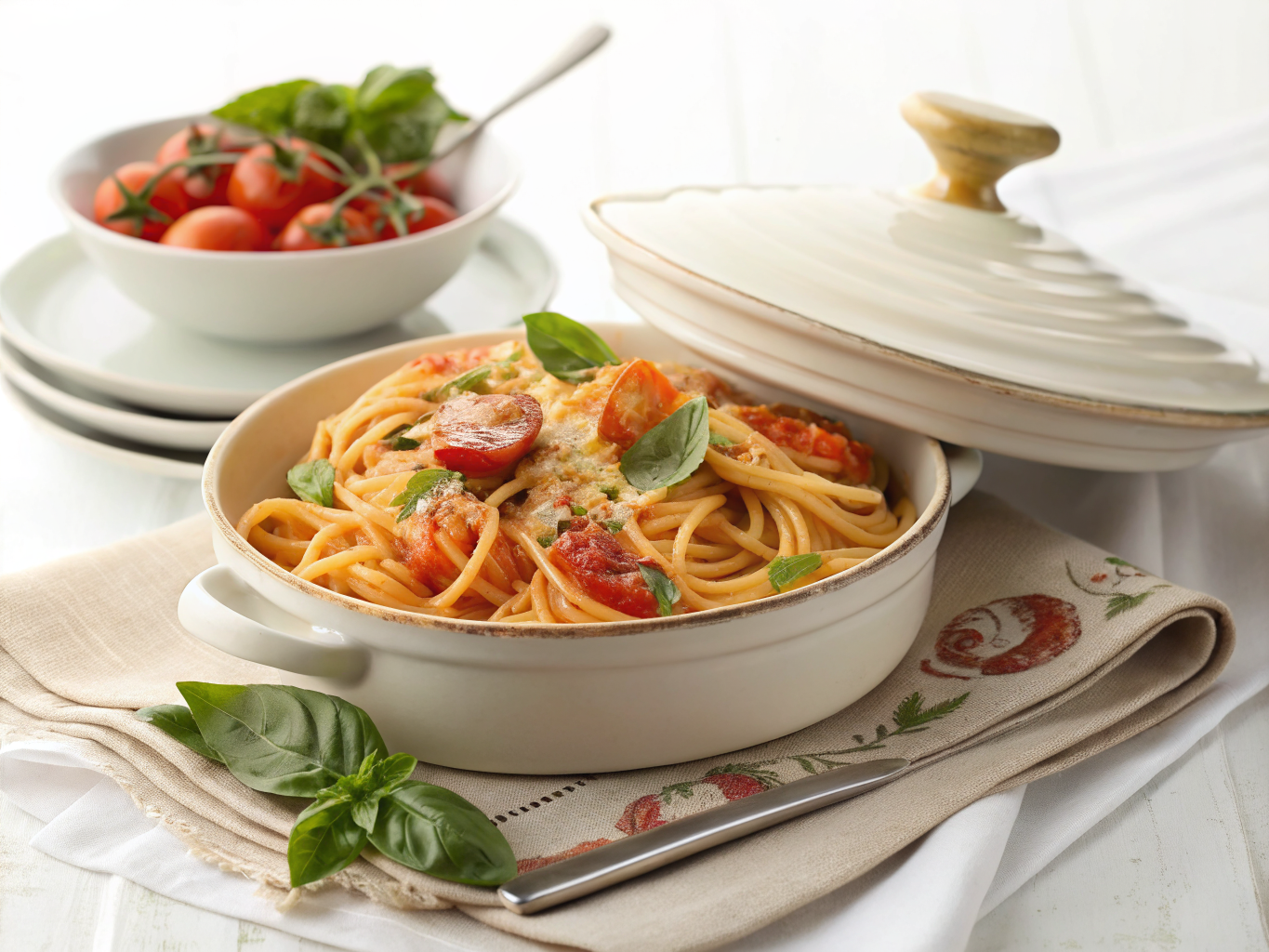
One Pan Creamy Tomato Basil Pasta
Ingredients
Method
- Heat olive oil in a large, deep skillet or pan over medium heat. Add minced garlic and sauté for 1 minute until fragrant.
- Pour in the crushed tomatoes and vegetable broth. Stir to combine and bring to a boil.
- Add the uncooked pasta directly to the pan. Stir well, reduce heat to medium-low, and simmer for 12-14 minutes, stirring occasionally, until pasta is al dente and has absorbed most of the liquid.
- Stir in the heavy cream and fresh basil leaves. Cook for 2 more minutes until the basil wilts and the sauce becomes creamy.
- Remove from heat and stir in the grated Parmesan cheese. Season with salt and pepper to taste.
- Garnish with additional fresh basil and Parmesan cheese. Serve immediately while hot.
Nutrition
Notes
Tried this recipe?
Let us know how it was!Imagine savoring a bowl of restaurant-quality pasta with silky, rich tomato sauce that clings perfectly to each strand, all while knowing you only dirtied one pan in the process. This Creamy Tomato Basil Pasta delivers exactly that experience—a harmonious blend of tangy tomatoes, aromatic basil, and luxurious cream that comes together faster than ordering takeout. Whether you’re a busy weeknight warrior or simply someone who appreciates elegant simplicity, this recipe will quickly become your go-to comfort meal.
Thank you for reading this post, don't forget to subscribe!The beauty of this one-pan wonder lies in its ability to create layers of flavor without complexity or excessive cleanup. Fresh basil releases its essential oils into the simmering sauce while garlic infuses every bite with its characteristic warmth. The pasta cooks directly in the sauce, absorbing all those magnificent flavors while releasing starches that naturally thicken the dish to creamy perfection.
Why This Creamy Tomato Basil Pasta Recipe Works Every Time
The secret to this recipe’s foolproof success is the cooking method itself. By cooking the pasta directly in the sauce rather than in a separate pot of boiling water, you’re creating a situation where the pasta releases its starches into the liquid, naturally thickening it without the need for flour or other thickening agents. This technique, borrowed from traditional Italian cooking, ensures that every strand is coated with flavor from the inside out.
Another reason this Creamy Tomato Basil Pasta consistently delivers exceptional results is the careful balance of acidity and richness. Tomatoes provide a bright, tangy base that’s mellowed by cream and balanced with a hint of sweetness. The fresh basil isn’t just a garnish—it’s an integral flavor component that adds a peppery, slightly sweet herbaceous note that ties everything together beautifully.
Time efficiency makes this recipe particularly appealing for modern home cooks. From the moment you place your pan on the stove to the time you’re sitting down to eat, you’re looking at roughly 20 minutes. There’s no waiting for large pots of water to boil, no timing multiple components, and certainly no mountain of dishes waiting in the sink when you’re finished eating.
Core Ingredients That Make the Difference
The foundation of exceptional Creamy Tomato Basil Pasta starts with selecting quality ingredients. Each component plays a specific role in creating the final dish, and understanding these roles helps you make informed substitutions when necessary. Let’s break down what you’ll need and why each ingredient matters.
Pasta Selection
Long pasta shapes like linguine, fettuccine, or spaghetti work beautifully in this recipe because they provide maximum surface area for the sauce to cling to. The length also creates that satisfying twirl-around-your-fork experience that makes eating pasta such a pleasure. Choose a pasta made from durum wheat semolina for the best texture and starch release, which contributes to the sauce’s creaminess.
Tomato Component
High-quality canned crushed tomatoes form the base of your sauce. Look for tomatoes packed with minimal ingredients—just tomatoes, salt, and perhaps a bit of citric acid. San Marzano tomatoes from Italy are considered the gold standard, offering a naturally sweet flavor with low acidity, though domestic fire-roasted varieties add a delightful smoky dimension.
Cream and Dairy
Heavy cream provides the luxurious texture that makes this dish so indulgent. Its high fat content prevents curdling when heated and creates that silky mouthfeel. For a lighter version, half-and-half can work, though the sauce won’t be quite as rich. According to Healthline’s guide to dairy in cooking, full-fat options provide better emulsification in pasta sauces.
Fresh Basil
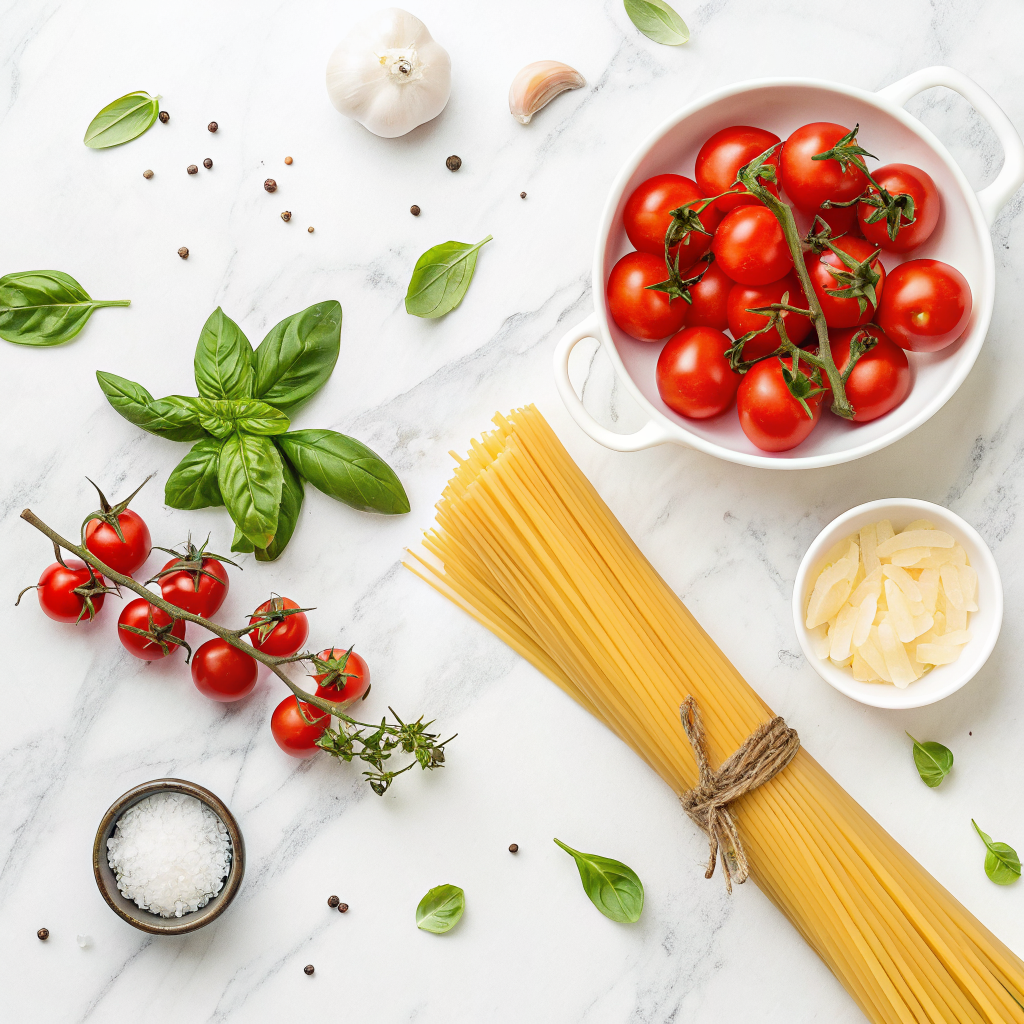
Fresh basil is non-negotiable for authentic flavor in this recipe. Dried basil simply cannot replicate the bright, peppery sweetness of fresh leaves. Add some basil during cooking to infuse the sauce, then finish with fresh torn leaves right before serving to maintain that vibrant green color and aromatic punch.
Aromatics and Seasonings
Garlic provides depth and complexity to the sauce. Fresh cloves minced finely will distribute their flavor throughout the dish better than pre-minced varieties. Olive oil serves as the cooking fat and adds its own fruity notes, while salt and black pepper enhance all the other flavors without dominating.
Step-by-Step Instructions for Perfect Results
Creating this Creamy Tomato Basil Pasta requires attention to timing and technique, but nothing complicated. Follow these detailed steps for consistent, delicious results every single time. The process flows naturally from one step to the next, building flavors as you go.
Preparation Phase
Begin by gathering and preparing all your ingredients—this French culinary concept called mise en place ensures smooth cooking. Mince your garlic cloves finely, measure out your liquids, and have your pasta ready to add. Tear or chop your fresh basil leaves, keeping some whole for garnish and preparing others for cooking into the sauce.
Select a large, deep skillet or sauté pan with a lid—one that’s wide enough to accommodate the pasta lying relatively flat. A 12-inch pan typically works perfectly for a pound of pasta. Having the right pan size ensures even cooking and prevents overflow when the sauce bubbles.
Building the Flavor Base
Heat olive oil in your pan over medium heat until it shimmers but doesn’t smoke. Add the minced garlic and sauté for about 30-45 seconds, stirring constantly. You want the garlic to become fragrant and just barely golden—burnt garlic will impart bitterness to your entire dish, so watch carefully during this crucial step.
Pour in your crushed tomatoes immediately after the garlic becomes aromatic. Add vegetable or chicken broth to thin the sauce to the right consistency—you need enough liquid for the pasta to cook in. Season with salt, black pepper, and a pinch of red pepper flakes if you enjoy a subtle heat that complements the tomato’s natural sweetness.
Cooking the Pasta
Bring the tomato mixture to a strong simmer, then nestle the dry pasta into the sauce. Use tongs or a wooden spoon to ensure all the pasta is submerged in the liquid. Cover the pan and reduce heat to medium-low, maintaining a gentle simmer rather than a rolling boil.
Set a timer for about 2 minutes less than the package directions indicate for al dente pasta. Every few minutes, remove the lid and stir the pasta gently to prevent sticking and ensure even cooking. If the liquid is evaporating too quickly and the pasta isn’t yet tender, add a splash more broth or water.
Creating the Creamy Finish
When the pasta reaches al dente texture, reduce the heat to low and stir in the heavy cream. The residual heat will warm the cream without boiling it, which could cause separation. Add a generous handful of torn basil leaves and freshly grated Parmesan cheese if using—the cheese adds both flavor and additional thickening power.
Stir everything together gently but thoroughly, allowing the sauce to coat each strand of pasta. The sauce should be creamy but not overly thick—it will continue to thicken slightly as it cools. Taste and adjust seasonings, adding more salt, pepper, or a pinch of sugar if the tomatoes are particularly acidic.
Nutritional Profile and Health Benefits
Understanding the nutritional aspects of your Creamy Tomato Basil Pasta helps you incorporate it thoughtfully into a balanced diet. While this is certainly an indulgent dish, it also provides several beneficial nutrients. A typical serving contains approximately 450-550 calories, depending on portion size and specific ingredient choices.
Tomatoes are rich in lycopene, a powerful antioxidant that has been studied for its potential cardiovascular benefits. According to research highlighted by Harvard’s School of Public Health, cooking tomatoes actually increases the bioavailability of lycopene, making this sauce particularly nutritious. Tomatoes also provide vitamin C, potassium, and vitamin K.
The pasta itself offers complex carbohydrates for sustained energy. Whole wheat pasta variations can increase the fiber content significantly, promoting better digestive health and longer-lasting satiety. Each serving provides roughly 60-70 grams of carbohydrates, making this an excellent choice for active individuals or those needing substantial energy.
Fresh basil contributes more than just flavor—it contains vitamin K, essential for blood clotting and bone health, as well as antioxidants like orientin and vicenin. The herb also has anti-inflammatory properties that have been studied for various health applications. Garlic adds sulfur compounds that Medical News Today reports may support immune function and cardiovascular health.
The cream does add saturated fat to the dish, contributing about 15-20 grams per serving depending on how generously you add it. For those monitoring fat intake, using half-and-half reduces this by nearly half while still maintaining good creaminess. The dish provides about 12-15 grams of protein per serving, which can be increased by adding grilled chicken, shrimp, or white beans.
Creative Variations to Keep Things Exciting
One of the greatest advantages of mastering this Creamy Tomato Basil Pasta is how easily it adapts to different tastes, dietary needs, and what’s available in your kitchen. These variations maintain the spirit of the original while offering delightful new experiences. Experimentation is encouraged—you’ll likely discover your own favorite combinations.
Protein Additions
Transform this side dish into a complete meal by incorporating protein. Grilled chicken breast, sliced and added during the final minutes, makes this heartier without overwhelming the delicate sauce. Sautéed shrimp cooks quickly and pairs beautifully with tomato and basil—add them when you stir in the cream so they don’t overcook.
For plant-based options, white beans like cannellini or great northern add creaminess, protein, and fiber. Sun-dried tomatoes packed in oil contribute intense umami flavor along with some protein. Italian sausage, crumbled and browned before adding other ingredients, creates a more robust, rustic version that’s perfect for cooler weather.
Vegetable Enhancements
Spinach wilts beautifully into this pasta during the last few minutes of cooking, adding nutrients and a pop of color. Roasted red peppers bring sweetness and a slight smokiness that complements the tomato base. Mushrooms, sautéed until golden before adding the tomatoes, contribute earthy depth and meaty texture.
Cherry tomatoes, halved and added with the cream, burst as they warm, creating pockets of fresh tomato flavor throughout the dish. Zucchini or summer squash can be diced and added when the pasta is halfway cooked, softening perfectly by serving time without becoming mushy.
Dairy-Free and Vegan Options
Cashew cream makes an excellent substitute for heavy cream, providing similar richness and texture. Soak raw cashews in hot water for 30 minutes, then blend until completely smooth with a bit of the pasta cooking liquid. Coconut cream also works, though it imparts a subtle coconut flavor that some enjoy and others find distracting in Italian dishes.
Nutritional yeast can replace Parmesan cheese, offering a similar savory, slightly nutty flavor along with B vitamins. Use vegetable broth instead of chicken broth, and ensure your pasta is egg-free—most dried pasta varieties are naturally vegan, but fresh pasta often contains eggs.
Spice and Herb Variations
Red pepper flakes add pleasant heat that builds gradually rather than overwhelming. Start with 1/4 teaspoon and adjust to taste. Fresh oregano alongside or instead of some basil creates a more pizza-like flavor profile that many find comforting and familiar.
A splash of balsamic vinegar just before serving adds depth and a subtle sweetness that enhances the tomatoes. Lemon zest brightens the entire dish, cutting through the richness and adding complexity. For a more French-inspired version, add herbes de Provence during the simmering stage.
Serving Suggestions and Pairings
While this Creamy Tomato Basil Pasta certainly shines as a standalone dish, thoughtful accompaniments can elevate your meal into something truly special. The key is choosing sides that complement rather than compete with the pasta’s creamy, tomato-forward flavors. Consider texture contrasts and flavor balance when planning your complete menu.
Bread Companions
Crusty garlic bread is the classic choice for good reason—it’s perfect for soaking up every last bit of sauce. Brush thick slices of Italian or French bread with garlic-infused olive oil, sprinkle with coarse salt and dried herbs, then toast until golden. A simple homemade focaccia offers similar satisfaction with an artisanal touch.
For a lighter option, serve warm breadsticks or a rustic baguette sliced on the diagonal. The bread provides textural contrast to the soft pasta while serving the practical purpose of ensuring no delicious sauce goes to waste on your plate.
Salad Pairings
A crisp green salad with a bright vinaigrette cuts through the richness of the creamy sauce beautifully. Arugula with lemon juice, olive oil, and shaved Parmesan offers peppery notes that complement the basil. Classic Caesar salad provides contrasting creamy elements that somehow work together rather than feeling redundant.
Caprese salad makes logical sense alongside this dish—you’re essentially serving the same flavor profile in fresh form. Thick slices of tomato and fresh mozzarella with whole basil leaves and a drizzle of balsamic glaze echo and enhance the pasta’s flavors. This pairing works especially well in summer when tomatoes are at peak flavor.
Protein Sides
If you haven’t added protein directly to the pasta, grilled chicken breast seasoned simply with salt, pepper, and Italian herbs makes an excellent companion. Pan-seared salmon offers omega-3 fatty acids and a completely different protein experience that pairs surprisingly well with tomato cream sauce.
Meatballs are a natural partner—whether you go traditional Italian style with beef and pork or opt for turkey meatballs for a lighter meal. You might also enjoy Italian sausage and peppers on the side for a more substantial, casual dinner spread.
Wine Pairings
The acidity in tomato-based sauces calls for wines with good acidity to match. A light-bodied red like Pinot Noir or Chianti complements without overwhelming the delicate cream element. For white wine enthusiasts, an oaked Chardonnay mirrors the creaminess while providing enough body to stand up to the tomatoes.

creates quick vegetarian dinners and vibrant taco recipes.