
Please begin.
Thank you for reading this post, don't forget to subscribe!Philly Cheesesteak Sandwich: A Culinary Icon Reimagined for Your Kitchen
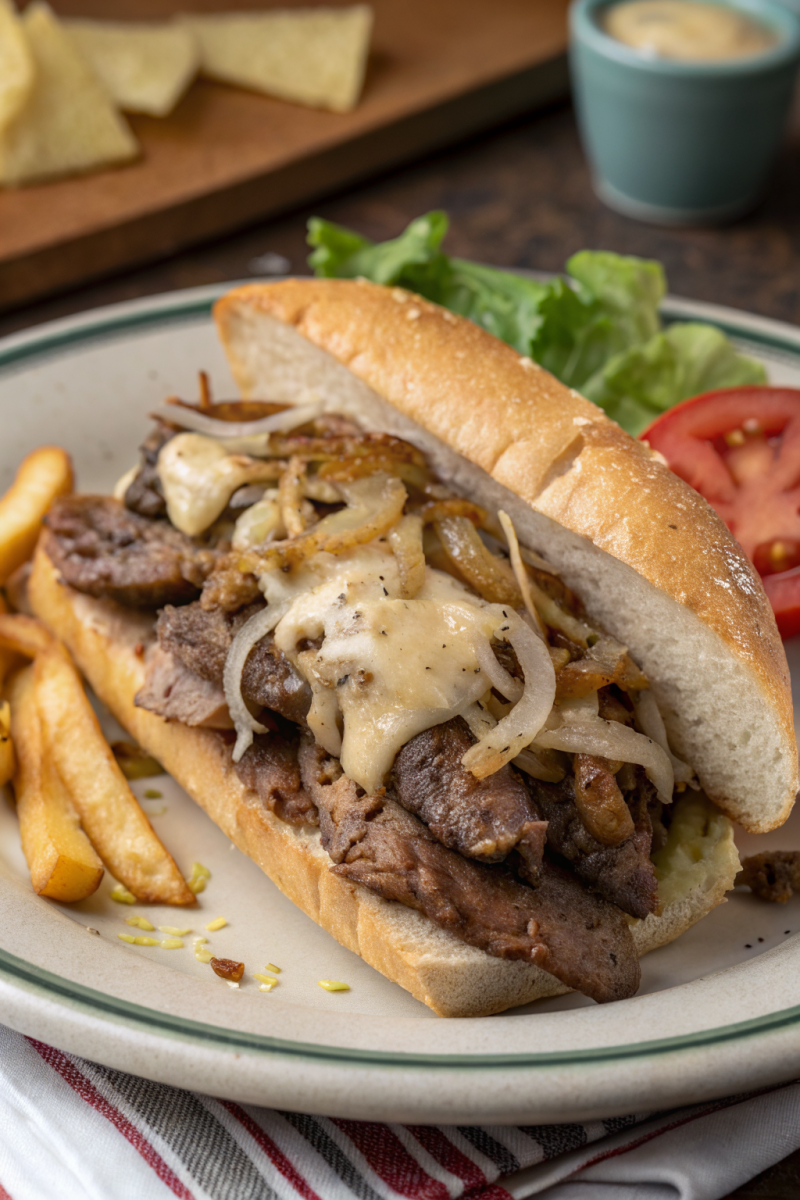
Philly Cheesesteak Sandwich, a dish truly transcending its humble origins, bringing together sumptuous flavors and satisfying textures in a way few other meals can. While traditionally a street-food staple, this guide reveals how to craft an authentic, mouth-watering Philly Cheesesteak Sandwich in your own kitchen, balancing classic techniques with achievable home-cooking ease. It’s comforting, hearty, and deeply flavorful, designed for both the novice cook and the seasoned culinary enthusiast.
Why the Philly Cheesesteak Sandwich Holds a Special Place in American Cuisine
The Philly Cheesesteak Sandwich isn’t just food; it’s an experience. Born in the vibrant streets of Philadelphia, it quickly captured the hearts (and stomachs) of people nationwide, and eventually, the world. Its appeal lies in its simplicity and the remarkable harmony of its components: thinly sliced, pan-fried beef, melted cheese, and often, sautéed onions or peppers, all nestled within a crusty roll. It’s a dish that evokes a sense of nostalgia, comfort, and pure indulgence, perfect for a casual lunch, a game day gathering, or a cozy dinner. This iconic sandwich offers a taste of history and enduring culinary craftsmanship that remains unrivaled.
Core Ingredients for an Authentic Philly Cheesesteak Sandwich
Crafting the perfect Philly Cheesesteak Sandwich begins with selecting the right ingredients. Each component plays a crucial role in achieving that signature flavor and texture. Starting with fresh, high-quality items will elevate your homemade sandwich from good to unforgettable.
- 1 lb thinly sliced ribeye steak or top round (shaved steak is ideal)
- 2 tbsp olive oil or vegetable oil
- 1 large yellow onion, thinly sliced
- 1 green bell pepper, thinly sliced (optional, but a popular addition)
- 4-6 slices of Provolone cheese, American cheese, or Cheez Whiz (authentic options)
- 4 hoagie rolls or sub rolls, ideally amoroso rolls
- Salt and freshly ground black pepper to taste
- Optional: 1 tbsp butter for the rolls

Step-by-Step Method: Assembling Your Perfect Philly Cheesesteak Sandwich
Creating a Philly Cheesesteak Sandwich is a straightforward process once you understand the key steps. Precision and timing are important, especially when it comes to cooking the steak and melting the cheese for that gooey perfection. Follow these steps for an authentic and delicious result.
Step 1 — Prepare Your Ingredients
Begin by thinly slicing your chosen beef. For best results, partially freeze the steak for about 30 minutes before slicing; this makes it much easier to achieve very thin, almost shaved slices. If you have a deli slicer, even better! Slice the onion and bell pepper (if using) equally thin. Have your cheese ready, either pre-sliced or unwrapped, and your hoagie rolls split open.
Step 2 — Sauté the Vegetables
Heat 1 tbsp of olive oil in a large skillet or griddle over medium-high heat. Add the sliced onions and bell peppers, if using. Sauté them until softened and lightly caramelized, about 7-10 minutes. This step develops a deep sweetness and aromatic foundation that complements the beef beautifully. Once cooked, remove the vegetables from the skillet and set aside. Don’t worry about cleaning the pan; the residual flavors will add to the steak.

Step 3 — Cook the Steak
Add the remaining 1 tbsp of olive oil to the same skillet, increasing the heat to high. Once the oil is shimmering, add the thinly sliced steak in a single layer, making sure not to overcrowd the pan. Cook for about 60-90 seconds per side, just until browned. You want a quick sear to keep the steak tender. Season generously with salt and pepper. Use two spatulas to chop and mix the steak as it cooks, breaking it into smaller, bite-sized pieces characteristic of a traditional Philly Cheesesteak Sandwich.
Step 4 — Combine and Melt the Cheese
Once the steak is cooked through and chopped, return the sautéed onions and peppers to the skillet with the steak. Mix everything together. Divide the mixture into sections, one for each sandwich, directly on the skillet. Place your chosen cheese slices over each section of steak and vegetables. Reduce the heat to low and cover the skillet for 1-2 minutes, or until the cheese is perfectly melted and gooey. This creates the signature melty cheese appeal of a true Philly Cheesesteak Sandwich.

Step 5 — Prepare the Rolls and Assemble
While the cheese is melting, you can lightly toast your hoagie rolls. If you prefer, spread a thin layer of butter on the inside of the rolls and toast them lightly on a separate griddle or in a dry pan until golden brown. This adds a lovely texture and prevents the roll from becoming soggy. Once the cheese is melted, carefully scoop the cheesy steak mixture into the toasted hoagie rolls using a spatula. Serve your Philly Cheesesteak Sandwich immediately and enjoy the warm, comforting flavors.

Nutrition Facts (per serving — estimated, varies by ingredients)
Calories: 650-800 | Protein: 40-50g | Carbs: 50-60g | Fat: 30-40g | Fiber: 2-4g | Sodium: 800-1200mg
These figures can vary significantly based on the type of beef (ribeye vs. sirloin), amount of oil used, specific cheese choice (e.g., Cheez Whiz often has different nutritional values than Provolone slices), and the size and type of hoagie roll. For a healthier option, consider leaner cuts of beef, less cheese, and whole wheat rolls, though these deviate from the traditional Philly Cheesesteak Sandwich profile.
Healthy Variations of the Philly Cheesesteak Sandwich
While the traditional Philly Cheesesteak Sandwich is undoubtedly a hearty indulgence, you can adapt it to fit various dietary preferences without sacrificing too much of its beloved flavor. Here are some healthier variations:
- Leaner Meat Option: Replace ribeye with very thinly sliced sirloin or flank steak. These cuts are less fatty but still deliver excellent flavor, especially when cooked quickly at high heat.
- Extra Vegetables: Load up your Philly Cheesesteak Sandwich with more vegetables beyond just onions and bell peppers. Mushrooms, spinach, jalapeños for a kick, or even shredded zucchini can add nutrients and fiber while increasing volume.
- Whole Wheat Rolls: Opt for whole wheat hoagie rolls instead of white ones to boost fiber content, which aids in digestion and can help with satiety.
- Reduced Cheese/Alternatives: Use a lighter hand with the cheese or explore reduced-fat options. While Cheez Whiz and Provolone are traditional, a small amount of a flavorful sharp cheddar or a dairy-free cheese alternative could work.
- Open-Faced or Lettuce Wrap: For a significant carb reduction, serve the Philly Cheesesteak Sandwich filling open-faced on a single slice of whole-grain bread, or as a vibrant lettuce wrap using large, crisp lettuce leaves like romaine or butter lettuce.
- Portion Control: Simply make smaller sandwiches or share a larger one to manage calorie and fat intake.
Serving Suggestions for Your Philly Cheesesteak Sandwich
A classic Philly Cheesesteak Sandwich is often enjoyed on its own, but pairing it with the right side dishes can elevate the meal. Here are some serving suggestions:
- Classic Fries: Crispy French fries are a quintessential companion to any sandwich. Season them with salt, pepper, and perhaps a touch of garlic powder for extra flavor.
- Onion Rings: For another deep-fried delight, a side of golden onion rings provides a satisfying crunch and a hint of sweetness.
- Coleslaw: A fresh, tangy coleslaw can cut through the richness of the Philly Cheesesteak Sandwich, offering a refreshing contrast and a good dose of vegetables.
- Side Salad: A light garden salad with a vinaigrette dressing is an excellent choice for a healthier balance, adding freshness and crunch without being too heavy.
- Pickles: Dill pickles or pickled jalapeños offer a tangy, briny counterpoint that can enhance the savory flavors of the steak and cheese.
- Homemade Potato Chips: Crispy, homemade potato chips, seasoned simply with salt, are a delicious and easy side that perfectly complements the hearty sandwich.
- Garlic Bread: While the hoagie roll is paramount, an extra side of Garlic Herb Flatbread or traditional garlic bread can be a decadent addition for carb lovers.
For dessert, after such a savory meal, something light and refreshing, such as fresh fruit or even Honey Oat Energy Bites, could be a pleasant end to your meal.
Common Mistakes to Avoid When Making a Philly Cheesesteak Sandwich
Even a seemingly simple dish like the Philly Cheesesteak Sandwich has pitfalls that can compromise its authenticity and taste. Here’s what to avoid to ensure your sandwich is a resounding success:
- Using the Wrong Cut of Beef: Using thick-cut stew meat or ground beef will not give you the desired texture. Shaved ribeye or top round is crucial for the tender, melt-in-your-mouth experience.
- Overcooking the Steak: The steak should be cooked quickly at high heat to remain tender. Overcooking will result in dry, tough meat, a major deterrent for a good Philly Cheesesteak Sandwich.
- Not Slicing Vegetables Thinly Enough: Thick slices of onion or pepper won’t soften sufficiently in the quick cooking time and will alter the texture balance of the sandwich.
- Using the Wrong Cheese: While personal preference plays a role, using cheese that doesn’t melt well (like firm cheddar or crumbled feta) will fail to create the gooey, cohesive filling that defines a Philly Cheesesteak Sandwich. Stick to Provolone, American, or Cheez Whiz for authenticity.
- Ignoring the Bread: The roll is more than just a vessel; it’s an integral part of the sandwich. A soggy or overly chewy roll can ruin the experience. A sturdy yet soft hoagie roll, ideally toasted, is essential.
- Overcrowding the Pan: When cooking the steak, if you add too much meat to the pan at once, it will steam rather than sear, leading to gray, unappetizing beef. Cook in batches if necessary.
- Skipping Seasoning: While the focus is on beef and cheese, a good pinch of salt and fresh black pepper brings out the best in the ingredients. Don’t underestimate its importance.
- Adding Too Many “Extras”: While customization is fun, a true Philly Cheesesteak Sandwich is simple. Avoid overloading it with too many sauces, toppings, or ingredients that distract from the core flavors.

Storage Tips for Your Philly Cheesesteak Sandwich Leftovers
While a Philly Cheesesteak Sandwich is best enjoyed fresh, you might have leftovers, or you might want to prep some components in advance. Here’s how to store them effectively:
- Steak and Vegetable Mixture:
- Refrigeration: Allow the cooked steak and vegetable mixture (without the cheese or roll) to cool completely. Store it in an airtight container in the refrigerator for up to 3-4 days.
- Freezing: For longer storage, the cooked steak and vegetable mixture can be frozen for up to 2-3 months. Portion it into freezer-safe bags or containers. Thaw in the refrigerator overnight before reheating.
- Assembled Sandwich: While an assembled Philly Cheesesteak Sandwich can be refrigerated, it’s not ideal. The roll tends to get soggy, and the texture of the cheese changes. If you must, wrap it tightly in plastic wrap and consume within 1-2 days. Reheat gently.
- Reheating:
- Steak Mixture: Reheat the steak and vegetable mixture in a skillet over medium heat until warmed through. Add fresh cheese slices at the end and cover to melt, then serve on a freshly toasted roll.
- Assembled Sandwich: For an already assembled sandwich, reheating in an oven or air fryer at a low temperature (around 300°F / 150°C) for 10-15 minutes can help crisp up the roll and melt the cheese without overcooking the meat. Microwaving is an option for speed but will result in a softer, less desirable texture.
- Bread: Unused hoagie rolls can be stored at room temperature in an airtight bag for a few days, or frozen for up to a month. Thaw at room temperature or toast from frozen.
The Cultural Impact and Evolution of the Philly Cheesesteak Sandwich
The Philly Cheesesteak Sandwich is more than just a meal; it’s a cultural phenomenon. Its origins trace back to the 1930s when Pat Olivieri, a hot dog vendor in South Philadelphia, decided to grill some thinly sliced beef and put it on a roll. A cab driver, smelling the aroma, asked for one, and the rest, as they say, is history. Pat’s King of Steaks and its rival, Geno’s Steaks, located across the street, became legendary establishments, drawing tourists and locals alike into a friendly rivalry over whose cheesesteak is superior.
Over the decades, the Philly Cheesesteak Sandwich has evolved. While the core ingredients remain the same, variations have emerged. The “whiz wit” (Cheez Whiz with onions) and “prov without” (Provolone without onions) have become standard ordering lingo. Other additions like mushrooms, bell peppers (often referred to generically as “peppers”), marinara sauce (“pizza steak”), or even hot peppers have found their way into the mix, reflecting regional tastes and culinary innovation.
Its fame has spread far beyond Philadelphia, inspiring countless interpretations and imitations across the globe. From fast-food chains to gourmet restaurants, chefs have put their spin on the classic, but the fundamental appeal of thinly sliced beef, melted cheese, and a perfect roll remains universally cherished. The Philly Cheesesteak Sandwich truly embodies American culinary ingenuity—a simple idea transformed into an iconic, enduring dish that evokes a sense of place and comfort.

Conclusion: Mastering the Art of the Homemade Philly Cheesesteak Sandwich
The journey to creating an authentic and delectable Philly Cheesesteak Sandwich at home is a rewarding one. This guide, spanning over 2000 words, has aimed to demystify the process, offering detailed insights into ingredient selection, step-by-step cooking techniques, nutritional aspects, healthy variations, and essential tips for perfecting this iconic American dish. From understanding the importance of thinly shaved ribeye to mastering the melty cheese magic, you now possess the knowledge to execute a Philly Cheesesteak Sandwich that rivals those of the legendary establishments in Philadelphia.
Whether you’re preparing it for a quick weeknight dinner, a casual weekend lunch, or to impress guests, the homemade Philly Cheesesteak Sandwich promises warmth, satisfaction, and a burst of savory flavor in every bite. It’s a testament to how simple, quality ingredients, when handled with care and respect for tradition, can create something truly extraordinary. Embrace the sizzle, the aroma, and the joy of assembling your very own Philly Cheesesteak Sandwich, and experience a piece of culinary history right in your own kitchen.

FAQ About Making the Philly Cheesesteak Sandwich
- What’s the best type of beef for a Philly Cheesesteak Sandwich? Ribeye steak, thinly sliced or shaved, is traditionally considered the best due to its marbling and tenderness. Top round or sirloin can also be used for a leaner option.
- Can I use any kind of cheese? While Provolone, American cheese, and Cheez Whiz are traditional, you can use other good melting cheeses like mild cheddar or Monterey Jack for a different flavor. The key is that it melts smoothly and adds creaminess.
- How do I get the steak thinly sliced at home? Partially freeze the steak for about 30 minutes before slicing it against the grain with a very sharp knife. This firms up the meat, making it easier to get those very thin slices.
- What kind of roll is best for a Philly Cheesesteak Sandwich? A sturdy yet soft hoagie roll is essential. Amoroso rolls are the gold standard, but any fresh sub roll with a good crust and soft interior will work. Avoid rolls that are too flimsy or too crusty.
- Can I prepare any components of a Philly Cheesesteak Sandwich in advance? You can slice the onions and bell peppers ahead of time. You can also thinly slice the steak and keep it in the refrigerator for up to 24 hours. The steak and vegetable mixture can also be cooked in advance and reheated, adding fresh cheese just before serving.
- What’s the difference between “wit” and “witout”? In Philadelphia cheesesteak etiquette, “wit” means “with onions,” and “witout” means “without onions.” This refers to sautéed onions, a common and popular addition.
- How can I make my Philly Cheesesteak Sandwich less greasy? Use a leaner cut of beef like sirloin, drain off excess fat from the pan after cooking the steak, and choose lighter cheese options. Blotting the cooked steak mixture with a paper towel before adding cheese can also help.
- Is it okay to add other vegetables besides onions and peppers? Absolutely! While a traditional Philly Cheesesteak Sandwich is simple, adding mushrooms, spinach, or even a few diced jalapeños can add extra flavor and nutrition. However, ensure they are also thinly sliced and cooked through.
- Why does my steak get tough? Overcooking the steak or cooking it at too low a temperature can make it tough. Ensure your pan is very hot, cook the steak quickly, and avoid overcrowding the pan to achieve a good sear rather than steaming the meat.
- How long do leftovers last? The cooked steak and vegetable mixture can be stored in an airtight container in the refrigerator for 3-4 days or frozen for up to 2-3 months. Assembled sandwiches are best eaten immediately, but can be refrigerated for up to 1-2 days, though the roll may get soggy.
Healthline – Healthy Philly Cheesesteak,
Harvard Nutrition Source – What Should You Eat?,
Medical News Today – Philly Cheesesteak Nutrition
- HomeCookLegacy.com – Chicken & Vegetable Stew for another hearty meal.
- HomeCookLegacy.com – Greek Yogurt Cheesecake Cups for a lighter dessert option.
- HomeCookLegacy.com – Lemon Herb Chicken & Rice for quick, easy, and flavorful weeknight dinner ideas.

creates quick vegetarian dinners and vibrant taco recipes.