
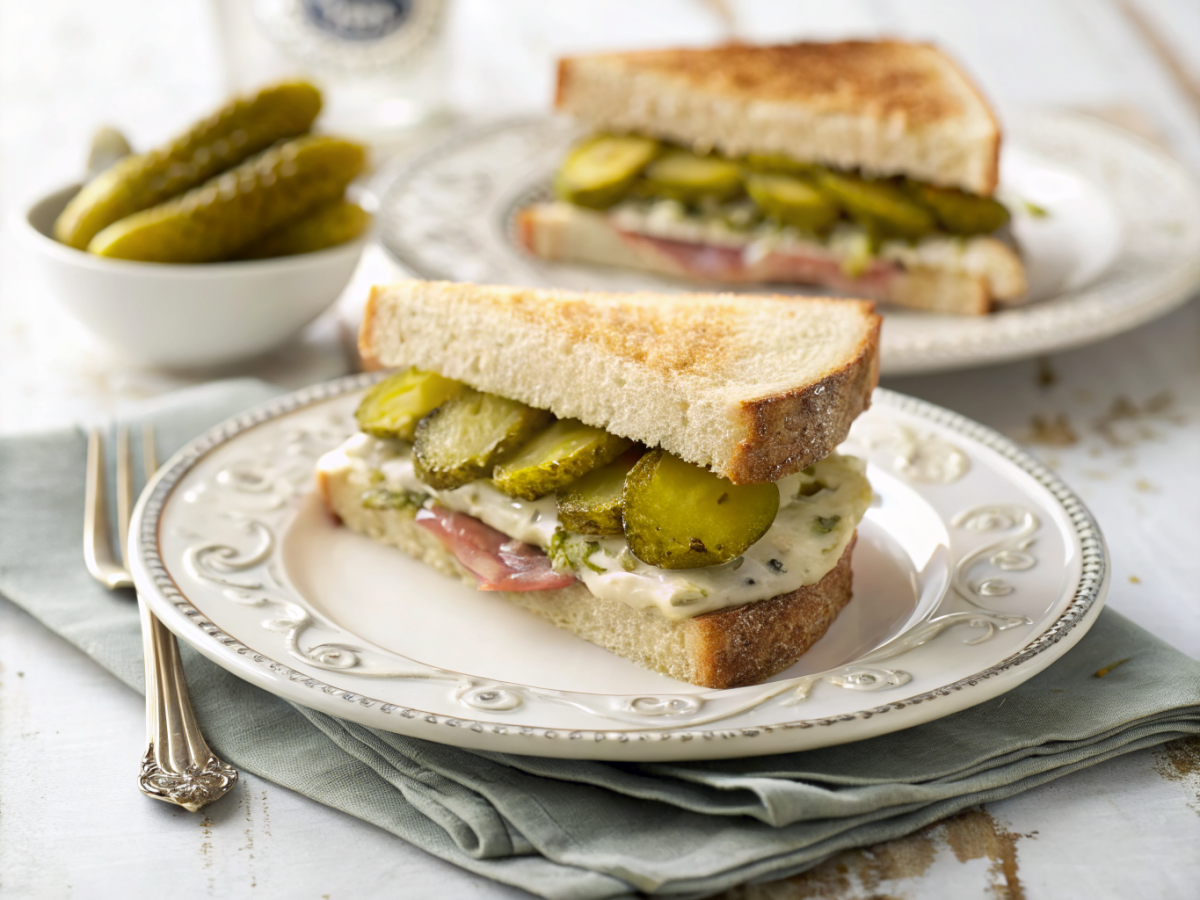
The Secret to Perfect Pickle Sandwich
Ingredients
Method
- In a small bowl, mix together softened cream cheese, mayonnaise, garlic powder, and black pepper until smooth and well combined.
- Pat the pickle slices dry with paper towels to remove excess moisture. This prevents the sandwich from becoming soggy.
- Heat a skillet over medium heat. Butter one side of each bread slice and toast in the skillet until golden brown, about 2-3 minutes per side.
- Spread the cream cheese mixture generously on the untoasted side of each bread slice.
- On four slices of bread, layer the pickle slices, shredded lettuce, and tomato slices evenly.
- Top each sandwich with the remaining bread slices, spread side down. Cut diagonally and serve immediately.
Nutrition
Notes
Tried this recipe?
Let us know how it was!Pickle Sandwich: 5 Easy Tips for Perfect Results
Creating the perfect pickle sandwich requires more than just slapping ingredients between two pickle halves. The key lies in selecting the right pickles, balancing flavors, and achieving the ideal texture contrast. These five essential tips will transform your pickle sandwich from a quirky experiment into a genuinely delicious meal that you’ll want to make again and again.
First, always choose large, firm dill pickles that can hold their structure when sliced lengthwise. The pickle halves serve as your “bread,” so they need to be sturdy enough to support your fillings without becoming soggy or breaking apart. Look for pickles that are at least four inches long and have a satisfying crunch when you bite into them.
Second, pat your pickle halves completely dry with paper towels before assembling your sandwich. This crucial step prevents excess moisture from making your fillings slide around or creating a watery mess. The drier your pickle base, the better your sandwich will hold together and the more enjoyable your eating experience will be.
Third, use a small spoon or melon baller to scoop out some of the seeds from the center of each pickle half. This creates a shallow channel that acts as a natural holder for your fillings, preventing ingredients from spilling out the sides. This simple technique makes your sandwich much easier to eat and allows you to pack in more delicious toppings.
Fourth, layer your ingredients strategically, starting with spreadable items directly on the pickle, followed by proteins, and finishing with crispy toppings. This order ensures that creamy elements like cream cheese or mayo adhere to the pickle surface, while lettuce or chips on top provide textural contrast. Proper layering is the difference between a sandwich that falls apart and one that stays intact.
Fifth, let your assembled sandwich rest in the refrigerator for five to ten minutes before eating. This brief chilling period allows the flavors to meld together while helping the ingredients settle into place. The cold temperature also enhances the refreshing quality of the pickles, making each bite more satisfying and cohesive.
Why You’ll Love This Pickle Sandwich
This innovative recipe has taken the internet by storm for good reason—it’s incredibly quick to prepare, requires no cooking, and offers a unique flavor experience that’s both nostalgic and novel. The tangy brine of the pickles provides a bold foundation that pairs surprisingly well with creamy, savory, and even slightly sweet fillings. It’s the perfect solution for those moments when you want something satisfying but don’t want to spend time in the kitchen.
The low-carb nature of this sandwich makes it an excellent choice for anyone following keto, paleo, or other carb-conscious eating plans. By replacing traditional bread with pickle halves, you eliminate refined carbohydrates while adding beneficial probiotics, vitamins, and minerals from the fermented vegetables. You can enjoy a fully loaded sandwich without the post-lunch energy crash that often comes with bread-based meals.
Beyond its nutritional benefits, this sandwich is endlessly customizable to suit your personal taste preferences and dietary needs. Whether you prefer classic deli meats and cheese, vegetarian options with hummus and vegetables, or creative combinations with bacon and ranch, the pickle base accommodates virtually any filling you can imagine. This versatility makes it perfect for using up leftovers or creating new flavor combinations.
The visual appeal of this sandwich cannot be overstated—it’s an Instagram-worthy creation that never fails to spark conversation. The bright green pickle “buns” create an eye-catching presentation that looks as interesting as it tastes. When you bring this to lunch or serve it at a gathering, you can expect questions, curiosity, and requests for the recipe.
Finally, this recipe is incredibly budget-friendly, requiring only a jar of pickles and whatever fillings you already have in your refrigerator. There’s no need to purchase specialty ingredients or expensive artisan bread. A single jar of pickles can yield multiple sandwiches, making this an economical option for quick lunches throughout the week.
Core Ingredients for Pickle Sandwich
The beauty of this recipe lies in its simplicity and flexibility. At its core, you need just a few essential components that work together to create a harmonious balance of flavors and textures. The ingredient list is deliberately minimal, allowing the tangy pickles to shine while supporting elements enhance rather than overpower the overall taste.
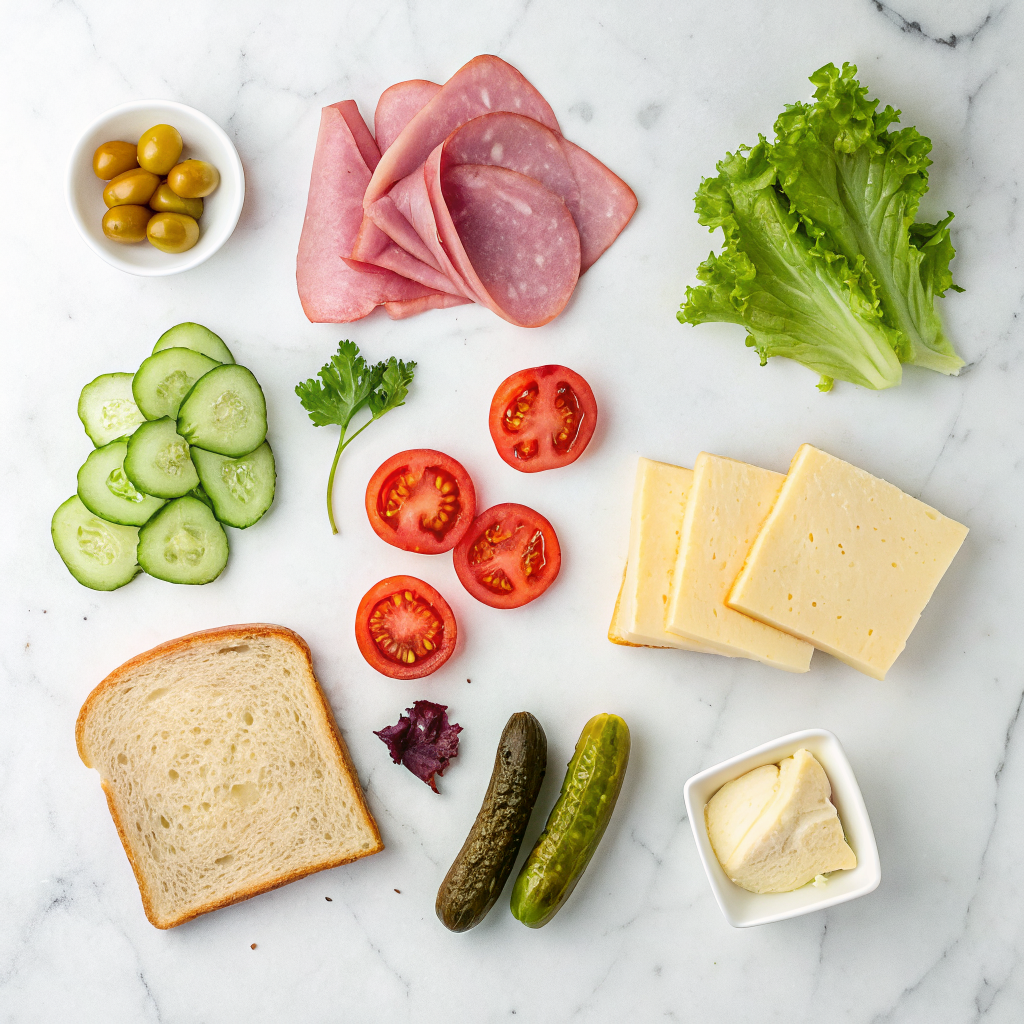
For the Base: Two large whole dill pickles, preferably the refrigerated variety rather than shelf-stable, as they tend to be crunchier and more flavorful. The pickles should be straight rather than curved, making them easier to slice lengthwise and creating a more stable base for your fillings.
For the Spread: Two tablespoons of cream cheese, softened to room temperature for easy spreading. The cream cheese provides a rich, tangy counterpoint to the pickles while helping other ingredients adhere to the surface. You can substitute with Greek yogurt, hummus, or mashed avocado for different flavor profiles.
For the Protein: Three to four slices of your preferred deli meat, such as turkey, ham, roast beef, or salami. Choose high-quality, thinly sliced meat that will layer easily without creating too much bulk. Vegetarians can substitute with additional cheese, tofu slices, or plant-based deli alternatives.
For the Cheese: Two slices of your favorite cheese, such as cheddar, Swiss, provolone, or pepper jack. The cheese adds creaminess and helps bind the sandwich together while contributing its own distinct flavor. Opt for sliced rather than shredded cheese for better structural integrity.
For the Crunch: A handful of crispy lettuce, shredded cabbage, or even crushed potato chips. This element provides essential textural contrast against the soft fillings and juicy pickles. The crunch factor makes each bite more interesting and satisfying to eat.
For the Seasoning: A sprinkle of everything bagel seasoning, black pepper, or red pepper flakes adds an extra layer of flavor complexity. These seasonings are optional but highly recommended for elevating your sandwich from good to exceptional. A light drizzle of hot sauce or mustard can also add welcome heat and tang.
How to Make Pickle Sandwich: Step-by-Step
Begin by selecting two large, firm dill pickles from your jar, ensuring they’re relatively straight and uniform in size. Remove them from the brine and place them on a cutting board lined with paper towels. Pat the pickles thoroughly dry with additional paper towels, removing as much surface moisture as possible to prevent a soggy sandwich.
Using a sharp knife, carefully slice each pickle in half lengthwise, creating four long halves total. Try to make your cuts as even as possible so that your pickle halves are similar in thickness. Place the pickle halves cut-side up on your work surface, arranging them so you have two matching pairs for your sandwiches.
Take a small spoon and gently scoop out the seeds and some of the softer inner flesh from each pickle half, creating a shallow channel down the center. Don’t remove too much—you want to maintain the structural integrity of the pickle while creating just enough space to nestle your fillings. This step is crucial for preventing ingredients from sliding off when you eat.
Spread one tablespoon of softened cream cheese evenly across the scooped surface of two pickle halves. Use the back of a spoon or a butter knife to create an even layer that reaches from edge to edge. The cream cheese acts as an adhesive layer that helps secure your other ingredients in place.
Layer your deli meat on top of the cream cheese, folding or rolling the slices to fit within the pickle’s dimensions. Avoid piling the meat too high, as this will make your sandwich difficult to bite into and hold together. Aim for a thickness that’s substantial but manageable, typically two to three folded slices per sandwich.
Place your cheese slices on top of the meat, again folding or tearing them to fit properly. The cheese should cover most of the meat layer without hanging over the edges significantly. If using multiple cheese slices, overlap them slightly to create a cohesive layer.
Add your crunchy element, whether it’s lettuce, cabbage, or chips, distributing it evenly across the cheese layer. If using leafy greens, tear them into pieces that fit the sandwich’s proportions. For chips, crush them slightly so they nestle into the other ingredients rather than creating a tall, unstable tower.
Sprinkle your chosen seasonings over the assembled ingredients, using a light hand to avoid overwhelming the other flavors. Remember that the pickles themselves are already quite salty and tangy, so you need less seasoning than you might use on a traditional sandwich. A small pinch of everything bagel seasoning or a few cracks of black pepper is usually sufficient.
Carefully place the remaining pickle halves on top of your assembled ingredients, cut-side down, pressing gently to help everything adhere together. The sandwich should feel secure but not so compressed that fillings squish out the sides. If needed, use toothpicks to hold the sandwich together, inserting them at an angle through all the layers.
Transfer your completed sandwiches to a plate and refrigerate for five to ten minutes before serving. This resting period allows the cream cheese to firm up slightly, helping to bind all the ingredients together. The chilling also enhances the refreshing quality of the pickles and makes the sandwich easier to handle and eat.
Nutrition & Health Benefits
The pickle sandwich offers an impressive nutritional profile, especially when compared to traditional bread-based sandwiches. A typical serving contains only 150-200 calories, depending on your choice of fillings, with virtually zero carbohydrates from the pickle base itself. This makes it an excellent option for anyone monitoring their caloric intake or following a low-carb lifestyle.
Pickles are naturally rich in probiotics when they’re fermented, supporting gut health and digestion. These beneficial bacteria help maintain a healthy microbiome, which is linked to improved immunity, better nutrient absorption, and even enhanced mood. Choosing naturally fermented pickles over vinegar-brined varieties maximizes these probiotic benefits.
The high water content of pickles contributes to hydration while providing electrolytes like sodium and potassium. While the sodium content is significant, it can be beneficial for people who exercise regularly or those who need to replenish electrolytes. For those watching sodium intake, rinsing the pickles briefly before using them can reduce salt content without sacrificing too much flavor.
Pickles contain vitamin K, which is essential for blood clotting and bone health, as well as vitamin A, which supports eye health and immune function. They also provide small amounts of calcium, iron, and magnesium. When you add protein-rich fillings like turkey or cheese, you create a more balanced meal that provides sustained energy without blood sugar spikes.
The protein content from deli meats and cheese helps promote satiety, keeping you fuller for longer despite the sandwich’s relatively low calorie count. A well-constructed pickle sandwich can provide 15-20 grams of protein, making it a legitimate meal option rather than just a snack. For more high protein recipes that support your nutritional goals, explore options that complement this low-carb approach.
The absence of refined carbohydrates means this sandwich won’t cause the energy crashes associated with white bread or processed buns. Many people report feeling more alert and energized after eating pickle sandwiches compared to traditional sandwiches. This makes them an excellent choice for a midday meal when you need to maintain focus and productivity.
For those interested in exploring more about balanced nutrition and creative recipe approaches, resources like this guide on flavorful dips and spreads can provide additional inspiration for enhancing your meals with nutritious, delicious components.
Variations & Substitutions
The pickle sandwich serves as a blank canvas for countless creative variations, limited only by your imagination and taste preferences. The classic deli meat version is just the beginning—you can adapt this recipe to suit any dietary requirement, flavor craving, or ingredient availability. Experimentation is encouraged, as the pickle base pairs well with an astonishing variety of fillings.
The Classic Reuben Variation: Transform your pickle sandwich into a deconstructed Reuben by using corned beef, Swiss cheese, sauerkraut, and a drizzle of Thousand Island dressing. The tangy pickles complement the fermented sauerkraut beautifully, while the creamy dressing balances the bold flavors. This version captures all the essence of a traditional Reuben without the heavy rye bread.
The Mediterranean Version: Spread hummus on your pickle halves instead of cream cheese, then layer with sliced cucumber, tomatoes, red onion, feta cheese, and a sprinkle of za’atar seasoning. This lighter, vegetarian-friendly option brings bright, fresh flavors that are perfect for warm weather. A drizzle of olive oil and lemon juice adds authentic Mediterranean flair.
The Spicy Southwestern Style: Use pepper jack cheese, seasoned grilled chicken or beef, sliced jalapeños, corn kernels, and a dollop of chipotle mayo or salsa. This variation brings heat and bold flavors that stand up well to the pickle’s tanginess. Top with crushed tortilla chips for added crunch and authentic Southwestern taste.
The Breakfast Sandwich Adaptation: Fill your pickle halves with scrambled eggs, crispy bacon, cheddar cheese, and a touch of hot sauce for a protein-packed breakfast that skips the carbs. This morning version provides sustained energy without the heaviness of a traditional breakfast sandwich. It’s an excellent option for meal prep, as you can assemble components in advance.
The Vegetarian Delight: Layer cream cheese mixed with fresh herbs, roasted red peppers, artichoke hearts, sun-dried tomatoes, and fresh mozzarella for a completely meatless option. This combination offers complex flavors and satisfying textures that even meat-eaters will appreciate. Add fresh basil leaves for an extra burst of freshness.
The Tuna or Chicken Salad Version: Replace deli meats with your favorite tuna or chicken salad, adding lettuce and tomato slices for a familiar flavor profile with a pickle twist. This variation works wonderfully for using up leftover proteins from dinner. The pickle’s crunch complements the creamy salad filling perfectly.
For those following specific dietary patterns, this recipe easily accommodates vegan, vegetarian, keto, paleo, and dairy-free requirements with simple substitutions. Vegan versions can use plant-based cream cheese, tofu-based deli slices, and nutritional yeast for a cheesy flavor. The adaptability of this recipe makes it an inclusive option for gatherings where guests have varied dietary needs.
Serving Suggestions
While the pickle sandwich is delicious on its own, pairing it with complementary sides and beverages elevates the entire eating experience. The key is choosing accompaniments that balance the sandwich’s intense tanginess and saltiness without overwhelming your palate. Consider the occasion, time of day, and your overall meal goals when selecting what to serve alongside your creation.
For a complete lunch spread, serve your pickle sandwiches with a light, crisp salad dressed with a simple vinaigrette. The fresh greens and acidic dressing complement rather than compete with the pickles’ flavor profile. A cucumber and tomato salad with dill is particularly harmonious, echoing the pickle’s herbal notes while adding fresh vegetable variety.
Crunchy vegetable sticks with a creamy dip make an excellent side that provides textural contrast and additional nutrients. Carrot sticks, bell pepper strips, and celery pair beautifully with ranch dressing, hummus, or a yogurt-based dip. This combination creates a satisfying meal that feels complete without being heavy or overly filling.
For those seeking more substantial quick and easy meals, consider serving the pickle sandwich alongside a warm soup or chili. The hot, comforting soup provides a temperature contrast that makes the meal more interesting. Tomato soup, chicken noodle, or a light vegetable broth-based soup work particularly well without overshadowing the sandwich’s unique qualities.
Beverage pairings should refresh the palate and cut through the saltiness of the pickles. Sparkling water with lemon or lime is an ideal choice, providing effervescence and citrus notes that cleanse your taste buds between bites. Unsweetened iced tea, especially herbal varieties like mint or chamomile, also pairs beautifully without adding unnecessary calories or sugar.
For a more indulgent approach, serve your pickle sandwiches with baked sweet potato fries or regular potato chips. The slight sweetness of sweet potatoes creates an interesting contrast with the tangy pickles, while the crispy texture adds another satisfying element. This combination works especially well for casual gatherings or game day spreads.
When serving pickle sandwiches at parties or gatherings, present them on a large platter garnished with fresh herbs, cherry tomatoes, and additional pickle spears. Cut each sandwich in half diagonally and secure with decorative toothpicks for easier handling and visual appeal. This presentation style makes them perfect finger food for social occasions.
Consider the pickle sandwich as part of a larger snack board featuring various pickled vegetables, cheeses, cured meats, and crackers. This approach allows guests to either enjoy the prepared sandwiches or build their own combinations. It’s an interactive serving style that encourages conversation and experimentation with flavors.
Common Mistakes to Avoid
Even with such a simple recipe, several common pitfalls can diminish your pickle sandwich experience. Understanding these mistakes before you begin will save you from disappointment and ensure your creation turns out perfectly every time. Most issues stem from improper ingredient selection, inadequate preparation, or assembly errors that compromise structural integrity.
The most frequent mistake is failing to dry the pickles thoroughly before assembly. Excess moisture creates a slippery surface that prevents spreads from adhering and causes fillings to slide around or fall out completely. Always pat your pickles dry with multiple paper towels, and consider letting them air-dry for a few minutes after slicing for optimal results.
Using pickles that are too small or too curved makes assembly frustrating and eating awkward. Small pickles don’t provide enough surface area to hold adequate fillings, while curved pickles create unstable sandwiches that fall apart easily. Invest in a jar of large, straight dill pickles specifically for this purpose, and save smaller pickles for snacking or chopping into salads.
Overfilling your sandwich is another common error that leads to structural failure and messy eating. While it’s tempting to pile on ingredients, restraint is key to creating a sandwich that actually holds together. Aim for moderate layers that stay within the pickle’s boundaries, and remember that you can always make a second sandwich if you’re still hungry.
Skipping the seed removal step leaves too much soft, wet flesh in the pickle’s center, creating a mushy texture and reducing the space available for fillings. Taking thirty seconds to scoop out some of the interior makes a dramatic difference in both the eating experience and the sandwich’s ability to hold together. This small effort yields significant improvements.
Using spreads that are too thin or runny, such as regular mayonnaise or soft cheese spreads, can result in fillings that won’t stay in place. Opt for thicker spreads like cream cheese, Greek yogurt, or mashed avocado that have enough body to act as an adhesive layer. If you prefer mayonnaise, mix it with a bit of cream cheese to increase its thickness and sticking power.
Assembling the sandwich too far in advance can lead to soggy pickles and wilted lettuce. While brief refrigeration after assembly is beneficial, making these sandwiches hours ahead causes the pickles to release moisture that compromises texture. For best results, assemble no more than thirty minutes before serving, or prep components separately and assemble just before eating.
Neglecting to season your sandwich is a missed opportunity to enhance flavors. The pickles provide saltiness and tang, but additional seasonings like black pepper, garlic powder, or everything bagel seasoning add complexity and depth. A light hand with seasonings transforms a good sandwich into an exceptional one without overwhelming the primary flavors.
Storage & Meal Prep Tips
While pickle sandwiches are best enjoyed fresh, proper storage techniques allow you to prepare components in advance for quick assembly throughout the week. Understanding how to store each element separately ensures you can enjoy these sandwiches whenever the craving strikes without compromising quality. Smart meal prep strategies make this trendy recipe a practical option for busy lifestyles.
Store prepared pickle halves in an airtight container lined with paper towels, which absorb excess moisture and keep them crisp. Change the paper towels daily if storing for more than one day. Properly stored pickle halves remain suitable for sandwich-making for up to three days in the refrigerator, maintaining their structural integrity and crunch.
Keep your spreads, proteins, cheeses, and vegetables in separate containers rather than pre-assembling sandwiches. This compartmentalized approach prevents sogginess and allows you to mix and match components based on your daily preferences. Dedicate a section of your refrigerator to pickle sandwich ingredients for easy access and quick assembly.
If you must store a fully assembled sandwich, wrap it tightly in plastic wrap or place it in an airtight container with paper towels underneath and on top. Consume within four to six hours for optimal texture and flavor. The longer an assembled sandwich sits, the more moisture transfers from the pickles to the other ingredients, degrading quality.
For meal prep purposes, portion out individual servings of each component into small containers or compartmentalized lunch boxes. Include two pickle halves, pre-measured spreads, pre-sliced proteins and cheeses, and your chosen toppings in separate sections. This bento-style approach makes assembly quick and prevents any component from affecting the others during storage.
Prepare flavored cream cheese spreads in batches by mixing softened cream cheese with herbs, spices, or other seasonings. Store these spreads in small containers or squeeze bottles for easy application. Having several flavor variations ready allows you to create different sandwich profiles throughout the week without repetitive meals.
Consider batch-preparing other elements like grilled chicken, hard-boiled eggs, or roasted vegetables that can serve as protein sources for multiple sandwiches. These cooked components typically last three to four days in the refrigerator and can be incorporated into pickle sandwiches or other meals. This efficient approach maximizes your meal prep efforts.
Freeze extra pickles if you’ve purchased more than you can use within their optimal freshness window. While frozen pickles become softer upon thawing and aren’t ideal for sandwiches, they work perfectly for chopping into relishes, adding to recipes, or blending into dressings. This prevents waste and ensures you always have pickle products available.
Label your prepped containers with dates to track freshness and ensure food safety. Most refrigerated components remain safe and tasty for three to five days, but labeling removes guesswork and helps you use ingredients in the proper order. This organizational habit supports successful meal prep routines and reduces food waste.
Final Thoughts on Pickle Sandwich

creates quick vegetarian dinners and vibrant taco recipes.