
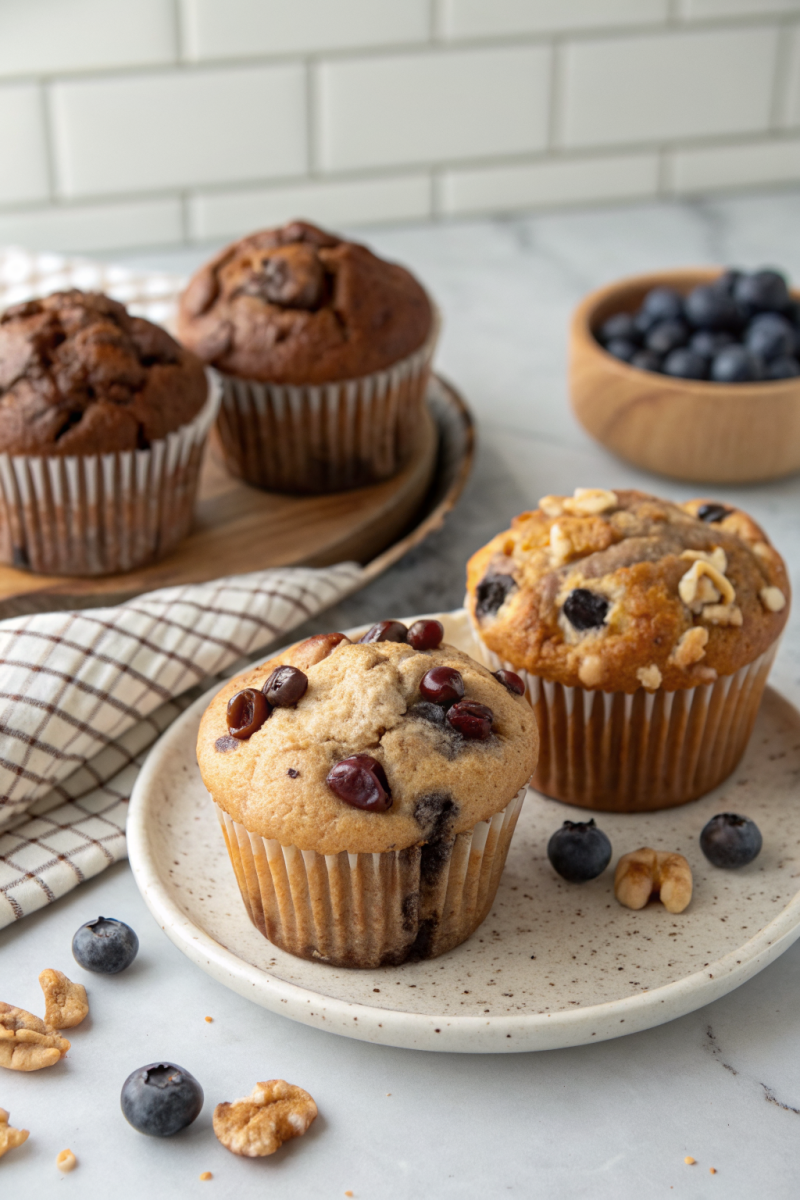
Protein Muffins 3 Ways: Elevating Your Mornings with Nutrient-Packed, Delicious Bites
Protein Muffins 3 Ways transforms a simple baking staple into a powerhouse of nutrition, perfect for busy mornings, post-workout fuel, or a guilt-free snack. This comprehensive guide will walk you through crafting three distinct and delightful protein muffin recipes, ensuring variety, incredible flavor, and a significant protein boost in every bite. We’ll delve into the science behind protein in baking, explore versatile ingredients, and provide chef-level tips for achieving bakery-quality results right in your own kitchen.
The Power of Protein in Muffins: Why It Matters
Traditionally, muffins are often laden with sugar and refined carbohydrates, leading to a quick energy spike followed by a crash. By incorporating protein, we fundamentally change the nutritional profile, offering sustained energy, increased satiety, and muscle support. Protein, Muffins, Ways isn’t just a catchy title; it’s a commitment to rethinking our breakfast and snack choices to better fuel our bodies. Protein slows down the digestion of carbohydrates, leading to a more gradual release of glucose into the bloodstream, which helps stabilize blood sugar levels and prevents those mid-morning slumps. Furthermore, protein plays a crucial role in muscle repair and growth, making these muffins an excellent choice for athletes or anyone looking to increase their daily protein intake.
From a culinary perspective, protein sources like whey, casein, or plant-based powders can significantly alter the texture and moisture of baked goods. Understanding how different proteins interact with other ingredients is key to creating muffins that are not only nutritious but also moist, tender, and incredibly delicious. This guide carefully balances nutritional goals with baking science to ensure your protein muffins are a delightful treat, not a chalky compromise.
Understanding Your Protein Powder: The Foundation of Protein Muffins 3 Ways
The type of protein powder you choose will significantly impact the outcome of your muffins. Here’s a quick overview:
- Whey Protein: Derived from milk, whey is a complete protein, rich in BCAAs. It tends to absorb more liquid, so recipes might need slight adjustments. It bakes well but can sometimes lead to slightly drier results if too much is used. Isolate versions are often lower in lactose and fat.
- Casein Protein: Also milk-derived, casein digests slower than whey, providing a sustained release of amino acids. It absorbs a lot of moisture and can make baked goods dense if not balanced correctly. Often used in combination with whey or other flours.
- Plant-Based Proteins (Pea, Rice, Hemp, Soy): Excellent options for vegetarians, vegans, or those with dairy sensitivities. Pea protein is widely popular due to its complete amino acid profile and relatively neutral flavor. Rice protein is often hypoallergenic. Hemp protein has a distinct nutty flavor and can add fiber. Soy protein is another complete protein but some prefer to avoid it. Plant-based proteins can sometimes yield a slightly grittier texture or require more liquid.
- Egg White Protein: A good neutral-tasting option that can contribute to a lighter, fluffier texture. It’s often used in combination with other protein sources.
For these Protein, Muffins, Ways recipes, we’ll suggest options that work well with most common varieties, but don’t be afraid to experiment with your favorites!
Core Ingredients for Delicious Protein Muffins 3 Ways
Before diving into the specific recipes, let’s look at some foundational ingredients that contribute to the success of all three variations:
- All-purpose flour or whole wheat flour: Provides structure. For gluten-free options, use an almond/oat flour blend.
- Protein powder: Your chosen type (whey, casein, or plant-based).
- Baking powder & baking soda: Leavening agents for rise and tenderness.
- Salt: Enhances flavor.
- Sweetener: Granulated sugar, maple syrup, honey, or a sugar substitute like erythritol or stevia.
- Wet ingredients: Eggs, milk (dairy or non-dairy), Greek yogurt, mashed banana, unsweetened applesauce, or oil.
- Flavor enhancers: Vanilla extract, cinnamon, nutmeg, lemon zest.
Protein Muffin Recipe 1: Classic Blueberry Crumble Protein Muffins
This recipe takes the beloved classic blueberry muffin and supercharges it with protein and a delightful, sweet crumble topping. It’s a perfect breakfast or snack.
Ingredients for Muffins:
- 1 ½ cups all-purpose flour (or whole wheat pastry flour for a healthier twist)
- ½ cup vanilla or unflavored whey protein powder (or plant-based equivalent)
- ½ cup granulated sugar (or erythritol for lower sugar)
- 2 tsp baking powder
- ½ tsp baking soda
- ¼ tsp salt
- 1 large egg, lightly beaten
- ½ cup milk (dairy or non-dairy)
- ½ cup unsweetened Greek yogurt (or plain dairy-free yogurt)
- ¼ cup melted coconut oil or unsalted butter
- 1 tsp vanilla extract
- 1 cup fresh or frozen blueberries (do not thaw)
Ingredients for Crumble Topping:
- ¼ cup all-purpose flour
- 2 tbsp brown sugar
- 2 tbsp cold unsalted butter, cubed
- ½ tsp cinnamon
Step-by-Step Method:
Step 1 — Prepare the Crumble
In a small bowl, combine flour, brown sugar, and cinnamon. Cut in the cold butter with your fingertips or a pastry blender until the mixture resembles coarse crumbs. Set aside.
Step 2 — Combine Dry Ingredients
In a large bowl, whisk together the flour, protein powder, sugar, baking powder, baking soda, and salt. Ensure there are no lumps of protein powder.
Step 3 — Combine Wet Ingredients
In a separate medium bowl, whisk together the egg, milk, Greek yogurt, melted coconut oil (or butter), and vanilla extract until smooth.
Step 4 — Mix Wet and Dry
Pour the wet ingredients into the dry ingredients. Mix gently with a spatula just until combined. Be careful not to overmix; a few lumps are okay. Fold in the blueberries last, gently, to avoid crushing them.
Step 5 — Bake the Muffins
Preheat oven to 375°F (190°C). Line a 12-cup muffin tin with paper liners or grease well. Fill each muffin cup about two-thirds full with batter. Sprinkle generously with the prepared crumble topping.
Bake for 18-22 minutes, or until a wooden skewer inserted into the center of a muffin comes out clean. Let cool in the muffin tin for 5 minutes before transferring to a wire rack to cool completely.

Protein Muffin Recipe 2: Chocolate Peanut Butter Power Protein Muffins
This rich and indulgent version combines the irresistible duo of chocolate and peanut butter, packed with protein for a satisfying treat. It’s a favorite for post-workout fuel or a delicious afternoon pick-me-up.
Ingredients for Muffins:
- 1 cup all-purpose flour
- ½ cup chocolate protein powder (whey or plant-based)
- ½ cup unsweetened cocoa powder
- ½ cup granulated sugar (or a mix of sugar and brown sugar)
- 1 tsp baking powder
- ½ tsp baking soda
- ¼ tsp salt
- 1 large egg
- ½ cup milk (dairy or non-dairy)
- ½ cup natural creamy peanut butter, melted slightly if too stiff
- ¼ cup unsweetened applesauce or mashed banana (for moisture)
- 1 tsp vanilla extract
- ½ cup chocolate chips (dark or semi-sweet)
Step-by-Step Method:
Step 1 — Prepare Dry Ingredients
In a large bowl, whisk together the flour, chocolate protein powder, cocoa powder, sugar, baking powder, baking soda, and salt. Break up any clumps of cocoa or protein powder.
Step 2 — Prepare Wet Ingredients
In a separate medium bowl, whisk together the egg, milk, melted peanut butter, applesauce (or banana), and vanilla extract until smooth and well combined.
Step 3 — Combine Everything
Pour the wet ingredients into the dry ingredients. Mix gently with a spatula just until combined. Be careful not to overmix. Fold in the chocolate chips.
Step 4 — Bake the Muffins
Preheat oven to 375°F (190°C). Line a 12-cup muffin tin with paper liners or grease well. Fill each muffin cup about two-thirds full with batter.
Bake for 18-22 minutes, or until a wooden skewer inserted into the center of a muffin comes out mostly clean (a few melted chocolate streaks are fine). Let cool in the muffin tin for 5 minutes before transferring to a wire rack to cool completely.

Protein Muffin Recipe 3: Zucchini & Carrot Spice Protein Muffins
These wholesome muffins incorporate vegetables for added nutrients and moisture, spiced with warm cinnamon and nutmeg. They are naturally lower in sugar and make a fantastic, fiber-rich option for any time of day.
Ingredients for Muffins:
- 1 cup whole wheat flour
- ½ cup unflavored protein powder (casein or a blend works well here for moisture)
- ¼ cup brown sugar, packed (or maple syrup for a refined sugar-free option)
- 1 tsp baking powder
- ½ tsp baking soda
- 1 tsp ground cinnamon
- ½ tsp ground nutmeg
- ¼ tsp ground ginger
- ¼ tsp salt
- 1 large egg, lightly beaten
- ½ cup unsweetened applesauce
- ¼ cup milk (dairy or non-dairy)
- 2 tbsp melted coconut oil or olive oil
- 1 tsp vanilla extract
- 1 cup grated zucchini, squeezed dry
- ½ cup grated carrot
- Optional: ½ cup chopped walnuts or pecans
Step-by-Step Method:
Step 1 — Prepare Dry Ingredients
In a large bowl, whisk together the whole wheat flour, protein powder, brown sugar, baking powder, baking soda, cinnamon, nutmeg, ginger, and salt until well combined.
Step 2 — Prepare Wet Ingredients and Vegetables
In a separate medium bowl, whisk together the egg, applesauce, milk, melted oil, and vanilla extract. Thoroughly squeeze out excess moisture from the grated zucchini using a clean kitchen towel – this is crucial to prevent soggy muffins.
Step 3 — Combine Gently
Pour the wet ingredients into the dry ingredients. Mix gently with a spatula until just combined. Fold in the squeezed zucchini, grated carrot, and optional nuts. Do not overmix.
Step 4 — Bake the Muffins
Preheat oven to 375°F (190°C). Line a 12-cup muffin tin with paper liners or grease well. Fill each muffin cup about two-thirds full with batter.
Bake for 20-25 minutes, or until a wooden skewer inserted into the center of a muffin comes out clean. Due to the vegetables, these might take a little longer. Let cool in the muffin tin for 5 minutes before transferring to a wire rack to cool completely.

Nutrition Facts (Estimated per muffin, based on general ingredients)
Given the variability of protein powders and specific ingredient choices, these are approximate values. For precise nutrition, calculate with your exact ingredients.
| Muffin Type | Calories | Protein | Carbs | Fat | Fiber |
|---|---|---|---|---|---|
| Blueberry Crumble | 250-280 kcal | 12-15g | 30-35g | 10-12g | 2-3g |
| Chocolate Peanut Butter | 280-320 kcal | 14-18g | 28-33g | 15-18g | 3-4g |
| Zucchini & Carrot Spice | 200-240 kcal | 10-13g | 25-30g | 8-10g | 4-5g |
These values can be significantly altered by choices like reducing sugar, using all whole wheat flour, or adding more nuts/seeds. For instance, swapping granulated sugar for a calorie-free sweetener or using unsweetened applesauce can lower calorie and carbohydrate counts. Incorporating chia seeds or flax meal can further boost fiber and omega-3s.
Healthy Variations and Customization for Your Protein Muffins
The beauty of these Protein, Muffins, Ways recipes is their adaptability. You can easily tweak them to suit dietary needs or flavor preferences:
- Gluten-Free: Replace all-purpose or whole wheat flour with a 1:1 gluten-free baking blend (ensure it contains xanthan gum) or use a combination of almond flour and oat flour. You might need a little extra binder like ground flaxseed or an extra egg.
- Dairy-Free: Use non-dairy milk (almond, soy, oat) and dairy-free yogurt. For butter, use coconut oil or a plant-based butter alternative.
- Nut-Free: For the Chocolate Peanut Butter muffins, swap peanut butter for sunflower seed butter (Sunbutter). Omit nuts in the Zucchini & Carrot Spice muffins.
- Sugar Reduction: Experiment with natural sweeteners like mashed banana, unsweetened applesauce, or dates. Alternatively, use sugar substitutes like stevia, erythritol, or monk fruit, adjusting to taste and considering their different baking properties. Healthline has a comprehensive guide on sugar substitutes.
- Extra Fiber: Add 1-2 tablespoons of ground flaxseed or chia seeds to the dry ingredients. These also act as binders and add healthy fats.
- Boost Micros:
- Add a handful of spinach (finely chopped or blended into wet ingredients) to any muffin for an undetectable greens boost.
- Stir in finely chopped dried fruit like apricots or cranberries (reduce added sugar slightly if using).
- Incorporate spices like turmeric (with a pinch of black pepper) for anti-inflammatory benefits in the spice muffins.
- Additional Protein: Beyond protein powder, consider adding finely chopped nuts or seeds (like hemp hearts or pumpkin seeds) for a textural and protein boost.
- Fat Swaps: Replace some of the oil or butter with avocado puree or pureed black beans for added nutrients and moisture, especially in chocolate muffins.
Serving Suggestions and Pairings for Your Protein, Muffins, Ways Creations
These Protein, Muffins, Ways are fantastic on their own, but here are some ideas to elevate your experience:
- With a hot beverage: A warm cup of coffee, tea, or even a Lemon Herb Chicken & Rice flavored tea blends perfectly with any of these muffins.
- Alongside fruit: A simple side of fresh berries, sliced apple, or a banana complements the muffins and adds freshness.
- With a dollop of yogurt: A spoonful of Greek yogurt or skyr balances the flavors and adds another protein punch.
- Lightly warmed: Pop them in the microwave for 10-15 seconds for a “just baked” experience.
- As part of a brunch spread: Arrange a variety of Greek Yogurt Cheesecake Cups and these muffins next to a fruit platter and a savory quiche.
- Spread options: A thin layer of nut butter, light cream cheese, or even fruit preserve can be delightful.
Common Mistakes to Avoid for Perfect Protein Muffins 3 Ways
- Overmixing the batter: This is the cardinal sin of muffin making. Overmixing develops gluten, leading to tough, chewy muffins. Mix only until the dry ingredients are just incorporated into the wet, even if a few lumps remain.
- Not Squeezing Zucchini/Carrot: For the veggie-packed muffins, excess moisture from grated vegetables will lead to dense, gummy muffins. Always squeeze out as much liquid as possible with a clean kitchen towel.
- Incorrect Oven Temperature: Too low, and muffins will be flat and dry. Too high, and they’ll brown too quickly on the outside before cooking through inside. A quick blast at a slightly higher temperature (like 400°F for the first 5 minutes) can sometimes help develop a good “muffin top,” then reduce to 375°F for the remainder.
- Ignoring Protein Powder Specifics: Different protein powders absorb liquid differently. If your batter seems unusually thick or thin, make slight adjustments with a tablespoon or two of liquid (milk) or dry flour/protein powder.
- Underfilling Muffin Cups: This leads to small, sad muffins. Fill them about two-thirds full for a good rise and proportion.
- Opening the Oven Door Too Early: Resist the urge to peek during the first 10-12 minutes of baking. A sudden drop in temperature can cause muffins to collapse.
- Not Letting Them Cool: While warm muffins are tempting, letting them cool slightly in the pan allows them to firm up and prevents sticking. Cooling completely on a wire rack prevents sogginess from trapped steam.
- Using Too Much Artificial Sweetener: Some artificial sweeteners can have a cooling effect or an aftertaste when used in large quantities. Balance with natural sugars or other flavorings.
Storage Tips for Your Batch of Protein Muffins 3 Ways
Making a big batch of these protein muffins is a smart move for meal prep, ensuring you always have a healthy snack or breakfast on hand.
- Room Temperature: Store cooled muffins in an airtight container at room temperature for up to 2-3 days. To prevent sogginess, you can place a paper towel at the bottom of the container to absorb excess moisture.
- Refrigeration: For longer storage, especially for muffins with fresh fruit or vegetables, refrigerate them in an airtight container for up to 5-7 days.
- Freezing: Protein muffins freeze beautifully. Once completely cooled, place them in a single layer on a baking sheet and freeze for about an hour until solid. Then transfer them to a freezer-safe bag or container, removing as much air as possible to prevent freezer burn. They can be frozen for up to 2-3 months.
- Reheating:
- From Room Temperature/Refrigerated: Microwave for 15-30 seconds, or warm in a preheated oven at 300°F (150°C) for 5-10 minutes.
- From Frozen: Microwave for 45-60 seconds, or thaw overnight in the refrigerator and then warm, or directly heat in an oven at 350°F (175°C) for 10-15 minutes until heated through.
The Science of Satiety and Protein Muffins 3 Ways
Understanding why protein muffins are so effective for satiety involves a brief look into nutrition science:
Hormonal Response: Protein consumption triggers the release of satiety hormones like PYY (Peptide YY) and GLP-1 (Glucagon-like peptide-1), which signal to the brain that you are full. Unlike simple carbohydrates, which quickly convert to glucose and can lead to a rapid insulin response and subsequent hunger, protein provides a more stable metabolic response.
Thermic Effect of Food (TEF): Protein has a higher TEF than carbohydrates or fats. This means your body expends more energy (calories) to digest, absorb, and metabolize protein. While not a massive calorie burner, it contributes to better energy balance and feeling fuller for longer.
Blood Sugar Stability: As mentioned, protein helps to slow down the absorption of sugars from the carbohydrates in the muffin. This prevents sharp spikes and crashes in blood sugar, which are often followed by intense hunger pangs. Harvard Nutrition Source provides excellent resources on diet and blood sugar.
By incorporating protein powder, alongside fiber-rich ingredients like whole grains, fruits, and vegetables, these Protein, Muffins, Ways recipes are designed to be more than just a tasty treat—they are a functional food, supporting your body’s energy needs and hunger management.
Conclusion
Protein Muffins 3 Ways offers a delightful and nutritious approach to baked goods, proving that healthy eating doesn’t have to sacrifice flavor or indulgence. From the vibrant Classic Blueberry Crumble Protein Muffins to the rich Chocolate Peanut Butter Power Protein Muffins and the wholesome Zucchini & Carrot Spice Protein Muffins, each recipe is crafted to provide sustained energy, satisfying protein, and incredible taste. By following these detailed instructions, understanding the role of your ingredients, and embracing customization, you can easily create bakery-quality protein muffins that will become a staple in your healthy eating routine. Whether for a quick breakfast, a post-workout refuel, or a guilt-free snack, these muffins offer warmth, comfort, and nourishment in every perfect bite. Eating nourishing foods regularly is fundamental for health. Enjoy the process of baking and the delicious rewards!
FAQ
- Can I use different fruits in the blueberry muffins? Absolutely! Raspberries, chopped strawberries, blackberries, or even chopped apples would work well. Adjust sweetness if using very tart fruits.
- How do I make these muffins vegan? For vegan Protein, Muffins, Ways, use plant-based protein powder, non-dairy milk and yogurt, flax “eggs” (1 tbsp ground flaxseed + 3 tbsp water per egg), and ensure any chocolate chips are dairy-free.
- My muffins turned out dry. What went wrong? This is often due to overmixing, too much protein powder, or baking for too long at too high a temperature. Ensure you’re measuring accurately, mixing gently, and checking for doneness at the lower end of the baking time.
- Can I reduce the sugar even further? Yes, you can. For the savory options like Zucchini & Carrot, you can almost eliminate added sugar or use only a tablespoon of maple syrup. For the sweet options, consider sugar-free sweeteners or increasing fruit content for natural sweetness, but be aware of how sugar contributes to moisture and texture.
- What’s the best way to get a nice “muffin top”? Filling the muffin cups generously (about 2/3 full, sometimes a little more), and baking at a slightly higher temperature (like 425°F/220°C) for the first 5 minutes before reducing to 375°F (190°C) can help.
- Do I have to use a specific type of flour? While all-purpose flour is versatile, whole wheat pastry flour offers a good balance of structure and tenderness with added fiber. For a lighter texture, some whole wheat flour can be substituted with oat flour.
- Can these be made into mini muffins? Yes! Reduce baking time to 10-15 minutes and keep a close eye on them as they bake much faster.

creates quick vegetarian dinners and vibrant taco recipes.