
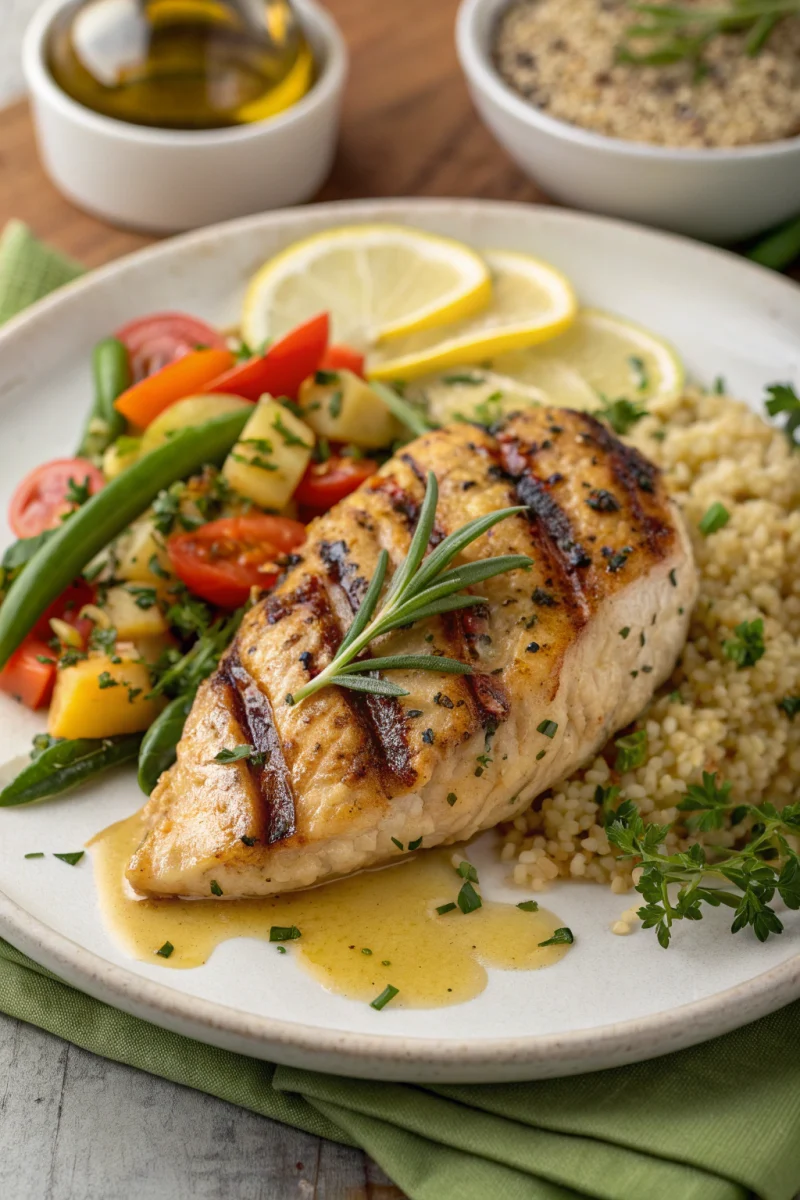
Soupe au poulet protéinée — Le réconfort d’un repas hivernal
Le dîner protéiné au poulet marie générosité, réconfort et équilibre dans chaque assiette. Ici, je vous livre la recette idéale d’une soupe d’hiver, où chaque gorgée enveloppe le corps et l’esprit, alliant savoir-faire de chef et simplicité pour la table familiale.
Why Protein Chicken Dinner Matters in Winter
During cold months, the body craves warmth and hydration. Protein Chicken Dinner offers both, blending nutrient-rich ingredients with slow-simmered depth. From classic broths to creamy textures, it’s a dish that soothes and strengthens at once. The therapeutic aroma filling your kitchen as this soup gently simmers is an experience in itself, a promise of comfort and nourishment. Beyond its immediate appeal, a well-prepared Protein Chicken Dinner can be a cornerstone of a healthy winter diet, providing essential vitamins, minerals, and muscle-building protein, crucial for maintaining energy levels and immunity when temperatures drop. It’s more than just food; it’s a culinary hug, a return to wholesome basics that cater to both body and soul during the chilly season. The beauty of this dish lies in its versatility and its ability to adapt to various dietary needs and preferences, making it a reliable go-to for families and individuals alike.
Core Ingredients for Your Best Protein Chicken Dinner
Crafting an outstanding Protein Chicken Dinner starts with selecting the right ingredients. The quality of each component directly impacts the final flavor and nutritional profile of your soup. Here’s a detailed look at the core ingredients that form the backbone of this comforting meal, ensuring richness and depth in every spoonful. Paying attention to these details will elevate your soup from good to truly exceptional.
- 1 tbsp olive oil: Extra virgin olive oil is preferred for its rich flavor and beneficial monounsaturated fats. It’s the starting point for sautéing, helping to build the foundational aromatics.
- 1 onion, finely chopped: Onions are a critical aromatic, providing sweetness and depth. Finely chopping ensures they meld seamlessly into the broth. Yellow or white onions work best here.
- 2 garlic cloves, minced: Garlic adds pungency and warmth, a quintessential flavor in any savory soup. Freshly minced garlic offers the most vibrant taste; avoid pre-minced for the best results.
- 2 carrots, diced: Carrots contribute natural sweetness and vibrant color, as well as a healthy dose of Vitamin A. Dicing them uniformly ensures even cooking.
- 2 celery stalks, sliced: Celery provides a subtle earthy note and essential texture. Slicing them into half-moon shapes allows them to soften beautifully in the broth without disappearing.
- 4 cups vegetable or chicken broth: This is the liquid backbone of your Protein Chicken Dinner. A high-quality, low-sodium broth is paramount. If using chicken broth, homemade is ideal for its superior flavor and nutritional content, complementing the chicken wonderfully.
- 1 cup cooked barley or rice: These grains add substance, fiber, and carbohydrate energy, making the soup a complete meal. Barley offers a pleasing chewiness and nutty flavor, while rice provides a softer texture. Ensure they are cooked separately before adding to avoid absorbing too much broth and becoming mushy. This step is crucial for maintaining the soup’s intended consistency.
- Salt, pepper, thyme, and bay leaf to taste: These seasonings are fundamental to rounding out the flavors. Salt enhances all other notes, pepper adds a gentle heat, thyme brings an aromatic earthiness, and a bay leaf infuses a subtle, herbal depth that is characteristic of classic comfort foods. Adjusting these to your personal preference is key to a perfectly seasoned Protein Chicken Dinner.
- 1.5 lbs boneless, skinless chicken breasts or thighs: This is the “protein” in your Protein Chicken Dinner. Chicken breasts offer lean protein, while thighs provide a richer flavor and moist texture due to their higher fat content. Choose organic, free-range chicken if possible for better taste and nutritional value. Cut into bite-sized pieces for quick cooking and easy eating.
- Optional: 1/2 cup fresh parsley, chopped: Added at the end, fresh parsley brightens the soup with a pop of color and a fresh, herbaceous note, enhancing the overall aroma and presentation.
Step-by-Step Method for Your Protein Chicken Dinner
Creating a truly memorable Protein Chicken Dinner involves more than just throwing ingredients into a pot. It’s about building layers of flavor and ensuring each component is cooked to perfection. Follow these detailed steps to achieve a rich, comforting, and nutritionally balanced soup.
Step 1 — Build your flavor base
The foundation of any great soup is its aromatics. This step is where all the deep flavors begin to develop.
- Heat 1 tablespoon of olive oil in a large, heavy-bottomed pot or Dutch oven over medium heat. Allow the oil to shimmer but not smoke, indicating it’s ready.
- Add the finely chopped onion and sauté gently, stirring occasionally, until it becomes translucent and tender, about 5-7 minutes. Don’t rush this step; softening the onion properly releases its natural sweetness.
- Next, add the minced garlic and sliced celery to the pot. Continue to sauté for another 2-3 minutes, stirring constantly to prevent the garlic from burning, which can turn bitter. The goal is to get it fragrant and slightly softened, allowing the aromatics to meld beautifully. This process creates a fragrant base that will permeate your entire Protein Chicken Dinner.

Step 2 — Add chicken, vegetables, and simmer
This is where the heart of your Protein Chicken Dinner truly begins to cook. Adding the chicken and vegetables at the right time ensures they are tender and flavorful, absorbing the broth’s richness.
- Add the cut boneless, skinless chicken pieces to the pot. Sauté for about 3-5 minutes, stirring occasionally, until the chicken is lightly browned on all sides. This browning step, known as the Maillard reaction, adds a significant depth of flavor to the protein that boiling alone cannot achieve.
- Stir in the diced carrots. Cook for another 2 minutes, allowing them to soften slightly and release their sweetness into the aromatic base.
- Pour in the 4 cups of vegetable or chicken broth. Bring the mixture to a gentle boil, then immediately reduce the heat to low.
- Add the dried thyme and bay leaf to the pot. Season generously with salt and black pepper. Remember, you can always add more seasoning later, but you can’t take it away.
- Partially cover the pot, leaving a small gap for steam to escape, and let it simmer gently for 25-30 minutes. The chicken should become tender and cooked through, and the vegetables should be fork-tender but not mushy.
- During simmering, skim off any foam that rises to the surface with a spoon. This helps to keep your broth clear and clean-tasting, improving the overall presentation and purity of your Protein Chicken Dinner.

Step 3 — Add grains and finish your Protein Chicken Dinner
The final steps bring all the components together, transforming the simmering broth into a complete and satisfying meal.
- After the chicken and vegetables are cooked, stir in the 1 cup of pre-cooked barley or rice. If adding pre-cooked grains, only simmer for an additional 5-10 minutes, just enough for the grains to heat through and absorb some of the delicious broth. This prevents them from becoming waterlogged. If using uncooked grains, you would need to adjust the cooking time and potentially add more broth, but pre-cooking is highly recommended for consistency.
- Carefully remove the bay leaf from the pot before serving. Its flavor has been infused into the soup, and it is not meant for consumption.
- Taste the Protein Chicken Dinner and adjust the seasonings as needed. This is the crucial moment to perfect the balance of salt, pepper, and any other herbs or spices. Perhaps a little more salt to brighten the flavors, or a pinch of extra pepper for warmth.
- If using, stir in the fresh chopped parsley just before serving. This adds a burst of fresh flavor and a beautiful green garnish, enhancing the visual appeal of your Protein Chicken Dinner.
- Ladle the hot soup into bowls and serve immediately. Enjoy the rich, comforting flavors of your homemade Protein Chicken Dinner.

Nutrition Facts (per serving) of Protein Chicken Dinner
Understanding the nutritional breakdown of your Protein Chicken Dinner can help you appreciate its value as a healthy, balanced meal. These figures are approximate and can vary based on specific ingredient choices and portion sizes, but they provide a good general overview of what this comforting soup brings to your table.
Calories: 230 | Protein: 9g | Carbs: 32g | Fat: 7g | Fiber: 5g | Sodium: 410mg
This nutritional profile highlights why Protein Chicken Dinner is an excellent choice, especially during cooler months:
- Protein: At 9g per serving, this soup offers a good amount of protein, essential for muscle repair, immune function, and feelings of fullness. Using chicken breasts can increase this further, while bone broth will also contribute amino acids. For those looking to boost protein even more, adding a handful of cooked lentils or chickpeas can significantly increase this value. Healthline reports that protein-rich soups can contribute to satiety and muscle health.
- Carbohydrates: The 32g of carbohydrates primarily come from the vegetables and grains (barley or rice), providing sustained energy. Opting for whole grains like barley or brown rice ensures a higher quality of carbohydrates with more fiber.
- Fat: With 7g of fat, much of which comes from healthy olive oil and the chicken itself, this soup remains light yet satisfying. This moderate fat content is crucial for absorbing fat-soluble vitamins and providing a feeling of satiation without being overly heavy.
- Fiber: 5g of fiber per serving is a significant contribution to your daily intake. Fiber is vital for digestive health, helps regulate blood sugar, and contributes to longer-lasting fullness. The vegetables and whole grains are the primary sources of this beneficial nutrient. The Harvard T.H. Chan School of Public Health emphasizes the importance of dietary fiber for overall health.
- Sodium: 410mg of sodium is a moderate level. Using low-sodium broth and controlling the salt added during cooking allows you to manage this. Excessive sodium can be a concern, so mindful seasoning is encouraged. Always taste before adding more salt.
Overall, your Protein Chicken Dinner is not just delicious but also a powerhouse of essential nutrients, making it an ideal choice for a wholesome meal. Its balanced macronutrient profile, combined with vitamins and minerals from the variety of vegetables, makes it a truly nourishing option for any occasion.
Healthy Variations for Your Protein Chicken Dinner
The beauty of Protein Chicken Dinner lies in its adaptability. You can easily modify the recipe to suit different dietary needs, enhance nutritional content, or simply introduce new flavors. These variations allow you to keep your soup exciting and continue to leverage its comforting qualities in new ways.
Enhancing Protein Content:
- Add Lentils or Chickpeas: For an extra boost of plant-based protein and fiber, stir in a cup of cooked brown or green lentils, or a can of rinsed and drained chickpeas during the last 15 minutes of simmering. They add a lovely texture and absorb the broth’s flavors beautifully, creating an even more substantial Protein Chicken Dinner.
- Include Different Meats: While chicken is standard, consider other lean proteins. Shredded turkey, especially from leftovers, can be an excellent substitute or addition. Lean cuts of pork or even a handful of small, cooked shrimp added right at the end can introduce new flavor profiles.
- Egg Drop Style: For a delightful texture and protein kick, whisk two eggs and slowly drizzle them into the simmering soup, stirring gently, to create delicate egg ribbons. This is an Asian-inspired twist that works surprisingly well.
Boosting Plant-Based Nutrition:
- Leafy Greens Power-Up: Stir in a few handfuls of chopped kale, spinach, or Swiss chard during the last 5-10 minutes of cooking. These greens will wilt beautifully, adding a wealth of vitamins, minerals, and antioxidants without significantly altering the flavor profile of your Protein Chicken Dinner. Use an extra vegetable stock for this version if you want to keep it fully plant-based.
- Incorporate More Root Vegetables: Beyond carrots, consider adding diced sweet potatoes, parsnips, or turnips. These root vegetables bring earthy sweetness and additional fiber, enriching both the flavor and nutritional density of the soup.
- Mushroom Magic: Sauté sliced mushrooms (cremini, shiitake, or even wild mushrooms) with the initial aromatics. They add an umami depth and a pleasant, meaty texture that complements the chicken and vegetables splendidly.
Creating a Creamier Texture:
- Blend Half for Creaminess: For a thicker, more luxurious soup without adding heavy cream, carefully spoon about one-third to one-half of the cooked soup (solids and some liquid) into a blender. Blend until smooth, then stir the puréed mixture back into the pot. This technique adds body and creamy texture while retaining chunks of ingredients for interest, perfect for a velvety Protein Chicken Dinner.
- Dairy-Free Creaminess: If you prefer a dairy-free option, stir in 1/2 cup of full-fat coconut milk or a plant-based unsweetened cream (like cashew or oat cream) during the last few minutes of cooking. This adds a subtle richness and velvety texture without dairy.
- Yogurt Swirl: For a tangy, protein-rich creaminess, swirl a dollop of plain Greek yogurt or sour cream into individual servings of hot soup just before serving. This not only adds creaminess but also a refreshing contrast to the hearty flavors.
Flavor Enhancements:
- Zesty Finish: A squeeze of fresh lemon juice or a dash of apple cider vinegar right before serving can brighten all the flavors in your Protein Chicken Dinner, adding a much-needed acidic lift.
- Spicy Kick: For those who enjoy a bit of heat, add a pinch of red pepper flakes with the other spices, or swirl in a little Sriracha or your favorite hot sauce at the table.
- Herb Variations: Experiment with different herbs. Instead of or in addition to thyme, try fresh rosemary, dill, or a blend of Italian herbs. Fresh herbs stirred in at the end provide the most vibrant flavor.
Each of these variations allows you to customize your Protein Chicken Dinner, ensuring that it remains a fresh and exciting dish in your culinary repertoire while still providing all the comforting goodness you expect.
Serving Suggestions for Your Protein Chicken Dinner
A well-prepared Protein Chicken Dinner is a meal in itself, but pairing it with the right accompaniments can elevate the experience, making it even more satisfying and complete. Consider these suggestions to complement the warmth and heartiness of your soup.
- Crusty Whole-Grain Bread or Rolls: There’s nothing quite like dipping a piece of fresh, crusty bread into a warm bowl of soup. Whole-grain options provide extra fiber and a satisfying chew. You could warm them slightly or toast them for added texture. For an extra treat, brush the slices with garlic butter before toasting.
- Garlic Herb Flatbread: Take your bread pairing up a notch with homemade or store-bought flatbread infused with fragrant garlic and herbs. The soft texture and savory flavors of Garlic Herb Flatbread are perfect for soaking up every last drop of your Protein Chicken Dinner. The aromatic notes in the flatbread will echo the spices in the soup, creating a harmonious meal.
- A Simple Side Salad: A crisp, refreshing green salad with a light vinaigrette can provide a wonderful contrast to the rich, warm soup. It adds freshness, crunch, and extra vegetables, balancing the meal. Think mixed greens, cherry tomatoes, cucumber, and a light lemon-herb dressing.
- Cheese Toasties or Grilled Cheese: For a touch of indulgent comfort, a classic grilled cheese sandwich or a sophisticated cheese toastie makes an excellent companion. The melted cheese and toasted bread offer a delightful textural contrast and a rich, savory counterpoint to the soup.
- Roasted Vegetables: If you want to boost the vegetable content even further, a side of simply roasted vegetables like broccoli, asparagus, or Brussels sprouts can be a delicious addition. Their slight char and concentrated flavors offer a different dimension.
- Quinoa Salad: For a gluten-free and protein-packed side, a light quinoa salad with herbs, finely chopped vegetables, and a zesty dressing can be a fantastic, nutritious option.
- Honey Oat Energy Bites for Dessert: After a hearty and warm main course, a light yet satisfying sweet treat is often desired. Our Honey Oat Energy Bites are the perfect ending. They are naturally sweet, packed with wholesome ingredients, and provide a gentle energy boost without being overly heavy. They offer a delightful textural contrast to the soft soup and leave you feeling completely nourished and content. Paired with your Protein Chicken Dinner, these bites create a balanced and satisfying meal from start to finish.
No matter your preference, these serving suggestions are designed to complement the robust flavors and comforting nature of your Protein Chicken Dinner, turning a simple soup into a memorable dining experience.
Common Mistakes to Avoid When Making Protein Chicken Dinner
Even though Protein Chicken Dinner seems simple, a few common pitfalls can diminish its quality. Being aware of these mistakes can help you achieve a consistently delicious and perfectly textured soup every time.
- Boiling instead of simmering: Aggressive boiling can break down delicate ingredients like vegetables, turning them mushy. It can also toughen chicken and extract less flavor from your aromatics over time. Always aim for a gentle simmer – small, lazy bubbles – which allows flavors to meld gradually and textures to remain intact. This is especially true for your Protein Chicken Dinner, as you want the chicken to stay tender.
- Overcrowding the pot: When you sauté your aromatics or brown the chicken, resist the urge to pack the pot. Overcrowding lowers the temperature, steaming the ingredients instead of browning them. This prevents the development of the rich, caramelized flavors that are essential for the depth of your Protein Chicken Dinner. If necessary, work in batches.
- Skipping salt layering: Many people add all their salt at the end. However, seasoning throughout the cooking process, adding small pinches with each new ingredient (onions, chicken, vegetables), allows the salt to integrate and enhance flavors at every stage. This builds a complex taste profile. Always taste and adjust at the very end, but don’t wait until then to season entirely.
- Using low-quality broth: The broth is the liquid foundation and flavor backbone of your Protein Chicken Dinner. A watery, bland, or overly salty low-quality broth will result in a flat, uninspiring soup. Invest in a good quality, low-sodium chicken or vegetable broth, or even better, make your own from scratch. Homemade broth contributes unparalleled depth and richness.
- Overcooking grains: If you add uncooked grains directly to the soup and simmer them for too long, they can absorb too much liquid and swell excessively, making the soup thick and mushy. Always cook grains like barley or rice separately until al dente, and then add them to the soup during the last 5-10 minutes of simmering just to heat through. This preserves their texture and prevents them from dominating the soup.
- Not browning the chicken: While you can technically just boil the chicken, taking a few extra minutes to lightly brown the chicken pieces (after the aromatics) before adding broth creates a richer, more complex flavor through the Maillard reaction. This simple step adds layers of savory goodness to your Protein Chicken Dinner.
- Ignoring the bay leaf: A bay leaf can infuse a subtle, aromatic depth into your soup. However, remember to remove it before serving, as it’s not meant to be eaten. Forgetting it can lead to an unexpected and unpleasant bitter bite.
- Adding too much liquid too soon: While broth is key, adding all the liquid at once can dilute flavors, especially if you’re trying to build a concentrated base. Start with the recommended amount, and only add more gradually if the soup becomes too thick or if you desire a thinner consistency, keeping your Protein Chicken Dinner balanced.
By avoiding these common mistakes, you’ll ensure your Protein Chicken Dinner is consistently packed with flavor, perfectly textured, and truly comforting.
Storage Tips for Your Protein Chicken Dinner
Proper storage is key to enjoying your Protein Chicken Dinner for days to come or preserving it for future meals. These tips will help maintain its quality, flavor, and safety.
- Cool Down Quickly: After cooking, let your Protein Chicken Dinner cool down at room temperature for no more than 30 minutes. To speed up the cooling process, you can divide the soup into shallower containers or use an ice bath (placing the pot in a larger basin filled with ice water, stirring occasionally). This rapid cooling is essential to prevent bacterial growth.
- Refrigeration:
- Once cooled, transfer the soup into airtight containers. Glass jars (like Mason jars) or high-quality plastic containers with tight-fitting lids are ideal.
- Refrigerate immediately. Your Protein Chicken Dinner will stay fresh and delicious in the refrigerator for up to 4 days.
- Labeling containers with the date of preparation is a good practice to ensure you consume it within the recommended timeframe.
- Freezing:
- Protein Chicken Dinner freezes exceptionally well, making it perfect for meal prepping.
- Before freezing, ensure the soup is completely cooled.
- Portion the soup into freezer-safe airtight containers or heavy-duty freezer bags. If using bags, lay them flat on a baking sheet until frozen solid for efficient storage.
- Leave a little headspace in containers (about an inch) as the liquid will expand when frozen.
- It can be stored in the freezer for up to 3 months. For best quality, try to consume within 1-2 months.
- Again, label with the date to keep track.
- Thawing:
- The safest way to thaw frozen soup is in the refrigerator overnight.
- If you’re in a hurry, you can thaw it using the defrost setting on your microwave or by placing the sealed container in a bowl of cold water, changing the water every 30 minutes.
- Avoid thawing at room temperature for extended periods.
- Reheating:
- Gently reheat your Protein Chicken Dinner over medium-low heat on the stovetop. Stir frequently to ensure even heating and prevent sticking to the bottom of the pot.
- Avoid vigorous boiling, especially if your soup contains delicate vegetables or tender chicken, as this can degrade their texture and flavor. The goal is to heat it through until piping hot.
- You can also reheat individual portions in the microwave, stirring halfway through heating.
- If the soup has thickened too much in the fridge or freezer, you can add a splash of extra broth or water while reheating to achieve your desired consistency.
With these storage and reheating tips, you can enjoy the comforting goodness of your Protein Chicken Dinner whenever you crave it, making meal planning and busy weeknights much easier.
Conclusion
Protein Chicken Dinner proves that healthy food can be both rich and comforting. This comprehensive guide has walked you through every detail, from selecting the finest ingredients to mastering the chef-level techniques that elevate a simple soup into a deeply satisfying culinary experience. We’ve explored the nutritional benefits of this warming dish, its adaptability through healthy variations, and crucial tips for avoiding common mistakes that can hinder your soup’s perfection. Furthermore, we’ve provided practical advice on serving and storing your Protein Chicken Dinner, ensuring that every spoonful delivers consistency and delight, whether you’re enjoying it fresh or from the freezer.
More than just a recipe, this Protein Chicken Dinner is an invitation to embrace wholesome, home-cooked meals that nourish both body and soul. For busy weeknights, comforting weekend dinners, or even thoughtful meal prep, this soup stands as a testament to the power of simple, quality ingredients brought together with care. Each bowl offers a perfect balance of protein, carbohydrates, and essential nutrients, making it an ideal choice for boosting immunity and energy during chilly seasons. The aromatic herbs and tender chicken, combined with vibrant vegetables and hearty grains, create a symphony of flavors that promises warmth and satisfaction in equal measure.
By following these detailed instructions, you are now equipped to create a Protein Chicken Dinner that is not only delicious but also a cornerstone of healthy and mindful eating. Remember, the finest comfort food is often born from the simplest components, transformed by attention to detail and a passion for good food. So go ahead, gather your ingredients, and prepare to fill your home with the inviting aroma and comforting warmth of this exquisite Protein Chicken Dinner. It’s a dish that truly delivers warmth in every spoonful, reinforcing the very essence of home cooking and its enduring legacy.
FAQ — Protein Chicken Dinner
- Can I use frozen vegetables? Yes, you can absolutely use frozen mixed vegetables (like peas, corn, green beans). Just add them directly to the simmering soup during the last 10-15 minutes of cooking. Reduce the amount of broth slightly, or be prepared to simmer a bit longer without the lid, as frozen vegetables release more water and can thin the soup. This also helps maintain the rich flavor of your Protein Chicken Dinner.
- How can I make it creamier? For a richer, creamier Protein Chicken Dinner, you have a few options:
- Blend a portion: Ladle out about 1-2 cups of the cooked soup (including some solids and broth) into a blender. Blend until completely smooth, then stir the puréed mixture back into the pot. This thickens the soup naturally without adding dairy.
- Add dairy/dairy-free alternative: For dairy, stir in 1/4 to 1/2 cup of heavy cream, half-and-half, or evaporated milk during the final 5 minutes of simmering. For a dairy-free option, coconut milk (full-fat or light) or a plant-based unsweetened cream (like cashew or oat cream) works wonderfully.
- Add a roux or slurry: For traditional thickening, you can make a small roux (equal parts butter and flour cooked together) in a separate pan, then whisk it into the soup. Alternatively, mix 1-2 tablespoons of cornstarch with an equal amount of cold water to create a slurry, then gradually whisk it into the simmering soup until desired thickness is achieved.
- What’s the best broth for Protein Chicken Dinner? The best broth dramatically impacts the flavor of your Protein Chicken Dinner.
- Homemade Chicken Broth: This is unequivocally the best choice. It offers unparalleled depth of flavor, richness, and nutritional benefits (especially if made with bones).
- High-Quality Store-Bought Chicken Broth: If homemade isn’t an option, look for a reputable brand that offers low-sodium, organic, or free-range chicken broth. Check the ingredient list to ensure it doesn’t contain excessive additives or sugars.
- Vegetable Broth: For a lighter flavor, or if you’re adapting to a vegetarian diet (omitting chicken for lentils or chickpeas), a good quality vegetable broth works well. Ensure it is also low-sodium.
- Avoid: High-sodium broths, as they make it difficult to control the seasoning, and heavily processed broths that often lack natural flavor.
- How long does Protein Chicken Dinner last? When stored properly, your Protein Chicken Dinner can be enjoyed for several days:
- Refrigerated: It will last for up to 4 days in an airtight container in the refrigerator. Ensure it’s cooled quickly before refrigeration.
- Frozen: For longer storage, freeze the soup in freezer-safe airtight containers or bags. It will maintain its best quality for up to 3 months. Beyond that, it’s still safe to eat but may experience some slight degradation in texture or flavor.
- Can I add pasta instead of barley or rice? Yes, you can! Small pasta shapes like orzo, ditalini, or small shells work wonderfully in Protein Chicken Dinner. However, it’s generally best to cook the pasta separately to al dente and add it to individual bowls just before serving, or stir it into the main pot during the last 5-10 minutes of cooking. Pasta absorbs a lot of liquid and can become mushy if cooked directly in the soup for too long, especially if you plan to store leftovers. If you cook it directly in the soup, be prepared for a thicker soup as the pasta continues to absorb liquid, and you might need to add more broth when reheating.
- What kind of chicken should I use for Protein Chicken Dinner? Boneless, skinless chicken breasts or thighs are the most common and convenient choices for this Protein Chicken Dinner:
- Chicken Breasts: Leaner, quicker to cook, and offer a milder flavor. They are excellent if you prefer a lower-fat option.
- Chicken Thighs: Provide a richer, more succulent flavor and stay moister during cooking due to their slightly higher fat content. They can add a more comforting depth to the soup.
- You can also use a mix of both for a balanced flavor and texture profile. If using bone-in chicken with skin, you’ll need to cook it longer and remove the bones and skin before shredding the meat back into the soup.
- How can I make this soup spicier? To add a kick to your Protein Chicken Dinner, consider these options:
- Red Pepper Flakes: Add 1/4 to 1/2 teaspoon of red pepper flakes along with your other spices during the simmering stage.
- Fresh Chili: Mince a small amount of fresh jalapeño or serrano pepper and sauté it with the garlic and onions. Remove seeds for less heat.
- Hot Sauce: A dash of your favorite hot sauce stirred into individual bowls at serving can provide a customizable level of heat.
- Cayenne Pepper: A pinch of cayenne pepper added with the other dried spices can give the soup a subtle, underlying warmth.
- Can I make Protein Chicken Dinner in a slow cooker? Yes, this recipe adapts well to a slow cooker!
- Initial Sauté: For the best flavor, still start by sautéing the onions, garlic, celery, and browning the chicken in a separate pan before adding them to the slow cooker. This step builds crucial flavor depth that you’d miss otherwise.
- Slow Cooker Assembly: Transfer the sautéed aromatics and chicken to the slow cooker. Add the carrots, broth, and seasonings (salt, pepper, thyme, bay leaf).
- Cook Time: Cook on low for 6-8 hours or on high for 3-4 hours, until the chicken is cooked through and the vegetables are tender.
- Grains: If using barley or rice, cook them separately and stir them into the slow cooker during the last 30 minutes of cooking, or add them to individual bowls before serving to prevent mushiness.
- Once cooked, remove the bay leaf, taste, adjust seasoning, and stir in any fresh herbs like parsley. This slow-cooked Protein Chicken Dinner will be incredibly tender and flavorful.
- What if my soup is too thin or too thick?
- Too Thin: If your Protein Chicken Dinner is too watery, you can simmer it uncovered for a longer period to allow some of the liquid to evaporate. Alternatively, make a cornstarch slurry (1 tablespoon cornstarch mixed with 1 tablespoon cold water) and slowly whisk it into the simmering soup until it reaches your desired consistency.
- Too Thick: If the soup becomes too thick (often happens due to grains absorbing liquid, especially after refrigeration), simply add more chicken or vegetable broth, or even a little water, until it reaches your preferred consistency when reheating. Adjust seasoning after adding liquid.
Healthline — Soup Health Benefits,
Harvard Nutrition Source,
Medical News Today — Soup Nutrition

Food lover & recipe creator sharing simple, protein-rich recipes for busy lives.