
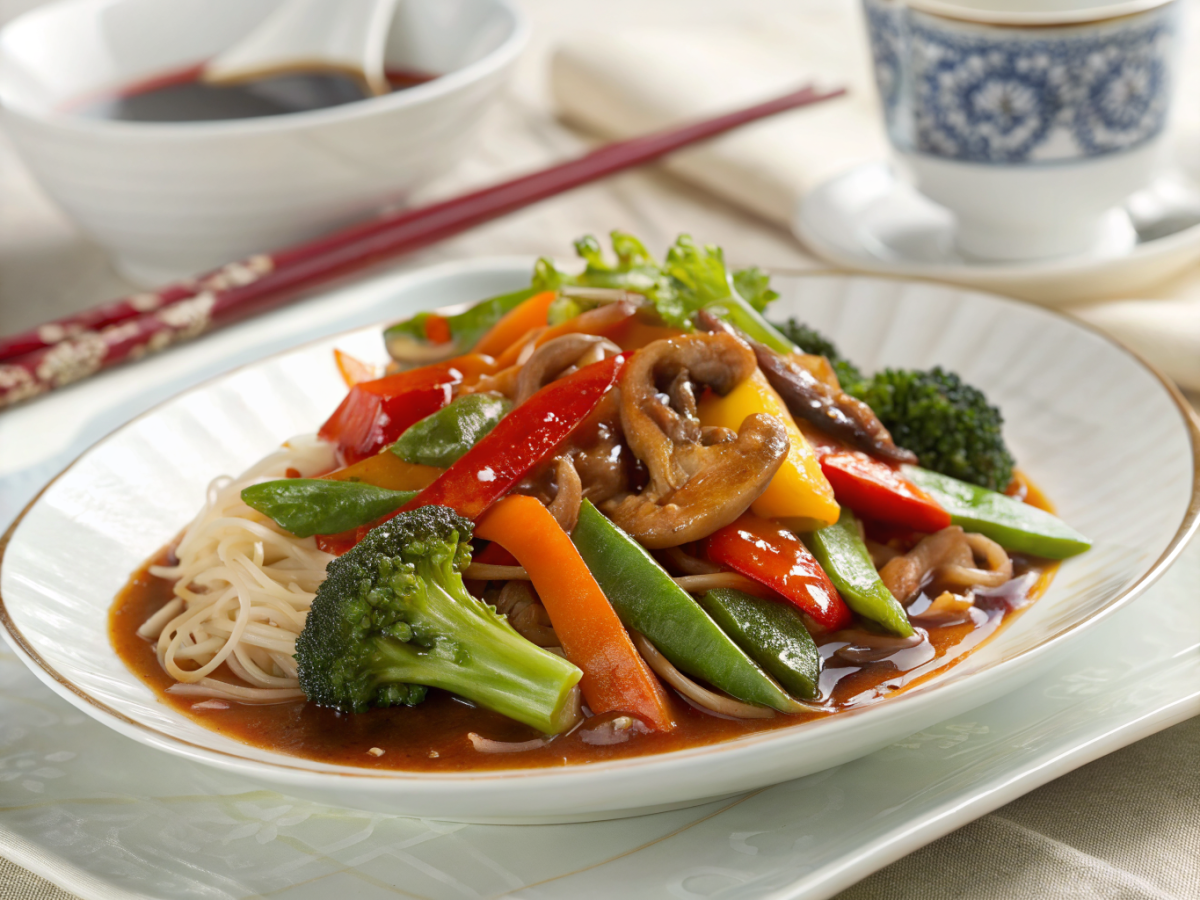
Chinese Vegetable Stir Fry Sauce Everyone Will Ask You To Make Again
Ingredients
Method
- In a medium bowl, whisk together soy sauce, oyster sauce, rice vinegar, sesame oil, and brown sugar until the sugar is dissolved.
- In a small separate bowl, mix cornstarch with vegetable broth until smooth and no lumps remain. This will help thicken the sauce.
- Add the cornstarch mixture to the sauce base and whisk thoroughly to combine all ingredients evenly.
- Heat a wok or large skillet over medium-high heat. Add a teaspoon of oil, then stir fry the minced ginger and garlic for 30 seconds until fragrant.
- Pour the prepared sauce mixture into the hot wok with the aromatics. Stir constantly to prevent lumps from forming.
- Continue cooking and stirring for 2-3 minutes until the sauce thickens and becomes glossy. It should coat the back of a spoon.
- Add your stir-fried vegetables to the sauce and toss to coat evenly. Serve immediately over rice or noodles while hot.
Nutrition
Notes
Tried this recipe?
Let us know how it was!Chinese Vegetable Stir Fry Sauce: 5 Easy Tips for Perfect Results
Creating an authentic-tasting stir fry sauce at home is easier than you might think. The secret lies in understanding the fundamental components that make Chinese cuisine so irresistible. This sauce combines soy sauce, aromatics, and a touch of sweetness to create layers of complex flavor that coat every vegetable perfectly.
The beauty of this recipe is its versatility and simplicity. You don’t need hard-to-find ingredients or special cooking equipment to achieve professional results. With just a few pantry staples and about ten minutes of prep time, you’ll have a sauce that rivals anything you’d order at your favorite Chinese restaurant.
One of the most important aspects of making great stir fry sauce is the balance of flavors. Too much soy sauce makes it overly salty, while too much sugar creates an unpleasant sweetness. The recipe I’m sharing today has been tested and perfected to achieve that ideal harmony that makes every bite satisfying.
Why You’ll Love This Chinese Vegetable Stir Fry Sauce
This sauce stands out because it’s incredibly adaptable to your taste preferences and dietary needs. You can adjust the sodium content, increase the spice level, or make it sweeter depending on what your family enjoys. The base recipe serves as an excellent foundation that you can customize endlessly.
Another reason home cooks adore this recipe is its shelf stability. When stored properly in the refrigerator, this sauce keeps for up to two weeks, making meal prep a breeze. You can batch-cook a large quantity on Sunday and have quick, healthy dinners ready throughout the week.
The sauce also works beautifully with virtually any vegetable combination you have on hand. From broccoli and bell peppers to snap peas and mushrooms, this versatile sauce enhances the natural flavors of your vegetables. It’s an excellent way to encourage picky eaters to consume more vegetables without complaints.
Cost-effectiveness is another major advantage of making your own sauce at home. Pre-made stir fry sauces from the store often contain preservatives, excessive sodium, and artificial flavors. By making your own, you control exactly what goes into your food while saving money in the process.
Core Ingredients for Chinese Vegetable Stir Fry Sauce
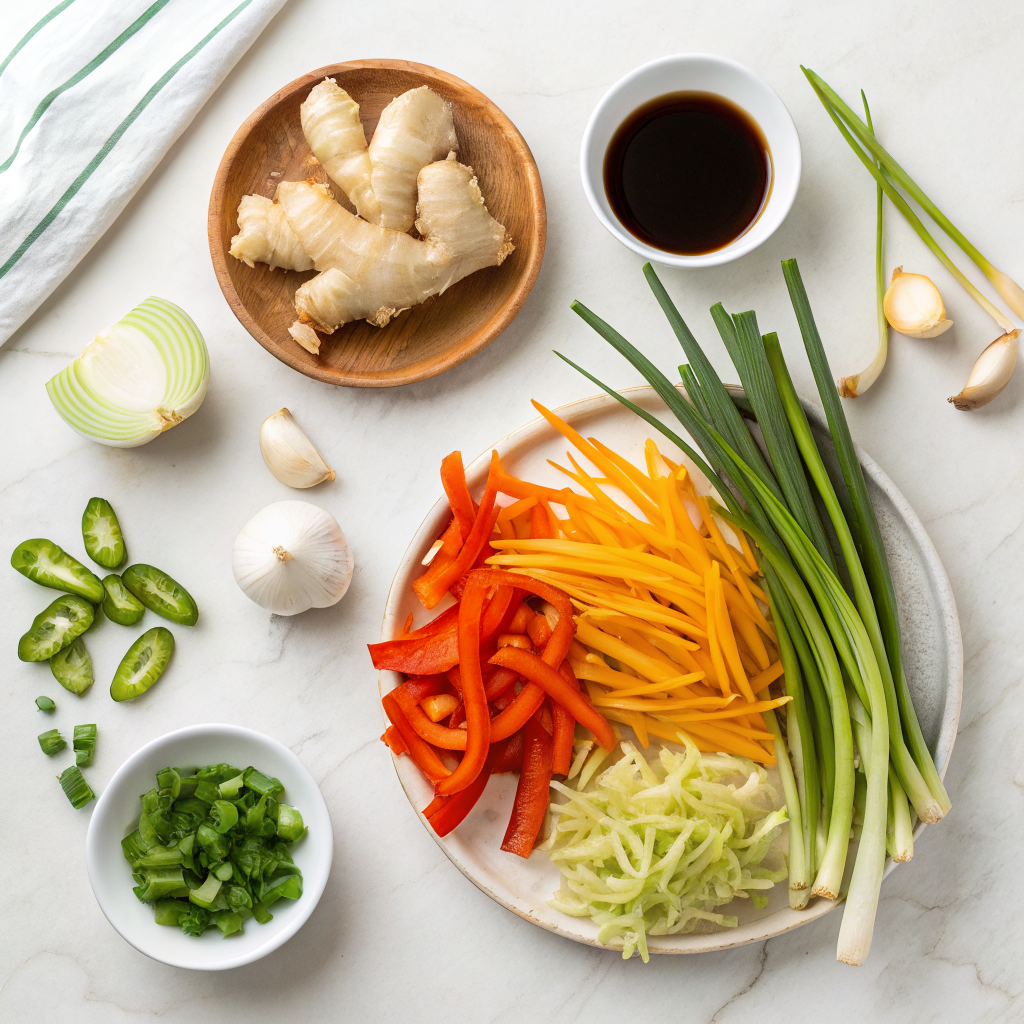
The foundation of any great stir fry sauce begins with quality soy sauce. I recommend using low-sodium soy sauce as your base, which allows you to control the saltiness better. You’ll need about half a cup for a standard batch that serves four to six people generously.
Fresh garlic and ginger are non-negotiable ingredients that provide the aromatic backbone of authentic Chinese cooking. Use three to four cloves of minced garlic and about two tablespoons of freshly grated ginger. These aromatics release their essential oils when cooked, creating that unmistakable fragrance that makes stir fry so appealing.
For sweetness and depth, you’ll need a combination of brown sugar and rice vinegar. The brown sugar adds a subtle molasses note while the vinegar provides acidity that brightens the entire sauce. Two tablespoons of each creates the perfect sweet-tangy balance that defines exceptional stir fry sauce.
Cornstarch serves as the thickening agent that gives your sauce that glossy, restaurant-quality consistency. Mix two tablespoons of cornstarch with a quarter cup of cold water to create a slurry. This prevents lumps and ensures your sauce coats the vegetables evenly rather than pooling at the bottom of your wok.
Sesame oil is the finishing touch that adds nutty richness and authentic flavor. Just one tablespoon makes a significant difference, so don’t skip this ingredient. Toasted sesame oil is preferable to regular sesame oil because it has a more pronounced flavor that stands up to the other bold ingredients.
Optional but highly recommended additions include red pepper flakes for heat, oyster sauce for umami depth, and chicken or vegetable broth for a thinner consistency. These ingredients allow you to customize the sauce to match your preferences perfectly. For those following a quick and easy meal plan, having these ingredients prepped makes weeknight cooking effortless.
How to Make Chinese Vegetable Stir Fry Sauce: Step-by-Step
Begin by preparing all your ingredients before you start cooking, a technique called mise en place. Mince your garlic finely and grate your ginger using a microplane or the small holes of a box grater. Having everything ready ensures smooth cooking without scrambling to prep ingredients mid-recipe.
In a medium bowl, whisk together the soy sauce, brown sugar, rice vinegar, and sesame oil until the sugar dissolves completely. This creates your flavor base. Taste it at this stage and adjust the sweetness or acidity according to your preferences before proceeding.
Create your cornstarch slurry by mixing the cornstarch with cold water in a small bowl until completely smooth. Never add cornstarch directly to hot liquid, as it will clump immediately. The slurry method ensures a silky-smooth sauce every time.
Heat a wok or large skillet over medium-high heat and add a tablespoon of neutral cooking oil. Once the oil shimmers, add your minced garlic and grated ginger. Stir constantly for about 30 seconds until fragrant but not browned, as burned garlic tastes bitter.
Pour your soy sauce mixture into the wok with the aromatics and bring it to a gentle simmer. Let it cook for about two minutes to allow the flavors to meld together. You’ll notice the sauce becoming more aromatic as it heats.
Give your cornstarch slurry a quick stir to recombine it, then slowly pour it into the simmering sauce while whisking constantly. The sauce will begin to thicken within 30 seconds. Continue cooking for another minute until it reaches a glossy, syrupy consistency that coats the back of a spoon.
At this point, you can add your stir-fried vegetables directly to the sauce or reserve the sauce separately. If you’re meal prepping, let the sauce cool completely before transferring it to an airtight container. The sauce will thicken slightly as it cools but will loosen again when reheated.
Pro Tips for Perfect Consistency
If your sauce becomes too thick, simply thin it out with a tablespoon of water or broth at a time until you reach the desired consistency. Conversely, if it’s too thin, make a small additional cornstarch slurry and add it gradually. Temperature control is crucial—too high heat can cause the sauce to break or become gummy.
For the glossiest finish, add a small pat of butter or an extra drizzle of sesame oil right before serving. This restaurant trick creates an appealing sheen that makes your dish look professionally prepared. The fat also helps the sauce cling better to vegetables.
Nutrition & Health Benefits
This homemade sauce is significantly healthier than most store-bought alternatives, which often contain high fructose corn syrup and excessive sodium. By making your own, you control exactly how much sugar and salt goes into your meals. One serving contains approximately 60-80 calories, depending on your specific measurements.
The garlic and ginger in this recipe provide impressive health benefits beyond just flavor. Garlic contains allicin, a compound known for its anti-inflammatory and immune-boosting properties. Ginger aids digestion, reduces nausea, and has powerful antioxidant effects that support overall wellness.
Soy sauce, while high in sodium, provides essential amino acids and small amounts of protein. If you’re watching your sodium intake, you can use reduced-sodium soy sauce or coconut aminos as a substitute. These alternatives maintain the umami flavor while significantly reducing salt content.
Sesame oil is rich in healthy unsaturated fats and contains sesamol and sesamin, antioxidants that support heart health. The oil also provides vitamin E and omega-6 fatty acids in moderation. Just remember that a little goes a long way with this flavorful oil.
When paired with nutrient-dense vegetables, this sauce becomes part of a well-balanced meal rich in vitamins, minerals, and fiber. The sauce itself adds minimal calories while maximizing flavor, making it an excellent choice for those managing their weight. For more nutritious meal ideas, explore these dinner recipes that prioritize health without sacrificing taste.
Variations & Substitutions
For a spicier version, add one to two teaspoons of chili garlic sauce or sriracha directly to the sauce base. You can also include red pepper flakes or fresh sliced Thai chilies for heat with a different flavor profile. Adjust the spice level gradually, tasting as you go.
To make this sauce gluten-free, substitute tamari or coconut aminos for the soy sauce. Both options provide similar umami depth without the wheat-based ingredients found in traditional soy sauce. Coconut aminos are slightly sweeter, so you may want to reduce the brown sugar slightly.
For a thicker, more luxurious sauce, add one to two tablespoons of oyster sauce or hoisin sauce. These ingredients contribute additional umami complexity and a richer mouthfeel. Vegetarians can use mushroom-based oyster sauce alternatives that provide similar depth without animal products.
Honey or maple syrup can replace brown sugar if you prefer natural sweeteners. These alternatives add their own subtle flavor notes—honey brings floral undertones while maple syrup adds earthy sweetness. Use slightly less than the brown sugar amount as these liquid sweeteners are more concentrated.
For a citrus twist, add a tablespoon of fresh orange juice or a teaspoon of orange zest to the sauce. This variation pairs exceptionally well with broccoli and snap peas. The citrus brightness cuts through the richness and adds a restaurant-quality finishing touch.
Protein Additions
While this is primarily a vegetable stir fry sauce, it works beautifully with added proteins. Toss in cubed tofu, tempeh, chicken, shrimp, or beef for a complete meal. The sauce clings to proteins just as well as vegetables, creating a cohesive dish.
For plant-based protein options, edamame, chickpeas, or cashews make excellent additions. These ingredients not only boost the nutritional profile but also add interesting textures to your stir fry. If you’re interested in more protein-rich options, check out these high-protein recipes for balanced nutrition.
Serving Suggestions
The most traditional way to serve this sauce is over a bed of steamed white or brown rice. The grains soak up the flavorful sauce, creating a satisfying and complete meal. For a lower-carb option, cauliflower rice works wonderfully and still captures all that delicious sauce.
Noodles are another excellent base for this versatile sauce. Try it with lo mein noodles, rice noodles, or even soba noodles for a Japanese-inspired twist. Toss the cooked noodles directly in the sauce with your vegetables for maximum flavor absorption.
For a lighter meal, serve your sauced vegetables over a bed of fresh greens like spinach or baby kale. The heat from the stir fry will slightly wilt the greens while the sauce dresses them perfectly. This creates a warm salad that’s both nutritious and satisfying.
Consider using this sauce as a base for grain bowls with quinoa, farro, or barley. Add your favorite vegetables, a protein source, and top with sesame seeds and sliced green onions. These bowls are perfect for meal prep and stay delicious for several days.
Complementary Side Dishes
Spring rolls or potstickers make excellent appetizers when serving stir fry as your main course. The crispy textures contrast beautifully with the saucy vegetables. You can even use this sauce as a dipping sauce for dumplings or egg rolls.
A simple cucumber salad with rice vinegar dressing provides a refreshing counterpoint to the rich, savory stir fry. The cool, crisp vegetables cleanse your palate between bites. Hot and sour soup or egg drop soup also pair wonderfully with stir fry meals.
Common Mistakes to Avoid
One of the most frequent errors is overcrowding the pan when cooking vegetables. This causes them to steam rather than stir fry, resulting in soggy vegetables instead of crisp-tender ones. Cook vegetables in batches if necessary to maintain high heat and proper texture.
Adding the sauce too early is another common pitfall. The vegetables should be nearly cooked through before you add the sauce, as it only needs about a minute to heat through and thicken. Adding it too soon makes vegetables mushy and dilutes the sauce’s flavor.
Using high heat throughout the entire cooking process can burn the garlic and ginger, creating bitter flavors. Start with medium-high heat for the aromatics, then increase to high heat for the vegetables. Reduce to medium when adding the sauce to prevent scorching.
Not preparing the cornstarch slurry properly leads to lumpy sauce that never achieves that smooth, glossy finish. Always mix cornstarch with cold water before adding it to hot liquid. Whisk constantly as you add it to ensure even distribution.
Skipping the taste test before serving is a missed opportunity to perfect your sauce. Everyone’s taste preferences differ, so adjust the seasoning to your liking. Add more soy sauce for saltiness, sugar for sweetness, or vinegar for tanginess until it’s just right for you.
Temperature and Timing Issues
Cooking over insufficient heat is perhaps the biggest mistake home cooks make when attempting stir fry. Your wok or pan should be hot enough that a drop of water sizzles and evaporates immediately. This high heat is essential for achieving that characteristic wok hei flavor.
Conversely, leaving the sauce on high heat for too long after thickening can cause it to break or become gummy. Once the sauce reaches the desired consistency, remove it from heat or reduce to the lowest setting. The residual heat will keep it warm without degrading the texture.
Storage & Meal Prep Tips
Store leftover sauce in an airtight glass container in the refrigerator for up to two weeks. Glass is preferable to plastic as it doesn’t absorb odors or stain. Label the container with the date so you can track freshness easily.
For longer storage, this sauce freezes beautifully for up to three months. Pour it into ice cube trays for perfectly portioned amounts that you can pop out as needed. Once frozen solid, transfer the cubes to a freezer bag for easier storage.
When reheating, do so gently over low heat, stirring frequently. You may need to add a splash of water or broth to restore the original consistency, as the sauce thickens in the refrigerator. Microwave reheating works in a pinch but stovetop provides better texture control.
For meal prep, cook your vegetables and store them separately from the sauce. This prevents the vegetables from becoming soggy. When ready to eat, quickly reheat the vegetables in a hot pan and add the sauce just before serving.
Batch Cooking Strategies
Consider doubling or tripling the recipe when making this sauce. Having extra on hand makes weeknight cooking incredibly efficient. You can use it not just for stir fries but also as a marinade for proteins or a flavor boost for fried rice.
Prep all your aromatics in advance by mincing garlic and grating ginger in larger quantities. Store them in small containers with a thin layer of oil on top to prevent oxidation. This simple prep step saves significant time during busy weeknights.
Final Thoughts on Chinese Vegetable Stir Fry Sauce
Mastering this Chinese Vegetable Stir Fry Sauce opens up a world of quick, delicious, and healthy meal possibilities. Once you understand the basic technique and flavor balance, you’ll find yourself experimenting with different variations and creating your own signature version. The confidence you gain from making restaurant-quality sauce at home is incredibly rewarding.
This recipe represents more than just a sauce—it’s a fundamental cooking skill that improves your overall kitchen competence. Understanding how to balance sweet, salty, sour, and umami flavors translates to better cooking across all cuisines. The techniques you learn here apply to countless other recipes and cooking situations.
The beauty of home cooking lies in the ability to customize everything to your family’s preferences. This Chinese Vegetable Stir Fry Sauce serves as a perfect example of how simple ingredients, when combined thoughtfully, create something truly special. Don’t be afraid to make it your own by adjusting ingredients and trying new combinations.
I encourage you to make this sauce part of your regular cooking rotation. The more you make it, the more intuitive the process becomes, and soon you’ll be creating it from memory. Your family will appreciate the delicious, healthier alternative to takeout, and your wallet will thank you too.
Frequently Asked Questions
Can I make this sauce ahead of time?
Absolutely! This Chinese Vegetable Stir Fry Sauce actually benefits from resting, as the flavors meld and develop over time. Prepare it up to two weeks in advance and store it in an airtight container in the refrigerator. Just give it a good stir before using, as some separation is natural. You may need to thin it slightly with water or broth when reheating.
What vegetables work best with this sauce?
This versatile sauce pairs wonderfully with virtually any vegetable combination. Broccoli, bell peppers, snap peas, carrots, mushrooms, baby corn, and bok choy are classic choices. Heartier vegetables like broccoli and carrots should be added to the pan first, while delicate ones like snow peas go in last. The key is cutting everything into uniform sizes for even cooking.
How can I make this sauce less salty?
Reducing the sodium content is easy with a few simple swaps. Use low-sodium soy sauce or reduce the amount by half and replace the difference with water or broth. Coconut aminos provide a naturally lower-sodium alternative with a slightly sweeter taste. You can also increase the other ingredients proportionally to dilute the saltiness while maintaining the sauce’s body and flavor.
Why is my sauce not thickening properly?
If your sauce remains thin, the most likely culprit is insufficient cornstarch or inadequate heating. Make sure you’re using the full amount of cornstarch slurry and bringing the sauce to a proper simmer for at least one minute. The thickening process requires heat to activate the cornstarch. If it’s still thin, create a small additional slurry with one teaspoon cornstarch and one tablespoon water, then add it gradually while stirring constantly.
For more culinary inspiration, visit AllRecipes.
