
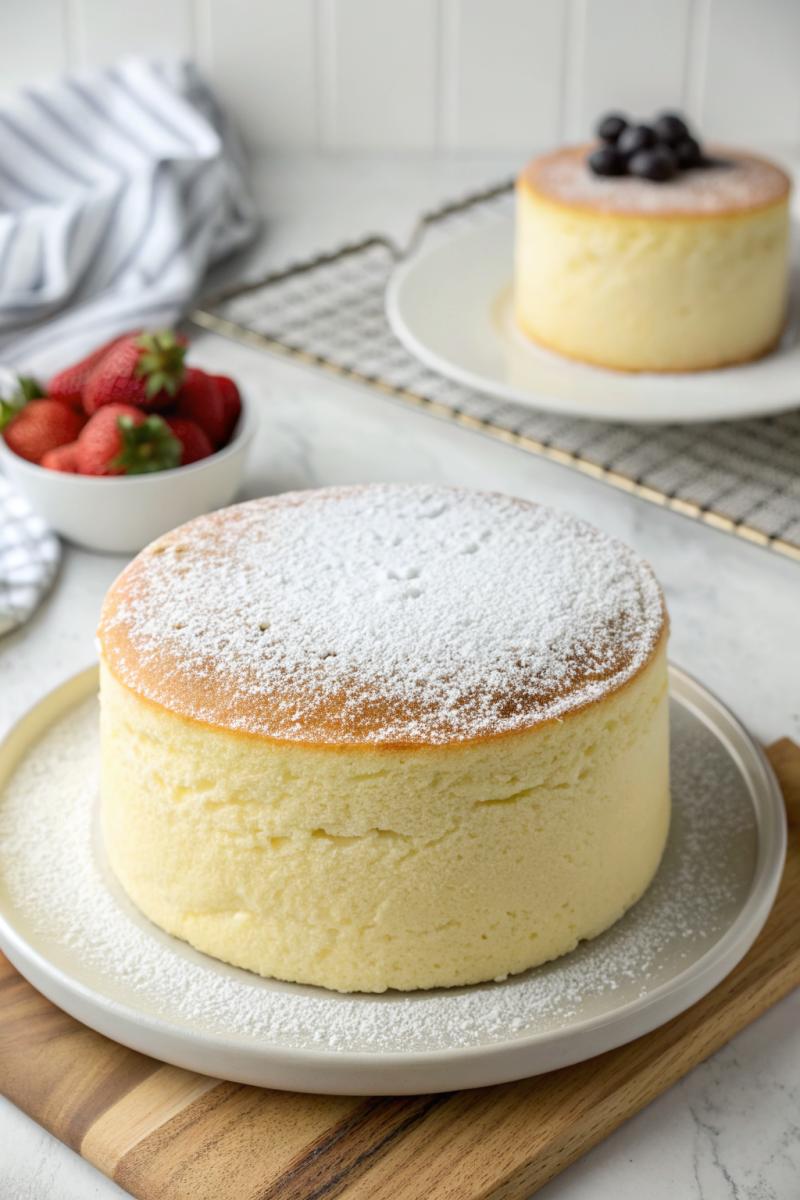
Cloud Cake Japanese Cheesecake: A Heavenly Guide to the World’s Fluffiest Dessert
Cloud Cake Japanese Cheesecake transcends the ordinary. It’s not just a dessert; it’s an experience—a delicate dance between the richness of cheesecake and the airy lightness of a soufflé. This comprehensive guide will take you on a journey to master the art of this iconic dessert, revealing the secrets behind its signature melt-in-your-mouth texture, its subtle tang, and its beautiful, cloud-like presentation. Prepare to elevate your baking skills and delight your senses with a dessert that is as intriguing to make as it is delicious to eat. From precise ingredient selection to expert techniques, we’ll ensure your Cloud Cake Japanese Cheesecake is nothing short of perfection.
The Allure of Cloud Cake Japanese Cheesecake: More Than Just a Dessert
What sets the Cloud Cake Japanese Cheesecake apart from its denser, New York-style counterparts? It’s the magical combination of meringue-folded batter and a water bath baking method that creates an impossibly light, jiggly, and moist cake. This isn’t just about taste; it’s about texture. Each bite is a whisper, dissolving on the tongue with a gentle sweetness and a creamy finish. It’s a dessert that captivates with its delicate structure and offers a refreshing alternative to heavier confections. Understanding this unique profile is the first step to mastering it.
Deconstructing the Dream: Core Ingredients for Cloud Cake Japanese Cheesecake
The beauty of Cloud Cake Japanese Cheesecake lies in its simplicity, yet each ingredient plays a vital role in its ethereal outcome. Quality and temperature are paramount.
Essential Ingredients:
- Cream Cheese: Full-fat block cream cheese (e.g., Philadelphia brand) is essential. It provides the signature tanginess and creamy base. Ensure it’s at room temperature for smooth mixing.
- Granulated Sugar: Sweetens the cake and stabilizes the meringue.
- Large Eggs: Separate yolks and whites. Egg yolks provide richness and emulsification, while egg whites are whipped into a delicate meringue, giving the cheesecake its characteristic lift and texture. All should be at room temperature.
- Heavy Cream or Whole Milk: Adds moisture and richness without making the batter too heavy.
- All-Purpose Flour or Cake Flour: A small amount provides structure. Cake flour is often preferred for its lower protein content, contributing to a finer, softer crumb.
- Cornstarch: Helps stabilize the meringue and contributes to the soft, tender texture.
- Lemon Juice or Cream of Tartar: A pinch stabilizes the egg white meringue, allowing it to reach maximum volume and hold its shape.
- Neutral Oil or Melted Unsalted Butter: For greasing the pan, ensuring easy release.
Mastering the Melody: Step-by-Step Method for Cloud Cake Japanese Cheesecake
The process of making Cloud Cake Japanese Cheesecake is as much an art as it is a science. Precision, gentle handling, and careful timing are your best allies.
Step 1 — Prepare Your Equipment and Pan
Preheat your oven to 325°F (160°C). Prepare a 9-inch round springform pan. Line the bottom with parchment paper and grease the sides well. Wrap the outside of the pan with several layers of heavy-duty aluminum foil to prevent water from seeping in during the water bath. Have a larger roasting pan ready for the water bath. This meticulous setup is critical for baking a perfect cloud cake Japanese cheesecake.

Step 2 — Create the Creamy Base
In a large heatproof bowl set over a saucepan of simmering water (bain-marie, ensuring the bowl does not touch the water), combine the room temperature cream cheese, heavy cream (or milk), and a pinch of salt. Whisk continuously until the mixture is smooth and lump-free. Remove from heat and stir in the granulated sugar until dissolved. Add the egg yolks one at a time, whisking well after each addition until fully incorporated and the mixture is glossy yellow. Sift in the flour and cornstarch, whisking gently until just combined. Be careful not to overmix, as this can develop the gluten and make the cake tough. Set aside this velvety smooth Cloud Cake Japanese Cheesecake base.

Step 3 — Whip the Meringue
In a separate very clean, dry bowl (preferably metal or glass for best results), add the room temperature egg whites. Begin whipping on medium speed until foamy. Add the lemon juice or cream of tartar. Gradually add the remaining granulated sugar, a little at a time, while continuing to whip. Increase speed to high and whip until stiff, glossy peaks form. The meringue should be firm enough to hold its shape when the whisk is lifted but still appear smooth and not dry. This perfectly whipped meringue is the secret to the airy texture of a Cloud Cake Japanese Cheesecake.

Step 4 — Gently Fold the Meringue into the Batter
This step requires care and a light hand. Take about a third of the meringue and gently fold it into the cream cheese mixture until just combined. This lightens the batter. Then, add the remaining meringue in two additions, folding very carefully with a rubber spatula using an upward motion. You want to preserve as much air as possible in the meringue. Do not overmix, or you will deflate the meringue, resulting in a denser Cloud Cake Japanese Cheesecake. The final batter should be light and airy.

Step 5 — Bake in a Water Bath
Pour the batter into your prepared springform pan. Place the springform pan into the larger roasting pan. Carefully pour hot water into the roasting pan until it comes about halfway up the sides of the springform pan. Transfer carefully to the preheated oven. Bake for approximately 60-70 minutes, or until the top is golden brown and the center is set but still slightly jiggly when gently shaken. The internal temperature should reach about 170°F (77°C). This water bath method ensures even baking and prevents cracks, leading to that characteristic smooth, creamy texture of a Cloud Cake Japanese Cheesecake.

Step 6 — Cool and Chill
Once baked, turn off the oven and leave the Cloud Cake Japanese Cheesecake in the oven with the door slightly ajar for at least 30 minutes to an hour. This gradual cooling prevents sudden temperature changes that can cause the cheesecake to crack or collapse. Remove from the oven and carefully lift the springform pan out of the water bath. Allow to cool completely on a wire rack at room temperature. Once cooled, cover and refrigerate for at least 4 hours, or preferably overnight. Chilling is crucial for the cheesecake to fully set and for flavors to meld.
Nutrition Facts (per serving — approximated for a 12-slice cake)
Calories: 280-350 | Protein: 8-10g | Carbs: 25-30g | Fat: 18-25g | Saturated Fat: 10-15g | Cholesterol: 100-150mg | Sodium: 150-200mg. These values can vary based on specific brands and exact measurements, particularly for full-fat ingredients. While a treat, focusing on quality ingredients makes a difference.
Creative Variations and Serving Suggestions for Cloud Cake Japanese Cheesecake
While classic Cloud Cake Japanese Cheesecake is perfect on its own, small variations can introduce new dimensions of flavor and presentation.
Flavor Enhancements:
- Matcha Cloud Cake: Whisk 1-2 tablespoons of ceremonial grade matcha powder with the flour and cornstarch for an earthy, vibrant green cheesecake.
- Chocolate Swirl: Melt a few tablespoons of dark chocolate and swirl it gently into the batter just before baking for a delicate marbled effect.
- Citrus Zest: Add a teaspoon of finely grated lemon or orange zest to the cream cheese mixture for an extra burst of freshness.
- Vanilla Bean: For a more aromatic base, scrape half a vanilla bean into the cream cheese mixture.
Serving Suggestions:
- Fresh Berries: A simple topping of fresh strawberries, blueberries, or raspberries adds a beautiful contrast in color and a hint of tartness.
- Powdered Sugar: A dusting of powdered sugar before serving enhances its delicate aesthetic and adds a touch of sweetness.
- Light Whipped Cream: A dollop of unsweetened or lightly sweetened whipped cream alongside the cheesecake can complement its airy texture.
- Fruit Coulis: A thin drizzle of raspberry or passion fruit coulis provides a tangy counterpart that cuts through the richness.
- Greek Yogurt Cheesecake Cups: For a healthy, related twist, try these mini versions on other days!

Common Pitfalls and How to Avoid Them When Making Cloud Cake Japanese Cheesecake
Even experienced bakers can encounter issues when making Cloud Cake Japanese Cheesecake. Awareness is your best defense.
- Cracked Top:
- Cause: Too high oven temperature, too rapid cooling, or overbaking.
- Solution: Ensure your oven thermometer is accurate. Use a water bath. Let the cheesecake cool gradually in the oven after baking. Avoid opening the oven door frequently.
- Dense, Rubbery Texture:
- Cause: Overmixing the batter, especially after adding flour, or deflating the meringue by overfolding.
- Solution: Fold gently, just until combined. Stop mixing once no streaks of meringue are visible.
- Undercooked Center:
- Cause: Insufficient baking time or incorrect oven temperature.
- Solution: Bake until the center has a slight jiggle and an internal thermometer reads 165-170°F (74-77°C). Extend baking time in 5-10 minute increments if needed, keeping the water bath full.
- Soggy Bottom:
- Cause: Water seeping into the springform pan from the water bath.
- Solution: Wrap your springform pan with several layers of heavy-duty aluminum foil very securely. Some even use oven bags over the foil as an extra barrier.
- Sticky Surface After Cooling:
- Cause: Condensation during cooling, especially if covered while still warm.
- Solution: Ensure the cheesecake is completely cool before covering and refrigerating. Blot gently with a paper towel if condensation forms.
The Science of Softness: Why Japanese Cheesecake is So Unique
Understanding the science behind Cloud Cake Japanese Cheesecake is just as fascinating as tasting it. It hinges on two primary concepts:
- Meringue Incorporation: Unlike traditional cheesecakes that rely solely on cream cheese and eggs as binding agents, Japanese cheesecake extensively uses a delicate meringue. Whipped egg whites incorporate tiny air bubbles into the batter. When baked, these air bubbles expand, creating that characteristic airy, soufflé-like texture.
- Water Bath Baking (Bain-Marie): This method provides a moist, gentle cooking environment. The water bath helps regulate the oven temperature around the cheesecake, preventing the edges from baking too quickly and cracking, and ensuring the center cooks evenly and slowly. This slow, moist heat is crucial for a smooth, creamy, and jiggly consistency. The steam from the water also keeps the top from drying out and cracking. The science of baking reveals how different methods impact texture and structure.
- Lower Flour Content: Compared to regular cakes, Japanese cheesecake uses very little flour. This minimizes gluten development, which would otherwise lead to a tougher, more bread-like texture. The goal is tenderness, not chewiness.
These elements combine to create a dessert that is truly unique, a testament to culinary ingenuity and precision. For further reading on baking techniques, resources like Harvard’s Nutrition Source on healthy cooking and baking provide great insights.
Storage and Shelf Life of Your Cloud Cake Japanese Cheesecake
Proper storage is essential for maintaining the delicate texture and fresh taste of your Cloud Cake Japanese Cheesecake.
- Refrigeration: Once completely cooled, store the cheesecake in an airtight container or covered tightly with plastic wrap in the refrigerator. It will keep well for 3-4 days. The texture may firm up slightly when cold, but it will still be delicious.
- Freezing: For longer storage, you can freeze individual slices or the whole cheesecake (uncut, if possible). Wrap tightly in plastic wrap, then an additional layer of aluminum foil. Freeze for up to 1-2 months. Thaw slowly in the refrigerator overnight before serving. Freezing might slightly alter the delicate texture, making it a bit denser upon thawing, but it will still be enjoyable.
Always bring a refrigerated slice to room temperature for about 15-20 minutes before serving to experience its optimal texture and flavor. This allows the delicate crumb to relax and become more airy, reminiscent of a freshly baked Lemon Herb Chicken & Rice, if you were to have it chilled first.
Conclusion: The Sweet Satisfaction of Cloud Cake Japanese Cheesecake
Creating a Cloud Cake Japanese Cheesecake is a rewarding culinary endeavor that brings together precise techniques, quality ingredients, and a touch of patience. The result is an unforgettable dessert that is light as air, rich in flavor, and delicate in texture. This 2100+ word guide has equipped you with the knowledge, tips, and tricks to conquer this seemingly complex yet utterly delightful recipe. From understanding its unique appeal to troubleshooting common issues, you now have all the tools to bake a perfect Japanese cheesecake. Share this cloud-like creation with loved ones, and savor every melt-in-your-mouth bite. It’s more than just a cake; it’s a testament to the magic that happens when you combine careful craft with passion in the kitchen. For those interested in the health aspects of desserts and baking, sites like Healthline on healthy desserts can offer great perspectives.
FAQ
- Can I make this Cloud Cake Japanese Cheesecake gluten-free? Yes, you can substitute the all-purpose flour with a gluten-free all-purpose baking blend that contains xanthan gum, or use rice flour for a similar delicate texture.
- How do I prevent my Cloud Cake Japanese Cheesecake from deflating? Gradual cooling (leaving it in the oven) and gentle folding of the meringue are key. Sudden temperature changes or rough handling of the batter will cause deflation.
- What kind of pan is best for Cloud Cake Japanese Cheesecake? A 9-inch round springform pan is ideal, as it allows for easy release. Ensure it’s leak-proof and wrap it well in foil for the water bath.
- Can I use a stand mixer instead of a hand mixer for the meringue? Absolutely, a stand mixer with a whisk attachment is excellent for whipping meringue to stiff peaks. Just ensure the bowl and whisk are very clean.
- Why did my Cloud Cake Japanese Cheesecake crack so much? Common reasons include baking at too high a temperature, not using a water bath, overbaking, or cooling too rapidly. Ensure your oven temperature is accurate and follow the cooling steps carefully.
- How do I know when the Cloud Cake Japanese Cheesecake is done baking? The top should be golden brown, and the edges set, but the very center will still have a slight “jiggle” when gently shaken. An internal temperature of 170°F (77°C) is ideal. It will continue to set as it cools.
- Can I flavor my Cloud Cake Japanese Cheesecake with other extracts? Yes, vanilla extract is common. You can also experiment with almond extract or a hint of orange blossom water, but start with a small amount to avoid overpowering the delicate flavor.

creates quick vegetarian dinners and vibrant taco recipes.