
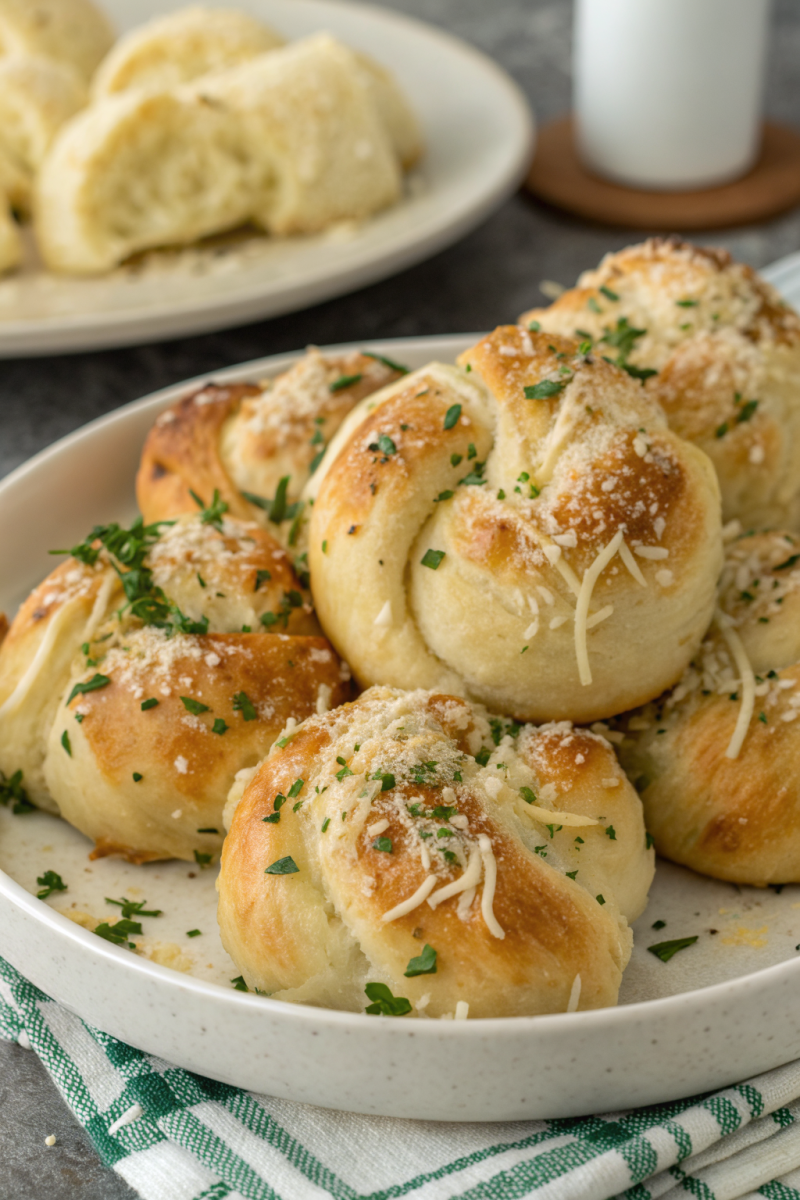
Garlic Parmesan Knots: Golden-Baked, Zesty Appetizers for Any Occasion
Garlic Parmesan Knots are a delightful appetizer or side dish that brings together the aromatic essence of garlic, the savory depth of Parmesan cheese, and the comforting chewiness of freshly baked dough. This guide goes beyond a simple recipe, delving into the nuances of crafting perfect garlic knots—from selecting the right ingredients to mastering the shaping technique and achieving that irresistible golden-brown crust. Imagine serving these warm, fragrant bites, fresh from your oven, to friends and family. They’re not just food; they’re an experience, a signal of warmth and hospitality that elevates any meal. Whether you’re a seasoned baker or a curious beginner, this comprehensive guide will equip you with all the knowledge and tips to create bakery-quality garlic knots right in your own kitchen.
The Allure of Garlic Parmesan Knots: Why They Shine
Garlic Parmesan Knots hold a special place in the culinary world for several compelling reasons. Their appeal lies in their versatility, their incredible flavor profile, and the sheer comfort they bring. What makes a good garlic knot truly stand out? It’s the balance of textures: a slightly crisp exterior giving way to a soft, airy interior. It’s the explosion of flavor from roasted or sautéed garlic, often intensified with fresh herbs, and complemented by the salty, umami notes of aged Parmesan. These knots aren’t just an afterthought; they often steal the show, perfect for dipping in marinara, accompanying a hearty pasta dish, or simply enjoyed on their own as a satisfying snack. Their simple yet elegant presentation also makes them a favorite for entertaining, adding a touch of homemade charm to any gathering.
Beyond their sensory appeal, Garlic Parmesan Knots are surprisingly adaptable. You can customize the herb blend, experiment with different cheeses, or even incorporate subtle spices to create your signature version. This guide will explore these variations, encouraging you to make the recipe your own while mastering the foundational techniques. The warmth and aroma that fill your kitchen as these knots bake are an experience in themselves, setting the stage for a truly enjoyable culinary moment.
Understanding the Core Components of Garlic Parmesan Knots
Crafting exceptional Garlic Parmesan Knots begins with understanding the role of each ingredient. Quality ingredients are the foundation of outstanding flavor and texture. Let’s break down the essential components:
1. The Dough: The Heart of the Knot
- Flour: All-purpose flour is typically sufficient, but bread flour can provide a chewier texture due to its higher protein content. High-quality flour makes a significant difference in the dough’s elasticity and final texture.
- Yeast: Active dry or instant yeast will work. Instant yeast can often be mixed directly with dry ingredients, while active dry typically requires proofing in warm water first. Fresh yeast offers a unique, nuanced flavor but has a shorter shelf life.
- Water/Milk: Warm water (around 105-115°F / 40-46°C) is crucial for activating the yeast. Some recipes use milk for a richer, softer dough.
- Sugar: A small amount of sugar feeds the yeast, helping it activate and contributing to browning. Too much sugar, however, can make the dough tough.
- Salt: Essential for flavor and for controlling yeast activity. Without salt, the dough can be bland and rise too quickly.
- Olive Oil: Adds richness, tenderness, and a lovely aroma to the dough. It also helps with the dough’s extensibility.
2. The Garlic Coating: The Signature Flavor
- Garlic: Fresh garlic is non-negotiable for the best flavor. Minced, finely chopped, or roasted garlic can be used. Roasting garlic prior to infusing it in oil will yield a sweeter, more mellow flavor.
- Olive Oil: Extra virgin olive oil is preferred for its robust flavor, which carries the garlic’s essence beautifully.
- Parmesan Cheese: Freshly grated Parmesan (Parmigiano-Reggiano) melts beautifully and offers the best salty, nutty flavor. Pre-grated cheese often contains anti-caking agents that can affect texture.
- Fresh Herbs: Parsley, oregano, chives, or a mix of Italian herbs enhance the aromatic profile. Chop them finely for even distribution.
- Red Pepper Flakes (Optional): For a subtle kick of heat.
3. Optional Enhancements: Taking Knots to the Next Level
- Butter: Often melted and mixed with the garlic-oil mixture for an even richer coating.
- Garlic Powder/Granulated Garlic: Can be added for an extra layer of garlic flavor, especially if you want a bolder garlic punch without adding more raw garlic.
- Other Cheeses: A blend of Parmesan with a touch of Pecorino Romano or even mozzarella can add complexity.

The Step-by-Step Art of Crafting Garlic Parmesan Knots
Follow these detailed instructions to create Garlic Parmesan Knots that taste as incredible as they look. This section breaks down the process into manageable steps, ensuring success from start to finish.
Step 1: Preparing the Dough (Approx. 15 mins prep, 1-2 hours rise)
- Activate Yeast: In a large mixing bowl or the bowl of a stand mixer, combine 1 cup warm water (105-115°F / 40-46°C) with 1 teaspoon sugar and 2¼ teaspoons active dry yeast. Let it sit for 5-10 minutes until foamy. (If using instant yeast, you can skip this step and mix it directly with the flour, but proofing still helps confirm its viability).
- Add Remaining Dough Ingredients: To the yeast mixture, add 2 tablespoons olive oil, 1 teaspoon salt, and 2½ to 3 cups all-purpose flour, one cup at a time.
- Mix and Knead: If using a stand mixer, attach the dough hook and knead on low speed for 8-10 minutes until the dough is smooth, elastic, and pulls away from the sides of the bowl. If kneading by hand, turn the dough out onto a lightly floured surface and knead for 10-15 minutes. The dough should be soft but not overly sticky.
- First Rise: Lightly oil a clean bowl. Place the dough in the bowl, turning once to coat. Cover the bowl with plastic wrap or a clean kitchen towel and let it rise in a warm, draft-free place for 1 to 1½ hours, or until doubled in size. This “first rise” (also known as bulk fermentation) develops flavor and texture.
Step 2: Preparing the Garlic Herb Mixture (Approx. 10 mins)
While the dough is rising, prepare the flavorful coating for your Garlic Parmesan Knots.
- Mince Garlic: Finely mince 4-6 cloves of fresh garlic. For a milder flavor, you can roast the garlic until soft before mincing.
- Infuse Oil: In a small saucepan, heat ¼ cup extra virgin olive oil and 2 tablespoons unsalted butter (if using) over low heat. Add the minced garlic and cook gently for 3-5 minutes, being careful not to brown or burn the garlic. You want it fragrant and soft, not crispy. Remove from heat and let cool slightly.
- Combine Herbs and Cheese: In a small bowl, combine ½ cup freshly grated Parmesan cheese and 2 tablespoons finely chopped fresh parsley (or other herbs like oregano, basil). If desired, add a pinch of red pepper flakes.
Step 3: Shaping the Knots (Approx. 20 mins)
- Punch Down Dough: Once the dough has doubled, gently punch it down to release the air.
- Divide Dough: Turn the dough out onto a lightly floured surface. You can either roll it into a large rectangle and cut strips or divide it into equal portions. For uniform knots, roll the dough into a roughly 12×18-inch rectangle.
- Cut Strips: Using a pizza cutter or sharp knife, cut the dough into 1-inch wide strips. You should get about 18-24 strips.
- Form Knots: Take one strip of dough and gently stretch it to about 8-10 inches in length. Tie it into a loose knot, tucking the ends underneath. Don’t pull too tightly, as the knots will expand during the second rise and baking.
- Arrange on Baking Sheet: Place the formed knots on a baking sheet lined with parchment paper, leaving about 1-2 inches between each knot to allow for expansion.
Step 4: Second Rise and Baking (Approx. 30 mins rise, 15-20 mins bake)
- Second Rise: Cover the baking sheet loosely with plastic wrap or a tea towel and let the Garlic Parmesan Knots rise for another 20-30 minutes in a warm place. They should look puffy but not fully doubled.
- Preheat Oven: Preheat your oven to 375°F (190°C) during the last 10 minutes of the second rise.
- Bake: Bake the knots for 15-20 minutes, or until golden brown on top and cooked through. The exact time will depend on your oven.
Step 5: Finishing and Serving (Approx. 5 mins)
- Brush with Garlic Mixture: As soon as the Garlic Parmesan Knots come out of the oven, generously brush them with the prepared garlic-oil mixture. The warmth of the knots will help absorb the flavors.
- Sprinkle with Cheese and Herbs: Immediately sprinkle the remaining Parmesan cheese and fresh parsley over the warm knots. The residual heat will slightly melt the cheese, enhancing its deliciousness.
- Serve Warm: Serve your homemade Garlic Parmesan Knots warm, with your favorite marinara sauce for dipping, or as a side to a hearty Italian meal.
Nutrition Facts (per serving — estimated for 1 knot based on 20 servings)
Calories: 150 | Protein: 5g | Carbs: 20g | Fat: 6g | Fiber: 1g | Sodium: 280mg
These figures are estimates and can vary based on specific ingredients and serving sizes. The primary contribution comes from the flour and olive oil in the dough, along with the added fat and cheese in the topping.
Healthy Variations and Dietary Adaptations for Garlic Parmesan Knots
While traditional Garlic Parmesan Knots are a treat, you can easily adapt them to fit various dietary needs or simply to enhance their nutritional profile. These variations maintain the delicious essence while offering healthier options.
1. Whole Wheat or Gluten-Free Options:
- Whole Wheat: Replace up to half of the all-purpose flour with whole wheat flour. This will add fiber and a nuttier flavor. You might need to add a touch more liquid as whole wheat flour absorbs more moisture. The dough will also be slightly denser.
- Gluten-Free: Use a high-quality gluten-free all-purpose flour blend (one that contains xanthan gum) as a 1:1 substitute. Be aware that GF doughs can be less elastic and may require slightly different handling. Some brands specifically formulated for yeast baking work best. For truly exceptional results in gluten-free baking, dedicated GF recipes might be more reliable.
2. Reduced-Fat and Dairy-Free Alternatives:
- Reduced Fat: Use less olive oil in the dough or opt for a light olive oil. For the garlic topping, reduce the butter or replace a portion with vegetable broth to infuse the garlic, then add a smaller amount of oil at the end for flavor. Use reduced-fat Parmesan cheese, if available, though it can sometimes affect melt and texture.
- Dairy-Free Garlic Parmesan Knots: Use a non-dairy milk alternative (like almond or oat milk) for the dough. For the garlic topping, use olive oil exclusively instead of butter. Replace Parmesan with a high-quality dairy-free Parmesan substitute. Ensure your dough recipe is dairy-free by checking ingredients like butter or milk powder.
3. Boosting Vegetables and Herbs:
- Hidden Veggies: Finely chop or puree vegetables like spinach, carrots, or zucchini and incorporate them into the dough. This adds moisture, nutrients, and a subtle color.
- Herb Power: Don’t limit yourself to parsley. Experiment with fresh rosemary, thyme, chives, basil, or a mix of Italian herbs in your garlic oil mixture for added antioxidants and complex flavors.
4. Protein Enhancement:
- While Garlic Parmesan Knots are primarily a carbohydrate-based dish, you can serve them alongside Lemon Herb Chicken & Rice or a lentil soup to create a more balanced meal that incorporates protein.
By making these thoughtful adjustments, you can enjoy the deliciousness of Garlic Parmesan Knots while aligning them with your health goals or dietary restrictions. Remember that any substitutions might alter the final texture and taste slightly, so be prepared to experiment and find your perfect balance.
Expert Tips for Perfectly Golden and Flavorful Garlic Parmesan Knots
Achieving bakery-quality Garlic Parmesan Knots involves more than just following a recipe; it’s about understanding the nuances of baking. These expert tips will help you elevate your knots from good to truly exceptional.
1. Temperature Control is Key:
- Water Temperature: Always check your water temperature for yeast. Too cold, and the yeast won’t activate; too hot, and it will die. An instant-read thermometer is your friend here.
- Rising Environment: A warm, draft-free place is essential for consistent dough rising. Options include a slightly warm (but turned off) oven, a sunny spot, or even near a warm appliance.
- Oven Temperature: Ensure your oven is fully preheated. Using an oven thermometer can confirm its accuracy, preventing under-baking or over-baking.
2. Dough Handling Techniques:
- Don’t Rush the Rise: Allow ample time for both the first and second rises. A slow, steady rise contributes significantly to flavor development and a tender texture. Skipping or shortening these steps results in dense, less flavorful knots.
- Gentle Kneading: While kneading is necessary, avoid over-kneading, especially if using a stand mixer, as it can lead to a tough dough. Stop as soon as the dough is smooth and elastic.
- Light Flour Dusting: When shaping, use as little extra flour as possible on your work surface. Too much flour can make the dough dry and stiff.
3. Maximizing Garlic Flavor:
- Use Fresh Garlic: This cannot be stressed enough. Store-bought minced garlic or garlic powder won’t yield the same vibrant, aromatic punch.
- Gentle Infusion: When cooking the garlic in oil, keep the heat low. You want to infuse the oil with flavor, not burn the garlic, which would make it bitter.
- Post-Bake Brush: Brushing the hot knots with the garlic-oil mixture right out of the oven allows the knots to absorb the robust flavor more effectively.
4. Achieving the Perfect Crust:
- Egg Wash (Optional but Recommended): For a deeper golden color and slight sheen, lightly brush the knots with an egg wash (one egg beaten with a tablespoon of water or milk) before baking.
- High Heat Start: Sometimes, starting the baking at a slightly higher temperature for the first 5-7 minutes, then reducing it, can help create a wonderful crust quickly.
5. The Power of Parmesan:
- Freshly Grated: Always use freshly grated Parmigiano-Reggiano or Pecorino Romano. Pre-grated cheeses contain cellulose (wood pulp) to prevent clumping, which can affect melt and flavor.
- Two-Stage Addition: Incorporate some Parmesan into the garlic-oil mixture, and then sprinkle more on top immediately after brushing the hot knots with the garlicky oil. This gives both an internal cheesy flavor and a beautiful melted coating.
By incorporating these expert tips into your baking process, you’ll find that your Garlic Parmesan Knots will not only be delicious but also consistently perfect in texture and appearance, earning you rave reviews from anyone lucky enough to try them.
Serving Suggestions and Pairing Excellence
Garlic Parmesan Knots are incredibly versatile and can complement a wide array of dishes. Their savory, garlicky flavor makes them a perfect companion for many meals, transforming a simple dinner into a more satisfying experience.
Classic Italian Pairings:
- Pasta Dishes: They are a natural partner for any pasta, from a simple spaghetti aglio e olio to a rich bolognese sauce. Their ability to soak up sauces is unparalleled.
- Marinara Dipping: A warm bowl of classic marinara sauce is perhaps the most beloved accompaniment. The tangy sweetness of the tomatoes perfectly contrasts the savory knots.
- Pesto: A vibrant basil pesto offers a fresh, herbaceous complement.
- Soups: Serve alongside hearty Italian wedding soup, minestrone, or a simple Chicken & Vegetable Stew.
Beyond Italian:
- Salads: They make an excellent side to a crisp Caesar salad or any green salad, adding substance and flavor.
- Grilled Meats: Pair them with grilled chicken, steak, or sausages. The garlic knots offer a comforting carbohydrate balance to protein-heavy main courses.
- Sandwiches & Paninis: Instead of regular bread, serve a couple of knots alongside a sandwich or panini for a more interesting meal.
- Breakfast/Brunch: Believe it or not, a savory garlic knot can be a delicious addition to a brunch spread, especially alongside egg dishes or a frittata.
Creative Serving Ideas:
- Appetizer Platter: Arrange them on a platter with olives, cheeses, and cured meats for an impressive starter.
- Garlic Knot Sliders: Slice knots horizontally and fill with miniature meatballs and mozzarella for “garlic knot sliders.”
- Garlic Knot Pizza Bites: Top individual knots with a spoonful of pizza sauce and a sprinkle of mozzarella, then quickly broil until bubbly.
Whether you’re hosting a dinner party or just enjoying a quiet meal at home, Garlic Parmesan Knots will undoubtedly enhance the dining experience, adding a touch of homemade goodness that everyone will appreciate.
Common Pitfalls and How to Avoid Them When Making Garlic Parmesan Knots
Even experienced bakers can encounter issues when making bread, and garlic knots are no exception. Knowing what can go wrong and how to prevent it will save you time and ensure a perfect batch every time.
1. Dense or Tough Knots:
- Cause: Over-kneading, insufficient rising time, or too much flour.
- Solution: Knead until the dough is just smooth and elastic, not sticky. Allow both rises to complete fully (dough doubled in size and puffy). Use flour sparingly when shaping.
2. Bland Flavor:
- Cause: Not enough fresh garlic, old spices, or insufficient salt.
- Solution: Always use fresh, high-quality garlic (4-6 cloves is a good starting point). Ensure your salt is accurately measured. Don’t be afraid to add extra herbs like fresh parsley or a pinch of oregano to the garlic oil.
3. Burnt Garlic in the Oil:
- Cause: Heating the garlic-oil mixture too quickly or over too high heat.
- Solution: Cook garlic gently over very low heat. It should soften and become fragrant without browning. If it burns, the garlic will turn bitter, so discard and start with fresh garlic and oil.
4. Knots Don’t Rise:
- Cause: Dead yeast, water too hot/cold for yeast, or a cold rising environment.
- Solution: Check yeast expiration dates. Ensure water temperature is precise (105-115°F). Find a warm, draft-free spot for rising. If yeast doesn’t foam after 5-10 minutes, your yeast is likely inactive, and you’ll need new yeast.
5. Soggy Bottoms:
- Cause: Baking sheet overcrowding, not enough air circulation, or the garlic oil pooling too much.
- Solution: Ensure knots have ample space on the baking sheet to allow for even baking and air circulation. If you’re using a lot of garlic oil, be mindful; a little drizzle goes a long way, and excess can lead to sogginess. A perforated baking sheet or baking stone can also help with bottoms.
6. Parmesan Not Melting/Browning Correctly:
- Cause: Using pre-grated Parmesan with anti-caking agents, or not applying cheese to sufficiently warm knots.
- Solution: Use freshly grated Parmigiano-Reggiano. Sprinkle the cheese almost immediately after brushing the hot knots with the garlic oil so the residual heat helps it melt properly.
By being aware of these common issues and implementing the suggested solutions, you’ll be well on your way to consistently baking perfect Garlic Parmesan Knots that are light, airy, golden, and bursting with flavor.
Storage and Reheating Suggestions for Garlic Parmesan Knots
While Garlic Parmesan Knots are always best enjoyed fresh from the oven, proper storage and reheating can extend their deliciousness, allowing you to savor them over a few days or even weeks.
Storage:
- Room Temperature (Short-Term): Once cooled completely, store Garlic Parmesan Knots in an airtight container or a large zip-top bag at room temperature for up to 1-2 days. If they retain moisture, a paper towel placed in the bottom of the container can help absorb excess, preventing sogginess.
- Refrigeration (Medium-Term): For longer storage beyond two days, transfer them to an airtight container and refrigerate for up to 3-4 days. The dough will firm up slightly in the cold, but they will still be delicious once reheated.
- Freezing (Long-Term): Garlic Parmesan Knots freeze beautifully.
- Cool Completely: Allow the baked and fully dressed knots to cool to room temperature.
- Flash Freeze: Place the knots in a single layer on a baking sheet and freeze for 1-2 hours until solid. This prevents them from sticking together.
- Transfer to Bag: Once frozen, transfer the individual knots to a freezer-safe bag or airtight container. Remove as much air as possible to prevent freezer burn.
- Duration: Store in the freezer for up to 2-3 months.
Reheating:
The key to reheating Garlic Parmesan Knots is to restore their freshness without drying them out or making them rubbery.
- Oven/Toaster Oven (Best Method for Crispness):
- Preheat your oven or toaster oven to 300-325°F (150-160°C).
- Place the knots directly on the oven rack or on a baking sheet.
- Reheat for 5-10 minutes, or until warmed through and the exterior is slightly crisp again. From frozen, they might take 10-15 minutes (or longer, depending on size), with no need to thaw first.
- Microwave (Quick but Less Ideal):
- Microwaving is the quickest option but can make the knots soft and sometimes chewy.
- Place 1-2 knots on a microwave-safe plate.
- Heat on high for 10-20 seconds. Check and repeat in 5-second intervals until warm. Be careful not to overheat.
- Air Fryer (Great for Crisp Exterior):
- Preheat air fryer to 300°F (150°C).
- Place knots in a single layer in the air fryer basket.
- Reheat for 3-5 minutes, shaking the basket halfway through, until warmed and slightly crispy. Monitor closely to prevent burning.
With these storage and reheating tips, you can enjoy the homemade goodness of Garlic Parmesan Knots whenever the craving strikes, making them a fantastic make-ahead option for busy weeknights or future gatherings.
Conclusion
Creating luscious Garlic Parmesan Knots is a culinary journey that promises incredibly rewarding results. From the initial proofing of the yeast to the final golden-brown sheen, each step contributes to a snack or side that is deeply satisfying and bursting with flavor. This comprehensive guide has equipped you with everything you need—from ingredient knowledge and step-by-step instructions to nutritional insights, healthy variations, expert tips, and even storage advice. By understanding the core components and mastering the techniques, you can confidently bake these aromatic, savory delights that will impress your family and friends every time. Whether you serve them as an appetizer, alongside a hearty Italian meal, or simply as a midnight treat, these homemade knots embody warmth, comfort, and the undeniable joy of good food. So roll up your sleeves, embrace the process, and prepare to fill your kitchen with the irresistible aroma of freshly baked Garlic Parmesan Knots – a true testament to the simple pleasures of home cooking.
FAQ
- Can I use pre-made pizza dough for Garlic Parmesan Knots? Yes, absolutely! Pre-made pizza dough is a fantastic shortcut. Simply roll it out, cut into strips, form the knots, and proceed with the second rise and baking steps. Adjust baking time as per package instructions if needed.
- What kind of olive oil is best for the garlic mixture? Extra virgin olive oil is highly recommended for its robust flavor. Its fruity, peppery notes complement the garlic and Parmesan beautifully. However, any good quality olive oil will work.
- My knots are too sticky to shape. What can I do? If your dough is too sticky after the first rise, knead in a tablespoon or two of extra flour until it’s more manageable. Ensure your hands are lightly floured before shaping, but avoid adding excessive flour to the work surface.
- Can I make the dough ahead of time? Yes, you can. After the first rise, punch down the dough, place it in an oiled bowl, cover tightly with plastic wrap, and refrigerate for up to 24 hours. Let it come to room temperature for about 30-60 minutes before shaping and proceeding with the second rise.
- How do I prevent the garlic from burning in the oil? The key is low heat and constant vigilance. Cook the minced garlic over the lowest possible heat setting until it’s fragrant and softened, but not browned. As soon as you smell its aroma, remove it from the heat.
Healthline — Garlic Health Benefits,
Harvard Nutrition Source — Understanding Fats,
Medical News Today — Benefits of Italian Herbs

creates quick vegetarian dinners and vibrant taco recipes.