
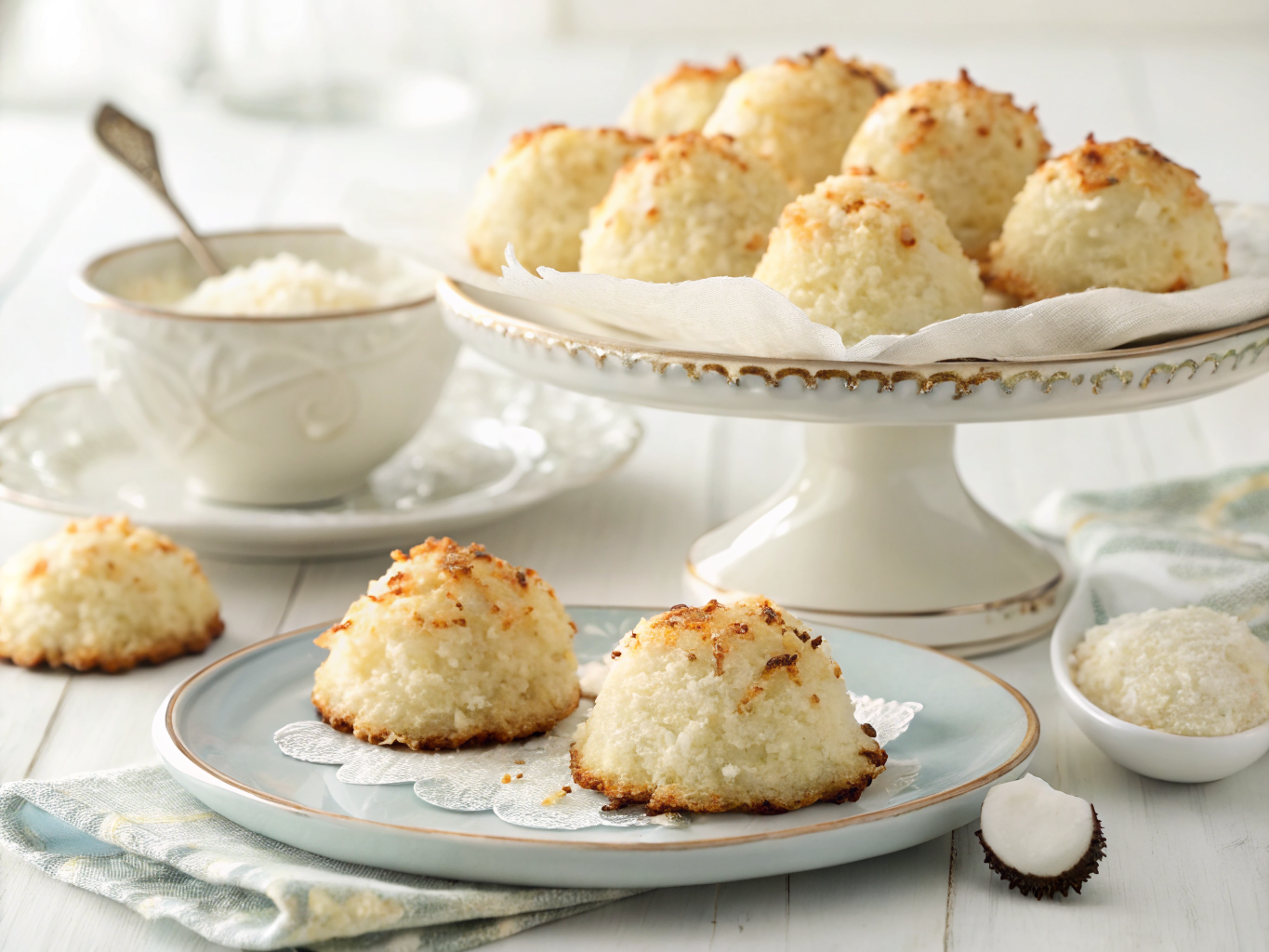
Coconut Macaroons
Ingredients
Method
- Preheat your oven to 325°F (160°C). Line a large baking sheet with parchment paper.
- In a large bowl, combine the shredded coconut, sweetened condensed milk, and vanilla extract. Mix well until everything is evenly coated.
- Gently fold in the lightly beaten egg whites until just combined. Do not overmix.
- Using a small cookie scoop or two spoons, drop rounded mounds of the coconut mixture onto the prepared baking sheet, leaving about 1 inch between each macaroon.
- Bake for 18-20 minutes, or until the macaroons are golden brown on the edges and lightly golden on top. Let them cool completely on the baking sheet.
- If dipping, melt the dark chocolate chips with coconut oil (if using) in a microwave-safe bowl in 30-second intervals, stirring until smooth. Be careful not to overheat.
- Dip the cooled macaroons halfway into the melted chocolate. Place them back on the parchment paper and refrigerate for 10-15 minutes, or until the chocolate is set.
Nutrition
Notes
Tried this recipe?
Let us know how it was!Are you searching for a dessert that’s both intensely satisfying and surprisingly wholesome? Look no further than this incredible coconut macaroons recipe. These chewy, golden-brown delights with their irresistible tropical flavor are not only easy to make but also offer a delightful alternative to heavier, sugar-laden treats. Get ready to transform simple ingredients into a truly magical experience for your taste buds.
Why Coconut Macaroons Are Your New Favorite Healthy Dessert
When you think of healthy desserts, coconut macaroons might not be the first thing that comes to mind. However, with a few mindful adjustments, this classic confection can absolutely fit into a balanced lifestyle. We’re talking about a treat that leverages the natural goodness of coconut, often without the excessive fats and sugars found in many other baked goods.
The beauty of these macaroons lies in their simplicity. They typically require only a handful of ingredients, making them an accessible option for even novice bakers. Plus, the primary ingredient, shredded coconut, offers surprising health benefits beyond just its delicious flavor. It’s truly a win-win situation for your palate and your well-being.
The Health Benefits of Baking with Coconut
Coconut, particularly desiccated or shredded coconut, is more than just a flavor booster; it’s also packed with nutritional value. It’s a good source of fiber, which is essential for digestive health and can help keep you feeling full and satisfied. This means fewer cravings for less healthy snacks throughout the day.
Additionally, coconut contains healthy fats known as medium-chain triglycerides (MCTs). These unique fats are metabolized differently than other fats, potentially offering a quick source of energy and even supporting brain function. While moderation is always key, incorporating coconut into your diet in enjoyable ways, like these macaroons, can be a delightful strategy. For more on the benefits of MCTs, check out this article on Healthline.
Crafting the Perfect Coconut Macaroon: Essential Tips and Tricks
Achieving that coveted chewy-on-the-inside, crispy-on-the-outside texture is the hallmark of a fantastic coconut macaroon. It all starts with the right ingredients and a little bit of technique. Don’t worry, even if you’re not a seasoned baker, these tips will guide you to perfection.
One crucial element is the consistency of your egg whites. Whipping them to soft peaks adds airiness and structure, preventing your macaroons from becoming too dense. Another often overlooked tip is to lightly toast your shredded coconut before mixing, which significantly deepens its flavor profile and aroma, adding an extra layer of deliciousness.
Core Ingredients for Your Best Coconut Macaroons Recipe
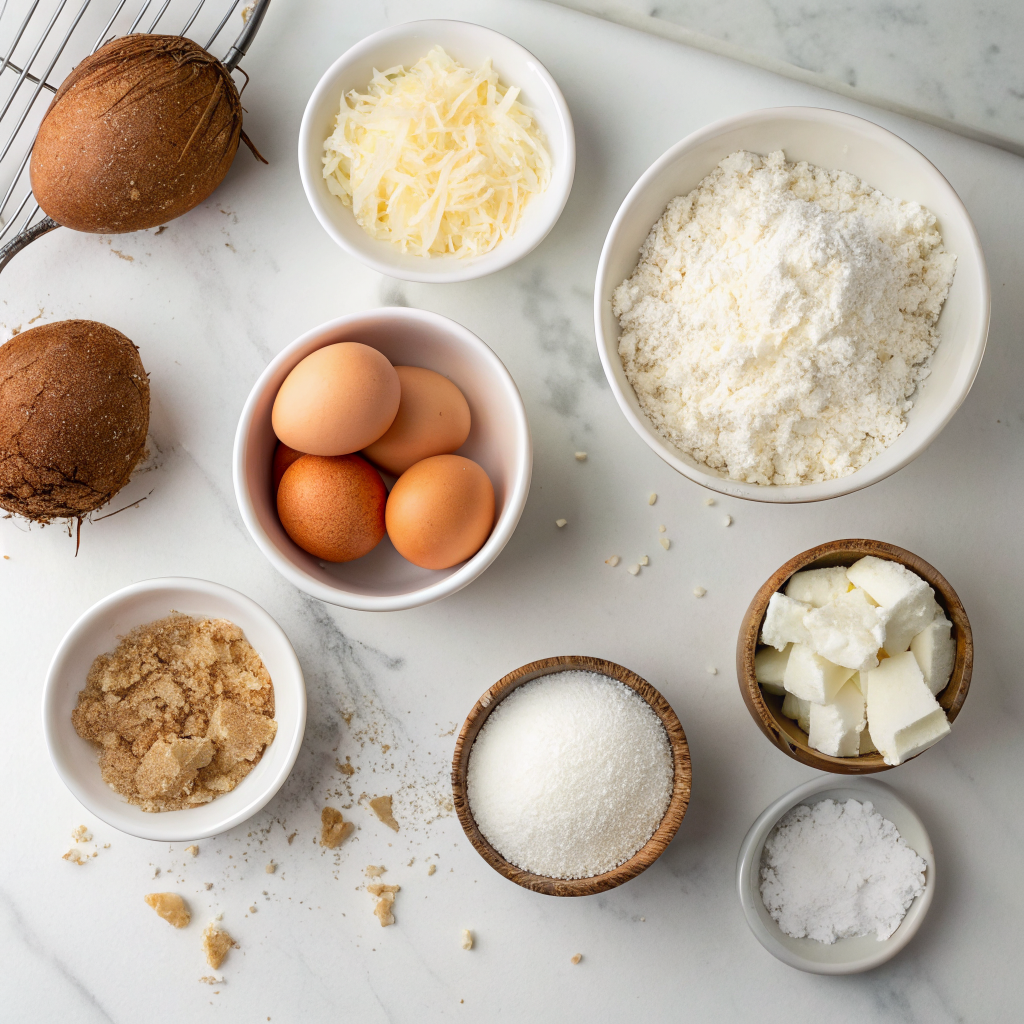
Before we dive into the step-by-step instructions, let’s gather our core components. Quality ingredients make a noticeable difference in the final product. Opt for unsweetened shredded coconut to control the sugar content and focus on the natural sweetness.
Here’s what you’ll need to create these healthy and delectable treats:
- Unsweetened Shredded Coconut: The star of the show. Choose a fine or medium shred for the best texture.
- Egg Whites: Provide structure and a light, airy crumb.
- Granulated Sugar (or healthier alternatives): We’ll discuss healthy alternatives for sweetness.
- Vanilla Extract: Enhances the flavor and adds a warm aroma.
- Pinch of Salt: Balances the sweetness and brings out the coconut flavor.
- Optional: Almond Extract: Adds a delightful complementary note.
Step-by-Step Guide to Baking Irresistible Coconut Macaroons
This detailed guide ensures a smooth and successful baking experience. Follow each step carefully for the best results. Get ready to fill your kitchen with the irresistible aroma of toasted coconut and vanilla.
Preparation: Setting the Stage for Success
- Preheat Your Oven: Set your oven to 325°F (160°C). This ensures even baking from the moment your macaroons enter the heat.
- Line Baking Sheets: Line two baking sheets with parchment paper or silicone baking mats. This prevents sticking and makes for easy cleanup.
- Optional: Toast Coconut: Spread your unsweetened shredded coconut on a separate baking sheet. Bake for 5-7 minutes, stirring occasionally, until lightly golden. Watch it carefully to prevent burning, as it browns quickly. Let cool completely before proceeding. This step is a game-changer for flavor!
Mixing the Macaroon Batter: The Heart of the Recipe
- Separate Eggs: Carefully separate your egg whites from the yolks. Ensure no yolk gets into the whites, as this can prevent them from whipping properly. Use fresh eggs for the best results.
- Whip Egg Whites: In a clean, dry bowl, whip the egg whites with an electric mixer on medium-high speed until soft peaks form. This means when you lift the whisk, the peaks gently droop. Gradually add the granulated sugar (or sweetener of choice) a tablespoon at a time, continuing to whip until stiff, glossy peaks form. The mixture should hold its shape and look shiny.
- Fold in Flavors: Gently fold in the vanilla extract, a pinch of salt, and the optional almond extract into the egg white mixture. Be careful not to deflate the stiff peaks.
- Incorporate Coconut: Carefully fold in the shredded coconut (toasted and cooled, if using). Use a spatula and a gentle, ‘cut and fold’ motion to evenly distribute the coconut without overmixing. The batter should still be light and airy.
Forming and Baking Your Macaroons: The Grand Finale
- Scoop Macaroons: Using a small cookie scoop or two spoons, drop mounds of the coconut mixture onto the prepared baking sheets. Leave about an inch between each macaroon to allow for a slight spread. You can shape them into small pyramids or leave them as rustic mounds.
- Bake to Golden Perfection: Bake for 18-25 minutes, or until the macaroons are golden brown around the edges and slightly firm to the touch. The exact time will depend on your oven and the size of your macaroons. If baking multiple sheets, rotate them halfway through for even browning.
- Cool Completely: Once baked, remove the baking sheets from the oven and let the macaroons cool on the sheets for about 5 minutes before transferring them to a wire rack to cool completely. This helps them firm up and prevents crumbling.
Healthy Sweetener Alternatives for Your Coconut Macaroons
One of the easiest ways to make this coconut macaroons recipe even healthier is by thoughtfully choosing your sweetener. While traditional granulated sugar works, there are several excellent alternatives that can reduce the glycemic impact and even add different nutrient profiles. Experiment to find your favorite!
- Maple Syrup or Honey: These natural liquid sweeteners can be used in smaller quantities due to their concentrated sweetness. Adjust the amount to taste and note that they might slightly alter the texture; you might need a tiny bit more dry ingredient or less liquid elsewhere, though typically not for macaroons.
- Erythritol or Stevia Blends: These sugar alcohols and natural sweeteners offer sweetness with very few calories and a minimal impact on blood sugar. When using, follow the manufacturer’s recommendations for substitution ratios, as they often differ from sugar.
- Monk Fruit Sweetener: Another popular natural, zero-calorie option that works well in baking. Like erythritol, always check the equivalent measurements.
Chef’s Note: When substituting sweeteners, remember that they can sometimes affect the browning and texture. For your first attempt, you might consider a 50/50 blend of granulated sugar and your chosen alternative to ease into the change, especially if you’re new to baking with sugar substitutes.
Variations and Add-ins: Elevate Your Macaroons
While the classic coconut macaroon is perfection in itself, don’t hesitate to get creative! These variations can add exciting new dimensions to your healthy dessert. It’s all about personalizing your baking experience to suit your cravings.
Chocolate Dipped Macaroons (The Ultimate Indulgence)
- Melt dark chocolate (70% cocoa or higher for a healthier option) in a double boiler or microwave.
- Dip the cooled macaroons halfway into the melted chocolate.
- Place on parchment paper and refrigerate until the chocolate is set. The bitterness of dark chocolate beautifully complements the sweetness of the coconut.
Citrus Zest Infusion
- Add 1-2 teaspoons of finely grated lemon, lime, or orange zest to the coconut mixture. The citrus provides a wonderful bright and refreshing counterpoint to the rich coconut flavor.
Nutty Crunch
- Fold in 1/4 cup of finely chopped almonds, pecans, or walnuts along with the shredded coconut. This adds an extra layer of texture and healthy fats.
Spice It Up
- A pinch of cinnamon, nutmeg, or cardamom can add a warm, exotic flavor to your macaroons. Start with 1/4 teaspoon and adjust to taste.
For more baking inspiration and healthy twists on classic desserts, explore our healthy desserts category on Home Cook Legacy. You’ll find a treasure trove of ideas to keep your sweet tooth satisfied the wholesome way.
Storage and Freshness: Keeping Your Macaroons Delicious
Proper storage ensures your healthy coconut macaroons remain fresh and delightful for as long as possible. Nobody wants a stale treat, especially after putting in the effort to bake them!
- Room Temperature: Store cooled macaroons in an airtight container at room temperature for up to 3-4 days.
- Refrigeration: For extended freshness, especially if they are chocolate-dipped or if your kitchen is warm, refrigerate them in an airtight container for up to a week. Bring them to room temperature before serving for the best texture.
- Freezing: Coconut macaroons freeze beautifully! Place cooled macaroons in a single layer on a baking sheet and freeze until solid (1-2 hours). Transfer them to a freezer-safe bag or container, separating layers with parchment paper. They can be frozen for up to 2-3 months. Thaw at room temperature for an hour or so before serving.
The Science Behind What Makes Macaroons So Good
Understanding a little food science can truly elevate your baking. With coconut macaroons, it’s all about the interplay of ingredients. The high fat content in coconut contributes to the tender, chewy interior, while the egg whites provide structure and the crisp exterior.
The sugar, beyond just sweetness, plays a critical role in browning and creating that slight crispness. It caramelizes on the surface, giving macaroons their signature golden hue and distinct flavor. The magic really happens as the macaroons bake, transforming simple components into a cohesive, delectable treat. For a deeper dive into the science of baking, Harvard Health provides fascinating insights into how ingredients interact, you can explore more here: Harvard Health on Whole Grains which indirectly touches on ingredient quality.
Recipe Scaling and Batch Baking Considerations
This coconut macaroons recipe is quite forgiving when it comes to scaling. If you’re baking for a crowd or want to have extra for freezing, feel free to double or even triple the recipe. Just ensure you have enough baking sheets and oven space.
When batch baking, it’s often best to whip the egg whites in separate batches if you’re doubling. Overcrowding your mixer bowl can prevent the whites from reaching their optimal volume. Also, ensure your oven has recovered its temperature between batches. Consider using an oven thermometer for accuracy, as oven temperatures can vary significantly. For consistent results across larger batches, consider investing in reliable baking tools, which can make all the difference in quality and efficiency.
Final Thoughts: Your Healthy Dessert Journey Continues
Baking homemade coconut macaroons is a truly rewarding experience, offering a delicious and relatively healthy dessert option. They’re perfect for satisfying a sweet tooth, entertaining guests, or simply enjoying with a cup of coffee or tea. The simplicity of the recipe, combined with the delightful outcome, makes them a repeated favorite in many kitchens.
Remember, healthy eating doesn’t mean sacrificing flavor or enjoyment. It’s about making conscious choices and finding joyful ways to incorporate nutritious whole foods into your diet. These macaroons embody that philosophy beautifully, providing natural goodness in every chewy bite. So go ahead, whip up a batch, and savor the tropical bliss. For more comprehensive nutritional information on coconut and other ingredients, visit Medical News Today.
Frequently Asked Questions About Coconut Macaroons
Q: What is the difference between French macarons and coconut macaroons?
A: French macarons are delicate, meringue-based sandwich cookies made with almond flour, characterized by their smooth top and “feet” (ruffled edges). Coconut macaroons, on the other hand, are rustic, chewy mounds made primarily with shredded coconut and egg whites, often with less sugar and a simpler preparation. They are distinctly different cookies despite similar-sounding names!
Q: Can I make these coconut macaroons gluten-free?
A: Yes, this particular coconut macaroons recipe is naturally gluten-free! All the core ingredients – shredded coconut, egg whites, sugar, and extracts – are naturally free of gluten. This makes them a fantastic dessert option for those with gluten sensitivities or celiac disease.
Q: My macaroons are too dry/crumbly. What went wrong?
A: This usually happens if they were overbaked or if the egg whites were not whipped sufficiently. Overbaking removes too much moisture, leading to a dry interior. Not whipping the egg whites to stiff peaks means less air and structure in the batter, which can contribute to a crumbly texture. Ensure your oven temperature is accurate and don’t bake them past a golden-brown color.
Q: Can I use sweetened shredded coconut instead of unsweetened?
A: You can, but you will need to significantly reduce the amount of added sugar in the recipe. Sweetened coconut contains a lot of sugar already, so if you use it without adjusting the recipe, your macaroons will be overly sweet. It’s generally recommended to stick with unsweetened coconut for better control over sugar levels and overall flavor balance, especially in a “healthy” recipe context.
Q: How can I tell if my egg whites are whipped to “stiff peaks”?
A: “Stiff peaks” mean that when you lift the whisk or beaters from the egg whites, the peak stands up straight and firm, without drooping at the tip. They should look glossy and hold their shape well. If they are still soft and droopy, continue whipping. Be careful not to over-whip, as they can become dry and crumbly.
Q: Do I need to refrigerate the macaroon batter before baking?
A: No, it’s not typically necessary to refrigerate coconut macaroon batter. In fact, it’s often best to bake them shortly after mixing. Refrigerating the batter can cause the coconut to absorb more moisture and change the texture. However, if you need to pause during baking, short refrigeration won’t harm them significantly.
Q: Can I add nuts or dried fruit to this coconut macaroons recipe?
A: Absolutely! Adding nuts or dried fruit is a fantastic way to customize your macaroons. Finely chopped almonds, pecans, or walnuts can add a delightful crunch. For dried fruit, consider small pieces of dried cranberries, chopped apricots, or even mini chocolate chips (opt for dark chocolate for a healthier twist). Fold them in gently along with the shredded coconut.
Q: What’s the best way to get uniformly sized macaroons?
A: For uniformly sized macaroons, a small cookie scoop (about 1.5 tablespoons) is your best friend. This ensures each macaroon bakes evenly and looks consistent. You can also use two spoons, but a scoop offers more precision.
Q: Why did my macaroons spread too much?
A: Macaroons usually don’t spread much because they lack leavening agents like baking powder. If yours spread excessively, it could be due to over-mixing the batter (which deflates the egg whites), the batter being too wet (e.g., if using liquid sweetener and not adjusting), or baking on an overly greased surface. Ensure your egg whites are properly whipped and you’re using parchment paper.
Q: Can I use coconut flour in this recipe?
A: No, coconut flour is very different from shredded coconut and cannot be used interchangeably in this recipe. Coconut flour is highly absorbent and would result in an entirely different, very dry product. This recipe specifically calls for shredded coconut (desiccated coconut flakes).

specializes in comfort food made healthy, from pancakes to protein bowls.