
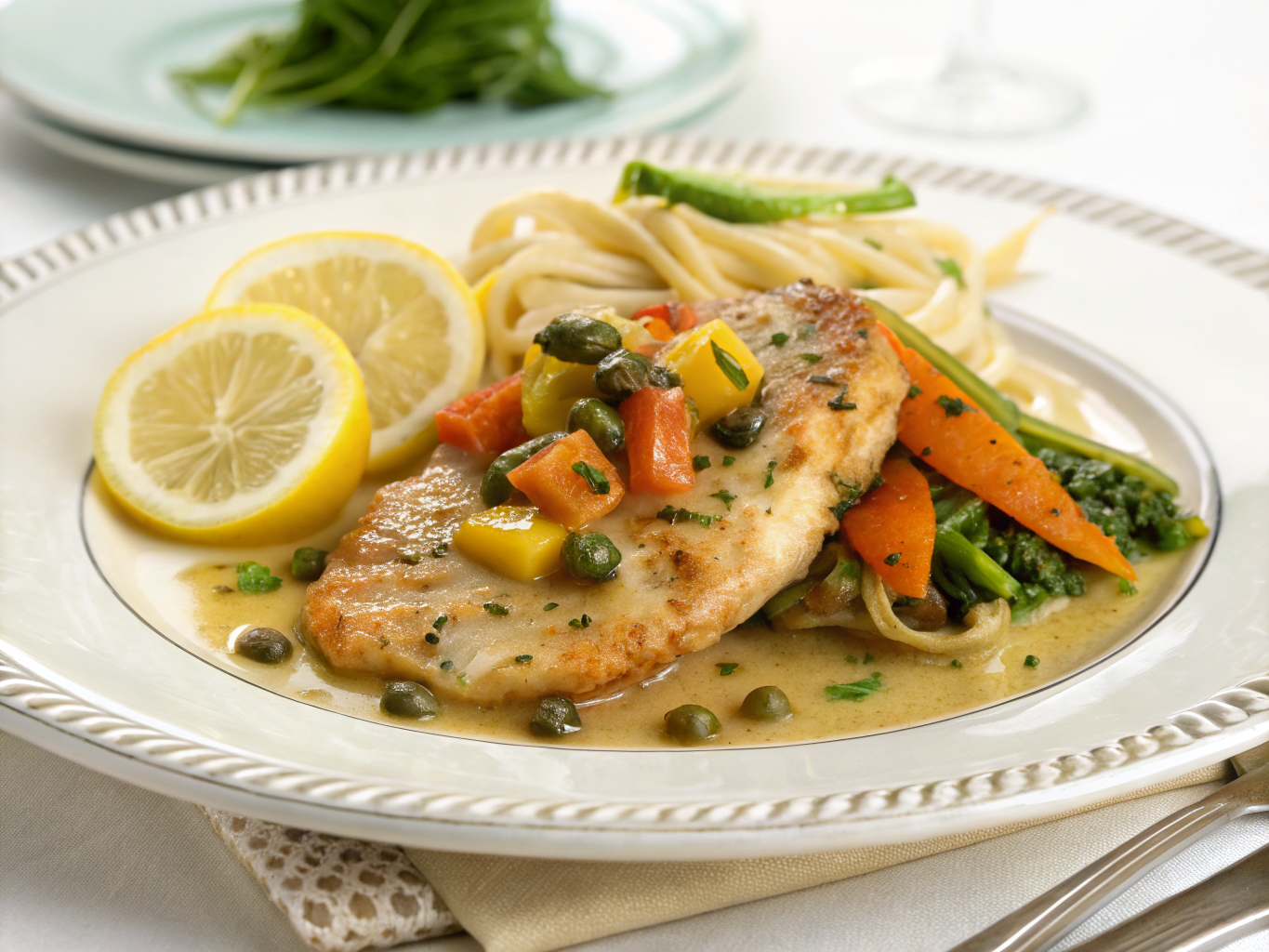
Chicken Piccata
Ingredients
Method
- Pat chicken breasts dry. In a shallow dish, combine flour, salt, and pepper. Dredge each chicken breast in the flour mixture, shaking off any excess.
- Heat olive oil in a large skillet over medium-high heat. Add chicken breasts and cook for 3-5 minutes per side, or until golden brown and cooked through. Remove chicken from skillet and set aside.
- Reduce heat to medium. Add butter to the skillet and let it melt. Pour in chicken broth and lemon juice, scraping up any browned bits from the bottom of the pan. Bring to a simmer.
- Stir in the capers and simmer for 2-3 minutes, or until the sauce slightly thickens.
- Return chicken to the skillet, spooning the sauce over the top. Garnish with fresh parsley and serve immediately.
Nutrition
Notes
Tried this recipe?
Let us know how it was!Welcome, culinary adventurers, to a journey into the heart of Italian-American comfort: Chicken Piccata. This classic dish, renowned for its zesty lemon-butter sauce and tender chicken cutlets, is a weeknight hero and a dinner party showstopper all rolled into one. If you’ve ever dreamt of recreating that restaurant-quality magic in your own kitchen, today is your day. We’re not just sharing a recipe; we’re unveiling the secrets to truly mastering this delightful dish, ensuring every bite is a symphony of flavor and texture.
What is Chicken Piccata? A Culinary Journey
At its core, Chicken Piccata is a quintessential Italian-American dish featuring pan-fried, thinly sliced chicken cutlets. These cutlets are traditionally dredged in flour, pan-fried to a golden crisp, and then bathed in a delectable sauce. The sauce is the star, a bright and savory concoction made from lemon juice, white wine (or chicken broth), capers, and butter. It’s a testament to simple ingredients yielding extraordinary results.
The name “Piccata” itself refers to a method of preparing meat, usually veal, by slicing it thinly, dredging it in flour, and sautéing it before serving with a lemon, butter, and caper sauce. While traditionally made with veal, chicken has become a popular and accessible alternative, making Chicken Piccata a beloved staple. Its origins lie in Italian cuisine, but it truly found its fame and form in the American culinary landscape. Each region and family often has their own subtle twist on this enduring classic.
Why You’ll Absolutely Adore This Chicken Piccata Recipe
This isn’t just another Chicken Piccata recipe; it’s the one you’ll keep coming back to. We’ve meticulously crafted it to be both foolproof and flavorful, guaranteeing success even for novice cooks. The beauty of this dish lies in its balance: the acidity of the lemon cuts through the richness of the butter, while the briny capers add a delightful burst of flavor. It’s a harmonious blend that tantalizes the taste buds.
Beyond its incredible taste, this recipe is remarkably versatile and efficient. It comes together quickly, making it ideal for busy weeknights, yet it feels elegant enough for special occasions. You can easily adjust the sauce to your preference, adding more lemon for extra zing or a touch of crème fraîche for added creaminess. Plus, the ingredients are readily available, meaning you can whip up this culinary masterpiece almost anytime inspiration strikes.
Core Ingredients for Your Best Ever Chicken Piccata
The magic of Chicken Piccata truly lies in the quality and freshness of its core ingredients. Opt for fresh, high-quality produce and pantry staples for the most vibrant flavors. Every component plays a crucial role in building the dish’s signature taste profile.
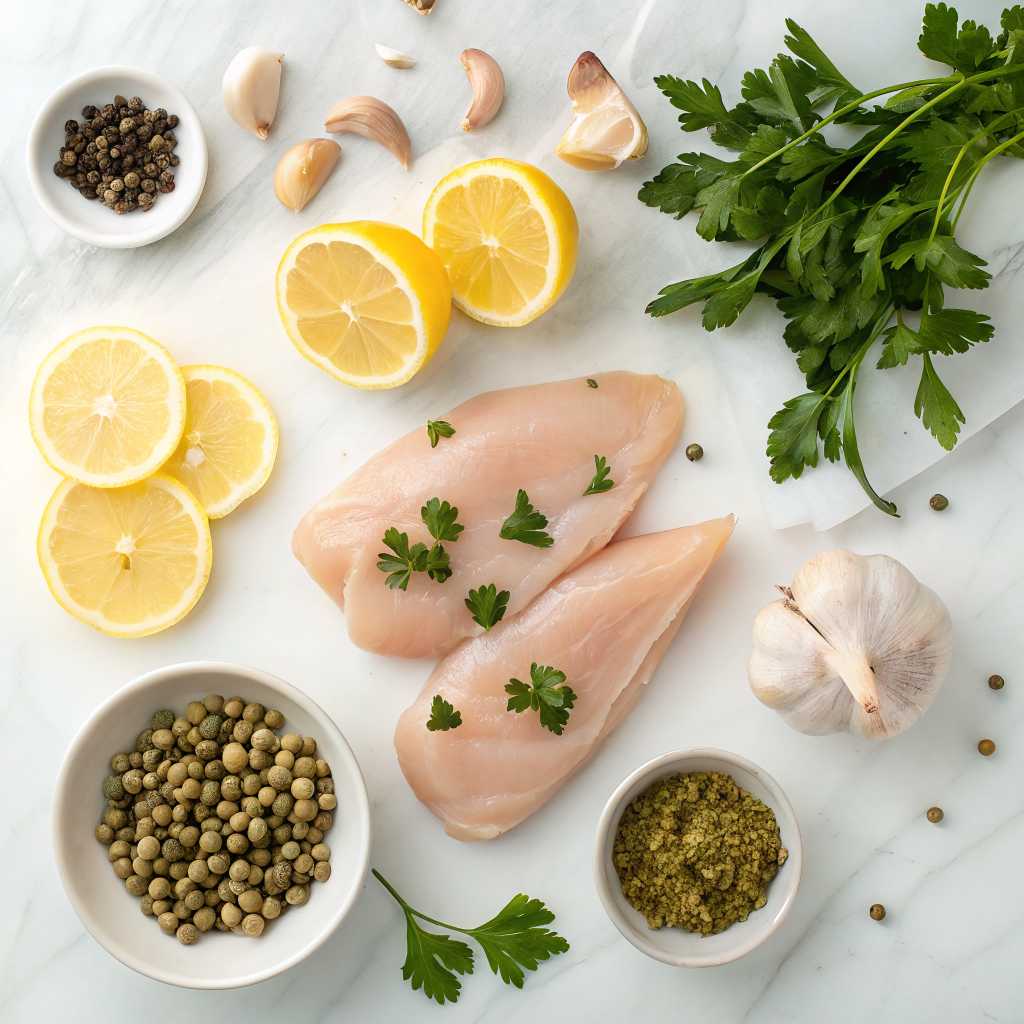
- Chicken Breasts: Boneless, skinless chicken breasts are the foundation. We’ll be pounding them thin for even cooking and tenderness.
- All-Purpose Flour: Essential for dredging, creating a light coating that helps the chicken brown beautifully and thickens the sauce slightly.
- Salt and Freshly Ground Black Pepper: Basic seasonings, but critical for enhancing the flavor of the chicken.
- Unsalted Butter: The cornerstone of the rich, velvety sauce. Unsalted allows you to control the salt content precisely.
- Olive Oil: Used in conjunction with butter for sautéing the chicken, adding flavor and helping to prevent the butter from burning.
- Fresh Lemons: The star of the show! You’ll need both the juice and some zest for that signature bright, tangy flavor. Always opt for fresh lemons over bottled juice. For more on the benefits of lemons, see Healthline’s guide.
- Dry White Wine: Such as Pinot Grigio or Sauvignon Blanc, it adds depth and complexity to the sauce. If you prefer to avoid alcohol, chicken broth is an excellent substitute.
- Chicken Broth: Provides a savory base for the sauce, especially if not using wine, or to enhance flavor.
- Capers: These small, briny flower buds are non-negotiable for authentic Piccata flavor. Their salty, tangy pop is essential.
- Fresh Parsley: A vibrant green garnish that adds freshness and a hint of herbaceousness, often stirred in at the very end.
Step-by-Step Guide: Crafting Your Perfect Chicken Piccata
Follow these detailed instructions to create a Chicken Piccata that will impress everyone at your table. Each step is designed for clarity and delicious results. We’re breaking down the process into manageable, easy-to-follow actions.
Preparation is Key (Mise en Place)
- Pound the Chicken: Place boneless, skinless chicken breasts between two sheets of parchment paper or plastic wrap. Using a meat mallet or the flat side of a heavy pan, pound the chicken to about 1/4-inch thickness. This ensures even cooking and tenderness. Aim for uniform size and thickness so all pieces cook at the same rate.
- Season and Dredge: On a shallow plate, combine the all-purpose flour with 1 teaspoon of salt and 1/2 teaspoon of freshly ground black pepper. Dredge each pounded chicken cutlet in the seasoned flour, shaking off any excess. This thin coating is crucial for a golden crust and contributes to the sauce’s body.
- Prepare Your Aromatics: Zest your lemons and set aside. Juice the lemons, making sure to remove any seeds. Chop your fresh parsley finely. Have your capers drained and ready. This organized approach makes cooking seamless.
Sautéing the Chicken to Perfection
- Heat the Pan: In a large skillet (preferably non-stick or cast iron) over medium-high heat, add 2 tablespoons of olive oil and 2 tablespoons of unsalted butter. Allow the butter to melt and foam, indicating it’s hot enough.
- Sear the Chicken: Once hot, add the flour-dredged chicken cutlets to the pan in a single layer, being careful not to overcrowd the pan. You may need to work in batches. Cook for 2-3 minutes per side, until golden brown and cooked through. The internal temperature should reach 165°F (74°C).
- Remove and Rest: Transfer the cooked chicken to a plate. Tent loosely with foil to keep warm while you prepare the sauce. This resting period helps the juices redistribute, keeping the chicken moist and tender.
The Star of the Show: The Piccata Sauce
The sauce is where the magic truly happens. Its vibrant, tangy, and rich profile is what defines Chicken Piccata. Don’t rush this step!
- Deglaze the Pan: Reduce the heat to medium. If the pan is dry, add another tablespoon of butter. Pour in 1/2 cup of dry white wine (or chicken broth). Use a wooden spoon to scrape up any browned bits from the bottom of the pan. These bits are packed with flavor and are essential for a rich sauce. Allow the wine to simmer for 1-2 minutes, reducing slightly.
- Add Liquids and Flavor: Pour in 1/2 cup of chicken broth and the freshly squeezed lemon juice (from 2 lemons). Bring the mixture to a gentle simmer.
- Incorporate Capers and Finish with Butter: Stir in the drained capers. Continue to simmer for 2-3 minutes, allowing the sauce to thicken slightly. Reduce the heat to low. Whisk in the remaining 4 tablespoons of cold unsalted butter, one tablespoon at a time, until fully incorporated and the sauce is emulsified and glossy. This “monter au beurre” technique adds richness and body. For more on cooking techniques, check out Harvard University’s culinary resources.
- Final Seasoning and Garnish: Taste the sauce and adjust seasonings as needed, adding more salt, pepper, or lemon juice to your preference. Stir in the fresh parsley and a pinch of lemon zest just before serving.
Serving Your Masterpiece
Return the cooked chicken cutlets to the skillet, spooning the luscious sauce over them to coat. Serve immediately, perhaps with extra fresh parsley or lemon slices for garnish. The presentation is almost as important as the taste.
Genius Tips for Unforgettable Chicken Piccata
Elevate your Chicken Piccata from good to absolutely phenomenal with these expert tips. These small adjustments can make a world of difference in the final outcome. Consider them your secret weapons for culinary success.
- Pound Your Chicken Evenly: Consistency is key. Uneven chicken cutlets will cook at different rates, leading to some pieces being overcooked and dry, while others are still raw. Aim for an even 1/4-inch thickness.
- Don’t Overcrowd the Pan: Sautéing chicken in batches ensures proper browning. Crowding the pan lowers the temperature and steams the chicken instead of searing it, preventing that beautiful golden crust.
- Use Cold Butter for the Sauce: Adding cold butter at the end of the sauce-making process, off the heat, helps to emulsify the sauce, making it velvety smooth and glossy. This technique is called “monter au beurre” and it’s transformative.
- Fresh Lemon Juice is Non-Negotiable: Bottled lemon juice simply doesn’t compare to the bright, vibrant flavor of fresh lemons. It makes a significant difference in the sauce’s tang and aroma. Zest some citrus into the sauce too!
- Choose the Right Wine: A dry white wine like Pinot Grigio, Sauvignon Blanc, or unoaked Chardonnay works best. Avoid sweet wines as they will alter the flavor profile of the sauce. If omitting wine, use good quality chicken broth.
- Don’t Skip the Capers: Capers provide that essential briny, slightly sour pop that sets Chicken Piccata apart. If you’re new to them, start with a smaller amount and adjust to your taste.
- Season at Every Step: Don’t just season the flour. Taste and adjust the sauce as you go. Layering flavors builds complexity.
- Rest the Chicken: After cooking, allowing the chicken to rest for a few minutes before slicing or serving helps retain its juices, ensuring a tender and moist result.
Serving Suggestions: What Pairs Perfectly?
Chicken Piccata is wonderfully versatile and pairs beautifully with a range of side dishes. The bright, tangy sauce complements many accompaniments. Here are some of our favorites from Home Cook Legacy’s Dinner Recipes:
- Pasta: A classic pairing! Toss spaghetti, linguine, or angel hair pasta with a little olive oil or extra sauce. The pasta soaks up the delicious lemon-butter goodness.
- Rice Pilaf or Risotto: Rice offers a different texture and absorbs the sauce beautifully. A simple rice pilaf or a creamy lemon risotto would be magnificent.
- Roasted or Steamed Vegetables: Broccoli, asparagus, green beans, or roasted Brussels sprouts provide a fresh, healthy contrast. Their slight bitterness can highlight the lemon.
- Crusty Bread: Absolutely essential for soaking up every last drop of that incredible sauce! A warm baguette or ciabatta is perfect.
- Potatoes: Mashed potatoes, roasted potatoes, or even simple boiled new potatoes can make a comforting side.
- Simple Green Salad: A light, fresh green salad with a vinaigrette dressing can cut through the richness of the dish and provide a refreshing counterpoint.
Storage and Reheating Chicken Piccata
Chicken Piccata is best enjoyed fresh, but leftovers can be stored and reheated while maintaining much of its deliciousness. Proper storage ensures safety and flavor retention. For general food safety guidelines, refer to Medical News Today’s food hygiene tips.
- Storage: Store leftover Chicken Piccata in an airtight container in the refrigerator for up to 3-4 days. Separate the chicken from the sauce if possible for potentially better texture when reheating, though it’s not strictly necessary.
- Reheating (Stovetop Recommended):
- Stovetop: This is the preferred method for the best results. Gently reheat the chicken and sauce in a skillet over low to medium heat. If the sauce has thickened too much, add a splash of chicken broth or water to thin it out. Heat until warmed through, being careful not to overcook the chicken.
- Microwave: While convenient, the microwave can sometimes dry out the chicken. Reheat in short bursts (30-60 seconds) on a microwave-safe plate, stirring the sauce occasionally. Add a tiny bit of liquid if needed.
- Freezing: Freezing Chicken Piccata is generally not recommended as the sauce can separate and the chicken texture can become less desirable upon thawing. If you must freeze, freeze the chicken separately from the sauce. Thaw overnight in the refrigerator and reheat as directed above.
With these comprehensive instructions and valuable tips, you’re now equipped to create a truly spectacular Chicken Piccata. This dish is more than just a meal; it’s an experience, a taste of comfort and elegance that will delight your senses and impress your guests. So, gather your ingredients, fire up your stove, and prepare to fall in love with the timeless charm of Chicken Piccata. Happy cooking to all the aspiring chefs out there!
Chef’s Note: The Power of Capers!
Don’t underestimate the role of capers in Chicken Piccata. These tiny, pickled flower buds contribute a burst of briny, tangy, and slightly floral notes that are utterly essential. They cut through the richness of the butter and complement the lemon beautifully. For an extra punch, some chefs like to lightly mash a few capers into the sauce before serving to release more of their intense flavor. Seek out non-pareil capers for the classic small size and delicate texture, but larger capers can also be used and perhaps chopped slightly.
Frequently Asked Questions About Chicken Piccata
We’ve gathered some common questions to help you perfect your Chicken Piccata.
Q: Can I use chicken thighs instead of breasts?
A: Yes, you absolutely can! Chicken thighs will result in a richer, perhaps more moist dish due to their higher fat content. Adjust cooking time accordingly; thighs may need a few more minutes per side to cook through. The flavor profile of the sauce remains the same whether using breasts or thighs.
Q: What if I don’t have white wine for the sauce?
A: A good quality low-sodium chicken broth is a perfect substitute for white wine. While the wine adds a subtle depth of flavor, chicken broth will still yield a delicious and vibrant sauce. You won’t miss out on the core Piccata experience.
Q: Why do I need to pound the chicken breasts thin?
A: Pounding the chicken breasts to an even 1/4-inch thickness ensures that they cook quickly and evenly. It also tenderizes the meat, resulting in a more delicate and pleasing texture. Skipping this step can lead to tough, unevenly cooked chicken that potentially dries out.
Q: My sauce isn’t thickening. What can I do?
A: There are a few tricks! First, ensure you’ve properly scraped up all the browned bits from the pan (fond) when deglazing; these contain starches from the flour dredging that help thicken. Second, ensure the sauce is simmering gently for a few minutes to allow reduction. If it’s still too thin, you can make a very small slurry of 1 teaspoon of flour or cornstarch dissolved in 1 tablespoon of cold water, then whisk it into the simmering sauce. Cook for another minute until thickened. Adding cold butter at the end also helps to create an emulsion.
Q: Can I prepare any part of this dish ahead of time?
A: You can pound and flour the chicken cutlets a few hours in advance and keep them covered in the refrigerator. You can also juice the lemons and chop the parsley. However, it’s best to cook the chicken and make the sauce fresh. The sauce comes together very quickly, and both components are at their peak flavor and texture when freshly prepared and combined.
Q: How do I prevent my butter from burning when sautéing the chicken?
A: The trick is to use a combination of olive oil and butter. Olive oil has a higher smoke point than butter. Adding butter to the already heated olive oil allows you to achieve that rich butter flavor and beautiful browning without the butter scorching. Also, ensure your heat is not excessively high.
Q: Is Chicken Piccata gluten-free?
A: Traditionally, no, as the chicken is dredged in all-purpose flour. However, you can easily make it gluten-free by using a gluten-free all-purpose flour blend for dredging. Arrowroot starch or cornstarch can also be used, but use sparingly as they can make the coating gummy if too much is applied.
Q: Can I freeze leftover Chicken Piccata?
A: Freezing is generally not recommended for Chicken Piccata. The delicate sauce, which is an emulsion of oil, butter, and liquids, tends to separate and become grainy upon thawing. The chicken can also become slightly dry. If you do freeze, it is best to separate the chicken from the sauce and freeze them individually. Thaw overnight in the refrigerator and reheat gently, being prepared that the sauce may not be as smooth as fresh.
