
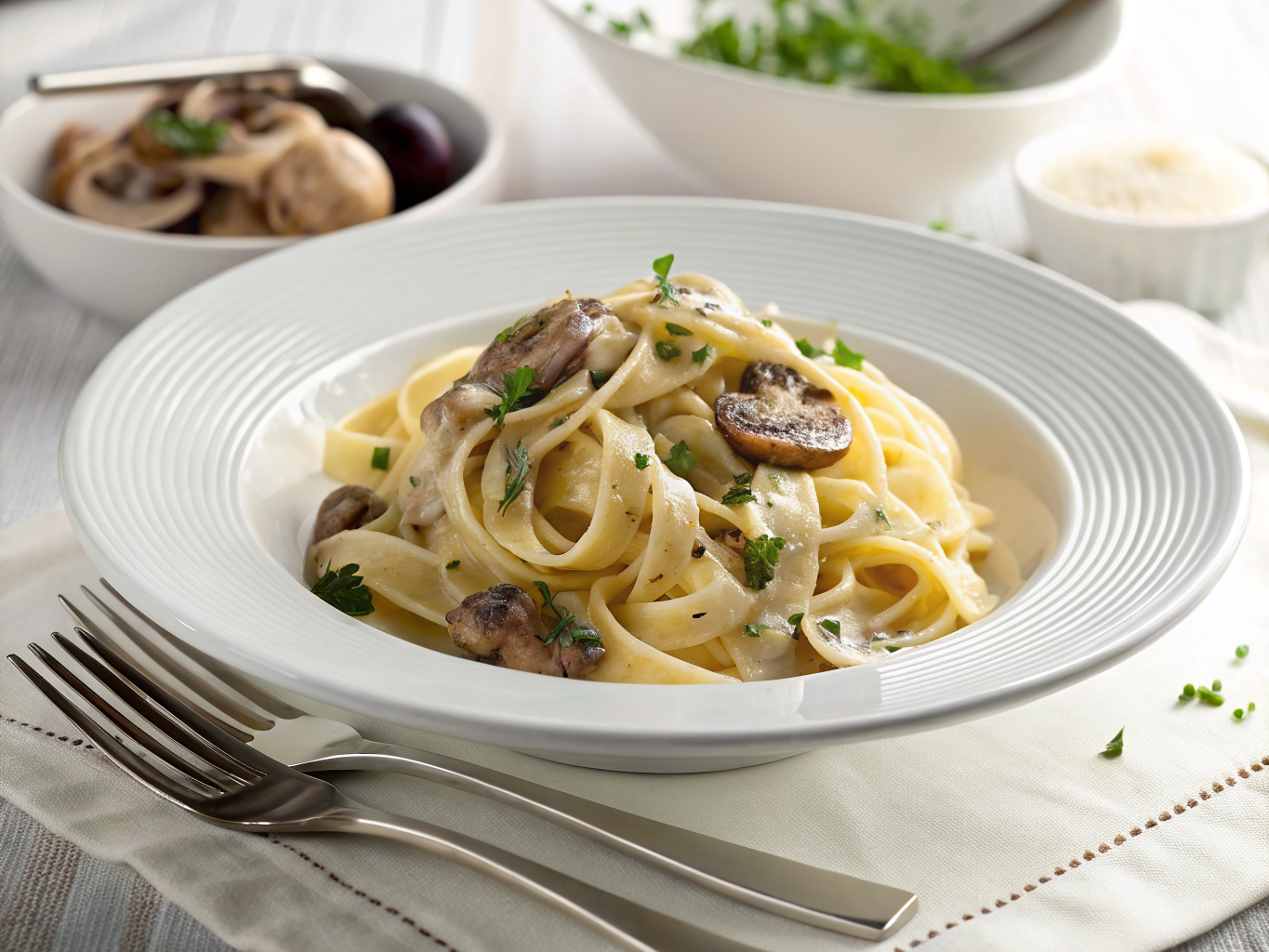
Creamy Mushroom Pasta
Ingredients
Method
- Heat olive oil in a large skillet or pot over medium-high heat. Add sliced mushrooms and cook until browned and softened, about 5-7 minutes. Add minced garlic and cook for another minute until fragrant.
- If using, pour in the dry white wine and scrape up any browned bits from the bottom of the pan. Let it simmer for 1-2 minutes until slightly reduced.
- Add vegetable broth, uncooked pasta, salt, and pepper to the skillet. Stir to combine and bring to a boil. Reduce heat to medium-low, cover, and simmer for 8-10 minutes, stirring occasionally, until the pasta is al dente and most of the liquid has been absorbed.
- Remove from heat. Stir in the heavy cream and grated Parmesan cheese until the sauce is creamy and well combined.
- Garnish with fresh chopped parsley and extra Parmesan cheese before serving hot.
Nutrition
Notes
Tried this recipe?
Let us know how it was!There are few dishes as universally comforting and satisfying as creamy mushroom pasta. It’s a culinary hug in a bowl, a symphony of earthy mushrooms, tender pasta, and a rich, velvety sauce that coats every strand. Whether you’re a seasoned chef or a kitchen novice, mastering this dish is a rewarding experience that promises delicious results every time.
This recipe isn’t just about throwing ingredients together; it’s about understanding the nuances that elevate a good pasta dish to a truly unforgettable one. We’re going to dive deep into the techniques, ingredients, and even some clever shortcuts that will make you a creamy mushroom pasta maestro. Get ready to transform humble ingredients into a gourmet experience.
Why Creamy Mushroom Pasta Reigns Supreme in Quick & Easy Meals
In the bustling rhythm of modern life, finding meals that are both delectable and time-efficient is a culinary quest. Creamy mushroom pasta perfectly fits this bill, becoming a weeknight warrior for countless households. It’s a dish that delivers on flavor without demanding hours of your precious time.
The beauty lies in its simplicity and the minimal, readily available ingredients it requires. Within minutes, you can conjure up a meal that tastes like it came from a high-end restaurant. This makes it an ideal choice for busy parents, working professionals, or anyone who craves delicious food without the fuss.
Furthermore, its versatility allows for endless customization, catering to various palates and dietary preferences. From adding different vegetables to experimenting with various cheese, the basic framework of creamy mushroom pasta is a canvas for your culinary creativity. It’s a meal that truly adapts to you, not the other way around.
The Allure of Mushrooms: Nature’s Umami Bomb
Mushrooms are the undisputed stars of this dish, and for good reason. They bring an incredible depth of flavor known as “umami,” often described as a savory, fifth taste. This umami quality is what makes creamy mushroom pasta so incredibly satisfying and moreish.
Beyond their flavor, mushrooms offer a delightful textural contrast. When sautéed correctly, they develop a beautiful golden-brown crust while remaining tender on the inside. This textural interplay with the al dente pasta and creamy sauce is what makes each bite a sensation.
There’s also a nutritional powerhouse lurking within these fungal delights. Mushrooms are packed with vitamins, minerals, and antioxidants, contributing to a healthier meal. So, you’re not just indulging in deliciousness; you’re also nourishing your body with every forkful.
Core Ingredients: The Foundation of Flavor
Building a phenomenal creamy mushroom pasta starts with selecting the right ingredients. Quality matters here, as each component plays a crucial role in the final flavor profile. Don’t compromise on freshness if you want the best possible outcome.
Let’s break down the essential elements that will form the backbone of your culinary masterpiece. Understanding each ingredient’s contribution will empower you to make informed choices and even experiment confidently. This core list is your starting point for creamy perfection.
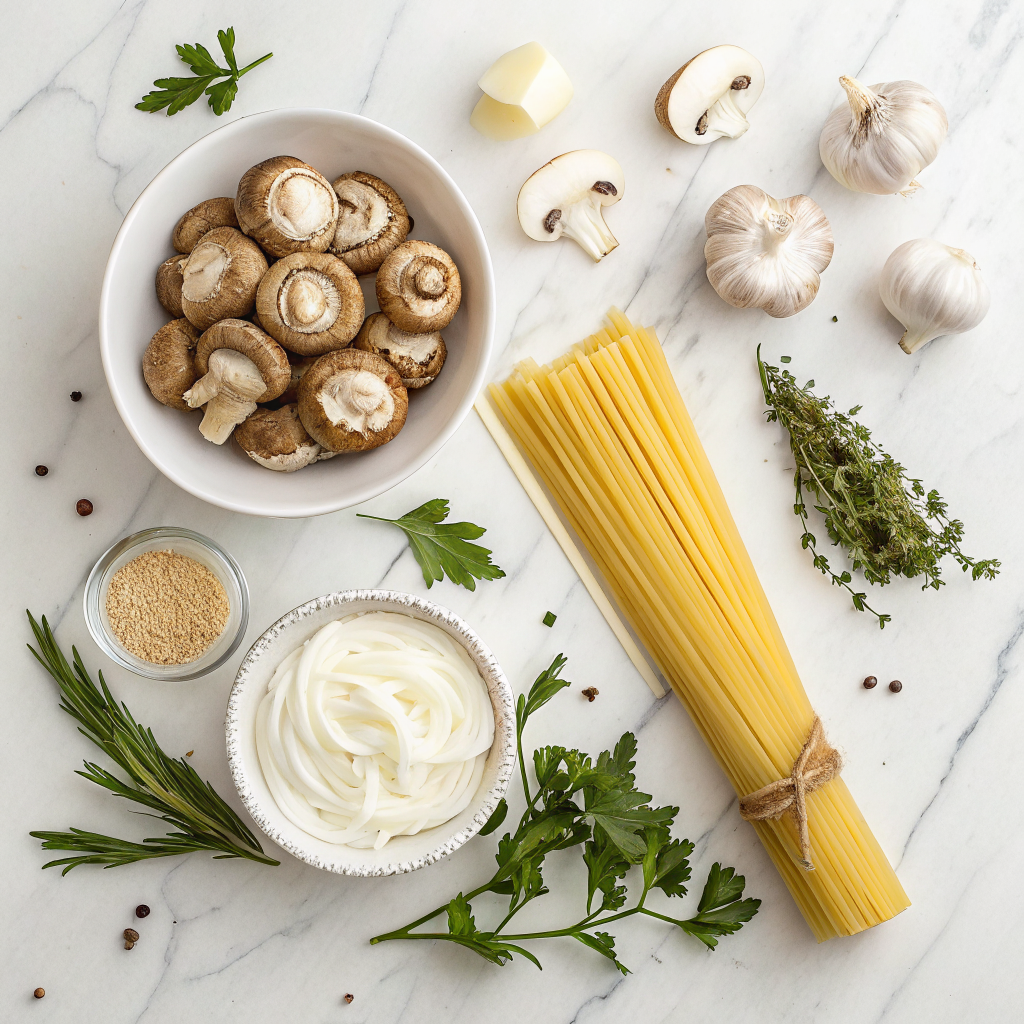
- Pasta: Choose a shape that holds sauce well, like fettuccine, tagliatelle, or penne. Rigatoni or even spaghetti can also work beautifully.
- Mushrooms: A mix of cremini (baby bellas) and shiitake offers a complex flavor. White button mushrooms are also fine if that’s what you have. Consider adding some wild mushrooms if you’re feeling adventurous.
- Garlic: Freshly minced garlic is non-negotiable for its pungent aroma and flavor. Avoid garlic powder for this recipe.
- Onion/Shallot: A finely diced yellow onion or shallot provides a sweet aromatic base. Shallots offer a slightly milder, more delicate flavor.
- Heavy Cream: This is the secret to the luxurious creaminess. Don’t skimp on the fat content if you want that truly decadent sauce.
- Parmesan Cheese: Freshly grated Parmigiano Reggiano adds a salty, umami depth and helps thicken the sauce. Pre-grated cheese often contains anti-caking agents that can affect texture.
- Butter & Olive Oil: A combination of these two fats provides both flavor and a high smoke point for sautéing. Butter adds richness, while olive oil helps prevent burning.
- Vegetable or Chicken Broth: A good quality broth enriches the sauce and helps thin it to the perfect consistency. Homemade is always best, but a good store-bought option is fine.
- Fresh Parsley: A vibrant garnish that adds freshness and a pop of color to the finished dish. Don’t underestimate its importance.
- Salt & Black Pepper: Essential for seasoning to taste. Use kosher salt for cooking and freshly cracked black pepper for best results.
Crafting the Perfect Creamy Sauce: A Step-by-Step Guide
The sauce is the heart and soul of creamy mushroom pasta. Achieving that perfect balance of richness, savory depth, and velvety texture is crucial. Follow these steps meticulously, and you’ll be rewarded with an irresistible sauce.
It’s a process of building layers of flavor, starting with aromatics and culminating in a silken cream mixture. Patience and attention to detail during this stage will pay off immensely. Don’t rush these critical steps.
- Sauté the Aromatics: In a large skillet or Dutch oven, heat a combination of olive oil and butter over medium heat. Add the diced onion or shallot and cook until softened and translucent, about 3-5 minutes. This gentle cooking extracts their sweet flavors.
- Brown the Mushrooms: Increase the heat to medium-high. Add the sliced mushrooms to the pan in a single layer if possible. Avoid overcrowding the pan, as this will steam them instead of browning. Cook for 5-7 minutes, stirring occasionally, until the mushrooms are deeply golden brown and have released their liquid. This browning develops intense umami flavor.
- Garlic & Deglaze: Add the minced garlic and cook for another minute until fragrant, being careful not to burn it. Pour in a splash of vegetable or chicken broth (or even white wine!) and scrape up any browned bits from the bottom of the pan. This step, called deglazing, adds incredible depth to your sauce.
- Introduce the Cream: Reduce the heat to low. Pour in the heavy cream and stir well to combine all the ingredients. Let it gently simmer for 5-7 minutes, allowing it to slightly thicken. Avoid boiling the cream vigorously, as it can separate.
- Season and Thicken: Stir in half of the freshly grated Parmesan cheese. Season generously with salt and freshly cracked black pepper. Taste and adjust seasoning as needed. The cheese will melt into the sauce, adding richness and helping to thicken it further. If the sauce is too thick, add a little more broth or pasta water.
Pasta Perfection: Al Dente Every Time
While the sauce is undoubtedly important, the pasta itself cannot be overlooked. Perfectly cooked pasta, or “al dente,” offers a delightful chew and complements the creamy sauce beautifully. Overcooked, mushy pasta can ruin an otherwise excellent dish.
The secret lies in proper salting of the water and vigilant timing. Think of the pasta water as the first layer of seasoning for your pasta. It should taste like the sea, or at least a very salty broth.
- Boil Water Like the Ocean: Bring a large pot of water to a rolling boil. Add a generous amount of salt – it should taste like the sea. This seasons the pasta from within and helps prevent sticking.
- Cook to Al Dente: Add your chosen pasta to the boiling water and stir immediately to prevent sticking. Cook according to package directions, but start checking for doneness a minute or two before the suggested time. The pasta should be firm to the bite but not hard in the center.
- Reserve Pasta Water: Before draining the pasta, reserve at least 1-2 cups of the starchy cooking water. This magic ingredient is your secret weapon for making the sauce silky smooth and helping it cling to the pasta.
Bringing It All Together: The Art of Assembly
The final stage is where the magic truly happens – combining the perfectly cooked pasta with your luscious sauce. This isn’t just about mixing; it’s about melding the flavors and textures into a cohesive, harmonious dish. Timing is everything here.
The goal is to coat every strand of pasta with that rich, creamy goodness. Don’t hesitate to use some of that reserved pasta water to achieve the ideal consistency. It acts as an emulsifier, binding the sauce to the pasta beautifully.
- Marry Pasta and Sauce: Drain the pasta, but do not rinse it. Immediately add the cooked pasta directly to the skillet with the creamy mushroom sauce.
- Toss and Combine: Using tongs, toss the pasta vigorously with the sauce, ensuring every piece is thoroughly coated. This also helps to emulsify the sauce.
- Adjust Consistency: If the sauce seems too thick, gradually add small amounts of the reserved pasta water, stirring constantly until you reach your desired consistency. The starches in the pasta water will help the sauce cling better.
- Final Touches: Stir in the remaining Parmesan cheese and chopped fresh parsley. Give it a final taste test and adjust seasoning if necessary. Serve immediately for the best experience.
Variations and Customizations: Your Culinary Canvas
While the classic creamy mushroom pasta is a triumph in itself, this recipe is incredibly adaptable. Think of it as a flexible framework for your culinary creativity. Don’t be afraid to experiment and make it your own.
These variations can cater to different preferences, dietary needs, or simply expand your flavor horizons. From adding proteins to experimenting with different vegetables, the possibilities are vast and exciting.
- Add Protein: For a heartier meal, consider adding cooked chicken, crispy bacon or pancetta, or even pan-seared shrimp. Tofu or tempeh can also be excellent plant-based additions. Learn more about healthy protein choices from Healthline’s guide.
- Explore Different Mushrooms: Beyond cremini and shiitake, oyster mushrooms, portobello, or dried porcini (rehydrated) can add unique flavors and textures. Each mushroom variety offers its own distinct character.
- Vegetable Power: Stir in spinach, kale, asparagus tips, or peas during the last few minutes of cooking for an added nutritional boost and fresh flavor. Roasted bell peppers or sun-dried tomatoes can also be delightful.
- Herb Heaven: While parsley is classic, fresh thyme, rosemary, or a touch of sage can complement the earthy mushrooms beautifully. Add them with the garlic for maximum flavor extraction.
- Spice It Up: A pinch of red pepper flakes added with the garlic can introduce a subtle warmth and kick. A dash of nutmeg in the cream sauce also adds a sophisticated touch.
- Wine Wisdom: Deglaze the pan with a dry white wine (like Chardonnay or Pinot Grigio) instead of broth for an extra layer of complexity and acidity. Allow the wine to reduce by half before adding the cream.
- Cheesy Choices: Experiment with different cheeses! A touch of Pecorino Romano for a sharper, saltier kick, or even some creamy goat cheese stirred in at the end for tanginess. Consider exploring Harvard Health’s perspective on dairy.
- Gluten-Free Option: Easily make this dish gluten-free by using your favorite gluten-free pasta and ensuring your broth is gluten-free. There are excellent gluten-free pasta options available now.
- Dairy-Free/Vegan Option: This requires a bit more modification but is entirely possible. Use cashew cream or a quality full-fat plant-based milk (like oat or soy) instead of heavy cream. Nutritional yeast can provide a cheesy flavor, and a plant-based Parmesan substitute works well. Consider making a mushroom broth for a deeper umami flavor.
Serving Suggestions & Perfect Pairings
Creamy mushroom pasta is a satisfying meal all on its own, but a few simple additions can elevate the experience even further. Think about contrasting textures and flavors to create a well-rounded meal. A simple side can make all the difference.
Pairing the right elements can enhance the richness of the pasta without overpowering it. Freshness and acidity often work wonders to cut through the creaminess. This also adds color and nutritional balance to your plate.
- Crusty Bread: A must-have for soaking up every last drop of that incredible sauce. Garlic bread or a simple baguette are perfect choices.
- Simple Green Salad: A light, crisp green salad with a vinaigrette dressing provides a refreshing contrast to the richness of the pasta. It adds freshness and a touch of acidity. Consider a mix of spring greens or arugula.
- Roasted Vegetables: Asparagus, broccoli, or Brussels sprouts, lightly roasted, make a great accompaniment. Their slight char and tender-crisp texture offer a pleasing contrast.
- Herbed Chicken/Fish: If you want to boost the protein without mixing it directly into the pasta, a simply grilled or baked chicken breast or white fish (like cod or halibut) seasoned with herbs would complement the dish well.
- Wine Pairing: A dry white wine like a Pinot Grigio, Chardonnay (unoaked or lightly oaked), or a Sauvignon Blanc would pair beautifully. For red wine lovers, a light-bodied Pinot Noir can also work.
- Fresh Herbs: Always finish with a generous sprinkle of fresh parsley or chives for brightness and visual appeal.
- Extra Parmesan: Offer extra grated Parmesan at the table for those who love a cheesy kick. A microplane grater makes for beautifully fluffy cheese.
Troubleshooting Common Issues: A Smooth-Sailing Kitchen
Even the most seasoned cooks encounter challenges. Knowing how to troubleshoot common issues can save your dish and your sanity. Don’t despair if something doesn’t go exactly to plan; most problems have simple solutions.
Understanding the “why” behind an issue empowers you to fix it and prevent it from happening again. These tips will help you navigate potential pitfalls and ensure your creamy mushroom pasta is always a success. A perfect meal is always within reach.
- Sauce Too Thick: Gradually add a tablespoon or two of reserved pasta water until you reach the desired consistency. The starch in the water helps thin it without diluting flavor. Remember, the sauce will thicken a bit as it cools.
- Sauce Too Thin: Continue to simmer the sauce gently over low heat, stirring occasionally, until it thickens. You can also mix a teaspoon of cornstarch with a tablespoon of cold water, then whisk it into the simmering sauce. Stir until thickened. Adding a little more grated Parmesan cheese can also help.
- Mushrooms Not Browning: Your pan might be overcrowded, or the heat is too low. Ensure mushrooms are in a single layer and cook them in batches if necessary. Increase the heat to medium-high for proper browning and flavor development.
- Sauce Has Broken (Separated): This usually happens if the cream is boiled too vigorously or if too much acid is added without proper emulsification. If it’s just slightly separated, vigorous whisking or adding a tiny bit of cold butter can sometimes bring it back together. Preventing it is easier than fixing it; keep the cream at a gentle simmer.
- Pasta Sticking Together: This is almost always due to not enough water in the pot, not enough salt in the water, or not stirring the pasta often enough at the beginning of cooking. Always use a large pot and plenty of generously salted water. Stir frequently for the first few minutes.
- Pasta is Bland: Ensure you are generously salting the pasta cooking water. This is a critical step often overlooked. The sauce itself also needs proper seasoning with salt and pepper during its creation. Taste and adjust!
Storage and Reheating Tips for Leftovers
While creamy mushroom pasta is best enjoyed fresh, you might have leftovers (though it’s rare!). Knowing how to store and reheat it properly can help maintain its deliciousness. Proper storage prevents spoilage and preserves flavor.
Be aware that creamy sauces can sometimes change texture upon reheating. However, with a few tricks, you can still enjoy your delicious creation days later. Don’t let good food go to waste.
- Storage: Allow the pasta to cool completely before transferring it to an airtight container. Store in the refrigerator for up to 3-4 days. For optimal freshness, it’s best to eat it within 2 days. For information on food safety, check out Medical News Today’s guidelines.
- Reheating on the Stovetop: This is the preferred method for reheating. Place the pasta in a skillet over low to medium-low heat. Add a splash of milk, cream, or broth (1-2 tablespoons per serving) to help loosen the sauce and bring back its creaminess. Stir gently and continuously until heated through.
- Reheating in the Microwave: While less ideal, it’s possible. Place a single serving in a microwave-safe dish. Add a tiny splash of milk or water. Heat in 30-60 second intervals, stirring well after each interval, until heated through. Be careful not to overheat, as this can make the sauce greasy or cause it to separate.
- Expect Texture Changes: The pasta might become slightly softer, and the sauce might not be as perfectly emulsified as when fresh. However, with the added liquid and gentle reheating, it will still be very enjoyable.
For more delicious and easy meal ideas, make sure to explore Home Cook Legacy for a treasure trove of recipes. Also, check out our guide on quick weeknight meals for more culinary inspiration.
Frequently Asked Questions About Creamy Mushroom Pasta
Here are some of the most common questions people ask about making creamy mushroom pasta, along with helpful answers to ensure your dish is always a success.
Q: Can I use dried mushrooms in this recipe?
A: Yes, absolutely! Dried porcini or shiitake mushrooms add an incredible depth of umami. Rehydrate them in warm water for about 20-30 minutes, then drain, chop, and add them along with your fresh mushrooms. Reserve the soaking liquid (strain it through a fine-mesh sieve) and use it as part of your broth for an even richer flavor.
Q: What’s the best type of pasta for creamy mushroom pasta?
A: Pasta shapes that have ridges or a wider surface area are ideal for holding creamy sauces. Fettuccine, tagliatelle, penne, rigatoni, and orecchiette are excellent choices. Ultimately, your favorite shape works best!
Q: My sauce isn’t thickening. What can I do?
A: Ensure your cream is simmering gently for enough time. You can also grate in a bit more Parmesan cheese, which helps thicken the sauce as it melts. Another trick is to make a slurry: mix 1 teaspoon of cornstarch with 1 tablespoon of cold water, then whisk it into the simmering sauce. Cook for a minute or two until it thickens.
Q: Can I make this dish vegan/dairy-free?
A: Yes! Substitute heavy cream with a full-fat plant-based milk or cream (like cashew cream, full-fat oat milk, or soy cream). Nutritional yeast can add a cheesy flavor, and a plant-based Parmesan alternative works well. Use vegetable broth instead of chicken broth, and olive oil instead of butter.
Q: How can I prevent my cream sauce from curdling or breaking?
A: The key is gentle heat. Avoid boiling your cream vigorously. Once the cream is added, keep the heat on low and let it simmer gently. Also, rapidly adding acidic ingredients to hot cream can sometimes cause it to break; if using wine, allow it to reduce fully before adding cream.
Q: Can I add other vegetables to this pasta?
A: Definitely! Spinach, kale, asparagus tips, peas, or sun-dried tomatoes make fantastic additions. Add greens like spinach or kale during the last couple of minutes of cooking, and firmer vegetables like asparagus or bell peppers earlier with the mushrooms, so they have time to cook through.
Q: Is it okay to use pre-grated Parmesan cheese?
A: While convenient, pre-grated Parmesan often contains anti-caking agents that can give the sauce a slightly gritty texture or prevent it from melting smoothly. Freshly grated Parmigiano Reggiano will always yield the best flavor and texture for your sauce. It’s worth the extra effort!
Q: How do I store and reheat leftovers?
A: Store cooled leftovers in an airtight container in the refrigerator for up to 3-4 days. To reheat, gently warm on the stovetop over low heat, adding a splash of milk, cream, or broth to help loosen the sauce and return it to its creamy consistency. Stir frequently to prevent sticking or separating.

creates quick vegetarian dinners and vibrant taco recipes.