
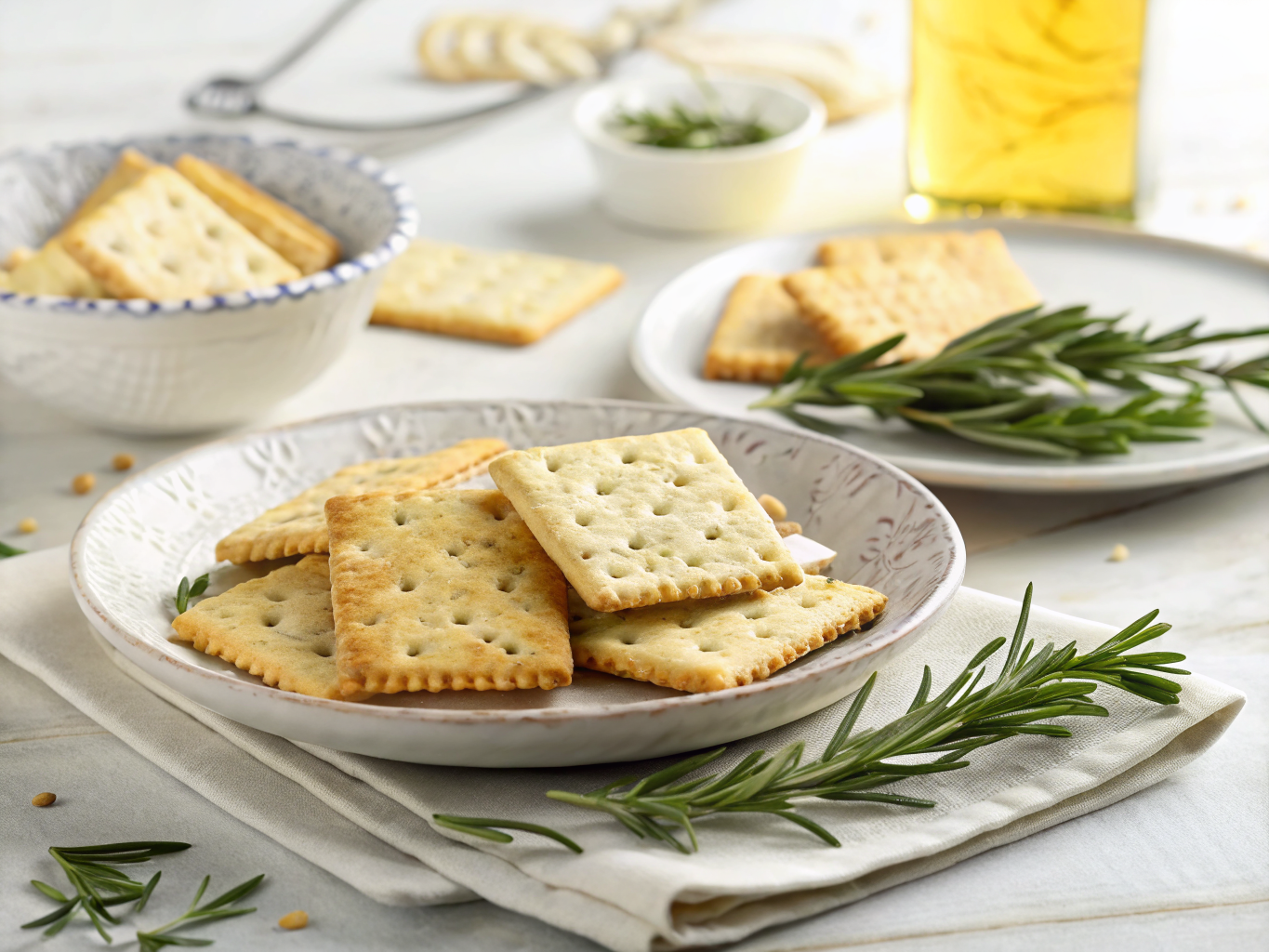
Rosemary Parmesan Crackers
Ingredients
Method
- In a large bowl, whisk together flour, Parmesan cheese, chopped rosemary, salt, and pepper. Cut in the cold butter until the mixture resembles coarse crumbs. Gradually add ice water, mixing until a dough forms.
- Form the dough into a disc, wrap in plastic, and refrigerate for 15 minutes.
- Preheat oven to 375°F (190°C). On a lightly floured surface, roll out the dough very thinly, about 1/16 inch thick. The thinner the dough, the crispier the crackers will be.
- Cut the dough into desired cracker shapes using a knife or pizza cutter. Transfer to a baking sheet lined with parchment paper. Brush lightly with olive oil.
- Bake for 8-12 minutes, or until golden brown and crispy. Baking time may vary depending on thickness.
- Let cool completely on a wire rack before serving. Crackers will crisp up further as they cool.
Nutrition
Notes
Tried this recipe?
Let us know how it was!There’s something undeniably magical about a freshly baked cracker. The crisp snap, the delicate aroma, the perfect vessel for your favorite dips and cheeses – it’s a symphony for the senses. But what if you could elevate that experience to a gourmet level, right in your own kitchen? Enter the Rosemary Parmesan Cracker: a golden-brown marvel infused with aromatic herbs and savory cheese that will utterly transform your snack game. Forget store-bought; these homemade delights are a culinary revelation, surprisingly simple to create, and destined to become a beloved staple in your repertoire.
1 The Allure of Homemade Crackers: Beyond the Box
In a world brimming with convenience, taking the time to bake something from scratch often feels like a luxurious indulgence. However, when it comes to crackers, the reward far outweighs the effort. Homemade Rosemary Parmesan Crackers offer an unparalleled freshness and flavor that pre-packaged varieties simply cannot rival. You control every ingredient, ensuring a wholesome and delicious treat free from artificial additives and preservatives.
The act of baking itself is incredibly satisfying. From mixing the dough to rolling it out and watching it transform in the oven, it’s a therapeutic process that culminates in a truly exceptional product. Plus, the enticing aroma that fills your kitchen as these crackers bake is an experience in itself, promising deliciousness to come.
2 Why Rosemary and Parmesan Are a Match Made in Culinary Heaven
Some flavor combinations are simply destined to be together, and rosemary with Parmesan cheese is a prime example. Rosemary, with its piney, slightly peppery, and intensely aromatic notes, provides a sophisticated depth. It’s a herb steeped in history, often associated with remembrance and frequently used in Mediterranean cuisine for its robust character.
Parmesan, or Parmigiano-Reggiano, is a hard, granular cheese celebrated for its rich, umami-packed, nutty, and salty flavor profile. When these two powerhouses unite in a cracker, the result is an explosion of savory goodness. The earthiness of the rosemary cuts through the richness of the Parmesan, creating a perfectly balanced and deeply satisfying taste experience that keeps you coming back for more.
3 Understanding Your Core Ingredients: The Foundation of Flavor
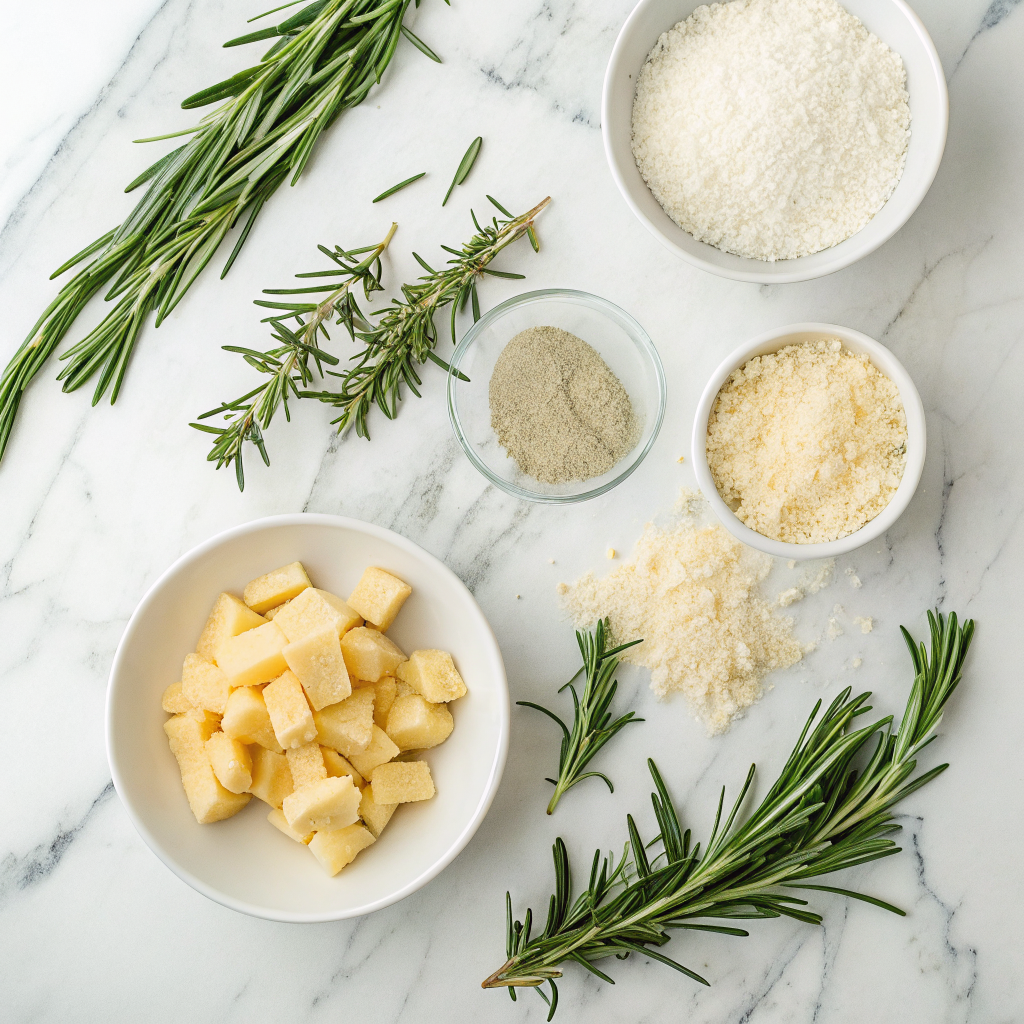
Crafting exceptional Rosemary Parmesan Crackers begins with selecting high-quality ingredients. Each component plays a crucial role in the final texture, flavor, and aroma of your crackers. Let’s break down the essentials:
- All-Purpose Flour: This forms the structural backbone of your crackers. While you could experiment with other flours, all-purpose provides a reliable and consistent texture.
- Fresh Rosemary: The star herb! Opt for fresh rosemary for its vibrant, potent flavor compared to dried. Finely chop it to ensure even distribution and release of its essential oils.
- Parmesan Cheese (Grated): Use freshly grated Parmesan for the best flavor. Pre-grated varieties often contain anti-caking agents that can affect the texture and melt of the cheese. The saltiness and nuttiness are crucial here.
- Olive Oil: A good quality extra virgin olive oil adds richness, flavor, and helps create a tender crumb. It also contributes to the cracker’s golden hue.
- Cold Water: Essential for bringing the dough together without overworking the gluten, which can lead to tough crackers. Keep it chilled!
- Salt: Enhances all the other flavors. A fine sea salt is ideal.
4 The Simple Art of Dough Making: A Step-by-Step Guide
Don’t be intimidated by homemade dough. Cracker dough is surprisingly forgiving and comes together quickly. Here’s a detailed walkthrough to ensure your success:
- Combine Dry Ingredients: In a large mixing bowl, whisk together the flour and salt. This ensures uniform distribution of the salt throughout the dough.
- Incorporate Rosemary and Parmesan: Add the finely chopped fresh rosemary and grated Parmesan cheese to the flour mixture. Toss everything together, making sure the herbs and cheese are well dispersed. This helps prevent clumps and ensures every cracker has flavor.
- Add Wet Ingredients: Pour in the olive oil and gradually add the cold water, a little at a time. Use a fork or your hands to mix until the flour just comes together into a shaggy dough. The key is not to overmix.
- Knead Briefly: Turn the dough out onto a lightly floured surface. Knead for just a minute or two until it forms a cohesive ball. Over-kneading develops the gluten too much, which can result in tough crackers. The dough should be firm but pliable.
- Rest the Dough: Wrap the dough in plastic wrap and let it chill in the refrigerator for at least 30 minutes. This resting period allows the gluten to relax, making the dough easier to roll out, and also helps the flavors meld.
5 Mastering the Roll: Achieving Perfect Cracker Thickness
The thickness of your cracker dough is paramount to its crispiness. Too thick, and they’ll be chewy; too thin, and they might burn. Aim for a consistent thickness, around 1/16 to 1/8 inch (about 1.5 to 3 mm).
- Prepare Your Surface: Lightly flour your work surface and rolling pin.
- Divide and Conquer: Divide the chilled dough into two or three portions. Working with smaller pieces is much easier than tackling one large mass.
- Roll Evenly: Start rolling from the center outwards, rotating the dough frequently to prevent sticking. Apply even pressure. If the dough springs back too much, let it rest for a few minutes before continuing.
- Trim Edges (Optional): For perfectly uniform crackers, you can trim the edges of your rolled-out dough with a pizza cutter or sharp knife.
6 Cutting and Baking: The Path to Golden Crispness
Once your dough is rolled, it’s time to bring your crackers to life.
- Cut Precisely: Use a pizza cutter, a fluted pastry wheel, or even a sharp knife to cut the dough into your desired shapes. Squares, rectangles, or even irregular shards all work wonderfully. Prick each cracker a few times with a fork. This prevents them from puffing up excessively during baking, ensuring a flat, crispy cracker.
- Prepare Baking Sheets: Line baking sheets with parchment paper. This prevents sticking and makes cleanup a breeze.
- Arrange Evenly: Place the cut crackers on the prepared baking sheets, leaving a little space between each one to allow for even air circulation.
- Preheat Oven and Bake: Preheat your oven to a moderate temperature (around 325-350°F or 160-175°C). Bake for 12-18 minutes, or until the crackers are golden brown and crisp. Baking time will vary depending on your oven and the thickness of your crackers. Keep a close eye on them, as they can go from perfectly golden to burnt very quickly.
- Cool Completely: Transfer the baked crackers to a wire rack to cool completely. They will crisp up further as they cool.
7 Troubleshooting Common Cracker Conundrums
Even seasoned bakers encounter challenges. Here are solutions to common cracker issues:
- Tough Crackers: This is almost always due to overworking the dough. Knead minimally, just until combined. Ensure your water is cold.
- Soggy Crackers: Not baked long enough. They need to be truly golden brown and firm when removed from the oven. Also, ensure they cool completely on a wire rack to prevent steam from making them soft.
- Unevenly Baked Crackers: Your oven might have hot spots. Rotate your baking sheets halfway through baking. Ensure crackers are cut to a similar thickness.
- Crackers Stick to the Pan: Always use parchment paper! A lightly floured surface for rolling also helps prevent sticking there.
8 Flavor Pairings: What to Serve with Your Rosemary Parmesan Crackers
These crackers are delicious on their own, but they truly shine when paired with complementary flavors. Their robust profile makes them incredibly versatile:
- Cheese Boards: A natural fit! Pair them with creamy brie, sharp cheddar, crumbly goat cheese, or a bold blue cheese. The saltiness and herbs cut through the richness beautifully.
- Dips and Spreads: Hummus, spinach and artichoke dip, a chunky olive tapenade, or a roasted red pepper dip are all excellent choices.
- Soups and Salads: Crumble them over a bowl of creamy tomato soup or sprinkle a few alongside a fresh garden salad for an added crunch and burst of flavor.
- Charcuterie: Alongside cured meats like prosciutto or salami, they provide a textural contrast and a savory base.
- Appetizers: Top them with a dollop of fig jam and a slice of prosciutto for an easy yet elegant appetizer.
9 Dietary Adaptations: Making Them Your Own
Rosemary Parmesan Crackers are quite adaptable. Here are a few ideas for dietary considerations:
- Gluten-Free: Experiment with a 1:1 gluten-free flour blend. You might need to adjust the water slightly as different flours absorb liquids differently.
- Dairy-Free/Vegan: Substitute the Parmesan with a dairy-free Parmesan alternative. Ensure your olive oil is animal-product free (which it almost always is).
- Low-Sodium: Reduce the amount of added salt or omit it entirely, relying on the saltiness of the Parmesan.
10 Health Benefits of Key Ingredients
Beyond their incredible flavor, the ingredients in these crackers offer some noteworthy health benefits:
- Rosemary: This aromatic herb is rich in antioxidants and anti-inflammatory compounds, which may help boost the immune system and improve circulation. Learn more about rosemary’s health benefits.
- Olive Oil: A cornerstone of the Mediterranean diet, extra virgin olive oil is packed with monounsaturated fatty acids, which are beneficial for heart health. It also contains antioxidants. Discover the benefits of olive oil.
- Parmesan Cheese (in moderation): While high in fat and sodium, Parmesan cheese is a good source of calcium and protein. It also contains beneficial probiotics.
Chef’s Tip: Elevate with Finishing Salt!
For an extra touch of gourmet appeal and a burst of flavor, sprinkle a little flaky sea salt (like Maldon) on your crackers immediately after they come out of the oven. The warmth of the cracker will help the salt adhere, providing a delightful textural and flavor contrast.
11 Storage and Shelf Life: Keeping Them Crisp
The key to enjoying homemade crackers long-term is proper storage. Once completely cooled, store your Rosemary Parmesan Crackers in an airtight container at room temperature. They will remain crisp and fresh for up to one week. Avoid refrigeration, as this can introduce moisture and make them soft.
12 Gifting Ideas: A Thoughtful Culinary Present
Homemade crackers make a wonderfully thoughtful and unique gift. Package a batch of Rosemary Parmesan Crackers in a decorative tin or cellophane bag tied with a ribbon. Include a small jar of homemade jam, a wedge of artisanal cheese, or a gourmet dip for a truly special present. They are perfect for holiday gifts, hostess gifts, or a simple “thinking of you” gesture.
13 Beyond the Cracker: Using the Cracker Dough
The beauty of this dough is its versatility. While designed for crackers, you can explore other possibilities:
- Savory Pie Crust: Roll it out thicker and use it as a base for a savory tart or quiche.
- Breadsticks: Cut the dough into strips, twist them, and bake for flavorful breadsticks.
- Focaccia-Like Base: Press thicker dough into a small pan, dimple it, drizzle with more olive oil and sprinkle with herbs for a quick focaccia-like bread.
14 The Science of Crispness: Why Does it Matter?
The satisfying crunch of a good cracker isn’t just about taste – it’s a critical textural element. Crispness in crackers is achieved through careful control of moisture. By rolling the dough thinly and baking at a moderate temperature until all moisture evaporates, you create a brittle, airy structure. The cooling process further solidifies this structure, leading to that coveted “snap.” Without proper baking and cooling, crackers can remain soft or chewy, diminishing the overall enjoyable experience. Explore the science of crispy foods.
15 Baking with Kids: A Fun and Educational Activity
Baking crackers is a fantastic activity to do with children. It involves simple, hands-on steps that kids can easily participate in:
- Mixing Ingredients: Letting them help combine the dry ingredients.
- Rolling Dough: A great way to develop fine motor skills.
- Cutting Shapes: Using cookie cutters for fun shapes adds an element of play.
- Pricking Crackers: Simple and satisfying.
Baking together teaches them about food preparation, measurements, and the joy of creating something delicious from scratch. It also builds confidence in the kitchen.
16 The Evolution of Crackers: A Brief History
Crackers have a surprisingly long and fascinating history. Their origins can be traced back to ancient times, as early forms of unleavened bread were essentially hard, dry biscuits designed for long-term storage. Sailors and soldiers relied on them for sustenance. The term “cracker” itself is said to have originated from the “cracking” sound they made when broken.
Modern crackers, as we know them, developed in the 19th century in America, largely due to the invention of specific machines for rolling and cutting dough. From humble beginnings as a staple for travel and survival, they evolved into the versatile snack food we cherish today, with gourmet variations like our Rosemary Parmesan Crackers leading the way.
17 Pairings with Beverages: Beyond the Food
These savory crackers aren’t just for food pairings; they also complement certain beverages beautifully.
- Wine: A crisp Sauvignon Blanc, a light-bodied Pinot Grigio, or even a dry Rosé would be excellent choices. For red wine lovers, a smooth Merlot or a lighter-bodied Malbec could work.
- Beer: Consider a pale ale, a crisp lager, or even a refreshing wheat beer. The slight bitterness of hops can balance the richness of the cheese.
- Non-Alcoholic: Sparkling water with a twist of lemon, unsweetened iced tea, or even a simple glass of water allows the cracker flavors to truly shine.
18 The Aroma Factor: More Than Just Taste
The sense of smell plays a huge role in our perception of taste. As these Rosemary Parmesan Crackers bake, the intoxicating aroma of toasted Parmesan and fragrant rosemary fills your home. This scent acts as an appetizer, preparing your palate and enhancing the overall enjoyment of the crackers even before you take the first bite. It’s a true testament to the power of fresh ingredients and home baking.
19 Cost-Effectiveness: A Smart Snacking Choice
While an initial purchase of quality ingredients might seem like an outlay, homemade crackers are often significantly more cost-effective than their gourmet, store-bought counterparts. You get a larger yield for your money, and you’re investing in fresh, high-quality components. It’s a smart choice for both your taste buds and your wallet.
20 Customization Opportunities: Make Them Uniquely Yours
Once you’ve mastered the basic Rosemary Parmesan Cracker, feel free to experiment with customization:
- Herbs: Substitute or add other fresh herbs like thyme, oregano, or a touch of finely chopped chives.
- Spices: A pinch of smoked paprika, a dash of garlic powder, or even a tiny amount of cayenne pepper can add another layer of flavor.
- Seeds: Incorporate poppy seeds, sesame seeds, or flax seeds into the dough for added texture and nutrition.
- Cheese: Try a blend of Parmesan with a little aged cheddar or Gruyere for a different cheesy dimension.
The possibilities are endless, allowing you to create truly bespoke crackers for any occasion. Don’t be afraid to experiment! Explore more bread and baked goods recipes.
21 The Joy of Accomplishment: A Culinary Triumph
Ultimately, baking Rosemary Parmesan Crackers isn’t just about the delicious end product; it’s about the joy of creating something wonderful with your own hands. The sense of accomplishment when you pull a batch of perfectly golden, crispy crackers from the oven is deeply satisfying. Share them with loved ones, hoard them for yourself, or give them as gifts – however you enjoy them, know that you’ve crafted a culinary masterpiece. This recipe offers a delightful and rewarding experience from start to finish, cementing its place as a perennial favorite. Find out more about our culinary philosophy.
Frequently Asked Questions about Rosemary Parmesan Crackers
Q1: Can I use dried rosemary instead of fresh?
A1: While fresh rosemary is highly recommended for its vibrant flavor, you can substitute dried rosemary. Use about half the amount of dried rosemary as fresh, as its flavor is more concentrated. Crush it slightly before adding to the dough to help release its aroma.
Q2: My crackers are not getting crispy. What went wrong?
A2: There are a few common reasons for non-crispy crackers. The most likely cause is that they haven’t been baked long enough. Ensure they are golden brown and firm to the touch. Also, make sure they are rolled out thin enough (1/16 to 1/8 inch) and cooled completely on a wire rack to prevent moisture buildup.
Q3: Can I make the dough ahead of time?
A3: Yes, absolutely! The dough can be made a day in advance and stored, tightly wrapped in plastic wrap, in the refrigerator. This allows the flavors to meld even further. Just let it sit at room temperature for about 10-15 minutes before rolling to make it more pliable.
Q4: What’s the best way to roll out the dough evenly?
A4: For perfectly even crackers, some bakers use a pasta maker on its widest setting after an initial pass with a rolling pin. Alternatively, you can use rolling pin guides (small rings of various thicknesses that fit on the ends of your rolling pin) or simply take your time, rotating the dough frequently, and occasionally lifting it to check for evenness against the light.
Q5: Can I freeze these crackers?
A5: While you can freeze the baked crackers, their texture might become slightly softer upon thawing. It’s best to freeze the unbaked dough. Roll out the dough, cut the crackers, and freeze them on a baking sheet until solid. Then transfer them to an airtight freezer bag. When ready to bake, place the frozen crackers directly on a baking sheet and bake as directed, adding a few extra minutes to the baking time.
Q6: What other cheeses can I use?
A6: While Parmesan is classic, you can experiment! Pecorino Romano offers a sharper, saltier flavor. Grated Asiago or even a finely shredded aged cheddar could also work well for a different flavor profile. The key is to use a hard, flavorful cheese that grates easily.
