
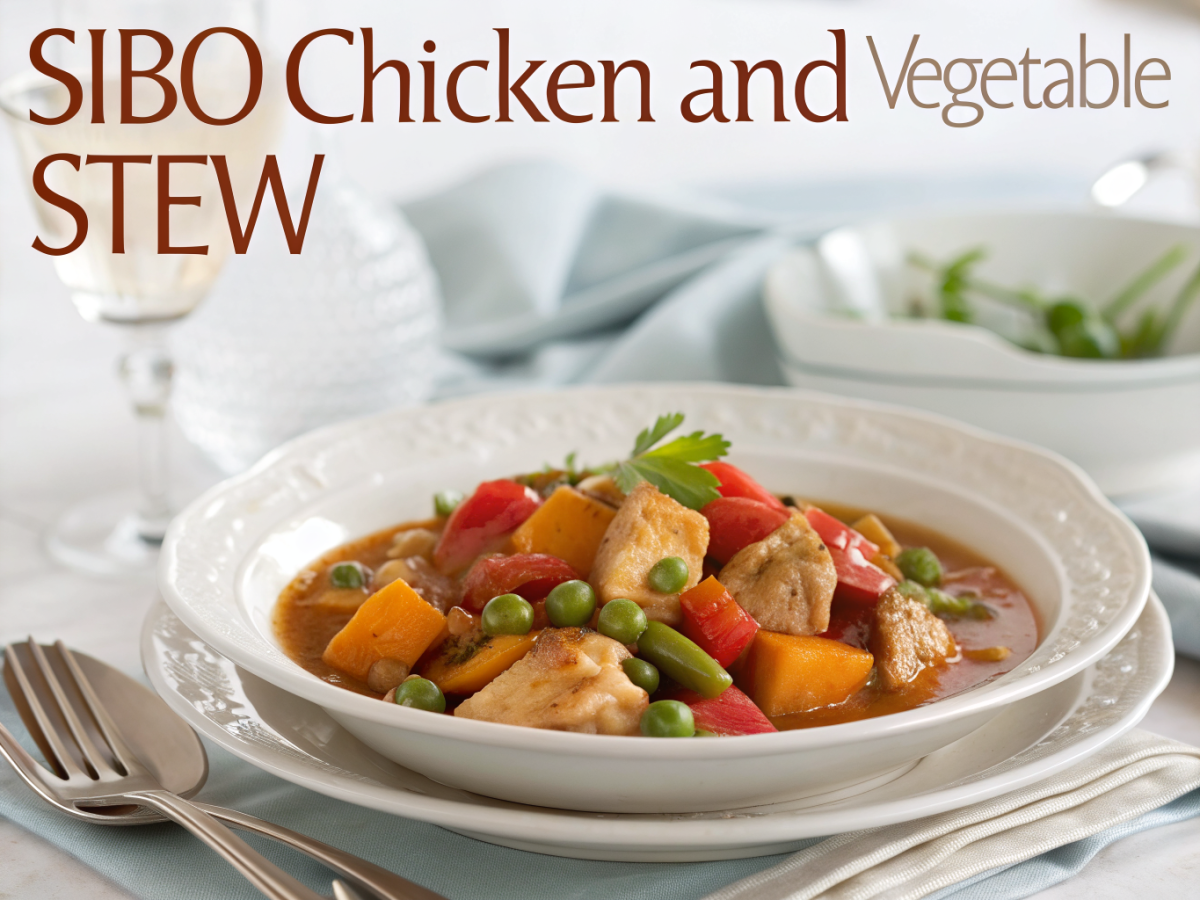
SIBO Chicken And Vegetable Stew Everyone Will Ask You To Make Again
Ingredients
Method
- Heat olive oil in a large pot over medium-high heat. Season chicken pieces with salt and pepper, then add to the pot. Cook for 5-6 minutes until browned on all sides. Remove chicken and set aside.
- In the same pot, add carrots and cook for 4-5 minutes until slightly softened, stirring occasionally.
- Pour in the chicken bone broth and add dried thyme. Stir well to combine and bring to a gentle boil.
- Return the browned chicken to the pot. Reduce heat to low, cover, and simmer for 25 minutes until chicken is cooked through and vegetables are tender.
- Add diced zucchini and cook for an additional 8-10 minutes until zucchini is tender but not mushy.
- Stir in fresh spinach and cook for 2-3 minutes until wilted. Taste and adjust seasoning if needed.
- Ladle the hot stew into bowls and serve immediately. Store leftovers in an airtight container in the refrigerator for up to 3 days.
Notes
\n\nThis SIBO Chicken And Vegetable Stew is a nourishing, gut-friendly meal designed specifically for those managing Small Intestinal Bacterial Overgrowth. Packed with tender chicken, low-FODMAP vegetables, and aromatic herbs, this stew offers comfort without compromising digestive health. Whether you’re following a strict SIBO protocol or simply seeking a wholesome dinner option, this recipe delivers flavor and relief in every spoonful.
SIBO Chicken And Vegetable Stew: 5 Easy Tips for Perfect Results
Creating the perfect SIBO-friendly stew requires attention to ingredient selection and cooking techniques. The key lies in choosing low-FODMAP vegetables, using bone broth for added nutrients, and simmering slowly to develop deep flavors. These five essential tips will transform your stew from basic to extraordinary while keeping your digestive system happy.
First, always use fresh herbs like thyme and rosemary instead of dried seasonings that may contain hidden FODMAPs. Second, brown your chicken pieces before adding liquid to create a rich, caramelized base. Third, cut vegetables into uniform sizes to ensure even cooking throughout the stew.
Fourth, resist the urge to add garlic or onions, which are high-FODMAP triggers for SIBO sufferers. Instead, infuse garlic-infused oil for subtle flavor without the digestive distress. Fifth, simmer your stew uncovered for the final fifteen minutes to concentrate the flavors and achieve the perfect consistency.
Why You’ll Love This SIBO Chicken And Vegetable Stew
This stew stands out because it proves that dietary restrictions don’t mean sacrificing taste or satisfaction. Unlike many SIBO recipes that feel limiting, this dish bursts with savory depth and comforting warmth. The combination of protein-rich chicken and nutrient-dense vegetables creates a complete meal that supports gut healing while delighting your taste buds.
The recipe is incredibly versatile and adapts to various stages of the SIBO diet protocol. You can easily modify vegetable quantities based on your tolerance levels and current healing phase. Plus, it’s a one-pot wonder that simplifies both cooking and cleanup, making it perfect for busy weeknights.
Many SIBO patients struggle to find recipes that the whole family will enjoy, but this stew bridges that gap beautifully. Non-SIBO family members won’t even notice the dietary modifications because the flavors are so robust and satisfying. It’s become a requested favorite in countless households dealing with digestive challenges.
The meal prep potential of this stew makes it invaluable for anyone managing SIBO long-term. Batch cooking on Sunday provides ready-made lunches and dinners throughout the week, reducing stress and ensuring you always have compliant food available. This convenience factor alone makes it a game-changer for SIBO management.
Core Ingredients for SIBO Chicken And Vegetable Stew
The foundation of this stew begins with boneless, skinless chicken thighs or breasts, approximately one and a half pounds. Thighs provide more flavor and stay moist during long cooking, but breasts work well for those preferring leaner protein. Choose organic, pasture-raised chicken when possible for optimal nutrient density and cleaner ingredients.
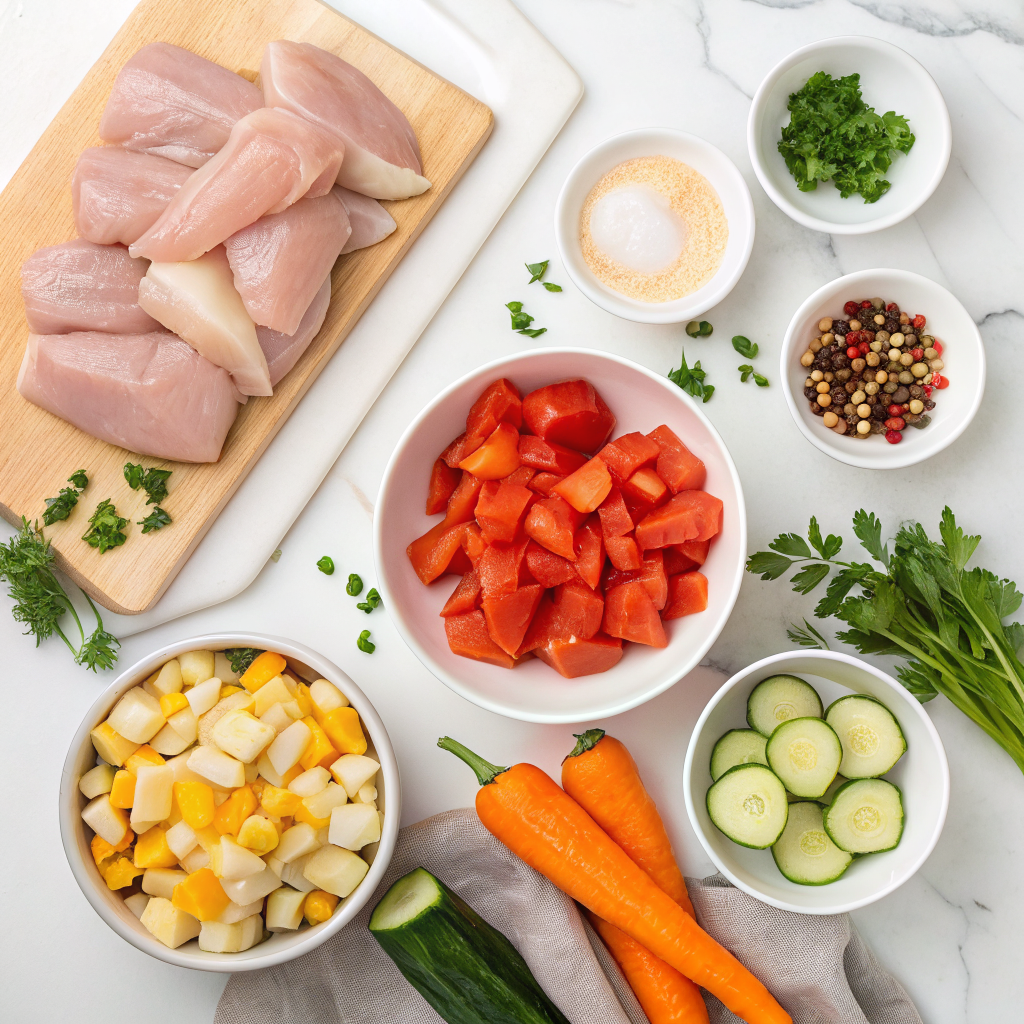
Low-FODMAP vegetables form the nutritious backbone of this recipe. You’ll need two medium carrots peeled and diced, two medium zucchini cut into half-moons, and one cup of green beans trimmed and halved. These vegetables provide fiber, vitamins, and minerals without triggering SIBO symptoms when consumed in appropriate portions.
Additional vegetables include one cup of diced butternut squash for sweetness and one bunch of spinach or bok choy for added greens. Two medium red potatoes, cubed, add substance and help thicken the stew naturally. These starchy vegetables are generally well-tolerated in the quantities specified and provide satisfying bulk.
For the liquid base, use four cups of homemade or store-bought low-FODMAP chicken bone broth. Bone broth contains gut-healing collagen and amino acids that support intestinal lining repair. Add two tablespoons of garlic-infused olive oil for flavor without the FODMAP content of actual garlic cloves.
Seasonings include two teaspoons of fresh thyme leaves, one teaspoon of fresh rosemary chopped fine, two bay leaves, and sea salt and black pepper to taste. One tablespoon of fresh ginger grated adds warmth and aids digestion. A squeeze of fresh lemon juice at the end brightens all the flavors beautifully.
Essential Pantry Items
Keep these SIBO-friendly staples on hand to make this stew anytime. Garlic-infused oil is crucial for adding depth without FODMAPs—make your own by heating olive oil with smashed garlic cloves, then discarding the solids. Quality bone broth can be frozen in portions for convenient use throughout the month.
Fresh herbs make a significant difference in flavor compared to dried versions. Consider growing a small windowsill herb garden with thyme, rosemary, and parsley for constant access. These herbs also contain beneficial compounds that support digestive health and reduce inflammation.
Sea salt and freshly ground black pepper are your primary seasoning tools in SIBO cooking. Avoid spice blends that may contain hidden garlic, onion powder, or other high-FODMAP ingredients. Reading labels carefully becomes second nature when managing SIBO successfully.
How to Make SIBO Chicken And Vegetable Stew: Step-by-Step
Begin by preparing all your ingredients through proper mise en place—dice vegetables, cube chicken, and measure seasonings. This preparation ensures smooth cooking without scrambling mid-process. Pat the chicken pieces completely dry with paper towels, as moisture prevents proper browning and flavor development.
Heat two tablespoons of garlic-infused olive oil in a large Dutch oven or heavy-bottomed pot over medium-high heat. Season the chicken pieces generously with salt and pepper on both sides. Once the oil shimmers, add the chicken in a single layer without crowding—work in batches if necessary.
Brown the chicken for four to five minutes per side until golden and caramelized, then remove to a plate. Don’t worry about cooking it through at this stage; it will finish cooking in the stew. The browned bits left in the pot, called fond, will add tremendous flavor to your final dish.
Building the Flavor Base
Reduce heat to medium and add the diced carrots and cubed potatoes to the pot. Sauté for five minutes, stirring occasionally, allowing them to pick up color and flavor from the fond. The carrots’ natural sugars will begin to caramelize, adding sweetness and depth to the stew base.
Add the grated ginger, thyme, and rosemary to the pot, stirring for thirty seconds until fragrant. Be careful not to burn the herbs, as they can turn bitter quickly. This brief toasting releases essential oils that perfume the entire dish beautifully.
Pour in the bone broth, scraping the bottom of the pot with a wooden spoon to release all the flavorful browned bits. Add the bay leaves and bring the mixture to a boil over high heat. This deglazing step is crucial for incorporating all that developed flavor into your liquid.
Simmering to Perfection
Once boiling, return the browned chicken to the pot along with any accumulated juices. Reduce heat to low and cover the pot, maintaining a gentle simmer. Cook for twenty minutes, allowing the chicken to become tender and the flavors to meld together harmoniously.
After twenty minutes, add the zucchini, green beans, and butternut squash to the pot. Stir gently to incorporate without breaking up the chicken pieces. Continue simmering covered for an additional fifteen minutes until all vegetables reach tender perfection.
Remove the lid and add the spinach or bok choy, stirring until wilted—this takes only two to three minutes. Taste the broth and adjust seasoning with additional salt, pepper, or a squeeze of fresh lemon juice. The lemon brightens the entire flavor profile and adds a restaurant-quality finish.
Remove the bay leaves before serving, as they’re not meant to be eaten. Let the stew rest for five minutes off the heat before ladling into bowls. This resting period allows the flavors to settle and the temperature to become perfect for eating.
Nutrition & Health Benefits
This stew provides exceptional nutritional value while supporting SIBO healing protocols. Each serving delivers approximately twenty-five to thirty grams of high-quality protein from the chicken, essential for tissue repair and immune function. Protein also helps stabilize blood sugar levels, preventing the energy crashes that often accompany digestive disorders.
The bone broth base contains collagen, gelatin, and amino acids like glutamine that directly support intestinal lining integrity. These compounds help repair the gut barrier that’s often compromised in SIBO patients. Regular consumption of bone broth has been associated with reduced intestinal permeability and improved digestive comfort.
Low-FODMAP vegetables provide essential vitamins, minerals, and fiber without feeding bacterial overgrowth. Carrots offer beta-carotene for immune support, while zucchini provides vitamin C and potassium. The variety of vegetables ensures a broad spectrum of phytonutrients that support overall health and healing.
Ginger contributes powerful anti-inflammatory and prokinetic properties that enhance digestive motility. This is particularly important for SIBO patients, as sluggish motility often contributes to bacterial overgrowth. Fresh herbs like thyme and rosemary contain antimicrobial compounds that may help rebalance gut bacteria naturally.
Each serving contains approximately three hundred to three hundred fifty calories, making it a satisfying yet reasonable meal option. The balanced macronutrient profile—protein, complex carbohydrates, and healthy fats—promotes satiety and sustained energy. For detailed nutritional information on gut-healthy eating patterns, check out resources on nutrition and digestive health.
Supporting Gut Healing
The anti-inflammatory nature of this stew makes it ideal during active SIBO treatment phases. Chronic inflammation in the digestive tract impairs healing and perpetuates symptoms. The gentle, easily digestible ingredients reduce inflammatory burden while providing nutrients for repair.
Unlike many comfort foods that strain digestion, this stew is remarkably easy on the gut. The long cooking process breaks down fibers and proteins, making them more accessible for nutrient absorption. This is crucial when digestive function is compromised by bacterial overgrowth.
The warm, liquid nature of stew is inherently soothing to irritated digestive tissues. Traditional healing systems have long recognized soup and stew as medicine for digestive complaints. Modern science confirms that warm liquids can improve motility and reduce bloating sensations.
Variations & Substitutions
Protein variations work beautifully in this flexible recipe framework. Substitute turkey thighs, lean pork loin, or firm white fish like cod for the chicken. Each protein brings its own flavor profile while maintaining the SIBO-friendly nature of the dish.
For a vegetarian version, replace chicken with firm tofu or tempeh, though note that some SIBO patients don’t tolerate soy well. Use vegetable broth instead of chicken broth, and consider adding extra vegetables like fennel or parsnips. The cooking time reduces slightly without meat, so adjust accordingly.
Vegetable substitutions depend on your individual FODMAP tolerances and current diet phase. Swap butternut squash for pumpkin or additional carrots if preferred. Replace green beans with snow peas or bell peppers based on seasonal availability and personal taste preferences.
If you’re in the early, more restrictive phases of SIBO treatment, simplify the vegetable selection to just carrots and zucchini. As you progress and reintroduce foods, gradually add back other vegetables to test tolerance. This systematic approach helps identify specific trigger foods.
Adapting for Different SIBO Types
For hydrogen-dominant SIBO, this recipe works perfectly as written with its low-FODMAP vegetable selection. Focus on portion control with the starchy vegetables to avoid feeding bacterial overgrowth. Some practitioners recommend limiting total carbohydrate intake to manage hydrogen-producing bacteria.
Methane-dominant SIBO patients may benefit from reducing starchy vegetables like potatoes slightly. Consider replacing half the potato with additional zucchini or other non-starchy options. The protein and fat content helps slow transit time, which can be beneficial for this SIBO subtype.
For those following a Specific Carbohydrate Diet (SCD) alongside SIBO treatment, this recipe adapts easily. Simply omit the potatoes and increase the butternut squash or other SCD-legal vegetables. The fundamental cooking method and flavor profile remain delicious with these modifications.
Serving Suggestions
Serve this hearty stew in deep bowls with a sprinkle of fresh parsley or chives for color and added nutrition. A side of sourdough bread made with traditional fermentation can complement the meal for those who tolerate wheat. The long fermentation process reduces FODMAP content compared to conventional bread.
For a complete meal experience, pair the stew with a simple side salad of butter lettuce, cucumber, and a lemon-olive oil dressing. Keep the salad ingredients low-FODMAP and light to avoid overwhelming your digestive system. This combination provides additional fiber and fresh vegetable nutrients.
Consider serving alongside other dinner recipes for variety throughout the week. Rotating different SIBO-friendly meals prevents boredom and ensures diverse nutrient intake. Planning a weekly menu helps maintain compliance with dietary restrictions more successfully.
For those needing extra calories or fat for satiety, drizzle each serving with additional garlic-infused olive oil or a dollop of lactose-free sour cream if tolerated. These additions enhance richness without compromising SIBO protocols. Some patients find that adequate fat intake helps reduce bloating and improves nutrient absorption.
Family-Style Dining
When serving to mixed audiences with and without SIBO, set out optional toppings separately. Offer grated Parmesan cheese, crushed red pepper flakes, and fresh herbs for those without restrictions. This approach allows everyone to customize their bowl while keeping the base recipe compliant.
The stew pairs wonderfully with homemade breads and baked goods that accommodate dietary needs. Gluten-free cornbread or rice crackers provide texture contrast without triggering symptoms. These accompaniments help the meal feel more complete and satisfying.
For casual entertaining, serve the stew from a beautiful Dutch oven placed directly on the table. This rustic presentation creates warmth and encourages communal dining. Guests can serve themselves, making it easy for those with restrictions to control their portions.
Common Mistakes to Avoid
The most frequent error is adding high-FODMAP vegetables like onions, garlic, cauliflower, or mushrooms without realizing their impact. Always double-check FODMAP content before substituting ingredients, as seemingly innocent vegetables can trigger significant symptoms. When in doubt, consult a reliable FODMAP resource or app.
Overcooking vegetables until mushy destroys their texture and can make them harder to digest for some individuals. Aim for tender but not falling apart—vegetables should hold their shape when pierced with a fork. This preserves both nutritional value and eating enjoyment.
Using store-bought broth without checking ingredients often introduces hidden FODMAPs like onion powder or garlic. Many commercial broths contain these flavor enhancers that undermine SIBO dietary efforts. Making homemade bone broth or carefully vetting store brands ensures compliance.
Rushing the browning step or skipping it entirely results in a flat, one-dimensional flavor profile. The caramelization process creates hundreds of flavor compounds that add depth and complexity. Those extra few minutes of browning make the difference between good and exceptional stew.
Portion Control Pitfalls
Even low-FODMAP foods can trigger symptoms when consumed in excessive quantities. The Monash University FODMAP app provides specific serving sizes that remain low-FODMAP—exceeding these amounts can cause issues. Measure vegetables initially until you develop an intuitive sense of appropriate portions.
Eating too quickly without proper chewing is particularly problematic for SIBO patients. Digestion begins in the mouth, and inadequate chewing places extra burden on an already compromised system. Take time to savor each bite, chewing thoroughly before swallowing.
Consuming the stew while stressed or distracted activates the sympathetic nervous system, which inhibits digestion. Create a calm eating environment, sitting down without screens or work materials. This mindful approach significantly improves digestive comfort and nutrient absorption.
Storage & Meal Prep Tips
This stew stores exceptionally well, making it perfect for batch cooking and meal preparation. Allow the stew to cool completely before transferring to airtight containers for refrigeration. Properly stored, it maintains quality for four to five days in the refrigerator, providing multiple ready-made meals.
For longer storage, freeze portions in individual containers for up to three months. Leave an inch of headspace in containers to allow for expansion during freezing. Label containers with the date and contents to maintain an organized freezer inventory.
Reheat refrigerated stew gently on the stovetop over medium-low heat, stirring occasionally until warmed through. Add a splash of bone broth if the stew has thickened too much during storage. Avoid boiling during reheating, as this can toughen the chicken and overcook vegetables.
For frozen portions, thaw overnight in the refrigerator for best results. Alternatively, reheat from frozen in a covered pot over low heat, stirring occasionally and adding liquid as needed. This method takes longer but works well when you forget to thaw in advance.
Meal Prep Strategy
Dedicate Sunday afternoon to preparing a double batch of this stew for the week ahead. Portion into individual serving containers immediately after cooling for grab-and-go convenience. This preparation eliminates decision fatigue and ensures compliant meals are always available during busy weekdays.
Consider preparing the vegetables and chicken in advance, storing them separately in the refrigerator. When ready to cook, the actual stew preparation takes minimal time since chopping is complete. This partial prep approach works well for those with limited energy or time constraints.
Pair your stew meal prep with other quick and easy meals for a varied weekly menu. Rotating different recipes prevents taste fatigue while maintaining dietary compliance. A diverse meal plan also ensures broader nutrient intake throughout the week.
Final Thoughts on SIBO Chicken And Vegetable Stew
This SIBO Chicken And Vegetable Stew represents more than just a recipe—it’s a tool for reclaiming your relationship with food while managing digestive challenges. The combination of nourishing ingredients, satisfying flavors, and gut-healing properties makes it invaluable for anyone on a SIBO healing journey. With practice, you’ll develop confidence in adapting the recipe to your specific needs and preferences.
The beauty of this stew lies in its simplicity and versatility, proving that restricted diets don’t mean restricted enjoyment. As you become more comfortable with SIBO-friendly cooking principles, you’ll find yourself naturally creating variations and new recipes. This foundational knowledge empowers you to take control of your health through informed food choices.
Remember that healing from SIBO is a journey requiring patience, consistency, and self-compassion. This stew provides reliable nourishment during that process, supporting your body’s natural healing capacity. For additional guidance on managing digestive health through diet, explore resources from digestive health experts.
Don’t hesitate to make this recipe your own by adjusting vegetables, herbs, and cooking times to suit your preferences. The framework is flexible enough to accommodate individual tolerances while maintaining its SIBO-friendly foundation. Over time, you’ll develop an intuitive understanding of what works best for your unique digestive system.
Share this SIBO Chicken And Vegetable Stew with friends and family to show them that dietary restrictions don’t mean sacrificing flavor or satisfaction. You might be surprised how many people request the recipe, regardless of their digestive health status. Good food is simply good food, and this stew delivers on every level.
Frequently Asked Questions
Can I make SIBO Chicken And Vegetable Stew in a slow cooker?
Yes, this stew adapts beautifully to slow cooker preparation with slight modifications. Brown the chicken and sauté the carrots and potatoes in a skillet first, then transfer everything to your slow cooker with the remaining ingredients. Cook on low for six to eight hours or high for three to four hours, adding the zucchini, green beans, and greens during the final thirty minutes to prevent overcooking.
How do I know if vegetables are truly low-FODMAP for my SIBO Chicken And Vegetable Stew?
The Monash University FODMAP app is the gold standard for verifying FODMAP content and appropriate serving sizes. Download this research-backed app to check any ingredient before adding it to your stew. Remember that many vegetables are low-FODMAP in small amounts but become high-FODMAP in larger servings, so portion control matters significantly.
What’s the best way to add more protein to this stew?
Increase the chicken quantity from one and a half pounds to two pounds for higher protein content without changing the recipe’s balance. Alternatively, add a can of drained, rinsed white beans (if tolerated) during the final fifteen minutes of cooking. Some SIBO patients tolerate canned lentils well, which also boost protein while adding texture and substance to the stew.
Can I use this SIBO Chicken And Vegetable Stew recipe during the elimination phase?
Yes, this recipe is appropriate for most SIBO elimination protocols when you use only the well-tolerated vegetables. Start with just chicken, carrots, and zucchini if you’re in the strictest phase, then gradually add other vegetables as your symptoms improve. Always work with your healthcare provider or dietitian to determine which foods are appropriate for your specific situation and treatment phase. For more information on elimination diets, visit registered dietitian resources.

HomeCook Legacy Kitchen is the editorial name of homecooklegacy.com. Recipes on this site are drafted with the help of AI tools and published by the HomeCook Legacy team. Please check ingredients, cooking times and food-safety guidance for your own situation.