
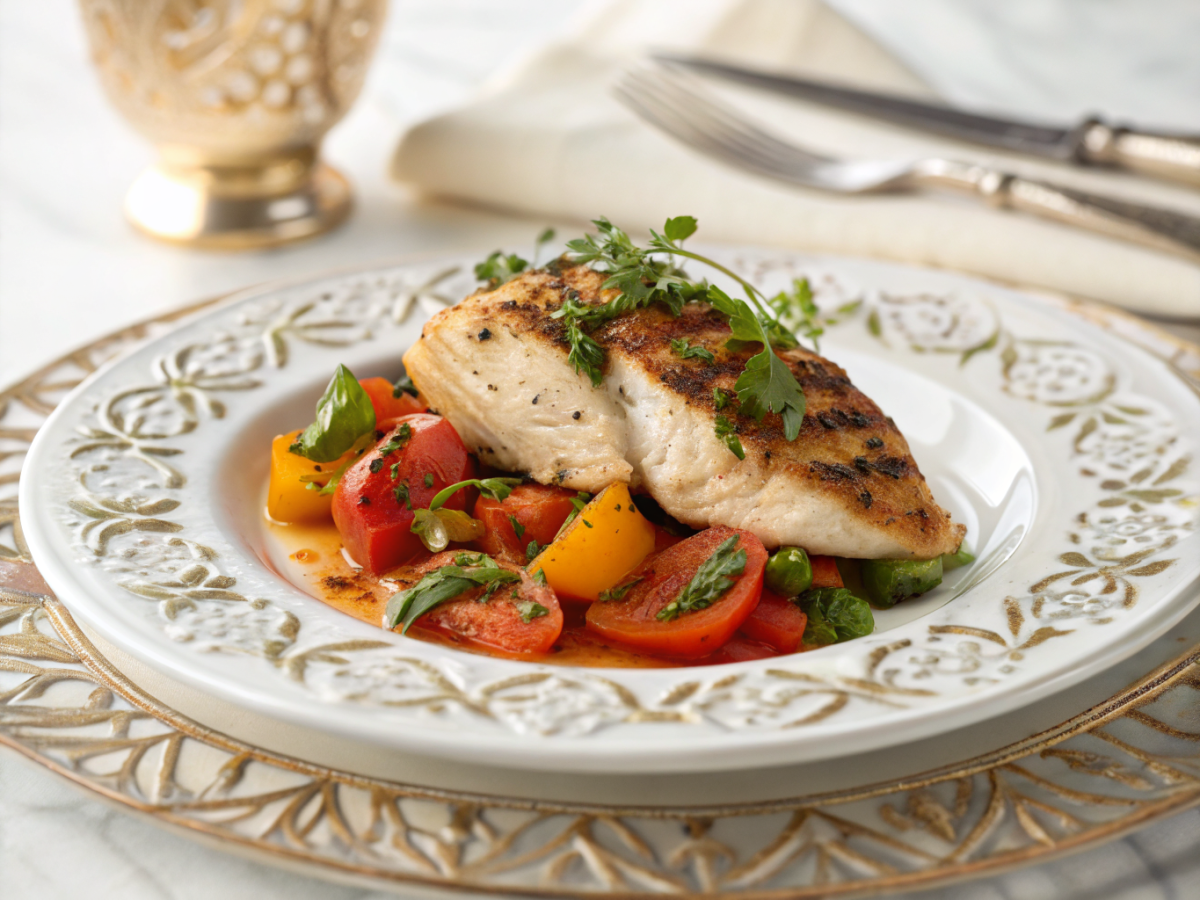
Anti Inflammatory Chicken Seasoning Everyone Will Ask You To Make Again
Ingredients
Method
- In a small bowl, combine turmeric powder, ground ginger, garlic powder, paprika, black pepper, cinnamon, sea salt, oregano, and cayenne pepper if using.
- Whisk all the spices together until evenly blended and no clumps remain.
- Transfer the seasoning blend to an airtight container or glass jar with a tight-fitting lid.
- Label the container with the name and date. Store in a cool, dry place away from direct sunlight.
- To use, rub 1-2 tablespoons of seasoning per pound of chicken, coating all sides evenly before cooking.
- Grill, bake, or pan-sear the seasoned chicken until fully cooked through, reaching an internal temperature of 165 degrees Fahrenheit.
Notes
nnThis Anti Inflammatory Chicken Seasoning is a game-changer for anyone looking to add bold flavor while supporting their health goals. Packed with turmeric, ginger, and other inflammation-fighting spices, this blend transforms ordinary chicken into a restaurant-quality meal. Whether you’re meal prepping for the week or cooking a quick weeknight dinner, this seasoning delivers consistent, delicious results every time.
Anti Inflammatory Chicken Seasoning: 5 Easy Tips for Perfect Results
Creating the perfect anti-inflammatory seasoning blend starts with understanding which spices work synergistically to reduce inflammation. Turmeric contains curcumin, a powerful compound that fights oxidative stress and supports joint health. When combined with black pepper, the absorption of curcumin increases by up to 2000%, making your seasoning even more effective.
The second tip involves using fresh, high-quality spices whenever possible. Ground spices lose their potency over time, so purchasing whole spices and grinding them yourself ensures maximum flavor and health benefits. Store your spices in airtight containers away from direct sunlight to preserve their anti-inflammatory properties.
Third, balance is crucial when creating your seasoning blend. Too much of any single spice can overpower the others and create an unpleasant taste. Start with equal parts of your base spices and adjust according to your personal preference and heat tolerance.
Fourth, always toast your spices briefly in a dry pan before grinding or mixing. This simple step releases essential oils and deepens the flavor profile of your seasoning. Just 30-60 seconds over medium heat transforms the taste completely without requiring any additional ingredients.
Finally, make your seasoning in larger batches to save time and ensure consistency. A mason jar filled with this blend keeps for up to six months and makes weeknight cooking incredibly convenient. You’ll reach for this seasoning again and again once you experience how it elevates simple chicken breasts into something extraordinary.
Why You’ll Love This Anti Inflammatory Chicken Seasoning
This seasoning blend simplifies healthy cooking without sacrificing flavor or requiring complicated techniques. Unlike store-bought seasonings loaded with sodium, preservatives, and artificial ingredients, this homemade version gives you complete control over what goes into your food. You’ll save money while creating a superior product that tastes fresher and works harder for your health.
The versatility of this seasoning extends far beyond chicken. Use it on fish, vegetables, tofu, or even sprinkle it over roasted chickpeas for a crunchy snack. The warm, earthy flavors complement nearly any protein or vegetable, making it an essential component of your spice cabinet.
Busy families appreciate how this seasoning cuts down on meal prep time significantly. Instead of measuring multiple spices for each recipe, you simply reach for one jar and season to taste. This streamlined approach makes healthy eating more accessible, especially on hectic weeknights when takeout seems like the only option.
The anti-inflammatory benefits provide real value for those managing chronic pain, arthritis, or general inflammation. Regular consumption of these spices has been linked to reduced joint pain, improved digestion, and better overall wellness. If you’re interested in more nutritious meal options, check out these high protein recipes that pair perfectly with this seasoning.
Finally, the beautiful golden color this seasoning imparts to chicken makes every dish visually appealing. We eat with our eyes first, and the vibrant hue signals both flavor and nutrition. Your family will be asking what restaurant you ordered from when you serve chicken seasoned with this incredible blend.
Core Ingredients for Anti Inflammatory Chicken Seasoning
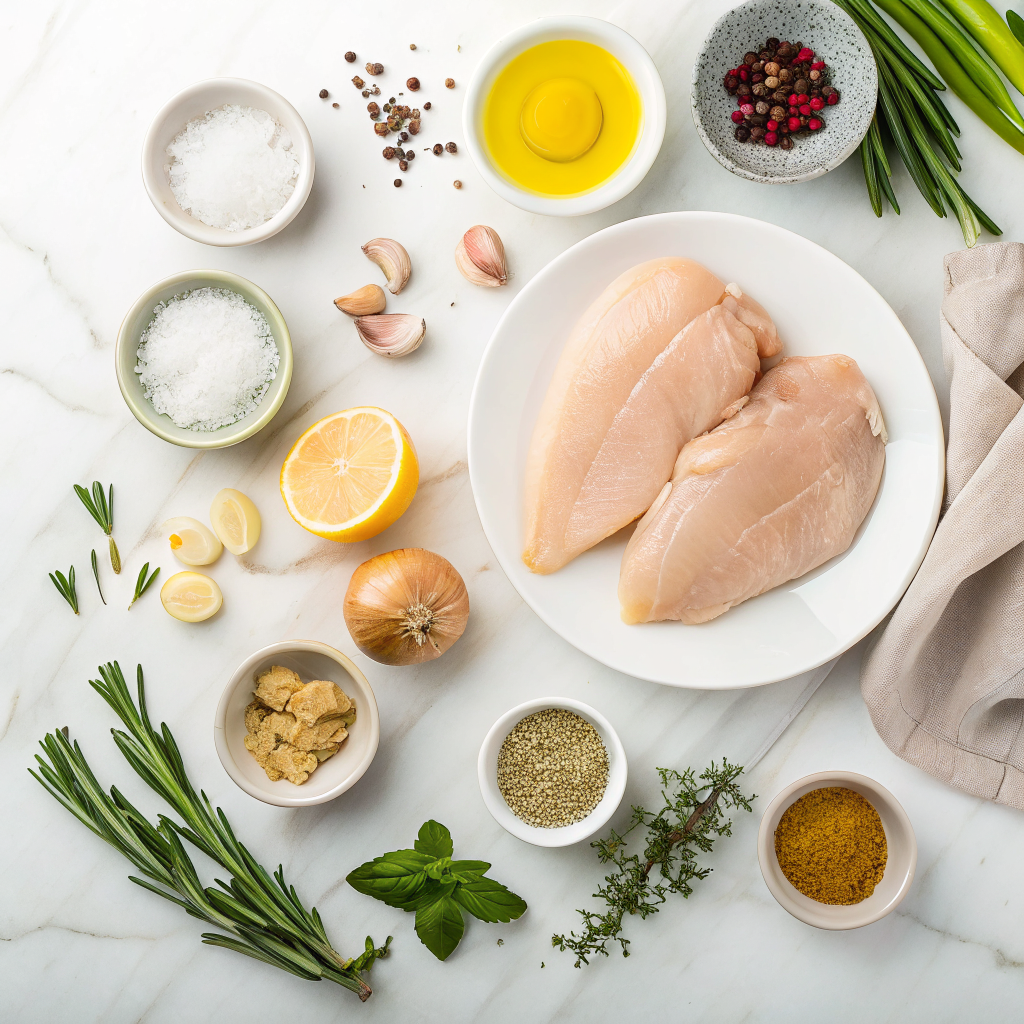
The foundation of this seasoning starts with turmeric powder, the star anti-inflammatory ingredient. You’ll need 3 tablespoons of high-quality turmeric to give your blend its characteristic golden color and powerful health benefits. Look for turmeric with a deep orange hue, which indicates higher curcumin content and fresher product.
Ground ginger adds a warm, slightly spicy note while providing its own anti-inflammatory compounds called gingerols. Use 2 tablespoons of ground ginger, or if you prefer a more intense flavor, grate fresh ginger and dehydrate it before grinding. Fresh ginger contains more volatile oils that contribute to both flavor and medicinal properties.
Black pepper is non-negotiable in this recipe because it contains piperine, which dramatically increases curcumin absorption. Add 1 tablespoon of freshly ground black pepper for maximum effectiveness. Pre-ground pepper works in a pinch, but freshly cracked pepper delivers superior flavor and potency.
Garlic powder contributes savory depth and contains allicin, another anti-inflammatory compound. Use 2 tablespoons of garlic powder rather than garlic salt to control sodium levels. Quality garlic powder should smell pungent and fresh, not stale or musty.
Paprika provides mild sweetness and additional color without adding heat. Sweet paprika works best for this blend, though smoked paprika offers an interesting variation. Add 2 tablespoons to round out the flavor profile and create visual appeal.
Ground cumin brings earthy, warming notes that complement the other spices beautifully. Use 1 tablespoon of cumin to add complexity without overwhelming the blend. Cumin also aids digestion and contains antioxidants that support overall health.
Ground coriander offers a subtle citrus note that brightens the entire seasoning. Add 1 tablespoon of ground coriander to balance the earthier spices. Coriander seeds can be toasted and ground fresh for even better results.
Cayenne pepper is optional but recommended for those who enjoy heat. Start with 1 teaspoon and adjust according to your spice tolerance. Capsaicin, the compound that makes peppers hot, also possesses anti-inflammatory properties and may boost metabolism.
Sea salt enhances all the other flavors and helps the seasoning adhere to chicken. Use 1 tablespoon of fine sea salt or adjust to your dietary needs. Pink Himalayan salt or Celtic sea salt provide trace minerals along with flavor.
Dried thyme adds an herbal note that pairs exceptionally well with chicken. Use 1 tablespoon of dried thyme leaves, crushed between your fingers to release the oils. Thyme contains thymol, which has antimicrobial and anti-inflammatory effects.
How to Make Anti Inflammatory Chicken Seasoning: Step-by-Step
Begin by gathering all your spices and measuring them accurately into small prep bowls. This mise en place approach ensures you don’t miss any ingredients and makes the mixing process smooth. Double-check that all your spices are fresh and haven’t passed their expiration dates for optimal flavor.
If you’re using whole spices, toast them gently in a dry skillet over medium heat for 30-60 seconds. Shake the pan frequently to prevent burning and remove from heat as soon as you smell the aromatic oils releasing. Allow the toasted spices to cool completely before grinding them in a spice grinder or mortar and pestle.
Combine the turmeric, ginger, black pepper, garlic powder, paprika, cumin, and coriander in a medium mixing bowl. Whisk these ingredients together thoroughly to ensure even distribution of each spice. The mixture should be uniform in color with no clumps or separated ingredients.
Add the cayenne pepper (if using), sea salt, and dried thyme to the bowl. Continue whisking for another minute to fully incorporate these final ingredients. The seasoning should have a vibrant golden-orange color and a fragrant, complex aroma.
Transfer the completed seasoning blend to an airtight glass jar or container. Mason jars work perfectly and allow you to see the beautiful color of your creation. Label the jar with the date and contents so you can track freshness.
Store your seasoning in a cool, dark place like a pantry or spice cabinet. Avoid storing near the stove where heat and humidity can degrade the spices faster. Properly stored, this blend maintains its potency for up to six months, though you’ll likely use it much sooner.
To use the seasoning on chicken, pat the meat dry with paper towels first. Apply 1-2 tablespoons of seasoning per pound of chicken, rubbing it thoroughly into all surfaces. For best results, let the seasoned chicken rest for 15-30 minutes before cooking to allow the flavors to penetrate.
Cook your seasoned chicken using your preferred method—grilling, baking, air frying, or pan-searing all work beautifully. The spices create a flavorful crust while keeping the meat tender and juicy inside. For quick cooking methods, explore these air fryer recipes that complement this seasoning perfectly.
Nutrition & Health Benefits
The nutritional profile of this seasoning blend is impressive, with minimal calories but maximum health impact. One tablespoon contains approximately 20 calories, 1 gram of fat, 4 grams of carbohydrates, and 1 gram of protein. More importantly, it delivers a concentrated dose of anti-inflammatory compounds that support overall wellness.
Turmeric’s curcumin has been extensively studied for its ability to reduce inflammation markers in the body. Research suggests that regular consumption may help manage conditions like arthritis, inflammatory bowel disease, and even depression. The bioavailability enhancement from black pepper makes this blend particularly effective for therapeutic purposes.
Ginger provides gingerols and shogaols, compounds that inhibit inflammatory pathways similar to non-steroidal anti-inflammatory drugs but without the side effects. Studies have shown ginger can reduce muscle pain, menstrual discomfort, and nausea. Combined with turmeric, these two spices create a synergistic effect that amplifies their individual benefits.
Garlic powder contains organosulfur compounds that support cardiovascular health and immune function. Regular garlic consumption has been linked to lower blood pressure, improved cholesterol levels, and reduced risk of certain cancers. The concentrated form in powder delivers these benefits in a convenient, shelf-stable format.
The antioxidant content of this seasoning blend is remarkable, with each spice contributing different protective compounds. Antioxidants neutralize free radicals that cause cellular damage and accelerate aging. By incorporating this seasoning into your regular cooking routine, you’re providing your body with powerful tools to combat oxidative stress.
Capsaicin from cayenne pepper has been shown to boost metabolism and may aid in weight management. It also provides pain relief when consumed regularly, particularly for conditions involving nerve pain. The thermogenic effect of capsaicin can increase calorie burning slightly, though the anti-inflammatory benefits are more significant.
This seasoning blend is naturally gluten-free, dairy-free, vegan, and suitable for most dietary restrictions. It contains no added sugars, artificial ingredients, or preservatives. For more information on anti-inflammatory nutrition, this comprehensive guide to anti-inflammatory foods provides excellent additional context.
Variations & Substitutions
For a Mediterranean-inspired variation, increase the dried thyme to 2 tablespoons and add 1 tablespoon of dried oregano. Include 1 teaspoon of dried rosemary for an aromatic twist that pairs beautifully with lemon. This version works exceptionally well with grilled chicken and roasted vegetables.
Create an Indian-spiced version by adding 1 tablespoon of garam masala and 1 teaspoon of ground cardamom. Increase the cumin to 2 tablespoons for a more authentic flavor profile. This variation transforms chicken into a curry-style dish that’s perfect over rice or with naan bread.
For those following a low-sodium diet, simply reduce or eliminate the salt entirely. The other spices provide plenty of flavor without relying on sodium. You can also use a salt substitute like potassium chloride if recommended by your healthcare provider.
If you can’t find ground ginger, substitute with 1 tablespoon of freshly grated ginger that’s been dried. Alternatively, crystallized ginger ground in a spice grinder works in a pinch, though it adds slight sweetness. Fresh ginger paste can be added directly to chicken before cooking rather than to the dry blend.
Replace cayenne pepper with chipotle powder for a smoky heat instead of sharp spiciness. Use the same amount but expect a deeper, more complex flavor. Smoked paprika can be substituted for regular paprika to enhance this smoky profile throughout the blend.
For an herbal variation, add 1 tablespoon each of dried basil and parsley. These herbs contribute additional antioxidants and create a more garden-fresh flavor. This version is particularly good for baked chicken dishes where the herbs won’t burn.
Those avoiding nightshades can omit the paprika and cayenne, replacing them with additional turmeric and ginger. Add 1 tablespoon of ground mustard seed for a different type of warmth. The anti-inflammatory benefits remain strong even without the nightshade family spices.
Serving Suggestions
This seasoning shines when used on grilled chicken breasts served alongside a fresh quinoa salad. The charred exterior created by grilling caramelizes the spices while keeping the interior moist and tender. Slice the chicken and arrange it over mixed greens with a lemon-tahini dressing for a complete anti-inflammatory meal.
Baked chicken thighs coated with this seasoning become incredibly flavorful and stay juicy thanks to their higher fat content. Roast them at 425°F for 35-40 minutes until the skin is crispy and golden. Serve with roasted sweet potatoes and steamed broccoli for a balanced dinner that’s ready in under an hour.
Try the seasoning on chicken kebabs alternating with bell peppers, onions, and cherry tomatoes. The spices complement the sweetness of grilled vegetables perfectly. Thread everything onto skewers and grill for 12-15 minutes, turning occasionally for even cooking.
Use it to season shredded chicken for tacos, wraps, or burrito bowls. Cook chicken breasts in a slow cooker with the seasoning and a bit of chicken broth for 4 hours on high. Shred the meat and use it throughout the week for quick, healthy meals that never get boring.
Chicken soup becomes extraordinary when you add 2 tablespoons of this seasoning to the broth. The anti-inflammatory spices make it particularly soothing when you’re feeling under the weather. Add plenty of vegetables and serve with crusty bread for a comforting meal.
Season chicken wings with this blend before baking for a healthier alternative to traditional buffalo wings. The spices create a flavorful crust without any breading or frying. Serve with celery sticks and a yogurt-based dipping sauce for a crowd-pleasing appetizer.
For meal prep enthusiasts, season several pounds of chicken at once and cook using various methods. Store the cooked chicken in portioned containers and use it in different dishes throughout the week. This approach makes healthy eating convenient and prevents flavor fatigue. Find more inspiration in these dinner recipes that work perfectly with pre-seasoned chicken.
Common Mistakes to Avoid
The biggest mistake people make is using old, stale spices that have lost their potency. Ground spices typically last 6-12 months before their flavor and health benefits significantly decline. Check your spice cabinet regularly and replace anything that smells weak or musty rather than vibrant and aromatic.
Over-seasoning is another common error, especially when first trying this blend. Start with less than you think you need—you can always add more, but you can’t remove excess seasoning. For chicken breasts, 1 tablespoon per pound is usually sufficient, while fattier cuts like thighs can handle slightly more.
Many cooks forget to pat chicken dry before applying seasoning, which prevents proper adhesion. Moisture creates a barrier between the spices and the meat, resulting in uneven flavor and seasoning that falls off during cooking. Use paper towels to thoroughly dry all surfaces before seasoning.
Not allowing rest time after seasoning reduces flavor penetration significantly. When possible, season chicken at least 15 minutes before cooking, or even better, overnight in the refrigerator. This gives the spices time to work into the meat and creates more complex, developed flavors.
Cooking at incorrect temperatures can burn the spices before the chicken cooks through. Turmeric and other ground spices scorch easily at high heat, creating bitter flavors. Use moderate temperatures (350-425°F for baking) and monitor closely when grilling or pan-searing to prevent burning.
Storing the seasoning improperly leads to rapid flavor loss and potential clumping. Always use an airtight container and keep it away from heat, light, and moisture. Never shake the seasoning directly over a steaming pot, as the moisture will enter the jar and cause deterioration.
Finally, some people make the mistake of only using this seasoning on chicken, missing out on its versatility. The blend works wonderfully on fish, pork, vegetables, and even in soups and stews. Experiment with different applications to get the most value from your homemade creation.
Storage & Meal Prep Tips
Store your Anti Inflammatory Chicken Seasoning in a glass jar with a tight-fitting lid to preserve freshness and prevent moisture infiltration. Glass doesn’t absorb odors or flavors like plastic can, and it allows you to see exactly how much seasoning remains. Mason jars in half-pint or pint sizes work perfectly for this purpose.
Keep the seasoning in a cool, dark location such as a pantry or spice drawer away from the stove. Heat and light degrade the active compounds in spices, particularly curcumin in turmeric. A consistent temperature around 60-70°F is ideal for maintaining potency over time.
Consider making a double or triple batch when you prepare this seasoning to save time and ensure you never run out. The recipe scales easily, and having backup jars means you can share with friends or family. Label each jar with the preparation date so you can track freshness accurately.
For meal prep purposes, season several pounds of chicken at once and store it in the refrigerator for up to 2 days before cooking. Alternatively, season and freeze raw chicken in portion-sized bags for up to 3 months. The frozen chicken can go directly from freezer to oven or slow cooker for ultimate convenience.
Create individual portion packets by measuring 1-2 tablespoons of seasoning into small plastic bags or containers. These pre-measured portions make weeknight cooking even faster and help with portion control. They’re also perfect for taking to work if you cook lunch at the office.
Cooked, seasoned chicken stores well in the refrigerator for 4-5 days when properly contained. Use airtight containers and let the chicken cool completely before refrigerating to prevent condensation. Reheat gently to avoid drying out the meat, adding a splash of broth if needed.
For longer storage, freeze cooked chicken in meal-sized portions for up to 3 months. Slice or dice the chicken before freezing for easier thawing and reheating. Label containers with the date and cooking method so you can plan meals accordingly.
If you notice any clumping in your seasoning, add a few grains of rice to the jar to absorb excess moisture. Alternatively, break up clumps with a fork or small whisk before using. Clumping doesn’t necessarily mean the seasoning has gone bad, but it does indicate moisture exposure that could shorten shelf life.
Final Thoughts on Anti Inflammatory Chicken Seasoning
This Anti Inflammatory Chicken Seasoning represents the perfect intersection of flavor, health, and convenience in home cooking. By taking just 10 minutes to prepare this blend, you’re setting yourself up for months of delicious, inflammation-fighting meals. The investment in quality spices pays dividends in both taste and wellness, making every dish more enjoyable and beneficial.
The versatility of this seasoning cannot be overstated—it works across cooking methods, protein types, and cuisine styles. Whether you’re grilling for a summer barbecue, meal prepping for a busy week, or creating a comforting weeknight dinner, this blend delivers consistent results. The anti-inflammatory benefits are simply a bonus on top of the incredible flavor it provides.
Making your own seasoning blends empowers you to take control of your nutrition and avoid the hidden ingredients in commercial products. You know exactly what goes into this mix, with no fillers, anti-caking agents, or excessive sodium. This transparency is invaluable for anyone managing health conditions or simply trying to eat cleaner.
Don’t be surprised when family and friends start requesting this seasoning after tasting your chicken. The complex flavor profile and beautiful golden color make every dish look and taste restaurant-quality. Consider making extra batches as gifts—home cooks always appreciate a thoughtful, useful present that enhances their cooking.
Remember that consistency is key when it comes to reaping anti-inflammatory benefits from food. Using this seasoning regularly as part of a balanced diet rich in whole foods, vegetables, and healthy fats will yield the best results. Combined with other healthy lifestyle choices, this simple seasoning blend can contribute to reduced inflammation and improved overall health.
Frequently Asked Questions
How much Anti Inflammatory Chicken Seasoning should I use per pound of chicken?
Use approximately 1-2 tablespoons of Anti Inflammatory Chicken Seasoning per pound of chicken, depending on your flavor preference. For boneless, skinless chicken breasts, 1 tablespoon is usually sufficient, while fattier cuts like thighs can handle up to 2 tablespoons. Always start with less and add more if needed, as you can’t remove excess seasoning once applied. Pat the chicken dry before applying the seasoning for better adhesion and more even flavor distribution.
Can I use this seasoning on foods other than chicken?
Absolutely! This seasoning works beautifully on fish, pork, tofu, vegetables, and even roasted chickpeas. The anti-inflammatory spices complement nearly any protein or vegetable you choose to season. Try it on salmon, sprinkled over roasted cauliflower, or mixed into ground turkey for burgers. The versatility makes it a true kitchen staple that you’ll reach for constantly, regardless of what you’re cooking for dinner.
How long does homemade Anti Inflammatory Chicken Seasoning stay fresh?

HomeCook Legacy Kitchen is the editorial name of homecooklegacy.com. Recipes on this site are drafted with the help of AI tools and published by the HomeCook Legacy team. Please check ingredients, cooking times and food-safety guidance for your own situation.