
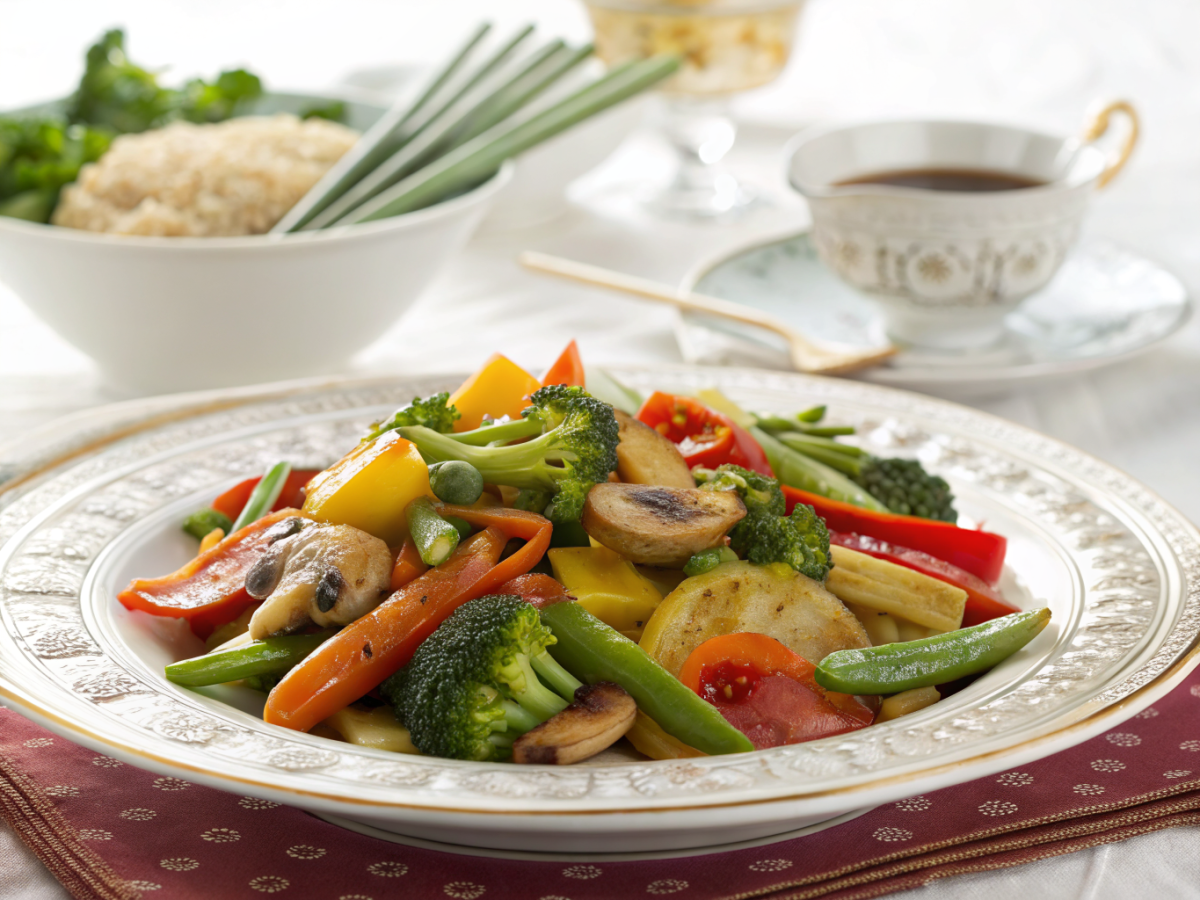
Budget Dinner Vegetable Stir Fry Everyone Will Ask You To Make Again
Ingredients
Method
- In a small bowl, whisk together soy sauce, brown sugar, and cornstarch mixture until smooth. Set aside.
- Heat vegetable oil in a large wok or skillet over high heat until shimmering and very hot.
- Add broccoli and carrots first, stir frying for 3-4 minutes until they begin to soften but remain crisp.
- Add bell pepper, snap peas, and minced garlic. Stir fry for another 2-3 minutes until vegetables are tender-crisp and garlic is fragrant.
- Pour the sauce mixture over the vegetables and toss continuously for 1-2 minutes until the sauce thickens and coats all the vegetables evenly.
- Remove from heat and serve hot over rice or noodles for a complete meal.
Notes
nnThis Budget Dinner Vegetable Stir Fry is the perfect weeknight meal that combines fresh vegetables, savory sauce, and incredible flavor without breaking the bank. Whether you’re feeding a family or meal prepping for the week, this dish delivers restaurant-quality results in your own kitchen. With simple ingredients and easy techniques, you’ll have a delicious dinner ready in less than 30 minutes.
Budget Dinner Vegetable Stir Fry: 5 Easy Tips for Perfect Results
Creating the perfect vegetable stir fry doesn’t require expensive ingredients or complicated techniques. The key to success lies in proper preparation, high heat cooking, and understanding how to layer flavors effectively. These five essential tips will transform your stir fry from ordinary to extraordinary every single time.
First, always prep all your ingredients before you start cooking, a technique called mise en place. Cut vegetables into uniform sizes to ensure even cooking, and have your sauce mixed and ready to go. Once you start cooking, everything happens quickly, so being prepared prevents burning or overcooking.
Second, use the highest heat your stove can provide and don’t overcrowd your pan. Too many vegetables at once will steam rather than sear, resulting in soggy texture instead of that desirable crisp-tender finish. Cook in batches if necessary to maintain proper temperature.
Third, add vegetables in the correct order based on their cooking times. Dense vegetables like carrots and broccoli go in first, while delicate items like spinach or bean sprouts should be added last. This ensures everything finishes cooking at the same time with perfect texture.
Fourth, create a flavorful sauce that balances salty, sweet, and umami elements. A combination of soy sauce, a touch of honey or sugar, garlic, and ginger creates depth that makes this quick and easy meal taste like it came from your favorite restaurant.
Fifth, finish with fresh aromatics and a splash of sesame oil just before serving. These final touches add brightness and complexity that elevate the entire dish. A sprinkle of sesame seeds or chopped green onions provides visual appeal and additional flavor.
Why You’ll Love This Budget Dinner Vegetable Stir Fry
This recipe checks all the boxes for busy home cooks who want healthy, delicious meals without spending hours in the kitchen or draining their wallets. The versatility means you can adapt it to whatever vegetables are on sale or already in your refrigerator. Nothing goes to waste, and you’ll feel good about serving your family a nutritious dinner.
The cost-effectiveness of this dish is truly remarkable when compared to takeout or pre-packaged meals. Most of the ingredients are pantry staples or inexpensive fresh produce that you can find at any grocery store. A single batch typically costs less than five dollars but serves four people generously.
Beyond the budget-friendly aspect, this stir fry is incredibly customizable to suit different dietary preferences and restrictions. It’s naturally vegetarian and can easily be made vegan by substituting the sauce ingredients. Add tofu, tempeh, or your favorite protein to make it more substantial without significantly increasing the cost.
The speed of preparation makes this ideal for those hectic weeknights when you’re short on time but still want a home-cooked meal. From start to finish, you’ll have dinner on the table in about 25 minutes. That’s faster than most delivery options and infinitely healthier.
The vibrant colors and appealing presentation make this dish as beautiful as it is delicious. Eating with your eyes first is a real phenomenon, and the rainbow of vegetables creates an Instagram-worthy plate. Kids are often more willing to try vegetables when they look this appetizing.
Core Ingredients for Budget Dinner Vegetable Stir Fry
The beauty of this recipe lies in its simplicity and flexibility with ingredients. You’ll need a variety of fresh vegetables that provide different textures, colors, and nutritional benefits. The vegetable selection can change based on seasons, sales, or personal preferences while still delivering excellent results.
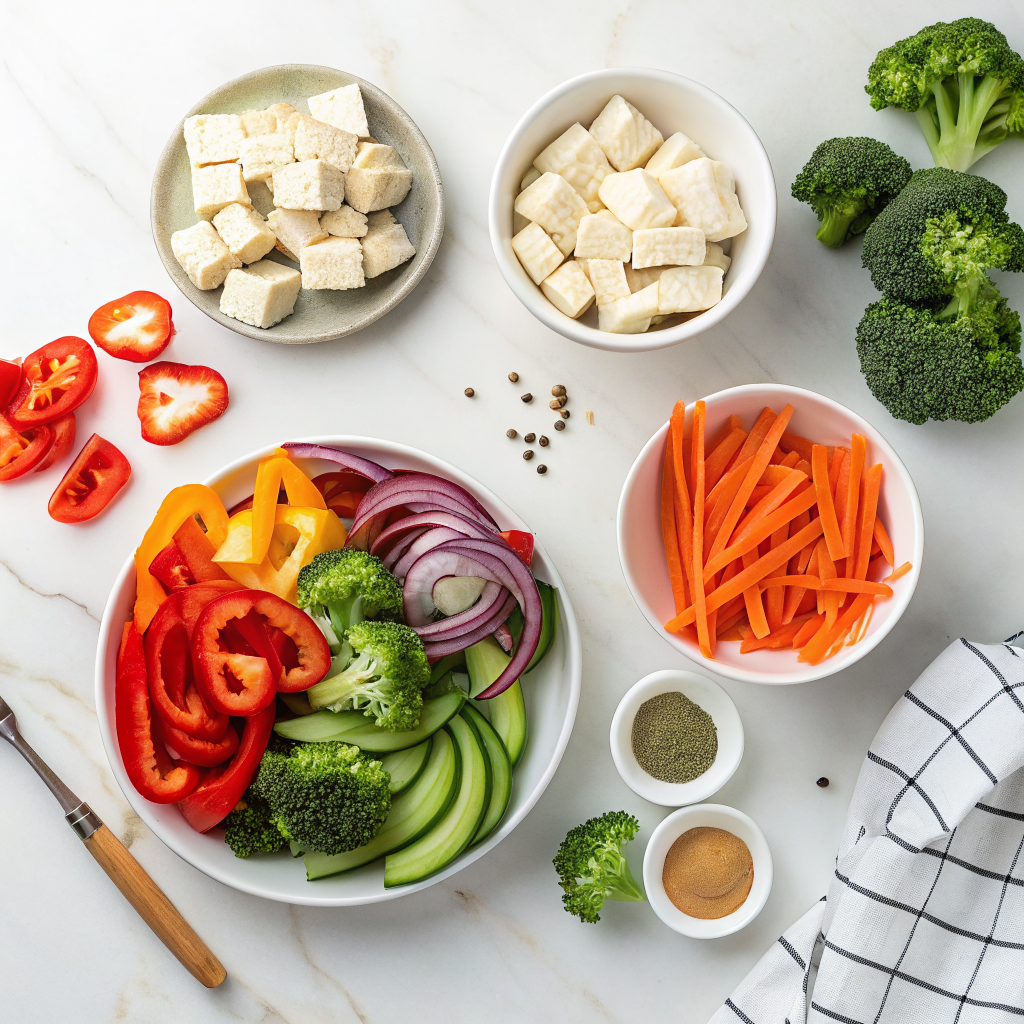
Vegetables
For the base, you’ll want approximately six cups of mixed vegetables cut into bite-sized pieces. Bell peppers in various colors add sweetness and crunch, while broccoli florets provide nutritional density and hearty texture. Carrots cut into thin matchsticks or coins cook quickly and add natural sweetness.
Snap peas or snow peas bring a delightful crispness that contrasts beautifully with softer vegetables. Mushrooms, particularly shiitake or button varieties, contribute an earthy, umami flavor that deepens the overall taste profile. Cabbage, either green or purple, adds volume and substance without adding much cost.
Onions and garlic form the aromatic foundation that flavors the entire dish. Fresh ginger adds a warming, spicy note that’s essential to authentic stir fry flavor. Green onions serve double duty as both a cooking ingredient and a fresh garnish.
Sauce Components
The sauce brings everything together with a perfect balance of flavors. Soy sauce provides the salty, umami backbone that makes stir fry so crave-worthy. Low-sodium versions work well if you’re watching salt intake, and tamari is an excellent gluten-free alternative.
A small amount of sweetener, whether honey, brown sugar, or maple syrup, balances the saltiness and helps create slight caramelization. Rice vinegar or lime juice adds brightness and acidity that cuts through the richness. Cornstarch mixed with water creates a glossy coating that clings to the vegetables beautifully.
Sesame oil is used sparingly as a finishing oil rather than a cooking oil due to its low smoke point and intense flavor. Just a teaspoon or two adds incredible depth and that distinctive restaurant-quality taste. Vegetable or peanut oil with high smoke points are best for the actual stir-frying process.
Optional Additions
While the recipe is complete as written, several optional ingredients can enhance the dish further. Red pepper flakes or sriracha sauce add heat for those who enjoy spicy food. Cashews or peanuts provide protein, healthy fats, and satisfying crunch.
Bean sprouts added at the very end maintain their crisp texture and fresh flavor. Water chestnuts offer a unique crunchy element that’s different from any vegetable. Baby corn is budget-friendly and adds visual interest along with mild, sweet flavor.
How to Make Budget Dinner Vegetable Stir Fry: Step-by-Step
Following these detailed steps ensures your stir fry turns out perfectly every time. The process moves quickly once you start cooking, so having everything prepared beforehand is crucial. Read through all the steps before beginning so you understand the flow of the recipe.
Preparation Phase
Begin by washing and thoroughly drying all your vegetables, as excess water can cause oil to splatter and prevents proper searing. Cut all vegetables into uniform, bite-sized pieces, keeping in mind that they’ll cook more evenly when similar in size. Place each vegetable type in separate bowls or arrange them on a large cutting board for easy access.
Mince four cloves of garlic and about one tablespoon of fresh ginger, keeping them together as they’ll be added simultaneously. Slice green onions, separating the white and light green parts from the dark green tops. The lighter parts will be cooked, while the dark green portions make an excellent fresh garnish.
In a small bowl, whisk together three tablespoons of soy sauce, one tablespoon of rice vinegar, one tablespoon of honey, and one tablespoon of cornstarch with a quarter cup of water. This sauce mixture should be smooth and well-combined, with no lumps of cornstarch remaining. Set it near your cooking area for easy access.
Cooking Process
Heat a large wok or skillet over high heat for at least two minutes until it’s smoking hot. Add two tablespoons of vegetable oil and swirl to coat the entire cooking surface. The oil should shimmer and move easily when the pan is tilted.
Add the hardest vegetables first—carrots and broccoli—and stir-fry for two to three minutes without moving them too much initially. Allowing them to sear creates flavorful browning and the characteristic “wok hei” or breath of the wok. Stir occasionally to prevent burning while encouraging caramelization.
Next, add bell peppers, mushrooms, and any medium-density vegetables, cooking for another two minutes while stirring frequently. The vegetables should be becoming crisp-tender, meaning they still have a slight bite but are no longer raw. If the pan seems dry, add a splash of water rather than more oil.
Push all the vegetables to the sides of the pan, creating a well in the center. Add the minced garlic, ginger, and white parts of the green onions to this space, allowing them to become fragrant for about 30 seconds. This technique, as explained by cooking experts at Serious Eats, prevents the aromatics from burning while still developing their flavors.
Add the softest vegetables like snap peas, cabbage, or spinach, and stir everything together thoroughly. Cook for one more minute, then give the sauce mixture a quick stir and pour it over the vegetables. Toss everything constantly as the sauce thickens and coats the vegetables, which should take about one minute.
Remove the pan from heat and drizzle with one teaspoon of sesame oil, tossing to distribute evenly. The residual heat will be sufficient to incorporate the sesame oil without cooking it, which preserves its delicate flavor. Taste and adjust seasoning with additional soy sauce or a pinch of salt if needed.
Final Touches
Transfer the stir fry to a serving platter or individual plates immediately to prevent overcooking from residual heat. Garnish generously with the reserved dark green onion tops, sesame seeds, and optional crushed peanuts or cashews. A squeeze of fresh lime juice just before serving adds brightness that really makes the flavors pop.
Serve immediately while the vegetables are at their peak texture and the dish is steaming hot. Stir fry is best enjoyed fresh, as the vegetables can release water and become soggy if left to sit too long. Pair with rice, noodles, or enjoy it on its own for a lighter meal.
Nutrition & Health Benefits
This vegetable-packed dish is a nutritional powerhouse that supports overall health and wellness. Each serving provides multiple servings of vegetables, helping you meet daily recommended intake goals. The variety of colors ensures you’re getting a wide spectrum of vitamins, minerals, and phytonutrients.
The high fiber content from the vegetables promotes digestive health and helps maintain stable blood sugar levels. Fiber also increases satiety, meaning you’ll feel fuller longer despite the relatively low calorie count. One serving typically contains only 150-200 calories without rice, making it excellent for weight management.
Broccoli and bell peppers are exceptional sources of vitamin C, which supports immune function and collagen production. Carrots provide beta-carotene, which the body converts to vitamin A for eye health and immune support. Mushrooms offer B vitamins and unique compounds that support cardiovascular health.
The minimal use of oil keeps the fat content reasonable while still providing enough for proper absorption of fat-soluble vitamins. According to Harvard Health Publishing, eating a variety of colorful vegetables reduces the risk of chronic diseases including heart disease, diabetes, and certain cancers.
The garlic and ginger used in the recipe offer anti-inflammatory properties and have been used medicinally for centuries. Garlic supports cardiovascular health and immune function, while ginger aids digestion and may help reduce nausea. These aromatics add more than just flavor—they contribute genuine health benefits.
For those monitoring sodium intake, you can reduce the soy sauce or use low-sodium versions without sacrificing too much flavor. The natural umami from mushrooms and the sweetness from vegetables means you need less salt overall. Adding a splash of citrus juice enhances flavors without adding sodium.
Variations & Substitutions
The adaptable nature of this recipe means you can customize it endlessly based on preferences, dietary needs, or what’s available. Experimenting with different vegetable combinations keeps the dish interesting and prevents meal fatigue. Don’t be afraid to get creative and try unexpected combinations.
Protein Additions
Transform this side dish into a complete meal by adding your favorite protein source. Cubed firm tofu, pressed and pan-fried until golden, provides plant-based protein and absorbs the sauce beautifully. Tempeh offers a nuttier flavor and firmer texture that some people prefer over tofu.
Edamame beans stirred in during the last few minutes add protein, fiber, and a pop of bright green color. Chickpeas, either canned and drained or cooked from dried, create a heartier, more substantial dish. For non-vegetarian versions, chicken, shrimp, or thinly sliced beef can be cooked first and set aside, then added back at the end.
Vegetable Swaps
Use whatever vegetables are in season, on sale, or already in your refrigerator to keep costs down. Zucchini and summer squash work wonderfully and cook quickly, making them ideal for stir-frying. Asparagus cut into two-inch pieces adds elegance and a slightly different flavor profile.
Bok choy or other Asian greens are traditional choices that wilt beautifully and have mild, pleasant flavor. Green beans, either regular or Chinese long beans, provide excellent crunch and hold up well to high heat. Cauliflower florets are a great low-carb option that takes on flavors wonderfully.
Frozen vegetable mixes can be used in a pinch, though they may release more water than fresh vegetables. If using frozen, make sure they’re completely thawed and patted dry before cooking. This prevents excess moisture that can make your stir fry watery rather than crisp.
Sauce Variations
Create different flavor profiles by adjusting the sauce components. A Thai-inspired version uses fish sauce or soy sauce, lime juice, brown sugar, and a touch of curry paste. Add coconut milk for a creamier, richer sauce that coats vegetables luxuriously.
For a spicier kick, incorporate chili garlic sauce, sriracha, or fresh sliced chilies into the sauce mixture. Black bean sauce creates a deeper, more complex flavor that’s popular in Cantonese cooking. Hoisin sauce adds sweetness and body for a more substantial, glaze-like coating.
A lighter, citrus-forward version can be made with orange juice, orange zest, and a splash of soy sauce. Teriyaki sauce, either homemade or store-bought, provides a sweet-savory alternative that’s particularly appealing to children. Experiment to find your family’s favorite combination.
Serving Suggestions
While this stir fry is delicious on its own, pairing it with complementary sides creates a complete, satisfying meal. The serving options range from traditional to creative, allowing you to match the dish to your preferences. Consider the overall balance of textures, flavors, and nutritional content when planning your meal.
Steamed white or brown rice is the classic accompaniment that soaks up the flavorful sauce beautifully. Fried rice transforms this into an even heartier meal, though it does add calories and preparation time. Cauliflower rice offers a low-carb alternative that’s become increasingly popular and widely available.
Noodles of any variety pair wonderfully with stir-fried vegetables. Rice noodles, lo mein, udon, or even spaghetti can serve as the base for a complete one-bowl meal. Toss the cooked noodles directly with the vegetables and sauce for a cohesive dish, similar to other satisfying dinner recipes that bring everything together.
For a lighter option, serve the stir fry over fresh salad greens, creating a warm salad that’s both comforting and refreshing. Quinoa or other whole grains like farro or barley add protein and fiber while providing an interesting textural contrast. These options work particularly well for meal prep as they hold up better than rice when refrigerated.
Spring rolls or lettuce wraps make excellent appetizers when serving this stir fry as part of a larger Asian-inspired meal. Miso soup or hot and sour soup provides warmth and additional vegetables. Steamed dumplings, whether store-bought or homemade, round out the meal beautifully.
Consider texture contrast by serving something crispy alongside the tender vegetables. Wonton strips, crispy noodles, or even tortilla chips provide that satisfying crunch. A side of pickled vegetables adds acidity and helps cleanse the palate between bites.
Common Mistakes to Avoid
Even simple recipes can go wrong if certain pitfalls aren’t avoided. Understanding these common mistakes helps you achieve perfect results every time. Most issues stem from improper preparation, incorrect heat management, or poor timing during the cooking process.
The most frequent mistake is overcrowding the pan, which causes vegetables to steam rather than sear. When too many ingredients are added at once, they release moisture that can’t evaporate quickly enough. This results in mushy, waterlogged vegetables instead of crisp-tender pieces with slight charring.
Using insufficient heat is another common problem that prevents proper caramelization and flavor development. Your pan should be smoking hot before you add the oil, and the oil should shimmer immediately. If you hear a vigorous sizzle when vegetables hit the pan, your temperature is correct.
Adding the sauce too early causes vegetables to boil in liquid rather than stir-fry. The sauce should only be added in the final minute or two of cooking, just long enough to thicken and coat. This timing ensures vegetables maintain their texture while still absorbing flavor.
Cutting vegetables into uneven sizes means some pieces will be overcooked while others remain raw. Take the extra time to cut everything uniformly, even if it feels tedious. This attention to detail makes a significant difference in the final result.
Stirring too frequently prevents the vegetables from developing that desirable sear and char. While the technique is called stir-fry, you should actually let vegetables sit undisturbed for 30-60 seconds between stirs. This allows contact with the hot pan to create flavorful browning.
Using the wrong type of oil can lead to smoking, off-flavors, or even fire hazards. Oils with low smoke points like extra virgin olive oil or butter aren’t suitable for high-heat cooking. Stick with vegetable, peanut, or avocado oil for the cooking process, saving sesame oil for finishing.
Neglecting to prep ingredients before starting to cook leads to chaos and burnt food. Once you begin stir-frying, there’s no time to stop and chop vegetables or mix sauce. Have absolutely everything ready and within arm’s reach before you turn on the heat.
Storage & Meal Prep Tips
Proper storage techniques ensure your stir fry remains delicious for several days, making it perfect for meal prep. While freshly made is always best, understanding how to store and reheat properly means you can enjoy this dish throughout the week. Planning ahead saves both time and money.
Allow the stir fry to cool completely before transferring to airtight containers, which prevents condensation that can make vegetables soggy. Divide into individual portion-sized containers for easy grab-and-go lunches. Properly stored in the refrigerator, the stir fry will keep for three to four days.
For meal prep, consider storing the cooked vegetables and rice or noodles separately. This prevents the grain from absorbing too much moisture and becoming mushy. You can also prep all the vegetables and sauce ahead of time, storing them separately, then cook fresh each night for minimal effort.
Freezing is possible but not ideal, as the vegetables’ texture will suffer significantly upon thawing. If you do freeze, use within one month and expect softer vegetables when reheated. Freezing works better if you plan to incorporate the stir fry into another dish like fried rice or soup.
Reheating should be done quickly over high heat to restore some of the original texture. A hot skillet or wok works better than the microwave, which tends to make vegetables rubbery. Add a splash of water or broth to refresh the sauce and prevent sticking.
For microwave reheating, use 50% power and heat in short intervals, stirring between each. This gentler approach prevents overcooking while still warming the food thoroughly. Cover the container loosely to trap some steam while allowing excess moisture to escape.
Prep vegetables on the weekend by washing, cutting, and storing them in containers with paper towels to absorb moisture. This makes weeknight cooking incredibly fast—just heat your pan and start cooking. Pre-cut vegetables typically stay fresh for three to five days when properly stored.
The sauce can be mixed in advance and stored in a jar in the refrigerator for up to two weeks. Give it a good shake before using, as the cornstarch may settle. Having pre-made sauce on hand makes throwing together a quick stir fry even easier when time is tight.
Final Thoughts on Budget Dinner Vegetable Stir Fry
This Budget Dinner Vegetable Stir Fry proves that eating well doesn’t require expensive ingredients or complicated techniques. The combination of fresh vegetables, savory sauce, and simple preparation creates a dish that satisfies both your taste buds and your budget. Once you master the basic technique, you’ll find yourself making this recipe regularly with endless variations.
The versatility of this dish means it never gets boring, as you can constantly adapt it to seasons, sales, and preferences. It’s equally appropriate for a quick weeknight dinner or as part of a larger meal when entertaining. The visual appeal and delicious flavors make it a crowd-pleaser that works for all ages.
Beyond the practical benefits, there’s something deeply satisfying about creating restaurant-quality food at home. The sizzle of vegetables hitting a hot pan, the aromatic steam of garlic and ginger, and the vibrant colors coming together create a cooking experience that’s enjoyable in itself. This Budget Dinner Vegetable Stir Fry transforms everyday ingredients into something special.
Don’t be intimidated by the high heat or quick cooking time—with a little practice, you’ll develop confidence and skill. Start with this basic recipe, then branch out to create your own signature versions. Keep notes on what combinations you enjoyed most so you can recreate your favorites.
The health benefits, cost savings, and sheer deliciousness make this recipe a valuable addition to your cooking repertoire. Whether you’re cooking for one or feeding a family, this stir fry adapts to your needs. Embrace the flexibility and make it your own.
Frequently Asked Questions
Can I make Budget Dinner Vegetable Stir Fry ahead of time?
Yes, you can prep all ingredients ahead of time, storing cut vegetables and mixed sauce separately in the refrigerator. The actual cooking should be done just before serving for best texture, but having everything prepped makes the process very quick. Fully cooked stir fry can be stored for 3-4 days and reheated, though the texture won’t be quite as crisp as freshly made.

HomeCook Legacy Kitchen is the editorial name of homecooklegacy.com. Recipes on this site are drafted with the help of AI tools and published by the HomeCook Legacy team. Please check ingredients, cooking times and food-safety guidance for your own situation.