
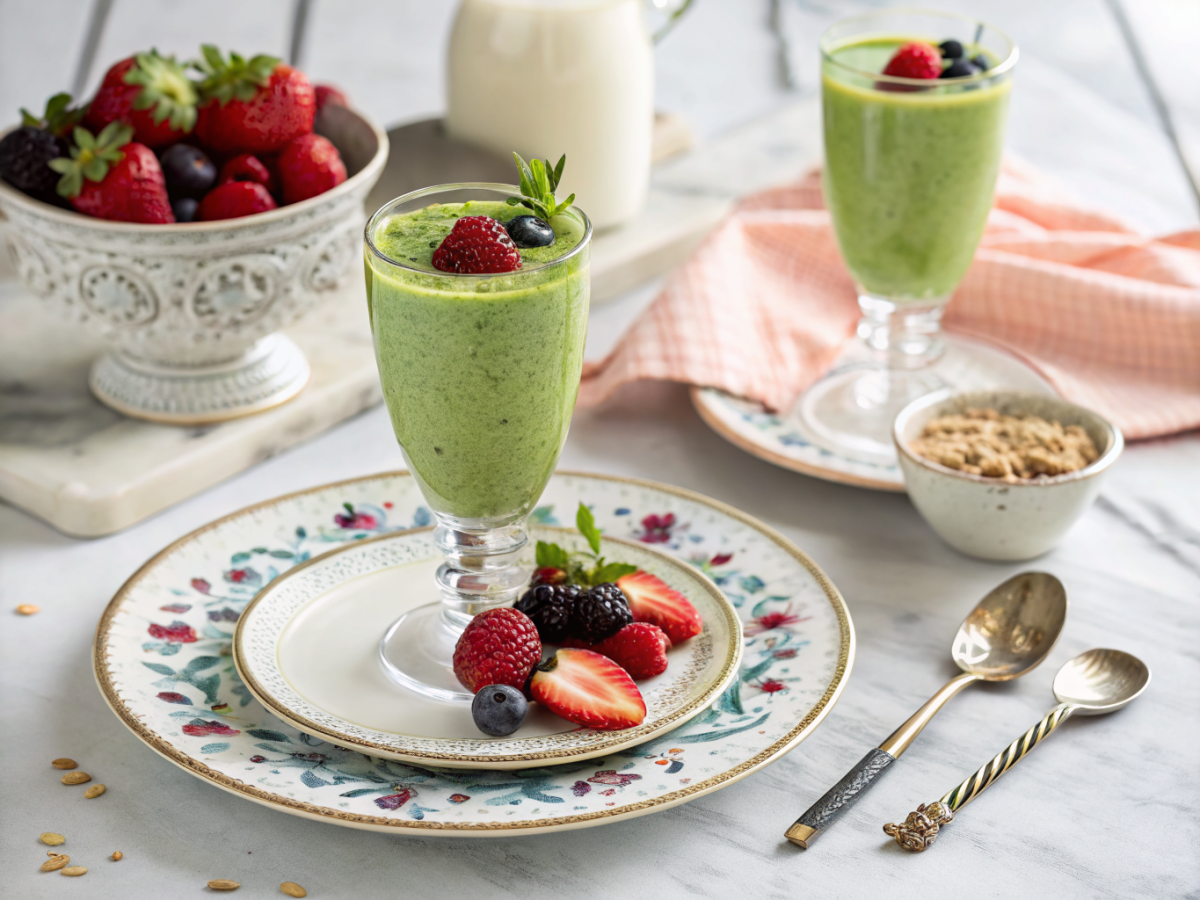
Best Gut Health Smoothie For Digestion
Ingredients
Method
- Gather all ingredients and measure them out. If using fresh banana, peel and break into chunks. Grate the fresh ginger.
- Pour the kefir or Greek yogurt and coconut water into your blender. Adding liquids first helps the blender run smoothly.
- Add the frozen pineapple, banana, spinach, ground flaxseed, grated ginger, and honey to the blender.
- Blend on high speed for 45-60 seconds until completely smooth and creamy. Stop and scrape down sides if needed.
- If the smoothie is too thick, add more coconut water or almond milk, one tablespoon at a time, and blend again until desired consistency is reached.
- Pour into glasses and serve immediately for best taste and maximum nutritional benefits. Enjoy cold.
Nutrition
Notes
Tried this recipe?
Let us know how it was!Gut Health Smoothie: 5 Easy Tips for Best Results
Creating the perfect gut-friendly smoothie isn’t just about throwing ingredients into a blender. The order you add ingredients, the temperature of your liquids, and even how long you blend can affect the texture and nutrient availability. These five tips will help you maximize both flavor and digestive benefits every single time.
First, always add your liquid base before any solid ingredients to prevent your blender from jamming. Second, use room temperature or slightly cool ingredients rather than frozen everything, which can be harder on sensitive digestive systems. Third, blend on low speed first to break down fibrous ingredients, then increase to high for that silky texture.
Fourth, don’t over-blend your smoothie, as excessive blending can break down beneficial fibers and create too much air, leading to bloating. Finally, drink your smoothie slowly rather than gulping it down. Digestion begins in the mouth, and taking time to “chew” your smoothie allows enzymes in your saliva to start the digestive process properly.
Why You’ll Love This Gut Health Smoothie
This smoothie stands out because it balances taste with therapeutic benefits without feeling like a chore to drink. Unlike many gut health recipes that taste medicinal or grassy, this blend features naturally sweet fruits that complement the probiotic-rich ingredients. You won’t need to hold your nose to get through it.
The texture is incredibly smooth and creamy, thanks to the combination of banana and healthy fats. It’s filling enough to replace a meal or substantial enough for a hearty snack. Within just a few days of regular consumption, many people notice reduced bloating and more regular digestion.
Another major advantage is the flexibility of this recipe. You can prep ingredients ahead of time, adjust sweetness to your preference, and customize it based on what your gut needs most. Whether you’re dealing with occasional digestive discomfort or maintaining long-term gut health, this smoothie adapts to your needs while tasting absolutely delicious.
The ingredient list is straightforward with items you can find at any grocery store. You don’t need expensive superfoods or hard-to-find supplements. Everything works together synergistically to feed beneficial gut bacteria, reduce inflammation, and support your digestive tract’s natural healing processes.
Core Ingredients for Gut Health Smoothie

The foundation of this smoothie starts with kefir or plain yogurt, which provides billions of beneficial probiotics. These live cultures help balance your gut microbiome and support healthy digestion. Choose unsweetened varieties to avoid added sugars that can feed harmful bacteria.
Banana serves multiple purposes in this recipe. It provides natural sweetness, creates a creamy texture, and contains prebiotic fiber that feeds your good gut bacteria. Slightly ripe bananas work best, as they’re easier to digest and blend more smoothly than very green ones.
Frozen blueberries add antioxidants and a beautiful color while keeping your smoothie cold. Blueberries contain polyphenols that support gut lining health and reduce inflammation. The frozen version is more budget-friendly and available year-round without sacrificing nutritional value.
Spinach or kale boosts the nutrient density without overwhelming the flavor. These leafy greens provide fiber, vitamins, and minerals that support overall digestive health. Start with spinach if you’re new to green smoothies, as it has a milder taste than kale.
Ground flaxseed contributes omega-3 fatty acids and soluble fiber that helps regulate bowel movements. It also creates a slightly thicker texture and adds a subtle nutty flavor. Always use ground flaxseed rather than whole seeds, as your body can’t break down the whole seeds to access the nutrients inside.
Fresh ginger is a powerful anti-inflammatory ingredient that can ease nausea and support digestive motility. Just a small piece goes a long way in flavor and therapeutic benefit. Ginger has been used for centuries to calm upset stomachs and improve overall gut function.
Honey or maple syrup adds just enough sweetness to balance the tangy kefir and earthy greens. Use sparingly, as too much added sugar can counteract the gut health benefits. Raw honey also contains beneficial enzymes and prebiotics that support digestive wellness.
Optional additions include chia seeds for extra fiber and omega-3s, collagen powder to support gut lining repair, or coconut oil for antimicrobial properties. You might also consider adding a scoop of protein powder for additional nutrition if you’re using this as a meal replacement.
How to Make Gut Health Smoothie: Step-by-Step
Step 1: Prepare Your Ingredients
Gather all your ingredients and measure them out before you start blending. Pour 1 cup of kefir or plain yogurt into your blender first as your liquid base. This prevents ingredients from sticking to the bottom and ensures even blending from the start.
Step 2: Add Your Greens
Add a large handful (about 1 cup) of fresh spinach or kale to the blender. Adding greens early allows them to break down completely before you add other ingredients. This step is crucial for achieving a smooth texture without leafy chunks.
Step 3: Include Fruits and Flavor Boosters
Add one medium ripe banana (broken into chunks), 1/2 cup of frozen blueberries, and a 1-inch piece of fresh ginger (peeled). The combination of fresh and frozen ingredients creates the perfect temperature and consistency. The ginger should be peeled and roughly chopped to blend more easily.
Step 4: Add Fiber and Healthy Fats
Sprinkle in 1 tablespoon of ground flaxseed and add your sweetener if using (1-2 teaspoons of honey or maple syrup). These ingredients boost the nutritional profile while improving the mouthfeel. If you’re adding optional ingredients like chia seeds or collagen, include them now.
Step 5: Blend to Perfection
Start blending on low speed for about 10 seconds to break down the larger pieces. Then increase to high speed and blend for 30-45 seconds until completely smooth and creamy. Stop and scrape down the sides if needed, then blend for another 10 seconds.
Step 6: Adjust Consistency
Check the thickness of your smoothie. If it’s too thick, add a splash of water, coconut water, or additional kefir and blend briefly. If it’s too thin, add a few ice cubes or a bit more frozen fruit and blend again until you reach your desired consistency.
Step 7: Taste and Serve
Give your smoothie a quick taste test. Adjust sweetness if needed by adding a touch more honey. Pour into a glass immediately and enjoy while fresh for maximum probiotic benefits and the best flavor experience.
Nutrition & Health Benefits
This smoothie delivers an impressive nutritional profile with approximately 250-300 calories per serving, depending on your specific ingredient choices. It provides a balanced combination of carbohydrates, protein, and healthy fats that keep you satisfied for hours. The macronutrient balance makes it ideal for breakfast or a substantial snack.
The probiotic content from kefir or yogurt is perhaps the most significant benefit for gut health. These beneficial bacteria help maintain a balanced microbiome, which influences everything from digestion to immune function. Regular consumption of probiotics has been linked to reduced bloating, improved regularity, and better nutrient absorption.
Fiber content from the banana, flaxseed, and greens supports healthy bowel movements and feeds beneficial gut bacteria. This smoothie typically contains 6-8 grams of fiber, contributing significantly to the recommended daily intake of 25-35 grams. Both soluble and insoluble fiber work together to keep your digestive system running smoothly.
The anti-inflammatory compounds from blueberries and ginger help reduce gut inflammation, which is often at the root of digestive discomfort. Chronic inflammation in the digestive tract can lead to various issues, and these ingredients provide natural relief. Antioxidants from the berries also protect gut cells from oxidative damage.
Omega-3 fatty acids from flaxseed support the gut lining’s integrity and reduce inflammation throughout the body. These essential fats are crucial for maintaining the protective barrier of your intestinal wall. A healthy gut lining prevents “leaky gut” and improves overall digestive function.
The smoothie also provides significant amounts of vitamins and minerals including vitamin C, vitamin K, folate, potassium, and magnesium. These micronutrients support various aspects of digestive health, from enzyme production to muscle contractions that move food through your system. The nutrient density makes this smoothie a true functional food.
Variations & Substitutions
For a dairy-free version, replace kefir with coconut yogurt or a probiotic-rich coconut kefir. You can also use almond milk yogurt or cashew yogurt with added probiotic powder. These alternatives still provide beneficial bacteria while accommodating lactose intolerance or vegan preferences.
If you’re following a low-FODMAP diet for IBS or other digestive conditions, substitute the banana with 1/2 cup of cantaloupe or strawberries. Replace honey with maple syrup and use lactose-free yogurt. Keep the portion size moderate and introduce slowly to assess your tolerance.
For a tropical variation, swap blueberries for frozen mango or pineapple, which contain digestive enzymes. Add a tablespoon of coconut flakes for extra flavor and healthy fats. This version tastes like a vacation while still delivering gut health benefits.
Create a chocolate version by adding 1 tablespoon of cacao powder and using chocolate protein powder. The cacao provides additional antioxidants and magnesium. This variation satisfies sweet cravings while supporting digestive wellness, making it perfect for those transitioning from less healthy dessert smoothies.
For extra protein content, add a scoop of your favorite protein powder, 2 tablespoons of almond butter, or 1/4 cup of silken tofu. These additions make the smoothie more substantial as a meal replacement. The healthy fats and protein also slow digestion, providing sustained energy throughout your morning.
If you need a lower-sugar option, use half a banana instead of a whole one and increase the spinach. Add a few drops of stevia or monk fruit sweetener if needed. You can also include half an avocado for creaminess without the fruit sugars.
Serving Suggestions
This smoothie works beautifully as a complete breakfast when paired with a small handful of nuts or a piece of whole-grain toast. The combination provides additional fiber and makes the meal more satisfying. Consider enjoying it alongside other detox-friendly beverages throughout your day for comprehensive digestive support.
For a more substantial meal, pour your smoothie into a bowl and top with sliced fresh fruit, granola, coconut flakes, and a drizzle of nut butter. This “smoothie bowl” approach adds texture and makes the experience feel more like eating a meal. The toppings also contribute additional fiber and nutrients.
Serve it as a mid-morning or afternoon snack to bridge the gap between meals without feeling too heavy. The combination of protein, fiber, and healthy fats prevents blood sugar crashes and keeps hunger at bay. It’s particularly helpful on busy days when you need quick, nourishing fuel.
Consider making this smoothie part of your post-workout routine. The protein supports muscle recovery while the carbohydrates replenish glycogen stores. The anti-inflammatory ingredients help reduce exercise-induced inflammation, and the probiotics support immune function that can be compromised by intense training.
This smoothie also works as a gentle first meal when you’re recovering from digestive upset or illness. The easy-to-digest ingredients provide nutrition without taxing your system. The probiotics help restore balance after antibiotics or stomach bugs.
Common Mistakes to Avoid
One of the biggest mistakes is using too much fruit, which can lead to blood sugar spikes and actually feed harmful gut bacteria. While fruit provides beneficial fiber and antioxidants, excessive amounts introduce too much sugar. Stick to the recommended portions and balance fruit with plenty of greens and healthy fats.
Over-blending your smoothie can incorporate too much air, leading to bloating and digestive discomfort. It can also generate heat that destroys some of the beneficial probiotics and enzymes. Blend just until smooth and no longer, typically 45-60 seconds total.
Many people make the mistake of drinking their smoothie too quickly. Gulping down a thick smoothie doesn’t give your digestive system time to prepare. Sip slowly and even “chew” your smoothie to mix it with saliva, which contains digestive enzymes that begin breaking down carbohydrates.
Using low-quality or sweetened yogurt undermines the gut health benefits of this smoothie. Flavored yogurts often contain added sugars, artificial sweeteners, and fewer live cultures. Always choose plain, unsweetened varieties with “live and active cultures” clearly labeled on the package.
Another common error is not rotating your ingredients regularly. While this base recipe is excellent, eating exactly the same foods every day can limit the diversity of your gut microbiome. Vary your greens, switch between different berries, and occasionally try different probiotic sources to support a more diverse bacterial population.
Adding ice directly can dilute the flavor and make the smoothie too cold for optimal digestion. Very cold foods can slow digestion and be uncomfortable for sensitive stomachs. Use frozen fruit instead of ice to maintain flavor intensity while achieving the perfect temperature.
Finally, don’t make the mistake of expecting overnight results. Gut health improvements take time and consistency. While some people notice reduced bloating within days, more significant changes to your microbiome can take several weeks of regular consumption combined with an overall healthy diet.
Storage & Meal Prep Tips
This Gut Health Smoothie is best consumed immediately after blending for maximum probiotic benefit and optimal texture. However, you can store it in an airtight container in the refrigerator for up to 24 hours if needed. Give it a good shake or stir before drinking, as separation is natural.
For efficient meal prep, create smoothie packs by portioning all the ingredients except the liquid into freezer bags or containers. Include the banana chunks, frozen berries, greens, and measured flaxseed. When ready to blend, simply dump the contents into your blender with fresh kefir and blend.
These freezer packs can be stored for up to three months, making it easy to enjoy this smoothie even on your busiest mornings. Label each pack with the date and any specific notes about ingredients. This method saves significant time while ensuring you always have gut-healthy options available.
If you’ve already blended your smoothie but can’t finish it, freeze the leftovers in ice cube trays or popsicle molds. These frozen smoothie cubes make excellent additions to future smoothies or can be enjoyed as a healthy frozen treat. They’re particularly refreshing on hot days while still delivering digestive benefits.
For the freshest ingredients, wash and portion your greens as soon as you bring them home from the store. Store them in airtight containers with a paper towel to absorb excess moisture. This prevents wilting and makes morning smoothie preparation even faster.
Keep your ground flaxseed in the refrigerator or freezer after opening to prevent the oils from going rancid. Whole flaxseeds are more shelf-stable but must be ground before use. Consider grinding a week’s worth at a time and storing it in the fridge for convenience without sacrificing freshness.
Fresh ginger can be peeled, chopped, and frozen in small portions for easy use. You can also freeze ginger whole and grate it directly into your blender while still frozen. This method actually makes ginger easier to grate and ensures you always have this beneficial ingredient on hand.
Final Thoughts on Gut Health Smoothie
Incorporating this Gut Health Smoothie into your regular routine is one of the simplest and most delicious ways to support your digestive system. The combination of probiotics, fiber, anti-inflammatory ingredients, and essential nutrients works synergistically to improve gut function. With consistent consumption, many people experience noticeable improvements in digestion, energy levels, and overall well-being.
The beauty of this recipe lies in its flexibility and accessibility. You don’t need expensive supplements or hard-to-find ingredients to support your gut health. Everything you need is available at your local grocery store, and the recipe adapts easily to dietary preferences and restrictions.
Remember that gut health is about more than just one smoothie. This recipe works best as part of an overall approach that includes eating diverse whole foods, managing stress, getting adequate sleep, and staying hydrated. Think of it as a powerful tool in your wellness toolkit rather than a magic solution.
The investment of just a few minutes each morning to blend this smoothie pays dividends in how you feel throughout the day. Better digestion means better nutrient absorption, more stable energy, improved mood, and stronger immunity. These benefits extend far beyond just your gut to impact your entire body and quality of life.
Don’t be discouraged if you don’t love the taste immediately or if you don’t see instant results. Give your taste buds time to adjust and your gut microbiome time to respond. Most people find that they actually crave this smoothie after drinking it regularly for a week or two, and the digestive benefits become increasingly apparent over time.
Frequently Asked Questions
Can I drink a Gut Health Smoothie every day?
Yes, drinking this smoothie daily is not only safe but beneficial for most people. The probiotics, fiber, and nutrients support ongoing digestive health when consumed regularly. However, if you’re new to high-fiber foods or probiotics, start with a few times per week and gradually increase to daily consumption to allow your digestive system to adjust without discomfort.
When is the best time to drink a gut health smoothie?
The best time is typically in the morning on an empty stomach, which allows the probiotics and nutrients to be absorbed efficiently. However, you can also enjoy your Gut Health Smoothie as a mid-morning snack, post-workout recovery drink, or even as a light dinner. Listen to your body and choose the timing that makes you feel best and fits your schedule consistently.
Will this smoothie help with bloating and constipation?
Yes, the combination of probiotics from kefir, soluble fiber from flaxseed and banana, and anti-inflammatory ginger specifically targets these common digestive issues. Most people notice reduced bloating within a few days of regular consumption. For constipation, the fiber helps promote regular bowel movements, though you should also ensure you’re drinking plenty of water throughout the day to support the fiber’s effectiveness.
Can I add protein powder to my Gut Health Smoothie?
Absolutely! Adding protein powder makes this smoothie more filling and suitable as a complete meal replacement. Choose a high-quality protein powder that agrees with your digestive system—many people with sensitive guts do best with plant-based options like pea protein or hemp protein. Whey protein isolate is another good option if you tolerate dairy well, and it provides additional amino acids that support gut lining repair.

passionate about high-protein, easy meal-prep recipes for busy lifestyles.
