
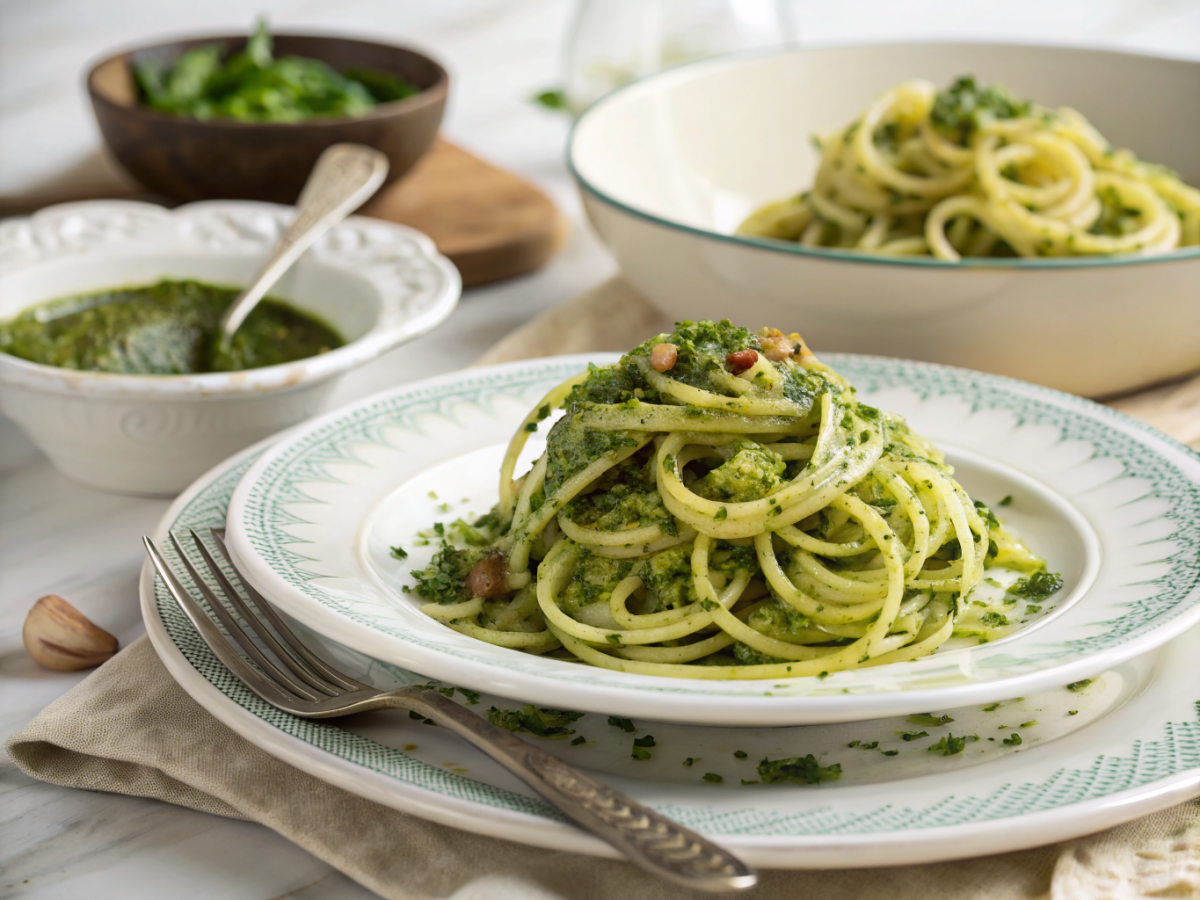
SIBO Zucchini Noodles With Pesto Recipe: 5 Easy Tips for the Best Results

Sibo zucchini noodles with pesto everyone will ask you to make again

SIBO Zucchini Noodles With Pesto Everyone Will Ask You To Make Again
Light and flavorful SIBO-friendly zucchini noodles tossed in a fresh basil pesto that's easy on digestion.
Prep Time 15 minutes
Cook Time 5 minutes
Total Time 20 minutes
Servings: 4 servings
Course: Dinner Recipes
Cuisine: American
Calories: 285

Ingredients
  

  • 4 medium zucchini spiralized into noodles
  • 2 cups fresh basil leaves packed
  • 1/3 cup pine nuts toasted
  • 1/2 cup extra virgin olive oil
  • 1/3 cup Parmesan cheese grated, lactose-free if needed
  • 2 cloves garlic-infused olive oil or 2 tablespoons
  • 1/2 teaspoon sea salt
  • 1/4 teaspoon black pepper freshly ground
  • 1 tablespoon lemon juice fresh

Method
 

  1. Use a spiralizer to create zucchini noodles from the zucchini. Pat the noodles dry with paper towels to remove excess moisture.
  2. In a dry skillet over medium heat, toast the pine nuts for 2-3 minutes until lightly golden and fragrant, stirring frequently to prevent burning. Set aside to cool.
  3. In a food processor, combine basil leaves, toasted pine nuts, Parmesan cheese, garlic-infused olive oil, lemon juice, salt, and pepper. Pulse until coarsely chopped, then slowly drizzle in the olive oil while processing until smooth and creamy.
  4. Heat a large skillet over medium heat. Add the zucchini noodles and saute for 2-3 minutes until just tender but still slightly crisp. Do not overcook or they will become watery.
  5. Remove the skillet from heat. Add the pesto to the warm zucchini noodles and toss gently until the noodles are evenly coated with the pesto sauce.
  6. Taste and adjust seasoning with additional salt, pepper, or lemon juice if needed.
  7. Transfer to serving plates and garnish with extra Parmesan cheese and a few fresh basil leaves if desired. Serve immediately while warm.

Nutrition

Calories: 285kcalCarbohydrates: 12gProtein: 7gFat: 24gSodium: 320mgFiber: 3g

Notes

For SIBO compliance, use garlic-infused olive oil instead of fresh garlic to avoid FODMAPs. Pat zucchini noodles very dry before cooking to prevent a watery dish. Leftover pesto can be stored in an airtight container with a thin layer of olive oil on top for up to 5 days in the refrigerator.

Tried this recipe?

Let us know how it was!
nnThis SIBO Zucchini Noodles With Pesto recipe transforms simple ingredients into a gut-friendly masterpiece that satisfies both your taste buds and digestive system. Perfect for anyone following a low FODMAP diet or managing SIBO symptoms, this dish delivers fresh flavors without triggering uncomfortable reactions. You’ll discover how easy it is to create restaurant-quality zucchini noodles topped with aromatic basil pesto that keeps your gut happy.

SIBO Zucchini Noodles With Pesto: 5 Easy Steps for Perfect Results

Creating the perfect SIBO-friendly zucchini noodle dish requires understanding both technique and ingredient selection. This recipe eliminates high FODMAP ingredients like garlic while maintaining the classic pesto flavor profile everyone loves. The result is a light yet satisfying meal that won’t leave you feeling bloated or uncomfortable hours later.

The beauty of this dish lies in its simplicity and versatility. Fresh zucchini spiralized into delicate noodles provides the perfect vehicle for nutrient-dense pesto made with fresh basil, pine nuts, and quality olive oil. Each component works harmoniously to create a meal that supports digestive health while delivering exceptional taste.

Whether you’re new to SIBO dietary protocols or a seasoned veteran of gut-healing recipes, this dish will quickly become your go-to weeknight dinner. The preparation takes minimal time, and the ingredients are readily available at most grocery stores. Best of all, this recipe is so delicious that even those without dietary restrictions will request it repeatedly.

Why You’ll Love This SIBO Zucchini Noodles With Pesto

This recipe checks every box for those seeking both health and flavor in their meals. The low FODMAP ingredients ensure you can enjoy Italian-inspired cuisine without the digestive consequences that typically follow. Unlike traditional pasta dishes loaded with wheat and garlic, this version respects your gut while still delivering satisfying textures and bold flavors.

The nutritional profile of this dish is impressive, offering vitamins, minerals, and healthy fats without excessive calories or carbohydrates. Zucchini noodles provide vitamin C, potassium, and fiber that supports overall digestive function. The pesto contributes heart-healthy monounsaturated fats from olive oil and pine nuts, along with anti-inflammatory compounds from fresh basil.

Preparation is remarkably quick, making this ideal for busy weeknights when you need something nutritious on the table fast. From start to finish, you can have this meal ready in under 25 minutes. The recipe also scales beautifully, whether you’re cooking for one or preparing a family dinner recipe for a crowd.

The visual appeal of this dish cannot be overstated. Vibrant green pesto coating delicate spiralized zucchini creates an Instagram-worthy presentation that impresses guests. The fresh herbs and optional garnishes add pops of color that make this meal as beautiful as it is delicious.

Core Ingredients for SIBO Zucchini Noodles With Pesto

Sibo zucchini noodles with pesto ingredients

The ingredient list for this recipe is refreshingly short, focusing on quality over quantity. Each component serves a specific purpose in creating the perfect balance of flavors and textures. Selecting the freshest ingredients possible will elevate your final dish significantly.

For the Zucchini Noodles:

  • 4 medium zucchini (about 6-7 inches long each)
  • 1 tablespoon extra virgin olive oil
  • 1/4 teaspoon sea salt
  • 1/8 teaspoon black pepper

For the SIBO-Friendly Pesto:

  • 2 cups fresh basil leaves, packed
  • 1/3 cup pine nuts (or substitute with macadamia nuts)
  • 1/2 cup extra virgin olive oil
  • 1/3 cup Parmesan cheese, grated (or nutritional yeast for dairy-free)
  • 2 tablespoons garlic-infused olive oil (garlic flavor without FODMAPs)
  • 1/2 teaspoon sea salt
  • 1/4 teaspoon black pepper
  • 2 tablespoons fresh lemon juice

Optional Garnishes:

  • Cherry tomatoes, halved (limit to 5 per serving for low FODMAP)
  • Fresh basil leaves
  • Additional grated Parmesan cheese
  • Toasted pine nuts
  • Red pepper flakes (if tolerated)

The key to SIBO-friendly pesto is using garlic-infused oil instead of raw garlic cloves. This technique extracts the flavor compounds without the problematic FODMAPs that trigger digestive symptoms. You can purchase pre-made garlic-infused oil or easily make your own at home by gently heating olive oil with whole garlic cloves, then removing the solids.

Zucchini selection matters significantly for the best noodle texture. Choose medium-sized zucchini that feel firm and heavy for their size. Oversized zucchini tend to be watery and seedy, which creates mushy noodles that don’t hold up well to the pesto sauce.

How to Make SIBO Zucchini Noodles With Pesto: Step-by-Step

Follow these detailed instructions to create perfectly textured zucchini noodles with vibrant, flavorful pesto. Each step builds upon the previous one to ensure optimal results. Taking your time with preparation will reward you with a restaurant-quality dish.

Step 1: Prepare the Zucchini Noodles

Wash the zucchini thoroughly under cold running water and pat them completely dry with paper towels. Trim off both ends of each zucchini, creating flat surfaces for stable spiralizing. Using a spiralizer, create long noodle strands using the medium blade setting for the best texture.

Place the spiralized zucchini noodles in a colander and sprinkle with 1/4 teaspoon of sea salt. Toss gently and let them sit for 10-15 minutes to release excess moisture. This crucial step prevents watery, soggy noodles that dilute your pesto sauce.

After the resting period, gently press the noodles with paper towels to absorb the released liquid. Don’t rinse the noodles, as the salt adds essential seasoning. Set the prepared noodles aside while you make the pesto.

Step 2: Create the SIBO-Friendly Pesto

Add the pine nuts to a dry skillet over medium heat and toast for 3-4 minutes, stirring frequently until golden and fragrant. Watch carefully as they can burn quickly. Remove from heat and let cool for 5 minutes before proceeding.

In a food processor, combine the fresh basil leaves, toasted pine nuts, grated Parmesan cheese, and sea salt. Pulse 10-12 times until the ingredients are roughly chopped and beginning to combine. Scrape down the sides of the bowl with a spatula.

With the food processor running, slowly drizzle in the olive oil and garlic-infused oil through the feed tube. Process until the pesto reaches your desired consistency, about 30-45 seconds. Add the lemon juice and black pepper, then pulse 3-4 more times to incorporate.

Taste the pesto and adjust seasonings as needed. The flavor should be bright, herbaceous, and slightly salty with a pleasant richness from the olive oil. If the pesto seems too thick, add additional olive oil one tablespoon at a time.

Step 3: Cook the Zucchini Noodles

Heat 1 tablespoon of olive oil in a large skillet over medium-high heat until shimmering but not smoking. Add the prepared zucchini noodles to the pan in an even layer. Cook for 2-3 minutes without stirring to allow slight caramelization on one side.

Toss the noodles gently with tongs and continue cooking for another 1-2 minutes until just tender but still with a slight bite. Overcooking will result in mushy noodles that lose their appealing texture. The total cooking time should not exceed 5 minutes.

Season the cooked noodles with a pinch of black pepper. Remove the skillet from heat immediately to prevent carryover cooking. The noodles should be al dente, similar to properly cooked pasta.

Step 4: Combine Noodles and Pesto

Add approximately 3/4 cup of the prepared pesto to the skillet with the warm zucchini noodles. Using tongs, toss the noodles gently but thoroughly to coat every strand with the vibrant green sauce. The residual heat will warm the pesto and help it adhere to the noodles.

Work quickly during this step to ensure the pesto distributes evenly before the noodles cool. If the mixture seems dry, add additional pesto one tablespoon at a time. Reserve any leftover pesto in an airtight container for future use.

The finished dish should have noodles that are well-coated but not drowning in sauce. Each forkful should deliver the perfect balance of zucchini and pesto flavors. For those following a quick and easy meal plan, this combination delivers maximum flavor with minimal effort.

Step 5: Plate and Garnish

Transfer the pesto-coated zucchini noodles to serving plates using tongs, twirling them into neat nests for an elegant presentation. This technique creates height and visual interest on the plate. Work gently to maintain the integrity of the delicate noodles.

Add your chosen garnishes strategically for both flavor and visual appeal. If using cherry tomatoes, place them around the noodle nest rather than on top. Sprinkle with additional Parmesan cheese and toasted pine nuts for extra richness and texture.

Finish with a few fresh basil leaves placed on top and a light drizzle of high-quality olive oil if desired. Serve immediately while the noodles are still warm for the best eating experience. The contrast between warm noodles and cool garnishes creates an appealing temperature variation.

Nutrition & Health Benefits

This SIBO Zucchini Noodles With Pesto delivers impressive nutritional value while remaining gentle on sensitive digestive systems. Each serving provides approximately 280-320 calories, depending on the amount of pesto used. The macronutrient breakdown includes about 24g of healthy fats, 12g of carbohydrates, and 8g of protein.

Zucchini serves as an excellent source of vitamin C, providing nearly 35% of your daily value per serving. This antioxidant vitamin supports immune function and collagen production for healthy skin. The vegetable also contains significant amounts of vitamin B6, which plays crucial roles in metabolism and brain health.

The potassium content in zucchini helps regulate blood pressure and supports proper muscle function. With approximately 500mg per serving, this dish contributes meaningfully to the recommended daily intake of 2,600-3,400mg. Potassium also helps counterbalance sodium intake, promoting cardiovascular health.

Basil pesto contributes powerful anti-inflammatory compounds, particularly from the fresh basil leaves. According to research on herbal anti-inflammatory properties, basil contains essential oils with therapeutic benefits. These compounds may help reduce inflammation throughout the digestive tract, supporting gut healing for those with SIBO.

The healthy fats from olive oil and pine nuts provide essential fatty acids that support nutrient absorption and hormone production. Monounsaturated fats in olive oil have been linked to reduced inflammation and improved heart health. These fats also help you feel satisfied and full after eating, preventing overeating.

For those managing SIBO, the low FODMAP nature of this recipe is its greatest health benefit. By eliminating high FODMAP ingredients like garlic cloves, onions, and wheat pasta, this dish won’t trigger the bacterial overgrowth that causes uncomfortable symptoms. The careful ingredient selection allows you to enjoy flavorful food while supporting your healing journey.

The fiber content from zucchini supports healthy digestion and regular bowel movements without being excessive. With approximately 3-4g of fiber per serving, this dish provides gentle digestive support. The fiber also feeds beneficial gut bacteria, promoting a healthier microbiome balance over time.

Variations & Substitutions

This versatile recipe adapts easily to accommodate various dietary needs and preferences. The basic formula remains the same while individual components can be modified. These variations ensure everyone can enjoy this dish regardless of their specific dietary restrictions.

Protein Additions

Transform this side dish into a complete meal by adding SIBO-friendly protein sources. Grilled chicken breast, sliced thin and placed atop the noodles, provides lean protein without adding FODMAPs. Alternatively, pan-seared shrimp cooked with garlic-infused oil complements the pesto beautifully.

For vegetarians, firm tofu pressed and pan-fried until golden creates a satisfying protein boost. Tempeh, if tolerated, offers a nutty flavor that pairs well with basil pesto. Hard-boiled eggs, sliced and arranged on top, provide another excellent protein option that’s quick and convenient.

Those following high-protein recipes can incorporate grilled salmon for omega-3 fatty acids alongside quality protein. The richness of salmon complements the fresh, herbaceous pesto perfectly. Cook the salmon separately and flake it over the finished noodles.

Dairy-Free Modifications

Replace Parmesan cheese with nutritional yeast for a dairy-free pesto that still delivers umami depth. Use a 1:1 ratio, measuring 1/3 cup of nutritional yeast in place of the cheese. The flavor profile shifts slightly but remains delicious and satisfying.

Some people find that aged hard cheeses like Parmesan are better tolerated than soft cheeses due to lower lactose content. If you tolerate small amounts of dairy, you might keep the Parmesan in your pesto. Always listen to your body and adjust accordingly based on your individual tolerance levels.

Nut-Free Pesto

For those with nut allergies or sensitivities, substitute pine nuts with sunflower seeds or pumpkin seeds. Toast them the same way you would pine nuts to develop their flavor. The resulting pesto will have a slightly different taste but remains delicious and nutritious.

Increase the Parmesan cheese or nutritional yeast slightly when using seeds instead of nuts to compensate for the different flavor profile. You may also need to add a bit more olive oil to achieve the proper consistency. Taste and adjust seasonings after blending.

Herb Variations

While basil creates the classic pesto flavor, you can experiment with other fresh herbs. A combination of basil and fresh parsley creates a lighter, brighter pesto. Cilantro pesto offers a completely different flavor profile that works beautifully with zucchini noodles.

Arugula adds a peppery bite that some people prefer over traditional basil. Mix arugula with spinach for a milder version that still provides the characteristic green color. These variations keep the recipe interesting if you make it frequently.

Vegetable Noodle Alternatives

If zucchini isn’t available or you want variety, try spiralizing other low FODMAP vegetables. Yellow squash works identically to zucchini with a slightly sweeter flavor. Cucumber noodles create a refreshing cold version perfect for summer meals.

Carrot noodles offer a firmer texture and natural sweetness that contrasts nicely with savory pesto. They require slightly longer cooking time, about 4-5 minutes total. Combine multiple vegetable noodles for a colorful presentation that increases nutrient diversity.

Serving Suggestions

This dish shines as both a standalone meal and an accompaniment to other dishes. The light, fresh flavors pair well with various proteins and side dishes. Consider these serving ideas to create complete, satisfying meals.

As a Main Course

Serve generous portions of the pesto zucchini noodles as the centerpiece of your meal. Add a side of simple grilled protein like chicken thighs, salmon, or grass-fed steak. Include a small mixed green salad with low FODMAP vegetables and a simple olive oil and lemon dressing.

For a vegetarian main course, increase the portion size and add chickpeas (limit to 1/4 cup per serving for SIBO compliance). The combination of zucchini noodles and legumes creates a more substantial meal. Top with additional toasted pine nuts for extra protein and healthy fats.

As a Side Dish

These pesto noodles complement heavier main dishes beautifully, providing a fresh contrast to rich proteins. Serve alongside roasted chicken with herbs, grilled lamb chops, or pan-seared pork tenderloin. The lightness of the zucchini balances the richness of these proteins perfectly.

Pair with other low FODMAP vegetables like roasted carrots, green beans, or bell peppers for a colorful plate. This combination ensures you’re getting a variety of nutrients and phytochemicals. The different textures and flavors create a more interesting eating experience.

Temperature Variations

While this recipe is typically served warm, it also works wonderfully as a cold dish. Prepare the noodles and pesto, then chill them separately before combining. This creates a refreshing summer meal perfect for hot days when you don’t want heavy food.

Room temperature serving works well for meal prep situations where you’ll eat the dish away from home. The flavors actually develop and meld nicely when the dish sits for 15-20 minutes after preparation. Just avoid letting it sit at room temperature for more than two hours for food safety reasons.

Portion Sizing

For a side dish, plan on about 1 cup of zucchini noodles per person. As a main course, increase to 2-2.5 cups per serving. These portions provide appropriate serving sizes while maintaining low FODMAP compliance.

Remember that pesto is calorie-dense due to the oil and nuts, so be mindful of portion sizes if you’re watching calorie intake. About 2-3 tablespoons of pesto per serving provides plenty of flavor without excessive calories. You can always serve extra pesto on the side for those who want more.

Common Mistakes to Avoid

Even simple recipes can go wrong without proper technique and attention to detail. Understanding these common pitfalls helps you achieve perfect results every time. Learn from these mistakes so you don’t have to make them yourself.

Watery, Soggy Noodles

The most frequent mistake is skipping the salting and draining step for zucchini noodles. Zucchini contains significant water content that releases during cooking, creating a watery mess. Always salt your noodles and let them drain for at least 10 minutes before cooking.

Overcooking the noodles also contributes to mushiness and excess water. Zucchini noodles need only 3-5 minutes of cooking time total. They should remain slightly firm with a pleasant bite, similar to al dente pasta.

Using oversized zucchini increases the water problem significantly. Large zucchini have more seeds and water content than medium-sized ones. Stick with zucchini that are 6-7 inches long and about 2 inches in diameter for best results.

Bitter or Bland Pesto

Failing to toast the pine nuts results in pesto that lacks depth and complexity. The toasting process develops nutty flavors and aromatic compounds that make pesto special. This step only takes a few minutes but makes a significant difference in the final taste.

Using old or wilted basil creates pesto with off-flavors and poor color. Always use fresh, vibrant basil leaves for the best results. Remove any brown or damaged leaves before processing, as they will negatively impact flavor.

Insufficient seasoning leaves pesto tasting flat and one-dimensional. Don’t be afraid to add salt, pepper, and lemon juice to brighten the flavors. Taste and adjust seasonings before combining with the noodles, as it’s harder to fix underseasoned pesto after mixing.

Using Regular Garlic Instead of Infused Oil

This mistake defeats the entire purpose of making a SIBO-friendly version of the dish. Regular garlic contains high levels of fructans, which are problematic FODMAPs. These compounds trigger symptoms in people with SIBO and should be strictly avoided.

Garlic-infused oil provides the flavor without the FODMAPs because fructans are water-soluble, not fat-soluble. The flavor compounds transfer to the oil while the problematic sugars remain in the garlic cloves. Always use properly prepared garlic-infused oil for SIBO compliance.

Incorrect Pesto Consistency

Making pesto too thick results in difficulty coating the noodles evenly. The pesto should be pourable but not runny, similar to a thick vinaigrette. If your pesto is too thick, thin it with additional olive oil one tablespoon at a time.

Conversely, pesto that’s too thin won’t cling to the noodles and will pool at the bottom of the plate. This usually happens from adding too much oil or lemon juice. Fix this by adding more basil, nuts, or cheese to thicken it back up.

Not Adjusting for Serving Temperature

If you plan to serve the dish cold or at room temperature, you’ll need to adjust the pesto consistency. Olive oil solidifies when chilled, making the pesto thicker. Use slightly more oil if you’re preparing a cold version, or let it come to room temperature before serving.

Storage & Meal Prep Tips

Proper storage techniques extend the life of this dish and maintain its quality. Understanding how to store components separately versus together helps you plan effectively. These tips make meal prep easier and reduce food waste.

Storing Zucchini Noodles

Raw, spiralized zucchini noodles store better than cooked ones. After spiralizing and salting, pat them completely dry and store in an airtight container lined with paper towels. They’ll keep in the refrigerator for 2-3 days before becoming too soft.

Leave a Comment

Recipe Rating