Custard Toast Recipe: 5 Easy Tips for the Best Results

The secret to perfect custard toast

The Secret to Perfect Custard Toast

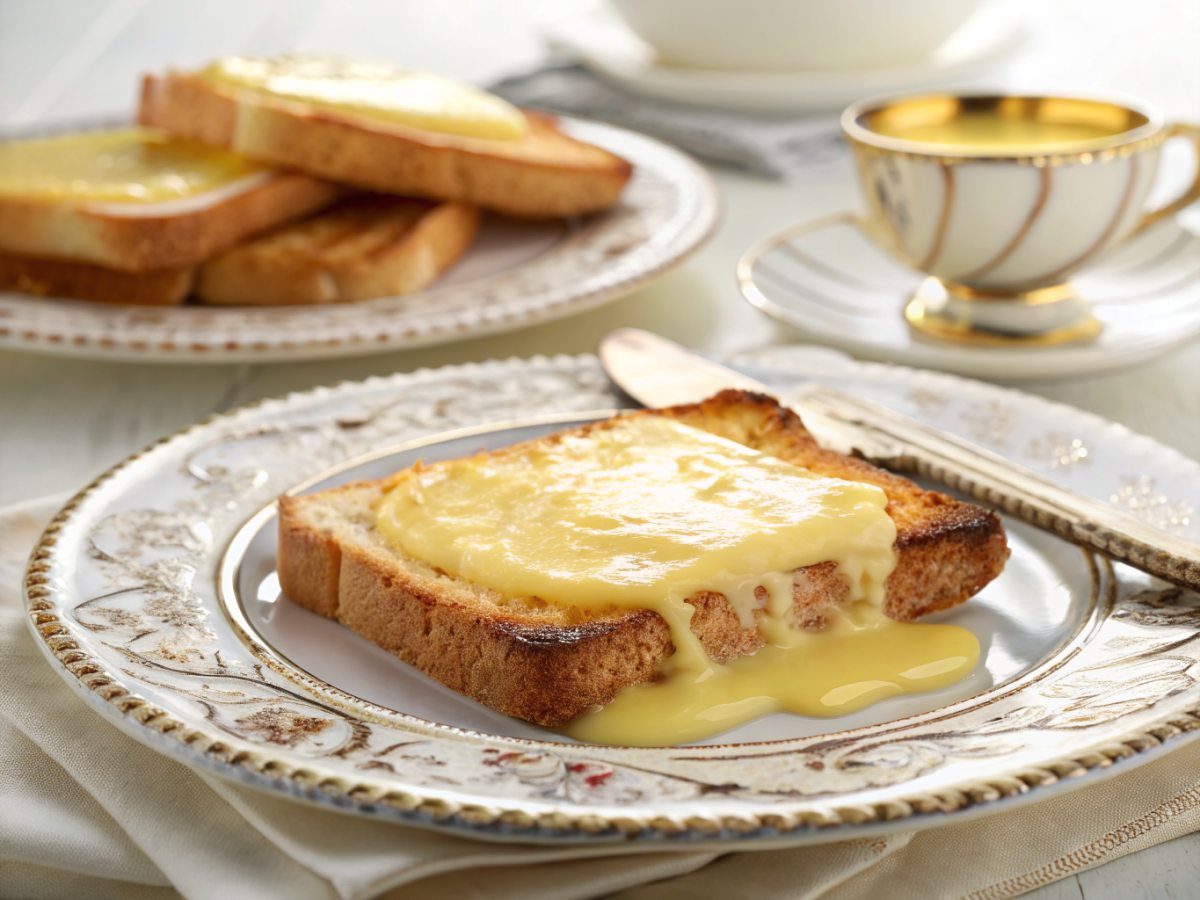
Golden, crispy toast soaked in a rich custard mixture and pan-fried to perfection for a delicious breakfast treat.
Prep Time 5 minutes
Cook Time 10 minutes
Total Time 15 minutes
Servings: 4 servings
Course: Breads & Baked Goods
Cuisine: American
Calories: 245

Ingredients
  

  • 4 slices thick-cut bread day-old bread works best
  • 2 large eggs
  • 1/2 cup whole milk
  • 2 tablespoons granulated sugar
  • 1 teaspoon vanilla extract
  • 1/4 teaspoon ground cinnamon
  • 1 pinch salt
  • 2 tablespoons unsalted butter for frying
  • 1 tablespoon powdered sugar for dusting

Method
 

  1. In a shallow bowl, whisk together eggs, milk, sugar, vanilla extract, cinnamon, and salt until well combined and smooth.
  2. Dip each bread slice into the custard mixture, allowing it to soak for 20-30 seconds on each side. The bread should be saturated but not falling apart.
  3. Melt butter in a large skillet or griddle over medium heat until it begins to foam slightly.
  4. Place the soaked bread slices in the pan and cook for 3-4 minutes on the first side until golden brown and crispy.
  5. Carefully flip the toast and cook for another 2-3 minutes on the second side until golden and cooked through.
  6. Transfer the custard toast to serving plates and dust with powdered sugar. Serve hot with your favorite toppings like fresh berries, maple syrup, or whipped cream.

Nutrition

Calories: 245kcalCarbohydrates: 32gProtein: 8gFat: 9gSodium: 285mgFiber: 2g

Notes

Use day-old bread for best results as it absorbs the custard better without becoming soggy. Do not oversoak the bread or it will fall apart during cooking. Keep the heat at medium to ensure the inside cooks through while achieving a golden crust. For extra richness, substitute half-and-half for the milk.

Tried this recipe?

Let us know how it was!
nnCustard Toast is a delightful breakfast treat that combines creamy custard with perfectly toasted bread for an indulgent morning experience. This simple yet elegant dish transforms ordinary bread into something extraordinary with just a few pantry staples. Whether you’re looking for a weekend brunch centerpiece or a special weekday breakfast, this recipe delivers restaurant-quality results at home.

Custard Toast: 5 Easy Tips for Perfect Results

Creating the perfect custard toast requires attention to a few key details that separate good from exceptional. The secret lies in achieving that ideal balance between a crispy exterior and a soft, custardy interior. Understanding these fundamental techniques will transform your breakfast game forever.

The first tip is selecting the right bread thickness—aim for slices between three-quarters to one inch thick. This ensures enough structure to hold the custard while maintaining that signature creamy center. Thinner slices tend to become soggy, while thicker ones may not cook through properly.

Temperature control is your second secret weapon for success. Medium-low heat allows the custard to set properly without burning the exterior. Rushing this process with high heat results in burnt toast with raw custard inside, which nobody wants at their breakfast table.

Third, always let your custard mixture rest for at least two minutes before dipping. This allows the eggs to fully incorporate with the milk and creates a smoother, more cohesive coating. The resting period also helps prevent lumps and ensures even distribution of flavors throughout.

Your fourth tip involves the soaking time—thirty seconds per side is the sweet spot. This duration allows adequate custard absorption without oversaturating the bread. Different bread types may require slight adjustments, so watch for visual cues like the custard reaching halfway up the slice.

Finally, use clarified butter or a butter-oil combination for cooking. This prevents burning while adding rich flavor that complements the custard beautifully. Regular butter alone can burn at the temperatures needed for proper cooking, compromising both taste and appearance.

Why You’ll Love This Custard Toast

This recipe stands out because it delivers bakery-quality results with minimal effort and common ingredients. You don’t need fancy equipment or specialized skills to create something that tastes absolutely divine. The straightforward process makes it accessible for beginners while offering enough nuance to satisfy experienced home cooks.

The versatility of this dish makes it perfect for any occasion or dietary preference. Serve it as a sweet breakfast with maple syrup, transform it into a savory brunch with herbs, or present it as an elegant dessert with fresh berries. Each variation maintains that signature custardy texture that makes this recipe so beloved.

Time efficiency is another major advantage—from start to finish, you’ll have breakfast ready in under twenty-five minutes. This makes it ideal for busy mornings when you want something special without spending hours in the kitchen. The quick preparation doesn’t compromise on flavor or presentation either.

The texture combination is absolutely irresistible and keeps people coming back for more. That crispy, golden-brown exterior gives way to a soft, custardy center that melts in your mouth. It’s comfort food at its finest, evoking memories of childhood breakfasts while feeling sophisticated enough for company.

Nutritionally, this recipe offers a balanced start to your day with protein from eggs and energy from quality carbohydrates. You can easily boost the health factor by using whole grain bread and reducing sugar content. For more nutritious breakfast options, check out our collection of high protein recipes that fuel your morning right.

Core Ingredients for Custard Toast

The foundation of exceptional custard toast begins with selecting quality ingredients that work in harmony. Each component plays a specific role in creating that perfect texture and flavor profile. Let’s break down what you’ll need and why each ingredient matters for optimal results.

Custard toast ingredients

Bread (4-6 thick slices): Choose day-old bread with a tight crumb structure like brioche, challah, or Texas toast. Fresh bread becomes too soggy, while stale bread absorbs the custard mixture perfectly. The thickness is crucial—three-quarters to one inch ensures structural integrity while cooking.

Eggs (3 large): The protein foundation of your custard that creates structure and richness. Room temperature eggs incorporate more smoothly into the mixture and cook more evenly. Free-range or organic eggs provide superior flavor and a deeper yellow color to your finished toast.

Whole Milk (3/4 cup): Provides creaminess and helps create that signature custardy texture when combined with eggs. Whole milk offers the best flavor and mouthfeel, though you can substitute with alternatives if needed. The fat content contributes to the luxurious taste that makes this recipe special.

Heavy Cream (1/4 cup): Elevates the richness and creates an extra-velvety custard coating on your bread. This ingredient distinguishes restaurant-quality custard toast from basic versions. The additional fat content also helps achieve that perfect golden-brown crust during cooking.

Granulated Sugar (2 tablespoons): Balances flavors and aids in caramelization for that beautiful golden exterior. The sugar also helps the custard adhere to the bread surface. Adjust the amount based on your sweetness preference and any toppings you plan to add.

Vanilla Extract (1 teaspoon): Adds depth and aromatic complexity that elevates the entire dish beyond simple egg-soaked bread. Pure vanilla extract is worth the investment for superior flavor. This single ingredient transforms the custard from ordinary to extraordinary with minimal effort.

Ground Cinnamon (1/2 teaspoon): Provides warmth and complexity that complements the sweetness beautifully without overwhelming other flavors. Freshly ground cinnamon offers the most potent flavor and aroma. This spice also adds visual appeal with lovely flecks throughout the custard coating.

Salt (1/4 teaspoon): Essential for balancing sweetness and enhancing all other flavors in the dish. Never skip the salt—it’s what makes flavors pop and prevents the custard from tasting flat. Just a pinch makes a remarkable difference in the final result.

Butter (3 tablespoons): For cooking the toast to golden perfection with rich, nutty flavor that complements the custard. Use unsalted butter so you can control the sodium level in your dish. Clarified butter works even better as it won’t burn at higher temperatures.

How to Make Custard Toast: Step-by-Step

Follow these detailed instructions to achieve perfect custard toast every single time you make it. The process is straightforward but requires attention to timing and temperature for optimal results. Take your time with each step, and you’ll be rewarded with breakfast perfection.

Step 1: Prepare Your Custard Mixture

Crack three large eggs into a shallow, wide bowl that can accommodate your bread slices easily. Whisk the eggs vigorously for about thirty seconds until the yolks and whites are completely combined. You should see no streaks of unmixed egg white remaining in the mixture.

Add the whole milk, heavy cream, granulated sugar, vanilla extract, ground cinnamon, and salt to the whisked eggs. Continue whisking for another forty-five seconds until all ingredients are thoroughly incorporated and the mixture appears smooth. The sugar should be mostly dissolved, though a few granules are acceptable.

Let the custard mixture rest for two to three minutes at room temperature before proceeding. This resting period allows the ingredients to fully meld together and creates a more cohesive coating. The mixture should have a pale yellow color with visible cinnamon specks throughout.

Step 2: Prepare Your Bread

Slice your bread into pieces three-quarters to one inch thick if you’re working with a whole loaf. Arrange the slices on a clean work surface in a single layer. If using pre-sliced bread, ensure it meets the thickness requirement for best results.

Inspect each slice for any overly hard or dried-out areas that might not absorb custard properly. Day-old bread is ideal, but if your bread is too fresh, you can lightly toast it for one minute. This creates a slightly drier surface that better absorbs the custard mixture without becoming mushy.

Step 3: Soak the Bread

Heat a large skillet or griddle over medium-low heat and add one tablespoon of butter to melt. While the pan heats, dip your first bread slice into the custard mixture. Submerge it completely and let it soak for exactly thirty seconds on the first side.

Flip the bread carefully using a fork or your fingers and soak the second side for another thirty seconds. You should see the custard absorbed about halfway up the thickness of the bread. Avoid over-soaking, as this leads to soggy toast that falls apart during cooking.

Gently lift the bread from the custard, allowing excess mixture to drip back into the bowl for a few seconds. The bread should feel heavy with custard but not dripping excessively. Place it directly into your preheated, buttered pan immediately after soaking.

Step 4: Cook to Golden Perfection

Cook the first side for three to four minutes without moving the bread around in the pan. Resist the urge to peek too early—let the heat work its magic undisturbed. You’ll know it’s ready to flip when the edges look set and golden brown color creeps up the sides.

Carefully flip the toast using a wide spatula to support the entire slice and prevent breaking. Add another small pat of butter to the pan if it looks dry. Cook the second side for an additional three to four minutes until equally golden and the custard is fully set inside.

Check for doneness by gently pressing the center of the toast—it should feel firm with just a slight give. The exterior should be crispy and deeply golden brown, while the interior remains soft and custardy. If the outside browns too quickly while the inside stays raw, reduce your heat slightly.

Step 5: Serve Immediately

Transfer the finished custard toast to serving plates right away for the best texture and temperature. The contrast between the hot, crispy exterior and soft interior is most pronounced when served fresh. Garnish with your chosen toppings while the toast is still warm so they meld beautifully.

Popular topping options include pure maple syrup, fresh berries, whipped cream, powdered sugar, or a simple dusting of cinnamon sugar. For a savory twist, try serving with crispy bacon and a drizzle of honey. The possibilities are endless, so feel free to get creative with your presentation.

If you’re cooking multiple batches, keep finished pieces warm in a 200°F oven on a wire rack. This prevents sogginess while maintaining that desirable crispy exterior. Avoid stacking the pieces, as trapped steam will compromise the texture you worked hard to achieve.

Nutrition & Health Benefits

Understanding the nutritional profile of custard toast helps you make informed decisions about incorporating it into your diet. Each serving provides a balanced combination of macronutrients that can fuel your morning activities. Let’s break down what this delicious breakfast offers nutritionally and how to optimize its health benefits.

A standard serving of custard toast contains approximately 320-380 calories, depending on bread type and toppings used. The dish provides about 12-15 grams of protein from the eggs and milk, supporting muscle maintenance and satiety. Carbohydrates range from 35-42 grams, offering sustained energy throughout your morning without the crash associated with sugary cereals.

The eggs in this recipe deliver high-quality complete protein containing all nine essential amino acids your body needs. They’re also rich in choline, which supports brain health and cognitive function throughout the day. Eggs provide vitamin D, vitamin B12, and selenium—nutrients that many people don’t get enough of in their regular diets.

Milk and cream contribute calcium and vitamin D, essential for maintaining strong bones and teeth as you age. These dairy components also provide vitamin A for eye health and immune function. The fat content, while higher than some breakfast options, includes beneficial fatty acids that help absorb fat-soluble vitamins.

To make this recipe healthier without sacrificing flavor, consider using whole grain or sprouted grain bread for added fiber. Replace half the heavy cream with additional milk to reduce saturated fat content. You can also reduce the sugar by half and rely more on vanilla extract and cinnamon for sweetness and flavor.

The cinnamon in this recipe offers more than just flavor—it contains powerful antioxidants and anti-inflammatory compounds. Studies suggest that cinnamon may help regulate blood sugar levels, making this breakfast more balanced for sustained energy. Just half a teaspoon provides meaningful amounts of these beneficial compounds without adding calories.

For those watching their caloric intake, portion control is key to enjoying custard toast as part of a balanced diet. Pair one or two slices with fresh fruit and a source of lean protein like Greek yogurt. This combination creates a more complete meal that keeps you satisfied until lunch without excessive calories.

Consider the timing of this meal in your daily nutrition plan for optimal benefits. The protein and complex carbohydrates make it ideal post-workout fuel when your body needs recovery nutrition. The combination helps replenish glycogen stores while providing amino acids for muscle repair and growth.

Variations & Substitutions

The beauty of custard toast lies in its adaptability to different tastes, dietary needs, and available ingredients. These variations maintain the essential character of the dish while offering exciting new flavor profiles. Experiment with these options to keep this breakfast favorite fresh and interesting for your family.

Bread Alternatives

While traditional white bread works wonderfully, whole wheat or multigrain bread adds nutty flavor and extra fiber. Brioche creates an incredibly rich, luxurious version that feels like pure indulgence on your plate. Sourdough offers pleasant tanginess that balances the sweetness of the custard beautifully and adds beneficial probiotics.

Gluten-free bread works perfectly for those with celiac disease or gluten sensitivity—just ensure it’s thick enough to hold up. Challah bread creates an especially tender, slightly sweet result that’s traditional for French toast variations. Even croissants can be sliced and used for an ultra-decadent version that’s perfect for special occasions.

Dairy Substitutions

Lactose-intolerant individuals can use lactose-free milk and cream without any noticeable difference in taste or texture. Almond milk, oat milk, or coconut milk work as dairy-free alternatives, though they create slightly different flavor profiles. For the richest non-dairy result, use full-fat coconut milk, which mimics the creaminess of dairy beautifully.

Greek yogurt can replace some of the cream for added protein and a slight tangy note that complements sweet toppings. This substitution also creates an extra-thick custard coating that clings beautifully to the bread. Mix two tablespoons of Greek yogurt with reduced cream for a balanced approach that maintains richness.

Flavor Variations

Orange zest and a splash of orange juice create a bright, citrusy version that’s refreshing and elegant. Almond extract instead of vanilla offers a sophisticated flavor that pairs wonderfully with fresh berries. Cardamom and nutmeg can replace or supplement the cinnamon for a warming, aromatic twist with Middle Eastern flair.

For a chocolate lover’s dream, add two tablespoons of cocoa powder to the custard mixture and serve with chocolate chips. Pumpkin pie spice and a quarter cup of pumpkin puree create a fall-inspired version that’s perfect for autumn mornings. Matcha powder whisked into the custard offers an earthy, sophisticated flavor with an antioxidant boost.

Savory Version

Omit the sugar, vanilla, and cinnamon for a savory custard toast that works beautifully for brunch or dinner. Add grated Parmesan cheese, black pepper, and fresh herbs like thyme or chives to the custard mixture. Top with sautéed mushrooms, crispy bacon, or a poached egg for a complete savory meal.

Garlic powder and dried Italian herbs create a savory version that pairs perfectly with tomato soup or salad. This variation transforms the dish from breakfast to dinner territory effortlessly. Serve alongside roasted vegetables for a satisfying vegetarian dinner option that feels comforting and complete.

Dietary Modifications

For a lower-sugar version, use a natural sweetener like monk fruit or stevia instead of granulated sugar. The custard will still caramelize beautifully while reducing the overall carbohydrate content significantly. You can also omit sweetener entirely and rely on naturally sweet toppings like fresh fruit or a small amount of honey.

Egg-free versions can be created using mashed banana or commercial egg replacer, though the texture will differ slightly. A mixture of cornstarch, non-dairy milk, and nutritional yeast creates a surprisingly effective egg-free custard coating. These alternatives work best for those with egg allergies who still want to enjoy this classic breakfast.

For additional recipe inspiration that accommodates various dietary needs, explore our breads and baked goods collection featuring numerous adaptable options.

Serving Suggestions

The presentation and accompaniments you choose can elevate custard toast from simple breakfast to memorable dining experience. Thoughtful serving suggestions enhance both the visual appeal and flavor complexity of the dish. Consider these ideas to make your custard toast truly shine at any meal.

Classic Sweet Toppings

Pure maple syrup remains the traditional favorite, offering natural sweetness that complements the custard perfectly without overwhelming it. Warm the syrup slightly before drizzling for an extra-luxurious touch that soaks into the toast beautifully. A pat of butter melting on top adds richness and creates an irresistible glossy finish.

Fresh berries like strawberries, blueberries, or raspberries provide bright acidity that balances the rich custard beautifully. Macerate the berries with a teaspoon of sugar for fifteen minutes to create a natural syrup. The combination of warm toast and cool, juicy berries creates delightful temperature and texture contrast.

Whipped cream adds cloud-like lightness that makes each bite feel indulgent and special without being overly heavy. Make it from scratch with heavy cream and a touch of vanilla for the freshest flavor. A dusting of powdered sugar through a fine-mesh sieve creates an elegant, bakery-worthy presentation in seconds.

Gourmet Combinations

Caramelized bananas with a sprinkle of sea salt create a sophisticated sweet-salty combination that’s absolutely addictive. Cook sliced bananas in butter and brown sugar until golden and tender, about three minutes. The caramelization adds depth and complexity that transforms this into a restaurant-quality dish.

Cream cheese frosting or mascarpone cheese spread on warm custard toast creates an ultra-decadent treat perfect for special occasions. The tangy creaminess of these spreads contrasts beautifully with the sweet custard coating. Top with toasted pecans or walnuts for added crunch and nutritional value.

Lemon curd provides bright, tangy contrast that cuts through the richness and refreshes your palate between bites. The combination feels elegant and sophisticated, perfect for a brunch party or Mother’s Day breakfast. Fresh mint leaves as garnish add color and a subtle aromatic quality that enhances the overall experience.

Beverage Pairings

Freshly brewed coffee with its slight bitterness balances the sweetness of custard toast perfectly for a classic breakfast combination. The robust flavors complement each other without competing, creating a harmonious morning meal. For an extra special touch, try a café au lait with its creamy texture that echoes the custard.

Fresh orange juice provides vitamin C and bright acidity that cleanses your palate between bites of rich toast. The citrus notes enhance the vanilla in the custard and create a well-rounded breakfast experience. Choose pulp-free juice for a smoother drinking experience that doesn’t compete with the toast’s texture.

Hot chocolate or a vanilla latte creates an indulgent breakfast that feels like a special treat any day of the week. These sweeter beverages work especially well with less-sweet versions of custard toast. The combination satisfies sweet cravings while providing sustained energy from the protein and complex carbohydrates.

Complete Meal Ideas

Pair custard toast with crispy bacon or breakfast sausage for a sweet-savory combination that satisfies all morning cravings. The salty, savory meat balances the sweet toast and provides additional protein for lasting fullness. This combination is perfect for weekend brunches when you have time to enjoy a leisurely meal.

Serve alongside a fruit salad with mint and lime for a lighter, more balanced breakfast plate that doesn’t feel heavy. The fresh fruit adds vitamins, fiber, and vibrant colors to your plate for visual appeal. This combination works especially well during warmer months when you want something satisfying but not too rich.

Greek yogurt parfaits with granola make excellent side dishes that add protein, probiotics, and crunch to your meal. Layer the yogurt with berries and honey for a beautiful presentation that complements the custard toast. This combination creates a more nutritionally complete breakfast that keeps you satisfied until lunch.

Looking for more breakfast inspiration? Check out our quick and easy meals section for additional morning favorites that fit busy schedules.

Common Mistakes to Avoid

Even experienced cooks can encounter pitfalls when making custard toast if they’re not aware of these common errors. Understanding what can go wrong helps you troubleshoot issues and achieve perfect results every time. Let’s examine the most frequent mistakes and how to prevent them for consistently excellent custard toast.

Using the Wrong Bread

Fresh, soft sandwich bread often becomes too soggy and falls apart during cooking, creating a mushy, unappetizing result. The moisture content is too high to properly absorb custard while maintaining structural integrity during cooking. Always opt for day-old bread or lightly toast fresh bread before using it in this recipe.

Bread that’s too thin won’t develop that signature custardy interior that makes this dish special and memorable. Slices thinner than half an inch cook too quickly, becoming crispy throughout without the desired creamy center. Invest in a good bread knife and cut your own thick slices for optimal results.

Incorrect Heat Settings

Cooking over high heat is perhaps the most common mistake, resulting in burnt exteriors with raw custard centers. The outside caramelizes too quickly before the interior has time to set properly, creating an unpleasant texture contrast. Always use medium-low heat and be patient—the extra cooking time is worth the perfect result.

Conversely, too-low heat prevents proper caramelization and results in pale, soggy toast without appealing color or texture. The custard doesn’t set properly at very low temperatures, leaving you with limp, unappetizing bread. Find that sweet spot where you hear a gentle sizzle when the bread hits the pan.

Over-Soaking the Bread

Leaving bread in the custard mixture for too long causes it to become waterlogged and fragile, falling apart when transferred. The bread can only absorb so much liquid before its structure completely breaks down and becomes unmanageable. Stick to the thirty-second guideline per side for consistent, reliable results every time.

Leave a Comment

Recipe Rating