
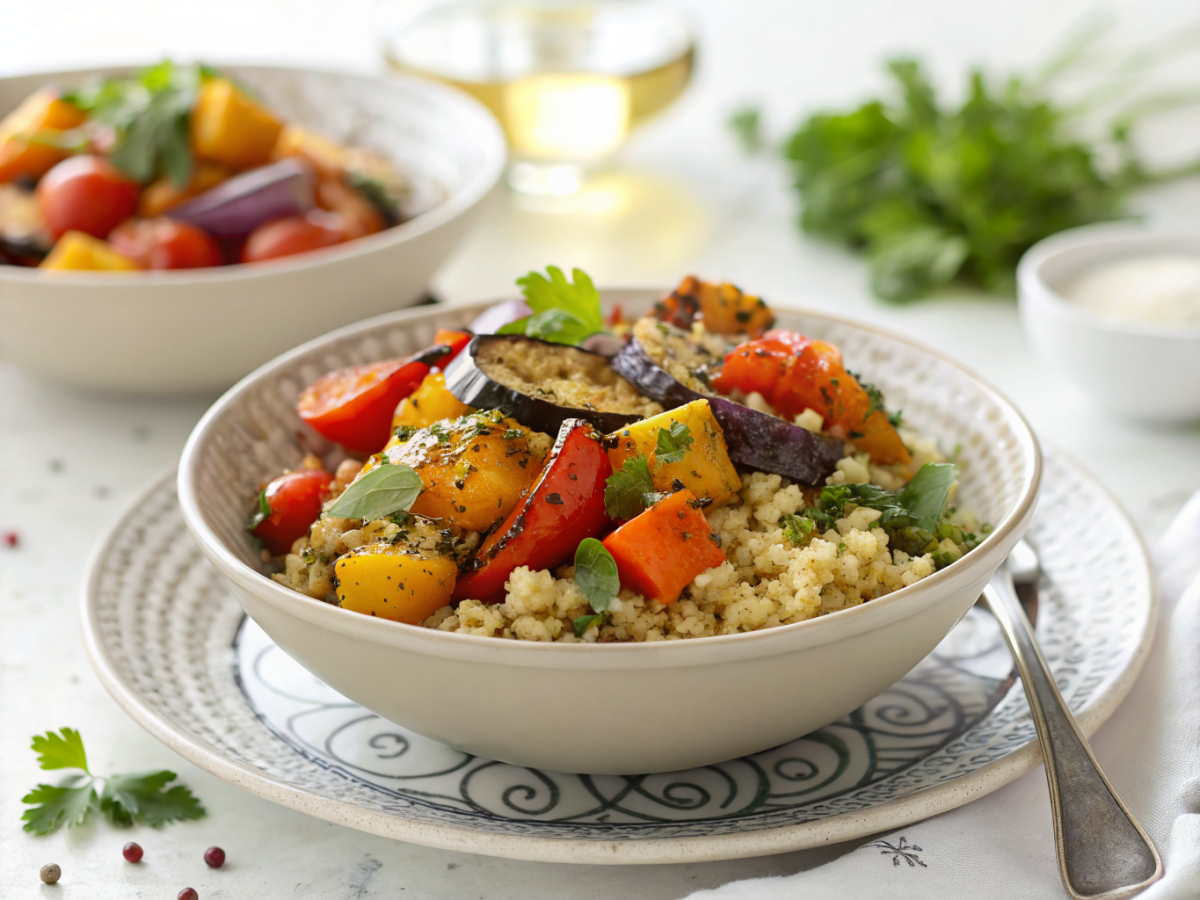
Anti-Inflammatory Quinoa Bowl With Roasted Veggies Everyone Will Ask You To Make Again
Ingredients
Method
- Preheat oven to 425 degrees Fahrenheit. Line a large baking sheet with parchment paper.
- In a medium saucepan, combine quinoa and vegetable broth. Bring to a boil, then reduce heat to low, cover, and simmer for 15 minutes until liquid is absorbed. Remove from heat and let stand covered for 5 minutes, then fluff with a fork.
- In a large bowl, toss sweet potato, broccoli, bell pepper, and chickpeas with 2 tablespoons olive oil, turmeric, ginger, garlic powder, salt, and pepper. Spread evenly on the prepared baking sheet and roast for 25-30 minutes, stirring halfway through, until vegetables are tender and lightly caramelized.
- While vegetables roast, whisk together tahini, lemon juice, remaining 1 tablespoon olive oil, and 2-3 tablespoons water until smooth and pourable. Add more water if needed to reach desired consistency.
- When quinoa is done, stir in the fresh spinach while quinoa is still warm, allowing it to wilt slightly.
- Divide the quinoa and spinach mixture among four bowls. Top each bowl with roasted vegetables and chickpeas.
- Drizzle tahini dressing over each bowl and serve immediately. Garnish with additional lemon wedges if desired.
Nutrition
Notes
Tried this recipe?
Let us know how it was!Anti-Inflammatory Quinoa Bowl With Roasted Veggies: 5 Easy Tips for Perfect Results
Creating the perfect anti-inflammatory bowl starts with understanding how to maximize both flavor and nutritional benefits. The key lies in properly cooking your quinoa, achieving perfectly caramelized vegetables, and balancing your anti-inflammatory ingredients. These five tips will ensure your bowl turns out restaurant-quality every single time.
First, always rinse your quinoa thoroughly before cooking to remove the natural coating called saponin, which can taste bitter. Use a 2:1 ratio of water to quinoa and let it rest covered for five minutes after cooking for the fluffiest texture. This simple step transforms your quinoa from good to absolutely perfect.
Second, don’t overcrowd your baking sheet when roasting vegetables. Give each piece enough space to caramelize rather than steam, which creates those delicious crispy edges. Roast at 425°F for optimal browning and toss vegetables halfway through cooking for even color.
Third, incorporate a variety of colorful vegetables to maximize the anti-inflammatory compounds. Different colors represent different phytonutrients that work synergistically to reduce inflammation. Aim for at least four different colors in each bowl for maximum health benefits.
Fourth, prepare your dressing while the vegetables roast to allow the flavors to meld together beautifully. A tahini-based dressing with lemon juice, garlic, and turmeric adds both creaminess and powerful anti-inflammatory properties. Whisk it until smooth and adjust consistency with water as needed.
Fifth, assemble your bowl while ingredients are still warm but not piping hot. This allows the dressing to coat everything evenly while preserving the nutritional integrity of heat-sensitive compounds. Top with fresh herbs and seeds just before serving for added texture and nutrition.
Why You’ll Love This Anti-Inflammatory Quinoa Bowl With Roasted Veggies
This bowl delivers everything you want in a healthy meal without sacrificing taste or satisfaction. The combination of textures from crispy roasted vegetables, fluffy quinoa, and creamy dressing creates a symphony of flavors that keeps you coming back for more. Plus, it’s naturally gluten-free, vegan, and packed with plant-based protein.
The anti-inflammatory benefits are backed by science, with ingredients like turmeric, garlic, and colorful vegetables providing compounds that help reduce chronic inflammation. Unlike restrictive diets, this bowl feels indulgent while actively supporting your health. You’ll actually look forward to eating something that makes you feel amazing.
Meal prep enthusiasts will appreciate how well this bowl stores and travels. Make a big batch on Sunday and enjoy nourishing lunches all week long. The components stay fresh for up to five days when stored properly, making healthy eating effortless even during your busiest weeks.
This recipe is incredibly versatile and adapts to whatever vegetables are in season or available in your kitchen. You can customize it based on your preferences while maintaining the anti-inflammatory benefits. It’s also budget-friendly, using affordable staples that deliver maximum nutritional value per dollar spent.
Family-friendly and crowd-pleasing, even picky eaters tend to love the combination of familiar flavors presented in an exciting way. The beautiful presentation makes it Instagram-worthy while being simple enough for weeknight cooking. You’ll find yourself making this for meal prep, dinner parties, and everything in between.
Core Ingredients for Anti-Inflammatory Quinoa Bowl With Roasted Veggies
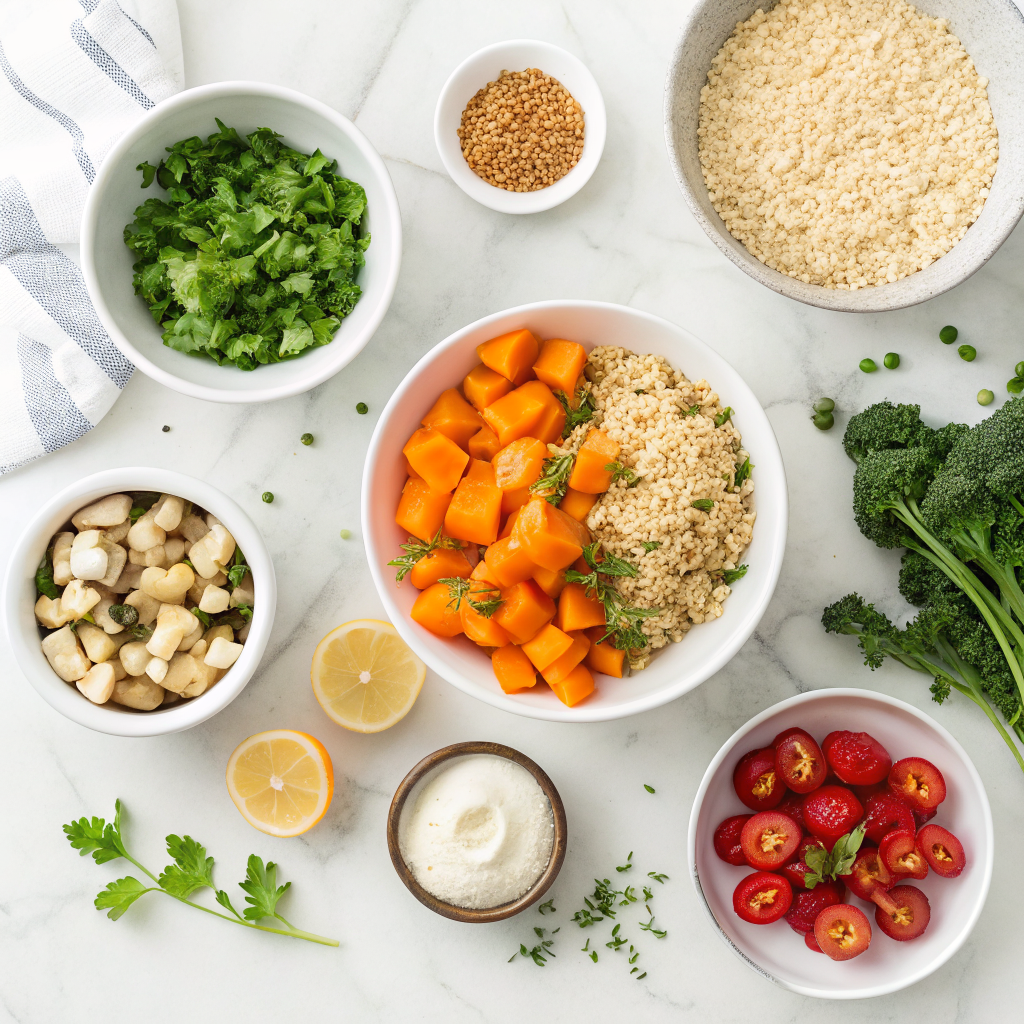
The foundation of this bowl starts with high-quality quinoa, preferably white or tri-color for the best texture and visual appeal. You’ll need one cup of dry quinoa, which yields about three cups cooked and serves four people generously. Choose organic quinoa when possible for the cleanest ingredient and best flavor profile.
For the roasted vegetables, select a rainbow of options including sweet potatoes, broccoli, bell peppers, red onion, and cauliflower. Aim for about six cups of chopped vegetables total, cut into uniform pieces for even roasting. The variety ensures you’re getting diverse anti-inflammatory compounds and makes the bowl visually stunning.
The anti-inflammatory dressing requires tahini as the creamy base, which provides healthy fats and a nutty flavor. You’ll also need fresh lemon juice, minced garlic, ground turmeric, and extra virgin olive oil. These ingredients work together to create a dressing that’s both delicious and therapeutically beneficial.
Additional toppings and garnishes include fresh parsley or cilantro, pumpkin seeds or sunflower seeds, and optional avocado slices. These finishing touches add texture, healthy fats, and extra nutrients. Keep a variety of seeds and nuts on hand to customize each bowl based on your mood.
Seasoning is crucial for bringing all the flavors together, so have quality sea salt, black pepper, smoked paprika, and cumin available. A drizzle of high-quality olive oil before roasting helps vegetables caramelize beautifully. Don’t skimp on seasonings as they transform simple ingredients into something extraordinary.
Quinoa Base
- 1 cup dry quinoa, rinsed thoroughly
- 2 cups water or vegetable broth
- 1/4 teaspoon sea salt
- 1 bay leaf (optional, for extra flavor)
Roasted Vegetables
- 2 cups sweet potato, cubed (about 1 large)
- 2 cups broccoli florets
- 1 red bell pepper, chopped
- 1 cup cauliflower florets
- 1/2 red onion, sliced
- 3 tablespoons olive oil
- 1 teaspoon smoked paprika
- 1 teaspoon cumin
- 1/2 teaspoon sea salt
- 1/4 teaspoon black pepper
Anti-Inflammatory Tahini Dressing
- 1/4 cup tahini
- 3 tablespoons fresh lemon juice
- 2 cloves garlic, minced
- 1 teaspoon ground turmeric
- 2 tablespoons olive oil
- 3-4 tablespoons water (for consistency)
- 1/4 teaspoon sea salt
- Pinch of black pepper
Toppings
- 1/4 cup fresh parsley or cilantro, chopped
- 3 tablespoons pumpkin seeds
- 1 avocado, sliced (optional)
- Lemon wedges for serving
How to Make Anti-Inflammatory Quinoa Bowl With Roasted Veggies: Step-by-Step
Begin by preheating your oven to 425°F and lining two large baking sheets with parchment paper for easy cleanup. This temperature is ideal for achieving caramelized, crispy vegetables without burning. Having your oven properly preheated ensures even cooking from the moment the vegetables go in.
Rinse your quinoa in a fine-mesh strainer under cold water for at least 30 seconds, rubbing the grains gently between your fingers. This removes the bitter saponin coating that many people find unpleasant. After rinsing, drain thoroughly and add to a medium saucepan with water and salt.
Bring the quinoa to a boil over high heat, then reduce to low, cover, and simmer for 15 minutes. Don’t lift the lid during cooking as this releases essential steam needed for fluffy quinoa. After 15 minutes, remove from heat and let stand covered for 5 minutes before fluffing with a fork.
While the quinoa cooks, prepare your vegetables by washing and cutting them into uniform, bite-sized pieces. Keep harder vegetables like sweet potatoes slightly smaller than softer ones like bell peppers for even cooking. Pat vegetables dry with a clean kitchen towel to remove excess moisture, which helps them roast rather than steam.
Toss all vegetables in a large bowl with olive oil, smoked paprika, cumin, salt, and pepper until evenly coated. Spread them in a single layer across your prepared baking sheets, ensuring they’re not touching or overlapping. This spacing is crucial for achieving those desirable crispy, caramelized edges that add so much flavor.
Roast vegetables for 25-30 minutes, tossing halfway through cooking for even browning. The sweet potatoes should be fork-tender and slightly crispy on the edges, while the broccoli should have beautifully charred florets. If some vegetables finish before others, remove them and continue roasting the rest.
While vegetables roast, prepare your anti-inflammatory dressing by whisking together tahini, lemon juice, minced garlic, turmeric, olive oil, and salt in a small bowl. The mixture will initially seize up and become thick, which is normal. Gradually whisk in water one tablespoon at a time until you reach a pourable but still creamy consistency.
Taste your dressing and adjust seasonings as needed, adding more lemon for brightness, salt for depth, or turmeric for earthiness. The dressing should be bold and flavorful since it’s coating all the other ingredients. Make it slightly more intense than you think necessary as the flavors will mellow when mixed with quinoa and vegetables.
To assemble your bowls, divide the fluffy quinoa among four serving bowls as the base layer. Top with an equal portion of roasted vegetables, arranging them attractively for visual appeal. Drizzle generously with the tahini dressing, allowing it to pool slightly at the bottom where it will be absorbed by the quinoa.
Finish each bowl with fresh chopped herbs, a sprinkle of pumpkin seeds, and avocado slices if using. Add a lemon wedge on the side for those who want extra brightness. Serve immediately while still warm, or allow to cool completely before storing for meal prep purposes.
Nutrition & Health Benefits
This bowl is a nutritional powerhouse delivering complete protein, complex carbohydrates, healthy fats, and an impressive array of vitamins and minerals. Each serving provides approximately 450 calories with 15 grams of protein, 58 grams of carbohydrates, and 18 grams of healthy fats. The macronutrient balance makes it satisfying and sustaining for hours after eating.
Quinoa stands out as one of the few plant-based complete proteins, containing all nine essential amino acids your body cannot produce. It’s also rich in manganese, magnesium, phosphorus, and folate, supporting everything from bone health to energy production. The high fiber content promotes digestive health and helps stabilize blood sugar levels throughout the day.
The roasted vegetables provide an abundance of antioxidants, particularly carotenoids from sweet potatoes and bell peppers, and sulforaphane from cruciferous vegetables like broccoli and cauliflower. These compounds actively combat oxidative stress and inflammation at the cellular level. Regular consumption of colorful vegetables is associated with reduced risk of chronic diseases including heart disease and certain cancers.
Turmeric, the star anti-inflammatory ingredient in the dressing, contains curcumin, which has been extensively studied for its powerful anti-inflammatory effects. When combined with black pepper, the bioavailability of curcumin increases by up to 2000%, making this combination particularly therapeutic. Research suggests regular turmeric consumption may help with arthritis, inflammatory bowel conditions, and general inflammation reduction.
The tahini and olive oil provide monounsaturated and polyunsaturated fats that support heart health and help absorb fat-soluble vitamins. These healthy fats also contribute to satiety, preventing overeating and supporting stable energy levels. The omega-3 fatty acids present in pumpkin seeds add another layer of anti-inflammatory benefits to this already powerful bowl.
For those interested in learning more about the science behind anti-inflammatory eating, research shows that certain foods can significantly impact inflammation markers in the body. This bowl incorporates many of the most potent anti-inflammatory foods into one delicious meal. The synergistic effect of combining multiple anti-inflammatory ingredients may be more powerful than consuming them individually.
Variations & Substitutions
You can easily adapt this recipe to accommodate different dietary needs, preferences, and what’s available in your kitchen. For a grain-free version, substitute cauliflower rice for quinoa, though you’ll lose the complete protein benefit. Brown rice, farro, or wild rice also work beautifully if you prefer a different grain base with its own unique nutritional profile.
Vegetable variations are nearly endless depending on season and preference. Try roasted Brussels sprouts, zucchini, eggplant, carrots, or butternut squash for different flavors and textures. Asparagus and green beans also roast beautifully and add vibrant color. Just maintain the principle of using a variety of colors for maximum anti-inflammatory benefits.
For added protein, top your bowl with grilled chicken, baked salmon, crispy chickpeas, or a soft-boiled egg. These additions make the bowl even more substantial while maintaining its healthy profile. If you’re looking for more high-protein recipe ideas, there are countless ways to boost the protein content without compromising the anti-inflammatory focus.
The tahini dressing can be modified based on what you have available or your flavor preferences. Almond butter or sunflower seed butter work as tahini substitutes, though the flavor will be slightly different. Add fresh ginger for extra anti-inflammatory power, or include a dash of maple syrup if you prefer a touch of sweetness to balance the earthiness.
For a different flavor profile, try a miso-ginger dressing or a creamy avocado-lime sauce instead of tahini. Each variation brings its own anti-inflammatory benefits while completely transforming the taste experience. You can also experiment with different herb combinations like mint and basil for a Mediterranean twist or Thai basil and cilantro for an Asian-inspired version.
If you’re preparing this for meal prep, consider keeping components separate and assembling just before eating. This prevents the quinoa from absorbing too much dressing and keeps vegetables crispier longer. Store dressing in small containers and add fresh toppings like avocado and herbs right before serving for the best texture and flavor.
Serving Suggestions
This versatile bowl works beautifully for any meal of the day, from a protein-packed breakfast to a satisfying dinner. Serve it as a complete meal on its own, or pair it with a simple side salad for extra greens. The bowl is substantial enough to be the star of your meal without needing additional accompaniments.
For a dinner party or gathering, set up a build-your-own bowl station with all components in separate serving dishes. Provide various toppings and dressing options so guests can customize their bowls to their preferences. This interactive approach makes healthy eating fun and accommodates different dietary needs effortlessly.
Pair this bowl with other complementary dishes from your healthy repertoire for a complete spread. It works particularly well alongside other dinner recipes that focus on whole foods and nutritious ingredients. Consider serving it with homemade hummus and whole grain pita for a Mediterranean-inspired feast.
The bowl also travels exceptionally well, making it perfect for packed lunches, picnics, or potlucks. Transport components separately in leak-proof containers and assemble on-site for the freshest presentation. The room-temperature serving option means you don’t need to worry about reheating, making it ideal for office lunches or outdoor dining.
For a heartier meal, serve alongside a warm soup or crusty whole grain bread. The combination of warm and cool elements creates an interesting temperature contrast that’s particularly appealing during transitional seasons. A simple lentil soup or tomato bisque complements the flavors beautifully without overwhelming the palate.
Common Mistakes to Avoid
One of the most frequent errors is overcrowding the baking sheet when roasting vegetables, which causes them to steam instead of caramelize. This results in soggy, bland vegetables rather than the crispy, flavorful ones you want. Always use two baking sheets if necessary to give vegetables adequate space for proper browning and texture development.
Another common mistake is not rinsing quinoa before cooking, leaving that bitter saponin coating intact. Even pre-rinsed quinoa benefits from an additional rinse to ensure the cleanest, most pleasant flavor. This 30-second step makes a dramatic difference in the final taste of your bowl.
Many people make their dressing too thick or too thin, affecting how well it coats the other ingredients. The ideal consistency is pourable but still creamy, similar to heavy cream. Add water gradually and whisk thoroughly between additions to achieve the perfect texture that will evenly coat every component.
Underseasoning is perhaps the biggest culprit in bland healthy bowls. Don’t be afraid to season generously at each stage of cooking, from the quinoa water to the vegetable toss to the dressing itself. Taste as you go and adjust seasonings before serving to ensure every element is flavorful on its own.
Skipping the resting period after cooking quinoa results in gummy, wet grains instead of light and fluffy ones. Those five minutes off heat with the lid on allow the quinoa to absorb residual moisture and steam to the perfect texture. Resist the urge to skip this step even when you’re in a hurry.
Finally, many people add delicate toppings like herbs and avocado too early, causing them to wilt or brown. Fresh elements should always be added just before serving to maintain their vibrant color, crisp texture, and maximum nutritional value. This final flourish makes all the difference in presentation and eating experience.
Storage & Meal Prep Tips
This bowl is ideal for meal prep, with components staying fresh in the refrigerator for up to five days when stored properly. Store quinoa, roasted vegetables, and dressing in separate airtight containers to maintain the best texture and prevent sogginess. Glass containers work particularly well as they don’t absorb odors and allow you to see contents at a glance.
Cooked quinoa freezes beautifully for up to three months, making it easy to always have some on hand. Freeze in portion-sized containers or freezer bags, pressing out excess air before sealing. Thaw overnight in the refrigerator or microwave briefly, fluffing with a fork before using.
Roasted vegetables maintain their best texture for about four days in the refrigerator. Reheat them in a 400°F oven for 5-7 minutes to restore some crispiness, or enjoy them cold or at room temperature. Avoid microwaving if possible, as it tends to make vegetables soggy rather than maintaining their roasted character.
The tahini dressing keeps well for up to one week in a sealed container in the refrigerator. It will thicken as it sits, so you may need to whisk in a tablespoon or two of water before using. Bring dressing to room temperature before serving for the best flavor and easiest mixing with other ingredients.
For optimal meal prep, prepare a double batch of quinoa and roasted vegetables at the beginning of the week. Portion them into individual containers with dressing on the side, then add fresh toppings each day before eating. This approach ensures you have healthy meals ready to go while maintaining the best possible texture and freshness.
If you’re looking for more efficient ways to prepare healthy meals in advance, explore additional quick and easy meal ideas that complement this bowl. Having a rotation of meal-prep-friendly recipes prevents boredom while keeping you on track with healthy eating goals. The key is finding recipes that store well and taste great even after a few days.
Final Thoughts on Anti-Inflammatory Quinoa Bowl With Roasted Veggies
This Anti-Inflammatory Quinoa Bowl With Roasted Veggies represents everything a modern healthy meal should be: nutritious, delicious, satisfying, and beautiful. It proves that eating for health doesn’t mean sacrificing flavor or spending hours in the kitchen. With simple techniques and quality ingredients, you can create restaurant-worthy meals that actively support your wellbeing.
The beauty of this recipe lies in its flexibility and forgiving nature, making it accessible to cooks of all skill levels. Whether you’re new to healthy cooking or a seasoned meal prep pro, this bowl delivers consistent results every time. The combination of textures, flavors, and colors creates a eating experience that’s as enjoyable as it is nourishing.
By incorporating this Anti-Inflammatory Quinoa Bowl With Roasted Veggies into your regular rotation, you’re taking a delicious step toward reducing inflammation and supporting overall health. The whole food ingredients work synergistically to provide benefits that extend far beyond a single meal. Make it once and you’ll understand why everyone asks for this recipe again and again.
Remember that consistency matters more than perfection when it comes to anti-inflammatory eating. Having reliable, delicious recipes like this one makes it easy to choose nourishing foods regularly. Start with this bowl and let it inspire you to explore more whole food, plant-forward meals that make you feel amazing.
Frequently Asked Questions
Can I make this Anti-Inflammatory Quinoa Bowl With Roasted Veggies ahead of time?
Yes, this bowl is perfect for meal prep and actually develops better flavors after the components have time to meld together. Cook the quinoa and roast the vegetables up to five days in advance, storing them in separate airtight containers in the refrigerator. Keep the dressing separate and add fresh toppings like herbs and avocado just before serving for the best texture and presentation.
What makes this bowl anti-inflammatory?
The Anti-Inflammatory Quinoa Bowl With Roasted Veggies contains multiple ingredients scientifically proven to reduce inflammation, including turmeric, garlic, colorful vegetables rich in antioxidants, and omega-3-rich seeds. The combination of these whole food ingredients provides polyphenols, carotenoids, and other compounds that combat oxidative stress and chronic inflammation. Regular consumption of meals like this supports overall health and may help manage inflammatory conditions.
Can I substitute the quinoa with another grain?
Absolutely! While quinoa provides complete protein and a fluffy texture, you can substitute brown rice, farro, wild rice, or even cauliflower rice for a grain-free option. Each alternative brings its own nutritional benefits and slightly different texture to the bowl. Just adjust cooking times accordingly, as different grains require different preparation methods and liquid ratios for optimal results.
How do I prevent my roasted vegetables from getting soggy?
