
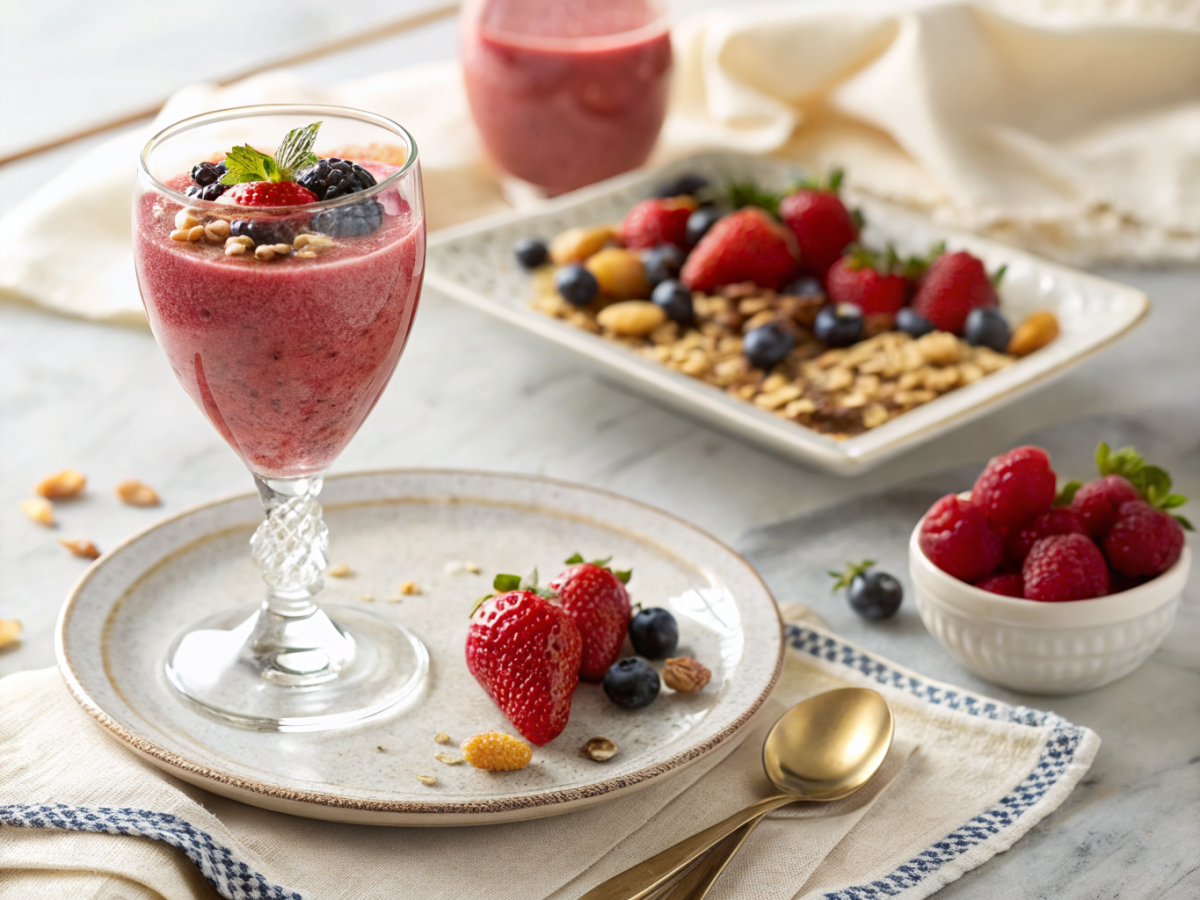
Best Morning Smoothie For Gut Health
Ingredients
Method
- Gather all ingredients and ensure the banana and blueberries are frozen for a thick, creamy texture.
- Pour the kefir or Greek yogurt and almond milk into your blender. This helps the blender blades move smoothly.
- Add the ground flaxseed, chia seeds, fresh spinach, and grated ginger to the blender.
- Top with the frozen banana slices and frozen blueberries.
- Blend on high speed for 45-60 seconds until completely smooth and creamy. Stop and scrape down sides if needed.
- If the smoothie is too thick, add more almond milk one tablespoon at a time and blend again until desired consistency is reached.
- Pour into glasses and enjoy immediately for best texture and maximum probiotic benefits.
Notes
Morning Smoothie For Gut Health: 5 Amazing Tips
Creating the ultimate gut-healing smoothie requires understanding which ingredients truly support digestive wellness. The key is combining probiotics, prebiotics, and anti-inflammatory components in perfect harmony. This approach ensures your morning routine actively contributes to better digestion throughout the day.
First, always use room temperature or slightly chilled ingredients rather than frozen ones straight from the freezer. This prevents shocking your digestive system first thing in the morning. Your gut bacteria thrive when not exposed to extreme temperatures immediately upon waking.
Second, blend your smoothie on a lower setting initially to break down fibrous ingredients gently. High-speed blending can oxidize certain nutrients and create a texture that’s harder to digest. A gradual blending approach preserves the beneficial enzymes and probiotics.
Third, consume your smoothie within 15 minutes of preparation for maximum probiotic benefit. The live cultures in yogurt and kefir begin to degrade once exposed to air and light. Fresh consumption ensures you’re getting the full spectrum of gut-supporting bacteria.
Fourth, add a source of healthy fat like avocado, chia seeds, or flaxseed oil. These fats help absorb fat-soluble vitamins and keep you satisfied longer. They also slow down sugar absorption, preventing blood sugar spikes that can disrupt gut bacteria balance.
Fifth, rotate your greens and fruits weekly to expose your gut to diverse plant compounds. Different colored produce contains unique polyphenols that feed different bacterial strains. This diversity strengthens your overall microbiome resilience and function.
Why You’ll Love This Morning Smoothie For Gut Health
This smoothie transforms your morning routine into a therapeutic ritual for your digestive system. Unlike typical breakfast options that can cause bloating or discomfort, this blend actively soothes inflammation. You’ll notice improved regularity, reduced bloating, and sustained energy within just a few days.
The taste profile is surprisingly delicious despite being packed with functional ingredients. The natural sweetness from banana and berries balances the tanginess of probiotic yogurt perfectly. There’s no “health food” aftertaste that makes you dread your morning wellness routine.
Preparation takes less than five minutes, making it ideal for busy mornings when cooking isn’t an option. You can even prep ingredients the night before in individual containers. Simply blend and go, knowing you’re starting your day with powerful gut support.
This recipe is incredibly forgiving and adapts to whatever you have on hand. Missing one ingredient won’t ruin the gut-health benefits or flavor profile. The foundational elements work synergistically, so substitutions still deliver impressive results.
If you’re exploring more drinks and detox recipes, this smoothie serves as an excellent foundation. It pairs beautifully with other wellness practices like intermittent fasting or elimination diets. The gentle, nourishing formula supports rather than disrupts your digestive healing journey.
Core Ingredients for Morning Smoothie For Gut Health
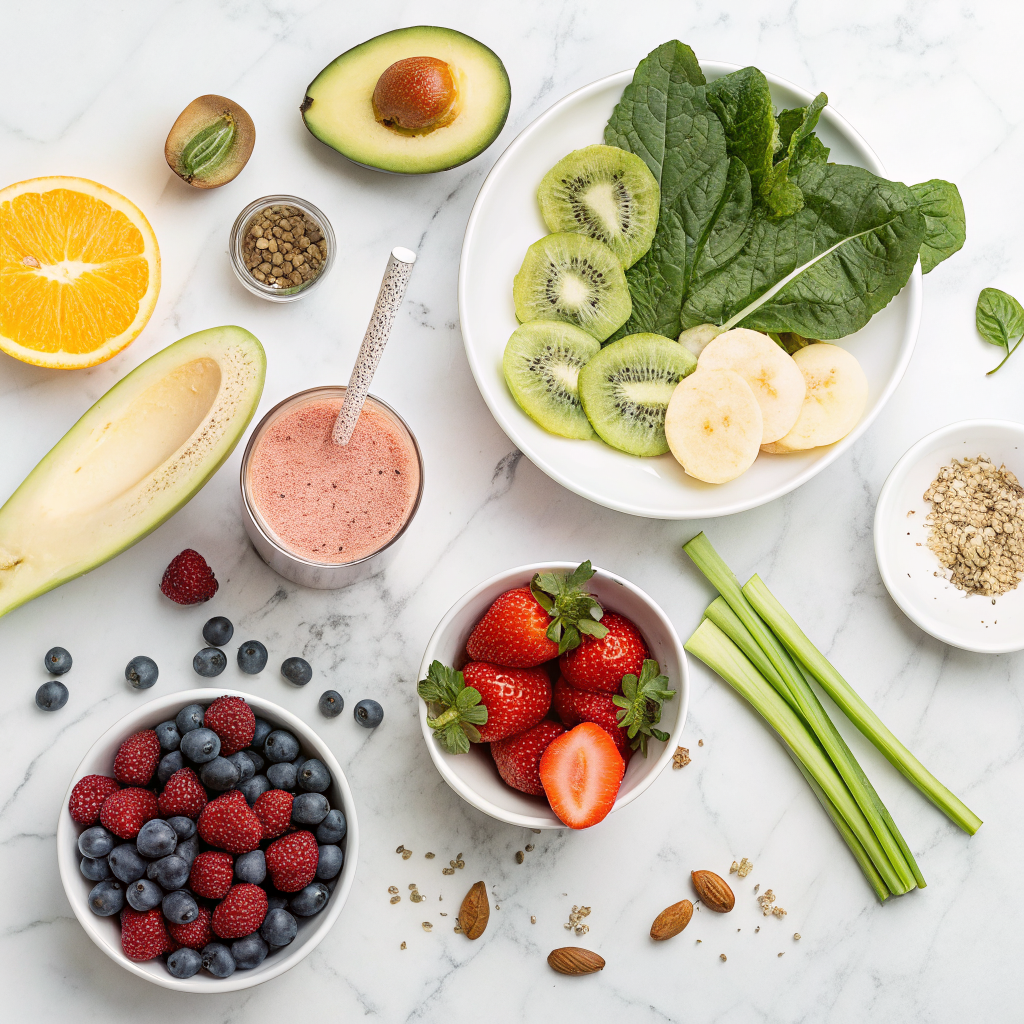
The ingredient selection focuses on three key categories: probiotics, prebiotics, and anti-inflammatory compounds. Each component serves a specific purpose in supporting your digestive ecosystem. Together, they create a comprehensive approach to gut wellness in a single glass.
Probiotic Base
Plain Greek yogurt or kefir (1 cup): This provides the live bacterial cultures essential for gut health. Choose full-fat versions for better nutrient absorption and satiety. Look for labels stating “live and active cultures” with multiple bacterial strains listed.
Kombucha (1/4 cup, optional): Adds additional probiotic diversity and a subtle tang. Use unflavored or ginger varieties to avoid excess sugar. This ingredient amplifies the probiotic punch significantly.
Prebiotic Fiber Sources
Banana (1 medium, slightly green): Provides resistant starch that feeds beneficial gut bacteria. Slightly underripe bananas contain more prebiotic fiber than fully ripe ones. They also add natural sweetness and creamy texture.
Flaxseeds (2 tablespoons, ground): Deliver soluble fiber that supports regular bowel movements. Grinding them fresh ensures maximum nutrient availability and omega-3 absorption. These seeds also provide lignans with anti-inflammatory properties.
Oats (1/4 cup, rolled): Contain beta-glucan fiber that specifically nourishes beneficial Bifidobacteria. Use gluten-free certified oats if you have sensitivities. They add substance and help stabilize blood sugar levels.
Anti-Inflammatory Additions
Frozen blueberries (1/2 cup): Rich in polyphenols that reduce gut inflammation and oxidative stress. Frozen berries are just as nutritious as fresh and often more affordable. Their anthocyanins support the gut lining’s integrity.
Fresh ginger (1/2 inch, peeled): Contains gingerol compounds that ease digestive discomfort and nausea. This root has been used for centuries to support gastrointestinal health. Start with less if you’re sensitive to spicy flavors.
Turmeric powder (1/2 teaspoon): Provides curcumin, a powerful anti-inflammatory compound for gut healing. Combine with black pepper to increase absorption by up to 2000%. This golden spice supports the gut-brain axis function.
Spinach (1 cup, packed): Offers magnesium and chlorophyll that support digestive muscle function. The mild flavor disappears completely when blended with fruit. This leafy green provides additional prebiotic fiber as well.
Healthy Fats and Liquid
Avocado (1/4 medium): Creates a luxuriously creamy texture while providing monounsaturated fats. These fats help reduce gut inflammation and improve nutrient absorption. Avocado also adds satisfying richness that keeps you full.
Chia seeds (1 tablespoon): Expand in liquid to create a gel that soothes the digestive tract. They provide omega-3 fatty acids and additional soluble fiber. Let the smoothie sit for 5 minutes after blending for optimal texture.
Unsweetened almond milk (1 cup): Serves as a gentle, non-dairy liquid base. Choose varieties without carrageenan, which can irritate sensitive guts. Coconut water works as an excellent alternative for added electrolytes.
Raw honey (1 teaspoon, optional): Adds natural sweetness while providing prebiotic oligosaccharides. Raw honey contains enzymes that support digestion. Use sparingly to keep sugar content minimal.
How to Make Morning Smoothie For Gut Health: Step-by-Step
Proper preparation technique ensures you extract maximum nutritional benefit from each ingredient. The order in which you add ingredients affects blending efficiency and final texture. Follow these steps for consistently perfect results every time.
Step 1: Prepare Your Ingredients
Remove yogurt or kefir from the refrigerator 10 minutes before blending to take the chill off. Peel and slice your banana, and measure out all dry ingredients into small prep bowls. Wash spinach thoroughly and pat dry to remove excess water that would dilute your smoothie.
Grind flaxseeds fresh using a coffee grinder or high-powered blender for optimal nutrient release. Pre-ground seeds lose their omega-3 content quickly due to oxidation. This extra step significantly boosts the nutritional profile of your smoothie.
Step 2: Layer Ingredients Properly
Add liquid ingredients to your blender first—almond milk, yogurt, and kombucha if using. This prevents the blades from spinning uselessly and ensures smooth blending. Liquids create the vortex necessary for pulling down solid ingredients.
Next, add your soft ingredients: banana chunks, avocado, and berries. These blend easily and help bridge the gap between liquids and harder ingredients. Place spinach on top, as leafy greens blend best when they’re not stuck at the bottom.
Finally, add your seeds, oats, and spices on the very top. These denser ingredients will get pulled down into the vortex naturally. This layering technique prevents clumping and ensures even distribution of all components.
Step 3: Blend Strategically
Start blending on the lowest setting for 10-15 seconds to break down larger pieces. This gentle start prevents air pockets from forming around the blades. Gradually increase speed to medium, blending for another 20 seconds.
Stop and scrape down the sides with a spatula to incorporate any stuck ingredients. This ensures every component gets fully blended into the mixture. Resume blending on high speed for 30-45 seconds until completely smooth.
The final texture should be creamy and pourable, not thick like a milkshake. If too thick, add almond milk one tablespoon at a time. If too thin, add more banana or a few ice cubes made from coconut water.
Step 4: Optimize and Serve
Taste your smoothie and adjust sweetness or spice levels as needed. Add more honey if you prefer sweeter, or more ginger for digestive warmth. Remember that your taste preferences will evolve as your gut health improves.
Let the smoothie rest for 2-3 minutes after blending to allow chia seeds to hydrate fully. This creates a more satisfying, gel-like consistency that’s easier to digest. The brief rest also allows any foam to settle.
Pour into a glass and consume immediately for maximum probiotic benefit. Sip slowly rather than gulping to aid digestion and allow proper satiety signals. Consider this a mindful eating practice rather than just another rushed meal.
Nutrition & Health Benefits
This smoothie delivers approximately 350-400 calories with a balanced macronutrient profile. You’re getting roughly 15g protein, 45g carbohydrates, and 18g healthy fats per serving. The fiber content ranges from 12-15g, supporting both digestive health and blood sugar stability.
The probiotic content varies depending on your yogurt or kefir choice, but typically provides 5-10 billion CFUs. These live cultures help restore balance to your gut microbiome. Regular consumption can increase beneficial bacteria populations significantly within just two weeks.
Prebiotic fiber from bananas, oats, and flaxseeds feeds your existing good bacteria. This symbiotic approach—providing both probiotics and their food—creates optimal conditions for gut healing. The resistant starch specifically supports butyrate production, which fuels colon cells.
Anti-inflammatory compounds from turmeric, ginger, and berries reduce gut lining irritation. Chronic inflammation is linked to numerous digestive disorders and systemic health issues. These ingredients actively combat oxidative stress at the cellular level.
The omega-3 fatty acids from flaxseeds and chia seeds support the gut-brain axis. This communication highway influences mood, cognition, and stress response. Improving gut health through this smoothie can positively impact mental wellness too.
Magnesium from spinach supports the muscular contractions that move food through your digestive tract. Many people are deficient in this essential mineral. Just one serving provides about 15% of your daily magnesium needs.
The vitamin C from berries supports collagen production necessary for gut lining repair. A healthy intestinal barrier prevents “leaky gut” syndrome. This protective function is crucial for overall immune system health.
For more information on gut health fundamentals, check out this comprehensive digestive health resource from Harvard Medical School. Understanding the science behind gut wellness helps you make informed dietary choices. Knowledge empowers you to customize this recipe for your specific needs.
Variations & Substitutions
The beauty of this recipe lies in its adaptability to different dietary needs and preferences. You can modify ingredients while maintaining the gut-health benefits. Experimentation helps you discover your perfect personal formula.
Dairy-Free Adaptations
Replace Greek yogurt with coconut yogurt containing live cultures for a completely dairy-free version. Brands like GT’s CocoYo or Culina provide excellent probiotic content. You can also use cashew-based yogurts fortified with probiotic strains.
Substitute kefir with water kefir or coconut kefir for similar probiotic benefits. These alternatives provide different bacterial strains that still support gut health. The slightly different flavor profile adds interesting variety to your routine.
Low-Sugar Modifications
Replace banana with half an avocado and a few drops of stevia for lower carbohydrate content. This modification maintains creaminess while reducing sugar to under 10g per serving. Add extra cinnamon to enhance perceived sweetness without actual sugar.
Use only 1/4 cup berries instead of 1/2 cup, and increase spinach to 2 cups. The additional greens provide more nutrients without impacting blood sugar. This version works excellently for those managing diabetes or insulin resistance.
Protein-Boosted Version
Add one scoop of unflavored collagen peptides for an additional 10g protein and gut-lining support. Collagen specifically helps repair intestinal permeability issues. It dissolves completely without affecting taste or texture.
Include 2 tablespoons of hemp hearts for plant-based protein and additional omega-3s. These seeds provide all essential amino acids in a digestible form. They also add a subtle nutty flavor that complements the other ingredients.
If you’re interested in more high-protein recipes, this smoothie serves as an excellent breakfast foundation. Adequate protein intake supports tissue repair throughout your digestive tract. It also helps maintain stable energy levels throughout the morning.
Seasonal Ingredient Swaps
In summer, replace frozen blueberries with fresh strawberries or raspberries for variety. All berries contain beneficial polyphenols, though in different concentrations. Seasonal rotation exposes your gut to diverse plant compounds.
During fall and winter, add 1/4 teaspoon of cinnamon and a pinch of nutmeg for warming spices. These additions provide anti-microbial properties that support immune function. Pumpkin puree (2 tablespoons) adds seasonal flavor and extra fiber.
Texture Preferences
For a thicker, bowl-style smoothie, reduce almond milk to 1/2 cup and add extra frozen fruit. Top with granola, coconut flakes, and additional berries. This transforms your drink into a satisfying smoothie bowl experience.
For a thinner, more juice-like consistency, increase liquid to 1.5 cups and reduce banana to half. Add cucumber slices for extra hydration and freshness. This lighter version works well for those who prefer sipping throughout the morning.
Serving Suggestions
This smoothie works beautifully as a complete breakfast on its own for most people. The balanced macronutrients provide sustained energy for 3-4 hours. However, pairing it strategically can enhance both satisfaction and nutritional completeness.
Serve alongside a small handful of raw almonds or walnuts for additional healthy fats and crunch. The nuts provide extra protein and make the meal feel more substantial. Their fiber content further supports the gut-health benefits of your smoothie.
Pair with a slice of sourdough toast topped with avocado for those with higher caloric needs. The fermented bread adds additional probiotics to your morning routine. This combination works especially well for active individuals or those recovering from illness.
Consider this smoothie as a post-workout recovery drink within 30 minutes of exercise. The protein supports muscle repair while probiotics help reduce exercise-induced inflammation. Add an extra tablespoon of honey for quick carbohydrate replenishment after intense workouts.
For a complete wellness morning routine, enjoy your smoothie after a short meditation or gentle yoga session. This mindful approach to breakfast sets a positive tone for your entire day. The gut-brain connection means reduced stress enhances digestive function significantly.
If you’re exploring quick and easy meals for the rest of your day, this smoothie establishes excellent digestive momentum. Starting with gut-supporting foods makes you more likely to crave nourishing options later. Your microbiome influences your food preferences more than you might realize.
Common Mistakes to Avoid
Using yogurt with added sugars or artificial sweeteners undermines the gut-health benefits. These additives can actually feed harmful bacteria and yeast overgrowth. Always choose plain, unsweetened varieties with clearly listed live cultures.
Over-blending creates excessive heat that can kill beneficial probiotics in your yogurt. Keep blending time under 90 seconds total for optimal probiotic preservation. The smoothie doesn’t need to be perfectly silky—slightly textured is actually better for digestion.
Adding too much fruit creates a sugar bomb that disrupts blood sugar balance. Even natural sugars can cause energy crashes and feed less beneficial gut bacteria. Stick to the recommended amounts and prioritize low-glycemic fruits like berries.
Drinking your smoothie too quickly prevents proper digestion and nutrient absorption. Your stomach needs time to signal fullness to your brain. Aim to consume your smoothie over 10-15 minutes, chewing it slightly to activate digestive enzymes.
Skipping the healthy fats makes the smoothie less satisfying and reduces nutrient absorption. Fat-soluble vitamins A, D, E, and K require dietary fat for uptake. Without adequate fat, you miss out on significant nutritional benefits.
Using tap water instead of filtered water may introduce chlorine that kills probiotics. Municipal water treatment chemicals can disrupt your carefully crafted gut-health formula. Invest in a simple water filter for better results.
Making large batches and storing them for multiple days significantly reduces probiotic viability. While convenient, this approach sacrifices the primary gut-health benefits. Fresh preparation ensures maximum therapeutic value from your ingredients.
Combining this smoothie with antibiotics without proper timing can waste the probiotic benefits. If taking antibiotics, consume your smoothie at least 2 hours before or after medication. This separation allows the beneficial bacteria to survive and colonize effectively.
Learn more about probiotic foods and their proper use through this evidence-based guide from the National Institutes of Health. Scientific understanding helps you maximize the benefits of functional foods. Proper knowledge prevents common misconceptions about gut health nutrition.
Storage & Meal Prep Tips
While fresh preparation is ideal, strategic meal prep can make daily smoothie consumption more sustainable. The key is preparing components without compromising probiotic viability. Smart organization saves time while maintaining nutritional integrity.
Ingredient Prep Strategies
Pre-portion dry ingredients (oats, flaxseeds, chia seeds, spices) into small containers or bags. Label each with the date and store in a cool, dark place. These shelf-stable components maintain quality for up to two weeks when properly stored.
Wash and portion spinach into individual servings in the refrigerator. Use paper towels to absorb excess moisture and prevent wilting. Prepared greens stay fresh for 3-4 days when stored properly in airtight containers.
Peel and slice bananas, then freeze in single-serving portions in freezer bags. Remove as much air as possible to prevent freezer burn. Frozen banana prep lasts up to three months and actually improves smoothie texture.
Measure berries into individual portions and keep frozen until use. Pre-portioning prevents the temptation to add too much fruit. This system also helps track your weekly berry consumption for consistent gut-health benefits.
Blended Smoothie Storage
If you must store a blended smoothie, consume within 4-6 hours for reasonable probiotic retention. Store in an airtight glass container filled to the top to minimize oxidation. Keep refrigerated at all times and shake well before drinking.
Add probiotic ingredients (yogurt, kefir) only when ready to consume rather than pre-blending. Blend the base of fruits, vegetables, and seeds, then stir in probiotics fresh. This compromise maintains convenience while preserving beneficial bacteria.
Freeze leftover smoothie in ice cube trays for emergency backup servings. These cubes won’t retain probiotic benefits but preserve other nutrients well. Blend frozen cubes with fresh yogurt and a splash of liquid for a quick gut-health drink.
Weekly Prep Routine
Dedicate 20 minutes on Sunday to washing, portioning, and organizing all smoothie components. This small time investment ensures you’ll actually make your smoothie daily. Visible, organized ingredients remove the friction that leads to skipping healthy habits.
Create a smoothie station in your refrigerator with all ingredients in one designated area. This visual reminder and convenience factor significantly increases compliance. Keep your blender clean and ready on the counter for immediate use.
Rotate your greens and berries weekly to prevent taste fatigue and maximize nutritional diversity. Schedule different combinations on your meal plan or calendar. Variety keeps your gut bacteria diverse and your taste buds engaged.
Final Thoughts on Morning Smoothie For Gut Health
Incorporating this Morning Smoothie For Gut Health into your daily routine can transform your digestive wellness significantly. The combination of probiotics, prebiotics, and anti-inflammatory ingredients creates a powerful therapeutic tool. Consistency matters more than perfection—even four days per week delivers measurable benefits.
Listen to your body’s response and adjust ingredients based on your individual tolerance and preferences. Some people thrive on more ginger, while others prefer less. Your gut microbiome is as unique as your fingerprint, so personalization is essential.
Remember that gut health is a journey, not a destination, requiring patience and sustained effort. You may not notice dramatic changes immediately, but subtle improvements compound over time. Most people report significant differences in digestion, energy, and even mood within 2-3 weeks.
This smoothie works best as part of a holistic approach to gut wellness. Combine it with adequate sleep, stress management, and regular movement for optimal results. Your digestive system responds to your entire lifestyle, not just isolated dietary changes.
The investment in quality ingredients pays dividends in reduced healthcare costs and improved quality of life. Preventive nutrition through functional foods like this Morning Smoothie For Gut Health is among the most cost-effective health strategies. Your future self will thank you for prioritizing digestive wellness today.

HomeCook Legacy Kitchen is the editorial name of homecooklegacy.com. Recipes on this site are drafted with the help of AI tools and published by the HomeCook Legacy team. Please check ingredients, cooking times and food-safety guidance for your own situation.