
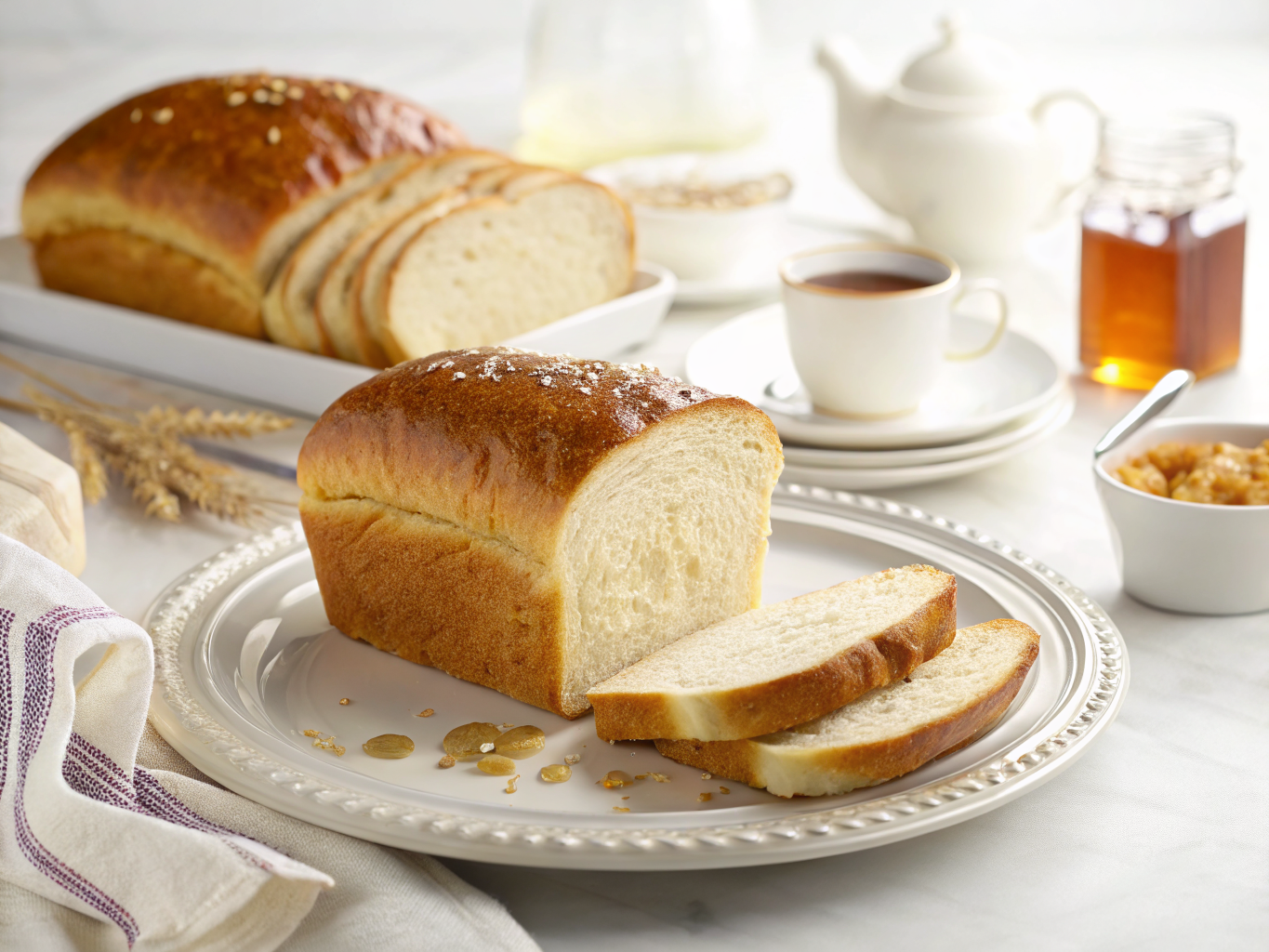
Honey Wheat Bread
Ingredients
Method
- In a large bowl, combine warm water, yeast, and 1 tablespoon of honey. Let stand for 5-10 minutes until foamy.
- Add remaining honey, oil, salt, and 2 cups of whole wheat flour to the yeast mixture. Stir until combined. Gradually add remaining flour until dough forms.
- Turn dough onto a floured surface and knead for 8-10 minutes until smooth and elastic. Alternatively, use a stand mixer with dough hook for 5-6 minutes.
- Place dough in a greased bowl, cover with a damp towel, and let rise in a warm place for 60-90 minutes until doubled in size.
- Punch down dough, shape into a loaf, and place in a greased 9x5-inch loaf pan. Cover and let rise for 30-45 minutes until dough rises about 1 inch above the pan.
- Preheat oven to 350°F. Bake for 30-35 minutes until golden brown and bread sounds hollow when tapped. Internal temperature should reach 190°F.
- Remove from pan and cool on a wire rack for at least 30 minutes before slicing.
Nutrition
Notes
Tried this recipe?
Let us know how it was!There’s something incredibly satisfying about slicing into a loaf of homemade bread, especially when it’s a perfectly balanced honey wheat bread that combines wholesome ingredients with just the right touch of sweetness. This honey wheat bread recipe delivers a soft, tender crumb with a golden crust that makes every sandwich, toast, or simple buttered slice an absolute delight. Whether you’re an experienced baker or just starting your bread-making journey, this recipe provides foolproof instructions that guarantee success every single time.
Making bread at home isn’t just about the end product—it’s about filling your kitchen with that irresistible aroma of freshly baked bread and knowing exactly what goes into every slice your family enjoys. This honey wheat bread recipe uses simple, wholesome ingredients that you likely already have in your pantry, without any preservatives or additives found in store-bought loaves. The natural sweetness from honey complements the nutty flavor of whole wheat flour, creating a bread that’s nutritious enough for daily consumption yet special enough to serve to guests.
The beauty of this recipe lies in its versatility and reliability. Unlike some temperamental bread recipes that require perfect conditions, this honey wheat bread is forgiving and adaptable to different kitchen environments. The combination of all-purpose and whole wheat flour creates the ideal texture—substantial enough to hold up to hearty sandwich fillings yet soft enough to remain enjoyable on its own with just a smear of butter or jam.
Why This Honey Wheat Bread Recipe Stands Out From Store-Bought Options
Commercial bread manufacturers often rely on dough conditioners, preservatives, and high-fructose corn syrup to extend shelf life and reduce production costs. When you make this honey wheat bread recipe at home, you control every ingredient, ensuring that your family consumes only wholesome, recognizable components. The honey acts as a natural preservative while adding minerals and antioxidants that refined sugars simply cannot provide.
Whole wheat flour contributes significantly more fiber, protein, and essential nutrients compared to refined white flour. According to Harvard School of Public Health, whole grains can reduce the risk of heart disease, type 2 diabetes, and certain cancers. This recipe strikes the perfect balance by incorporating whole wheat flour for nutritional benefits while maintaining the soft texture that makes sandwich bread so appealing.
The cost savings of homemade bread are substantial when you bake regularly. A loaf of quality honey wheat bread from artisan bakeries can cost anywhere from five to eight dollars, while the ingredients for this recipe typically total less than two dollars per loaf. Beyond economics, the satisfaction of creating something nourishing with your own hands adds immeasurable value to your baking experience.
Core Ingredients That Make This Recipe Exceptional
The foundation of any great bread recipe starts with selecting quality ingredients that work together harmoniously. For this honey wheat bread recipe, you’ll need whole wheat flour, all-purpose flour, warm water, active dry yeast, honey, butter, salt, and optionally, vital wheat gluten for extra structure. Each ingredient serves a specific purpose in creating the perfect texture and flavor profile that makes this bread so memorable.
Whole wheat flour provides the characteristic nutty flavor and nutritional density that defines this bread. Look for flour that’s labeled “whole wheat” rather than “wheat flour,” as the latter may be refined with only a small amount of wheat bran added back. Fresh flour makes a noticeable difference in flavor, so check the packaging date and store your flour in an airtight container in a cool location to maintain freshness.
Honey serves double duty in this recipe by feeding the yeast during fermentation and adding natural sweetness to the finished loaf. Raw, unfiltered honey offers the most health benefits and complex flavor notes, though any quality honey will work beautifully. The amount of honey in this recipe provides just enough sweetness to appeal to most palates without making the bread taste dessert-like or overly sweet.
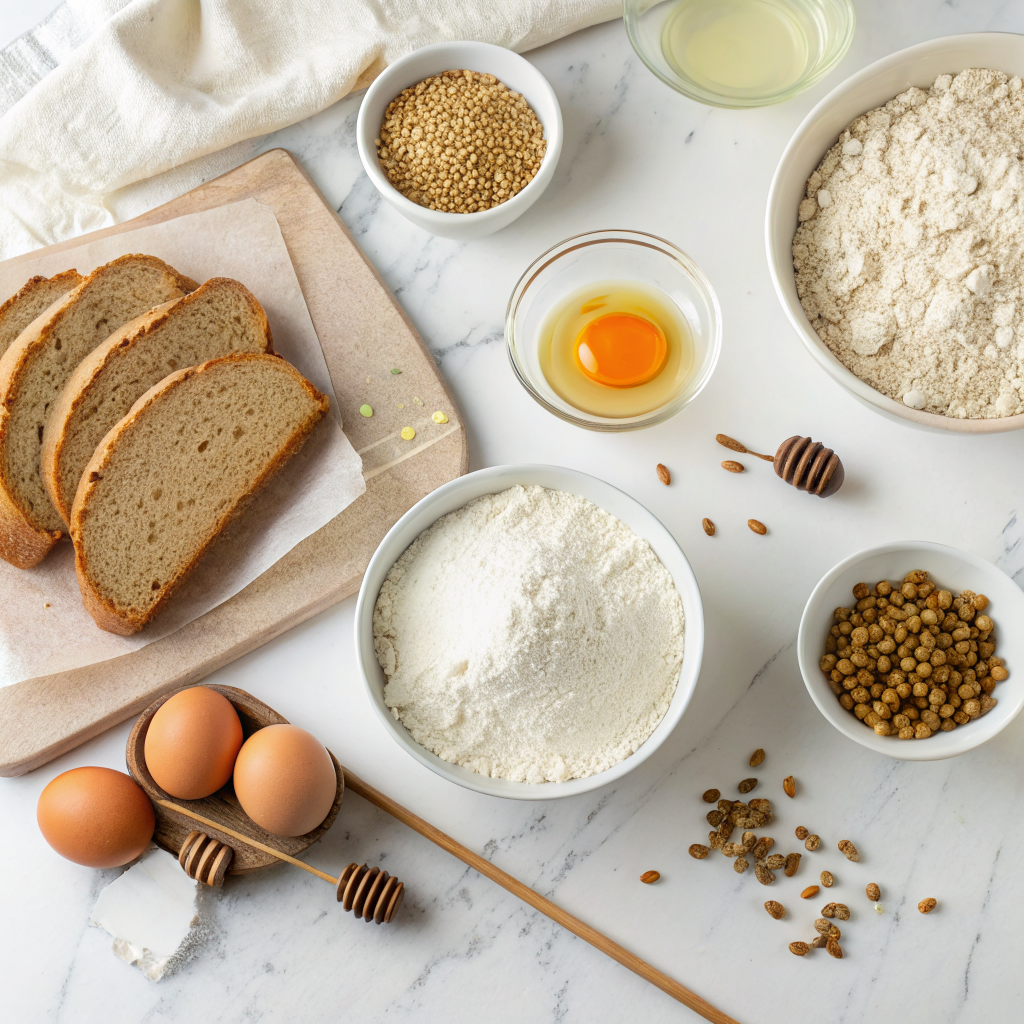
Active dry yeast is the leavening agent that creates the bread’s airy structure. Always check the expiration date on your yeast package, as expired yeast won’t activate properly and will result in dense, flat bread. Proofing your yeast in warm water (between 105-115°F) with a pinch of the honey ensures that it’s alive and active before you commit all your ingredients to the dough.
Butter adds richness and helps create a tender crumb while contributing to the bread’s keeping qualities. You can use salted or unsalted butter, though unsalted gives you better control over the final salt content. Some bakers substitute olive oil or coconut oil for different flavor profiles, though butter provides the most traditional taste that most people associate with quality sandwich bread.
Step-by-Step Instructions for Perfect Honey Wheat Bread
Begin by activating your yeast in a large mixing bowl with one and a half cups of warm water heated to approximately 110°F. Add two tablespoons of honey to the water and sprinkle two and a quarter teaspoons of active dry yeast over the surface. Allow this mixture to sit undisturbed for five to ten minutes until it becomes foamy and fragrant, indicating that your yeast is alive and ready to work.
Once your yeast is proofed, add the remaining two tablespoons of honey, three tablespoons of melted butter, and two teaspoons of salt to the bowl. Stir these wet ingredients together until well combined. This is the perfect time to ensure everything is properly mixed before adding the flour, which will make mixing more difficult once incorporated.
Add two cups of whole wheat flour to the wet ingredients and mix thoroughly with a wooden spoon or sturdy spatula. The mixture will be quite wet and sticky at this stage, which is perfectly normal. Gradually add two to two and a half cups of all-purpose flour, one cup at a time, stirring after each addition until the dough begins to pull away from the sides of the bowl and forms a cohesive mass.
Turn the dough out onto a lightly floured surface and knead for eight to ten minutes until it becomes smooth and elastic. Proper kneading develops the gluten structure that gives bread its characteristic texture, so don’t rush this step. The dough should feel slightly tacky but not sticky—if it sticks to your hands excessively, dust with a little more flour, adding just a tablespoon at a time.
Pro Tip: The windowpane test is the best way to determine if you’ve kneaded enough. Take a small piece of dough and stretch it gently between your fingers—if it stretches thin enough to see light through without tearing, your gluten is properly developed.
Place the kneaded dough in a large bowl that’s been lightly greased with oil or butter. Turn the dough to coat all sides, then cover the bowl with a damp towel or plastic wrap. Let the dough rise in a warm, draft-free location for sixty to ninety minutes, or until it has doubled in size. The exact rising time depends on your kitchen temperature—warmer environments speed up fermentation while cooler rooms slow it down.
After the first rise, gently punch down the dough to release the accumulated gases. Turn it out onto your work surface and shape it into a loaf by flattening it into a rectangle roughly the width of your bread pan. Roll the dough tightly from one short end to the other, pinching the seam closed as you go. Place the shaped loaf seam-side down in a greased 9×5-inch loaf pan.
Cover the pan with your damp towel again and allow the dough to rise for a second time, approximately thirty to forty-five minutes. The dough should crown about one inch above the rim of the pan when properly proofed. While the dough completes its second rise, preheat your oven to 375°F so it’s fully heated when your bread is ready to bake.
Bake the honey wheat bread for thirty to thirty-five minutes until the top is golden brown and the loaf sounds hollow when tapped on the bottom. An instant-read thermometer inserted into the center should register between 190-200°F when the bread is fully baked. Remove the pan from the oven and let it cool for five minutes before turning the loaf out onto a wire rack to cool completely.
Nutritional Benefits of Homemade Honey Wheat Bread
This honey wheat bread recipe provides substantial nutritional advantages over commercially produced white bread. Each slice contains approximately three grams of fiber, four grams of protein, and a variety of B vitamins essential for energy metabolism. The whole wheat flour contributes manganese, selenium, and phosphorus—minerals that support bone health, immune function, and cellular energy production.
According to Healthline, consuming whole grains like those in this bread can improve digestive health and promote beneficial gut bacteria. The fiber content helps regulate blood sugar levels by slowing the absorption of carbohydrates, making this bread a smarter choice for sustained energy throughout the day. Unlike refined white bread that can cause rapid blood sugar spikes, this honey wheat bread recipe supports more stable glucose levels.
The honey in this recipe offers more than just sweetness—it contains trace amounts of antioxidants, enzymes, and minerals that refined sugar lacks entirely. While honey is still a form of sugar and should be consumed in moderation, it provides marginally more nutritional value than alternatives. Research published by Medical News Today suggests that honey may have anti-inflammatory and antibacterial properties that contribute to overall health.
One slice of this homemade honey wheat bread contains approximately 120-130 calories, making it a reasonable choice for those monitoring their caloric intake. The combination of complex carbohydrates from whole grains and modest amounts of healthy fats from butter provides balanced nutrition. When topped with protein-rich ingredients like nut butter, eggs, or lean meats, this bread becomes part of a complete, nutritious meal.
Creative Variations to Customize Your Honey Wheat Bread Recipe
One of the joys of mastering a basic honey wheat bread recipe is experimenting with variations that suit your family’s preferences. Adding seeds and grains creates interesting textures and boosts nutritional content—try incorporating two tablespoons of flax seeds, sunflower seeds, or sesame seeds into the dough during the final stages of kneading. These additions provide healthy omega-3 fatty acids and extra protein while creating visual appeal and a pleasant crunch.
For a cinnamon raisin version, add one and a half teaspoons of ground cinnamon to the dry ingredients and fold in three-quarters of a cup of raisins after the first rise. This variation transforms your basic honey wheat bread into a breakfast treat that’s perfect for toasting and spreading with cream cheese. The natural sweetness of raisins complements the honey beautifully without requiring additional sugar.
Herb-infused honey wheat bread makes an excellent accompaniment to soups and salads. Mix in two tablespoons of fresh chopped rosemary, thyme, or a combination of Italian herbs during kneading. The aromatic herbs add sophisticated flavor that elevates simple sandwiches and makes the bread suitable for serving alongside dinner. You can also brush the top with melted butter and sprinkle with coarse sea salt and additional herbs before baking for a rustic appearance.
For those who prefer a heartier, more substantial loaf, increase the proportion of whole wheat flour to three cups and reduce the all-purpose flour to one and a half cups. This creates a denser bread with more pronounced wheat flavor and increased fiber content. Keep in mind that higher whole wheat ratios may require slightly more liquid, so add an extra tablespoon or two of water if the dough seems too dry during kneading.
Serving Suggestions That Showcase Your Homemade Bread
This honey wheat bread recipe creates the perfect foundation for countless meal possibilities throughout the day. For breakfast, toast slices until golden and top with mashed avocado, a sprinkle of red pepper flakes, and a drizzle of olive oil for a nutritious start to your morning. The slight sweetness of the bread balances beautifully with savory toppings, creating complex flavor combinations that keep breakfast interesting.
Classic sandwiches reach new heights when made with fresh homemade bread. Try layering sliced turkey, crisp lettuce, ripe tomatoes, and a spread of whole grain mustard between two slices for a lunch that’s both satisfying and wholesome. The sturdy texture of this bread holds up well to moist fillings without becoming soggy, while the subtle honey sweetness complements both savory and sweet sandwich components.
Transform leftover honey wheat bread into exceptional French toast by whisking together eggs, milk, vanilla, and a pinch of cinnamon. The bread’s slight sweetness means you can reduce added sugar in the egg mixture while still achieving delicious results. This bread also makes outstanding bread pudding—its tender crumb absorbs custard beautifully while maintaining enough structure to create the ideal texture contrast between crispy top and creamy interior.
For entertaining, slice the bread thinly and toast until crisp to create homemade crostini. Top with ricotta and honey, or spread with herb-infused cream cheese for elegant appetizers. You might also enjoy this recipe alongside homemade soups and stews, much like our classic beef stew that benefits from quality bread for soaking up every last drop of flavorful broth.
Common Mistakes to Avoid When Making Honey Wheat Bread
One of the most frequent errors in bread baking is using water that’s too hot, which kills the yeast and prevents proper rising. Water temperature should feel comfortably warm on your wrist—similar to baby bottle temperature—ideally between 105-115°F. Invest in an inexpensive instant-read thermometer to eliminate guesswork and ensure consistent results with every batch of this honey wheat bread recipe.
Adding too much flour is another common pitfall that results in dry, dense bread. Different flours absorb moisture differently depending on humidity, storage conditions, and protein content, so the amount needed can vary slightly from batch to batch. Always add flour gradually toward the end of mixing, stopping when the dough is just barely tacky rather than making it completely non-sticky, which indicates you’ve added too much.
Insufficient kneading prevents proper gluten development, resulting in bread that crumbles easily and lacks the characteristic chewy texture. Your arms might tire during the eight to ten minutes of kneading, but this crucial step cannot be shortened without compromising results. If hand-kneading becomes too difficult, consider using a stand mixer with a dough hook attachment, which can knead effectively in about six minutes on medium speed.
Rushing the rising times because of impatience creates bread with poor texture and underdeveloped flavor. Yeast needs adequate time to ferment the dough, creating both the gas bubbles that give bread its structure and the complex flavors that make it delicious. If your kitchen is particularly cold, create a warm environment by turning your oven on for just one minute, turning it off, and placing the covered bowl inside this gently warmed space.
Important: Never place dough in an oven that’s still hot, as temperatures above 130°F will kill the yeast. The oven should feel just barely warm to the touch—think of creating a cozy environment rather than a hot one.
Storage Tips to Keep Your Honey Wheat Bread Fresh
