
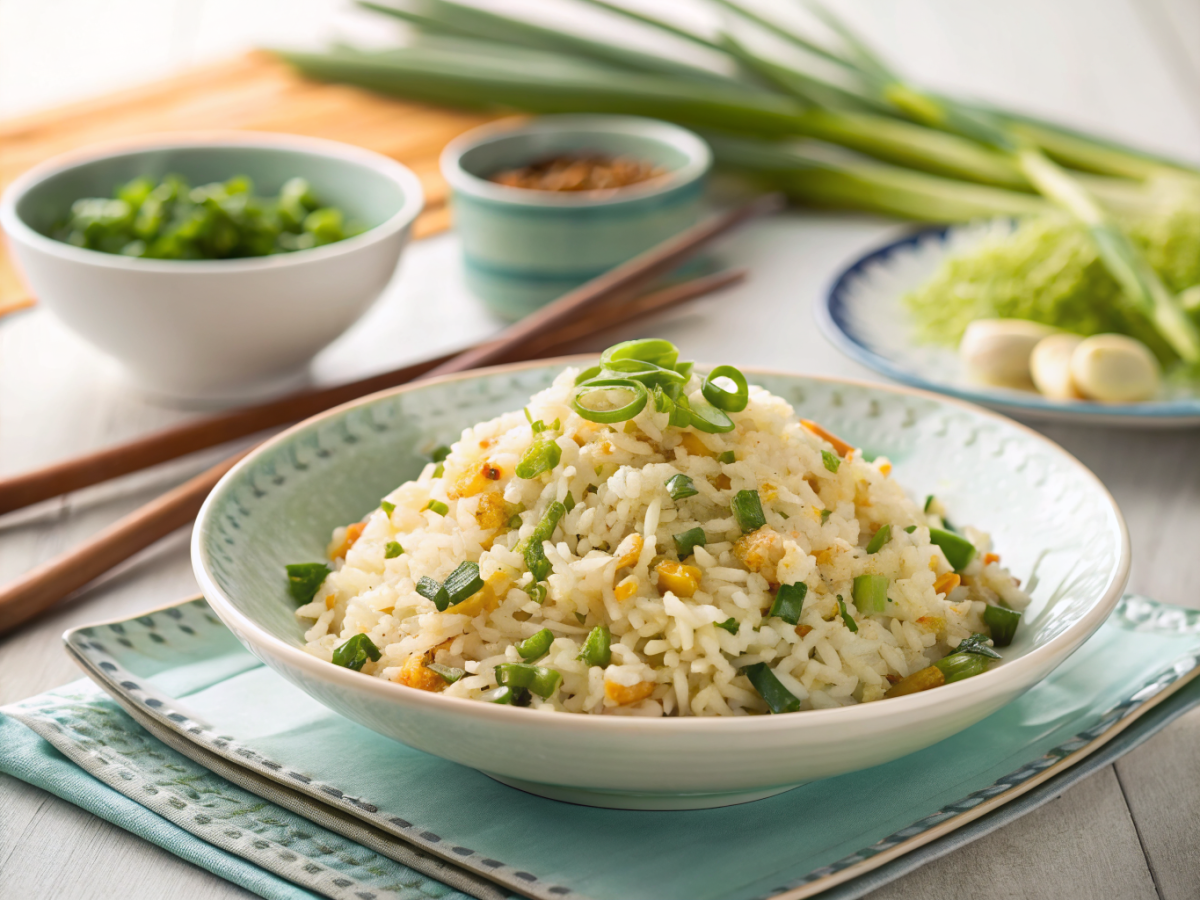
Ginger Scallion Rice Recipe: 5 Easy Tips for the Best Results

How to make ginger scallion rice at home

Ginger Scallion Rice

Fragrant jasmine rice infused with fresh ginger and scallions for a flavorful side dish that pairs perfectly with any meal.
Prep Time 10 minutes
Cook Time 20 minutes
Total Time 30 minutes
Servings: 4 servings
Course: Quick & Easy Meals
Cuisine: American
Calories: 285

Ingredients
  

  • 2 cups jasmine rice rinsed and drained
  • 2.5 cups water or chicken broth
  • 3 tablespoons vegetable oil divided
  • 3 tablespoons fresh ginger peeled and minced
  • 6 whole scallions thinly sliced, whites and greens separated
  • 1 teaspoon salt
  • 0.5 teaspoon sesame oil
  • 0.25 teaspoon white pepper optional

Method
 

  1. In a medium pot, combine rinsed rice, water, and half the salt. Bring to a boil over high heat, then reduce to low, cover, and simmer for 15 minutes until water is absorbed. Remove from heat and let stand covered for 5 minutes.
  2. While rice cooks, heat 2 tablespoons vegetable oil in a large skillet or wok over medium heat. Add minced ginger and white parts of scallions. Stir-fry for 2-3 minutes until fragrant and softened.
  3. Fluff the cooked rice with a fork and add it to the skillet with the ginger and scallions. Stir gently to combine everything evenly.
  4. Add remaining salt, sesame oil, and white pepper if using. Toss everything together over medium heat for 2-3 minutes to allow flavors to meld.
  5. Remove from heat and stir in the green parts of the scallions, reserving a small handful for garnish.
  6. Drizzle remaining tablespoon of vegetable oil over the rice and toss gently. Transfer to a serving bowl and garnish with reserved scallion greens. Serve hot.

Nutrition

Calories: 285kcalCarbohydrates: 45gProtein: 5gFat: 9gSodium: 590mgFiber: 2g

Notes

For extra flavor, use chicken or vegetable broth instead of water when cooking the rice. Fresh ginger is key to this recipe - do not substitute with dried ginger powder. This rice pairs beautifully with grilled chicken, fish, or stir-fried vegetables and can be made ahead and reheated in the microwave.

Tried this recipe?

Let us know how it was!
\n\nThis Ginger Scallion Rice recipe transforms simple ingredients into a fragrant, restaurant-quality side dish that pairs beautifully with any protein or vegetable. The aromatic combination of fresh ginger and scallions creates layers of flavor that elevate plain rice into something truly special. Whether you’re looking for a quick weeknight side or an impressive addition to your dinner party menu, this recipe delivers every time.

Ginger Scallion Rice: 5 Easy Tips for Perfect Results

Mastering this dish starts with understanding the balance between aromatic ingredients and perfectly cooked rice. The key lies in timing—adding ginger and scallions at the right moment ensures maximum flavor without burning these delicate ingredients. These five essential tips will help you achieve restaurant-quality results in your own kitchen.

First, always use day-old rice or properly cooled freshly cooked rice to prevent mushiness. The grains need to be separate and slightly dried out for the best texture. Fresh rice contains too much moisture and will turn sticky when stir-fried with the aromatic oil.

Second, prepare all your ingredients before you start cooking—this Chinese cooking technique called “mise en place” is crucial. Once you begin stir-frying, everything moves quickly, and you won’t have time to chop or measure. Having everything ready ensures smooth execution and prevents burning.

Third, use a wok or large skillet over high heat to achieve that characteristic smoky flavor known as “wok hei.” The high temperature creates slight charring on the rice grains, adding depth and complexity. Don’t overcrowd the pan—cook in batches if necessary to maintain proper heat.

Fourth, julienne your ginger into thin matchsticks rather than mincing it for better texture and visual appeal. These delicate strips distribute evenly throughout the rice and provide pleasant bursts of flavor. The scallions should be sliced on the bias for an elegant presentation.

Fifth, finish with a drizzle of toasted sesame oil just before serving to add a nutty aroma that ties all the flavors together. This final touch transforms the dish from good to extraordinary. A light hand is important—too much sesame oil can overpower the delicate ginger and scallion flavors.

Why You’ll Love This Ginger Scallion Rice

This recipe requires minimal ingredients yet delivers maximum flavor, making it perfect for busy weeknights when you need something quick but impressive. The aromatic combination creates a comforting dish that feels both familiar and exciting. It’s versatile enough to complement everything from grilled chicken to steamed fish.

The preparation time is remarkably short—you can have this dish on the table in under 25 minutes from start to finish. Unlike complicated recipes that require specialty equipment or hard-to-find ingredients, this one uses pantry staples and basic cooking techniques. Even novice cooks can achieve professional results with minimal effort.

From a nutritional standpoint, this dish offers a lighter alternative to fried rice loaded with heavy sauces and excess oil. The fresh ginger provides anti-inflammatory benefits and aids digestion, while scallions contribute vitamins A and C. You control the sodium content by adjusting the soy sauce to your preference.

The texture contrast between fluffy rice grains and crispy bits of caramelized scallion creates an addictive eating experience. Each bite delivers aromatic ginger warmth followed by the mild onion sweetness of scallions. The simplicity allows the quality of your ingredients to shine through.

This recipe scales beautifully whether you’re cooking for one or feeding a crowd at a dinner party. It works equally well as a side dish or as a base for building a complete meal. Leftovers reheat wonderfully, making it ideal for quick and easy meals throughout the week.

Core Ingredients for Ginger Scallion Rice

Ginger scallion rice ingredients

The foundation of this dish starts with jasmine rice or medium-grain white rice—about 3 cups of cooked rice works perfectly for four servings. Day-old refrigerated rice is ideal because the grains have dried out slightly and separated, preventing clumping. If using freshly cooked rice, spread it on a baking sheet to cool and dry for at least 30 minutes.

Fresh ginger root is non-negotiable for authentic flavor—you’ll need a 2-inch knob, peeled and julienned into thin matchsticks. The fresher the ginger, the more aromatic and less fibrous it will be. Look for ginger with smooth, tight skin and avoid pieces with wrinkled or moldy spots.

Scallions, also called green onions, provide both color and flavor—use 6 to 8 stalks depending on their size. Separate the white and light green parts from the dark green tops, as they cook at different rates. The white parts have a sharper flavor and should be added first, while the green tops are milder and more delicate.

Neutral cooking oil with a high smoke point like vegetable, canola, or peanut oil is essential—you’ll need about 3 tablespoons. This oil can withstand the high heat necessary for proper stir-frying without breaking down. Avoid olive oil, which has a lower smoke point and distinct flavor that doesn’t complement Asian dishes.

Light soy sauce adds umami depth and saltiness—start with 2 tablespoons and adjust to taste. Light soy sauce is thinner and saltier than dark soy sauce, which is used primarily for color. If you only have regular soy sauce, it will work fine, though you may want to use slightly less.

Toasted sesame oil provides the finishing aromatic touch—just 1 teaspoon is enough to perfume the entire dish. This ingredient should never be used for cooking due to its low smoke point; always add it at the end. The nutty aroma is what gives the dish its distinctive Asian character.

White pepper offers a different heat profile than black pepper, with a more earthy, fermented quality—use about 1/4 teaspoon. It’s traditional in Chinese cooking and doesn’t leave visible black specks in the rice. If you don’t have white pepper, black pepper works as a substitute, though the flavor will be slightly different.

Optional ingredients include a pinch of sugar to balance the saltiness, garlic for additional aromatic depth, and butter for richness. Some cooks add a splash of rice wine or mirin for complexity. These additions are personal preferences that can customize the dish to your taste.

How to Make Ginger Scallion Rice: Step-by-Step

Step 1: Prepare Your Ingredients. Begin by ensuring your cooked rice is at room temperature or cold from the refrigerator—this is crucial for achieving separated grains. Break up any clumps with your hands or a fork, making sure each grain is individual. Measure out all your ingredients and place them in small bowls near your cooking station.

Step 2: Prep the Aromatics. Peel the ginger using the edge of a spoon to scrape away the thin skin, then slice it into thin coins before cutting into matchstick-sized julienne strips. Wash the scallions thoroughly, then slice the white and light green parts into 1/4-inch pieces and the dark green tops into slightly larger pieces. Keep the white and green parts separated in different bowls.

Step 3: Heat Your Wok or Skillet. Place your wok or large skillet over high heat and let it heat for about 2 minutes until it’s smoking hot. This high temperature is essential for achieving the characteristic wok flavor. Add 2 tablespoons of your neutral cooking oil and swirl it around to coat the entire cooking surface.

Step 4: Bloom the Ginger. Add the julienned ginger to the hot oil and stir-fry for about 30 seconds until it becomes fragrant and just begins to turn golden at the edges. Be careful not to burn it—the line between perfectly toasted and burnt is thin. The oil will become infused with ginger flavor, which will coat every grain of rice.

Step 5: Add the Scallion Whites. Toss in the white and light green parts of the scallions and stir-fry for another 30 seconds until they soften and release their aroma. These parts can handle more heat than the green tops. You’ll notice the kitchen filling with an incredible fragrance at this point.

Step 6: Add the Rice. Add all of your prepared rice to the wok, breaking up any remaining clumps as you go. Use your spatula or wok spatula to press the rice against the hot surface, allowing some grains to develop a slight crisp. Stir-fry continuously for 3-4 minutes, tossing and folding the rice to ensure even heating and coating with the aromatic oil.

Step 7: Season the Rice. Drizzle the soy sauce around the perimeter of the wok so it hits the hot surface before mixing with the rice—this technique enhances the soy sauce flavor. Sprinkle the white pepper over the rice and continue tossing everything together for another minute. Taste and adjust seasoning if needed, adding more soy sauce or a pinch of salt.

Step 8: Add the Scallion Greens. Toss in the dark green scallion tops and stir-fry for just 30 seconds to 1 minute until they’re bright green and slightly wilted. These cook quickly and provide a fresh, mild onion flavor. Overcooking them will result in a dull color and loss of their delicate taste.

Step 9: Finish with Sesame Oil. Remove the wok from heat and drizzle the toasted sesame oil over the rice, tossing quickly to distribute it evenly. The residual heat will activate the sesame oil’s aroma without cooking it. This final step is what elevates the dish from good to restaurant-quality.

Step 10: Serve Immediately. Transfer the rice to a serving platter or individual bowls while it’s still hot and steaming. Garnish with additional sliced scallion greens if desired for a pop of color. The rice is best enjoyed immediately while the textures are at their peak and the aromatics are most pronounced.

Nutrition & Health Benefits

This dish provides approximately 220 calories per serving when made with white rice and minimal oil, making it a reasonable side dish option. The calorie count can be reduced further by using less oil or increased by adding protein-rich ingredients. Compared to heavy fried rice dishes loaded with eggs and meat, this version offers a lighter alternative.

Fresh ginger is the nutritional star of this recipe, offering powerful anti-inflammatory compounds called gingerols that support immune function and reduce inflammation. Studies have shown that regular ginger consumption may help with nausea, muscle soreness, and digestive issues. The warming properties of ginger also support circulation and metabolic function, much like the techniques discussed in recipes that emphasize fresh, aromatic ingredients.

Scallions contribute vitamins A, C, and K along with beneficial plant compounds that support eye health and immune function. They’re also rich in antioxidants that fight free radical damage in the body. The sulfur compounds in scallions have been linked to cardiovascular health benefits and may help regulate blood sugar levels.

White rice provides easily digestible carbohydrates that offer quick energy, making this dish ideal before or after physical activity. While white rice is lower in fiber than brown rice, it’s gentler on the digestive system and less likely to cause bloating. For those seeking more fiber and nutrients, brown rice or mixed grain options work well in this recipe.

The small amount of sesame oil adds healthy unsaturated fats and vitamin E, both important for cell health and hormone production. Sesame oil also contains sesamol and sesamin, antioxidants that have been studied for their potential anti-cancer properties. A little goes a long way in terms of both flavor and nutritional benefit.

This recipe is naturally dairy-free, making it suitable for those with lactose intolerance or following a vegan diet. It can easily be made gluten-free by substituting tamari for regular soy sauce. The simple ingredient list means fewer additives and preservatives compared to packaged rice mixes.

The sodium content can be controlled by adjusting the amount of soy sauce used—start with less and add more to taste. For those watching sodium intake, low-sodium soy sauce or coconut aminos provide excellent alternatives. Adding more vegetables like peas, carrots, or edamame can boost the nutritional profile further.

Variations & Substitutions

Protein Additions: Transform this side dish into a complete meal by adding cooked shrimp, diced chicken, or cubed tofu during the final stages of cooking. Scrambled eggs can be stirred in for added richness and protein, creating a more substantial dish. For vegetarians, edamame or chickpeas provide plant-based protein while maintaining the Asian flavor profile.

Grain Alternatives: Swap white rice for brown rice, quinoa, or cauliflower rice for different nutritional profiles and textures. Brown rice adds nuttiness and fiber, though it requires longer cooking time initially. Cauliflower rice creates a low-carb version that’s lighter and absorbs the ginger-scallion flavors beautifully.

Spice Variations: Add red pepper flakes or fresh sliced chilies for heat, or incorporate a teaspoon of Chinese five-spice powder for complexity. Garlic lovers can add minced garlic along with the ginger for additional aromatic depth. A splash of rice vinegar at the end brightens the flavors and adds tanginess.

Vegetable Additions: Fold in frozen peas, diced carrots, or corn kernels for color and nutrition without overwhelming the core flavors. Thinly sliced mushrooms add umami depth and meaty texture. Blanched broccoli florets or snap peas provide crunch and make the dish more substantial, perfect for complete dinner recipes.

Sauce Variations: Replace soy sauce with tamari for gluten-free needs, or use coconut aminos for a soy-free, slightly sweeter alternative. A tablespoon of oyster sauce adds depth and complexity if you’re not vegetarian. Fish sauce can replace some of the soy sauce for a more Southeast Asian flavor profile.

Oil Substitutions: While neutral oil is traditional, you can experiment with coconut oil for a subtle tropical note or avocado oil for its high smoke point and health benefits. Some cooks add a tablespoon of butter at the end for richness and glossy appearance. Just remember that butter has a lower smoke point, so add it off heat.

Herb Enhancements: Fresh cilantro, Thai basil, or mint added at the end provide bright, fresh flavors that complement the ginger and scallion base. Toasted sesame seeds sprinkled on top add nutty crunch and visual appeal. A squeeze of fresh lime juice just before serving adds brightness and balances the richness.

Serving Suggestions

This rice pairs exceptionally well with grilled or pan-seared proteins that benefit from a flavorful but not overpowering side dish. Serve it alongside teriyaki salmon, soy-glazed chicken thighs, or Korean-style beef bulgogi for an Asian-inspired feast. The ginger and scallion flavors complement rather than compete with these proteins.

For a vegetarian meal, pair this rice with stir-fried vegetables, mapo tofu, or vegetable spring rolls for a satisfying plant-based dinner. The rice provides substance while the vegetables add color, texture, and additional nutrients. A simple cucumber salad with rice vinegar dressing offers refreshing contrast to the warm, aromatic rice.

Consider serving this as part of a multi-dish spread in the style of Chinese family-style dining where everyone shares from communal plates. Arrange it on a large platter surrounded by various proteins and vegetables for an impressive presentation. This approach encourages variety and allows guests to customize their plates according to their preferences.

The rice works beautifully as a base for grain bowls—top it with your choice of protein, pickled vegetables, sliced avocado, and a drizzle of spicy mayo or tahini sauce. This modern presentation transforms the traditional side dish into a trendy, Instagram-worthy meal. Add a soft-boiled egg with a jammy yolk for extra richness and visual appeal.

For breakfast or brunch, serve this rice topped with a fried egg, some sautéed greens, and a splash of hot sauce for an Asian-inspired morning bowl. The runny egg yolk creates a natural sauce that coats the rice grains beautifully. This savory breakfast option provides sustained energy throughout the morning.

Use it as a filling for lettuce wraps, adding diced cucumber, shredded carrots, and a protein of choice for a light, refreshing meal. The crisp lettuce provides textural contrast to the soft rice, while the vegetables add crunch and freshness. This presentation is perfect for warm weather dining or when you want something lighter.

Leftover rice can be transformed into crispy rice cakes by forming it into patties and pan-frying until golden and crispy on both sides. These make excellent appetizers or can be served as a unique side dish. Top them with a dollop of sour cream or Greek yogurt mixed with fresh herbs for added richness.

Common Mistakes to Avoid

Using Fresh, Hot Rice: The most common mistake is using rice straight from the rice cooker, which contains too much moisture and will turn mushy when stir-fried. Fresh rice grains stick together and don’t achieve the separated, slightly crispy texture that makes this dish special. Always use day-old rice or spread freshly cooked rice on a baking sheet to cool and dry for at least 30 minutes before using.

Cooking Over Insufficient Heat: Many home cooks don’t get their wok or skillet hot enough, resulting in steamed rather than stir-fried rice. The high heat is essential for developing that characteristic smoky flavor and achieving slight caramelization on the rice grains. If your stove doesn’t get hot enough, cook in smaller batches to maintain proper temperature throughout the cooking process.

Burning the Ginger: Adding ginger to oil that’s too hot or leaving it in the pan too long causes it to burn and turn bitter, ruining the entire dish. Watch the ginger carefully and add the scallion whites quickly after the ginger becomes fragrant. If you notice any dark brown or black pieces, it’s better to start over than to continue with burnt aromatics.

Overcrowding the Pan: Trying to cook too much rice at once lowers the pan temperature and creates steam instead of the desired stir-fry effect. This results in gummy, unevenly cooked rice rather than separated grains with some crispy bits. Cook in batches if necessary, keeping finished batches warm in a low oven while you complete the rest.

Adding Sesame Oil Too Early: Cooking with toasted sesame oil destroys its delicate flavor compounds and can create an unpleasant burnt taste. Sesame oil has a low smoke point and should only be used as a finishing oil added after removing the pan from heat. This preserves its nutty aroma and prevents it from becoming bitter, similar to how finishing oils are used in dishes that rely on aromatic finishing touches.

Over-Seasoning Initially: Adding too much soy sauce at the beginning makes it difficult to adjust the flavor later and can result in overly salty rice. Start with less seasoning than you think you need and taste before adding more. Remember that you can always add more soy sauce, but you can’t remove it once it’s mixed in.

Not Preparing Ingredients in Advance: Starting to cook before all ingredients are prepped and measured leads to rushed, stressful cooking and often burnt aromatics. Stir-frying happens quickly, and you won’t have time to chop or measure once you start. Have everything ready in small bowls before you turn on the heat.

Neglecting to Taste and Adjust: Failing to taste the rice before serving means you might miss opportunities to perfect the seasoning balance. Every batch of rice, brand of soy sauce, and personal preference differs slightly. Always taste and adjust with additional soy sauce, white pepper, or a pinch of sugar if needed.

Storage & Meal Prep Tips

Refrigerator Storage: Store leftover rice in an airtight container in the refrigerator for up to 4 days, ensuring it cools to room temperature before sealing. Press a piece of plastic wrap directly onto the surface of the rice before putting on the lid to prevent drying. The rice will firm up when cold but reheats beautifully with the right technique.

Reheating Methods: The best way to reheat is in a skillet or wok with a tablespoon of water and a splash of oil over medium heat, stirring frequently. The water creates steam that rehydrates the rice while the oil prevents sticking and adds back some moisture. Microwave reheating works in a pinch—add a tablespoon of water, cover with a damp paper towel, and heat in 1-minute intervals, stirring between each.

Freezer Storage: This rice freezes surprisingly well for up to 3 months when stored in freezer-safe containers or bags with as much air removed as possible. Portion it into single-serving sizes for convenient future meals. Flatten freezer bags to save space and allow for quicker, more even thawing and reheating.

Meal Prep Strategy: Cook a large batch of plain rice at the beginning of the week and store it in the refrigerator to make this dish quickly on busy weeknights. Having pre-cooked rice on hand means you can have this dish ready in under 15 minutes. Prep the ginger and scallions in advance and store them separately in airtight containers for up to 3 days.

Make-Ahead Components: While this dish is best served fresh, you can prepare the ginger-scallion oil in advance and store it in the refrigerator for up to a week. Simply reheat the flavored oil and toss with freshly cooked or reheated rice when ready to serve. This technique preserves the fresh flavors while still saving time on busy days.

Batch Cooking: Double or triple the recipe when making it for meal prep, as it reheats so well and provides a flavorful base for various meals throughout the week. Use it for grain bowls, fried rice, or as a side dish with different proteins each night. The versatility makes it an excellent meal prep staple that won’t get boring.

Food Safety Considerations: Rice should never sit at room temperature for more than 2 hours due to the risk of Bacillus cereus bacteria, which can cause food poisoning. Cool cooked rice quickly by spreading it on a baking sheet before refrigerating. When reheating, ensure the rice reaches 165°F (74°C) throughout to kill any potential bacteria.

Final Thoughts on Ginger Scallion Rice

Leave a Comment

Recipe Rating