
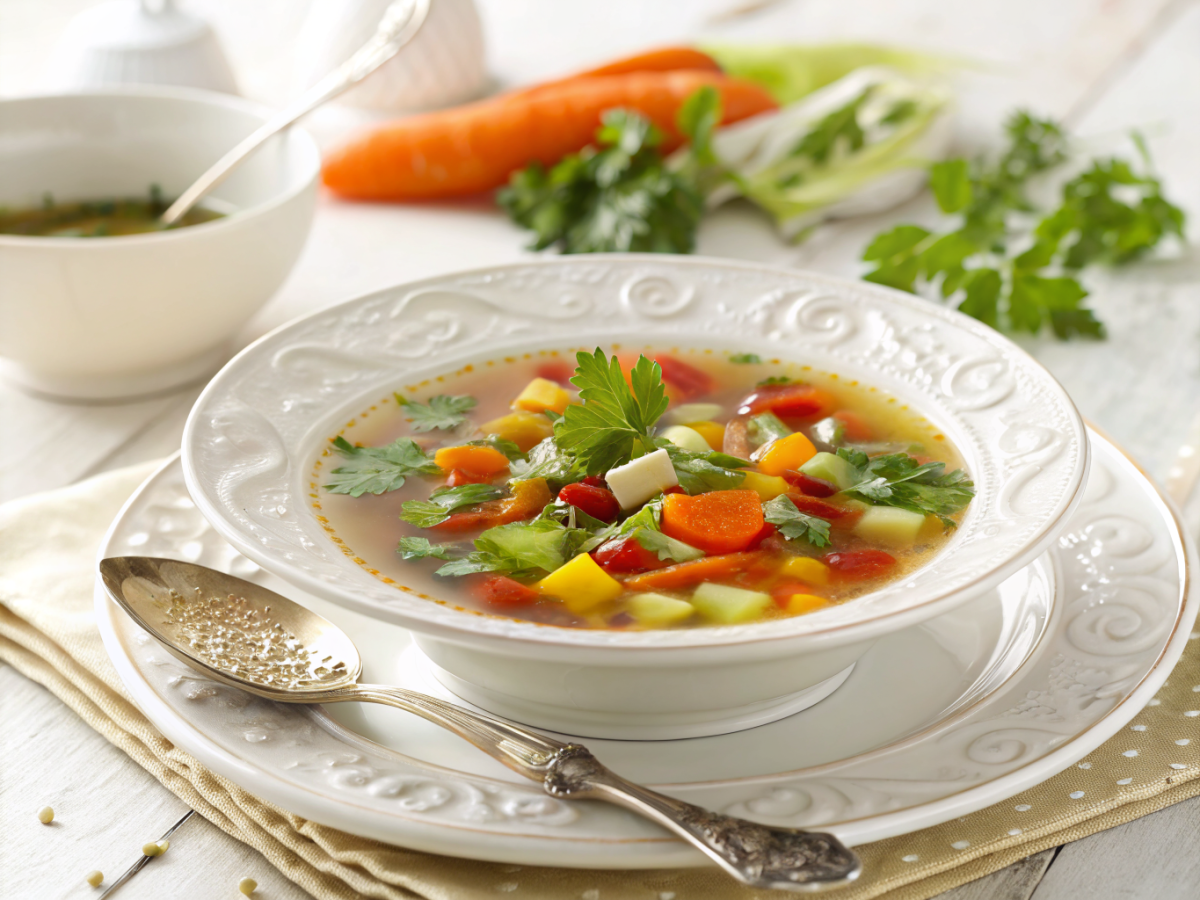
Zero Waste Vegetable Scraps Soup Everyone Will Ask You To Make Again
Ingredients
Method
- Rinse all vegetable scraps thoroughly under cold water to remove any dirt. Remove any moldy or spoiled pieces.
- Heat olive oil in a large pot over medium heat. Add diced onion and cook for 5 minutes until softened. Add minced garlic and cook for 1 minute until fragrant.
- Add the vegetable scraps, diced mixed vegetables, and canned tomatoes to the pot. Stir to combine with the aromatics.
- Pour in the vegetable broth or water. Add dried herbs, salt, and pepper. Bring to a boil, then reduce heat to low and simmer covered for 35-40 minutes until all vegetables are tender.
- For a clear broth, strain out the vegetable scraps and keep the flavorful liquid with the diced vegetables. For a thicker soup, use an immersion blender to partially blend the soup to desired consistency.
- Taste the soup and adjust salt, pepper, and herbs as needed. Add a squeeze of lemon juice for brightness if desired.
- Ladle the hot soup into bowls and garnish with fresh herbs, a drizzle of olive oil, or crusty bread on the side.
Notes
\n\nThis Zero Waste Vegetable Scraps Soup transforms kitchen leftovers into a nourishing meal that tastes like you spent hours preparing it. Using vegetable peels, stems, and ends that would normally go in the trash, you’ll create a flavorful broth-based soup packed with nutrients and incredible depth. It’s the perfect solution for reducing food waste while feeding your family something truly delicious.
Zero Waste Vegetable Scraps Soup: 5 Easy Tips for Perfect Results
Making the most of your vegetable scraps requires knowing which pieces work best and how to extract maximum flavor. The key is collecting scraps throughout the week and storing them properly until you have enough to make a full batch. This approach not only saves money but also creates a soup with complex flavors that change slightly with each batch depending on what scraps you’ve saved.
Start by keeping a container in your freezer specifically for vegetable scraps. Add carrot peels, onion skins, celery leaves, herb stems, mushroom stems, and any other clean vegetable trimmings. Avoid cruciferous vegetables like broccoli and cabbage as they can create bitter flavors when simmered for extended periods.
The five essential tips include: saving only fresh, clean scraps without mold or rot; balancing aromatic vegetables like onions and garlic with milder options; roasting scraps before simmering for deeper flavor; simmering at a gentle bubble rather than a rolling boil; and straining thoroughly to achieve a clear, restaurant-quality broth. These techniques elevate your soup from simple leftovers to a dish guests will request repeatedly.
Why You’ll Love This Zero Waste Vegetable Scraps Soup
This recipe solves multiple problems at once: reducing household waste, saving money on groceries, and providing a nutritious meal option. Every time you make it, you’re keeping pounds of organic material out of landfills while nourishing your body. The environmental impact alone makes this soup worth adding to your regular rotation.
The flavor profile is remarkably complex considering the humble ingredients. Vegetable scraps contain concentrated nutrients and flavors in their peels and outer layers. When properly prepared, these elements combine to create a savory, umami-rich broth that serves as an excellent base for countless variations.
Budget-conscious cooks will appreciate that this soup costs almost nothing to make since it uses ingredients destined for the trash. The time investment is minimal—mostly passive simmering—making it ideal for busy households. Plus, you’ll feel genuinely good about reducing your environmental footprint with every delicious spoonful.
The versatility is another major advantage. You can adjust seasonings to match any cuisine, add grains or proteins for heartiness, or keep it light and brothy. Whether you’re following a healthy eating plan or simply want comfort food, this soup adapts beautifully to your needs.
Core Ingredients for Zero Waste Vegetable Scraps Soup
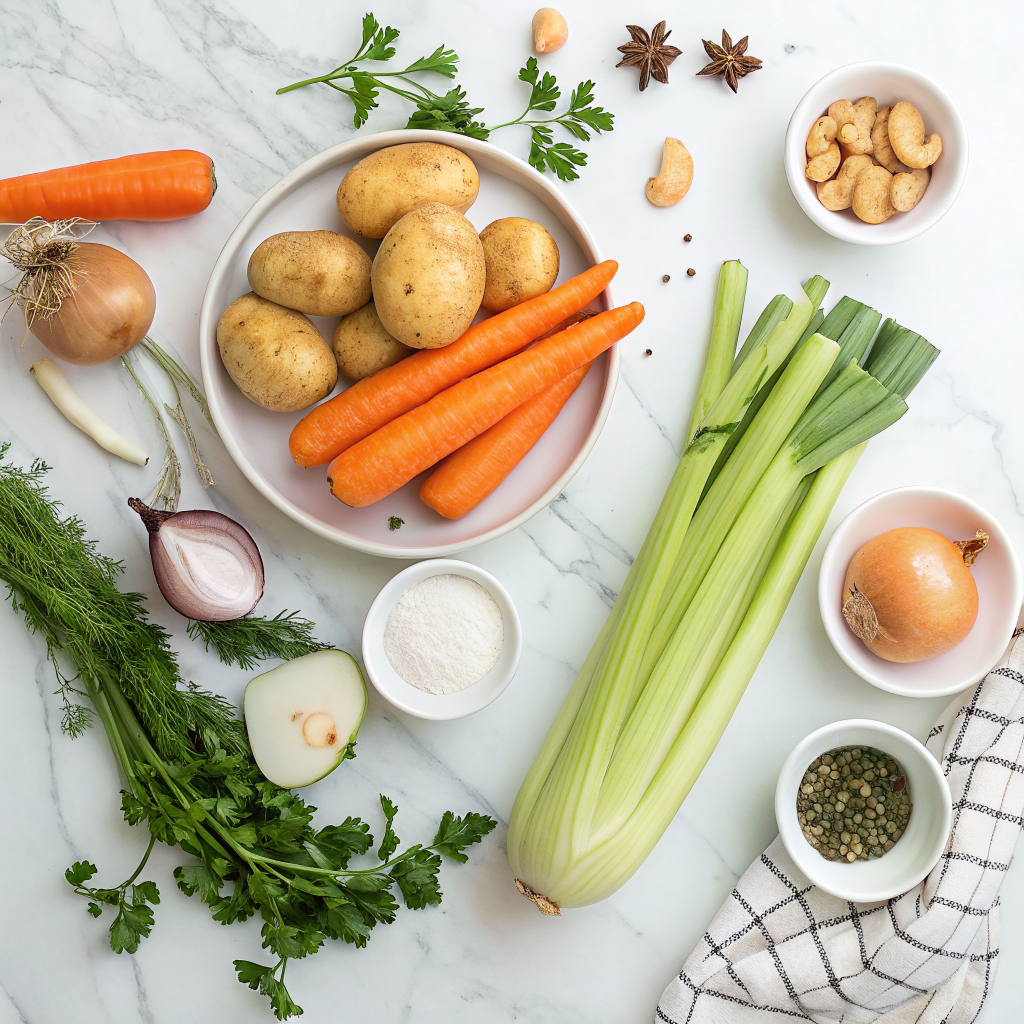
The beauty of this recipe lies in its flexibility, but certain categories of scraps work better than others. Aromatic vegetables form the foundation of any good soup base. Save onion skins and ends, garlic peels and ends, leek greens, shallot trimmings, and scallion roots for maximum flavor depth.
Root vegetable scraps add sweetness and body to your broth. Collect carrot peels and ends, potato peels (in moderation), parsnip trimmings, turnip ends, and sweet potato skins. These ingredients release starches that give the soup a fuller mouthfeel and natural sweetness that balances savory elements.
Herb stems and leafy greens contribute fresh, bright notes. Save parsley stems, cilantro stems, thyme sprigs, rosemary stems, celery leaves, and chard stems. These parts often contain more concentrated flavor than the leaves themselves and infuse the broth with aromatic complexity.
Mushroom stems and ends provide umami depth that makes the soup taste richer and more satisfying. Shiitake stems are particularly valuable for their intense savory qualities. Tomato ends and cores add acidity and another dimension of flavor that brightens the finished soup.
For the cooking process, you’ll need approximately 6-8 cups of packed vegetable scraps, 10-12 cups of filtered water, 2 bay leaves, 1 tablespoon of whole peppercorns, 2 teaspoons of sea salt (adjust to taste), and optional additions like kombu seaweed for extra minerals and umami. These proportions create about 8 cups of finished broth.
Scraps to Avoid
Not all vegetable scraps work well in soup. Avoid cruciferous vegetables like broccoli stems, cauliflower cores, brussels sprout ends, and cabbage cores as they become bitter and sulfurous during long cooking. Beet peels can overpower other flavors and turn everything an unappetizing purple color.
Skip anything moldy, slimy, or past its prime since these will compromise both flavor and food safety. Avoid heavily waxed produce peels unless you’ve scrubbed them thoroughly. Artichoke leaves and asparagus ends tend to be too fibrous and bitter for pleasant soup.
How to Make Zero Waste Vegetable Scraps Soup: Step-by-Step
Begin by sorting through your collected scraps and removing any questionable pieces. Rinse everything thoroughly under cold water to remove any dirt or debris. This step is crucial for achieving a clean-tasting broth without any gritty texture or off flavors.
For the deepest flavor, spread your scraps on a large baking sheet and roast at 400°F (200°C) for 25-30 minutes until edges are caramelized and golden. This optional step adds incredible depth and complexity. The natural sugars in the vegetables caramelize, creating rich, toasted notes that make your soup taste like it simmered for days.
Transfer roasted or raw scraps to a large stockpot or Dutch oven. Add cold filtered water until scraps are covered by about 2 inches. Starting with cold water helps extract maximum flavor and nutrients as the temperature gradually rises.
Add bay leaves, peppercorns, and any dried herbs you enjoy. Bring the pot to a boil over high heat, then immediately reduce to a gentle simmer. Skim off any foam that rises to the surface during the first 15 minutes—this removes impurities and results in a clearer broth.
Simmer uncovered for 1.5 to 3 hours, depending on how much time you have. Longer simmering extracts more flavor, but even 90 minutes produces excellent results. The liquid should bubble gently with occasional small bubbles breaking the surface. Check periodically and add more water if the level drops significantly.
After simmering, remove the pot from heat and let it cool for 15-20 minutes. This makes straining safer and allows flavors to settle. Set a fine-mesh strainer or colander lined with cheesecloth over a large bowl or second pot.
Carefully pour the contents through the strainer, pressing gently on the solids to extract all liquid without forcing through any pulp. Discard the spent scraps—they’ve given everything they have. The resulting broth should be clear and aromatic with a beautiful golden color.
Taste your broth and adjust seasoning with salt and pepper. At this point, you can use it immediately as a base for soup by adding fresh vegetables, proteins, grains, or noodles. The broth itself is the foundation; what you add determines the final character of your Zero Waste Vegetable Scraps Soup.
Finishing the Soup
For a complete meal, return the strained broth to your pot and bring to a simmer. Add diced fresh vegetables like carrots, celery, potatoes, or whatever you have on hand. Simmer until vegetables are tender, about 15-20 minutes.
Consider adding cooked beans, lentils, or chickpeas for protein and fiber. Grains like rice, barley, or farro add heartiness and make the soup more filling. Fresh or dried pasta works wonderfully for a comforting noodle soup variation.
Finish with fresh herbs, a squeeze of lemon juice, or a drizzle of good olive oil. These final touches brighten flavors and add complexity. Taste and adjust seasoning one final time before serving hot with crusty bread.
Nutrition & Health Benefits
Vegetable scraps contain concentrated nutrients often higher than the parts we typically eat. Carrot peels have more antioxidants than the inner flesh. Onion skins contain quercetin, a powerful anti-inflammatory compound. By using these typically discarded parts, you’re maximizing nutritional value.
The long simmering process extracts minerals like calcium, magnesium, and potassium into the broth, creating a highly bioavailable form your body easily absorbs. This mineral-rich liquid supports bone health, muscle function, and proper hydration. It’s essentially a homemade electrolyte drink with added flavor and satisfaction.
The soup is naturally low in calories while being nutrient-dense, making it perfect for weight management. A cup of vegetable scrap broth contains approximately 10-15 calories with virtually no fat. When you add vegetables, legumes, and grains, you create a balanced meal under 200 calories per generous serving.
The high water content keeps you hydrated while the fiber from added vegetables supports digestive health. The warmth and liquid help with satiety, making you feel full and satisfied without overeating. Many people find that starting meals with broth-based soup naturally reduces overall calorie intake.
For those interested in detox and cleansing protocols, vegetable broth provides gentle support for the body’s natural detoxification processes. The nutrients support liver function while the liquid helps flush toxins. It’s a nourishing way to give your digestive system a break while still providing essential nutrients.
Variations & Substitutions
Transform your basic broth into Asian-inspired soup by adding ginger scraps, lemongrass ends, and lime leaves to your initial simmer. Finish with miso paste, soy sauce, rice noodles, and fresh cilantro. Top with chili oil and sesame seeds for an authentic touch that rivals restaurant versions.
Create an Italian-style minestrone by finishing your broth with canned tomatoes, white beans, small pasta, and Italian herbs. Add a parmesan rind during simmering for extra umami depth. Finish with fresh basil and a drizzle of quality olive oil for classic Italian comfort.
For a Mexican-inspired version, add cumin, coriander, and dried chiles to your broth. Finish with black beans, corn, diced tomatoes, and lime juice. Top with avocado, cilantro, and crispy tortilla strips for a satisfying meal with bold flavors.
Make it creamy without dairy by blending in soaked cashews, coconut milk, or white beans. This creates a velvety texture that feels indulgent while remaining plant-based. The creaminess also helps the soup feel more substantial and filling.
For a protein boost, add shredded rotisserie chicken, cubed tofu, or cooked lentils. These additions transform the soup from a light starter into a complete meal. Each protein option brings its own texture and nutritional benefits to the dish.
Seasonal variations keep the soup interesting year-round. In fall, emphasize root vegetables and warming spices like cinnamon and nutmeg. Summer versions can highlight fresh tomatoes and zucchini. Winter soups benefit from hearty grains and beans, while spring versions shine with fresh peas and asparagus tips.
Serving Suggestions
Serve this soup as an elegant first course for dinner parties by presenting it in small bowls with a garnish of microgreens and a drizzle of herb oil. The clear, golden broth looks sophisticated and restaurant-quality. Guests will never guess it came from scraps destined for the trash.
Make it a complete weeknight meal by pairing with crusty bread, a simple salad, and perhaps some cheese. This combination provides balanced nutrition with minimal effort. The soup does most of the work while simple sides round out the meal perfectly.
Pack it in thermoses for work lunches or school. The soup stays hot for hours and provides a warming, nutritious midday meal. It’s far healthier and more economical than most takeout options while being just as convenient.
Use the broth as a cooking liquid for grains instead of plain water. Rice, quinoa, and farro absorb the flavorful liquid and become much more interesting. This technique adds depth to side dishes without any extra effort or ingredients.
Freeze the broth in ice cube trays for convenient flavor boosters. Pop a few cubes into sauces, gravies, or braises whenever you need extra depth. This trick maximizes the utility of every batch you make and ensures nothing goes to waste.
For a light breakfast or snack, heat a cup of broth and sip it like tea. Many cultures recognize bone and vegetable broths as healing drinks. The warm, savory liquid is surprisingly satisfying and provides gentle energy without caffeine or sugar.
Common Mistakes to Avoid
The biggest mistake is using moldy or rotted scraps thinking they’ll be fine once cooked. Bad ingredients make bad soup regardless of cooking method. Always inspect scraps before adding them to your collection and discard anything questionable immediately.
Over-salting the broth before it reduces is another common error. The liquid concentrates as it simmers, intensifying all flavors including salt. Season lightly during cooking and adjust at the end when you know the final concentration level.
Boiling instead of simmering creates cloudy broth with harsh flavors. The aggressive bubbling breaks down vegetables too quickly and creates an unpleasant texture in the liquid. Gentle simmering extracts flavors slowly and produces clear, refined results worth the patience.
Using too many cruciferous vegetables creates bitter, sulfurous flavors that overpower everything else. A small amount of cabbage or broccoli stem is fine, but they should never dominate. Balance is key to achieving pleasant, well-rounded flavor.
Not straining thoroughly enough leaves sediment in your broth that creates gritty texture. Take time to strain through fine mesh or cheesecloth. The extra few minutes produce professional-quality results that look as good as they taste.
Storing hot broth in sealed containers creates dangerous conditions for bacterial growth. Always cool broth to room temperature before refrigerating or freezing. This food safety step prevents spoilage and potential illness from improper storage.
Storage & Meal Prep Tips
Store finished broth in airtight containers in the refrigerator for up to 5 days. Glass jars work beautifully and don’t absorb odors like plastic can. Label containers with the date so you know exactly how long they’ve been stored.
For longer storage, freeze broth for up to 6 months without quality loss. Leave headspace in containers since liquid expands when frozen. Freezing in various portion sizes gives you flexibility—pint containers for recipes and cup portions for quick uses.
The ice cube tray method mentioned earlier is perfect for meal prep. Once frozen solid, transfer cubes to freezer bags for easy access. Each cube is approximately 2 tablespoons, making it simple to add exact amounts to recipes.
Collect scraps continuously in a freezer bag or container, adding to it throughout the week. When the container is full, you have enough for a batch of soup. This system ensures you always have scraps ready without taking up excessive freezer space.
Prep vegetables for the finished soup by chopping and freezing them in meal-sized portions. When you’re ready to make soup, simply combine frozen broth and frozen vegetables in a pot. Everything cooks together beautifully with minimal effort.
Consider making double batches since the time investment is nearly identical. Having extra broth on hand makes weeknight cooking infinitely easier. You’ll reach for it constantly once you experience the convenience of homemade broth ready in your freezer.
If you’re serious about zero waste cooking, compost the spent scraps after straining. They’ve given their flavor and nutrients to the broth but still have value for your garden. This completes the circle of sustainability from kitchen to garden and back again.
Final Thoughts on Zero Waste Vegetable Scraps Soup
This Zero Waste Vegetable Scraps Soup represents more than just a recipe—it’s a mindset shift toward more sustainable cooking. Every batch you make reduces waste, saves money, and provides nourishment for your family. The skills you develop translate to more mindful cooking overall, making you a more resourceful and creative home cook.
The satisfaction of creating something delicious from ingredients you would have thrown away is genuinely rewarding. You’ll find yourself looking at vegetable scraps differently, seeing potential instead of waste. This simple change in perspective can transform your relationship with food and cooking.
As you become comfortable with the basic technique, experimentation becomes natural. You’ll develop intuition about which scraps work well together and how to adjust seasonings for different flavor profiles. Each batch teaches you something new about flavor building and resourcefulness.
Share this recipe with friends and family who care about sustainability and good food. The more people who adopt scrap-saving habits, the greater our collective environmental impact. Plus, it’s genuinely enjoyable to discuss variations and compare notes on what scraps work best.
Remember that perfection isn’t the goal—using what you have is. Some batches will be more flavorful than others depending on your scrap collection. This variability is part of the charm and keeps the soup interesting rather than monotonous.
Start your scrap collection today if you haven’t already. Within a week or two, you’ll have enough for your first batch of Zero Waste Vegetable Scraps Soup. The hardest part is simply beginning the habit; once established, it becomes second nature and you’ll wonder why you ever threw those valuable scraps away.
Frequently Asked Questions
How long can I collect vegetable scraps before making soup?
You can collect scraps in the freezer for up to 3 months before making Zero Waste Vegetable Scraps Soup. Freezing preserves the scraps and prevents spoilage while you accumulate enough for a full batch. Just keep adding to your container as you cook throughout the weeks, and make soup whenever the container is full or you need broth for another recipe.
Can I use vegetable scraps that have been in the fridge for a few days?
Yes, as long as the scraps are still fresh without mold or sliminess, they’re perfect for soup. In fact, slightly wilted vegetables work just fine since they’ll be simmered for hours. The key is ensuring nothing has actually spoiled—if it smells off or shows signs of decay, compost it instead of adding it to your Zero Waste Vegetable Scraps Soup collection.
What’s the difference between vegetable broth and vegetable stock?
Technically, stock is made from bones with some vegetables, while broth is made primarily from vegetables and meat. However, when making Zero Waste Vegetable Scraps Soup, the terms are often used interchangeably since we’re creating a vegetable-based liquid. The main distinction is that stock tends to have more body from collagen, while vegetable broth is lighter but can be just as flavorful.
Can I pressure cook or use an Instant Pot for faster results?
Absolutely! Pressure cooking reduces the time significantly while still extracting excellent flavor. Add your scraps and water to the Instant Pot, cook on high pressure for 30-40 minutes, then allow natural release. The results are comparable to stovetop simmering but achieved in a fraction of the time, making it easier to incorporate Zero Waste Vegetable Scraps Soup into busy schedules.
For more culinary inspiration, visit AllRecipes.

HomeCook Legacy Kitchen is the editorial name of homecooklegacy.com. Recipes on this site are drafted with the help of AI tools and published by the HomeCook Legacy team. Please check ingredients, cooking times and food-safety guidance for your own situation.