
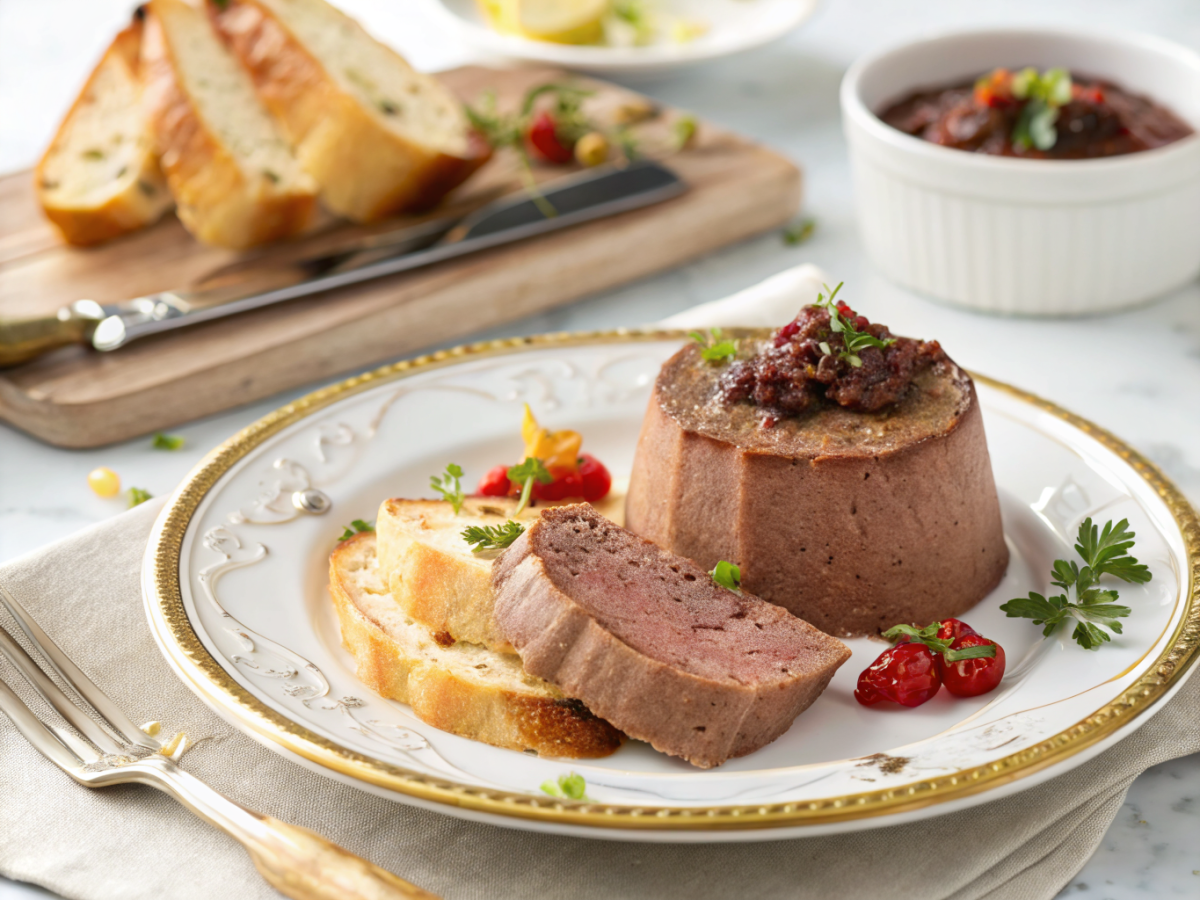
Carnivore Diet Meal Beef Liver Pâté Everyone Will Ask You To Make Again
Ingredients
Method
- In a large skillet over medium heat, cook the chopped bacon until crispy, about 6-8 minutes. Remove bacon and set aside, leaving the rendered fat in the pan.
- Add the diced onion to the bacon fat and cook until softened and translucent, about 5 minutes. Add minced garlic and cook for another minute until fragrant.
- Cut the beef liver into 1-inch pieces and add to the skillet. Cook for 8-10 minutes, stirring occasionally, until the liver is browned on the outside but still slightly pink in the center. Do not overcook or the pâté will be grainy.
- Transfer the cooked liver, onions, garlic, and cooked bacon to a food processor. Add 6 ounces of softened butter, beef bone broth, salt, and pepper. Blend until completely smooth and creamy, about 2-3 minutes, scraping down the sides as needed.
- Taste the pâté and adjust salt and pepper as needed. Blend again briefly to incorporate any additional seasonings.
- Pour the pâté into a serving dish or individual ramekins, smoothing the top with a spatula. Melt the remaining 2 ounces of butter and pour over the top to create a seal.
- Cover and refrigerate for at least 4 hours or overnight until firm. Serve chilled with pork rinds, crispy bacon strips, or enjoy by the spoonful. The pâté will keep refrigerated for up to 5 days.
Nutrition
Notes
Tried this recipe?
Let us know how it was!nnThis Carnivore Diet Meal Beef Liver Pâté transforms nutrient-dense organ meat into a luxurious spread that even liver skeptics will love. Rich, creamy, and packed with essential vitamins, this recipe makes incorporating organ meats into your carnivore lifestyle effortless and delicious. Whether you’re a seasoned carnivore or just exploring animal-based nutrition, this pâté delivers exceptional flavor and nutrition in every bite.
Carnivore Diet Meal Beef Liver Pâté: 5 Easy Tips for Perfect Results
Creating the perfect carnivore beef liver pâté requires attention to a few key details that separate amateur attempts from restaurant-quality results. The first essential tip involves selecting the freshest, highest-quality beef liver you can find, preferably from grass-fed sources. Fresh liver should have a deep burgundy color, firm texture, and a clean, slightly sweet smell without any off-putting odors.
The second critical tip focuses on proper soaking and preparation of the liver before cooking. Soaking liver in cold water or milk for 30 minutes to an hour helps remove any residual blood and mellows the sometimes intense mineral flavor that turns people away from organ meats. This step is optional on a strict carnivore diet but dramatically improves the final taste and texture.
Temperature control during cooking represents the third vital element for pâté success. Overcooking liver makes it grainy, dry, and unpleasantly bitter, while undercooking leaves an undesirable texture and flavor. Cook your liver just until it loses its raw pink color in the center, maintaining a slight blush for optimal texture and taste.
The fourth tip involves the blending process, where patience yields superior results. Allow your cooked liver and fat to cool slightly before blending, which prevents the mixture from becoming too liquid. Blend in stages, scraping down the sides frequently, until you achieve a silky-smooth consistency that spreads like butter.
Finally, the fifth essential tip concerns chilling and flavor development. Your pâté needs at least four hours in the refrigerator to firm up properly and allow flavors to meld and mature. Overnight chilling produces even better results, transforming separate ingredients into a harmonious, luxurious spread that showcases why this dinner recipe has become a carnivore community favorite.
Why You’ll Love This Carnivore Diet Meal Beef Liver Pâté
This recipe solves the common problem many carnivore dieters face: how to regularly consume nutrient-dense organ meats without culinary fatigue. Beef liver ranks among the most nutritionally complete foods on earth, containing more vitamins and minerals per ounce than almost any other food. This pâté makes consuming this superfood genuinely enjoyable rather than a nutritional chore you endure.
The texture of properly made liver pâté rivals the finest French preparations, offering a creamy, spreadable consistency that melts on your tongue. Unlike plain cooked liver, which can be challenging for many palates, pâté’s smooth texture eliminates the sometimes grainy or mealy mouthfeel that discourages people. The high fat content from butter or tallow creates a luxurious richness that balances the liver’s mineral notes perfectly.
Convenience represents another compelling reason to embrace this recipe in your carnivore meal rotation. One batch provides multiple servings that store beautifully in the refrigerator for up to a week, offering quick, nutrient-dense meals or snacks. Simply spread on carnivore crackers, eat with a spoon, or pair with your favorite animal-based foods for instant nutrition.
The versatility of liver pâté makes it suitable for any eating occasion throughout your day. Enjoy it as a sophisticated appetizer when entertaining, a quick breakfast paired with eggs, a satisfying lunch, or an elegant component of your high-protein dinner spread. This adaptability ensures you’ll never tire of this nutritional powerhouse.
Cost-effectiveness adds another advantage to this recipe, as beef liver remains one of the most affordable animal proteins available. While grass-fed steaks command premium prices, quality liver costs a fraction of that amount while delivering superior nutritional density. This makes nutrient-dense carnivore eating accessible regardless of budget constraints.
Core Ingredients for Carnivore Diet Meal Beef Liver Pâté
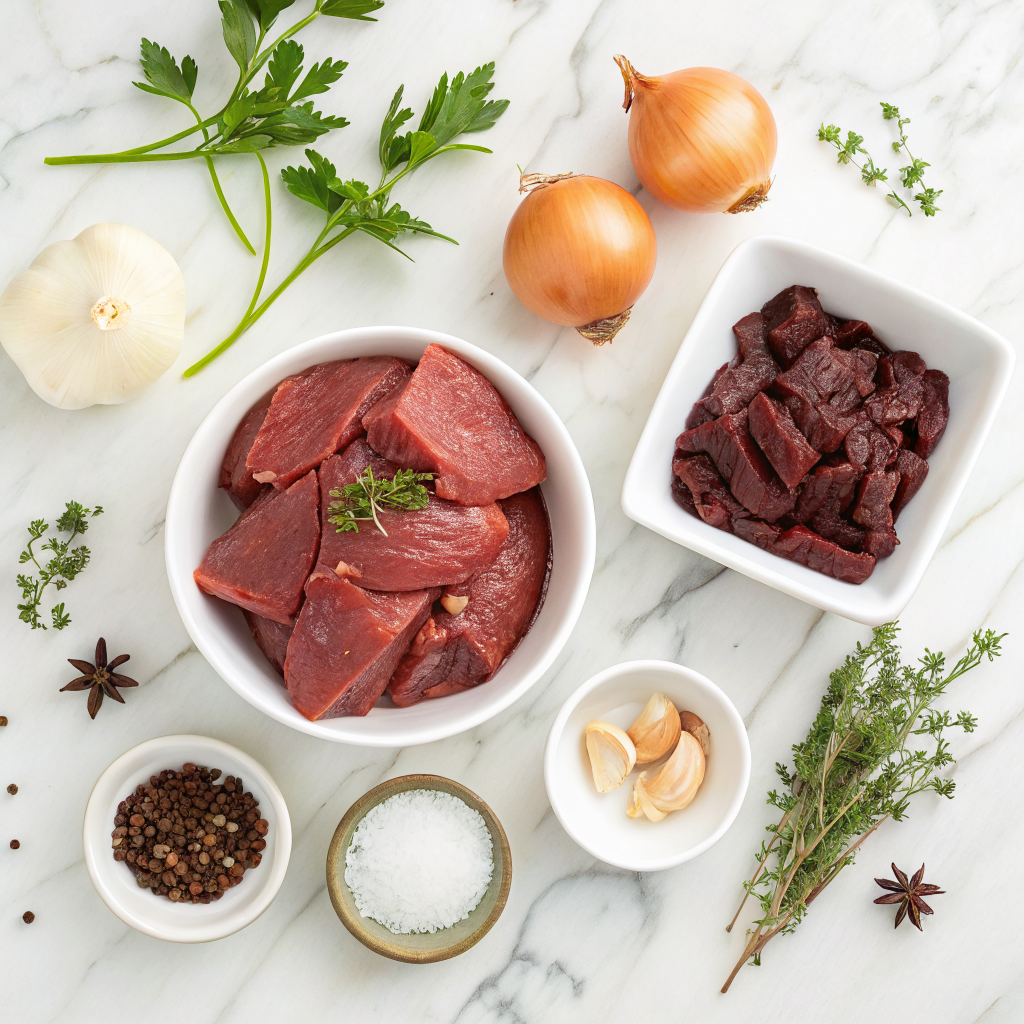
The ingredient list for authentic carnivore liver pâté remains beautifully simple, focusing on quality animal products without plant-based additions. Fresh beef liver forms the foundation, ideally sourced from grass-fed, pasture-raised cattle for optimal nutrient density and flavor. You’ll need approximately one pound of liver, which yields enough pâté for multiple servings throughout the week.
High-quality animal fat provides the essential richness and smooth texture that defines excellent pâté. Grass-fed butter offers traditional flavor and creamy consistency, while beef tallow creates a more intensely beefy profile. Some carnivore enthusiasts prefer bacon fat for its smoky notes, or a combination of fats for complexity and depth.
Salt represents the only true seasoning needed in a strict carnivore preparation, enhancing the natural flavors of the liver and fat. Use high-quality sea salt or Himalayan pink salt to taste, typically starting with one teaspoon and adjusting based on preference. The salt not only seasons but also helps preserve the pâté and draw out the liver’s natural savory qualities.
Optional carnivore-friendly additions include bone broth for moisture and additional nutrients, or rendered duck fat for extra richness. Some recipes incorporate hard-boiled egg yolks for added creaminess and nutritional value. These additions remain entirely animal-based, maintaining the recipe’s carnivore integrity while offering subtle variations in flavor and texture.
For those following a less strict carnivore approach, small amounts of garlic powder or onion powder can bridge the transition from standard cuisine. However, purist carnivore versions rely solely on the quality of the animal products and proper technique to create deeply satisfying flavor. The liver’s natural umami richness requires minimal enhancement when properly prepared.
How to Make Carnivore Diet Meal Beef Liver Pâté: Step-by-Step
Begin your pâté preparation by thoroughly rinsing the beef liver under cold running water, examining it for any connective tissue, veins, or discolored spots. Use a sharp knife to carefully trim away any tough membranes, blood vessels, or greenish areas that may have been touched by bile. Pat the liver completely dry with paper towels, as excess moisture will interfere with proper browning and texture development.
If you choose to soak your liver to mellow the flavor, place the trimmed pieces in a bowl and cover with cold water or milk for 30 to 60 minutes. This optional step helps reduce the sometimes intense mineral taste that can be off-putting to those new to organ meats. After soaking, drain thoroughly and pat the liver completely dry again before proceeding with cooking.
Cut the prepared liver into uniform pieces approximately one to two inches in size, which ensures even cooking throughout. Season the liver pieces generously with salt on all sides, allowing the seasoning to penetrate the meat. Let the salted liver rest at room temperature for about 15 minutes while you prepare your cooking fat and heat your pan.
Place a heavy-bottomed skillet over medium-high heat and add approximately three tablespoons of your chosen cooking fat—butter, tallow, or bacon grease. Allow the fat to melt completely and heat until it shimmers but doesn’t smoke, indicating the ideal temperature for searing. The pan must be properly heated to achieve the light caramelization that adds depth to your pâté’s flavor profile.
Add the liver pieces to the hot pan in a single layer, working in batches if necessary to avoid overcrowding. Sear each piece for approximately two to three minutes per side, until a golden-brown crust forms but the interior remains slightly pink. Overcooking at this stage creates a grainy, bitter pâté, so err on the side of slight undercooking rather than overdoing it.
Transfer the seared liver to a plate and allow it to rest for five minutes, which permits carryover cooking to finish the interior perfectly. During this resting period, the liver’s internal temperature will continue rising slightly, completing the cooking process. This technique ensures your finished pâté achieves the ideal smooth, creamy texture rather than a dry, crumbly consistency.
Place the cooked liver pieces into a food processor or high-powered blender, adding four to six tablespoons of softened butter or your preferred animal fat. The exact amount depends on your desired richness and spreadability—more fat creates a softer, more luxurious texture. Start with less fat and add more as needed during blending to achieve your preferred consistency.
Pulse the mixture initially to break down the liver into smaller pieces, then blend continuously for two to three minutes. Stop periodically to scrape down the sides of the bowl, ensuring even processing throughout. Continue blending until the mixture transforms into a completely smooth, velvety paste without any visible lumps or graininess remaining.
Taste the pâté and adjust the seasoning with additional salt if needed, remembering that flavors will mellow slightly during chilling. If the mixture seems too thick, add a tablespoon or two of warm bone broth or melted fat and blend again. The ideal consistency should be spreadable but not runny, similar to room-temperature cream cheese or soft butter.
Transfer the blended pâté into clean glass jars or ramekins, smoothing the top surface with a spatula. For traditional presentation and extended storage, pour a thin layer of melted butter or tallow over the top to seal the pâté completely. This fat cap prevents oxidation and keeps the pâté fresh longer, while also adding an elegant finishing touch.
Cover the containers tightly with lids or plastic wrap and refrigerate for at least four hours, though overnight chilling produces superior results. During this time, the pâté will firm up considerably and the flavors will meld and mature into a harmonious whole. The waiting period proves essential for achieving the proper texture and taste that makes this recipe truly exceptional.
Nutrition & Health Benefits
Beef liver stands unrivaled as one of nature’s most nutrient-dense foods, containing extraordinarily high levels of vitamin A, B vitamins, iron, copper, and numerous other essential nutrients. A single three-ounce serving of liver provides over 500% of the daily value for vitamin A, supporting vision, immune function, and cellular health. The B vitamin complex in liver, particularly B12, supports energy production, nervous system function, and red blood cell formation at levels impossible to obtain from muscle meat alone.
The bioavailable iron in liver surpasses plant-based iron sources by significant margins, making this pâté particularly valuable for preventing or addressing anemia. Unlike non-heme iron from plants, the heme iron in liver absorbs readily without requiring vitamin C or other absorption enhancers. This makes liver an ideal food for women of childbearing age, athletes, and anyone seeking to optimize their iron status naturally.
Liver contains high concentrations of copper, zinc, selenium, and other trace minerals that support countless enzymatic processes throughout the body. These minerals work synergistically with the vitamins to support immune function, antioxidant defense, and metabolic health. The nutrient density of liver means that even small amounts provide substantial nutritional benefits, making this pâté an efficient way to meet micronutrient needs.
The high-quality protein in liver provides all essential amino acids in optimal ratios for human nutrition. Combined with the generous fat content from butter or tallow, this pâté delivers sustained energy without blood sugar spikes. This macronutrient profile makes it ideal for carnivore dieters seeking stable energy, mental clarity, and appetite control throughout the day.
Choline, another critical nutrient abundant in liver, supports brain health, liver function, and methylation processes essential for detoxification. Many people consume insufficient choline from their diets, making liver consumption particularly valuable. The combination of choline with B vitamins and folate in liver creates a powerful nutritional synergy that supports cognitive function, mood regulation, and overall neurological health.
Variations & Substitutions
While beef liver creates the classic version of this carnivore pâté, other organ meats offer interesting variations with distinct flavor profiles. Chicken liver produces a milder, more delicate pâté that many find more approachable when transitioning to organ meat consumption. Duck liver creates an exceptionally rich, luxurious version reminiscent of traditional French foie gras, though at a fraction of the cost.
Mixing different types of liver in a single batch creates complexity and balance that some prefer over single-source preparations. Try combining beef liver with chicken liver in a 50/50 ratio for a pâté that offers beef liver’s nutritional density with chicken liver’s gentler flavor. Lamb liver adds a distinctive, slightly gamey note that pairs beautifully with beef tallow or lamb fat for an intensely flavorful variation.
The choice of fat dramatically influences your pâté’s final flavor and texture characteristics. Grass-fed butter creates the most traditional, French-style pâté with a creamy, mild richness. Beef tallow produces a more intensely beefy, savory profile that many carnivore dieters prefer. Bacon fat introduces smoky, porky notes that complement liver’s mineral flavors beautifully, creating a more rustic, country-style preparation.
For those who find pure liver pâté too intense initially, incorporating other organ meats can mellow the flavor while maintaining nutritional benefits. Adding cooked beef heart in a 25% ratio creates a milder pâté with excellent texture and added CoQ10. Kidney can be incorporated in small amounts for additional mineral content, though its strong flavor means limiting it to about 10% of the total organ meat.
Texture variations allow you to customize the pâté for different uses and preferences. For a coarser, more rustic country-style pâté, pulse the mixture less and leave some small chunks of liver visible. For an ultra-smooth, restaurant-quality mousse texture, strain the blended mixture through a fine-mesh sieve before chilling. Adding hard-boiled egg yolks during blending creates a richer, creamier texture similar to traditional pâté de campagne.
Serving Suggestions
The versatility of carnivore liver pâté makes it suitable for numerous serving occasions and combinations throughout your day. For breakfast, spread generous amounts on carnivore-friendly crackers made from cheese or pork rinds, or simply enjoy it alongside scrambled eggs and bacon. The rich, savory flavor complements eggs beautifully while providing sustained energy that carries you through the morning without hunger or energy crashes.
As an elegant appetizer for carnivore gatherings or mixed-diet entertaining, serve the pâté in its jar or ramekin with a small spreading knife. Accompany it with sliced hard cheeses, crispy bacon strips, and thinly sliced beef or pork for a sophisticated charcuterie-style presentation. Even guests who don’t follow a carnivore diet will appreciate the luxurious texture and complex flavors when presented attractively.
For lunch or dinner, incorporate the pâté as a flavorful component of your main meal rather than just a spread. Dollop it atop a perfectly cooked ribeye or burger patty, where it melts slightly from the meat’s heat, creating a rich sauce. Stuff it inside chicken breasts before roasting, or spread it between layers of bacon-wrapped meat for an indulgent, nutrient-dense main course.
The pâté works beautifully as a quick, convenient snack when energy dips between meals. Keep a jar in your refrigerator for moments when you need fast nutrition without cooking. Simply eat it with a spoon, spread it on slices of cold roast beef or pork, or wrap it in thin slices of prosciutto or salami for a portable, satisfying snack.
For those who enjoy bone broth as part of their carnivore protocol, stirring a spoonful of pâté into hot broth creates an incredibly nourishing, rich soup. The pâté melts into the broth, adding body, flavor, and concentrated nutrition to your liquid meal. This combination proves especially valuable during fasting periods or when recovering from illness, providing easily digestible nutrients in a comforting format.
Common Mistakes to Avoid
The most frequent error in pâté preparation involves overcooking the liver, which results in a dry, grainy, bitter final product. Liver cooks quickly due to its tender structure and should retain a slight pink blush in the center when removed from heat. Remember that carryover cooking continues after you remove the liver from the pan, so slightly undercooking initially prevents the overdone texture that ruins otherwise good pâté.
Using insufficient fat represents another common mistake that produces pâté with poor texture and spreadability. The fat content should constitute at least 30-40% of the total mixture for proper mouthfeel and consistency. Don’t be afraid of the fat—it carries flavor, creates the signature smooth texture, and provides the energy that makes this such a satisfying carnivore food.
Inadequate blending leaves unpleasant chunks and grainy texture that detract from the eating experience. Take the time to blend thoroughly, scraping down the sides multiple times and processing until completely smooth. If your blender or food processor struggles, add a bit more melted fat to help the blades work more effectively and achieve that restaurant-quality silkiness.
Skipping the chilling period or not allowing enough time for the pâté to firm up properly disappoints many first-time makers. The pâté needs at least four hours, preferably overnight, to set properly and develop its full flavor potential. Trying to serve it too soon results in a loose, spreadable mess rather than the firm, sliceable consistency that defines properly prepared pâté.
Using old or poor-quality liver creates off-flavors that no amount of technique can overcome. Always source the freshest liver possible, preferably from grass-fed animals raised without hormones or antibiotics. Fresh liver should smell clean and slightly sweet, never sour or ammonia-like. When in doubt, ask your butcher for their freshest liver or order from reputable online sources that specialize in quality organ meats.
Storage & Meal Prep Tips
Properly stored carnivore liver pâté remains fresh and delicious in the refrigerator for five to seven days, making it an excellent meal prep option. Store the pâté in clean glass jars or airtight containers, pressing plastic wrap directly onto the surface before sealing to minimize air exposure. The fat cap method, where you pour melted butter or tallow over the top, extends storage life by creating a protective barrier against oxidation.
For longer storage, liver pâté freezes beautifully for up to three months without significant quality loss. Portion the pâté into smaller containers or ice cube trays before freezing, which allows you to thaw only what you need for a single meal. Wrap containers tightly in plastic wrap and then aluminum foil to prevent freezer burn and protect against absorbing other freezer odors.
When ready to use frozen pâté, transfer it to the refrigerator to thaw slowly overnight rather than using quick-thaw methods. Slow thawing preserves the texture better than microwave or room-temperature thawing, which can cause separation or graininess. Once thawed, consume the pâté within three to four days and never refreeze previously frozen pâté, as this degrades quality significantly.
Meal prep efficiency improves dramatically when you prepare larger batches of pâté at once. Double or triple the recipe when you’re already cooking, as the time investment increases only marginally while providing weeks of ready-to-eat nutrition. Divide the large batch into multiple containers, keeping one in the refrigerator for immediate use and freezing the rest for future weeks.
Always use clean utensils when serving pâté from its storage container to prevent bacterial contamination that shortens shelf life. Never double-dip or introduce moisture from other foods, which can promote spoilage. If you notice any off-smells, discoloration, or mold growth, discard the pâté immediately—when it comes to organ meats, it’s better to be cautious about food safety.
Final Thoughts on Carnivore Diet Meal Beef Liver Pâté
This Carnivore Diet Meal Beef Liver Pâté represents one of the most practical and delicious ways to incorporate nutrient-dense organ meats into your regular eating pattern. The transformation from plain liver to luxurious pâté makes this superfood accessible and genuinely enjoyable rather than a nutritional obligation. Once you master this simple technique, you’ll wonder why you ever hesitated to embrace organ meats as a dietary staple.
The combination of exceptional nutrition, affordability, convenience, and genuine deliciousness makes this recipe invaluable for anyone following a carnivore or animal-based diet. Whether you’re seeking to optimize your micronutrient intake, reduce your food costs, or simply enjoy restaurant-quality food at home, this pâté delivers on all counts. The minimal ingredient list and straightforward technique ensure success even for complete beginners.
Don’t be surprised when this Carnivore Diet Meal Beef Liver Pâté becomes one of your most-requested recipes among family and friends. The rich, complex flavor and creamy texture appeal even to those who claim to dislike liver or organ meats. Many people who try this preparation discover that their aversion was never to liver itself but to poorly prepared liver that didn’t showcase this ingredient’s true potential.
Start with a small batch to familiarize yourself with the process and adjust the recipe to your personal preferences. Experiment with different fats, cooking times, and liver types until you discover your perfect version. The beauty of this recipe lies in its flexibility—there’s no single “correct” way, only the way that works best for your palate and nutritional goals.
Remember that incorporating organ meats like liver represents one of the most impactful dietary changes you can make for long-term health. The concentrated nutrition in this pâté supports everything from energy levels and mental clarity to immune function and metabolic health. Making this recipe a regular part of your carnivore meal rotation ensures you’re not just eating for satisfaction but truly nourishing your body at the deepest level.
Frequently Asked Questions
Can I make Carnivore Diet Meal Beef Liver Pâté without butter if I’m dairy-free?
Absolutely—beef tallow, duck fat, or bacon grease work beautifully in place of butter while maintaining the recipe’s carnivore integrity. These animal fats create equally rich, smooth pâté with slightly different flavor profiles that many people actually prefer. Use the same proportions as you would butter, adjusting slightly based on your desired consistency and spreadability.
How can I reduce the strong liver flavor in my pâté?
Soaking the liver in cold water or milk for 30-60 minutes before cooking significantly mellows the mineral intensity that some find overwhelming. Additionally, using a higher ratio of fat to liver (up to 50/50) and ensuring you don’t overcook the liver helps create a milder, more approachable flavor. Mixing beef liver with milder chicken liver also reduces intensity while maintaining nutritional benefits.
Is it safe to eat Carnivore Diet Meal Beef Liver Pâté every day?
While liver pâté is incredibly nutritious, consuming moderate amounts several times per week rather than daily is generally recommended due to the extremely high vitamin A content. Most experts suggest limiting liver consumption to about 4-8 ounces per week to avoid potential vitamin A toxicity. This allows you to enjoy the nutritional benefits without overdoing any single nutrient, maintaining balanced nutrition within your carnivore diet.
Why is my pâté grainy instead of smooth?
